Hotels by Trip.com
Flights by Trip.com
Did you know that Pawnee Buttes Colorado rises 91 meters (300 feet) above the surrounding prairie landscape and contains fossils dating back 30 million years? These ancient geological formations stand as silent witnesses to an era when camels, rhinoceroses, and three-toed horses roamed this area. Today, this remarkable destination within Pawnee National Grassland offers visitors a unique glimpse into both prehistoric times and authentic prairie wilderness just two hours from Denver.
The Pawnee National Grassland encompasses over 78,000 hectares (193,000 acres) of protected prairie ecosystem. This vast area represents one of the last remaining intact shortgrass prairie landscapes in North America. Visitors discover a world where endless horizons meet dramatic rock formations and where wildlife thrives in surprising abundance.
This comprehensive guide reveals everything you need to make your Pawnee Buttes adventure unforgettable. From hidden trails to prime wildlife viewing spots, you’ll find practical information for planning your journey to this extraordinary Colorado destination.
Getting There & Planning Your Journey
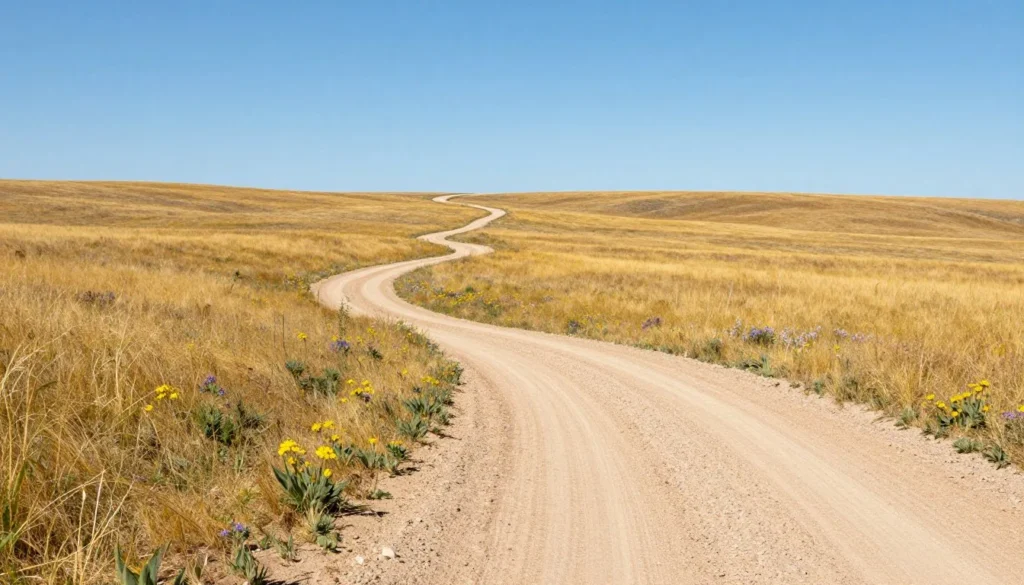
Reaching Pawnee Buttes requires some planning since this remote destination sits far from major highways. The journey itself becomes part of the adventure as you drive through authentic Colorado prairie country. Most visitors find the remoteness adds to the experience rather than detracting from it.
Closest Airports
Denver International Airport (DEN) serves as the primary gateway for Pawnee Buttes visitors. Located approximately 161 kilometers (100 miles) south of the buttes, Denver offers the most flight options and rental car availability. The drive from Denver takes about two hours via Interstate 25 and Highway 14.
Cheyenne Regional Airport (CYS) in Wyoming provides an alternative option. This smaller airport sits roughly 121 kilometers (75 miles) north of Pawnee Buttes. While flight options may be limited, Cheyenne offers a quieter arrival experience with less congestion than Denver.
Driving Directions
From Denver, take Interstate 25 north to Highway 14 near Fort Collins. Drive east on Highway 14 through Ault, then follow signs to Briggsdale. From Briggsdale, County Road 77 leads north to County Road 120, which provides access to the Crow Valley Recreation Area and trailhead.
The final 32 kilometers (20 miles) involve gravel roads that can become challenging during wet conditions. A high-clearance vehicle is recommended but not always essential. Check current road conditions before departing, especially during March through June when spring storms can make roads temporarily impassable.
Pawnee National Grassland Visitor Information:
Pawnee National Grassland – USDA Forest Service
660 O Street, Greeley, CO 80631
Open Monday-Friday, 8:00 AM – 4:30 PM
Best Time to Visit & Weather Tips
Timing your visit to Pawnee Buttes Colorado significantly impacts your experience. The prairie environment creates distinct seasonal characteristics that affect everything from wildlife viewing to trail conditions. Understanding these patterns helps you plan the perfect trip.
Recommended Months
Peak Season: April through June
Spring brings Pawnee National Grassland to life. Wildflowers carpet the prairie in stunning displays during this time. Temperatures range from 15°C to 24°C (59°F to 75°F), creating comfortable hiking conditions. Birdwatchers flock here during these months because numerous species arrive for nesting season.
Check 30,000+ Local Sightseeing Tours Worldwide
✓ Numerous languages and currencies are available
May stands out as particularly exceptional. The prairie blooms reach peak beauty while temperatures remain moderate. Wildlife activity peaks as animals raise their young. However, afternoon thunderstorms become common, so plan morning activities and watch weather forecasts carefully.
Excellent Season: September through October
Fall offers another outstanding window for visiting. Temperatures cool to comfortable levels between 13°C and 21°C (55°F to 70°F). The landscape transforms into golden hues as grasses mature and cure. Wildlife viewing remains excellent as animals prepare for winter.
October delivers especially clear skies perfect for photography. The area sees fewer visitors during autumn compared to spring. This creates opportunities for solitude and contemplative experiences in the vast prairie landscape.
Months to Avoid
Winter months from December through February bring harsh conditions to Pawnee National Grassland. Temperatures regularly drop below -12°C (10°F) with wind chills making it feel even colder. Snow and ice make roads treacherous or completely impassable. The parking lot at the trailhead becomes inaccessible during heavy snow events.
July and August create opposite challenges with extreme heat. Afternoon temperatures frequently exceed 35°C (95°F) with minimal shade available on trails. The combination of heat, intense sun exposure, and low humidity creates dangerous conditions for unprepared hikers. If you must visit during summer, start hikes before 7:00 AM and carry twice as much water as you think necessary.

Weather Patterns
The prairie climate creates dramatic weather changes. Mornings often start calm and beautiful, but afternoon conditions can deteriorate rapidly. Thunderstorms develop quickly during spring and summer, bringing lightning, heavy rain, and occasionally hail. The open landscape offers no shelter, making weather awareness critical for safety.
Wind represents a constant factor at Pawnee Buttes. Average wind speeds range from 16 to 24 kilometers per hour (10 to 15 mph), with gusts much stronger. This wind makes temperatures feel cooler than thermometer readings suggest. Layer clothing and bring windproof outer garments regardless of season.
Notable Annual Festivals
While the remote location of Pawnee National Grassland means few events occur directly at the buttes, nearby communities host celebrations that enhance your visit. These festivals showcase regional culture and provide opportunities to connect with local residents who know the area intimately.
Grover Potato Day
Held annually in September in the nearby town of Grover, this festival celebrates the agricultural heritage of the region. The event features a parade, live music, craft vendors, and of course, plenty of potato dishes. Local farmers share stories about prairie life and can provide insider tips about visiting Pawnee Buttes.
Grover Potato Day Information:
Pawnee Pioneer Days
Taking place in June in Briggsdale, this event honors the pioneer spirit that shaped the region. Activities include historical reenactments, traditional crafts demonstrations, and storytelling sessions. Many attendees combine festival participation with visits to Pawnee Buttes, making it an ideal time for cultural immersion.
Pawnee Pioneer Days Contact:
Weld County Fair
Occurring in late July in Greeley, this major regional fair showcases agricultural excellence and Western heritage. While not specific to Pawnee National Grassland, the fair provides context for understanding the cultural landscape surrounding the buttes. Rodeo events, livestock shows, and carnival attractions draw families from across Colorado.
Getting Around Locally
Transportation around Pawnee Buttes area requires personal vehicles since no public transit serves this remote region. The roads vary from paved state highways to primitive two-track paths. Understanding the road system helps you navigate confidently and avoid getting stuck.
Vehicle Requirements
Most passenger cars can reach the Crow Valley Recreation Area parking lot during dry conditions. The gravel roads are well-maintained but watch for washboard surfaces that develop between grading sessions. Drive slowly to protect your vehicle and maintain control.
High-clearance vehicles provide advantages for exploring beyond the main parking lot. Several primitive roads lead to additional viewpoints and camping areas. These routes may have deep ruts, loose sand, or rocky sections that challenge low-clearance vehicles.
Navigation Tips
Cell phone coverage is extremely limited throughout Pawnee National Grassland. Download offline maps before leaving paved roads. The Forest Service provides paper maps at the Greeley office, which many visitors find invaluable for orientation.
Road names can be confusing since county roads are numbered rather than named. Pay close attention to directional signs at intersections. Many roads look similar, making it surprisingly easy to take wrong turns. Note landmarks like distinctive windmills or cattle guards to help track your route.
Important Road Safety Note: After rain or snow, even main access roads can become impassable for hours or days. Clay soil turns extremely slippery when wet. Do not attempt to drive on wet roads regardless of vehicle type. Vehicles frequently become stuck, requiring expensive towing services from Fort Collins or Greeley.
Where to Stay

Accommodation options near Pawnee Buttes range from primitive camping directly in the grassland to comfortable hotels in surrounding towns. The remote location means most developed lodging sits 48 to 80 kilometers (30 to 50 miles) from the buttes themselves. Many visitors appreciate this separation, enjoying modern comforts after day adventures in wild country.
Camping at Pawnee National Grassland
Dispersed camping is permitted throughout most of the national grassland at no cost. This means you can pitch your tent almost anywhere on public land. The Crow Valley Recreation Area near the trailhead offers designated campsites with basic amenities including vault toilets and fire rings. No water is available, so bring all you need.
The camping experience here is genuinely remote. You may not see another person during your entire stay. Nights bring spectacular stargazing opportunities thanks to minimal light pollution. The Milky Way appears as a brilliant band across the sky, and meteor showers put on impressive displays.
Spring and fall provide the most comfortable camping conditions. Summer nights cool pleasantly after hot days, but afternoon storms can be intense. Winter camping is possible for experienced cold-weather campers but requires serious preparation. Wind protection becomes critical since natural windbreaks are scarce on the open prairie.
Nearby Town Accommodations
Greeley, located about 80 kilometers (50 miles) south, offers the widest selection of hotels, motels, and vacation rentals. Chain hotels provide reliable comfort with amenities like swimming pools, complimentary breakfast, and WiFi. Prices are moderate, ranging from $80 to $150 per night depending on season and property quality.
Fort Collins sits roughly 97 kilometers (60 miles) southwest of Pawnee Buttes. This vibrant college town features boutique hotels, bed and breakfasts, and a thriving restaurant scene. While farther from the buttes, Fort Collins makes an excellent base for visitors who want urban amenities combined with outdoor adventures.
Sterling, about 113 kilometers (70 miles) northeast, provides another option with several chain hotels and local motels. This smaller community offers a quieter atmosphere and serves as a gateway to the northeastern section of Pawnee National Grassland.
Private Ranch Stays
A few working ranches near Pawnee National Grassland offer guest accommodations. These stays provide authentic Western experiences including ranch-style meals, horseback riding, and insights into prairie livestock operations. Availability is limited and reservations are essential, often requiring booking months in advance. Contact the Greeley visitor center for current information about ranch stay opportunities.
Dining & Local Cuisine
The remote nature of Pawnee Buttes means no restaurants or food services exist within the grassland itself. Plan accordingly by bringing all food and water for your day trips. Most visitors pack coolers with sandwiches, snacks, and beverages. The nearest dining options are found in surrounding communities.
What to Bring
Pack more food and water than you think necessary. The dry climate and physical activity increase consumption significantly. Salty snacks help replace electrolytes lost through sweating. High-energy foods like trail mix, energy bars, and fresh fruit provide sustained fuel for hiking.
Water is absolutely critical. Each person should carry at least 3 liters (100 ounces) for a half-day hike during moderate weather. Double that amount during summer. No natural water sources are safe for drinking without purification, and even purified prairie water often has high mineral content that may cause digestive issues.
Dining in Nearby Towns
Greeley features diverse restaurant options ranging from classic steakhouses to international cuisine. Colorado beef is a regional specialty, and several restaurants serve locally-raised steaks that showcase the quality of prairie-fed cattle. Mexican restaurants are particularly abundant and serve generous portions of authentic regional dishes.
Fort Collins offers a sophisticated food scene with farm-to-table restaurants, craft breweries, and coffee roasters. This is an excellent place to enjoy a celebratory dinner after several days of rustic camping and hiking. The brewery scene is especially notable, with numerous establishments producing award-winning beers.
Smaller towns like Briggsdale and Grover have limited dining options but offer authentic local experiences. Small cafes serve hearty breakfasts and homestyle lunches. Don’t expect gourmet food, but the portions are generous and prices are reasonable. These establishments also serve as informal community centers where you can chat with locals about area conditions and hidden spots.
Attractions, Sightseeing & Activities
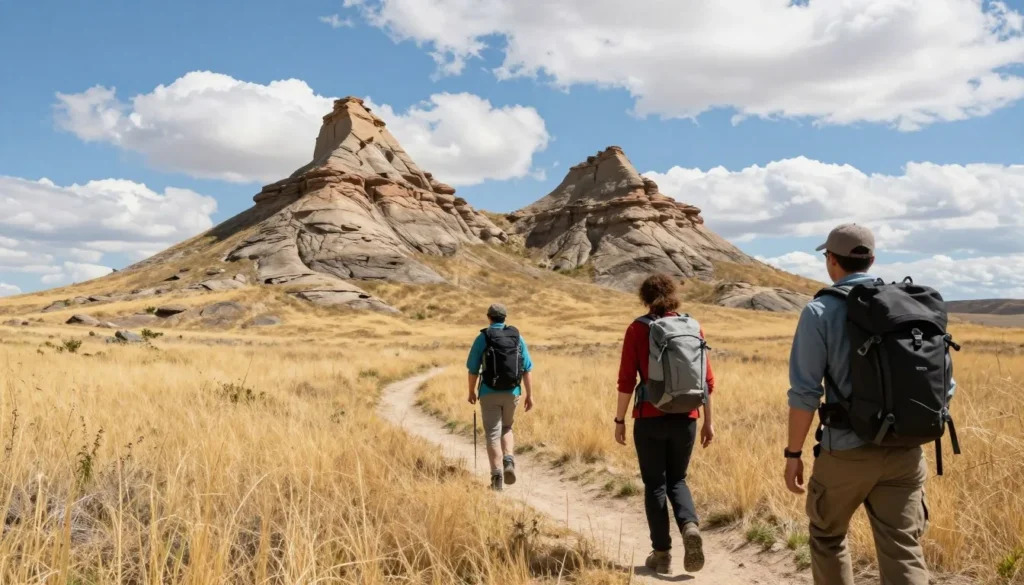
Pawnee Buttes Colorado offers distinctive attractions that appeal to nature enthusiasts, photographers, and anyone seeking authentic wilderness experiences. The activities here focus on appreciating the natural environment rather than commercial entertainment. This simplicity is precisely what draws many visitors to the area.
Pawnee Buttes Trail
The main hiking trail to Pawnee Buttes covers approximately 2.4 kilometers (1.5 miles) one way from the parking lot. This route is rated as easy to moderate, with minimal elevation gain of about 30 meters (100 feet). The trail surface is packed earth and grass, easy to follow even without extensive hiking experience.
The path winds through classic shortgrass prairie dotted with wildflowers during spring and early summer. Interpretive signs along the way explain geological history and ecological features. The twin buttes grow increasingly impressive as you approach, revealing layers of sedimentary rock deposited over millions of years.
Most hikers complete the round trip in two to three hours including time for photography and exploration around the buttes. Early morning and late afternoon provide the best lighting for photographs. Midday sun creates harsh shadows, though the dramatic landscape still impresses.
Wildlife Viewing
Pawnee National Grassland supports remarkable wildlife diversity. Pronghorn antelope are commonly seen grazing across the prairie. These animals are uniquely North American and rank among the fastest land mammals in the world. Watch for them in herds ranging from a few individuals to dozens.
Birds draw enthusiasts from around the world. The area hosts over 300 species throughout the year, with peak diversity during spring migration. Mountain plovers, a species of conservation concern, nest here in good numbers. Burrowing owls inhabit prairie dog colonies. Raptors including ferruginous hawks and golden eagles hunt across the grassland.
Prairie dogs create “towns” covering several hectares. These social rodents provide endless entertainment with their vocalizations and behaviors. Their burrow systems support numerous other species, making prairie dog colonies biodiversity hotspots. Observe from a respectful distance and never feed or touch wildlife.
Photography Opportunities
Photographers find endless subjects at Pawnee Buttes. Landscape photography benefits from the dramatic rock formations set against expansive prairie. Sunrise and sunset create spectacular color displays. Storm photography can be exceptional when weather conditions cooperate, though safety must remain the priority.
Wildlife photography requires patience and proper equipment. Long telephoto lenses help capture detailed images while maintaining safe distances. Macro photography reveals intricate details of wildflowers and insects. Night photography showcases brilliant stars and occasional opportunities for aurora borealis during solar activity peaks.
Museums, Cultural Spots & Festivals
While Pawnee Buttes itself is a natural attraction without developed cultural facilities, surrounding communities preserve regional history through museums and cultural centers. These venues provide valuable context for understanding the human history of the prairie region.
Centennial Village Museum
Located in Greeley, this living history museum recreates life on the Colorado prairie from 1860 to 1920. Historical buildings include a schoolhouse, church, and farmsteads. Costumed interpreters demonstrate pioneer skills and explain how settlers adapted to the challenging prairie environment. The museum helps visitors appreciate the harsh realities faced by early inhabitants of the Pawnee National Grassland region.
Overland Trail Museum
Found in Sterling, this facility focuses on the Overland Trail that passed near present-day Pawnee National Grassland. Exhibits include wagons, Native American artifacts, and pioneer equipment. The museum grounds feature historic buildings moved from surrounding areas. Special programs during summer bring history to life through demonstrations and reenactments.
Fort Collins Museum of Discovery
This modern science museum in Fort Collins includes exhibits about regional ecology and natural history. The “Expedition: Health” exhibit explores connections between environment and human wellbeing. Local history galleries cover settlement patterns and agricultural development. While not specifically focused on Pawnee Buttes, the museum provides excellent background information about prairie ecosystems.
Nature & Outdoor Experiences

The natural environment at Pawnee Buttes offers immersive experiences in one of North America’s most endangered ecosystems. Less than one percent of original shortgrass prairie remains intact. Experiencing this landscape provides perspective on both ecological treasure and conservation challenges.
Ecological Significance
Shortgrass prairie represents an adaptation to harsh conditions including low rainfall, temperature extremes, and constant wind. Plants here have evolved remarkable survival strategies. Many grasses grow most of their biomass below ground in extensive root systems. These roots can extend 1.5 meters (5 feet) deep, allowing plants to access moisture unavailable to shallow-rooted species.
The prairie supports a complex web of life despite appearing simple at first glance. Invertebrates including beetles, grasshoppers, and butterflies fill numerous ecological niches. Small mammals like mice and ground squirrels provide prey for predators. The entire system depends on periodic disturbance from grazing and occasional fire to maintain diversity and vigor.
Birdwatching Excellence
Birding at Pawnee National Grassland attracts observers from around the world seeking species found nowhere else. Spring brings incredible diversity as migrants pass through and breeding residents return. The nesting season from May through July offers chances to observe courtship displays and family groups.
Mountain plovers nest on bare ground and shortgrass areas. These rather drab brown birds are declining across their range, making Pawnee National Grassland critical habitat. Lark buntings, Colorado’s state bird, arrive in late April and fill the air with their distinctive songs. McCown’s longspurs perform elaborate flight displays during courtship.
Raptors hunt across the grassland throughout the day. Ferruginous hawks are large, impressive predators that nest on the few trees and utility poles. Swainson’s hawks are more common during summer. Golden eagles hunt primarily during morning and evening hours. Burrowing owls occupy prairie dog burrows and are active during daylight, making them relatively easy to observe and photograph.
Stargazing
Dark skies at Pawnee Buttes reveal celestial wonders rarely visible from urban areas. The Milky Way appears as a bright band stretching across the sky on clear, moonless nights. Meteor showers put on spectacular displays, with dozens or even hundreds of shooting stars visible per hour during peak events.
Planets are visible to the naked eye and appear remarkably bright against the dark sky. Jupiter’s largest moons can be seen with binoculars. Saturn’s rings are visible through small telescopes. The lack of trees on the horizon allows observation of celestial objects from the moment they rise until they set.
Consider timing your visit during new moon phases for optimal stargazing. The Perseid meteor shower in August and Geminid shower in December are particularly impressive from this location. Dress warmly since clear nights can be surprisingly cold even during summer due to rapid radiational cooling.
Safety, Etiquette & Local Customs
Visiting Pawnee Buttes safely requires preparation and awareness. The remote location and harsh climate create real risks for unprepared visitors. Following established etiquette preserves the wilderness character that makes this destination special.
Essential Safety Information
Weather poses the most significant hazard. Lightning kills more people in Colorado than any other natural hazard. Afternoon thunderstorms develop rapidly during spring and summer. If you see lightning or hear thunder, immediately return to your vehicle. Do not wait to see if the storm passes. The open prairie offers no safe shelter.
Heat exhaustion and heat stroke are real dangers during summer. Symptoms include dizziness, nausea, confusion, and cessation of sweating despite high temperature. Prevention is critical: start early, drink water frequently before feeling thirsty, take breaks in any available shade, and turn back if conditions become uncomfortable.
Rattlesnakes inhabit the area and become active during warm weather. Prairie rattlesnakes are generally not aggressive but will strike if threatened or stepped on. Watch where you place hands and feet when scrambling on rocks or walking through tall grass. Wear boots rather than sandals. If bitten, remain calm and seek medical attention immediately.
Emergency Contact:
Cell coverage is limited. Consider carrying a satellite communicator for emergencies.
Leave No Trace Principles
Pack out everything you pack in, including orange peels and other organic matter that seems biodegradable. These items can take years to decompose in the dry prairie environment. Toilet paper and human waste must be buried at least 15 centimeters (6 inches) deep and 61 meters (200 feet) from water sources, trails, and campsites.
Stay on designated trails when they exist. Prairie vegetation is fragile, and off-trail travel creates scars that persist for years. Even a single pass can damage plants that take decades to recover. Multiple passes create permanent trails that concentrate runoff and accelerate erosion.
Respect wildlife by observing from a distance. Never approach animals for closer photographs. If your presence causes wildlife to alter their behavior, you are too close. This is especially critical during nesting season when disturbance can cause birds to abandon nests.
Check 30,000+ Local Sightseeing Tours Worldwide
✓ Numerous languages and currencies are available
Cultural Considerations
Pawnee National Grassland includes both public and private land. Respect private property boundaries marked by fences and signs. Many ranchers have granted easements allowing public access across their land to reach public areas. Thank them by following all posted rules and leaving gates as you found them.
Grazing cattle are part of the prairie ecosystem and management strategy. Give livestock space and do not disturb them. If cattle are blocking the trail, wait patiently or make a wide detour rather than pushing through the group.
Visitor Comments About Pawnee Buttes
“The solitude and expansiveness of Pawnee Buttes exceeded all expectations. We camped for three nights and saw more stars than I knew existed. The morning birdsong was extraordinary, and we spotted pronghorn every single day. This is truly a hidden gem that rewards those willing to venture off the beaten path. The trails are well-marked and the landscape is unlike anything else I’ve experienced in Colorado.”
“Our family spent a day exploring Pawnee National Grassland and the buttes made a lasting impression on our children. The hike was manageable for our eight-year-old, and she loved learning about the fossils and geology. We were surprised by how much wildlife we encountered. The remoteness initially concerned us, but we found it refreshing to disconnect from technology and connect with nature. Make sure to bring plenty of water and snacks as there are no facilities.”
“As a photographer, I’ve visited Pawnee Buttes multiple times throughout different seasons. Each visit reveals new perspectives and lighting conditions. Spring wildflowers create incredible foreground interest, while fall offers dramatic storm photography opportunities. The night skies are among the darkest I’ve found in Colorado. The area can feel harsh and unforgiving, but that’s part of its authentic character. This is wilderness in the truest sense, and I appreciate that it remains undeveloped and uncommercial.”
Additional Nearby Destinations
Pawnee Buttes can anchor a broader exploration of northeastern Colorado’s natural and cultural attractions. Several worthwhile destinations lie within reasonable driving distance, allowing you to create a diverse itinerary.
Rocky Mountain National Park
Located approximately 145 kilometers (90 miles) southwest of Pawnee Buttes, this famous park offers a dramatic contrast to the prairie landscape. Alpine peaks, mountain lakes, and dense forests create an entirely different ecosystem. The drive from grassland to mountain takes about two hours and passes through dramatic elevation changes.
Pawnee National Grassland North Unit
The northern section of Pawnee National Grassland contains additional hiking trails and wildlife viewing opportunities. The Pawnee Pioneer Trails Auto Tour Route provides a 58-kilometer (36-mile) driving loop through prime habitat. Interpretive signs explain prairie ecology and history. This area receives even fewer visitors than the buttes section.
Cache La Poudre River
Colorado’s only designated Wild and Scenic River flows through a dramatic canyon west of Fort Collins. The river offers excellent trout fishing, kayaking, and riverside hiking. Several campgrounds and picnic areas provide developed facilities. The area is particularly beautiful during fall when cottonwood trees turn golden yellow.
State Forest State Park
Situated about 169 kilometers (105 miles) west of Pawnee Buttes, this state park provides high-elevation recreation including camping, fishing, and wildlife viewing. Moose are frequently seen in willow bottomlands. The North Michigan Reservoir offers excellent scenery and fishing opportunities. This makes a good alternative if weather makes prairie travel challenging.
Practical Travel Tips
Essential Gear
- Sturdy hiking boots or shoes with good ankle support
- Wide-brimmed hat for sun protection
- Sunscreen (SPF 50+ recommended) and lip balm
- Sunglasses with UV protection
- Multiple layers of clothing for variable conditions
- Windproof jacket regardless of season
- Headlamp or flashlight with extra batteries
- First aid kit including blister treatment
- Paper maps and compass as GPS backup
- Whistle for emergency signaling
Water and Food
- Minimum 3 liters (100 oz) water per person per day
- Water purification system if planning to treat natural sources
- High-energy snacks like trail mix, nuts, and dried fruit
- Electrolyte replacement drinks or tablets
- Complete meals if camping overnight
- Cooler with ice for perishable items
- Trash bags to pack out all garbage
- Sealed containers to protect food from wildlife
Technology Considerations
Cell phone service is unreliable to nonexistent throughout most of Pawnee National Grassland. Download offline maps before leaving areas with connectivity. Consider purchasing a satellite communicator device that works anywhere for emergency situations. These devices allow you to send text messages and SOS signals even without cell coverage.
Bring portable battery packs to recharge phone cameras and other devices. Solar chargers work well in the sunny prairie environment. Protect electronic devices from dust by keeping them in sealed bags when not in use. The fine prairie dust infiltrates everything during windy conditions.
Photography Tips
Shoot during golden hours shortly after sunrise and before sunset for the most dramatic lighting. Midday sun creates harsh contrasts but can work for high-key exposures emphasizing the stark landscape. Include foreground elements like wildflowers or rocks to add depth to compositions of the buttes.
Protect camera equipment from dust using lens filters and camera covers. Clean sensors regularly as the dusty environment quickly creates spots on images. Bring lens cloths and a blower brush for field cleaning. Extra memory cards and batteries are essential since there are no opportunities to purchase supplies.
Seasonal Packing Variations
Spring requires rain gear and extra layers as weather is highly variable. Waterproof hiking boots help when trails are muddy. Summer demands maximum sun protection and twice the normal water supply. Fall brings comfortable temperatures but prepare for sudden cold fronts. Winter visits need full cold-weather gear including insulated boots, heavy gloves, and multiple insulation layers.
Pet Considerations
Dogs are welcome on trails but must remain on leash at all times to protect wildlife. Bring adequate water for pets as they dehydrate quickly in the dry climate. Paw protection may be necessary during summer when sand and rocks become extremely hot. Check pets carefully for cactus spines and grass seeds after hikes. Be aware that rattlesnakes pose risks to curious dogs.
Your Prairie Adventure Awaits
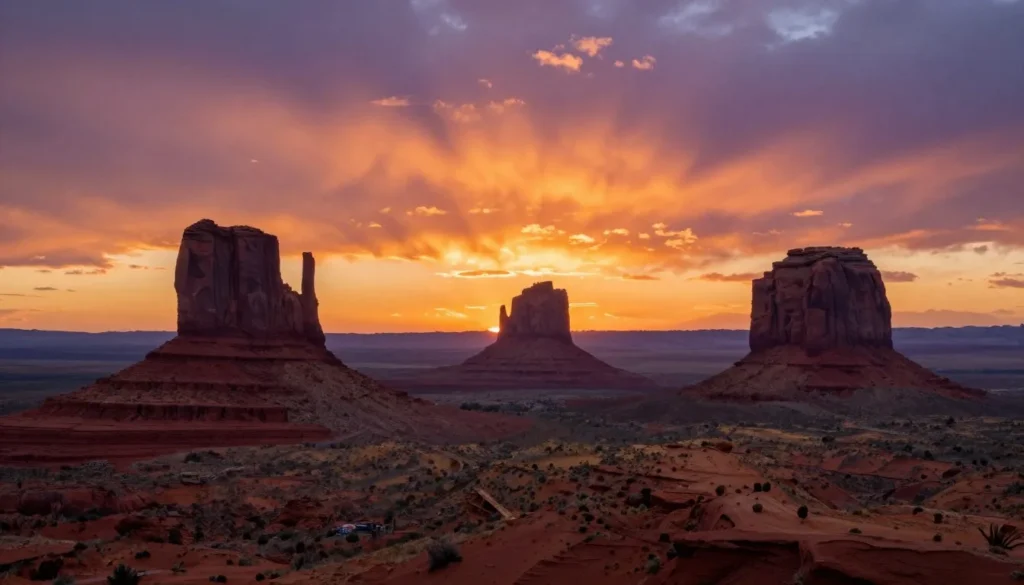
Pawnee Buttes Colorado stands as a testament to the enduring beauty of America’s prairie heritage. This remarkable destination rewards those who venture beyond the well-worn tourist paths with authentic wilderness experiences and profound connections to the natural world. The vast horizons, abundant wildlife, and star-filled skies create memories that linger long after you return home.
Whether you spend a single day hiking to the buttes or camp for a week exploring every corner of Pawnee National Grassland, you’ll discover a landscape that challenges preconceptions and reveals unexpected beauty. The prairie teaches patience and rewards careful observation. Each visit uncovers new details previously overlooked and deepens appreciation for this endangered ecosystem.
Start planning your journey today. Pack your sense of adventure along with adequate supplies, respect the power of nature, and prepare to experience Colorado from a refreshingly different perspective. The prairie is calling, and Pawnee Buttes awaits your discovery.