Hotels by Trip.com
Flights by Trip.com
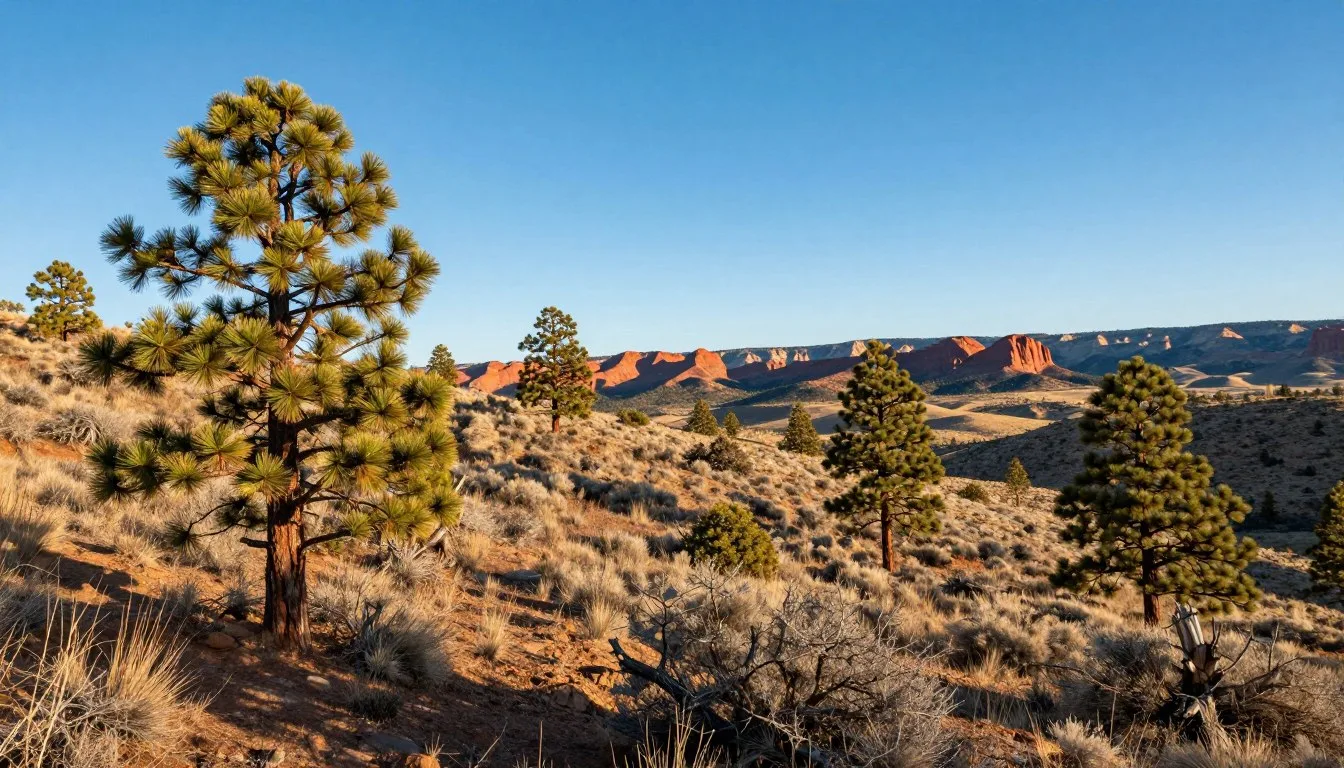
Hidden across Colorado’s Western Slope lies an ancient ecosystem that covers over 405,000 hectares (1 million acres) where some trees have stood for 600 years. The Pinyon-Juniper Desert Woodlands create a unique habitat found nowhere else on Earth. This remarkable landscape supports more than 150 bird species and countless other life forms adapted to extreme conditions.
These woodlands thrive at elevations between 1,524 m (5,000 feet) and 2,438 m (8,000 feet). They form the largest woodland community across the Colorado Plateau. The pinyon pine trees produce edible pine nuts that have sustained communities for thousands of years.
Visitors discover a place where desert meets forest. The juniper trees provide berries for wildlife during harsh winter months. This guide reveals the best experiences awaiting travelers in this extraordinary desert woodland destination.
Getting There & Planning Your Journey

The Pinyon-Juniper Desert Woodlands stretch across Colorado’s Western Slope. Multiple access points make this destination reachable year-round. The woodlands extend from lower elevations near desert communities up to higher elevations where precipitation increases.
Grand Junction serves as the primary gateway city. The Grand Junction Regional Airport (GJT) offers daily flights from major hubs. This airport sits just 32 km (20 miles) from woodland areas. Montrose Regional Airport (MTJ) provides another option 97 km (60 miles) south.
Denver International Airport (DEN) accommodates travelers from around the world. The drive from Denver takes approximately four hours westward through mountain passes. Rental cars give visitors freedom to explore remote woodland areas.
Interstate 70 crosses through prime woodland territory. Highway 50 provides scenic access to southern woodland regions. Many forest service roads lead deeper into the woodlands. A high-clearance vehicle helps on unpaved routes during wet conditions.
Plan fuel stops carefully in this region. Gas stations appear less frequently between small communities. Carry extra water and supplies when venturing into remote woodland areas. Cell phone coverage remains limited in many parts.
Best Time to Visit & Weather Tips
Recommended Seasons
Spring arrives between April and May when wildflowers bloom across the woodlands. Temperatures range from 13°C to 21°C (55°F to 70°F) during this time. The juniper trees display fresh growth while birds return for nesting season.
Fall extends from September through October offering ideal conditions. Daytime temperatures stay comfortable at 16°C to 24°C (60°F to 75°F). The pinyon pines prepare their cones while wildlife becomes more active. Crowds thin considerably after summer ends.
Early summer works well before heat intensifies. June provides warm days perfect for hiking among the trees. Wildlife viewing peaks as animals seek water sources.
Seasons to Avoid
Peak summer months from July through August bring extreme heat. Temperatures often exceed 35°C (95°F) at lower elevations. The desert woodland offers limited shade during midday hours. Afternoon thunderstorms develop rapidly bringing lightning danger.
Winter months from December through February present challenges. Snow covers higher elevation woodland areas. Temperatures drop below freezing overnight. Many forest service roads become impassable. Some areas remain beautiful but require winter gear and experience.
Check 30,000+ Local Sightseeing Tours Worldwide
✓ Numerous languages and currencies are available
Late spring occasionally brings unsettled weather. March sees unpredictable conditions mixing winter storms with emerging spring warmth.
Weather Preparation: Desert woodland weather changes quickly. Morning temperatures may start at 7°C (45°F) and reach 27°C (80°F) by afternoon. Layer clothing for comfort. Precipitation averages only 25-38 cm (10-15 inches) annually. The dry air requires constant hydration. Pack sun protection as shade remains scarce. Elevation affects conditions significantly across the woodland community.
Notable Annual Festivals
The Pinyon-Juniper woodlands region hosts several events celebrating the landscape. These festivals connect visitors with local culture and natural heritage.
- Colorado River Festival (Grand Junction, May) – Celebrates the watershed that sustains woodland ecosystems with music, food, and environmental activities
- Cedaredge Applefest (Cedaredge, October) – Showcases harvest season near woodland areas with crafts, food, and family activities
- Western Colorado Botanical Gardens Plant Sale (Grand Junction, May) – Features native plants including species from pinyon-juniper communities
- Delta County Fair (Hotchkiss, July) – Traditional agricultural fair in communities surrounded by woodland landscapes
Getting Around Locally
Personal vehicles provide the best transportation through woodland areas. The landscape spreads across vast territory without public transit. Rental cars from Grand Junction or Montrose airports offer flexibility to explore.
Many woodland access points require driving on graded dirt roads. Forest Service roads vary in condition throughout the year. Check road status before departing for remote areas. A detailed map helps navigation where GPS signals weaken.
Small communities dot the region providing services. Cedaredge, Paonia, and Delta offer fuel and supplies. These towns serve as base camps for woodland exploration. Distances between services can exceed 48 km (30 miles).
Bicycle touring works on paved highways between communities. Mountain bikes handle forest service roads during dry conditions. The terrain includes challenging climbs and descents. Carry repair supplies as bike shops appear infrequently.
Organized tours operate from Grand Junction into public lands. Some outfitters provide guided experiences focusing on ecology and natural history. These tours eliminate navigation concerns while sharing local knowledge.
Where to Stay

Lodging options range from camping under the stars to comfortable hotels in nearby cities. The woodland areas themselves offer primitive camping opportunities. Developed campgrounds provide more amenities at woodland edges.
Camping Options
Bureau of Land Management lands allow dispersed camping in most areas. Find a spot among the juniper trees at least 61 m (200 feet) from water sources. These free campsites require complete self-sufficiency. Pack out all trash and practice Leave No Trace principles.
Developed campgrounds operate near woodland areas. Jumbo Campground offers sites among pinyon-juniper habitat. Facilities include vault toilets and picnic tables. Reservations help during peak seasons. Fees typically range $10-20 per night.
Several Colorado State Parks near the woodlands provide camping. Vega State Park and Crawford State Park sit at woodland transition zones. These parks offer lake access alongside woodland hiking.
Hotels and Towns
Grand Junction provides the widest hotel selection. Properties range from budget chains to boutique accommodations. The city sits minutes from woodland access points. Restaurants and shopping make this a convenient base.
Smaller communities offer intimate lodging experiences. Cedaredge and Paonia feature charming bed and breakfasts. These towns preserve rural character while providing comfortable stays. Local hosts share knowledge about nearby woodland areas.
Delta and Montrose serve as additional lodging hubs. Both towns offer national chain hotels with reliable amenities. Their locations provide easy access to southern woodland regions.
Dining & Local Cuisine
Western Slope cuisine reflects agricultural heritage and outdoor lifestyle. Local restaurants emphasize Colorado-grown ingredients. The region produces exceptional fruit from orchards near woodland areas.
Grand Junction offers diverse dining from casual cafes to upscale bistros. Farm-to-table restaurants showcase regional flavors. Local breweries craft beers reflecting the high desert environment. Wine from nearby vineyards pairs perfectly with regional dishes.
Smaller communities provide authentic local experiences. Family-owned cafes serve hearty breakfasts before woodland adventures. BBQ joints offer smoky flavors perfect after hiking. Bakeries prepare fresh goods using regional ingredients.
Pine nuts from pinyon pines appear in creative dishes. Though commercial harvesting has declined, some restaurants feature these traditional foods. The nuts add distinctive flavor to salads, pestos, and baked goods.
Pack picnic supplies for woodland excursions. Natural food stores in larger towns stock trail snacks and prepared foods. Carry plenty of water as the dry climate increases hydration needs. Enjoy meals surrounded by ancient trees and expansive views.
Attractions, Sightseeing & Activities
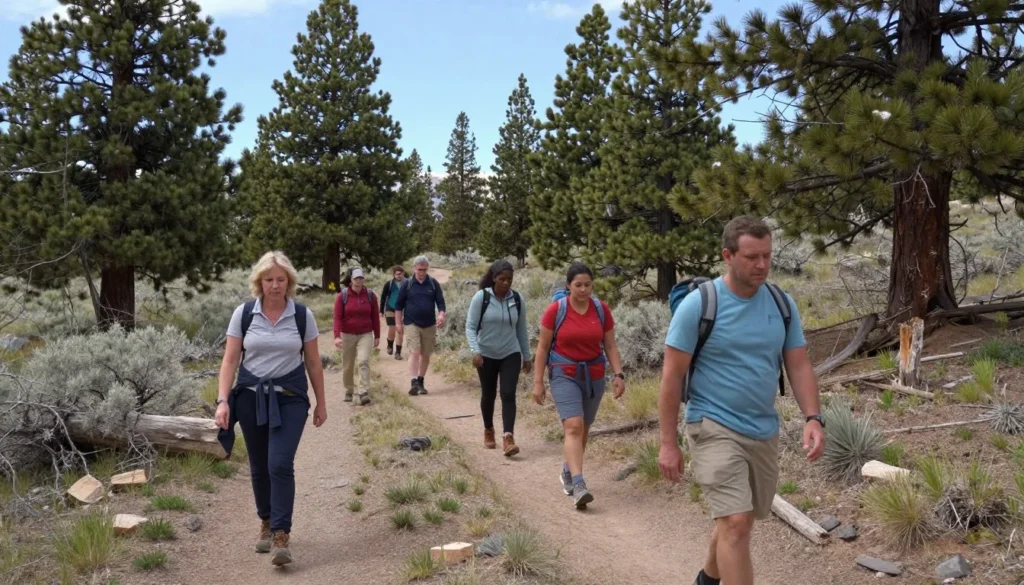
The Pinyon-Juniper Desert Woodlands reward exploration with unique experiences. This ecosystem reveals its secrets to those who venture beyond roadside viewpoints. Each season offers different perspectives on woodland life.
Woodland Hiking
Trails wind through prime pinyon-juniper habitat across public lands. The Kokopelli Trail system crosses 228 km (142 miles) of Colorado Plateau landscapes. Shorter segments provide day hiking through classic woodland terrain. Elevation changes remain moderate compared to mountain trails.
Dominguez Canyon protects exceptional woodland areas. Hiking routes follow seasonal creeks beneath towering junipers. Ancient rock art decorates canyon walls. The canyon demonstrates how water shapes desert woodland communities.
Uncompahgre Plateau offers high-elevation woodland experiences. Forest service roads access trailheads above 2,286 m (7,500 feet). These areas show pinyon-juniper woodlands transitioning to other forest types. Wildlife sightings increase at dawn and dusk.
Wildlife Watching
The woodlands support remarkable biodiversity. Over 150 bird species use this habitat throughout the year. Pinyon jays move in flocks harvesting pine nuts. Juniper berries sustain birds during winter months when other food sources disappear.
Mule deer browse among the trees and sagebrush. Their large ears detect danger across open landscapes. Rocky Mountain elk appear at higher elevations where woodlands meet other habitats. These magnificent animals migrate seasonally following food and weather.
Look for smaller wildlife often overlooked. Chipmunks and ground squirrels scurry among the trees. Lizards sun themselves on rocks. Golden eagles soar above scanning for prey. Each species fills a specific role in the woodland community.
Photography Opportunities
The woodland landscape provides endless photographic subjects. Gnarled juniper trunks create natural sculptures. Pinyon pines grow in artistic forms shaped by wind and drought. Red soil contrasts beautifully with green vegetation and blue sky.
Golden hour light transforms the woodlands. Early morning sun illuminates trees from the side creating dramatic shadows. Evening light warms the landscape with rich tones. The Colorado Plateau’s clear air produces incredible visibility.
Seasonal changes offer different moods. Spring wildflowers add color splashes among the trees. Summer thunderstorms create dramatic skies. Fall brings subtle color shifts. Winter snow dusts the evergreen trees creating peaceful scenes.
Museums, Cultural Spots & Festivals

Cultural institutions across the Western Slope interpret woodland heritage. Museums connect visitors with both natural history and human stories. These places deepen understanding of the pinyon-juniper ecosystem.
Museum of Western Colorado in Grand Junction features regional natural history. Exhibits explain Colorado Plateau geology and ecology. Collections include artifacts showing how people utilized woodland resources. The museum offers programs throughout the year.
Colorado National Monument Visitor Center interprets canyon country adjacent to woodlands. Rangers explain how different plant communities occupy specific elevation zones. The monument’s dramatic scenery showcases the transition between desert and woodland.
Small museums in Delta, Cedaredge, and Paonia preserve local heritage. Agricultural history exhibits show how communities developed alongside woodland landscapes. These towns maintain connections to the land spanning generations.
Archaeological sites throughout the region reveal ancient relationships with the woodlands. Native peoples harvested pine nuts for thousands of years. They used juniper wood for construction and tools. Respect posted boundaries at cultural sites to preserve them for future generations.
Nature & Outdoor Experiences

Immersive outdoor experiences reveal the woodland’s ecological complexity. These activities build appreciation for the community of life thriving in seemingly harsh conditions. Respect for the environment ensures these places remain pristine.
Ecology and Tree Study
Pinyon pines and junipers create the foundation of this ecosystem. These trees survive where other species cannot establish. They grow slowly due to limited precipitation and extreme temperatures. Some individuals live for centuries becoming important habitat features.
The pinyon pine produces cones with large edible seeds. These pine nuts represent important food for wildlife and historically for people. Good cone production occurs every few years when conditions align favorably. Trees conserve energy during drought years.
Several juniper species inhabit these woodlands. Utah juniper and one-seed juniper dominate at lower elevations. Rocky Mountain juniper appears at higher elevations. The blue berries provide crucial winter food. The wood resists decay making fallen logs last for decades.
Sagebrush occupies spaces between the trees. This aromatic plant defines much of the Western landscape. Together with pinyon and juniper it forms the characteristic woodland composition. Many other species depend on these dominant plants.
Stargazing
Dark skies above the woodlands reveal celestial wonders. Low humidity and high elevation create exceptional viewing conditions. Minimal light pollution allows the Milky Way to shine brilliantly. The open landscape between trees provides unobstructed views.
New moon periods offer the darkest skies. Meteor showers appear spectacular from woodland campsites. Planets shine steadily while stars twinkle. Satellites cross the sky regularly. The experience connects visitors with something larger than daily concerns.
Geological Features
The woodlands grow on diverse geological formations. Red sedimentary rocks dominate many areas. These layers reveal millions of years of Earth history. Erosion creates interesting landforms throughout the landscape.
Soil types influence where trees establish. Pinyon and juniper tolerate poor soils rejected by other species. Rocky substrates force trees to grow slowly but build strength. Understanding these relationships enhances appreciation for the woodland community.

Safety, Etiquette & Local Customs
Safe woodland exploration requires preparation and awareness. The high desert environment presents specific challenges. Respect for the ecosystem ensures its preservation for future visitors.
Environmental Safety
Water scarcity defines the most critical safety concern. Carry at least 3 liters (1 gallon) per person for day trips. Dehydration occurs quickly in the dry climate. No reliable water sources exist in most woodland areas. Treat any found water before consumption.
Sun exposure intensifies at elevation. Apply sunscreen frequently even on cloudy days. Wear wide-brimmed hats and protective clothing. Shade remains scarce among widely spaced trees. Heat exhaustion develops rapidly during summer.
Lightning storms appear suddenly during warmer months. Isolated trees attract strikes making them dangerous. Seek low ground away from tall objects when thunder sounds close. Avoid hiking during afternoon hours when storms form.
Flash floods threaten canyon bottoms during rainstorms. Water rushes down normally dry drainages without warning. Camp and park vehicles on high ground. Monitor weather conditions constantly.
Wildlife Precautions
Rattlesnakes inhabit these woodlands. Watch where you place hands and feet. Snakes avoid confrontation but defend themselves when surprised. Make noise while hiking. Most encounters end peacefully with the snake retreating.
Mountain lions range throughout the region. Attacks remain extremely rare but awareness matters. Never hike alone. Keep children close. Make yourself appear large if confronting a lion. Back away slowly without running.
Ticks become active during spring. Check your body thoroughly after woodland excursions. Remove ticks promptly to reduce disease risk. Insect repellent helps prevent attachment.
Leave No Trace Principles
The fragile desert woodland ecosystem shows disturbance for decades. Stay on established trails to prevent erosion. Soil crusts harbor microscopic life critical to the ecosystem. One footprint destroys years of growth.
Pack out everything you bring including organic waste. Orange peels and apple cores take months to decompose in the dry climate. Properly dispose of human waste at least 61 m (200 feet) from water sources. Bury waste 15-20 cm (6-8 inches) deep.
Never damage living trees or remove natural objects. Pine cones provide wildlife food. Dead wood offers habitat for countless species. Take only photographs and memories. Future visitors deserve pristine experiences.
Campfires require careful consideration. Fire danger remains high during many months. Use existing fire rings where permitted. Never leave fires unattended. Ensure complete extinguishment before departing. Consider using camp stoves instead.
Visitor Comments About Pinyon-Juniper Desert Woodlands
W.I., Austin: “The peace I found among these ancient trees exceeded my expectations. Walking through the woodlands at dawn revealed wildlife I’d only read about. The junipers stand like silent guardians while the pinyon pines offer their subtle fragrance. This place teaches patience and respect for landscapes that thrive against all odds.”
C.I., Kingston: “Our family spent four days exploring different woodland areas. Each location showed unique character despite similar plant communities. The kids loved discovering pine nuts and spotting birds. We appreciated how accessible these public lands remain while still feeling remote. The star-filled nights created memories we’ll treasure forever.”
M.R., Toowoomba: “As a photographer, these woodlands presented challenges and rewards. The light transforms the landscape hourly. I captured images showing the stark beauty of this ecosystem. The twisted juniper forms and the way pinyon pines cluster on hillsides create natural compositions. I could spend months here and never exhaust the possibilities.”
Additional Nearby Destinations
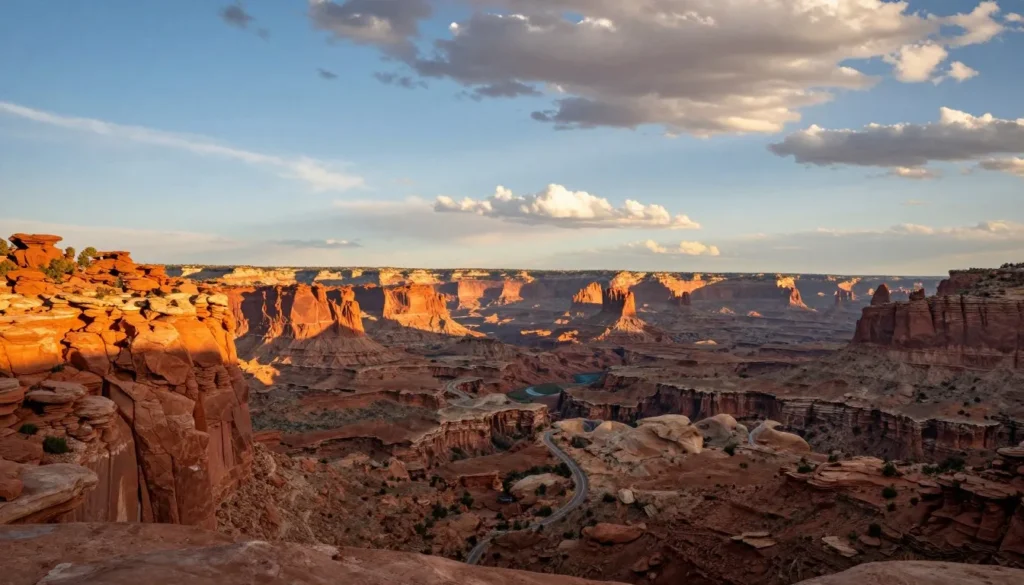
The Western Slope offers numerous destinations complementing woodland exploration. These nearby places provide variety while remaining accessible from woodland base camps.
Colorado National Monument
This spectacular canyon preserve sits just west of Grand Junction. Towering red rock monoliths rise 137-152 m (450-500 feet). Rim Rock Drive provides 37 km (23 miles) of scenic views. Hiking trails descend into canyons where woodland species appear at higher elevations.
Black Canyon of the Gunnison National Park
Among North America’s deepest canyons, this park showcases extreme geology. The narrow gorge plunges 823 m (2,700 feet) at its deepest point. Pinyon-juniper woodlands cover the rim areas. The dramatic canyon contrasts beautifully with gentler woodland landscapes.
Grand Mesa
The world’s largest flat-topped mountain rises above the woodlands. Over 300 lakes dot this forested plateau. The mesa demonstrates ecological zonation as elevation increases. Pinyon-juniper woodlands give way to aspen and spruce forests. Summer wildflowers carpet meadows.
McInnis Canyons National Conservation Area
This vast preserve protects 123,000 hectares (304,000 acres) of canyon country. Excellent pinyon-juniper habitat extends throughout the conservation area. Backpacking routes explore remote canyons. Ancient rock art sites reveal human history spanning millennia.
Palisade Wine Country
Colorado’s wine region thrives at woodland elevations. Vineyards produce award-winning wines in the high desert climate. Tasting rooms welcome visitors among orchard landscapes. The area demonstrates how agriculture adapts to the same conditions supporting natural woodlands.
Practical Travel Tips
Essential Gear
- Sturdy hiking boots with ankle support for rocky terrain
- Multiple water bottles or hydration reservoir
- Sun protection including hat, sunglasses, and high-SPF sunscreen
- Layered clothing for temperature fluctuations
- Detailed maps and compass or GPS device
- First aid kit including blister treatment
- Emergency shelter and fire starting supplies
- Headlamp with extra batteries
Navigation Resources
Bureau of Land Management offices provide current maps and conditions. The Grand Junction Field Office supplies information about public lands. Forest Service offices cover national forest areas within woodland regions.
Mobile apps help when cell service exists. Download offline maps before departing. Paper maps remain essential backup. Mark your route and share plans with someone reliable.
Best Practices
- Start hikes early to avoid afternoon heat and storms
- Tell someone your itinerary and expected return time
- Check fire restrictions before planning any campfire
- Respect private property boundaries throughout the region
- Obtain required permits for overnight camping where applicable
- Monitor weather forecasts and be flexible with plans
- Learn to identify poison ivy which grows in some areas
- Bring binoculars for wildlife and bird watching
Local Resources
The Grand Junction area offers full services. Stock up on supplies before heading to remote areas. Sporting goods stores provide specialized gear. Natural food markets sell trail foods and snacks.
Medical facilities operate in Grand Junction and Montrose. Smaller communities have limited medical services. Carry comprehensive first aid supplies. Know the nearest emergency services for your destination.
Your Gateway to Ancient Woodlands Awaits
The Pinyon-Juniper Desert Woodlands of Colorado’s Western Slope stand ready to share their secrets. These ancient trees have witnessed centuries of change while remaining steadfast. The wildlife communities that depend on this habitat continue their timeless rhythms.
Check 30,000+ Local Sightseeing Tours Worldwide
✓ Numerous languages and currencies are available
Every visit offers fresh perspectives on this remarkable ecosystem. The subtle beauty reveals itself gradually to those who slow down and observe. From the twisted character of juniper bark to the precise engineering of pinyon cones, nature’s craftsmanship appears everywhere.
Your journey through these woodlands will create lasting memories. The peace found among these trees provides respite from modern life’s demands. Whether hiking solo or sharing experiences with loved ones, the woodlands welcome all who approach with respect. Pack your curiosity along with your gear and discover why this place captivates everyone who ventures into its embrace.