Hotels by Trip.com
Flights by Trip.com
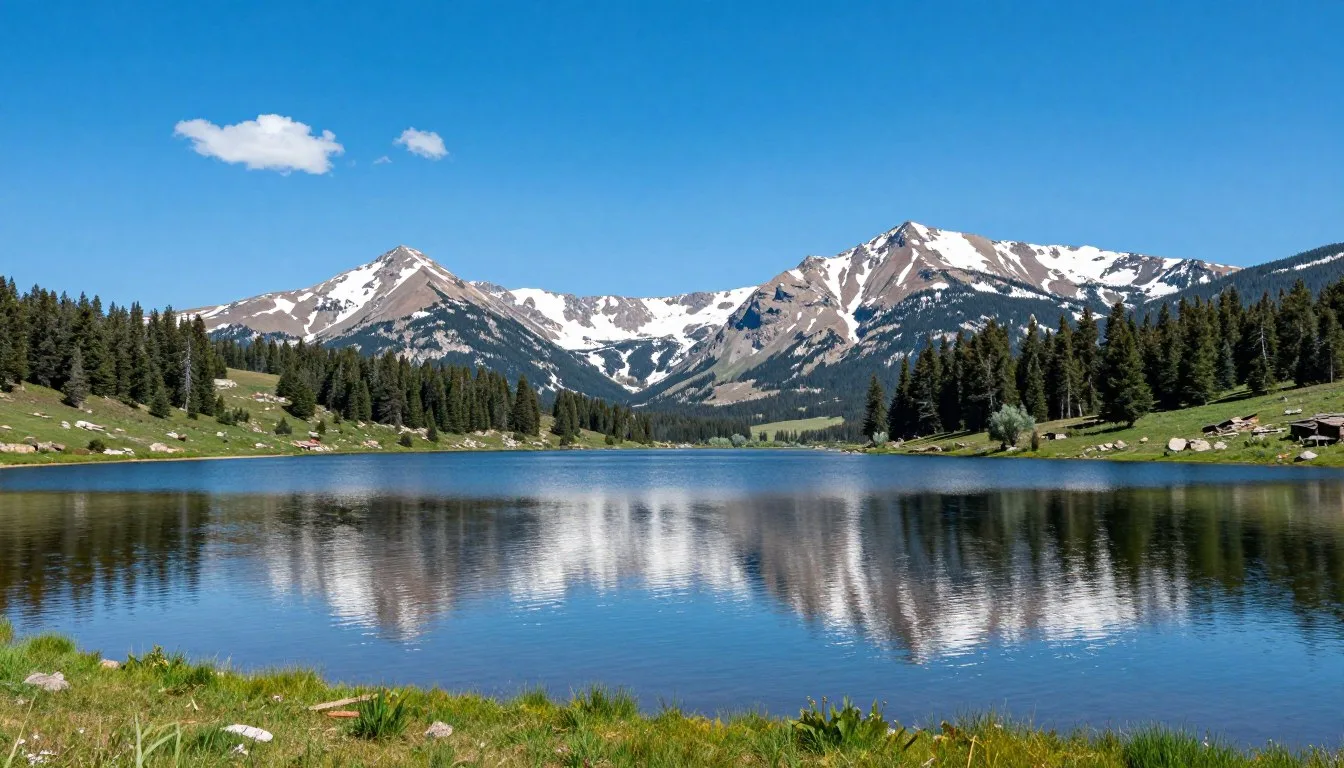
Every year, the San Juan River flows across 640 kilometers (400 miles) through four states, but few people know that this mighty tributary of the Colorado River system begins its journey in the stunning San Juan Mountains of southwestern Colorado. These headwaters, originating at elevations above 3,600 meters (12,000 feet), create one of the most biodiverse and scenically breathtaking regions in the American Southwest.
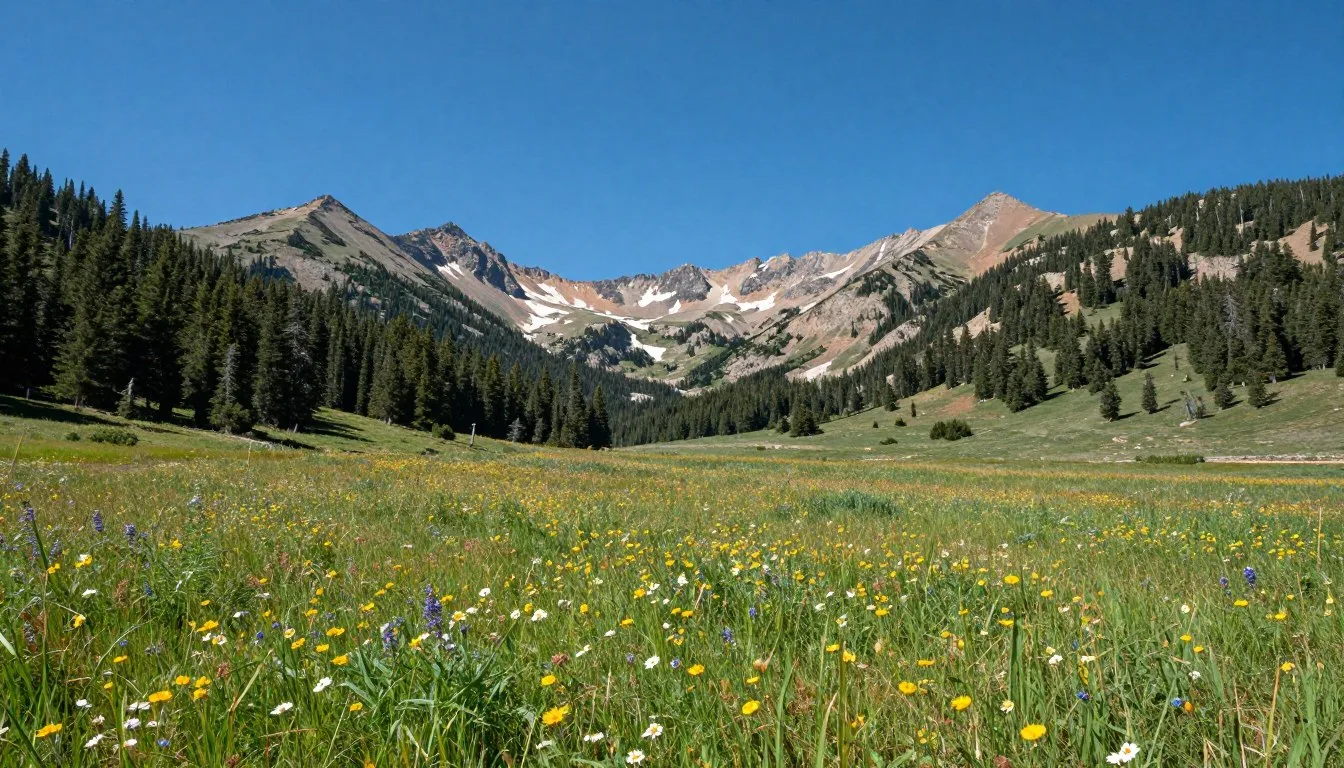
The San Juan River headwaters area offers visitors an authentic mountain experience. Crystal-clear streams cascade through alpine meadows dotted with wildflowers. Ancient forests shelter diverse wildlife species. Mountain peaks pierce cloudless skies.
This comprehensive travel guide reveals everything you need to plan an unforgettable visit to the San Juan River headwaters region. Whether you seek outdoor adventure, cultural experiences, or peaceful nature immersion, this remarkable Colorado destination delivers year-round.
Getting There and Planning Your Journey
Reaching the San Juan River headwaters requires planning. The region sits in southwestern Colorado, where the San Juan Mountains dominate the landscape. The headwaters begin near Wolf Creek Pass, where snowmelt and mountain streams converge to form this significant river system.
Closest Airports
Several airports provide access to the San Juan River headwaters area. Each offers different advantages depending on your travel preferences and final destination within the region.
Durango-La Plata County Airport (DRO)
Located 64 kilometers (40 miles) from the headwaters area, this regional airport offers the most convenient access. Airlines provide daily connections to major hubs including Denver, Phoenix, and Dallas.
Drive time to Pagosa Springs, the gateway to the headwaters region, takes approximately 90 minutes via US Highway 160. The scenic route travels through the heart of the San Juan Mountains.
Albuquerque International Sunport (ABQ)
This larger airport sits 354 kilometers (220 miles) south in New Mexico. More flight options and often lower fares make this airport attractive for budget-conscious travelers.
The drive takes four hours through diverse landscapes. You pass through traditional New Mexican communities before ascending into the Colorado mountains.
Denver International Airport (DEN) provides another option. Located 563 kilometers (350 miles) northeast, this major hub offers extensive domestic and international connections. The five-hour drive crosses multiple mountain passes, requiring winter driving experience during colder months.
Check 30,000+ Local Sightseeing Tours Worldwide
✓ Numerous languages and currencies are available
Ground Transportation Options
Rental cars provide the most flexibility for exploring the San Juan River headwaters area. Book vehicles at any airport. Four-wheel drive vehicles prove beneficial, especially during winter months or when accessing remote trailheads.
Some visitors arrange private shuttle services from Durango or Albuquerque airports. Local companies specialize in mountain transportation. Advance booking ensures availability during peak seasons.
Best Time to Visit and Weather Tips
The San Juan River headwaters region experiences dramatic seasonal changes. Each season offers distinct experiences. Understanding weather patterns helps maximize your visit.
Best Time to Visit San Juan River Headwaters
Summer months from June through September provide ideal conditions for most visitors. Temperatures range from 21°C to 27°C (70°F to 80°F) during daytime hours. Nights cool to 4°C to 10°C (40°F to 50°F). Mountain weather remains unpredictable, so pack layers.
July and August represent peak season. Wildflowers blanket alpine meadows. All hiking trails become accessible. Rivers reach optimal flow for fishing. Expect larger crowds at popular attractions during these months.
September and early October deliver spectacular fall colors. Aspen groves transform into golden canopies. Cooler temperatures make hiking comfortable. Tourist numbers decrease after Labor Day, creating more solitude on trails.
Seasons to Consider Carefully
Winter transforms the San Juan River headwaters into a snow-covered wilderness. November through March brings heavy snowfall. Many roads close. Access becomes limited to cross-country skiing and snowshoeing.
Spring arrives late in this high-elevation area. April and May see lingering snow at higher elevations. Rivers swell with snowmelt, creating dangerous conditions. Many trails remain impassable until June.
Summer Season Highlights
- All trails and roads accessible
- Wildflower displays peak in July
- Comfortable camping temperatures
- Extended daylight hours for activities
- Abundant wildlife viewing opportunities
Weather Preparation Tips
- Afternoon thunderstorms common in summer
- Start hikes early to avoid lightning
- Bring rain gear regardless of forecast
- UV radiation intense at high elevation
- Temperature drops rapidly after sunset
Notable Annual Festivals

The San Juan River headwaters region celebrates its mountain heritage through various annual festivals. These events showcase local culture, outdoor recreation, and community spirit.
Pagosa Springs Outdoor Festival
This June celebration focuses on outdoor recreation and environmental stewardship. Activities include guided hikes, river clean-up events, and educational workshops about the San Juan Mountains ecosystem. Local outfitters demonstrate fishing techniques and wilderness skills.
The festival attracts families and outdoor enthusiasts. Multiple activities suit different skill levels. Children participate in nature scavenger hunts while adults attend conservation presentations.
San Juan Mountain Festival
September brings this multi-day event celebrating mountain culture. Live music performances feature regional artists. Local restaurants serve traditional cuisine. Artisans display handcrafted goods inspired by the San Juan Mountains.
The festival emphasizes sustainability and land conservation. Educational exhibits explain the importance of protecting water resources. Representatives from environmental organizations discuss current projects in the San Juan Basin.
Winter Carnival and Ice Festival
February transforms the headwaters area into a winter wonderland celebration. Ice sculpture competitions draw talented artists. Cross-country skiing races challenge participants on groomed trails. Children enjoy sledding competitions and hot chocolate stations.
Evening activities include torchlight parades and fireworks displays against snowy mountain backdrops. Local lodges offer special festival packages combining accommodations with event tickets.
Festival Information: For current schedules, vendor applications, and volunteer opportunities, contact the Pagosa Springs Visitor Center at +1 (970) 264-2360 or the San Juan Basin office for regional festival updates.
Getting Around Locally
The San Juan River headwaters region covers expansive terrain. Personal vehicles provide the most practical transportation for exploring this mountainous area. Public transportation options remain limited due to the rural nature and geographic spread of attractions.
Driving in the Headwaters Area
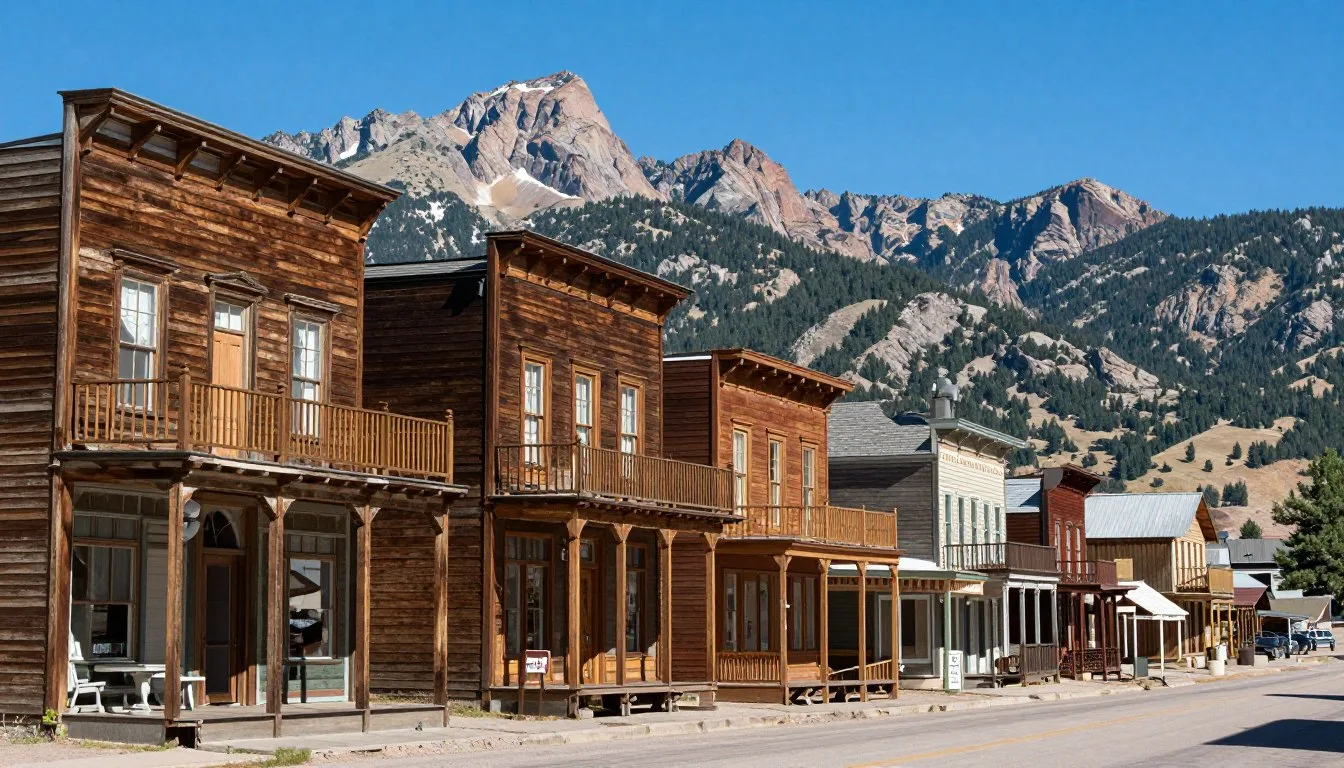
Main highways remain well-maintained year-round. US Highway 160 serves as the primary route through the region. This road connects Durango to Pagosa Springs and continues east toward the headwaters area near Wolf Creek Pass.
Secondary roads range from paved two-lane routes to gravel forest service roads. Many scenic byways lead to trailheads and fishing access points. Check road conditions before departure, especially during shoulder seasons.
Gas stations appear regularly in Pagosa Springs but become sparse in remote areas. Fill your tank before venturing into the backcountry. Carry extra water and emergency supplies when traveling forest roads.
Navigation Considerations
Cell phone coverage proves unreliable in mountainous terrain. Download offline maps before leaving service areas. Paper maps serve as essential backups. Forest Service offices provide free recreation maps showing trails, roads, and water sources.
Winter driving requires specific preparations. Snow tires or chains become mandatory on many routes from November through April. Four-wheel drive vehicles navigate unpaved roads more safely. Some high-elevation passes close entirely during heavy snow.
Where to Stay
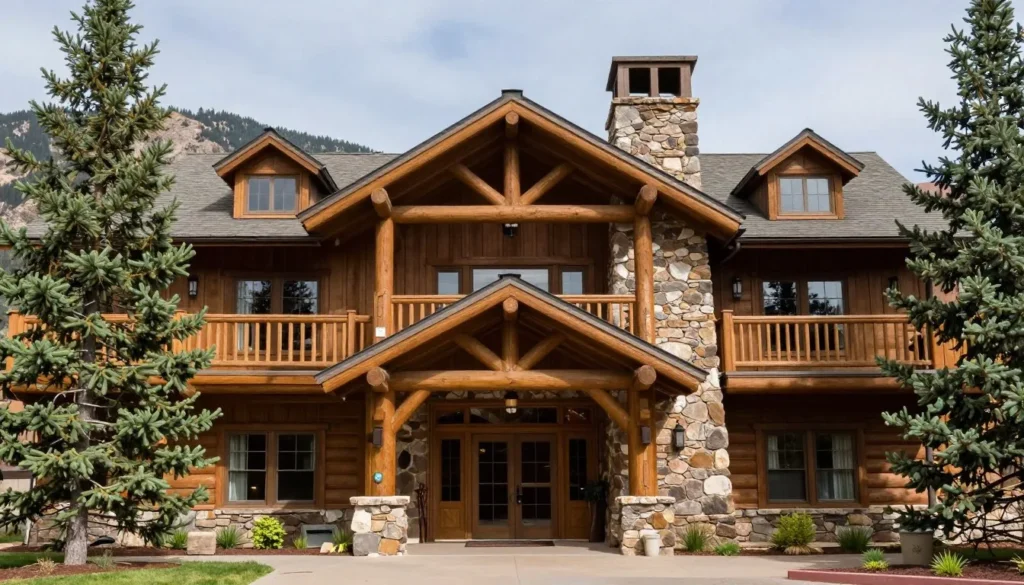
Accommodation options near the San Juan River headwaters range from rustic campgrounds to comfortable lodges. Most lodging concentrates in Pagosa Springs, the primary gateway town serving this region.
Hotels and Lodges
Pagosa Springs offers numerous hotels suited to different budgets. National chain properties provide familiar amenities including swimming pools, complimentary breakfast, and modern rooms. These establishments cluster along the main highway for easy access.
Independent mountain lodges deliver more character. Many feature locally-sourced wood construction, stone fireplaces, and views of the surrounding San Juan Mountains. Some properties include natural hot springs pools fed by the geothermal resources beneath Pagosa Springs.
Boutique inns and bed-and-breakfast establishments cater to visitors seeking personalized service. These smaller properties often include homemade meals featuring regional ingredients. Hosts share insider knowledge about lesser-known trails and fishing spots.
Vacation Rentals and Cabins
Private cabins scattered throughout the forest provide isolation and direct nature access. These rentals suit families or groups wanting self-catering options. Amenities vary from basic shelter to luxury mountain homes with full kitchens and hot tubs.
Many cabins sit along the San Juan River or its tributaries. Anglers appreciate immediate fishing access. Wildlife viewing opportunities increase when staying in more remote locations. Book well ahead for summer peak season.
Camping Options
The San Juan National Forest maintains numerous campgrounds throughout the headwaters region. Developed sites include picnic tables, fire rings, and vault toilets. Water availability varies by location. Some campgrounds accept reservations while others operate on first-come basis.
Dispersed camping allows free camping on most forest land. Regulations require camping at least 30 meters (100 feet) from water sources and trails. Pack out all waste. Check current fire restrictions before lighting campfires.
Several private RV parks near Pagosa Springs offer full hookups. These facilities include showers, laundry, and dump stations. Some provide additional amenities like camp stores and recreation rooms.
Dining and Local Cuisine
Dining options in the San Juan River headwaters area reflect mountain culture and Western heritage. Pagosa Springs concentrates most restaurants, while smaller eateries dot the surrounding region.
Regional Specialties
Colorado mountain cuisine emphasizes hearty portions and local ingredients. Game meats including elk, bison, and trout appear on many menus. These proteins come from regional ranches and rivers, ensuring freshness.
Green chile pervades local cooking, influenced by neighboring New Mexico. This roasted pepper sauce tops burgers, eggs, and traditional dishes. Heat levels range from mild to extremely spicy. Ask servers for recommendations matching your tolerance.
Local breweries craft beers using pure mountain water. Several establishments feature outdoor patios with San Juan Mountains views. Tasting rooms welcome visitors to sample seasonal offerings and year-round favorites.
Dining Categories
Casual Mountain Fare
Family-friendly restaurants serve classic American comfort food. Breakfast cafes open early for hikers seeking fuel before trail adventures. Generous portions of pancakes, omelets, and biscuits with gravy sustain outdoor activities.
Burger joints and barbecue spots provide satisfying dinners after long days exploring. Many restaurants source beef from regional ranches. Vegetarian options have expanded in recent years.
Fine Dining Experiences
Several upscale establishments elevate mountain cuisine. Chefs incorporate wild mushrooms, locally-raised lamb, and seasonal vegetables into creative preparations. Wine lists feature selections from Colorado wineries alongside international bottles.
Reservation ahead proves wise for popular restaurants, especially during summer and fall peak seasons. Dress codes remain relaxed even at higher-end venues.
Practical Dining Tips
Restaurant hours vary seasonally. Some establishments close during slow winter months. Call ahead to confirm availability, particularly if visiting in shoulder seasons.
Grocery stores in Pagosa Springs stock camping and cooking supplies. Visitors planning cabin stays or camping trips find complete selections. Farmers markets operate summer weekends, offering fresh produce and artisan products.
Attractions, Sightseeing and Activities

The San Juan River headwaters region offers diverse attractions appealing to various interests. Natural wonders dominate, but cultural sites and recreational opportunities provide variety.
Exploring the River System
Understanding the San Juan River begins at its source. Multiple tributaries converge near Wolf Creek Pass to form the upper San Juan. These mountain streams cascade through alpine terrain, creating scenic waterfalls and pools.
The river flows southwest from Colorado into New Mexico, eventually joining Lake Powell after traveling through Utah. The Colorado River system ultimately carries these headwaters to the Gulf of California. This connection makes the San Juan an important tributary within the larger Colorado River basin.
Several pullouts along Highway 160 provide views of the young river. Interpretive signs explain watershed ecology and the river’s importance to downstream communities. These educational stops require only brief visits but enhance understanding of the entire system.
Scenic Drives
Wolf Creek Pass reaches 3,275 meters (10,850 feet) elevation. The highway climbs through dramatic mountain scenery. Pullouts accommodate photography stops. The Continental Divide marks the pass summit, where water flows either toward the Pacific or Atlantic oceans.
Several forest service roads branch from main highways, accessing remote areas. These gravel routes suit high-clearance vehicles. They pass through aspen groves, meadows, and alongside mountain streams. Wildlife sightings occur frequently on these less-traveled roads.
Fishing Opportunities
The San Juan River and its tributaries support healthy trout populations. Rainbow, brown, and cutthroat trout thrive in these cold, oxygen-rich waters. The upper sections near the headwaters offer excellent fly fishing from May through October.
Colorado fishing licenses apply throughout the headwaters area. Regulations vary by specific stream section. Check current rules regarding catch limits and artificial lure requirements. Some streams require catch-and-release practices to protect native species.
Local fly shops provide guide services, equipment rentals, and current fishing reports. Guides share knowledge about productive techniques and access points. Their expertise proves valuable for visitors unfamiliar with the river system.
Wildlife Watching
The diverse habitats surrounding the San Juan River headwaters support abundant wildlife. Elk herds roam mountain meadows, particularly visible during early morning and evening hours. Mule deer appear frequently near forest edges.
Bird species include mountain bluebirds, Steller’s jays, and various raptors. Riverside areas attract American dippers and belted kingfishers. Patient observers spot these species hunting in stream pools.
Black bears inhabit the San Juan Mountains. Practice proper food storage when camping. Keep clean campsites and store scented items in bear-resistant containers or vehicles. Most bears avoid human contact but food attractants create dangerous situations.
Museums, Cultural Spots and Festivals
Cultural attractions near the San Juan River headwaters explore regional history and Native American heritage. While the immediate headwaters area remains largely wilderness, nearby communities preserve important historical sites.
Historical Museums
The San Juan Historical Museum in Pagosa Springs documents pioneer settlement and ranching heritage. Exhibits showcase agricultural tools, period clothing, and photographs from early homesteaders. The museum building itself dates to territorial days, providing authentic atmosphere.
Collections include artifacts related to water management and irrigation diversion projects. These displays explain how communities used San Juan River water resources for agriculture over many years. Understanding this history adds context to current conservation efforts.
Native American Heritage
The Southern Ute and Ute Mountain Ute tribes have deep connections to the San Juan River area. Traditional territories extended throughout these mountains for centuries before European settlement. Archaeological sites throughout the region show evidence of ancient habitation.
Respect sacred sites and archaeological resources. Federal laws protect these locations. Never disturb artifacts, rock art, or structural remains. Appreciate these cultural resources through observation only.
Art Galleries
Several galleries in Pagosa Springs feature works inspired by the San Juan Mountains. Local artists paint landscapes capturing the region’s dramatic scenery. Photography exhibitions showcase wildlife and seasonal changes throughout the San Juan Basin.
Sculpture gardens incorporate natural materials found in the mountains. Wood carvings, stone sculptures, and metal works reflect themes of nature and Western heritage. Many pieces available for purchase support local artists.
Nature and Outdoor Experiences

The natural environment defines the San Juan River headwaters experience. Outdoor activities take advantage of the spectacular mountain setting and diverse ecosystems.
Hiking Trails
Hundreds of kilometers of trails crisscross the San Juan National Forest. Routes range from gentle riverside walks to challenging mountain ascents. Trail conditions vary significantly by elevation and season.
Easy Trails for All Abilities
Several short interpretive trails near Pagosa Springs suit families and casual hikers. These paths follow the San Juan River or explore forest environments. Most remain relatively flat with well-maintained surfaces.
Riverside trails provide opportunities to observe aquatic ecosystems. Clear water reveals trout holding in pools. Interpretive signs identify native plant species growing along the stream banks. These walks typically take one to two hours.
Moderate Mountain Trails
Mid-elevation trails climb through aspen and pine forests. Elevation gains range from 150 to 300 meters (500 to 1,000 feet). Destinations include waterfalls, overlooks, and mountain meadows.
Check 30,000+ Local Sightseeing Tours Worldwide
✓ Numerous languages and currencies are available
Summer wildflowers create spectacular displays in these meadows. July brings peak blooms of columbine, paintbrush, and lupine. Butterfly populations thrive among the flowers. These hikes require three to five hours round trip.
Challenging Alpine Routes
Advanced hikers tackle trails reaching above treeline. These routes climb to ridgelines and mountain summits exceeding 3,600 meters (12,000 feet). Views encompass vast expanses of the San Juan Mountains.
High-elevation trails require proper preparation. Afternoon thunderstorms develop rapidly above treeline. Start hikes early and descend before noon. Bring warm layers as temperatures drop significantly with elevation. Altitude affects physical performance, so pace yourself.
Trail Safety Reminder: Always carry water, snacks, and emergency supplies. Weather changes rapidly in mountains. Tell someone your hiking plans and expected return time. Stay on marked trails to prevent erosion and protect fragile alpine plants.
Mountain Biking
Designated mountain biking trails wind through the San Juan National Forest. Technical singletrack challenges experienced riders while easier routes accommodate beginners. Most trails open after spring snowmelt, typically by June.
Bike shops in Pagosa Springs rent equipment and provide trail maps. Guided tours help visitors discover the best routes matching skill levels. Shuttle services transport riders to trailheads, allowing downhill runs without strenuous climbs.
Kayaking and Paddling

Sections of the San Juan River suitable for paddling begin downstream from the immediate headwaters. Spring runoff creates challenging conditions with high water flow. Summer months offer calmer water for intermediate paddlers.
Guided float trips provide safer options for inexperienced paddlers. Outfitters supply equipment and transportation. These trips combine gentle paddling with wildlife viewing and stream ecology education.
Winter Recreation
Wolf Creek Ski Area operates near the headwaters region. This resort receives exceptional snowfall, averaging over 11 meters (430 inches) annually. Downhill skiing and snowboarding run from November through April.
Cross-country skiing trails thread through the forest surrounding Pagosa Springs. Groomed tracks suit classic and skate skiing techniques. Backcountry routes challenge experienced Nordic skiers seeking untracked powder.
Snowshoeing provides accessible winter exploration. Any hiking trail becomes a snowshoe route when snow covers the ground. This activity requires minimal technical skill but delivers excellent workout and peaceful winter scenery.
Travel With Children
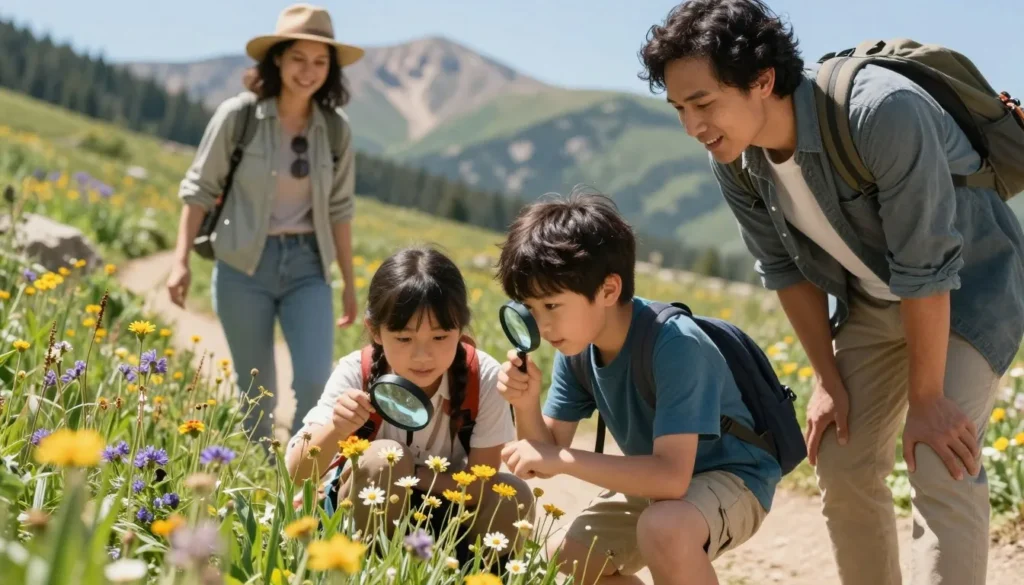
The San Juan River headwaters area welcomes families with children. Numerous activities suit young visitors while adults enjoy the natural surroundings.
Family-Friendly Activities
Easy riverside trails accommodate strollers and young walkers. These short paths allow children to explore nature at their own pace. Bring field guides to identify birds, wildflowers, and insects. Nature scavenger hunts keep kids engaged.
The Pagosa Springs area includes several playgrounds and parks. These spaces provide breaks from hiking with traditional playground equipment. Picnic facilities allow family meals in pleasant outdoor settings.
Hot springs pools welcome families. The naturally heated water creates a unique experience children remember. Smaller, shallower pools suit younger children while deeper areas accommodate confident swimmers. Adult supervision remains essential around all water.
Educational Opportunities
Junior Ranger programs through the National Forest Service teach children about mountain ecosystems. Kids complete activity booklets while exploring trails and learning about wildlife. Programs are typically free and provide certificates upon completion.
Visitor centers feature interactive exhibits explaining the San Juan River system. Displays show how water flows from headwaters to the Colorado River and beyond. Children touch animal pelts, examine plant specimens, and view topographic maps.
Safety Considerations
High elevation affects children similarly to adults. Altitude sickness symptoms include headache, nausea, and fatigue. Ascend gradually and allow time for acclimatization. Ensure children drink plenty of water.
Sun protection becomes critical at mountain elevations. UV radiation increases with altitude. Apply sunscreen frequently and encourage children to wear hats. Sunglasses protect sensitive eyes from bright alpine light.
Cold water temperatures make the San Juan River and tributaries dangerous for swimming. Even summer air temperatures don’t warm mountain streams significantly. Supervise children closely near water. Life jackets provide essential safety for any water activities.
Money Saving Tips
Visiting the San Juan River headwaters doesn’t require expensive outlays. Smart planning reduces costs while maintaining quality experiences.
Free and Low-Cost Activities
Hiking, wildlife watching, and scenic driving cost nothing beyond transportation to the area. The San Juan National Forest provides free access to trails, dispersed camping areas, and viewpoints. These activities form the core of most visits.
Many developed campgrounds charge minimal fees compared to hotel rooms. Sites typically cost between fifteen and thirty dollars nightly. Facilities include picnic tables, fire rings, and restrooms. Some locations accept America the Beautiful passes for free or discounted camping.
Timing Your Visit
Shoulder season visits in May, early June, September, and October offer significant savings. Accommodation rates drop substantially outside peak summer months. Restaurants offer specials to attract visitors during slower periods.
Midweek stays cost less than weekends. Many lodges and hotels reduce rates Sunday through Thursday. Flexibility with travel dates creates opportunities for better deals.
Self-Catering Options
Renting cabins with kitchens allows meal preparation. Grocery shopping costs far less than restaurant dining for every meal. Prepare picnic lunches before day trips to avoid expensive roadside dining.
Local markets offer fresh produce at reasonable prices. Stock up on snacks, sandwich fixings, and breakfast items. Many cabin rentals include grills for outdoor cooking.
Equipment Considerations
Borrowing or renting specialized equipment makes sense for infrequent use. Fishing gear, camping equipment, and winter sports items all available for rent in Pagosa Springs. Rental costs considerably less than purchasing quality equipment.
Free ranger programs and guided walks provide expert knowledge without guide service fees. Check Forest Service schedules for interpretive programs during your visit.
Safety, Etiquette and Local Customs
Respecting local customs and following safety guidelines ensures positive experiences in the San Juan River headwaters area.
Wilderness Safety
Mountain environments present specific hazards. Rapid weather changes occur frequently. Morning sunshine can quickly become afternoon thunderstorms. Pack rain gear and warm layers regardless of forecasts.
Lightning poses serious danger above treeline. Descend immediately when thunderstorms approach. Avoid open areas, ridgelines, and isolated trees. Seek lower elevation and dense forest if caught in storms.
Wildlife encounters require proper behavior. Never feed animals. Store food properly to avoid attracting bears. Observe wildlife from safe distances using binoculars or telephoto lenses. Approaching animals stresses them and creates dangerous situations.
Leave No Trace Principles
Pack out all trash including food scraps and hygiene products. No facilities exist in backcountry areas. Carry bags for waste removal. Dispose properly in town or designated campground dumpsters.
Stay on established trails to prevent erosion. Shortcutting switchbacks damages fragile mountain soils. These scars take decades to heal in alpine environments.
Camp at least 60 meters (200 feet) from lakes, rivers, and streams. This distance protects water quality and wildlife corridors. Use existing campsites when available rather than creating new impacts.
Water Resources
The San Juan River system provides water to communities across four states. Respect this critical resource. Never pollute streams with soap, even biodegradable varieties. Wash dishes and bodies at least 60 meters from water sources.
All surface water requires treatment before drinking. Giardia and other pathogens exist even in clear mountain streams. Filter, boil, or chemically treat all water consumed from natural sources.
Local Customs
Mountain communities value friendliness and self-reliance. Locals typically help visitors but appreciate those prepared with proper equipment and knowledge. Research before arriving rather than expecting constant assistance.
Private property deserves respect. Much land in the area belongs to ranches or private owners. Don’t trespass even if gates appear unlocked. Use designated public access points for reaching forest land.
Western heritage remains important in this region. Casual dress prevails even in nicer restaurants. Cowboy boots and jeans fit in everywhere. Pretentious attitudes don’t.
Visitor Comments About San Juan River Headwaters
“The San Juan River headwaters area exceeded all expectations. We spent a week exploring trails and fishing the upper streams. My family loved the combination of outdoor activities and small-town hospitality in Pagosa Springs. The scenery rivals any national park but with far fewer crowds. We’re already planning our return visit to explore more of this remarkable region.”
“I’ve traveled throughout the American West, and the San Juan River headwaters rank among my favorite destinations. The clarity of the mountain streams amazed me. Wildlife sightings exceeded what I’ve experienced in more famous locations. The hiking trails provide endless options from easy walks to challenging climbs. Local restaurants served excellent food. Everything felt authentic rather than touristy.”
“Our family vacation to the San Juan River headwaters created lasting memories. The kids enjoyed hot springs swimming and easy nature trails. My husband fished while I hiked. We all came together for evening campfires at our cabin rental. The altitude took a day to adjust to, but then everyone felt great. Beautiful area that deserves more recognition. Highly recommend for families wanting an authentic mountain experience.”
Additional Nearby Destinations

The San Juan River headwaters provide an excellent base for exploring southwestern Colorado. Several significant attractions lie within reasonable driving distances.
Durango
This historic mining town sits 64 kilometers (40 miles) west of Pagosa Springs. Victorian-era architecture lines downtown streets. The famous Durango and Silverton Narrow Gauge Railroad operates vintage steam trains through spectacular mountain scenery.
Durango offers more extensive shopping and dining than smaller mountain communities. Outdoor outfitters, bookstores, and art galleries occupy restored historic buildings. The town serves as a hub for San Juan Mountains exploration.
Mesa Verde National Park
Ancient Puebloan cliff dwellings make this UNESCO World Heritage Site essential viewing. Located approximately 128 kilometers (80 miles) west of the headwaters area, Mesa Verde preserves remarkable archaeological treasures.
The ancestral Puebloans built sophisticated communities in cliff alcoves over 700 years ago. Guided tours access these structures. Museum exhibits explain the culture and eventual migration of these people. Plan a full day for comprehensive exploration.
Silverton
This authentic mining town sits high in the San Juan Mountains, 80 kilometers (50 miles) north of Pagosa Springs. Silverton maintains its frontier character with minimal modern development. Historic buildings house restaurants, shops, and museums.
The surrounding mountains offer exceptional hiking and four-wheel driving. Many trails follow old mining roads to abandoned settlements and equipment. The area’s history comes alive through these remnants of Colorado’s mining boom.
Chama, New Mexico
Just across the state border, 80 kilometers (50 miles) southeast, Chama provides another historic railroad experience. The Cumbres and Toltec Scenic Railroad travels through remote mountain wilderness.
This area marks where the San Juan River flows from Colorado into New Mexico. Understanding the river’s journey through multiple states adds perspective to the entire watershed system.
Great Sand Dunes National Park
North America’s tallest dunes rise against the Sangre de Cristo Mountains, approximately 241 kilometers (150 miles) east. This unique landscape creates surreal contrasts between sand, forest, and alpine peaks.
Visitors climb dunes reaching heights of 229 meters (750 feet). Medano Creek flows seasonally at the dune base, creating natural water features. The park makes an interesting day trip from the San Juan River headwaters area.
Practical Travel Tips
Final preparations ensure smooth travels to the San Juan River headwaters region. These practical considerations address common questions and concerns.
What to Pack
Layered clothing adapts to variable mountain weather. Morning temperatures often start near freezing even in summer. Afternoons warm considerably. Pack both warm and light layers.
Sturdy hiking boots prove essential for trail exploration. Break in new boots before your trip to prevent blisters. Bring casual shoes for town activities and dining.
Sun protection items include high-SPF sunscreen, lip balm, sunglasses, and wide-brimmed hats. Mountain sun intensity surprises lowland visitors. Reapply sunscreen frequently.
Rain gear belongs in daypacks year-round. Afternoon thunderstorms develop regularly. Waterproof jackets pack small but provide significant comfort during sudden downpours.
Health Considerations
Altitude affects most visitors from lower elevations. Pagosa Springs sits at 2,150 meters (7,050 feet). Trailheads and passes reach much higher. Symptoms include headaches, fatigue, and shortness of breath.
Drink extra water to combat altitude effects. Avoid alcohol during your first day at elevation. Rest more than usual until your body acclimatizes. Most people adjust within two to three days.
Pharmacies in Pagosa Springs stock basic medications and first aid supplies. Serious medical emergencies require transport to larger facilities in Durango. Travel insurance covering medical evacuation provides peace of mind for adventurous activities.
Communication and Connectivity
Cell phone service remains unreliable outside town centers. Mountains block signals. Many popular recreation areas have no coverage. Don’t depend on phones for navigation or emergencies in backcountry areas.
Download maps, directions, and important information before leaving service areas. GPS devices designed for hiking work better than phones in remote terrain. Old-fashioned paper maps never require batteries or signals.
Local Information Resources
The Pagosa Springs Visitor Center provides comprehensive information about the San Juan River headwaters area. Staff offer current conditions reports, trail recommendations, and event schedules. Free maps and brochures cover various interests.
Visitor Information: Contact the Pagosa Springs Area Visitor Center at +1 (970) 264-2360 for pre-trip planning assistance, current conditions, and activity recommendations. The center opens daily during summer season with reduced winter hours.
Forest Service offices supply detailed recreation maps showing trails, campgrounds, and access roads. Rangers provide valuable advice about current conditions including snow levels, water flows, and wildlife activity.
Banking and Currency
ATMs operate in Pagosa Springs at banks and convenience stores. Remote areas have no financial services. Carry adequate cash for roadside farm stands, small businesses, and camping fees.
Most restaurants and lodges accept credit cards. Smaller establishments or remote services may prefer cash. Cell phone payment apps don’t function without service coverage.
Environmental Responsibility
The San Juan River headwaters deserve protection for future generations. Your visit should leave no trace. Pack out all waste. Stay on trails. Respect wildlife and plant life.
Water resources flowing from these headwaters support millions of people across four states. The Colorado River system depends on healthy mountain watersheds like the San Juan. Conservation efforts protect this vital resource.
Support local conservation organizations working to preserve the San Juan Basin. Volunteer opportunities exist for trail maintenance and river clean-up projects. Even short-term visitors can contribute to protecting this remarkable landscape.
Your San Juan Adventure Awaits
The San Juan River headwaters region offers something rare in modern times – authentic wilderness experiences combined with comfortable amenities. Whether you seek challenging mountain adventures or peaceful nature immersion, this Colorado destination delivers.
These mountains have shaped water, land, and lives for millennia. The San Juan River begins its remarkable journey here, flowing through diverse landscapes to eventually join the mighty Colorado River system. Standing at these headwaters connects you to something larger than any single visit.
Start planning your San Juan River headwaters adventure today. The mountains await with clear streams, abundant wildlife, and endless trails to explore. Each season brings different beauty. Every visit reveals new discoveries. This remarkable corner of Colorado will capture your heart and call you back again and again.