Hotels by Trip.com
Flights by Trip.com
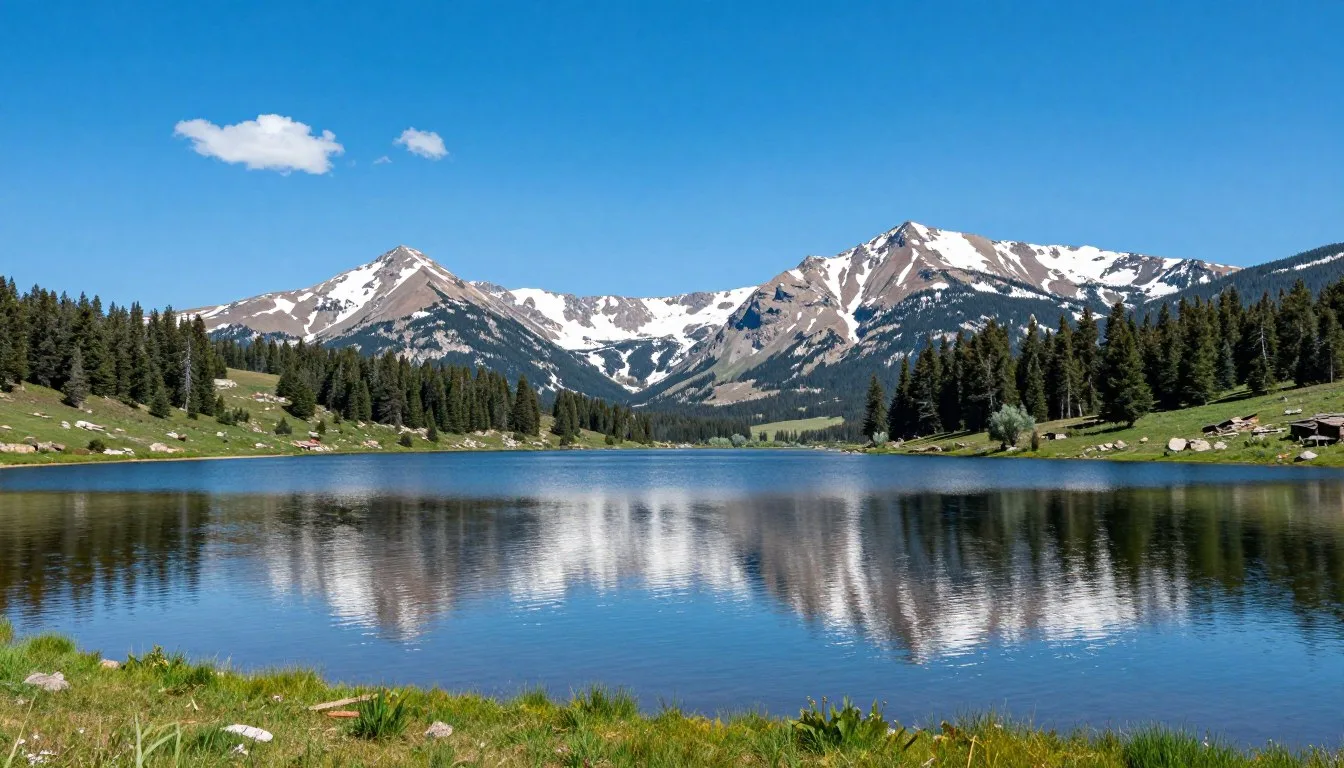
Did you know that San Luis Lakes sits at an elevation of 2,347 meters (7,700 feet), making it one of the highest recreational water bodies in Colorado? This hidden gem in the San Luis Valley offers something most alpine destinations cannot: warm, swimmable water surrounded by dramatic desert landscape and towering peaks.
Tucked between the Great Sand Dunes and the Sangre de Cristo Mountains, this area combines unique ecosystems rarely found together. You will discover sandy beaches, wildlife-rich wetlands, and endless outdoor recreation opportunities.
Whether you seek adventure or relaxation, San Luis Lakes delivers year-round experiences. The park encompasses two main lakes and provides access to some of Colorado’s most stunning natural wonders.
Getting There & Planning Your Journey
San Luis Lakes State Park lies in south-central Colorado, approximately 19 kilometers (12 miles) north of the town of Mosca. The park serves as an excellent base for exploring the broader San Luis Valley region.
Closest Airports
Your journey begins at one of these regional airports:
- Alamosa Regional Airport (ALS) – 48 kilometers (30 miles) south, offers limited commercial service
- Pueblo Memorial Airport (PUB) – 161 kilometers (100 miles) northeast, provides better flight options
- Colorado Springs Airport (COS) – 209 kilometers (130 miles) northeast, offers the most flight choices
- Denver International Airport (DEN) – 386 kilometers (240 miles) north, provides maximum connectivity
Most visitors rent vehicles at these airports. The drive through Colorado’s mountain passes offers spectacular scenery worth the extra travel time.
Driving Routes
From Colorado Springs, take Highway 160 west through Walsenburg. The route crosses dramatic mountain terrain before descending into the valley. Allow approximately three hours for this scenic drive.
From Denver, you will drive south on Interstate 25, then west on Highway 160. This journey takes about four and a half hours under normal conditions.
Planning Tip: Road conditions vary by season. Check Colorado Department of Transportation road reports before winter travel, as mountain passes may require chains or four-wheel drive.
The final stretch follows County Road 6 North (also called Six Mile Lane) directly to the park entrance. Paved roads make access easy for all vehicle types during most seasons.
Park Location
Best Time to Visit & Weather Tips
Recommended Months
Late spring through early fall provides the best weather for most activities. May through September offers warm temperatures and reliable sunshine perfect for water sports and camping.
Summer months (June through August) see peak visitation. Water temperatures reach comfortable levels for swimming, typically around 21°C to 24°C (70°F to 75°F). This period delivers long daylight hours and minimal rainfall.
Check 30,000+ Local Sightseeing Tours Worldwide
✓ Numerous languages and currencies are available
September and early October bring fewer crowds while maintaining pleasant weather. Fall colors emerge across the valley, creating stunning photography opportunities. Temperatures remain mild during daylight hours.
Spring (April-May)
Shoulder season offers moderate temperatures and emerging wildlife activity throughout the area.
- Daytime highs: 15°C to 21°C (59°F to 70°F)
- Cooler water temperatures
- Excellent bird watching opportunities
- Lower accommodation rates
Summer (June-August)
Peak season delivers optimal conditions for all water activities and outdoor recreation.
- Daytime highs: 24°C to 29°C (75°F to 85°F)
- Warm, swimmable water
- All facilities fully operational
- Book accommodations early
Fall (September-October)
Quieter season provides comfortable weather with spectacular mountain views and fewer visitors.
- Daytime highs: 18°C to 24°C (65°F to 75°F)
- Crisp mornings, warm afternoons
- Stunning fall foliage
- Reduced crowds at attractions
Winter (November-March)
Off-season brings limited services but unique experiences for hardy adventurers seeking solitude.
- Daytime highs: 4°C to 10°C (40°F to 50°F)
- Many facilities closed
- Excellent for photography
- Plan for cold conditions
Months to Avoid
Late November through March presents challenging conditions. Many park facilities close for winter maintenance. Snow and ice make unpaved roads impassable without proper equipment.
Early April can bring unpredictable weather. Late-season snowstorms occasionally blanket the valley, though they typically melt quickly under strong spring sunshine.
Weather Insight: The San Luis Valley experiences over 300 days of sunshine annually. However, afternoon thunderstorms develop frequently during summer months. Plan water activities for morning hours when conditions remain calmer.
What to Pack
High elevation creates intense sun exposure. Bring broad-spectrum sunscreen rated SPF 50 or higher. Reapply frequently, especially after swimming.
Temperature swings occur daily. Morning temperatures may start at 10°C (50°F) before climbing to 27°C (80°F) by afternoon. Layer clothing to adapt throughout the day.
- Wide-brimmed hat and polarized sunglasses
- Lightweight, moisture-wicking clothing
- Warm jacket for evening temperature drops
- Sturdy hiking shoes with ankle support
- Insulated water bottles (bring extra capacity)
Notable Annual Festivals
The San Luis Valley hosts several cultural celebrations throughout the year. These events showcase the region’s rich Hispanic heritage and agricultural traditions.
San Luis Valley Crane Festival
Each March, thousands of sandhill cranes stop in the valley during their northward migration. The festival celebrates this natural spectacle with guided tours, photography workshops, and educational programs.
Multiple viewing sites across the valley provide excellent crane observation opportunities. Early morning hours offer the best wildlife viewing when birds are most active.
Alamosa Round-Up Rodeo
This traditional rodeo takes place each July in nearby Alamosa. Professional cowboys compete in classic events including bull riding, barrel racing, and team roping.
The multi-day event features a carnival midway, live country music, and authentic western cuisine. Families enjoy the festive atmosphere and genuine cowboy culture.
Colorado State Fair
Held annually in Pueblo during late August and early September, this major state fair draws visitors from across the region. The fair showcases agricultural exhibits, competitive livestock shows, and headline entertainment acts.
Plan a day trip from San Luis Lakes to experience this celebration of Colorado’s agricultural heritage and rural traditions.
Getting Around Locally
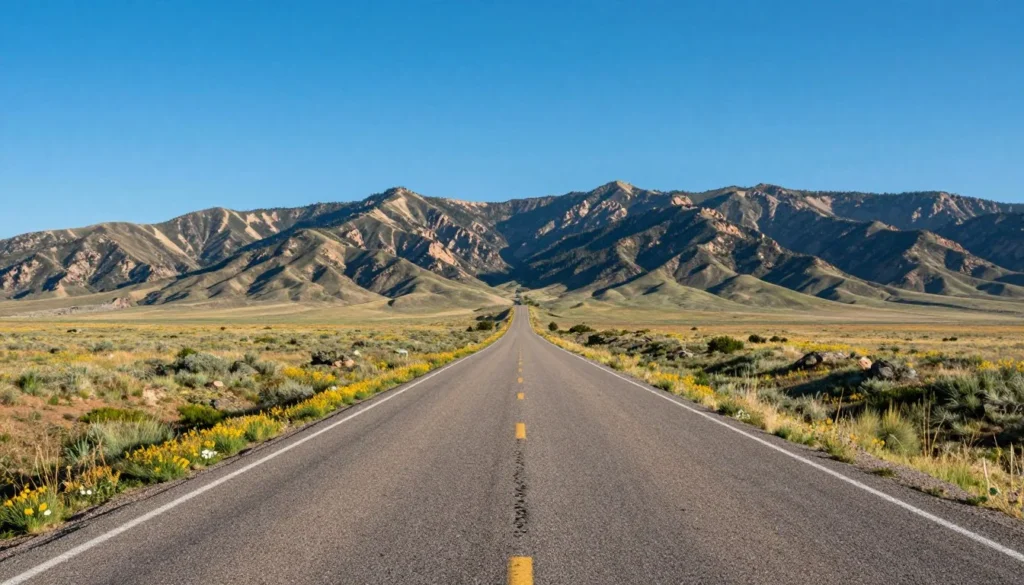
Personal vehicles provide the most practical transportation for exploring San Luis Lakes and surrounding attractions. Public transit options remain extremely limited throughout the rural valley.
Navigating the Park
San Luis Lakes State Park features a straightforward road network. Paved roads connect the main entrance to developed camping areas and day-use facilities.
The park encompasses approximately 809 hectares (2,000 acres). Most destinations sit within a short drive from the entrance station. Internal roads accommodate all vehicle types during summer months.
Four-wheel drive becomes advantageous for accessing remote fishing spots and backcountry areas. Some trails and primitive campsites require high-clearance vehicles, particularly after rain or during spring snowmelt.
Exploring Beyond the Park
Great Sand Dunes National Park lies just 16 kilometers (10 miles) south. The scenic drive takes approximately 20 minutes along Highway 150. This proximity makes visiting both destinations in one day entirely feasible.
The historic town of San Luis sits 64 kilometers (40 miles) south. This community represents Colorado’s oldest continuously inhabited settlement. The drive follows Highway 159 through agricultural lands and small villages.
Alamosa serves as the valley’s commercial hub. Located 40 kilometers (25 miles) south, this town offers grocery stores, restaurants, and medical facilities. Stock supplies here before heading to more remote locations.
Fuel Planning: Gas stations become sparse between towns. Fill your tank in Alamosa or Mosca before venturing into the backcountry. The nearest fuel to the park sits in Mosca, approximately 19 kilometers (12 miles) away.
Bicycle Access
Cycling enthusiasts enjoy the park’s flat terrain and light traffic. Paved campground roads provide safe routes for family bike rides. Mountain bikes handle unpaved trails leading to fishing areas and wildlife viewing sites.
Strong winds frequently sweep across the valley, particularly during afternoon hours. Morning rides encounter calmer conditions. Bring extra water, as distances deceive in the wide-open landscape.
Where to Stay

Camping Within the Park
San Luis Lakes State Park operates a developed campground with 51 sites. Each site includes a picnic table and fire ring. The facility provides modern restrooms with flush toilets and potable water during the operating season.
Electric hookups serve 14 sites, accommodating RVs and campers requiring power. The remaining sites offer traditional tent camping without electricity. All sites can handle RVs up to 10.7 meters (35 feet) in length.
Reservations become essential during summer weekends. The campground fills quickly between Memorial Day and Labor Day. Book sites several weeks in advance through Colorado Parks and Wildlife.
Primitive camping areas exist around the lakes’ perimeter. These undeveloped sites lack amenities but offer solitude and direct water access. A high-clearance vehicle helps reach these remote locations.
Nearby Lodging Options
Great Sand Dunes Lodge sits near the entrance to Great Sand Dunes National Park, approximately 19 kilometers (12 miles) from San Luis Lakes. This property offers comfortable rooms with mountain views and an outdoor pool.
Mosca provides limited lodging. Several small motels serve budget-conscious travelers seeking basic accommodations. These properties offer clean rooms and convenient access to both San Luis Lakes and the sand dunes.
Alamosa presents more extensive options. Chain hotels line the main commercial strip, providing familiar amenities and services. Booking ahead ensures availability during peak summer months and festival periods.
Vacation Rentals
Private vacation homes and cabins scatter across the valley. These properties range from rustic retreats to modern homes with full kitchens and multiple bedrooms. Rentals work well for families or groups planning extended stays.
The town of San Luis features several historic bed-and-breakfast establishments. These small properties provide personalized service and authentic local atmosphere. Hosts often share insider knowledge about hidden attractions and local history.
Budget Tip: Camping at the state park costs significantly less than commercial lodging. Sites average around $41 per night with electricity, while basic sites start near $28 per night. Annual park passes provide additional savings for Colorado residents.
Dining & Local Cuisine
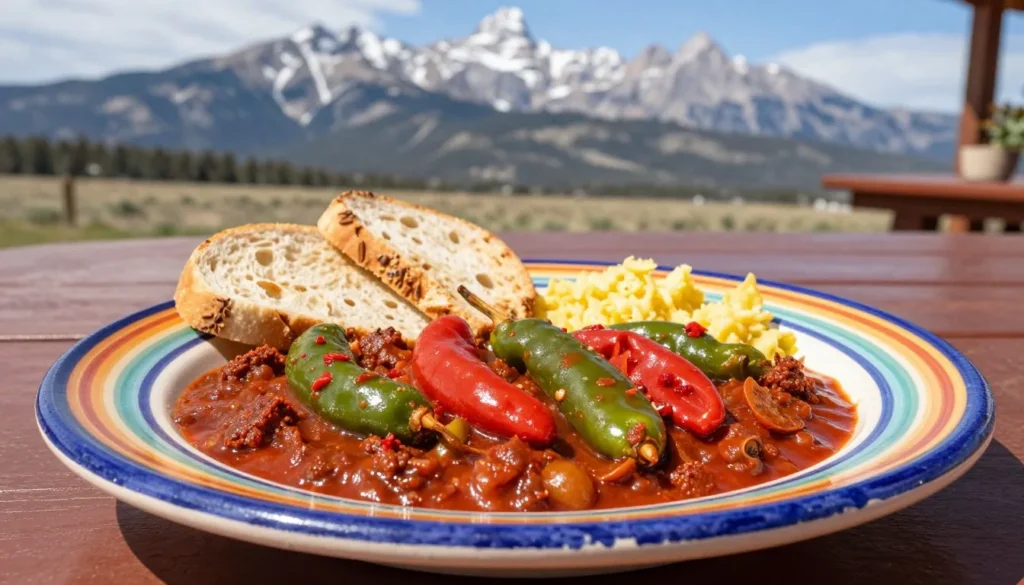
The San Luis Valley blends Hispanic and Western ranching culinary traditions. Local restaurants serve hearty portions reflecting the region’s agricultural heritage and cultural roots.
Regional Specialties
Green chile defines valley cuisine. This flavorful sauce appears on nearly every menu, topping burgers, smothering burritos, and accompanying breakfast dishes. Locally grown Pueblo peppers create the authentic regional flavor.
Potatoes represent another valley staple. The region produces exceptional potatoes in the volcanic soil. Restaurants feature them in creative preparations beyond standard fries and mashed varieties.
Lamb and beef from local ranches supply many kitchens. These proteins benefit from the high-altitude grazing lands that produce lean, flavorful meat.
Dining in Alamosa
Calvillo’s Mexican Restaurant serves authentic New Mexican cuisine in a casual atmosphere. Generous portions and reasonable prices make this family-owned establishment popular with locals and visitors alike.
San Luis Valley Brewing Company combines craft beer with elevated pub fare. The brewery produces small-batch beers using mountain water and local ingredients when possible. The outdoor patio provides pleasant summer dining.
Rosita’s Restaurant & Catering offers traditional Mexican dishes in a welcoming environment. Homemade salsas and fresh tortillas complement the extensive menu. Breakfast service begins early for travelers starting their day.
Quick Bites
Several drive-through restaurants line Alamosa’s main thoroughfare. These establishments provide convenient options for stocking coolers before heading to the park.
Local grocery stores feature deli counters preparing fresh sandwiches and ready-to-eat items. This option works well for visitors preferring picnic meals at scenic locations.
Dining at the Park
No food service operates within San Luis Lakes State Park. Visitors must bring all meals and supplies. The campground provides grills at each site for preparing hot meals.
Picnic areas near the lakes offer tables and shade structures. These sites create ideal spots for enjoying packed lunches while taking in water views.
Shopping Tip: Stock groceries and supplies in Alamosa before reaching the park. The nearest stores sit approximately 40 kilometers (25 miles) away. Ice, firewood, and basic camping supplies are available at limited locations near the park entrance during summer.
Attractions, Sightseeing & Activities

Water Recreation
San Luis Lakes encompasses two main water bodies: Head Lake and San Luis Lake. Head Lake covers approximately 120 hectares (297 acres) and reaches depths around 1.5 meters (5 feet). This shallow, warm lake provides excellent swimming conditions.
San Luis Lake spans roughly 202 hectares (500 acres) with slightly deeper water. This lake attracts boaters, kayakers, and windsurfers. A concrete boat ramp accommodates watercraft up to moderate sizes.
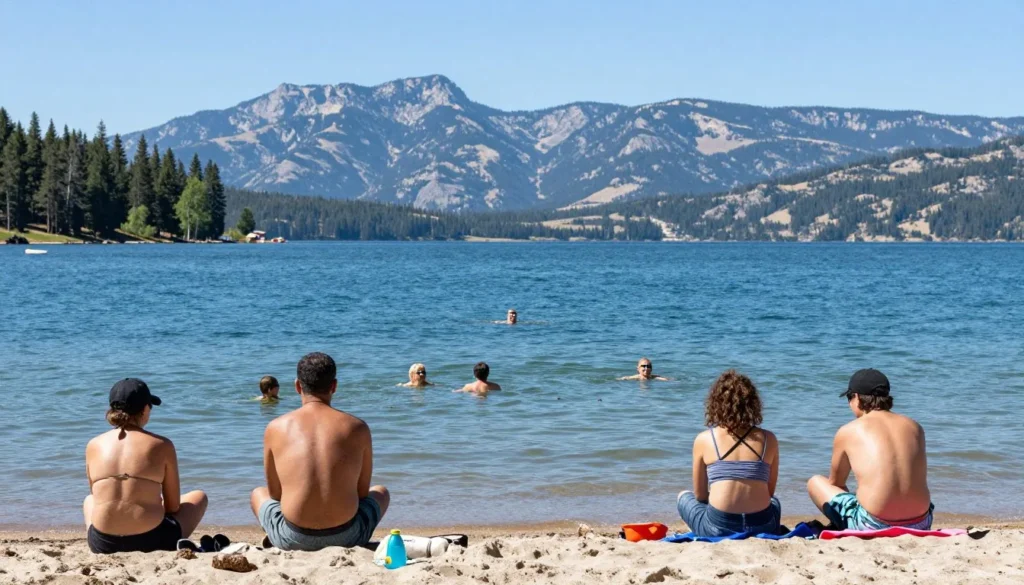
Swimming areas feature sandy beaches reminiscent of ocean coastlines. The unusual combination of desert sand and mountain backdrop creates a unique atmosphere. Water temperatures peak in July and August.
Kayaking and stand-up paddleboarding gain popularity on both lakes. Calm morning conditions suit beginners, while afternoon winds challenge experienced paddlers. No equipment rentals operate at the park, so visitors must bring personal gear.
Fishing Opportunities
Both lakes support warm-water fish species including northern pike, perch, and bass. Anglers find success year-round, though spring and fall produce the most consistent action.
Shore fishing access exists around much of each lake’s perimeter. Boats and kayaks reach deeper water where larger fish congregate. Colorado fishing licenses are required for all anglers over age 16.
Early morning and evening hours produce the best results. Fish become less active during bright midday periods. Local tackle shops in Alamosa provide current fishing reports and recommended baits.
Wildlife Viewing
The park supports diverse wildlife populations. Over 200 bird species visit the area throughout the year. Waterfowl concentrate around the lakes during spring and fall migration periods.
Pronghorn antelope graze in open grasslands surrounding the park. These swift animals often appear near dawn and dusk. Mule deer browse in areas where grasslands meet wetlands.
Small mammals including rabbits, ground squirrels, and foxes inhabit the park. Patient observers spot these creatures during quiet early morning hours. Bring binoculars to watch animals from respectful distances.
Wildlife Safety: Never approach or feed wildlife. Maintain distance from all animals. Store food securely in vehicles or bear-proof containers. Report aggressive animal behavior to park staff immediately.
Great Sand Dunes Access
San Luis Lakes serves as an excellent base for exploring Great Sand Dunes National Park. North America’s tallest dunes rise to 229 meters (750 feet) just a short drive away.
The massive sand pile creates an otherworldly landscape. Visitors climb the dunes, experiencing a unique physical challenge in the thin mountain air. The shifting sands create ever-changing formations.
Medano Creek flows at the dunes’ base during spring snowmelt. This shallow, wide stream creates a beach-like environment perfect for families with young children. The creek typically runs from late April through early July.
Museums, Cultural Spots & Festivals
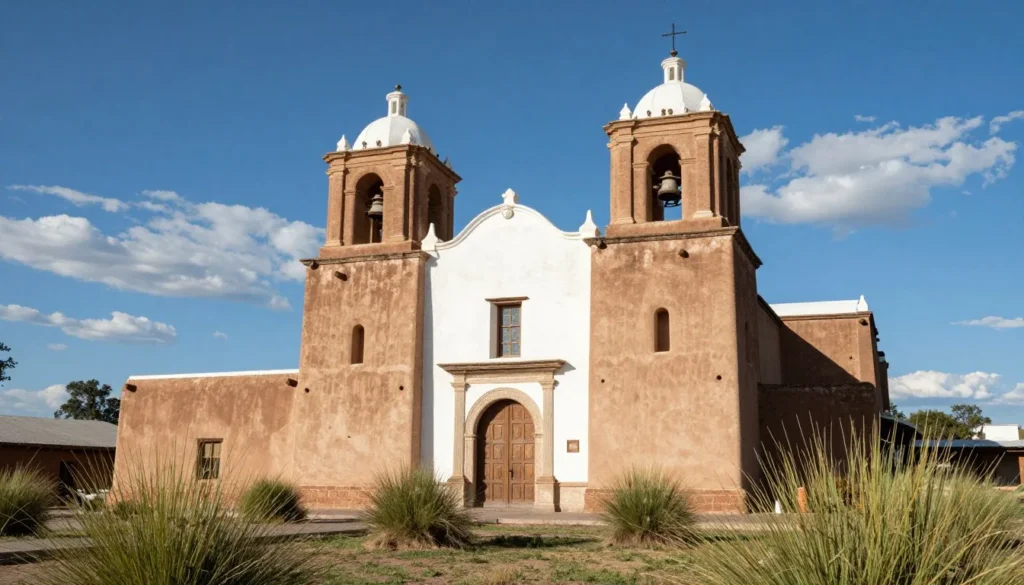
San Luis Valley History
The town of San Luis preserves Colorado’s oldest settlement history. Founded in 1851, this community maintains strong connections to its Hispanic heritage and agricultural traditions.
Check 30,000+ Local Sightseeing Tours Worldwide
✓ Numerous languages and currencies are available
The Stations of the Cross shrine sits on a mesa above town. This spiritual site features bronze sculptures depicting Christ’s final journey. The trail climbs gradually, offering expanding valley views with each station.
Our Lady of Guadalupe Church anchors the historic plaza. This traditional adobe structure dates to the 1850s. The church’s simple exterior conceals an ornate interior featuring hand-carved wood details.
Cultural Centers
San Luis Museum and Cultural Center documents valley history through exhibits and artifacts. Collections include farming implements, photographs, and personal items from early settlers. Volunteer guides share stories passed through generations.
The museum opens limited hours, typically Thursday through Saturday during summer months. Call ahead to confirm schedules before planning a visit.
Fort Garland
Fort Garland Museum sits approximately 48 kilometers (30 miles) east of San Luis Lakes. This restored military post dates to 1858 when it protected settlers and maintained order in the territory.
Kit Carson commanded the fort during the 1860s. Museum exhibits detail frontier military life and interactions between soldiers and local populations. Original buildings include officer quarters, a commandant’s office, and barracks.
Living history demonstrations occur on summer weekends. Costumed interpreters portray soldiers and civilians, demonstrating period crafts and military drills. Children particularly enjoy these interactive programs.
Art Galleries
Several small galleries in Alamosa showcase regional artists. Works often reflect the landscape, wildlife, and cultural heritage of the San Luis Valley. Local photography captures the area’s dramatic scenery and changing seasons.
Many artists draw inspiration from the unique light quality at high elevation. The combination of thin air and wide-open spaces creates exceptional conditions for landscape painting and photography.
Nature & Outdoor Experiences
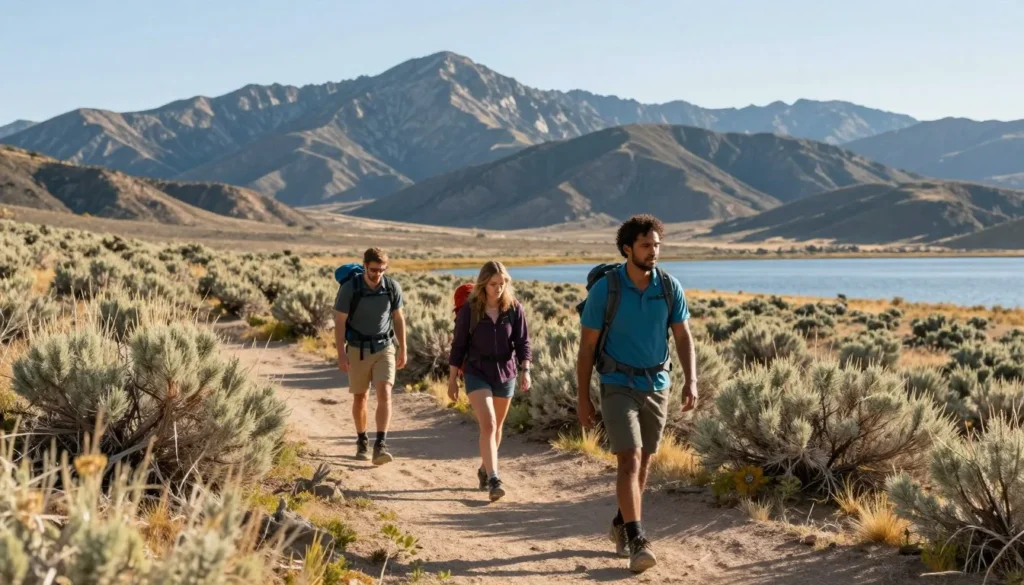
Hiking Trails
Mosca Pass Trail begins near the park and climbs into the Sangre de Cristo Mountains. This historic route spans 5.6 kilometers (3.5 miles) one-way with an elevation gain of 457 meters (1,500 feet).
The moderate trail passes through multiple life zones. Lower sections cross desert scrubland before entering piñon-juniper forests. Higher elevations feature aspen groves and mixed conifer forests. Wildlife sightings occur frequently along this less-traveled route.
Great Sand Dunes National Park offers additional hiking opportunities. The High Dune rises 198 meters (650 feet) from the valley floor. This steep climb through soft sand challenges even fit hikers. Plan two to three hours round-trip.
Backcountry permits allow overnight trips into the Sangre de Cristo Wilderness. These rugged mountains contain alpine lakes, 4,267-meter (14,000-foot) peaks, and pristine forests. Experienced backpackers find solitude in this dramatic landscape.
Photography Locations
San Luis Lakes provides exceptional photography opportunities. The combination of water, sand, and mountains creates diverse compositions within a compact area.
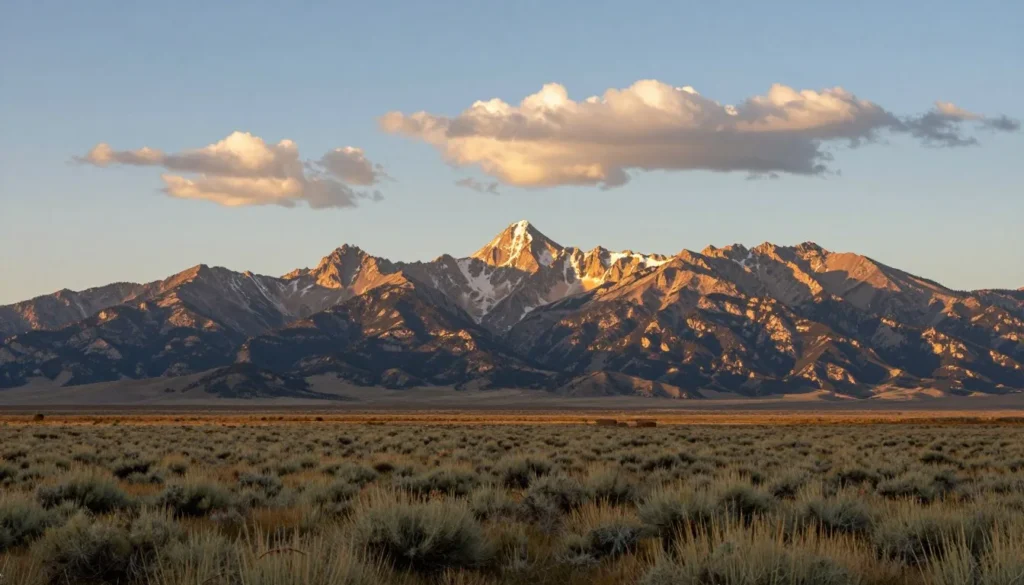
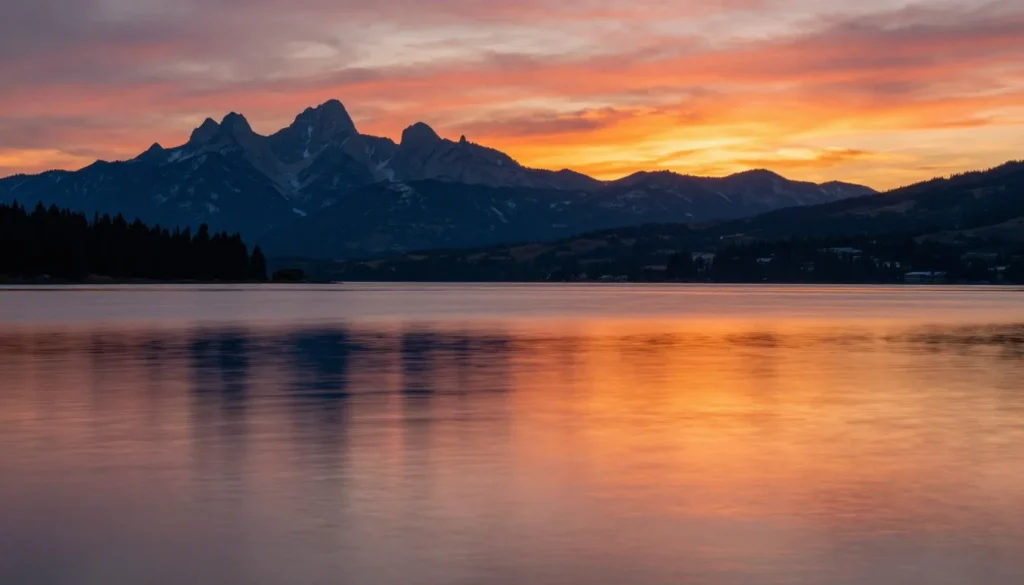
Sunrise illuminates the Sangre de Cristo peaks with alpenglow. Pink and orange hues reflect in the calm lake water. This magical light lasts only 15 to 20 minutes after sunrise.
Sunset photography works best from the lakes’ western shores. The dunes catch golden light while mountains fade to purple silhouettes. Storm clouds building over peaks create dramatic skies.
Stargazing Opportunities
Minimal light pollution makes the San Luis Valley exceptional for astronomy. On clear nights, the Milky Way stretches across the sky in spectacular detail. Meteor showers put on impressive displays in this dark environment.
New moon periods offer the darkest skies. Summer months provide warmer conditions for comfortable evening viewing. Bring red flashlights to preserve night vision while moving around camp.
The park’s elevation places observers 2,347 meters (7,700 feet) closer to space. Thinner atmosphere means less distortion and clearer views of celestial objects. Even basic binoculars reveal stunning detail in star clusters and nebulae.
Off-Road Exploration
Designated off-highway vehicle areas exist north of the park. These networks of trails traverse sand dunes, rocky terrain, and open desert. Proper equipment and experience are essential for safe exploration.
Always stay on marked trails to protect fragile desert ecosystems. Cryptobiotic soil crusts take decades to form but minutes to destroy. Respect closed areas and seasonal restrictions protecting wildlife.
Travel With Children
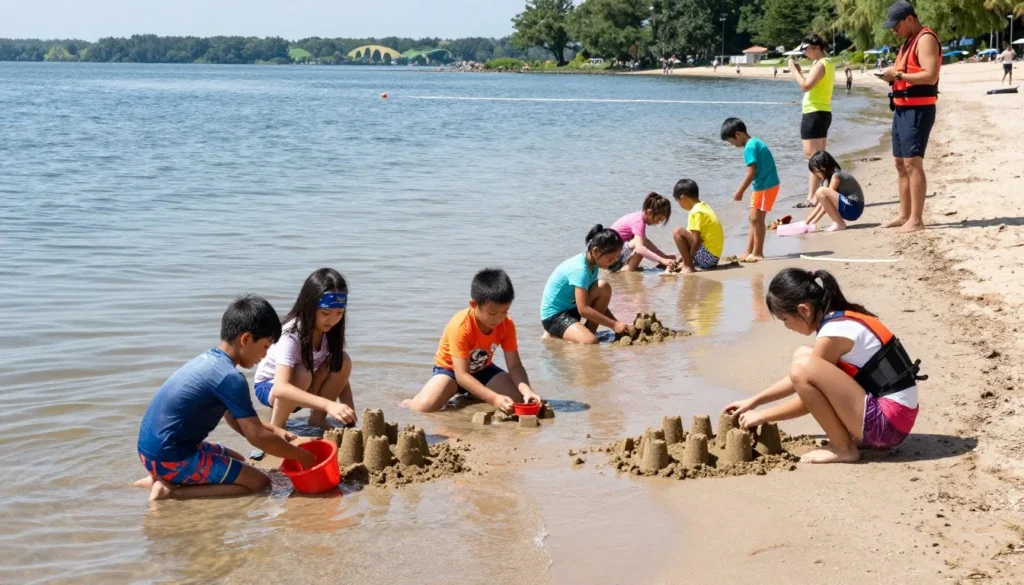
San Luis Lakes creates an ideal family destination. The shallow, warm water provides a safe environment for introducing children to swimming and water play.
Beach Activities
Sandy beaches invite castle building and creative play. The fine sand resembles ocean beaches more than typical mountain lakes. Children spend hours digging, building, and splashing in the shallows.
Head Lake’s shallow depth allows parents to relax while children play. Most areas remain wadable dozens of meters from shore. The gradual slope ensures no sudden drop-offs.
Bring beach toys, buckets, and shovels. Inflatable rafts and small floats enhance water fun. Life jackets provide extra security for weaker swimmers.
Educational Opportunities
The diverse ecosystem teaches children about desert life, wetlands, and mountain environments. Short nature walks reveal various plants and animals adapted to high-elevation conditions.
Junior Ranger programs operate at Great Sand Dunes National Park. Children complete activity booklets while exploring the dunes. Park rangers award badges to participants who finish the requirements.
Night sky programs introduce astronomy basics. Kids learn to identify major constellations and planets. The dramatic sky display captures young imaginations.
Family-Friendly Trails
Short walks around the campground suit small legs. These easy strolls pass through different habitats. Children often spot birds, rabbits, and interesting insects along the way.
The Medano Creek area at Great Sand Dunes provides gentle hiking. A level path follows the stream, requiring minimal effort. The seasonal creek creates a natural water park where kids safely splash and play.
Family Tip: Morning hours offer the calmest conditions for beach activities. Afternoon winds can create choppy water and blow sand. Plan water activities before lunch, then retreat to shade during the hottest part of the day.
Camping with Kids
The developed campground provides modern restrooms and running water. These amenities make camping comfortable for families new to outdoor experiences. Flush toilets and sinks help maintain hygiene standards.
Each site offers ample space for tent setup and play areas. Fire rings allow families to enjoy classic camping traditions like roasting marshmallows and telling stories around the campfire.
Quiet hours begin at 10 PM, ensuring children get adequate rest. The peaceful environment helps everyone sleep well after active days.
Money Saving Tips
Visit during shoulder seasons (May and September) for lower accommodation rates and campground fees. Fewer crowds mean better availability and more negotiating power at lodging properties.
Park Passes
Colorado residents save money with annual Aspen Leaf passes. This pass covers entry to all state parks for one year. The pass pays for itself after three visits.
The America the Beautiful pass provides access to all federal lands including Great Sand Dunes National Park. This annual pass costs $80 and admits an entire vehicle. Senior and military discounts reduce the price further.
Camping Savings
Tent sites cost significantly less than sites with electric hookups. If you do not require electricity, choose basic sites to reduce nightly expenses. Bring battery-powered lights and charge devices in your vehicle.
Longer stays often qualify for weekly discounts. Plan a full week to take advantage of reduced rates. This approach also allows a more relaxed pace without rushing between attractions.
Food Budget
Grocery shopping in Alamosa costs less than eating out for every meal. Stock a cooler with sandwich fixings, snacks, and beverages. Prepare meals at your campsite using the provided fire ring or a portable camp stove.
Many restaurants offer early-bird specials during slower dinner hours. Ask about daily deals when dining out. Lunch menus typically feature lower prices than dinner menus at the same establishments.
Free Activities
Swimming, hiking, and wildlife watching cost nothing beyond park entrance fees. These activities provide full days of entertainment without additional expenses.
Sunset watching from the lakeshore creates memorable experiences at no charge. The nightly light show rivals any paid attraction. Bring a blanket and snacks for an inexpensive evening activity.
Self-guided tours of San Luis and its historic sites are free. Walking the Stations of the Cross and exploring the old plaza require only time and interest.
Budget Planning: Daily park entrance fees run about $10 per vehicle. Add campground costs of $28 to $41 per night. A family of four can enjoy a three-day visit for under $200 including food when camping and cooking meals.
Safety, Etiquette & Local Customs
Altitude Awareness
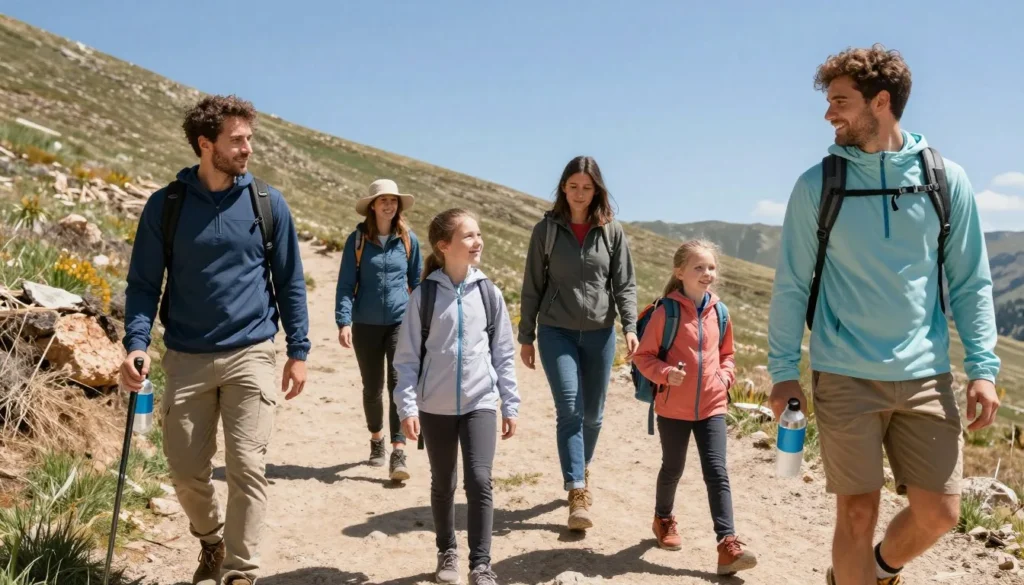
The park sits at 2,347 meters (7,700 feet) elevation. Visitors from lower elevations may experience altitude effects including headaches, fatigue, and shortness of breath during physical activity.
Drink extra water to combat dehydration. The dry mountain air pulls moisture from your body faster than you notice. Consume at least one additional liter per day beyond normal intake.
Allow time for acclimatization. Take the first day easy, avoiding strenuous hikes or demanding activities. Your body needs 24 to 48 hours to adjust to reduced oxygen levels.
Sun Protection
Intense ultraviolet radiation at high elevation causes rapid sunburn. Apply sunscreen every two hours, more frequently when swimming. Cover exposed skin with lightweight, long-sleeved clothing.
Wide-brimmed hats protect faces and necks. Sunglasses rated for UV protection prevent eye damage from reflected glare off water and sand.
Weather Hazards
Afternoon thunderstorms develop quickly during summer months. Lightning poses serious danger in open areas. Monitor weather conditions and seek shelter in hard-sided vehicles or buildings when storms approach.
Flash flooding can occur in low-lying areas and normally-dry washes. Never camp in drainage channels or areas showing signs of previous water flow. Move to higher ground if water begins rising.
Emergency Contacts: Cell phone coverage remains spotty throughout the park. In emergencies, contact park rangers at park headquarters or call 911. Know your exact location before placing emergency calls.
Wildlife Etiquette
Observe animals from safe distances. Never approach or attempt to feed wildlife. Human food harms animals and creates dangerous situations when they lose fear of people.
Store all food in sealed containers inside locked vehicles. Coolers left outside attract animals to campsites. Clean up spills immediately and pack out all trash.
Leave No Trace Principles
Pack out everything you pack in. No trash facilities exist at remote sites. Carry garbage bags and remove all waste including small items like bottle caps and food wrappers.
Stay on designated trails to prevent erosion and protect fragile vegetation. Desert plants grow slowly and recover poorly from trampling. Single-track paths cause less damage than spreading across the landscape.
Camp only in designated areas. Random camping damages native plants and creates unsightly scars. Use existing campsites rather than creating new ones.
Cultural Respect
The San Luis Valley holds deep significance for Hispanic communities with centuries of local history. Show respect when visiting religious sites and historic areas. Some locations maintain strong spiritual importance for residents.
Photography is welcome at most public sites, but ask permission before photographing people or private property. Religious ceremonies and cultural events deserve particular sensitivity.
Support local businesses when possible. Small family-owned restaurants and shops form the economic backbone of valley communities. Your patronage helps preserve traditional culture and local character.
Visitor Comments About San Luis Lakes
“The warm water surprised us completely. We expected freezing mountain lake temperatures but found comfortable swimming conditions instead. Our children played for hours on the sandy beach. The mountain backdrop made it feel like an exotic international destination rather than Colorado.”
“Perfect basecamp for exploring the entire region. We camped at San Luis Lakes and made day trips to the Great Sand Dunes and historic San Luis town. The campground had everything we needed with clean facilities and friendly rangers. Stargazing from our campsite became a nightly highlight.”
“The fishing exceeded our expectations. We caught northern pike and perch from shore without needing a boat. Early morning sessions produced consistent action. The peaceful setting and lack of crowds made this our new favorite Colorado fishing destination. We will definitely return next summer.”
Additional Nearby Destinations

Great Sand Dunes National Park
North America’s tallest sand dunes rise just 16 kilometers (10 miles) south. These massive formations cover 78 square kilometers (30 square miles). The main dune field reaches heights of 229 meters (750 feet) above the valley floor.
Spring runoff creates Medano Creek, a wide, shallow stream flowing along the dunes’ base. This seasonal waterway provides a unique beach environment from late April through mid-July. Children safely splash in water rarely deeper than ankle height.
Sandboarding and sand sledding attract adventure seekers. Rent boards in nearby Alamosa or bring your own. The soft sand provides relatively safe landing zones for tumbles and spills.
Alamosa National Wildlife Refuge
This 19,344-hectare (47,800-acre) refuge sits approximately 32 kilometers (20 miles) south of the park. The protected wetlands attract massive concentrations of migrating birds twice annually.
Sandhill cranes arrive each March in groups numbering thousands. These elegant birds pause during northward migration to rest and feed in shallow ponds. Dawn and dusk viewing offers the most dramatic spectacle as flocks fly between roosting and feeding sites.
Auto tour routes wind through the refuge, providing wildlife viewing from vehicle comfort. Bring binoculars and spotting scopes for detailed observation. Photography opportunities abound throughout the refuge.
Monte Vista National Wildlife Refuge
Located 48 kilometers (30 miles) south, this second refuge complements Alamosa’s wetland habitat. Together, these protected areas support one of the Rocky Mountain region’s most important waterfowl migration stopover sites.
Fall migration (October through November) brings even larger bird concentrations than spring. Ducks, geese, and other waterfowl join cranes in spectacular numbers. Peak migration periods can see over 20,000 birds in a single day.
San Luis and Conejos Counties
These southern counties preserve Colorado’s oldest Hispanic settlements. Traditional villages dot the landscape, many maintaining agricultural practices dating back generations.
The Cumbres & Toltec Scenic Railroad operates vintage steam trains through spectacular mountain scenery. This historic narrow-gauge line crosses the Colorado-New Mexico border, climbing to 3,053 meters (10,015 feet) at Cumbres Pass.
Antonito serves as the Colorado terminus for the railroad. Day trips run from late May through mid-October. The scenic journey passes through tunnels, crosses high trestles, and reveals stunning wilderness vistas.
Hot Springs
Several commercial hot springs operate within an hour’s drive. These geothermal pools provide relaxing soaks after active days exploring the valley.
Valley View Hot Springs offers rustic accommodations and natural pools at 2,774 meters (9,100 feet) elevation. The clothing-optional facility attracts visitors seeking natural hot spring experiences. Reservations are required well in advance.
Joyful Journey Hot Springs near Moffat features multiple pools with varying temperatures. The family-friendly facility includes cabins and camping options. Mountain views enhance the soaking experience.
Practical Travel Tips
Park Information
San Luis Lakes State Park office operates limited hours. Summer hours typically run from 8 AM to 5 PM daily. Shoulder season hours reduce to weekends only or by appointment.
What to Bring
- Current Colorado fishing license (if planning to fish)
- Plenty of drinking water (minimum one gallon per person daily)
- High-SPF sunscreen and lip protection
- First aid kit including altitude sickness medication
- Detailed maps (GPS coverage remains unreliable)
- Weather-appropriate layered clothing
- Headlamp or flashlight with extra batteries
- Insect repellent for evening mosquitoes
Cell Phone Coverage
Mobile phone service varies throughout the park. Some carriers provide better coverage than others. The campground generally receives weak signals. Plan accordingly by downloading maps and information before arrival.
Satellite phones or emergency beacons provide communication backup for backcountry travel. Consider renting these devices for extended wilderness trips.
Accessible Features
The park provides accessible camping sites near modern restrooms. Paved paths connect parking areas to facilities. Some picnic areas accommodate wheelchairs and mobility devices.
Accessible fishing platforms allow all visitors to enjoy angling opportunities. These structures provide stable, level surfaces near productive fishing waters.
Pet Policies
Pets are welcome in the park but must remain on leashes no longer than 1.8 meters (6 feet). Clean up after pets immediately. Dispose of waste in designated receptacles.
Hot sand and pavement burn pet paws during midday hours. Walk dogs during cooler morning and evening periods. Bring extra water for canine companions.
Permits and Regulations
State park entrance passes are required for all vehicles. Daily passes cost approximately $10. Annual passes provide better value for frequent visitors.
Campground registration occurs at the entrance station. Park staff collect fees and assign sites. Self-registration operates during hours when staff are off-duty.
Fishing requires valid Colorado licenses. Purchase online through Colorado Parks and Wildlife or at sporting goods stores in Alamosa. Keep licenses accessible for inspection by wildlife officers.
Travel Advisory: Confirm current conditions before traveling during spring and fall. Unexpected weather can temporarily close facilities or roads. Call the park office or check Colorado Parks and Wildlife website for updates.
Your San Luis Lakes Adventure Awaits
San Luis Lakes offers an unexpected Colorado experience where desert meets mountains, warm water meets sandy beaches, and adventure meets tranquility. This unique destination rewards visitors with diverse activities, stunning scenery, and peaceful surroundings far from crowded tourist centers.
From swimming in surprisingly warm water to exploring nearby sand dunes, from fishing productive lakes to stargazing under pristine dark skies, the area delivers memorable experiences for every type of traveler. Families find safe beaches and easy hiking. Outdoor enthusiasts discover challenging terrain and abundant wildlife. Photography buffs capture dramatic landscapes impossible to find elsewhere.
The combination of accessibility and remoteness creates ideal conditions for disconnecting from daily stress while remaining within reach of necessary services. Whether you camp under the stars or stay in nearby towns, whether you spend a weekend or a full week, San Luis Lakes provides the perfect blend of adventure and relaxation.
Start planning your visit today. The warm water, sandy shores, and majestic mountains are waiting to create memories that last a lifetime. This hidden Colorado gem deserves a place on every traveler’s must-see list.