Hotels by Trip.com
Flights by Trip.com
At 2,438 meters (8,000 feet) elevation, the San Luis Valley stands as North America’s largest alpine valley. This stunning area spans over 324,000 hectares (800,000 acres) between two mountain ranges.
The valley creates its own weather patterns. Visitors experience more than 300 days of sunshine each year. The region combines high desert landscapes with mountain peaks reaching over 4,267 meters (14,000 feet).
This guide reveals everything you need to explore this remarkable Colorado destination. From sand dunes national park adventures to natural hot springs, you will discover why travelers return year after year.
Getting There and Planning Your Journey
The San Luis Valley sits in south-central Colorado. Multiple routes lead to this high desert destination. Most visitors arrive by car through scenic mountain passes.
The closest major airport is Alamosa Regional Airport, located right in the valley. This small airport offers limited commercial service. Denver International Airport sits 386 kilometers (240 miles) north and provides the most flight options.
Colorado Springs Airport lies 201 kilometers (125 miles) northeast. Albuquerque International Sunport sits 322 kilometers (200 miles) south. Both offer reasonable alternatives to Denver.
Driving Routes to the Valley
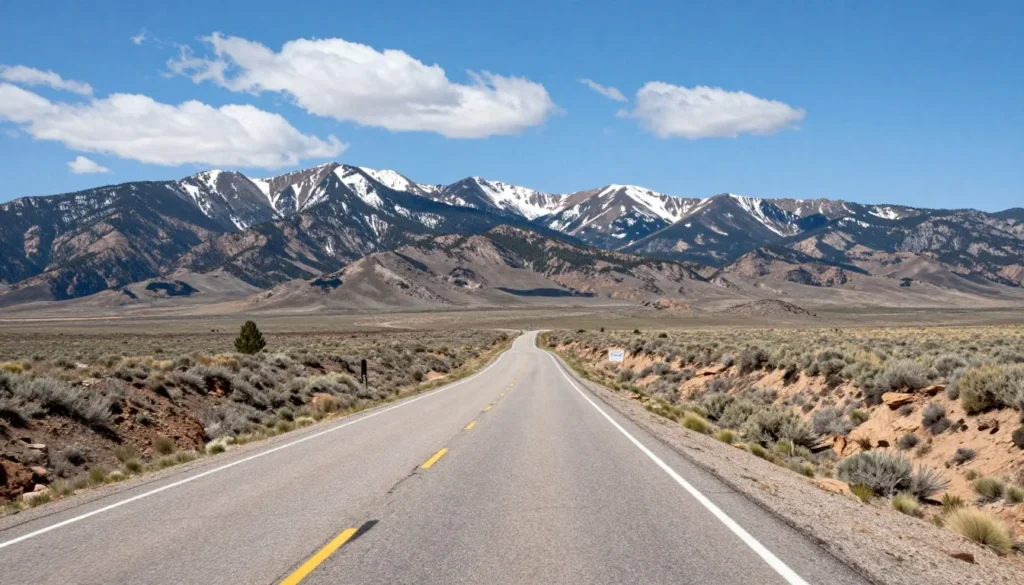
From Denver, take Highway 285 south through South Park. The journey takes approximately four and a half hours. This route offers stunning mountain views throughout.
Highway 160 provides access from the east and west. The road crosses the valley floor with sweeping views. From Colorado Springs, Highway 17 heads south through rolling terrain.
Winter driving requires preparation. Mountain passes may close during storms. Check road conditions before departure. Carry emergency supplies in your vehicle year-round.
Best Time to Visit and Weather Tips
The San Luis Valley experiences dramatic temperature swings. Summer days reach 26°C (80°F) while nights drop to 10°C (50°F). Winter brings cold temperatures but abundant sunshine.
Recommended Seasons
May through October offers the most comfortable conditions. Summer months provide warm weather perfect for outdoor activities. September and October showcase stunning fall colors.
Spring arrives late in the valley, typically mid-May. Wildflowers bloom from June through August. Winter enthusiasts enjoy December through March for snow activities.
Seasons to Approach with Caution
Late November and early April bring unpredictable weather. Strong winds occur frequently during March and April. These months see fewer services available.
Check 30,000+ Local Sightseeing Tours Worldwide
✓ Numerous languages and currencies are available
Mid-winter storms can make travel challenging. Some mountain roads close completely. Plan flexibility into your schedule during these periods.
Peak Season Benefits
- All attractions and services open
- Warm temperatures for hiking
- Festival and event activities
- Extended daylight hours
Off-Season Advantages
- Fewer crowds at popular sites
- Lower accommodation rates
- Unique winter landscapes
- Peaceful hot springs experiences
Notable Annual Festivals
The Monte Vista Crane Festival takes place each March. Thousands of sandhill cranes stop during migration. Contact organizers at +1 (719) 852-3552 for current dates and activities.
Alamosa Round-Up runs each July. This rodeo celebrates western heritage with events spanning several days. For information, call +1 (719) 589-6077.
The SoLAR Arts Festival happens each September in Alamosa. Local artists showcase work across multiple venues. Reach the arts center at +1 (719) 587-0997.
Manassa Pioneer Days occur each July. This small town celebration honors early settlers. Call the town hall at +1 (719) 843-5214 for festival details.
Getting Around Locally
Personal vehicles provide the best way to explore the valley. Distances between attractions span many miles. Public transportation remains limited throughout the area.
The valley stretches roughly 97 kilometers (60 miles) north to south. Highway 17 runs through the center as the main artery. Side roads lead to smaller communities and attractions.
Rental cars are available in Alamosa. Reserve vehicles in advance during peak season. Four-wheel drive helps on unpaved roads but is not essential for main routes.
Road Conditions and Navigation
Paved highways connect major towns and attractions. Gravel roads access some remote areas. Cell phone coverage varies, especially in mountain areas.
Download offline maps before exploring. GPS signals can be unreliable in valleys. Carry a physical map as backup.
Watch for wildlife on roads, especially at dawn and dusk. Cattle and deer cross frequently. Drive cautiously on unfamiliar routes.
Where to Stay
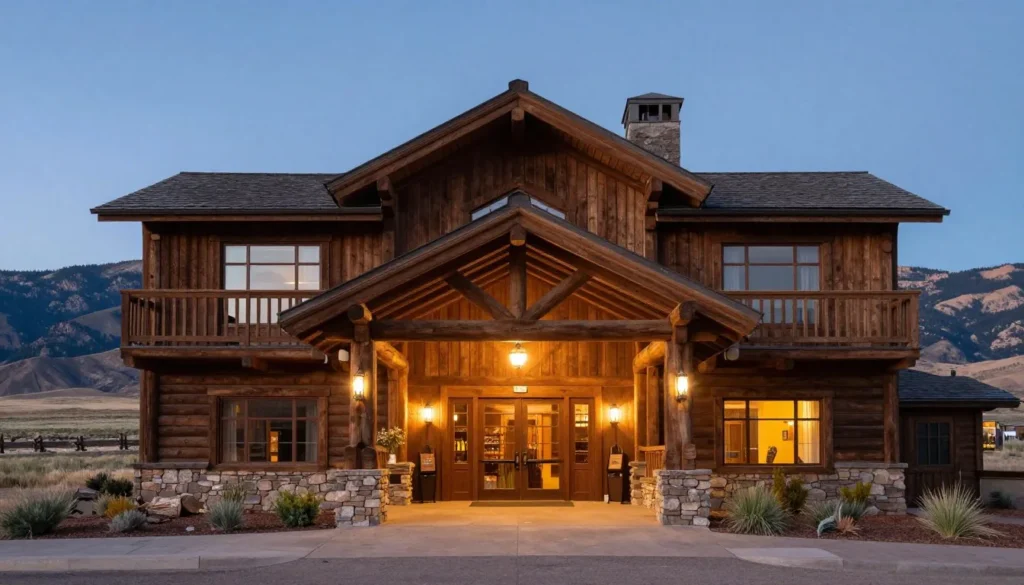
Accommodation options range from rustic cabins to comfortable hotels. Each town in the San Luis Valley offers unique lodging experiences. Book ahead during summer months and festival weekends.
Alamosa Accommodations
The largest town provides the most lodging choices. Chain hotels line Main Street with standard amenities. Locally owned motels offer budget-friendly rates.
Several bed and breakfast inns provide personal service. Historic buildings add character to your stay. Most include hearty breakfasts perfect before day trips.
Great Sand Dunes Area Lodging
Campgrounds near the park fill quickly in summer. Piñon Flats Campground sits within park boundaries. Private campgrounds offer additional spaces nearby.
Small lodges and cabins dot the area around Mosca. These properties provide quick park access. Many feature mountain and dune views from rooms.
Unique Stays in Small Towns
Del Norte offers charming downtown accommodations. Historic buildings have been converted to guest houses. The area provides a quiet home base for exploration.
Monte Vista features family-run motels with reasonable rates. The town serves as a central location for valley activities. Restaurants and shops sit within walking distance.
Crestone attracts visitors seeking spiritual retreats. Several centers offer overnight stays and programs. The mountain setting creates a peaceful atmosphere.
Dining and Local Cuisine
The valley’s agricultural heritage influences local menus. Fresh produce appears in season at restaurants. Mexican and New Mexican flavors dominate many kitchens.
Alamosa provides the most diverse dining scene. Downtown restaurants serve everything from pizza to steaks. Local breweries craft beers using valley water.
Regional Specialties
Green chile appears on nearly every menu. The sauce tops burgers, eggs, and traditional dishes. Locals debate which restaurant serves the best version.
Farm-to-table restaurants highlight valley agriculture. Fresh lettuce, potatoes, and grains grow locally. Several establishments source ingredients from nearby farms.
Mexican bakeries offer authentic pastries and bread. Small cafes serve breakfast burritos that fuel morning adventures. Coffee shops provide gathering spots in most towns.
Local Tip: San Luis, the oldest town in Colorado, has family restaurants serving recipes passed down for generations. Try the traditional dishes for an authentic taste of valley life.
Casual and Quick Options
Food trucks appear at popular spots during summer. They serve everything from tacos to barbecue. Farmers markets offer fresh produce and prepared foods.
Grocery stores in larger towns stock supplies for picnics. Pack lunches when exploring remote areas. Few dining options exist outside main communities.
Attractions, Sightseeing and Activities
The San Luis Valley offers diverse experiences across its vast landscape. Natural wonders combine with cultural attractions. Plan multiple days to appreciate the area fully.

Great Sand Dunes National Park and Preserve
These massive dunes rise 229 meters (750 feet) above the valley floor. They form North America’s tallest sand dunes. Wind constantly reshapes the landscape.
Visitors hike directly on the sand. No trails exist, creating a unique adventure. Morning and evening light transforms the dunes into photographic gold.
Medano Creek flows at the dune base from May through July. The shallow water provides relief from hiking. Children love playing in the seasonal stream.
The park offers ranger programs throughout summer. Evening talks explain dune formation and ecology. Star parties showcase the dark night sky.
Zapata Falls
This hidden waterfall plunges into a narrow rock crevice. A short hike from the road leads to the falls. Visitors wade through cold water to view it fully.
The falls drop approximately 12 meters (40 feet) behind rock walls. Ice formations persist into summer months. Bring waterproof footwear for the approach.
The site sits just minutes from Great Sand Dunes. Many combine both attractions in one day. The drive up offers spectacular valley views.
Hot Springs Experiences
Natural geothermal water bubbles throughout the valley. Several facilities harness these springs for soaking. Temperatures range from warm to very hot.
Joyful Journey Hot Springs near Moffat features multiple pools. Each maintains different temperatures. The facility remains open year-round with stunning mountain views.
Valley View Hot Springs offers a clothing-optional experience. The remote location requires membership or reservations. Natural pools cascade down a hillside.
Sand Dunes Recreation provides developed pools near the park. Families enjoy the comfortable facilities. Evening soaks reveal incredible star views.

Museums, Cultural Spots and Festivals
The valley preserves rich cultural history spanning thousands of years. Museums tell stories of indigenous peoples, Hispanic settlers, and pioneers. Art galleries showcase regional talent.
Cultural Heritage Sites
The San Luis Museum and Cultural Center documents the town’s history. Exhibits cover Spanish colonial life and development. The building itself dates to historic times.
Luther Bean Museum in Alamosa houses regional artifacts. Displays include indigenous tools, pioneer equipment, and natural history. The small museum packs impressive collections into intimate spaces.
Fort Garland Museum preserves an 1850s military post. Original adobe buildings surround the parade ground. Costumed interpreters demonstrate period activities during summer.
Art and Contemporary Culture
Alamosa’s downtown gallery walk happens monthly. Local artists open studios to visitors. The community supports a thriving creative scene.
Crestone has evolved into an arts and spiritual center. Galleries feature diverse styles and media. The mountain setting inspires creative work.
Many artists settle in the valley for its light and space. Studio tours allow meeting creators directly. Handmade crafts make meaningful souvenirs.
Nature and Outdoor Experiences
The valley and surrounding mountains offer endless outdoor recreation. Activities range from gentle walks to challenging climbs. Wildlife viewing opportunities abound throughout the area.

Hiking Trails
Penitente Canyon features unique rock formations and easy trails. The area attracts rock climbers from across the region. Families can explore without technical skills.
Sangre de Cristo Mountains rise dramatically on the valley’s east side. Numerous trailheads access alpine environments. Day hikes lead to mountain lakes and summits.
Great Sand Dunes offers limitless hiking possibilities. Create your own route across the sand. Reaching High Dune requires roughly two hours of effort.
The Rio Grande Trail follows the river through cottonwood forests. Flat terrain suits all fitness levels. Spring and fall provide the most comfortable temperatures.
Wildlife Observation
Sandhill cranes winter in the valley by the thousands. Monte Vista National Wildlife Refuge provides prime viewing. March brings the peak migration spectacle.
Elk herds roam mountain areas year-round. Fall brings rutting season with bugling bulls. Keep respectful distances from all wildlife.
Birdwatchers record hundreds of species throughout the year. Wetlands host waterfowl during migration. Raptors hunt across open terrain.
Fishing and Water Activities
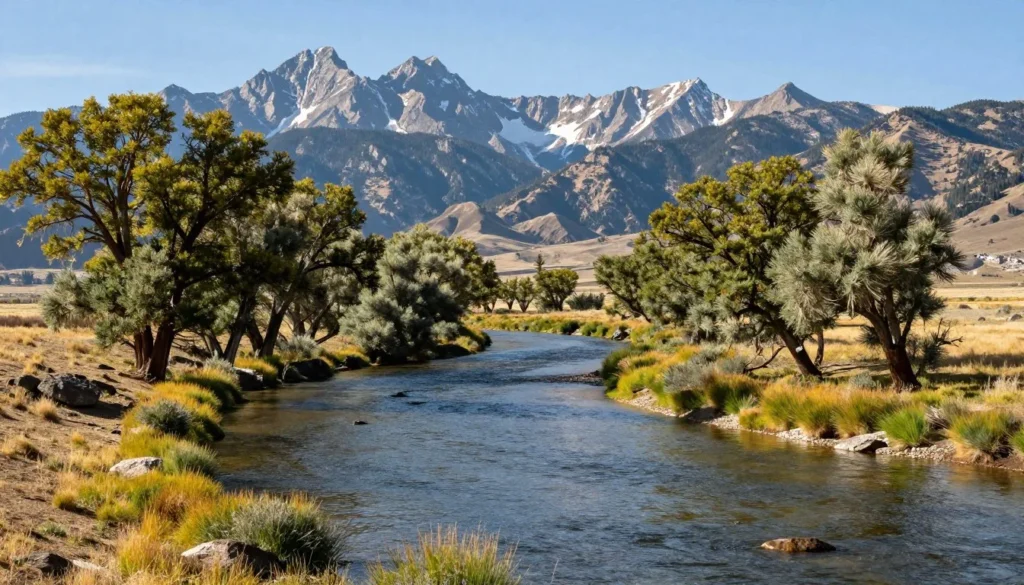
The Rio Grande flows through the valley’s center. The river holds brown trout in many sections. A Colorado fishing license is required.
Mountain lakes and streams offer additional opportunities. Access requires hiking to higher elevations. Cold water species thrive in alpine environments.
The San Luis Lakes provide warm water fishing. These reservoirs sit south of Great Sand Dunes. Boating is permitted with restrictions.
Winter Recreation
Cross-country skiing trails wind through forest areas. Great Sand Dunes allows sledding on the dunes. The unique setting creates memorable experiences.
Snowshoeing provides winter access to summer trails. The Sangre de Cristo Mountains receive substantial snowfall. Backcountry areas require proper equipment and knowledge.
Ice fishing opportunities exist at higher elevation lakes. Check ice thickness before venturing out. Winter camping appeals to hardy adventurers.
Travel With Children
The San Luis Valley welcomes families with children of all ages. Many attractions naturally appeal to young visitors. Plan activities with afternoon rest breaks in mind.
Kid-Friendly Activities
Great Sand Dunes National Park tops the list for family fun. Children can run freely on the sand. Building sand castles takes on new scale here.
Medano Creek becomes a natural playground during flow season. Kids splash in the shallow water for hours. The sandy bottom provides safe wading.
Hot springs facilities offer family-friendly environments. Children enjoy pool time after outdoor adventures. Many facilities maintain cooler pools for young swimmers.
Parent Tip: Bring sleds or sand boards for dune sliding. Rental options near the park can be expensive. The activity provides hours of entertainment for all ages.
Educational Opportunities
Junior Ranger programs at Great Sand Dunes engage children. Kids complete activities to earn badges. Rangers lead special programs during summer months.
Museums offer hands-on exhibits appealing to young learners. Fort Garland allows children to imagine frontier life. Interactive displays make history tangible.
Wildlife watching teaches observation skills. Bring binoculars sized for small hands. Create scavenger hunts to spot different species.
Practical Considerations
The high altitude affects children more quickly than adults. Watch for signs of fatigue or altitude sickness. Extra rest and hydration help everyone adjust.
Sun protection is critical at this elevation. Apply sunscreen frequently throughout the day. Hats and long sleeves provide additional defense.
Check 30,000+ Local Sightseeing Tours Worldwide
✓ Numerous languages and currencies are available
Pack extra snacks and water for all outings. Services are far apart in remote areas. Hunger and thirst increase irritability quickly.
Money Saving Tips
Visiting the San Luis Valley need not strain your budget. Simple strategies reduce costs significantly. Planning ahead provides the best savings opportunities.
Free and Low-Cost Activities
- Great Sand Dunes entrance valid for seven days
- Hiking trails throughout the area cost nothing
- Wildlife viewing at refuges is free
- Town walking tours available at no charge
- Picnicking saves on restaurant meals
Budget-Friendly Choices
- Camp instead of hotel stays
- Shop at grocery stores for meals
- Visit during shoulder seasons for lower rates
- Pack your own hiking and beach gear
- Fill water bottles from safe sources
Accommodation Savings
Camping provides the most affordable lodging option. National park campgrounds cost less than private facilities. Reserve popular sites months in advance.
Motels in smaller towns charge less than Alamosa properties. The trade-off is fewer amenities. Clean, basic rooms meet most travelers’ needs.
Shoulder season rates drop considerably. May and September offer pleasant weather and deals. Some properties reduce prices by thirty percent or more.
Food and Dining
Grocery stores in valley towns stock basic supplies. Preparing your own meals cuts costs dramatically. Many lodgings provide refrigerators and microwaves.
Local bakeries and taquerias offer filling meals at low prices. These establishments serve generous portions. Lunch specials provide good value.
Farmers markets sell fresh produce at reasonable rates. Stock up for picnics and simple meals. The quality exceeds supermarket options.
Transportation Considerations
Fuel prices in remote areas run higher than cities. Fill your tank in larger towns. The extra miles driven to find cheap gas rarely pay off.
Plan efficient routes to minimize driving. Group nearby attractions into single day trips. The valley’s compact size makes this strategy practical.
Safety, Etiquette and Local Customs
The San Luis Valley presents unique environmental challenges. Understanding local conditions ensures safe visits. Respecting cultural traditions enhances your experience.

Altitude Awareness
The entire valley sits above 2,286 meters (7,500 feet) elevation. Many visitors experience mild altitude effects. Headaches, fatigue, and shortness of breath are common.
Drink extra water throughout your stay. Avoid alcohol for the first day or two. Rest more than you think necessary initially.
Altitude sickness can become serious. Descend immediately if symptoms worsen. Seek medical attention for severe headaches or confusion.
Weather and Environmental Safety
Afternoon thunderstorms develop quickly during summer. Lightning poses significant danger on exposed terrain. Descend from ridges and dunes when storms approach.
Temperature swings require layered clothing. Mornings start cold even in summer. Afternoon sun becomes intense at this elevation.
Flash floods can occur in canyon areas. Never enter narrows during threatening weather. Water levels rise rapidly from distant storms.
Wildlife Precautions
Wildlife deserves space and respect. Never approach or feed animals. Elk and deer can become aggressive if threatened.
Rattlesnakes inhabit rocky areas and grasslands. Watch where you place hands and feet. Most bites occur when snakes are accidentally disturbed.
Store food properly when camping. Black bears occasionally wander into the valley. Proper food storage protects both you and wildlife.
Cultural Sensitivity
The valley’s Hispanic heritage dates back centuries. Many families have lived here for generations. Respect private property and cultural sites.
Spanish is spoken widely throughout the area. Learning basic phrases shows respect. Most residents appreciate visitors’ efforts.
Religious sites hold deep meaning for communities. Behave respectfully at churches and shrines. Ask permission before photographing cultural events.
Leave No Trace Principles
The fragile high desert ecosystem requires careful treatment. Stay on established trails when they exist. Pack out everything you pack in.
Bury human waste properly in remote areas. Carry waste bags for popular spots without facilities. Leave natural and cultural objects undisturbed.
Campfires may be restricted during dry periods. Use established fire rings only. Never leave fires unattended.
Visitor Comments About San Luis Valley
“The Great Sand Dunes exceeded every expectation. We spent an entire day playing on the sand and never got bored. The scale is just incredible, and the mountain backdrop makes it unlike any other desert landscape. Our children still talk about sledding down the dunes months later.”
“I was surprised by how much the San Luis Valley offered beyond the famous dunes. The hot springs were therapeutic after hiking, and the small towns had genuine character. We found excellent food and friendly people everywhere. The area feels authentic and unspoiled compared to more touristy parts of Colorado.”
“Visiting during the crane migration was absolutely magical. Thousands of birds filled the sky at dawn, and the sound was unforgettable. The wildlife refuge staff were knowledgeable and passionate. Even my teenage daughter put down her phone to watch. I would return just for this experience alone.”
Additional Nearby Destinations
The San Luis Valley serves as a gateway to other Colorado attractions. Several destinations make excellent additions to your itinerary. Plan extra time to explore surrounding areas.
San Juan Mountains
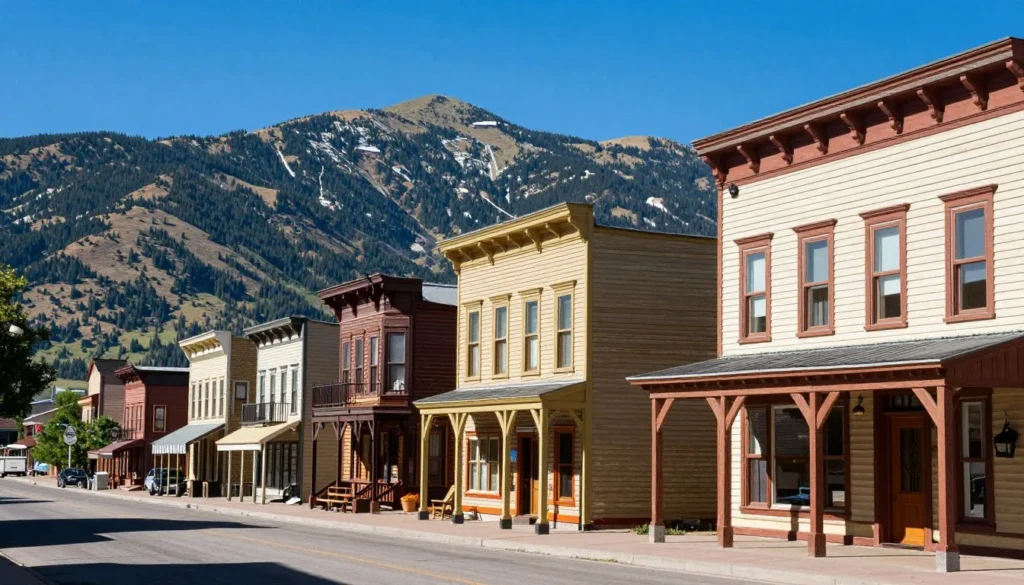
These rugged peaks rise west of the valley. The mountain town of Pagosa Springs sits roughly 97 kilometers (60 miles) away. Natural hot springs and river activities draw visitors.
Wolf Creek Pass provides stunning drives between the valley and mountains. The road climbs through dramatic terrain. Winter brings some of Colorado’s deepest snow.
Historic mining towns dot the San Juan range. Creede and Lake City preserve frontier character. Summer festivals celebrate regional heritage.
New Mexico Connections
The valley extends into northern New Mexico. Taos sits about 113 kilometers (70 miles) south. The art community and pueblo offer cultural experiences.
The Rio Grande Gorge Bridge spans a dramatic canyon near Taos. The view down reaches 172 meters (565 feet). Short trails provide different perspectives.
Santa Fe lies roughly 257 kilometers (160 miles) south. The capital city features museums, galleries, and architecture. Many visitors combine valley and Santa Fe trips.
Eastern Slope Attractions
The Royal Gorge Bridge sits east over the mountains. This suspension bridge spans a spectacular canyon. Adventure activities include zip lines and aerial trams.
Canon City provides dinosaur fossil sites and museums. The area’s prehistoric past comes alive through exhibits. Family-friendly attractions fill the town.
Colorado Springs offers urban amenities and mountain access. Pikes Peak towers above the city. Garden of the Gods features stunning red rock formations.
Practical Travel Tips
Final planning details ensure smooth travels. These practical considerations address common visitor questions. Preparation prevents problems during your trip.
Communication and Connectivity
Cell phone service varies throughout the valley. Major highways maintain decent coverage. Remote areas lose signal completely.
Download maps and information before leaving town. Offline navigation apps prove invaluable. Paper maps provide reliable backup.
WiFi is available at most lodgings and many restaurants. Library branches offer free internet access. Coffee shops provide connection points in larger communities.
Money and Banking
ATMs exist in Alamosa and larger towns. Smaller communities may lack banking services. Carry sufficient cash for rural areas.
Credit cards are accepted at most established businesses. Small local shops may prefer cash. Gas stations generally accept cards.
Tipping follows standard American practices. Fifteen to twenty percent is customary for table service. Consider cash tips for exceptional service.
Health and Medical Services
The San Luis Valley Regional Medical Center serves Alamosa. Emergency services operate throughout the valley. Response times increase in remote areas.
Pharmacies in larger towns fill prescriptions. Bring adequate medications from home. Medical facilities close early in small communities.
Travel insurance makes sense for active itineraries. Helicopter evacuation from remote areas costs thousands. Consider coverage for your trip length.
What to Pack
Layered clothing adapts to temperature changes. Include warm jacket even in summer. A rain shell protects against afternoon storms.
Sun protection is essential year-round. Bring high SPF sunscreen and lip balm. Sunglasses and wide-brimmed hats reduce exposure.
Reusable water bottles reduce waste and save money. Hydration systems work well for hiking. The dry climate demands constant fluid intake.
Essential Gear
- Sturdy hiking shoes or boots
- Daypack for excursions
- Binoculars for wildlife
- Camera with extra batteries
- First aid kit
Comfort Items
- Swimsuit for hot springs
- Towel for water activities
- Sandals for creek crossings
- Hat and gloves for elevation
- Personal toiletries
Helpful Extras
- Power bank for devices
- Headlamp or flashlight
- Multi-tool or knife
- Snacks and energy food
- Entertainment for travel time
Pets and Travel
Many lodgings accept pets with advance notice. Pet fees vary by property. National park areas restrict pets to developed zones.
Hot summers make car interiors dangerous for animals. Never leave pets in vehicles. Altitude affects dogs similarly to humans.
Trails often allow leashed dogs. Pick up waste and control your pet. Wildlife encounters can turn dangerous quickly.
Your Valley Adventure Awaits
The San Luis Valley holds treasures that reveal themselves slowly. Each visit uncovers new perspectives and experiences. The combination of dramatic landscapes, rich culture, and genuine hospitality creates lasting memories.
Whether you climb massive sand dunes, soak in healing hot springs, or simply watch cranes dance across valley skies, this high desert land touches something deep. The space, light, and mountain views restore perspective that daily life obscures.
Start planning your journey to this remarkable corner of Colorado. The San Luis Valley waits with open spaces, warm welcomes, and adventures that will call you back again and again. Your story in this special place is ready to begin.