Hotels by Trip.com
Flights by Trip.com
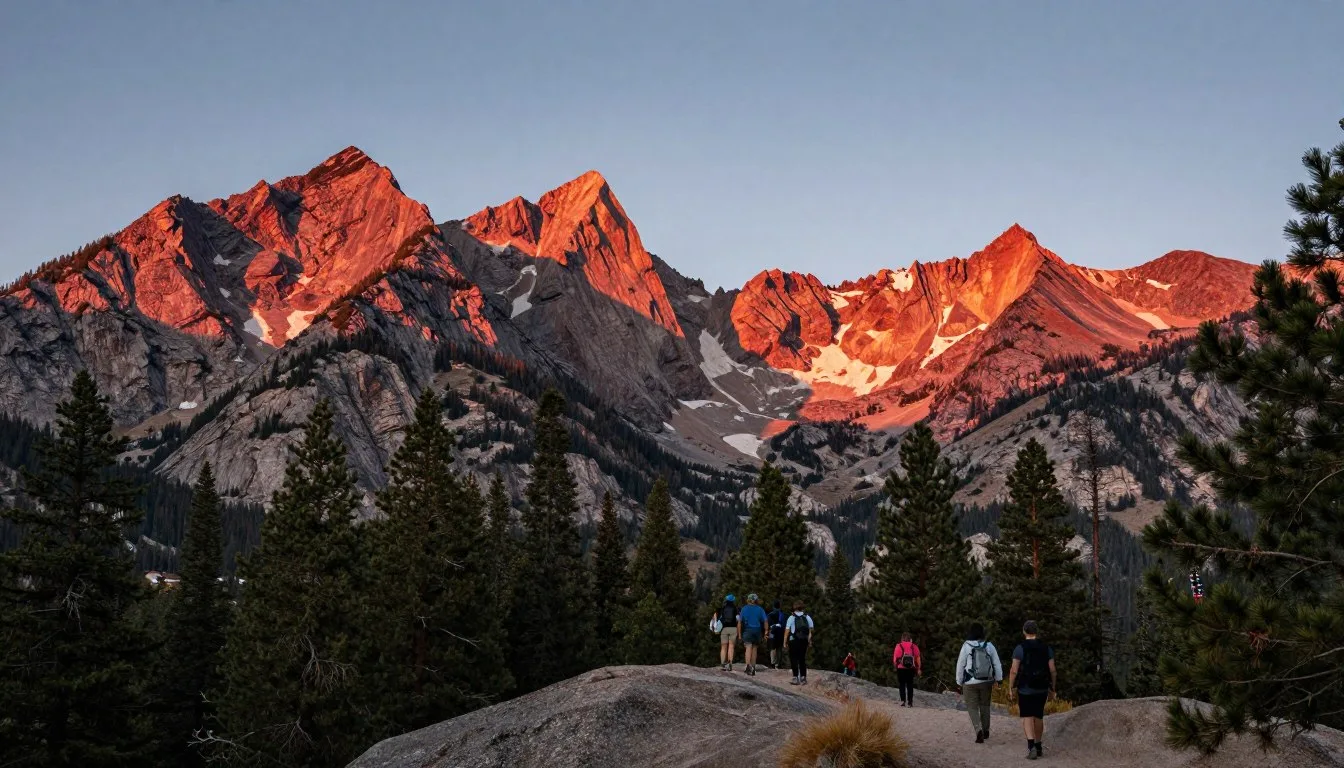
Did you know the Sangre de Cristo Mountains contain more peaks over 4,267 m (14,000 feet) than any other mountain range in North America? This stunning range, stretching across southern Colorado, hides 10 of these massive fourteeners within its rugged terrain. The name means “Blood of Christ” in Spanish, inspired by the crimson alpenglow that paints these mountains at sunrise and sunset.
This comprehensive Sangre de Cristo Mountains Colorado travel guide reveals everything you need to explore this spectacular wilderness. From challenging peaks to serene alpine lakes, the Sangre Cristo Wilderness offers adventures for every type of traveler.
Getting There and Planning Your Journey
Reaching the Sangre Cristo range requires some planning. The closest major airports serve as your gateway to this mountain paradise.
Colorado Springs Airport sits 161 km (100 miles) northeast of the range. This smaller airport offers convenient access with fewer crowds. Denver International Airport, located 257 km (160 miles) north, provides more flight options and competitive pricing. Both airports offer rental cars for the scenic drive south.
The drive from Colorado Springs takes approximately two hours along Highway 115 and 285. From Denver, plan for three to four hours depending on your destination within the range. The route passes through charming mountain towns and offers stunning views along the way.
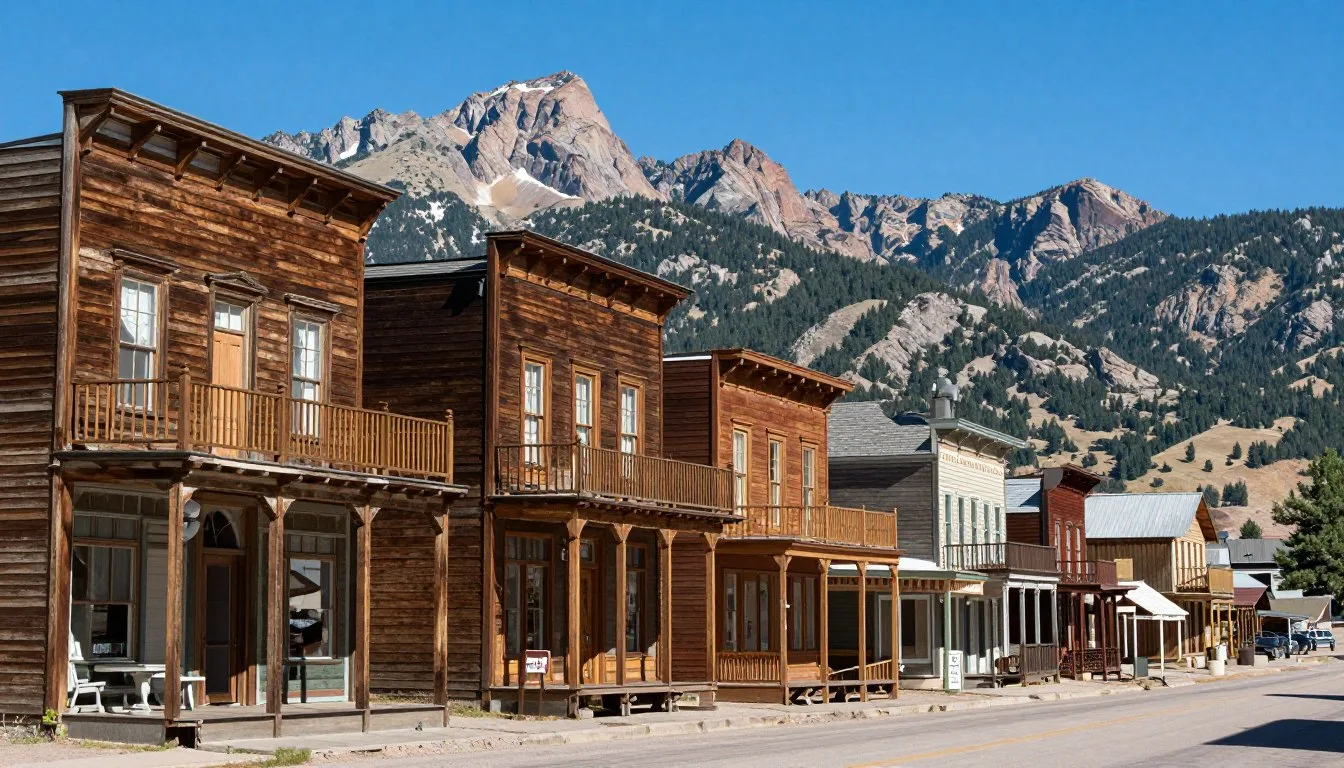
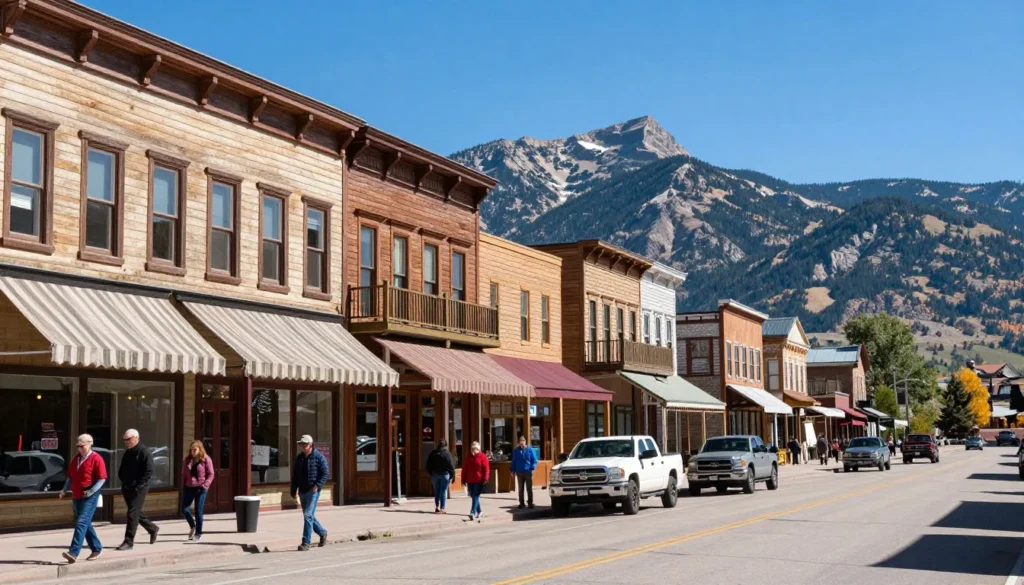
Most visitors base themselves in towns like Westcliffe, Crestone, or Fort Garland. These communities provide easy access to trailheads and local services. The town of Alamosa serves as another excellent base, particularly for exploring the southern sections of the range.
Best Time to Visit and Weather Tips
Best Time to Visit Sangre de Cristo Mountains
June through September offers ideal conditions for most activities. Summer temperatures in valleys range from 21°C to 27°C (70°F to 80°F), while peaks remain cooler. Alpine terrain becomes accessible as snow melts by late June.
July and August bring afternoon thunderstorms almost daily. Start hikes early to avoid lightning risk on exposed peaks. September delivers spectacular fall colors and fewer crowds, though nights turn cold.
Winter transforms the Sangre Cristo wilderness into a backcountry skiing paradise from December through March. Only experienced winter mountaineers should attempt this season. Spring (April and May) brings unpredictable weather with heavy snow possible even in late May.
Avoid March and April unless you enjoy mud season. Trails become impassable, and services in small towns often close. November also sees many facilities shutting down for winter.
Notable Annual Festivals
The Crestone Music Festival celebrates local culture each July with performances from regional artists. Contact organizers at +1 719-256-4533 for current schedules.
Westcliffe hosts the Wild West Weekend every June. This festival features rodeo events, live music, and western heritage celebrations. Call +1 719-783-9163 for event details.
The Sangre de Cristo Arts Center in Pueblo presents rotating exhibitions year-round. Reach them at +1 719-295-7200 for current shows and hours.
Check 30,000+ Local Sightseeing Tours Worldwide
✓ Numerous languages and currencies are available
Getting Around Locally
A personal vehicle remains essential for exploring the Sangre Cristo area. Public transportation barely exists in this remote mountain region. Most trailheads sit miles from towns along dirt roads that require high-clearance vehicles.
Four-wheel drive becomes necessary for many backcountry access roads, especially after rain or snow. Popular trailheads like those in the Isabel National Forest often require driving on rough mountain roads for several miles.
Mountain biking offers another way to reach remote areas. Several trails allow bikes, though most wilderness areas prohibit them. Check regulations before planning a bike trip into the backcountry.
The town of Crestone maintains a small shuttle service during summer months for popular hiking trails. Contact the Crestone Visitor Center at +1 719-256-4313 for current schedules and reservations.
Where to Stay
Accommodation options range from rustic camping to comfortable lodges. Your choice depends on your budget and desired comfort level.
Camping and Backcountry Options
Dispersed camping throughout the San Isabel National Forest costs nothing and places you closest to nature. Established campgrounds offer basic facilities for modest fees. Popular sites include Alvarado Campground and North Crestone Campground.
Backcountry camping requires permits in some areas of the Sangre Cristo Wilderness. Always practice Leave No Trace principles. Bears inhabit the region, so use proper food storage techniques.
Towns and Lodges
Westcliffe provides the most lodging choices, from budget motels to charming bed and breakfasts. The town offers easy access to the northern peaks and trails.
Crestone attracts visitors seeking a spiritual mountain experience. This small town features yoga retreats, meditation centers, and unique artistic accommodations. Fort Garland and Alamosa offer more traditional hotel options with full services.

Dining and Local Cuisine
Mountain towns surrounding the range serve hearty food perfect for fueling outdoor adventures. Expect casual atmospheres and portions sized for hungry hikers.
Westcliffe boasts several restaurants serving American comfort food and Mexican cuisine. The Yoder Store and Restaurant offers family-style meals and baked goods that draw visitors from across the region. Local beef appears on many menus, sourced from nearby ranches in the Wet Mountain Valley.
Crestone features health-conscious eateries reflecting the town’s alternative lifestyle. Vegetarian and organic options abound. The local bakery produces fresh breads and pastries using regional grains.
Alamosa provides the widest dining selection, including pizza joints, steakhouses, and ethnic restaurants. Stock up on supplies here before heading into the mountains for extended trips.
Most restaurants in small mountain towns keep limited hours and may close during slow seasons. Call ahead to verify operating times, especially in spring and fall.
Attractions, Sightseeing and Activities
The Sangre de Cristo Mountains offer countless ways to experience their grandeur. Activities range from casual sightseeing to extreme mountaineering challenges.
Peak Climbing and Fourteeners
Ten peaks in the Sangre Cristo range exceed 4,267 m (14,000 feet). Blanca Peak stands tallest at 4,372 m (14,345 feet), ranking as Colorado’s fourth highest mountain. The challenging terrain demands proper preparation and alpine experience.
Crestone Needle presents one of the most technical climbs in Colorado. This sharp spire requires Class 3 scrambling and exposes climbers to significant height. Only attempt this peak if you have solid mountaineering skills.
Humboldt Peak offers a more accessible fourteener experience. The trail gains 1,463 m (4,800 feet) over 11 km (7 miles). Start before dawn to avoid afternoon storms that build over the peaks almost daily in summer.

Great Sand Dunes National Park
The Great Sand Dunes rise dramatically against the western slope of the Sangre Cristo range. These massive sand dunes, the tallest in North America, create a surreal landscape. The dunes reach heights of 229 m (750 feet) above the valley floor.
Hiking the sand dunes requires no trail or permit, but the effort proves exhausting. Sand surface temperatures can exceed 60°C (140°F) in summer. Visit early morning or evening for comfortable conditions.
Medano Creek flows along the base of the Great Sand Dunes from April through June. This shallow creek provides a perfect place for families to play and cool off. The water typically disappears by July as snowmelt ends.

Museums, Cultural Spots and Festivals
The region’s cultural attractions reflect its diverse heritage, from Native American history to Spanish colonial influence and mining era legacy.
Fort Garland Museum preserves a historic military post from the 1850s. The fort once protected settlers moving through the San Luis Valley. Kit Carson served as commander here during his military career. The museum displays period military equipment and shares stories of frontier life.
The Silver Thread Scenic Byway runs through the northern Sangre Cristo region. This 117 km (73 mile) route passes historic mining towns and offers spectacular mountain views. Stop at the Creede Museum to learn about the area’s silver mining boom years.
Crestone has evolved into a spiritual and artistic community. Numerous meditation centers, Buddhist stupas, and retreat facilities welcome visitors. The town hosts art galleries showcasing works inspired by the dramatic mountain landscape.
Native American heritage runs deep throughout the San Luis Valley. The Ute people lived in this region for thousands of years before European settlement. Various cultural sites and interpretive programs share this important history.
Nature and Outdoor Experiences
The Sangre Cristo Wilderness encompasses 91,903 hectares (227,000 acres) of pristine mountain terrain. This protected area offers endless opportunities for wilderness exploration.
Hiking Trails for All Levels
Rainbow Trail runs 161 km (100 miles) along the eastern slope of the range. This moderate path connects numerous trailheads and provides access to higher elevation routes. Day hikers can explore short sections while backpackers tackle longer segments.
Rito Alto Trail leads into the heart of the wilderness through mixed pine and aspen forests. The path follows a creek drainage and gains elevation gradually. Wildflowers blanket meadows from June through August.
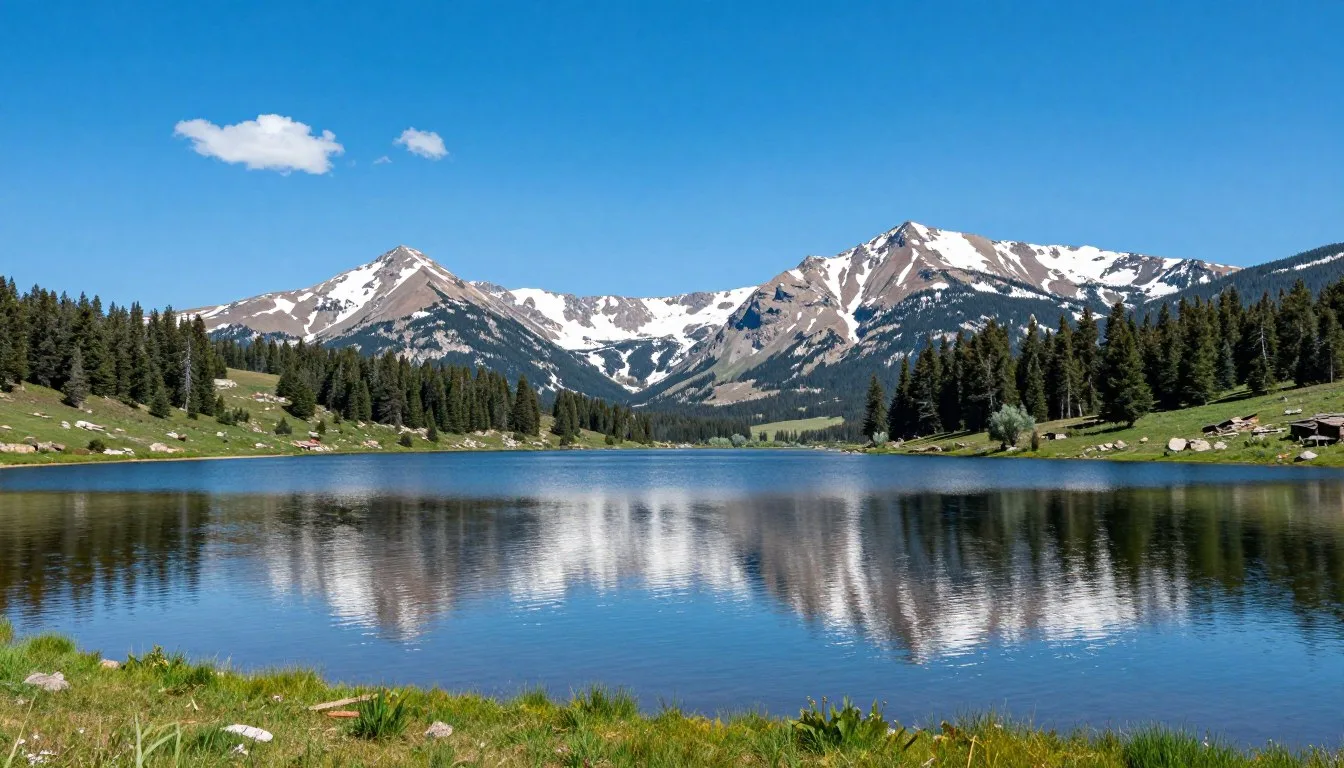
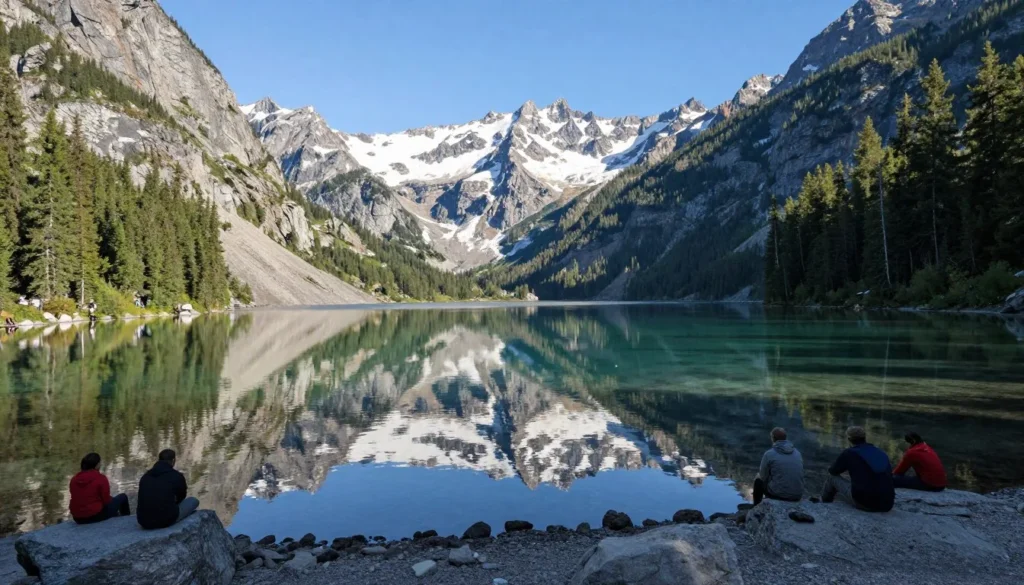
Horn Creek Trail challenges experienced hikers with steep grades and rough terrain. The reward comes at Horn Lake, a pristine alpine lake surrounded by towering peaks. This trail requires good physical condition and proper footwear.
Wildlife Viewing
The region supports diverse wildlife populations. Elk herds roam the forests and meadows, especially visible during fall rutting season. Mule deer appear commonly throughout the range at various elevations.
Black bears inhabit the area year-round. Practice proper food storage and make noise while hiking to avoid surprising these animals. Mountain lions also live here but rarely show themselves to humans.
Birding enthusiasts spot numerous species, from mountain bluebirds in open areas to Clark’s nutcrackers at higher elevations. The endangered boreal owl nests in old-growth forests on north-facing slopes.
Fishing Opportunities
Mountain streams and alpine lakes hold populations of trout. The Rio Grande drainage system on the western slope provides excellent fly fishing. Native Rio Grande cutthroat trout swim in remote headwater streams.
Several alpine lakes require hiking several miles to reach. The effort rewards anglers with solitude and beautiful settings. Always check current fishing regulations and required licenses before casting a line.

Winter Activities
Backcountry skiing attracts expert winter enthusiasts to the range. Steep couloirs and open bowls provide challenging terrain for skilled skiers. Avalanche danger runs high, so proper training and equipment remain essential.
Snowshoeing offers a safer winter activity for most fitness levels. Many summer trails transform into peaceful winter routes. The silence of snow-covered forests creates a magical experience.
Travel With Children
Families can enjoy many aspects of the Sangre Cristo region with proper planning and realistic expectations about children’s abilities.
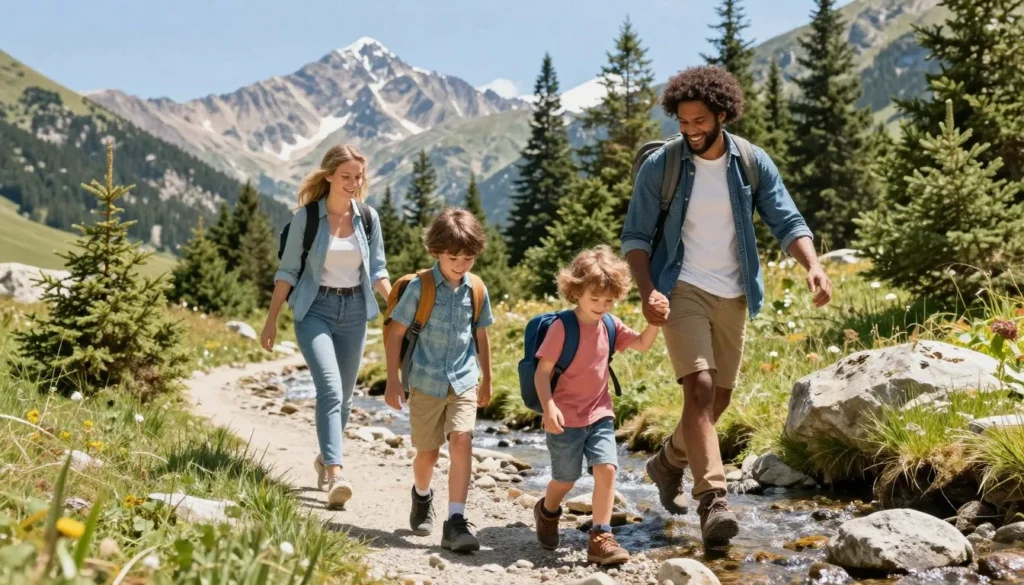
The Great Sand Dunes provide endless entertainment for kids. Building sand castles, sliding down dunes, and splashing in Medano Creek keep children engaged for hours. Bring plenty of water and sun protection.
Shorter hikes near towns work well for younger children. The Music Pass Trail offers gentle terrain with rewarding views. Pack snacks and plan for frequent breaks to maintain positive attitudes.
Many campgrounds feature level sites suitable for families. Choose established campgrounds over dispersed camping for easier logistics with children. Flush toilets and running water make camping more comfortable for families.
Visitor centers in the area provide educational programs during summer months. Rangers lead nature walks designed for children. These programs teach kids about mountain ecology and wilderness safety.
Always supervise children near streams and lakes. Cold water temperatures pose risks even during summer. Mountain weather can change rapidly, so pack extra layers for everyone.
Money Saving Tips
Experiencing the Sangre Cristo Mountains need not empty your wallet. Smart planning helps stretch your budget while enjoying everything the region offers.
- Camp in the San Isabel National Forest for free using dispersed camping. Numerous forest roads provide access to primitive camping spots with mountain views.
- Pack all your food before arriving. Grocery stores in mountain towns charge premium prices due to remote locations.
- Visit during shoulder seasons in early June or late September. Fewer crowds mean better availability and sometimes lower accommodation rates.
- Purchase a National Parks annual pass if visiting multiple parks. The Great Sand Dunes entrance fee gets covered by this pass which pays for itself quickly.
- Download offline maps before entering the mountains. Cell service disappears in most areas, so free mapping apps save money on paper maps.
- Bring your own equipment rather than renting. Purchasing basic hiking and camping gear costs less than multiple rental days.
- Fill water bottles from mountain streams using a filter. Buy a quality filter once instead of purchasing bottled water repeatedly.
- Drive your own vehicle rather than joining guided tours. Most trails have clear markers and require no guide.
Safety, Etiquette and Local Customs
Mountain safety requires awareness and preparation. The Sangre Cristo range presents real hazards that demand respect.
Altitude Considerations
The elevation throughout the region ranges from 2,438 m (8,000 feet) in valleys to over 4,267 m (14,000 feet) on peaks. Altitude sickness affects many visitors, causing headaches, nausea, and fatigue. Spend a day or two adjusting before attempting strenuous activities.
Drink extra water at high elevations. The dry mountain air and increased respiratory rate lead to dehydration faster than at lower elevations. Limit alcohol consumption which worsens altitude effects.
Weather and Lightning
Summer thunderstorms develop almost daily by early afternoon. Lightning strikes kill hikers every year in Colorado mountains. Leave peaks by noon during summer months. If caught above treeline when storms approach, descend immediately.
Temperature drops rapidly with elevation gain and after sunset. Hypothermia threatens even in summer if you get wet or caught unprepared. Always pack warm layers and rain protection regardless of morning weather.
Wilderness Etiquette
Leave No Trace principles guide behavior in the Sangre Cristo Wilderness. Pack out everything you pack in, including toilet paper. Stay on established trails to prevent erosion. Camp at least 61 m (200 feet) from lakes and streams.
Campfires are prohibited in many areas due to fire danger. Use a camp stove for cooking. If fires are permitted, use only dead and downed wood. Always extinguish fires completely before leaving.
Keep dogs on leash where required and under control everywhere. Clean up after pets and keep them away from wildlife. Some trails prohibit dogs entirely, so check regulations.
Local Customs
Mountain communities value self-reliance and environmental stewardship. Residents take pride in their rugged landscape and outdoor lifestyle. Show respect for private property and close all gates you pass through.
Many locals earn income from ranching. Give livestock right of way on roads and trails. Never approach or feed wildlife, which creates dangerous situations for both animals and people.
Visitor Comments About Sangre de Cristo Mountains
“The Sangre Cristo range exceeded every expectation. We spent five days hiking different trails and each day revealed new spectacular scenery. The alpine lakes felt like hidden treasures. Our family will definitely return to explore more of this incredible wilderness.”
“Climbing Blanca Peak challenged us physically but delivered the most rewarding summit views I have experienced. The route required careful navigation through challenging terrain. Starting early helped us avoid the afternoon thunderstorms that rolled in right on schedule.”
“The Great Sand Dunes against the mountain backdrop created the most unique landscape we encountered during our Colorado trip. Our children loved playing in the creek and climbing the dunes. The contrast between desert sand and snowy peaks felt almost surreal. This place deserves more recognition.”
Additional Nearby Destinations
Extending your trip to include nearby attractions maximizes your mountain adventure and provides diverse experiences.
Black Canyon of the Gunnison
This dramatic gorge lies 177 km (110 miles) northwest of the range. Sheer cliff walls plunge 823 m (2,700 feet) to the river below. The park offers spectacular overlooks and challenging rim hikes.
Mesa Verde National Park
Ancient cliff dwellings built by ancestral Puebloans await 241 km (150 miles) southwest. Tour the remarkable stone structures built into canyon walls over 700 years ago. Rangers lead tours through the most impressive sites.
Colorado Springs
This city provides urban amenities 161 km (100 miles) north. Visit Garden of the Gods, Pikes Peak, and numerous attractions. The city offers comfortable accommodations and diverse dining after days in the wilderness.
Taos, New Mexico
The Sangre Cristo range extends into New Mexico where Taos sits 121 km (75 miles) south. This artistic community blends Native American, Spanish, and Anglo cultures. Explore galleries, historic sites, and additional mountain trails.
Royal Gorge
A suspension bridge spans this canyon 97 km (60 miles) northeast near Canon City. The Arkansas River carved this narrow gorge through solid granite. Visitor facilities include zip lines and aerial tram rides.
Hot Springs
Several natural hot springs operate near the range. The town of Salida hosts multiple hot spring pools 80 km (50 miles) north. Soak tired muscles after hiking in mineral-rich waters.
Practical Travel Tips
Final preparations and practical knowledge ensure your Sangre Cristo adventure proceeds smoothly.
What to Pack
- Layered clothing for changing mountain weather
- Sturdy hiking boots broken in before your trip
- Sun protection including hat, sunglasses, and SPF 30+ sunscreen
- Headlamp or flashlight with extra batteries
- First aid kit including blister treatment
- Water filter or purification tablets
- Topographic maps and compass or GPS device
- Bear-proof food storage containers
Essential Information
- Cell phone service is extremely limited throughout the mountains
- The nearest full-service hospital is in Alamosa
- Gas stations are sparse, so fill up in towns
- Some roads close in winter and during mud season
- Permits are not required for day hiking but may be needed for overnight trips
- Lightning poses serious danger from May through September
- Water sources should always be treated before drinking
Important Contact: For current trail conditions, wilderness permits, and emergency information, contact the San Isabel National Forest office at +1 719-553-1400. Rangers provide valuable updates about weather, wildlife activity, and trail status.
Your Mountain Adventure Awaits
The Sangre de Cristo Mountains stand ready to reveal their secrets to those willing to venture into their majestic terrain. Whether you summit challenging peaks, explore pristine wilderness trails, or simply soak in the stunning alpine views, these mountains deliver unforgettable experiences. The dramatic landscapes, diverse activities, and welcoming mountain communities combine to create the perfect Colorado adventure.
Check 30,000+ Local Sightseeing Tours Worldwide
✓ Numerous languages and currencies are available
Start planning your journey today. The crimson alpenglow awaits, painting these ancient peaks in colors that have inspired visitors for generations. Your Sangre Cristo wilderness experience will create memories that last a lifetime.