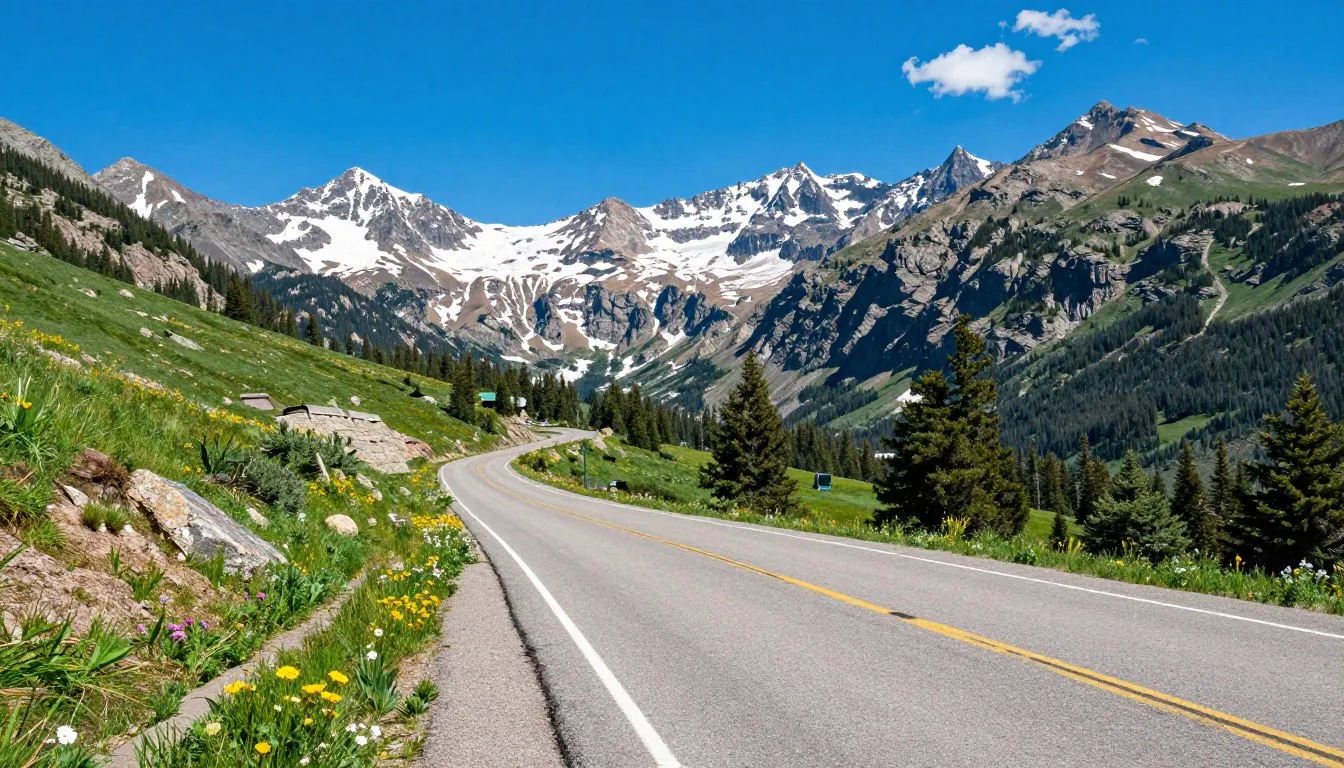
Every year, more than five million vehicles traverse Vail Pass, making it one of Colorado’s busiest mountain passes despite its challenging 3,200-meter (10,662-foot) elevation. This remarkable statistic speaks to the pass’s unique position as both a vital transportation route and a premier recreational destination in the heart of the Rocky Mountains.
Vail Pass earned its name from Charles Vail, a highway engineer who played a crucial role in developing Colorado’s mountain road system in the early twentieth century. His vision helped transform this once-remote mountain crossing into the accessible gateway it is today.
The pass connects travelers between the towns of Vail and Copper Mountain along Interstate 70. It offers far more than just a route through the mountains. Visitors discover pristine backcountry trails, breathtaking scenic overlooks, and year-round recreation opportunities that showcase Colorado’s natural splendor.
Getting There & Planning Your Journey
Reaching Vail Pass Road Colorado requires careful planning. The pass sits along Interstate 70, approximately 120 kilometers (75 miles) west of Denver. Most visitors begin their journey from Denver International Airport, the region’s primary air gateway located about 177 kilometers (110 miles) to the east.
Eagle County Regional Airport provides a closer alternative. This smaller facility sits just 56 kilometers (35 miles) west of the pass near the town of Gypsum. It offers seasonal service and significantly reduces drive time for winter visitors.
The Colorado Department of Transportation maintains excellent road conditions throughout most of the year. However, winter weather can create challenging driving situations. The highway climbs steadily from both approaches, gaining substantial elevation over relatively short distances.
Summit and Eagle counties share jurisdiction over the pass area. Both counties provide excellent visitor services and maintain the Vail Pass Rest Area, a popular stopping point that offers stunning mountain views and access to recreation trails.
Important Transportation Note: Always check current road conditions with the Colorado Department of Transportation before traveling during winter months. Mountain weather can change rapidly, affecting pass conditions within hours.
Best Time to Visit & Weather Tips
Best Time to Visit Vail Pass Road
The mountain pass experiences dramatically different conditions across seasons. Each period offers unique advantages for different types of visitors and activities.
Summer months from June through September provide the most accessible conditions. Temperatures typically range from 15°C to 24°C (59°F to 75°F) during daytime hours. This season opens all hiking trails and allows comfortable outdoor recreation without winter gear requirements.
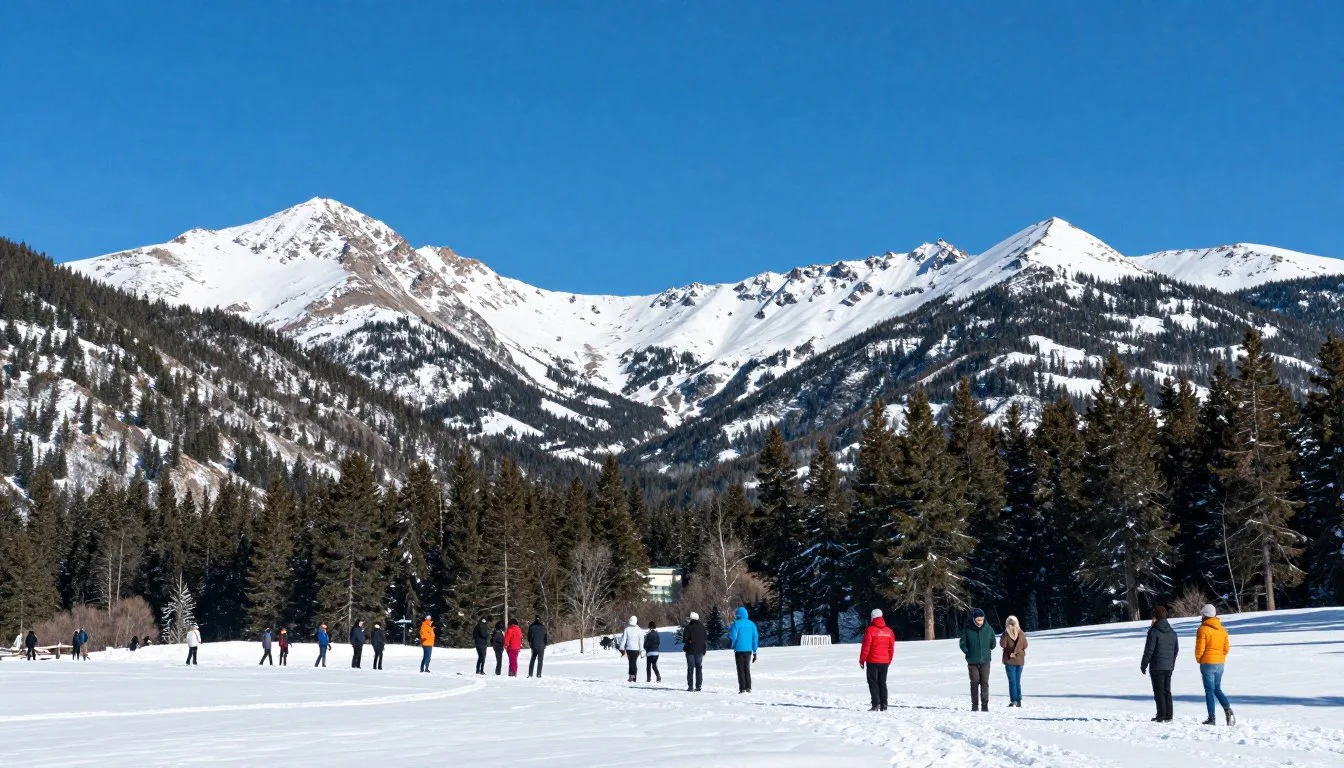
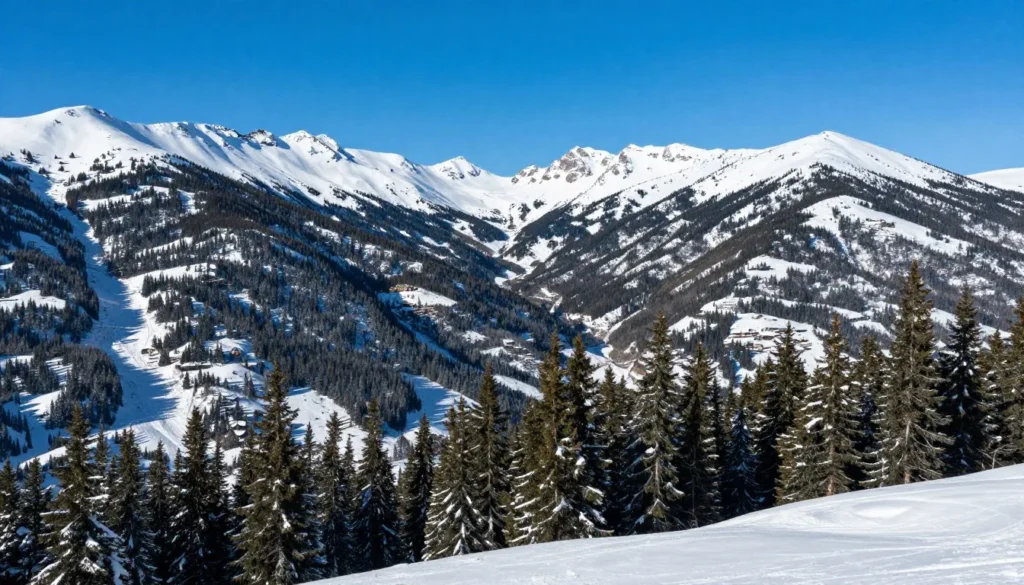
Winter transforms the area into a snow sports paradise. November through April brings heavy snowfall and temperatures often dropping below -12°C (10°F). The Vail Pass winter recreation area becomes extremely popular with cross-country skiers and snowshoers during these months.
Spring and fall shoulder seasons offer quieter experiences. May and October present unpredictable weather but fewer crowds. These months work well for visitors seeking solitude on the trails.
Recommended months: June, July, August, September for hiking and scenic drives. December, January, February for winter recreation.
Months to avoid: March and April due to unpredictable weather, avalanche risk, and trail closures. November can present challenging driving conditions as winter weather establishes itself.
Notable Annual Festivals
The surrounding Vail area hosts numerous events throughout the year. The Vail Mountain Games take place each June, celebrating outdoor recreation and mountain culture.
Bravo! Vail Music Festival runs from late June through early August. This classical music celebration attracts world-class performers to mountain venues. Contact organizers at (970) 827-5700 for current schedules.
Vail Oktoberfest honors Bavarian traditions each September. The event features authentic German food, music, and cultural activities. For details, call the Vail Valley Partnership at (970) 476-1000.
Getting Around Locally
Transportation options around Vail Pass vary by season and destination. Most visitors rely on personal vehicles to explore the area thoroughly. The pass itself follows Interstate 70, providing straightforward navigation between major towns.
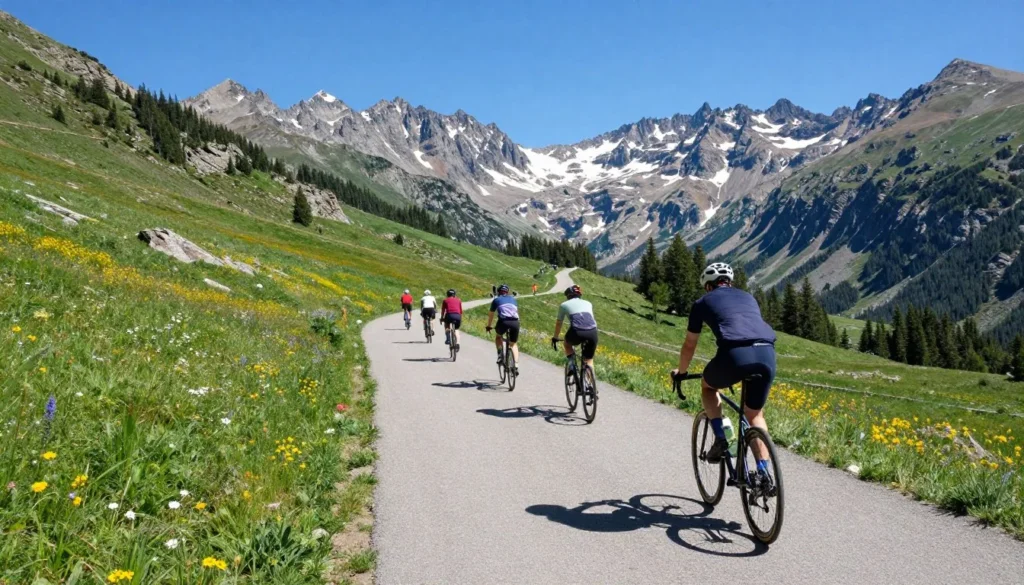
The Vail Pass bike path offers an exceptional alternative for summer travel. This paved recreation trail extends approximately 13 kilometers (8 miles) from the rest area down to Copper Mountain. Cyclists enjoy dedicated pathways separated from highway traffic.
Free shuttle services operate in nearby Vail and Copper Mountain during peak seasons. These town-based systems help visitors move between lodging, dining, and recreation areas without driving. However, they do not service the pass itself.
Parking facilities exist at the Vail Pass Rest Area and various trailheads along the route. The Colorado Department of Transportation recommends arriving early during summer weekends, as popular spots fill quickly by mid-morning.
Winter conditions require four-wheel drive or all-wheel drive vehicles with proper snow tires. Colorado law mandates traction devices during certain weather conditions on mountain passes.
Where to Stay
Lodging options surround Vail Pass on both sides. The town of Vail, located 19 kilometers (12 miles) east, offers the widest variety of accommodations ranging from luxury resorts to budget-friendly properties.
Four Seasons Resort Vail and The Sebastian provide high-end experiences with full-service amenities. These properties cater to visitors seeking premium mountain hospitality with easy access to the pass and surrounding recreation areas.
Copper Mountain resort sits just 8 kilometers (5 miles) west of the pass summit. This ski-in, ski-out community features condominiums and hotel rooms suitable for families and groups. Properties here provide convenient access to both winter and summer activities.
East Vail neighborhoods offer condominium rentals at moderate price points. These areas provide more space than hotel rooms while maintaining proximity to the pass and recreation trail access points.
Budget-conscious travelers find options in Frisco and Dillon, towns located 24-29 kilometers (15-18 miles) from the pass. These communities offer chain hotels and independent motels at lower rates than resort areas.
Resort Area Options
- Luxury hotels with mountain views
- Ski-in, ski-out convenience
- Full-service restaurants and spas
- Higher nightly rates
Valley Town Options
- Budget-friendly chain hotels
- Short drive to recreation areas
- Local dining opportunities
- More affordable rates
Dining & Local Cuisine
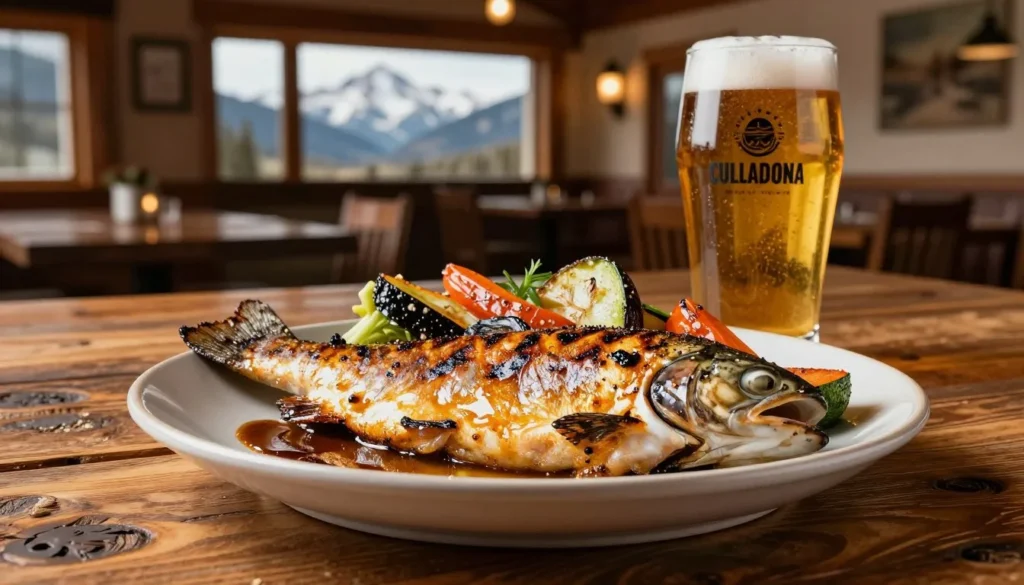
The Vail Pass area offers diverse dining experiences within the surrounding mountain communities. Visitors discover everything from casual cafes to fine dining establishments featuring Rocky Mountain cuisine.
Sweet Basil in Vail presents contemporary American cuisine with mountain influences. The restaurant emphasizes locally sourced ingredients and seasonal menus. Reservations are strongly recommended during peak seasons.
Copper Mountain’s dining scene caters primarily to active outdoor enthusiasts. JJ’s Rocky Mountain Tavern offers hearty American fare in a relaxed atmosphere. The menu features burgers, sandwiches, and comfort foods ideal after mountain activities.
Local specialties include Colorado lamb, Rocky Mountain trout, and elk dishes. Many restaurants incorporate these regional proteins into their menus, providing authentic mountain dining experiences.
The area also features numerous coffee shops and quick-service options. These establishments serve visitors seeking fuel before hitting the trails or a warm drink after outdoor recreation.
Attractions, Sightseeing & Activities
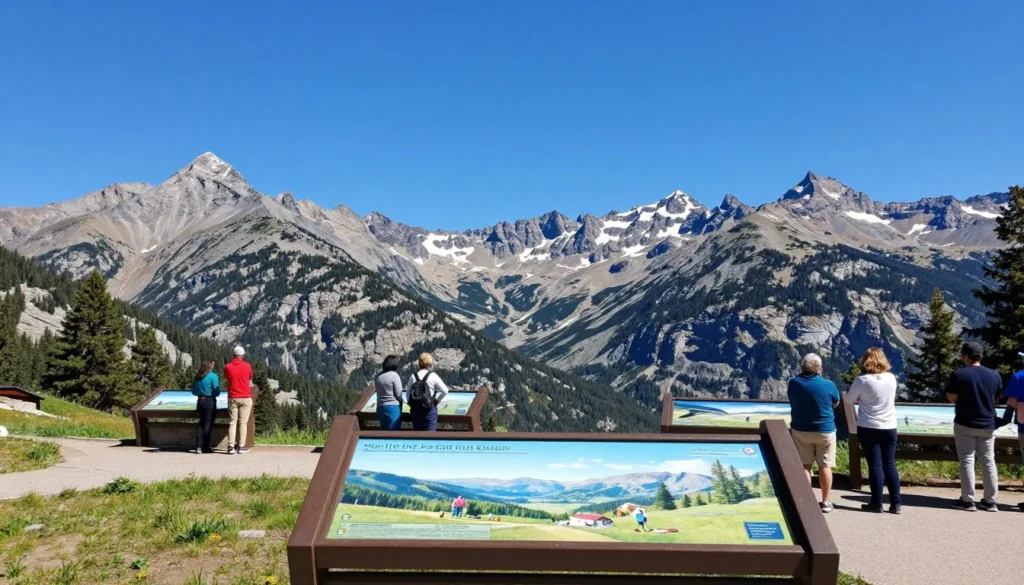
The Vail Pass Rest Area stands as the region’s premier attraction. This Colorado Department of Transportation facility offers more than typical highway amenities. Visitors find interpretive displays explaining the area’s geology, history, and ecology.
Panoramic viewing platforms provide stunning vistas of the surrounding Gore Range. On clear days, visitors can see peaks extending for kilometers in multiple directions. The elevation of 3,200 meters (10,662 feet) creates an impressive perspective on the Rocky Mountains.
Shrine Pass Road branches north from the main highway near the summit. This unpaved route follows an historic passage used before Interstate 70 existed. The road remains popular with four-wheel drive enthusiasts and mountain bikers during summer months.
The bike path system deserves special mention as a top attraction. The paved trail descends from the rest area toward Copper Mountain, offering cyclists spectacular scenery without the stress of highway traffic. The route follows portions of the historic route and passes through pristine mountain environments.
Winter transforms the pass into a recreation area for Nordic skiing and snowshoeing. The Colorado Department of Transportation maintains designated winter recreation parking areas where visitors can access groomed and backcountry trails.
Don’t Miss: Visit the rest area during sunrise or sunset for extraordinary lighting conditions on the surrounding peaks. Photographers particularly appreciate these golden hour opportunities.
Museums, Cultural Spots & Festivals
While Vail Pass itself focuses primarily on natural attractions, nearby communities offer cultural experiences. The Colorado Snowsports Museum in Vail documents the state’s skiing heritage through exhibits and historical artifacts.
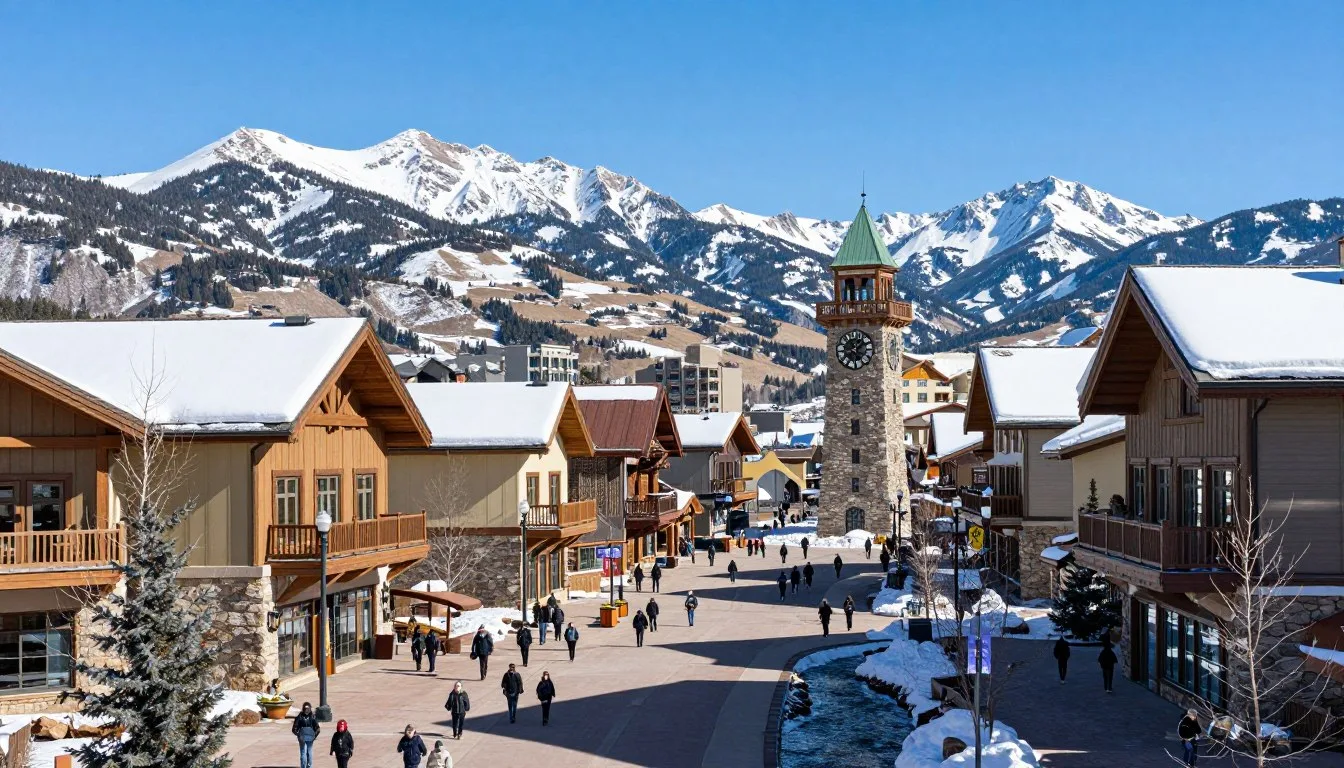
Vail’s pedestrian village features numerous art galleries showcasing regional and international artists. The town maintains a strong cultural identity built around mountain lifestyle and outdoor recreation themes.
Betty Ford Alpine Gardens, located in Vail, displays high-altitude plant species in carefully designed landscapes. This botanical garden operates from late spring through early fall, demonstrating which plants thrive at extreme elevations.
Summer concert series occur throughout the Vail Valley. These events bring music to outdoor venues, combining cultural entertainment with mountain settings. Specific dates and performers change annually.
Nature & Outdoor Experiences
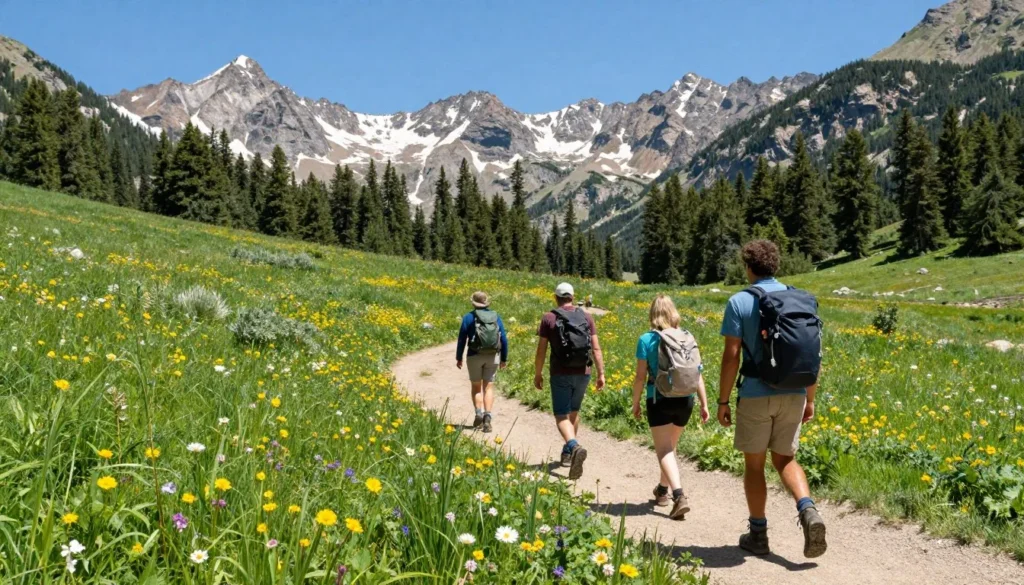
Outdoor recreation defines the Vail Pass experience. The area provides access to extensive trail systems suitable for various skill levels and interests.
Black Lakes Trail represents one of the most popular summer hikes. This moderate route climbs to pristine alpine lakes nestled in glacial cirques. The trail gains approximately 305 meters (1,000 feet) over 6 kilometers (3.7 miles) one way.
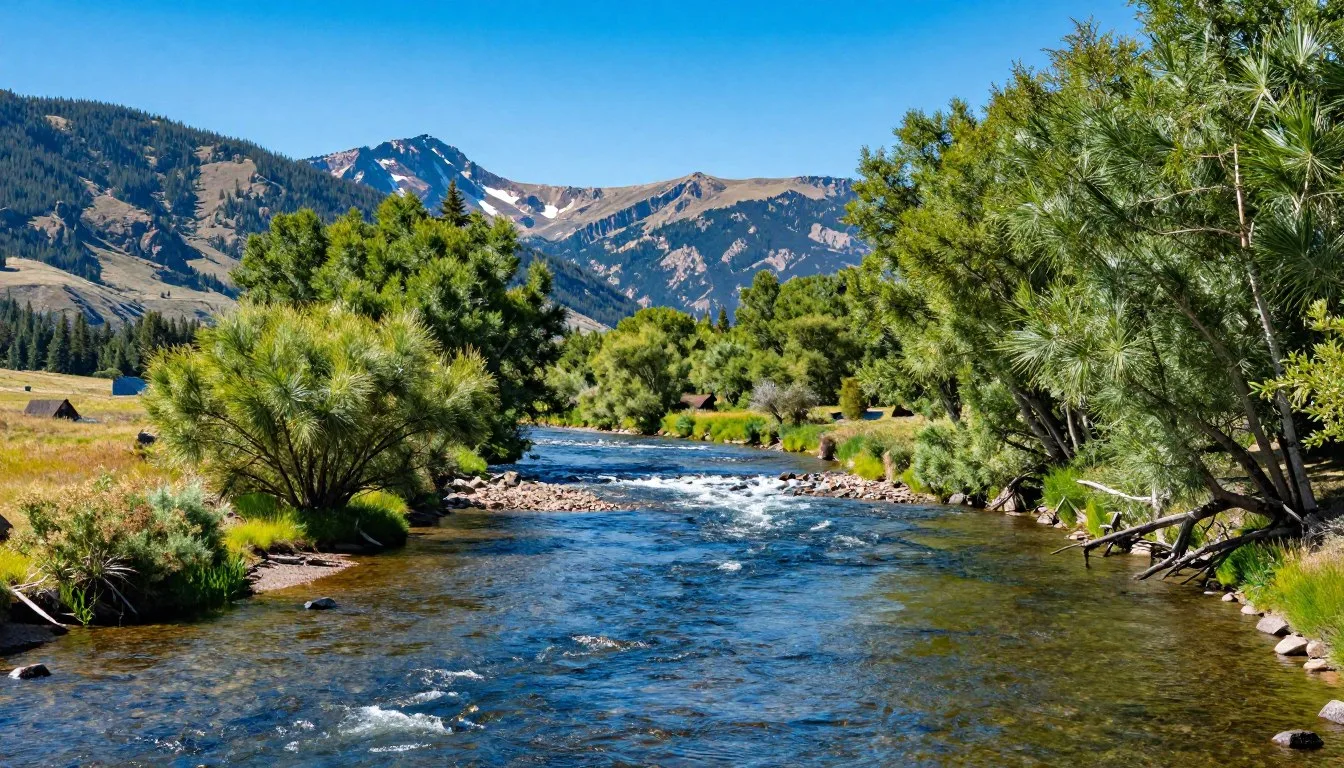
Gore Creek flows through valleys below the pass, offering opportunities for fly fishing. The stream supports healthy trout populations and attracts anglers throughout the summer season. Colorado fishing licenses are required for all anglers over sixteen years old.
Backcountry skiing and snowboarding draw experienced winter enthusiasts to slopes surrounding the pass. These activities require proper avalanche safety training and equipment. The Colorado Avalanche Information Center provides current backcountry conditions.
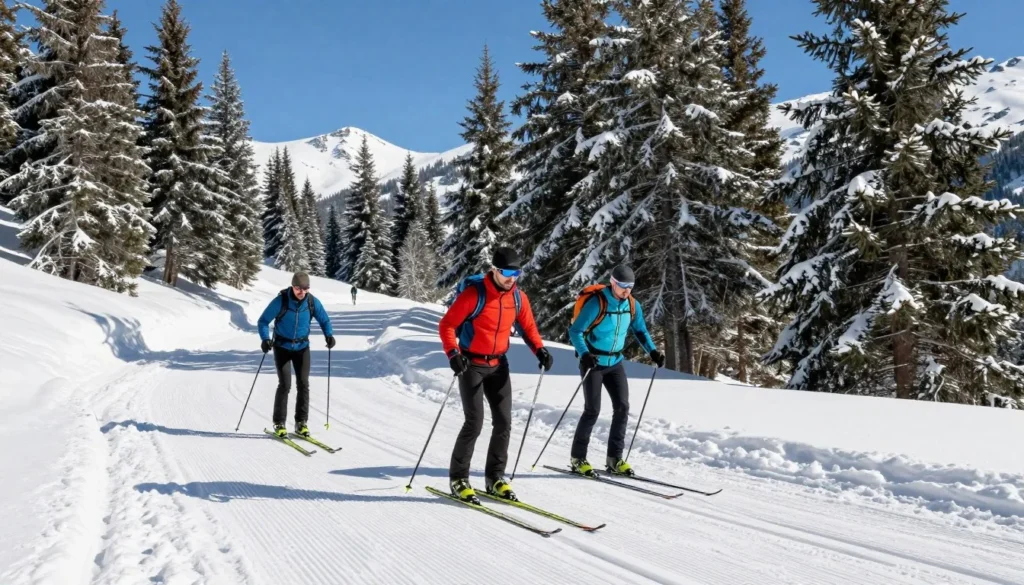
The Vail Pass winter recreation area maintains over 19 kilometers (12 miles) of groomed trails for Nordic skiing. Trail difficulty ranges from beginner to advanced, accommodating various skill levels. These maintained routes provide safer alternatives to backcountry terrain.
Wildlife viewing opportunities exist throughout the year. Visitors commonly spot elk, deer, and various bird species. Mountain goats occasionally appear on higher rocky slopes visible from the pass.
Wildflower season peaks in July and August. Alpine meadows explode with color as numerous species bloom simultaneously. Photographers and nature enthusiasts particularly appreciate this brief but spectacular period.
Summer Activities
Warm weather opens diverse recreation options across the mountain landscape.
- Hiking mountain trails
- Road and mountain biking
- Fly fishing in Gore Creek
- Wildlife photography
- Scenic driving tours
Winter Activities
Snow transforms the area into a premier cold-weather destination.
- Cross-country skiing
- Snowshoeing trails
- Backcountry skiing
- Winter photography
- Scenic winter drives
Travel With Children
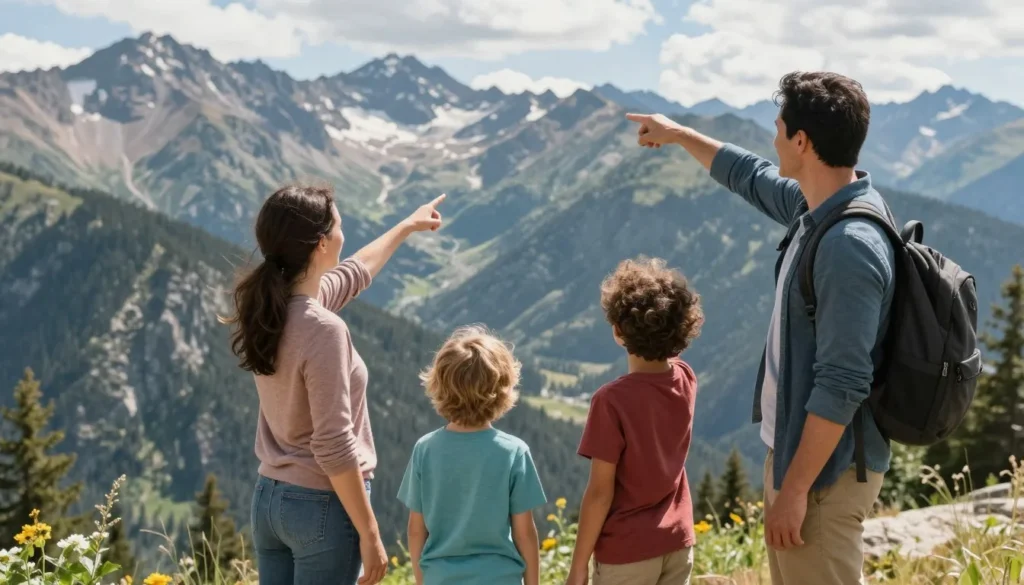
Vail Pass offers family-friendly experiences with proper planning and preparation. The high elevation requires acclimatization, especially for young children arriving from lower altitudes.
The rest area provides an excellent introduction for families. Children enjoy the open spaces and viewing platforms without requiring strenuous hiking. Educational displays engage young minds while teaching about mountain environments.
Shorter trail segments near the rest area work well for families with small children. These walks provide mountain experiences without committing to long distances or significant elevation gain.
Bike path sections offer family cycling opportunities. Parents should assess their children’s abilities carefully, as the trail includes descents and some technical sections. Helmet use is essential for all riders.
Winter activities require additional safety considerations. Families should dress children in multiple warm layers and monitor for signs of cold exposure. The recreation area’s groomed trails provide safer options than backcountry terrain.
Money Saving Tips
Visiting Vail Pass Road Colorado can accommodate various budgets with strategic planning. The pass itself offers free access, making it an excellent value for budget-conscious travelers.
Parking at the rest area and trailheads costs nothing. Visitors can enjoy hours of scenic beauty and recreation without spending money on admission fees or permits.
Pack meals and snacks rather than relying on resort area restaurants. The savings add up quickly, especially for families. Several picnic areas near the rest area provide pleasant outdoor dining settings.
Visit during shoulder seasons when lodging rates drop significantly. May and September offer good weather potential at substantially lower prices than peak summer months.
Stay in valley communities rather than resort areas. Properties in Frisco, Dillon, and Silverthorne cost considerably less than Vail or Copper Mountain while remaining within reasonable driving distance.
- Use free shuttle services in resort towns to avoid parking fees
- Bring your own recreation equipment rather than renting
- Purchase groceries in larger towns before reaching resort areas
- Take advantage of free ranger programs and interpretive activities
- Plan outdoor activities that don’t require paid guides or tours
Safety & Local Customs
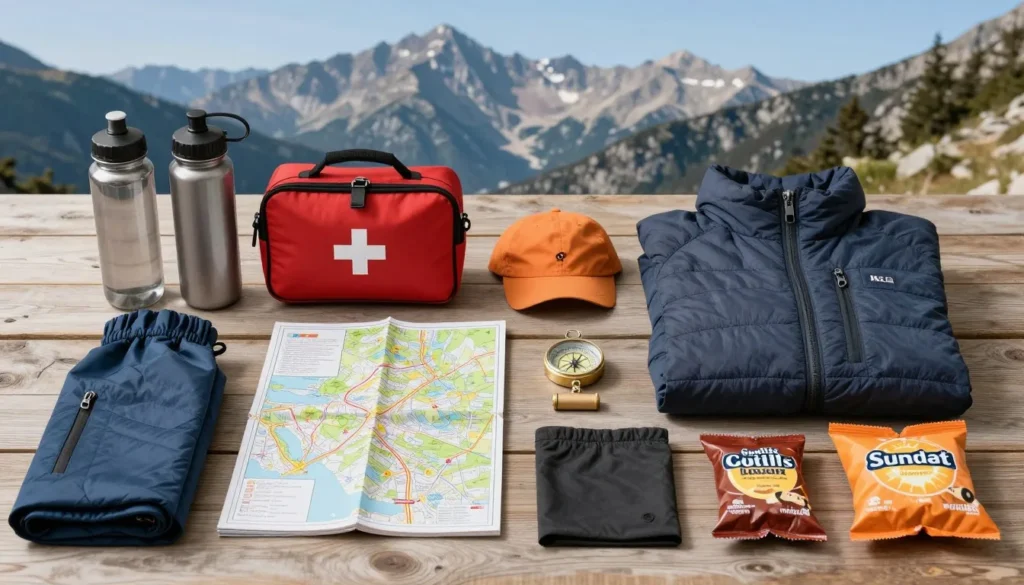
High elevation creates unique safety considerations at Vail Pass. The 3,200-meter (10,662-foot) altitude affects visitors differently based on their home elevation and physical condition.
Altitude sickness symptoms include headache, nausea, and fatigue. Drink plenty of water and allow time for acclimatization. Avoid strenuous activities during the first twenty-four hours at elevation.
Weather conditions change rapidly in the Rocky Mountains. Morning sunshine can give way to afternoon thunderstorms within hours. Always carry rain gear and warm layers, even during summer months.
Winter driving requires extra caution. The Colorado Department of Transportation issues chain laws during severe weather. Keep emergency supplies in vehicles, including blankets, food, water, and a flashlight.
Leave No Trace principles guide outdoor recreation throughout Colorado. Pack out all trash, stay on designated trails, and respect wildlife by observing from safe distances.
Cell phone coverage can be unreliable in mountain areas. Don’t depend on phones for navigation or emergency communication. Carry physical maps and inform others of your plans before heading into backcountry areas.
Avalanche Awareness: Never enter backcountry areas during winter without proper training, equipment, and current condition reports. Avalanches pose serious risks in mountain terrain throughout the snow season.
Visitor Comments About Vail Pass Road
“The views from the rest area took my breath away. We stopped for what we thought would be fifteen minutes and ended up staying over an hour just soaking in the mountain scenery. The interpretive signs taught us so much about the area’s geology and history.”
“Cycling down the bike path was absolutely incredible. The separated trail meant we could enjoy the scenery without worrying about highway traffic. Our family rode from the rest area to Copper Mountain and it became the highlight of our Colorado vacation.”
“I visited during winter and tried cross-country skiing for the first time on the groomed trails. The recreation area offered perfectly maintained routes for beginners like me. The mountain views while skiing created an unforgettable experience I can’t wait to repeat.”
Additional Nearby Destinations
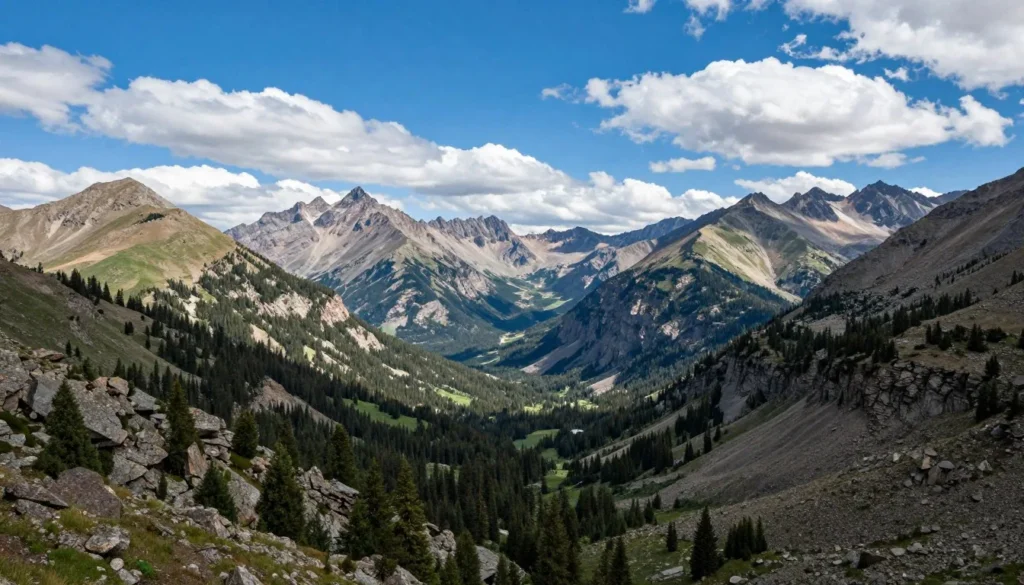
Vail Pass serves as an excellent base for exploring surrounding Rocky Mountain attractions. Several notable destinations lie within easy driving distance.
Copper Mountain Resort offers year-round recreation just 8 kilometers (5 miles) west. Summer brings mountain biking, hiking, and the Copper Mountain Bike Park. Winter transforms the area into a premier ski destination with diverse terrain.
Breckenridge sits approximately 32 kilometers (20 miles) south via Highway 91. This historic mining town combines Victorian architecture with modern resort amenities. The town’s Main Street features shops, restaurants, and galleries.
Leadville, Colorado’s highest incorporated city at 3,094 meters (10,152 feet), lies about 45 kilometers (28 miles) southwest. This National Historic Landmark District preserves Colorado’s mining heritage through museums and preserved buildings.
Frisco offers a quieter alternative to resort communities. The town sits on Dillon Reservoir, providing water recreation opportunities including sailing, kayaking, and fishing. The marina operates from late spring through early fall.
Summit County’s recreation trail system connects these communities via paved bike paths. Ambitious cyclists can ride between towns while enjoying mountain scenery on traffic-free routes.
Practical Travel Tips
Successful Vail Pass visits require attention to several practical considerations beyond standard travel planning.
Start activities early in the day during summer months. Afternoon thunderstorms develop frequently over the Rocky Mountains between June and August. Most lightning activity occurs between 2:00 PM and 6:00 PM.
Layer clothing regardless of season. Temperature variations occur throughout the day, with morning and evening conditions significantly cooler than midday. The elevation also creates cooler temperatures than surrounding lower valleys.
Sunscreen and sun protection are essential year-round. The high elevation and snow reflection during winter intensify UV exposure. Apply sunscreen with SPF 30 or higher and reapply frequently.
Fuel vehicles before ascending mountain passes. Gas stations become less frequent in mountain areas and typically charge higher prices than valley locations.
Download offline maps before traveling. Cell coverage gaps exist throughout mountain areas. GPS devices and downloaded maps function without cellular connections.
| Season | Average Temperature | Typical Conditions | Key Considerations |
| Summer (Jun-Aug) | 15-24°C (59-75°F) | Sunny mornings, afternoon storms | Early starts, rain gear essential |
| Fall (Sep-Oct) | 4-16°C (39-61°F) | Variable, early snow possible | Extra layers, weather monitoring |
| Winter (Nov-Mar) | -12-2°C (10-36°F) | Heavy snow, cold temperatures | Winter tires, emergency kit |
| Spring (Apr-May) | -2-13°C (28-55°F) | Unpredictable, mixed precipitation | Check conditions frequently |
Reserve lodging well in advance during peak seasons. Summer weekends and winter holidays book months ahead in popular resort areas.
Respect wildlife viewing distances. Colorado Parks and Wildlife recommends staying at least 100 meters (330 feet) from large animals including elk and deer. Never approach or feed wild animals.
Check current trail conditions before hiking. The U.S. Forest Service and local ranger districts provide updates on trail status, closures, and temporary hazards.
Location Map
Your Rocky Mountain Adventure Awaits
Vail Pass Road stands as one of Colorado’s most accessible yet spectacular mountain destinations. Whether you seek summer hiking adventures, winter recreation thrills, or simply stunning Rocky Mountain scenery, this remarkable area delivers experiences that will stay with you long after you return home.
The combination of easy highway access and pristine backcountry opportunities creates something truly special. Few places allow such seamless transitions from comfortable rest stops to genuine wilderness experiences.
Start planning your visit today. The mountains are calling, and Vail Pass provides the perfect answer to that call. Your adventure through the heart of the Rockies awaits on this incredible mountain highway.