
Hotels by Trip.com
Flights by Trip.com
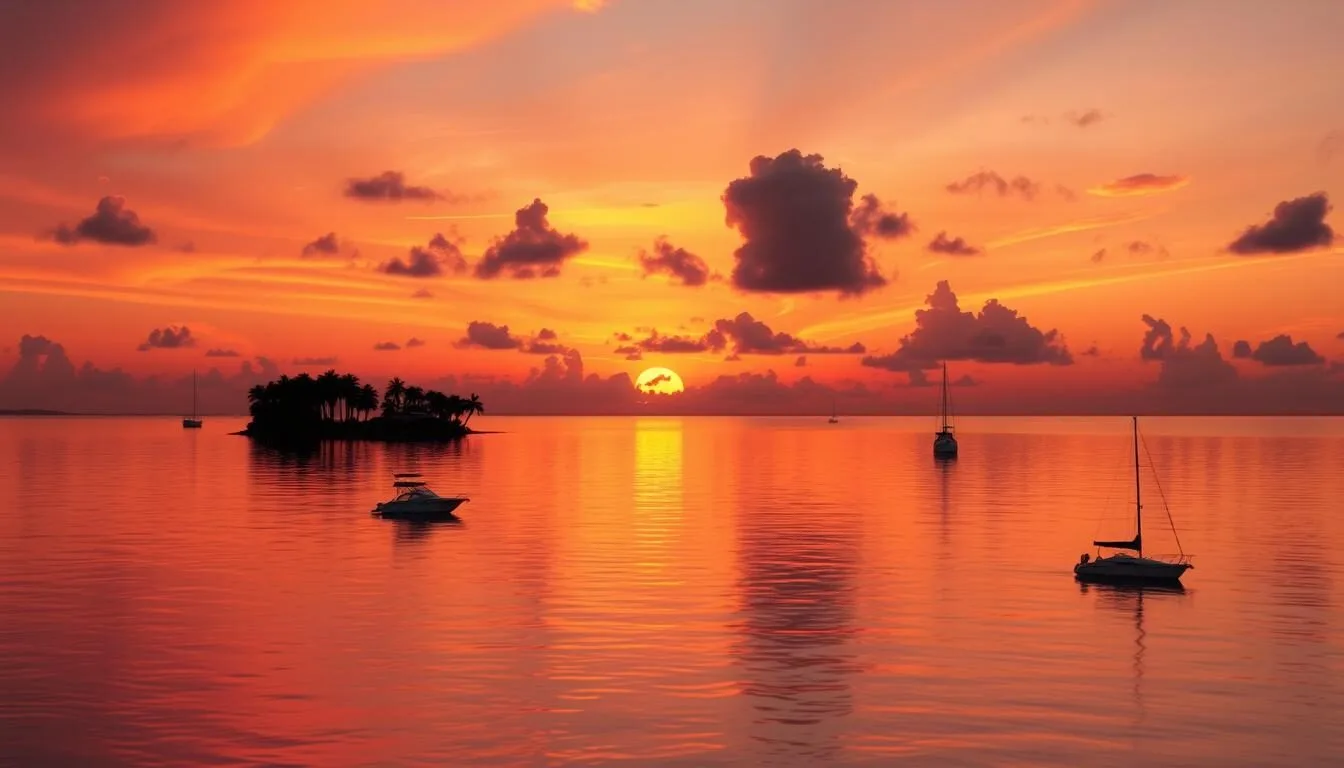
Did you know 95% of Biscayne National Park is underwater? This aquatic wonderland protects the largest marine reserve in the U.S. National Park System, spanning 700 km² (270 mi²) of coral reefs, mangrove forests, and shipwrecks. Located just 60 km (37 mi) south of Miami, this hidden gem offers a unique opportunity to explore a vibrant underwater world while still being within sight of a major metropolis.
Getting There & Planning Your Journey
Biscayne National Park is easily accessible from Miami, making it a perfect day trip or multi-day adventure. The park’s main entrance and Dante Fascell Visitor Center are located in Homestead, about a 1-1.5 hour drive from downtown Miami, depending on traffic.
Transportation Options
Since 95% of the park is water, having a plan for water transportation is essential:
- Drive to the Dante Fascell Visitor Center at Convoy Point (9700 SW 328th Street, Homestead)
- Take the seasonal Homestead National Parks Trolley (free service from downtown Homestead, running weekends from late November through April)
- Book a guided boat tour through the Biscayne National Park Institute
- Launch your own boat from nearby marinas like Herbert Hoover Marina or Black Point Park & Marina
Best Time to Visit & Weather Tips
Timing your visit to Biscayne National Park can significantly impact your experience. The park experiences two distinct seasons that affect water clarity, wildlife viewing, and overall comfort.
Best Time to Visit Biscayne National Park
Recommended (November-April)
- Dry season with pleasant temperatures 24-28°C (75-82°F)
- Clearest water visibility for snorkeling and diving
- Lower humidity and fewer mosquitoes
- March and April offer warm weather with relatively low humidity
- Busier, especially on weekends and holidays
Less Ideal (May-October)
- Hurricane season with frequent afternoon thunderstorms
- Hot and humid conditions 29-35°C (85-95°F)
- Higher mosquito activity, especially in mangrove areas
- Reduced visibility for underwater activities
- September is least crowded if solitude is a priority
Weather Tip: Afternoon thunderstorms are common in summer months. If visiting during this time, plan water activities for morning hours and have a backup plan for afternoon activities.
Getting Around Locally
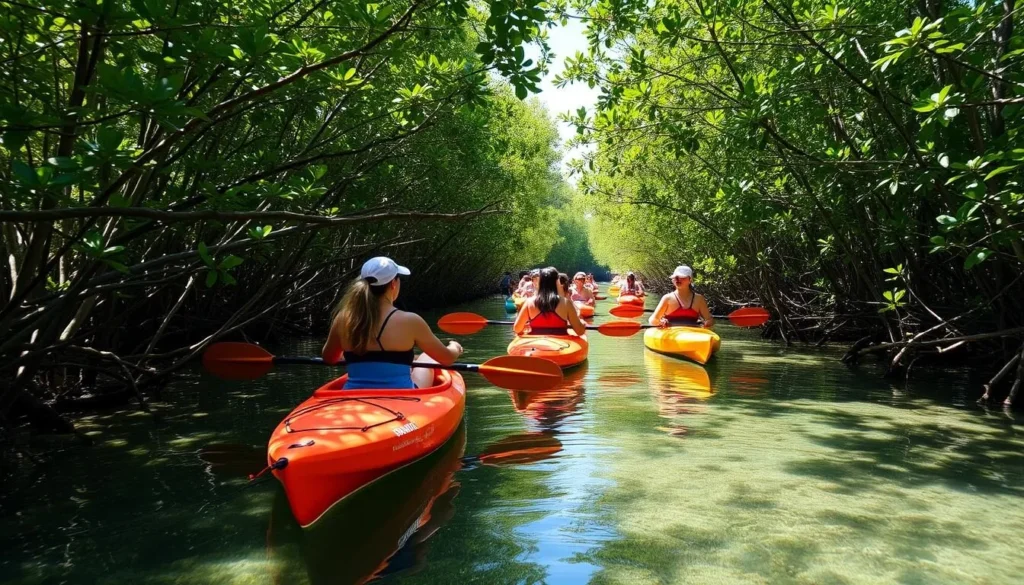
Since most of Biscayne National Park is underwater, transportation within the park requires some planning. Here are your options for exploring this aquatic wonderland:
Guided Tours
The Biscayne National Park Institute is the park’s official tour provider, offering several options:
- Heritage Boat Tours to Boca Chita Key (half-day, $79 per person)
- Sailing and Snorkeling Adventures (full-day, $199 per person)
- Jones Lagoon Eco-Adventures (guided paddling tours)
- Maritime Heritage Trail snorkeling trips to explore shipwrecks
Self-Guided Exploration
For those who prefer to explore independently:
- Kayak/canoe rentals available for paddling the mangrove trails
- Private boat access (launch from nearby marinas)
- Paddleboarding in the calm bay waters
Where to Stay
While there are no hotels within Biscayne National Park itself, you have several options for accommodations both inside and near the park:
Camping in the Park
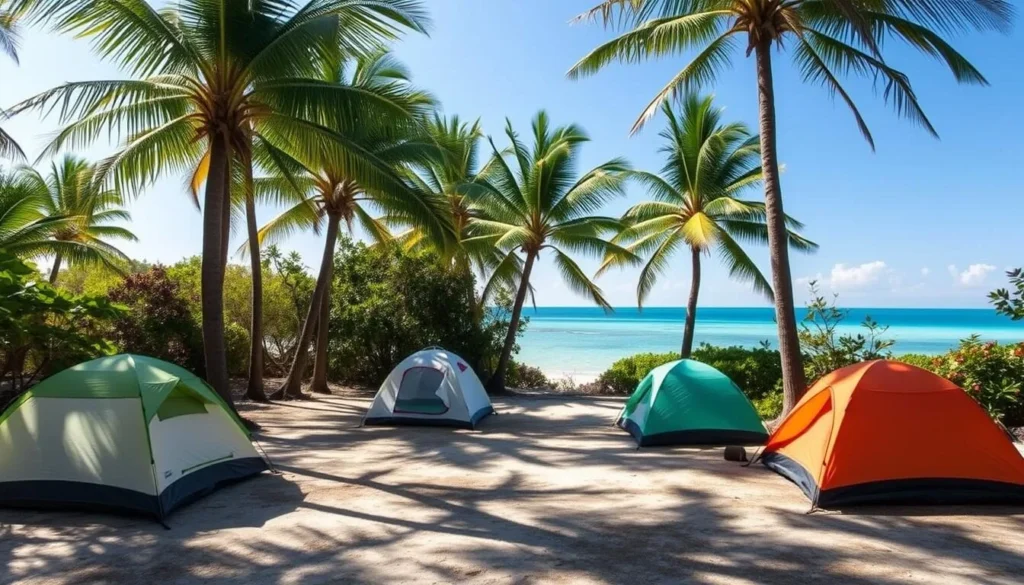
For the true outdoor experience, camping on the islands offers a unique opportunity to stay within the park boundaries:
- Elliott Key Campground: 40 tent sites, restrooms, cold showers, and drinking water ($25 per night)
- Boca Chita Key Campground: 21 tent sites with more primitive facilities – no drinking water available ($25 per night)
- Both campgrounds are accessible only by boat and operate on a first-come, first-served basis
- Camping fees are waived from May 1 to September 30
Nearby Accommodations
If camping isn’t your style, several communities near the park offer comfortable lodging options:
✓ Check 30,000+ Local Sightseeing Tours Worldwide
- Homestead/Florida City: Multiple hotels within 15-20 minutes of the visitor center
- Key Largo: About 40 minutes from the park, offering waterfront resorts
- Miami: Numerous accommodation options, though you’ll have a longer drive (1-1.5 hours)
Dining & Local Cuisine
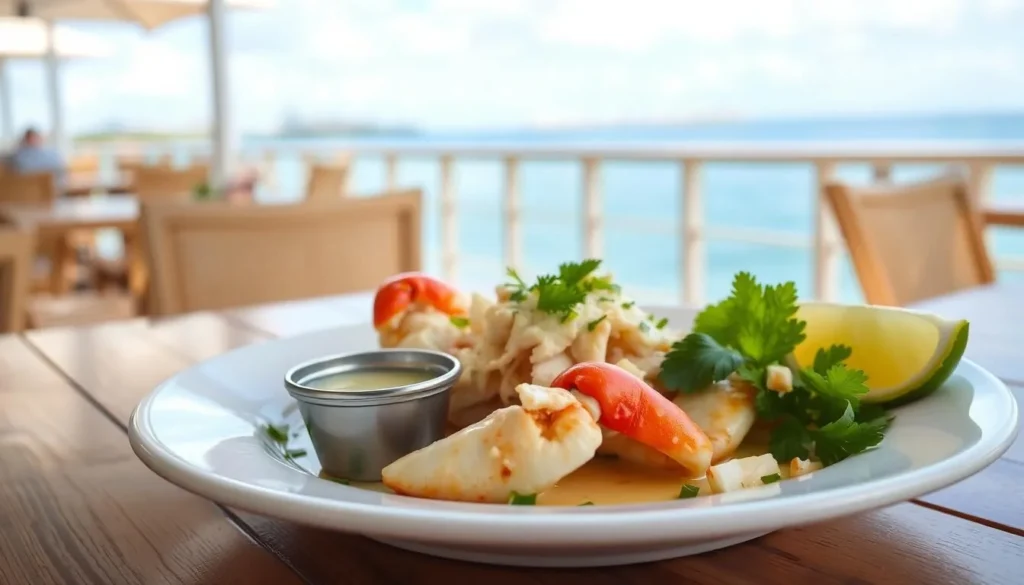
There are no food services within Biscayne National Park, so planning your meals is essential. However, the surrounding area offers excellent seafood and local specialties worth trying.
Dining Options
- Black Point Ocean Grill: Located at the Black Point Marina, this waterfront restaurant is perfect for lunch or dinner after a day of exploring
- Homestead Bayfront Park Marina Restaurant: Adjacent to the park entrance, offering casual dining with water views
- Homestead/Florida City: Various restaurants ranging from fast food to local eateries
- Key Largo: Seafood restaurants and waterfront dining about 40 minutes away
Local Specialties to Try
- Stone Crab: A Florida delicacy (in season October-May)
- Fresh Catch: Locally caught snapper, grouper, and mahi-mahi
- Key Lime Pie: The iconic Florida dessert
- Conch Fritters: A Caribbean-influenced appetizer popular in South Florida
Picnic Tip: Pack a cooler with food and plenty of water (at least one gallon per person per day) if you’re planning to spend the day on the water or camping on the islands. There are picnic tables at the Dante Fascell Visitor Center.
Attractions, Sightseeing & Activities

Biscayne National Park offers a wealth of attractions and activities centered around its four unique ecosystems: coral reef, mangrove shoreline, emerald islands, and the shallow waters of Biscayne Bay.
Must-See Attractions
- Boca Chita Lighthouse: Built in the 1930s, this 65-foot lighthouse on Boca Chita Key offers panoramic views of the Miami skyline and surrounding waters
- Maritime Heritage Trail: An underwater trail connecting six historic shipwrecks, perfect for snorkeling and diving
- Jones Lagoon: A shallow, mangrove-fringed lagoon teeming with marine life, ideal for paddling
- Dante Fascell Visitor Center: Features exhibits, a museum, and art gallery showcasing the park’s natural and cultural history
- Elliott Key: The park’s largest island, once home to pineapple farmers and pioneers
Top Activities
Water Activities
- Snorkeling the coral reefs
- Scuba diving shipwrecks
- Kayaking through mangrove trails
- Boating and sailing
- Paddleboarding in the bay
Land Activities
- Hiking the Spite Highway on Elliott Key
- Birdwatching along the Biscayne Birding Trail
- Beach relaxation on the keys
- Photography of wildlife and landscapes
- Camping under the stars
Nature, Wildlife & Outdoor Experiences
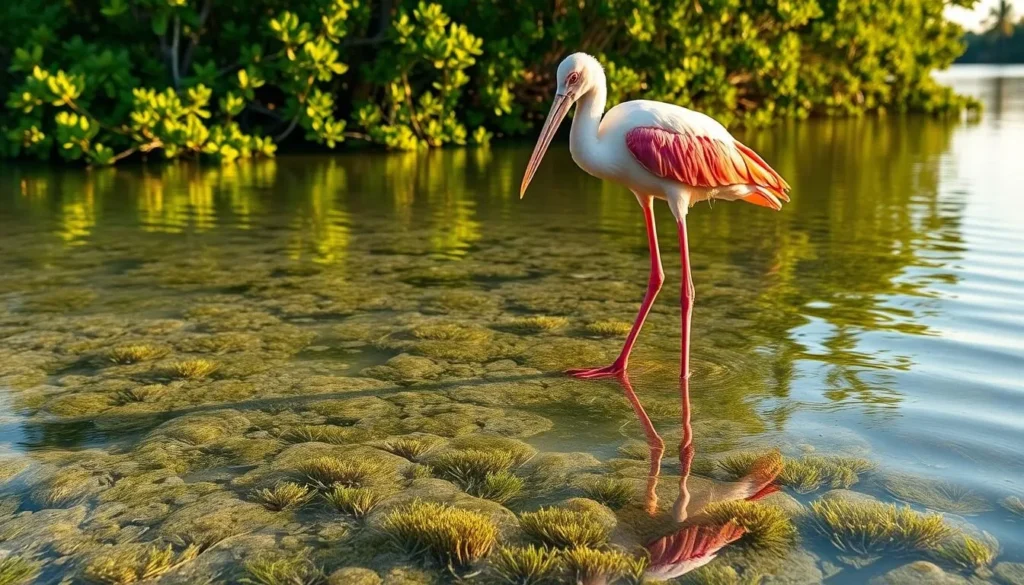
Biscayne National Park is a biodiversity hotspot, protecting thousands of species across its four distinct ecosystems. The park’s location on the Atlantic Flyway makes it particularly special for birdwatchers.
Wildlife Viewing
Keep your eyes peeled for these remarkable creatures:
- Marine Life: Manatees, bottlenose dolphins, sea turtles, rays, and over 600 native fish species
- Birds: Roseate spoonbills, great blue herons, ospreys, pelicans, frigatebirds, and the rare mangrove cuckoo
- Reptiles: American crocodiles (rare), American alligators (few), and various sea turtles
- Rare Species: The endangered Schaus’ swallowtail butterfly on Elliott Key
Fishing
Fishing is popular in Biscayne National Park, but regulations apply:
- A Florida fishing license is required for anyone 16 and older
- Certain areas are closed to fishing – check current regulations
- Size and bag limits apply to protect fish populations
- The park offers free fishing classes to improve skills and conservation awareness
Conservation Tip: Help protect the park’s fragile ecosystems by practicing “leave no trace” principles. Use reef-safe sunscreen (zinc oxide or titanium dioxide based), avoid touching coral, and properly dispose of all waste.
Cultural Heritage & History
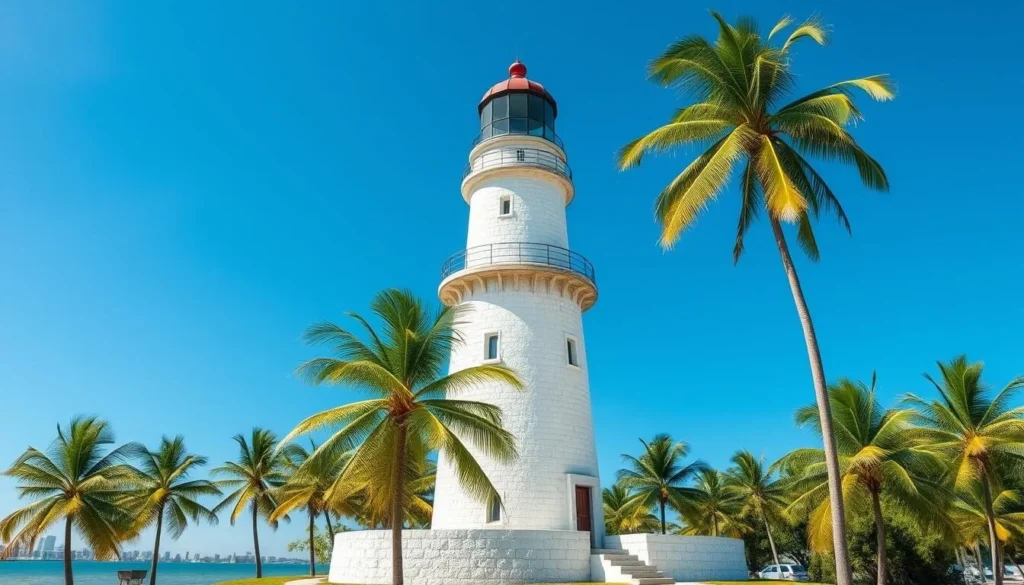
Beyond its natural wonders, Biscayne National Park preserves over 10,000 years of human history, from Indigenous peoples to pioneers, shipwrecks to pineapple farmers.
Historical Sites
- Boca Chita Key Historic District: Features the iconic lighthouse built in the 1930s by Mark Honeywell, a wealthy industrialist who created a private retreat on the island
- Stiltsville: A collection of historic houses built on stilts in the shallow waters of Biscayne Bay beginning in the 1930s
- Jones Family Historic District: The former home and farm of Israel Lafayette Jones, one of the area’s early Black landowners
- Maritime Heritage Trail: Six shipwrecks dating from 1878 to 1966, including the Arratoon Apcar and the Mandalay
The park’s history includes fascinating stories of pirates, wreckers (people who salvaged shipwrecks), farmers, and conservationists who fought to protect the area from development in the 1960s. The Dante Fascell Visitor Center offers exhibits that bring these stories to life.
Practical Travel Tips
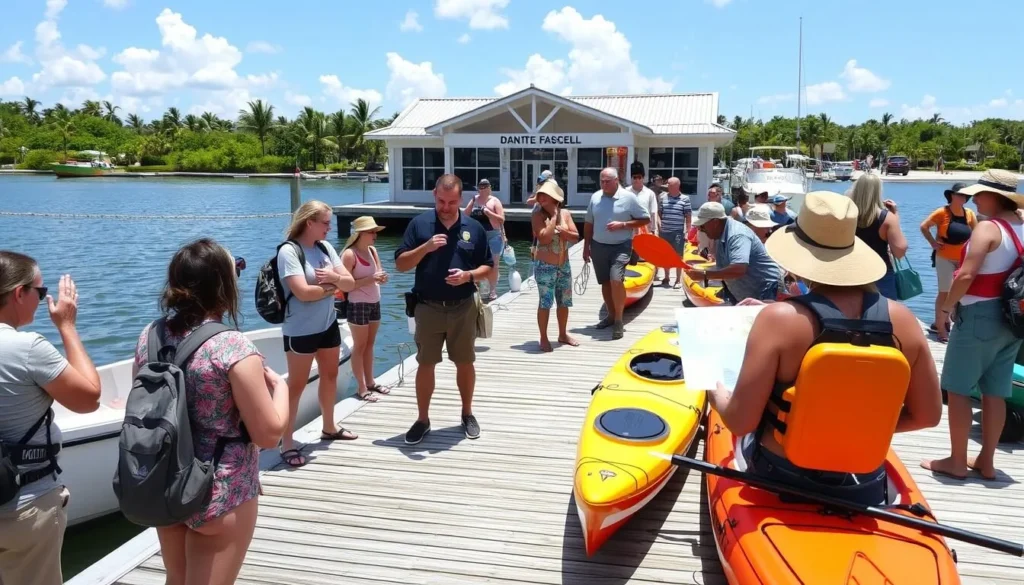
Essential Items to Pack
- Water: At least one gallon per person per day (especially important on the islands)
- Sun Protection: Reef-safe sunscreen, hat, sunglasses, and lightweight, long-sleeved clothing
- Insect Repellent: Containing DEET, especially important during summer months
- Waterproof Bag: To protect electronics, car keys, and valuables
- Snorkel Gear: Bring your own or rent from tour operators
Safety Information
- Check weather forecasts before heading out on the water
- Be aware of tides, especially when navigating shallow areas
- File a float plan if kayaking or boating independently
- Bring a fully charged cell phone in a waterproof case
- Know basic boating safety rules to prevent accidents
Accessibility
The Dante Fascell Visitor Center is fully accessible with ramps, elevators, and ADA-compliant restrooms. The Convoy Point Jetty Trail is accessible for wheelchairs and other mobility devices. Some boat tours can accommodate visitors with mobility challenges – contact tour operators in advance to discuss specific needs.
Pet Policy
Pets are welcome on leash at the Dante Fascell Visitor Center grounds and on Elliott Key. They are not permitted on Boca Chita Key or other islands. Service animals are allowed throughout the park.
Extending Your South Florida Adventure
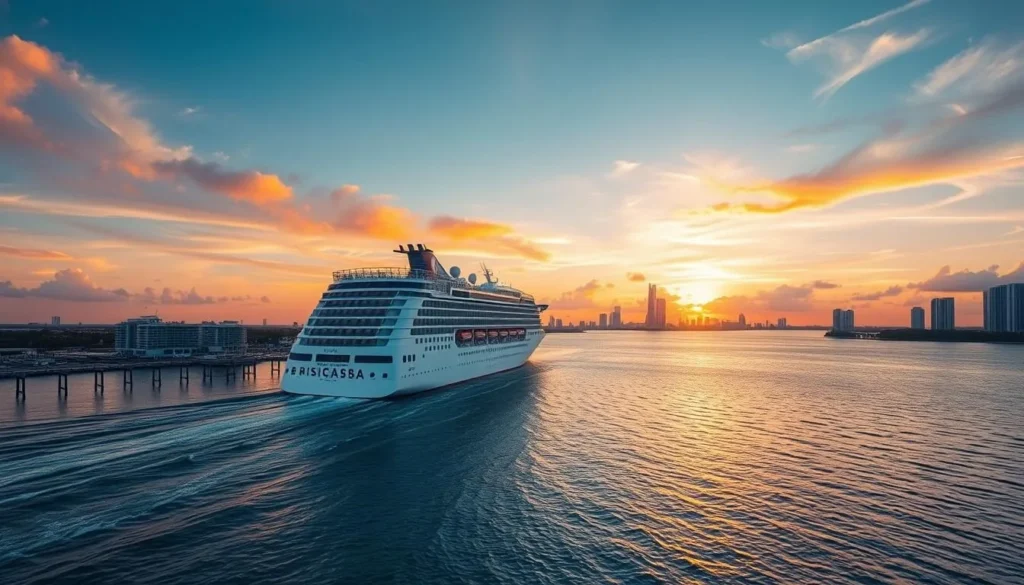
Biscayne National Park’s proximity to Miami makes it an excellent addition to a broader South Florida adventure. Consider these options to enhance your trip:
Nearby Attractions
- Everglades National Park: Just a short drive west, offering airboat tours and alligator viewing
- Key Largo: The gateway to the Florida Keys, with additional snorkeling and diving opportunities
- Miami: Vibrant city with beaches, cultural attractions, and nightlife
- Homestead: Visit local fruit stands and farms for tropical fruits
Cruise Options
Miami is one of the busiest cruise ports in the world. Consider bookending your Biscayne National Park adventure with a Caribbean cruise for an extended tropical vacation.
Ready for Your Biscayne Adventure?
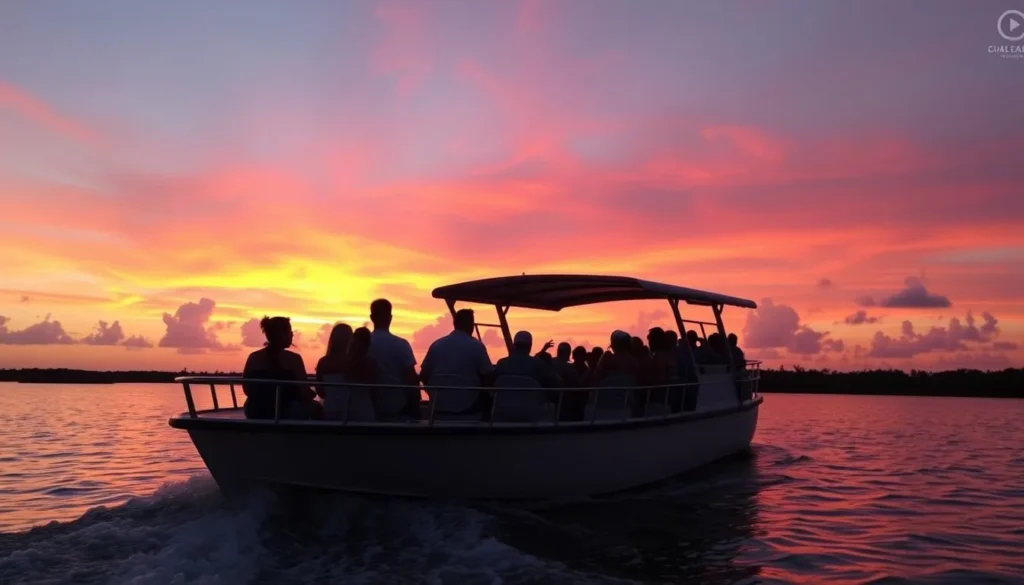
Biscayne National Park isn’t just a park—it’s a portal to another world. Whether you’re gliding through mangrove tunnels, snorkeling above vibrant coral reefs, or standing atop the historic lighthouse gazing at Miami’s distant skyline, every moment here feels like discovering a secret paradise.
With its unique blend of natural wonders and cultural heritage, all within sight of a major city, Biscayne offers an accessible yet profound wilderness experience unlike any other in the National Park System. The park’s crystal-clear waters, diverse wildlife, and rich history await your exploration.
Ready to make a splash in this underwater wonderland? Start planning your Biscayne National Park adventure today!
Related Posts
Yulee Sugar Mill Ruins Historic State Park, Florida: Best Things to Do – Top Picks
Yellow River Marsh Preserve State Park, Florida: Best Things to Do – Top Picks
Windley Key Fossil Reef Geological State Park, Florida: Best Things to Do – Top Picks
Yellow Bluff Fort Historic State Park, Florida: Best Things to Do – Top Picks
Ybor City Museum State Park, Florida: Best Things to Do – Top Picks
Windley Key, Florida: Best Things to Do – Top Picks
Coming Soon: Clickable Maps