Hotels by Trip.com
Flights by Trip.com
Spanning an impressive 42,000 acres with over 100 miles of pristine shoreline, Charlotte Harbor Preserve State Park is Florida’s third-largest state park and one of its best-kept natural secrets. This ecological treasure protects one of the largest and most productive estuaries in Florida, serving as a critical habitat for endangered species like the Florida manatee, American crocodile, and Florida panther. Unlike Florida’s more commercialized attractions, this vast wilderness offers visitors a genuine glimpse into Old Florida’s untouched beauty and diverse ecosystems.
Whether you’re an avid kayaker looking to explore hidden mangrove tunnels, a dedicated birdwatcher hoping to spot rare species, or simply a nature lover seeking tranquility away from crowded beaches, Charlotte Harbor Preserve State Park delivers unforgettable experiences. In this comprehensive guide, we’ll explore the park’s most remarkable features, share insider tips for making the most of your visit, and highlight the top activities that showcase this natural wonder’s unique charm.
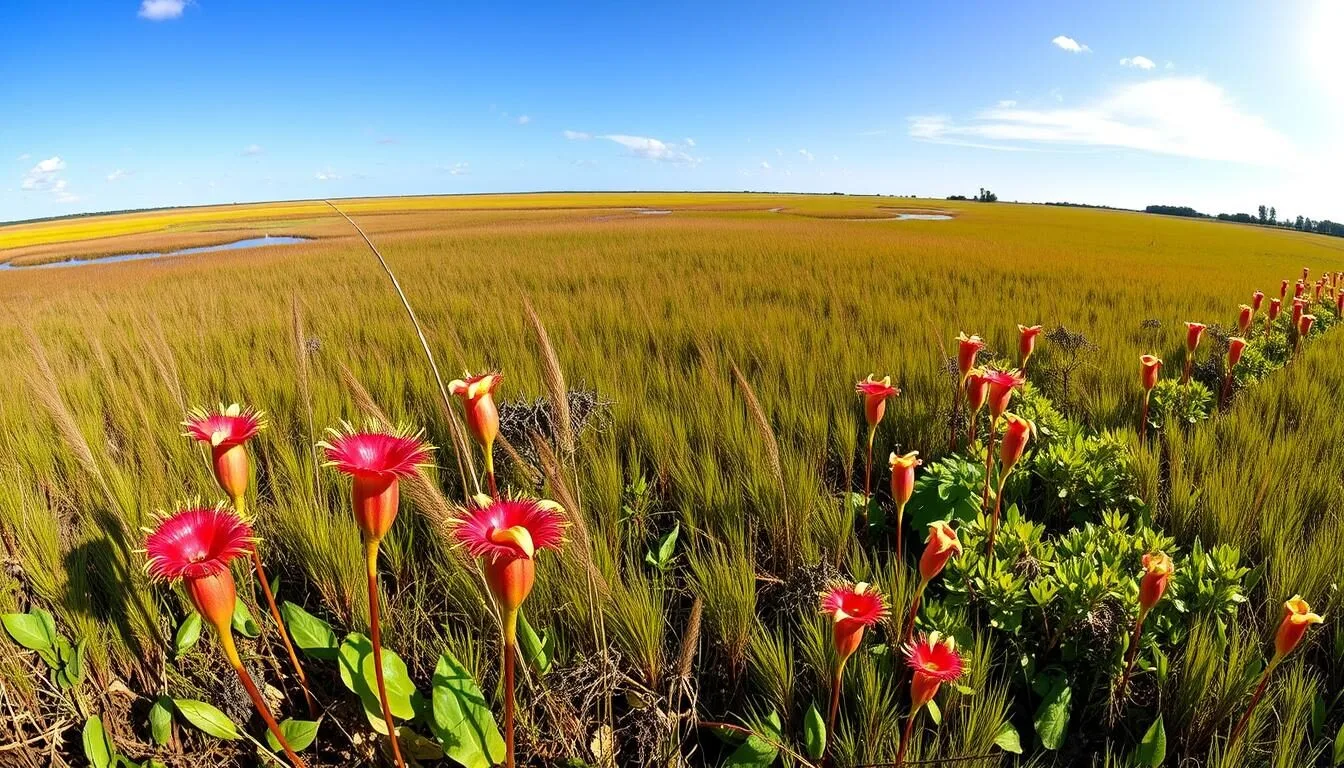
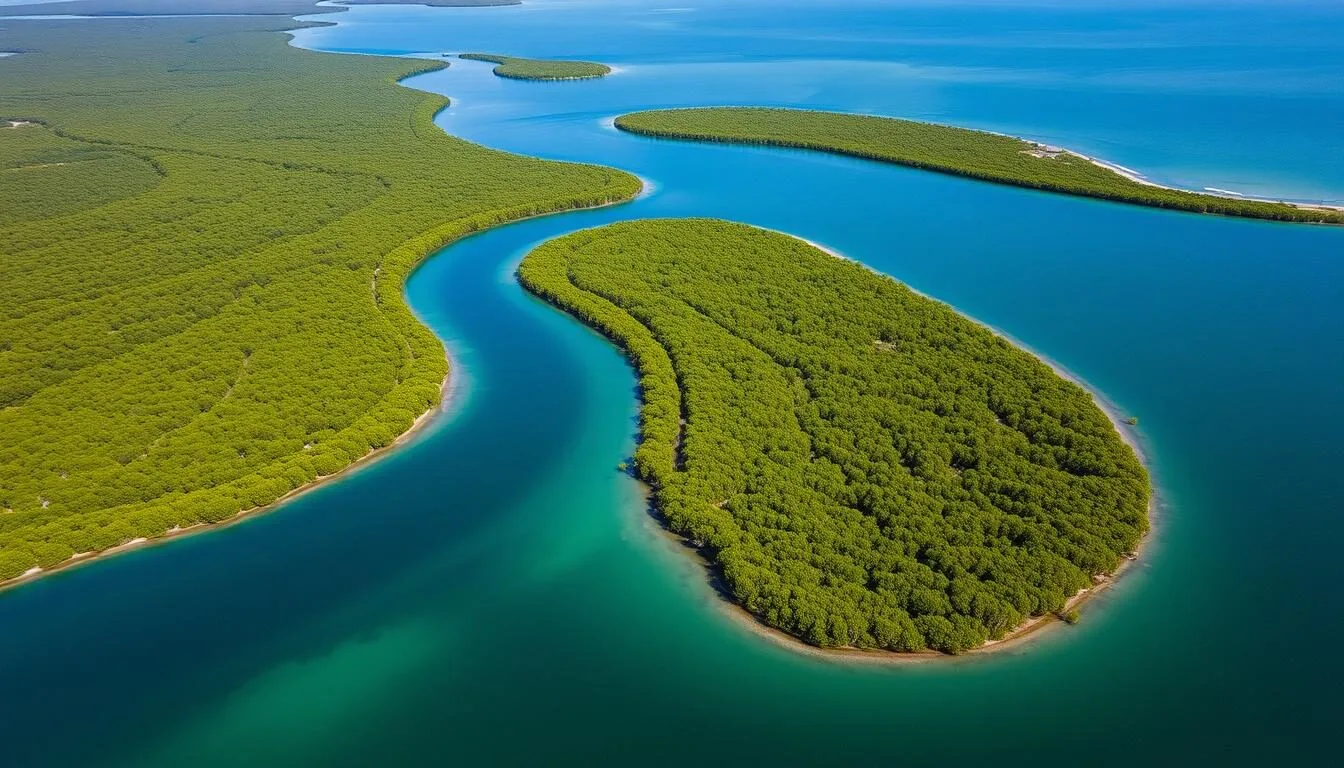
The expansive Charlotte Harbor Preserve State Park protects one of Florida’s largest estuarine systems
Getting There & Planning Your Journey
Charlotte Harbor Preserve State Park is conveniently located along Florida’s southwestern Gulf Coast, spanning portions of Charlotte and Lee counties. While the preserve doesn’t have a single main entrance, there are multiple access points that allow visitors to explore different sections of this vast natural area.
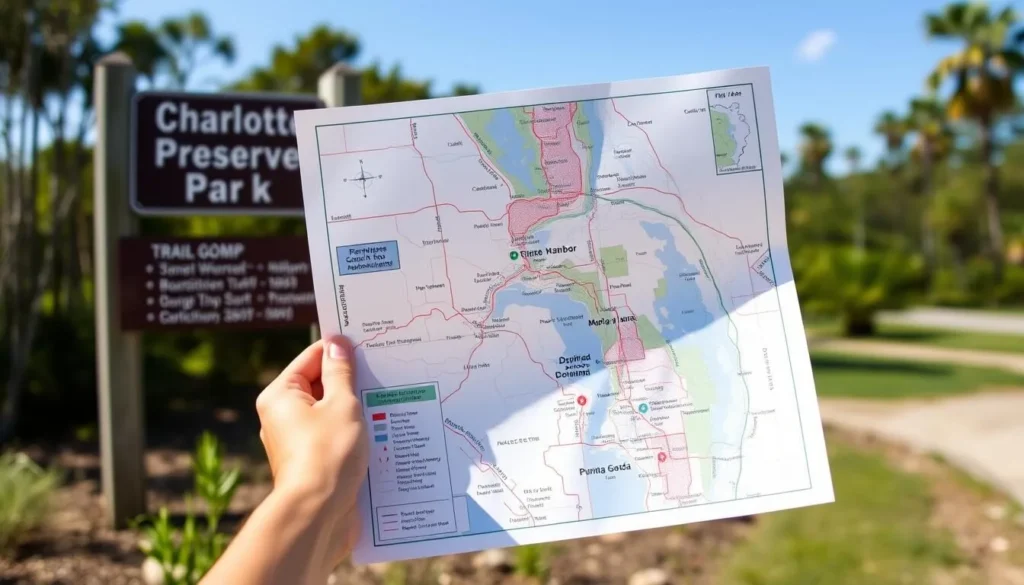
Planning your visit to Charlotte Harbor Preserve State Park requires knowing the various access points
Nearest Airports
The closest major airports to Charlotte Harbor Preserve State Park include:
- Punta Gorda Airport (PGD) – Approximately 15 km (9.3 mi) from the northern sections of the preserve
- Southwest Florida International Airport (RSW) – About 65 km (40 mi) south in Fort Myers
- Sarasota Bradenton International Airport (SRQ) – Roughly 85 km (53 mi) north
Driving Directions
The preserve has multiple access points, with some of the most popular including:
- Punta Gorda Access: From I-75, take exit 164 for US-17. Head west toward Punta Gorda and follow signs for Charlotte Harbor Preserve State Park or specific trails like Alligator Creek.
- Cape Coral Access: From Pine Island Road (SR-78), head north on Burnt Store Road to reach the southern sections of the preserve.
- Port Charlotte Access: From US-41, take Harbor Boulevard west and follow signs to the preserve access points.
Park Access Points
Unlike traditional state parks with a single entrance, Charlotte Harbor Preserve State Park has multiple access points, each offering a different experience:
- Alligator Creek: Located at 10941 Burnt Store Road, Punta Gorda. Features hiking trails and the Charlotte Harbor Environmental Center.
- Ponce de Leon Park: Located at 3400 Ponce de Leon Parkway, Punta Gorda. Offers beach access, a fishing pier, and mangrove boardwalks.
- Cape Haze Pioneer Trail: Access from CR-775 in Placida. A 13 km (8 mi) trail converted from an old railroad bed.
- Tippecanoe Environmental Park: Located at 2400 El Jobean Road, Port Charlotte. Features hiking trails through diverse habitats.
Best Time to Visit & Weather Tips
Timing your visit to Charlotte Harbor Preserve State Park can significantly impact your experience. Florida’s subtropical climate means considering both temperature and precipitation patterns when planning your trip.
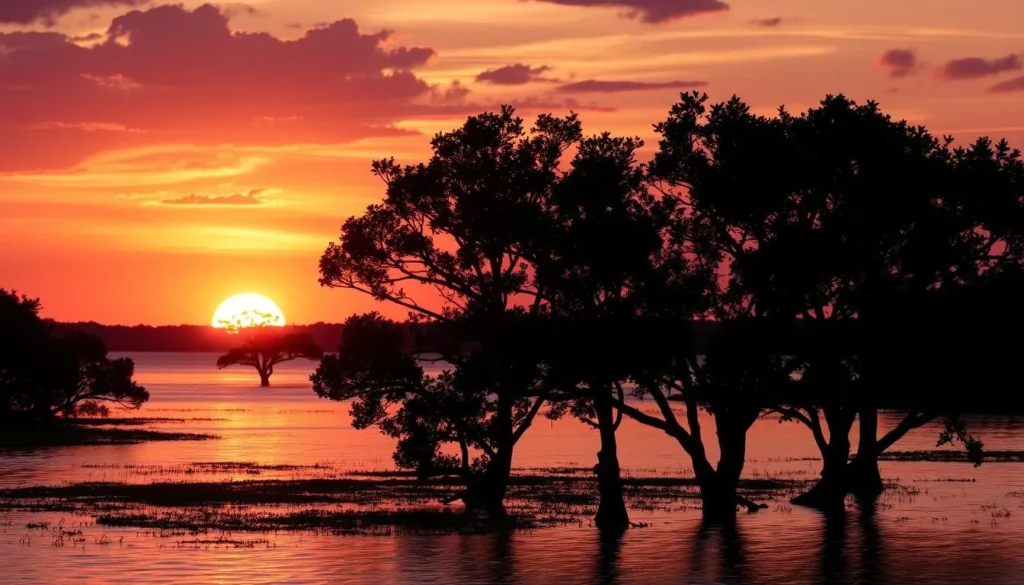
Winter sunsets at Charlotte Harbor Preserve State Park offer spectacular views with comfortable temperatures
Recommended Seasons
Dry Season (November-April)
The dry season is widely considered the best time to visit Charlotte Harbor Preserve State Park. During these months, you can expect:
✓ Check 30,000+ Local Sightseeing Tours Worldwide
- Pleasant temperatures ranging from 21-28°C (70-82°F)
- Lower humidity levels making outdoor activities more comfortable
- Minimal rainfall and fewer mosquitoes
- Better wildlife viewing opportunities as animals gather around limited water sources
- Peak bird watching season as migratory species winter in the area
Wet Season (May-October)
The summer and early fall months bring challenges but also unique experiences:
- Hot temperatures often exceeding 32°C (90°F)
- High humidity making extended outdoor activities challenging
- Afternoon thunderstorms are common
- Mosquitoes and other insects are more prevalent
- Fewer crowds and lush, green vegetation
- Hurricane season peaks from August through October
Monthly Weather Breakdown
| Month | Avg. High Temp | Avg. Low Temp | Rainfall | Crowd Level | Notes |
| January | 23°C (74°F) | 12°C (53°F) | Low | High | Perfect weather, peak tourist season |
| February | 24°C (75°F) | 13°C (55°F) | Low | High | Excellent conditions, book accommodations early |
| March | 26°C (79°F) | 15°C (59°F) | Low | High | Spring break crowds, ideal weather |
| April | 28°C (83°F) | 17°C (63°F) | Low-Medium | Medium | Warming up, still comfortable |
| May | 31°C (87°F) | 20°C (68°F) | Medium | Low | Humidity increases, afternoon showers begin |
| June | 32°C (90°F) | 23°C (73°F) | High | Low | Hurricane season begins, hot and humid |
| July | 33°C (91°F) | 23°C (74°F) | High | Medium | Hot, daily afternoon thunderstorms |
| August | 33°C (91°F) | 23°C (74°F) | High | Low | Peak hurricane season, very humid |
| September | 32°C (90°F) | 23°C (73°F) | High | Low | Peak hurricane season, frequent rain |
| October | 30°C (86°F) | 20°C (68°F) | Medium | Low | Hurricane season continues, cooling slightly |
| November | 27°C (80°F) | 16°C (61°F) | Low | Medium | Excellent weather, dry season begins |
| December | 24°C (76°F) | 13°C (56°F) | Low | High | Holiday crowds, perfect temperatures |
Insider Tip: Late January through March offers the ideal combination of comfortable temperatures, minimal rainfall, and peak wildlife activity. This is when you’ll have the best chance of spotting manatees in the harbor and migratory birds throughout the preserve.
Getting Around Locally
Exploring Charlotte Harbor Preserve State Park requires some planning due to its vast size and multiple access points. The preserve is primarily a natural area without developed facilities like visitor centers or concessions, so understanding your transportation options is essential.
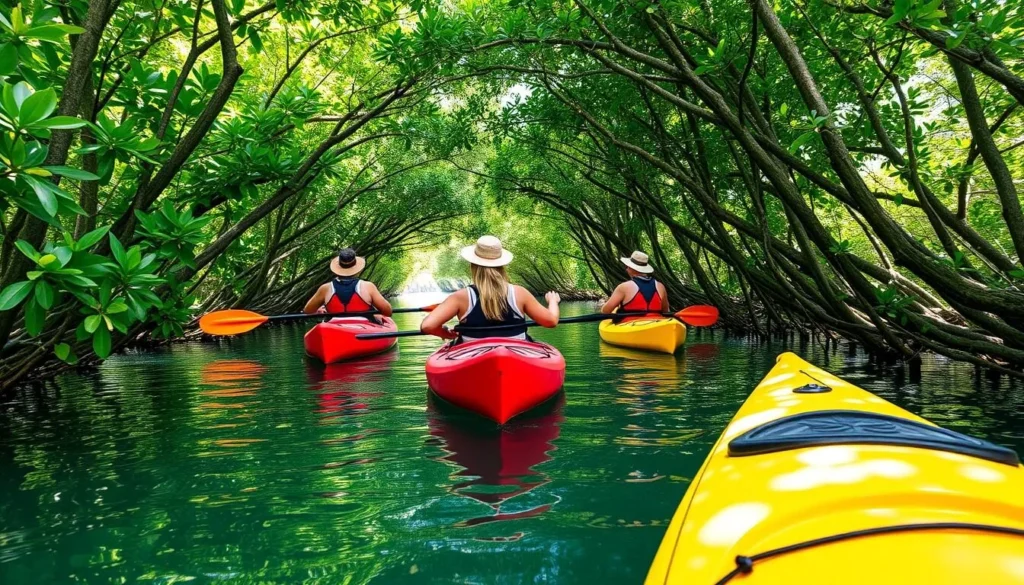
Kayaking is one of the most popular and effective ways to explore Charlotte Harbor Preserve State Park
By Water
Water access is one of the best ways to experience Charlotte Harbor Preserve State Park, as much of the preserve is accessible only by boat.
- Kayaking/Canoeing: Numerous launch points allow paddlers to explore the preserve’s extensive waterways. Popular launch sites include:
- Ponce de Leon Park in Punta Gorda
- El Jobean Fishing Pier in Port Charlotte
- Placida Boat Ramp near Cape Haze
- Boat Tours: Several local operators offer guided boat tours of Charlotte Harbor and the preserve’s waterways.
- Private Boats: Those with their own vessels can access the preserve via multiple public boat ramps in the area.
By Land
While much of the preserve is best explored by water, there are several land-based access points with hiking trails and observation areas.
- Hiking: Several trail systems provide access to different portions of the preserve:
- Alligator Creek Preserve Trails (Punta Gorda)
- Tippecanoe Environmental Park Trails (Port Charlotte)
- Cape Haze Pioneer Trail (Placida)
- Driving: A rental car is highly recommended for accessing the various entry points around the preserve, as they are spread out across Charlotte and Lee counties.
- Cycling: Some areas, particularly the Cape Haze Pioneer Trail, are suitable for cycling.
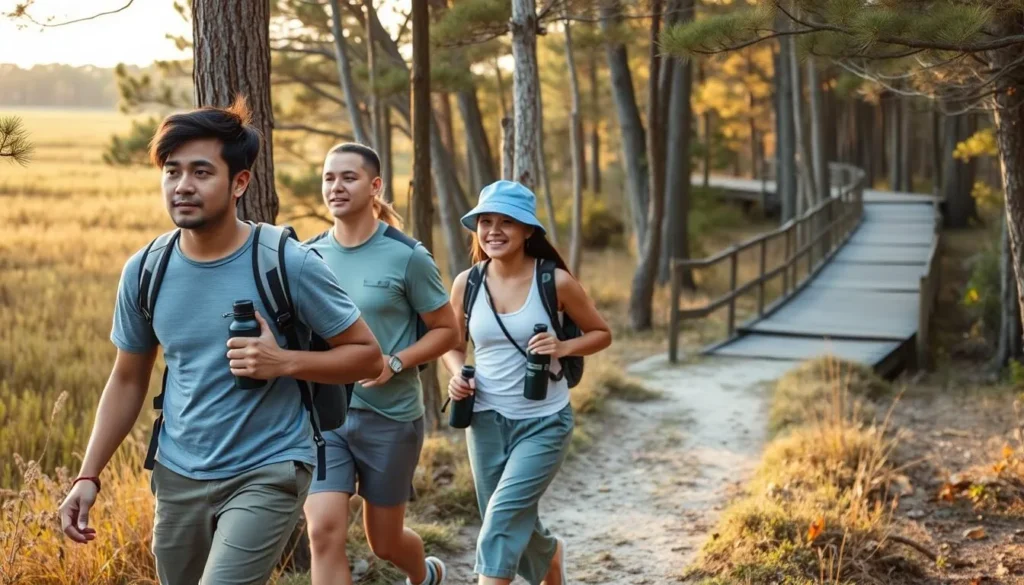
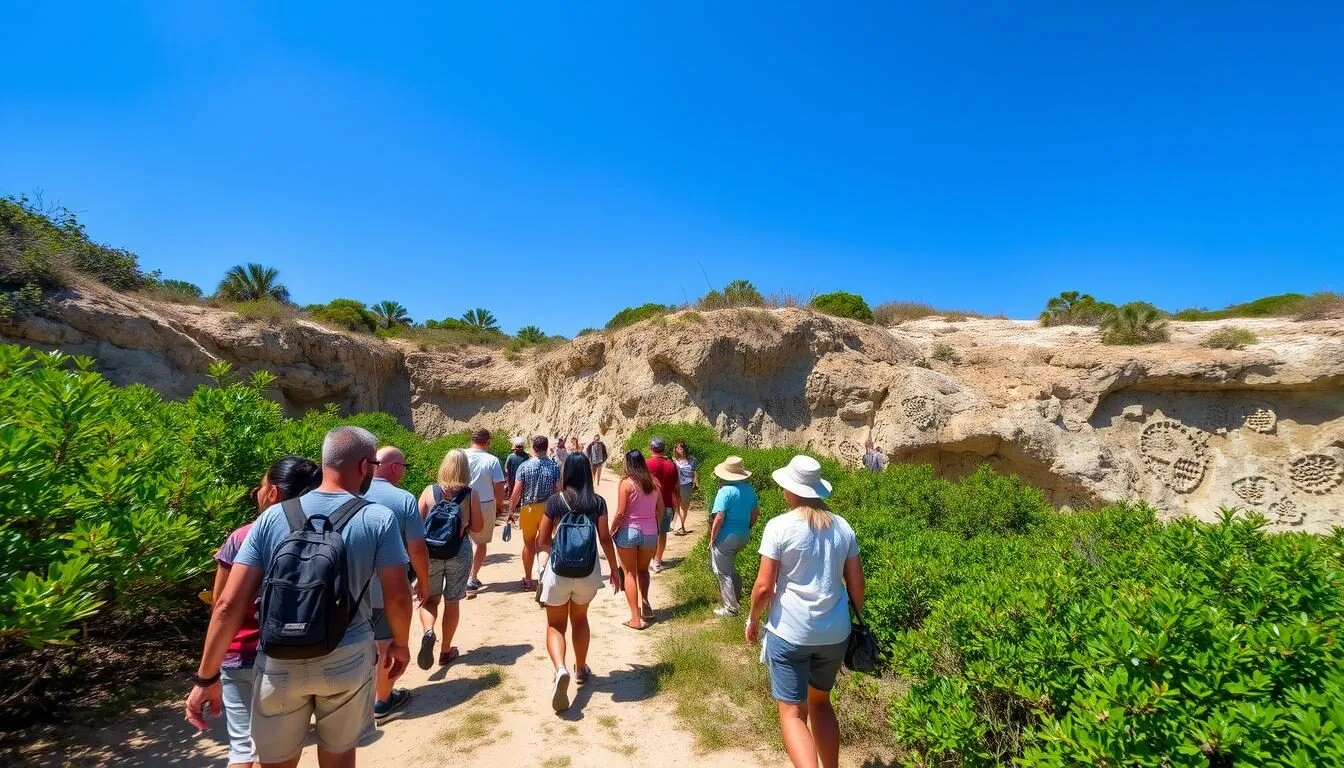
The preserve offers several well-maintained hiking trails with observation areas
Local Transportation
The Charlotte County area has limited public transportation options, making a personal vehicle essential for most visitors.
- Rental Cars: Available at all nearby airports and in Punta Gorda.
- Taxis/Rideshares: Uber and Lyft operate in the area but may have limited availability for pickups from remote preserve access points.
- Charlotte County Transit: Limited bus service operates in the area but doesn’t directly serve most preserve access points.
Navigation Tip: Cell service can be spotty in parts of the preserve. Download offline maps before your visit and consider bringing a physical map as backup. The Charlotte Harbor Environmental Center (10941 Burnt Store Road, Punta Gorda) is a good first stop for information and trail maps.
Where to Stay
While Charlotte Harbor Preserve State Park doesn’t offer lodging within its boundaries, the surrounding communities provide a range of accommodation options to suit various preferences and budgets.
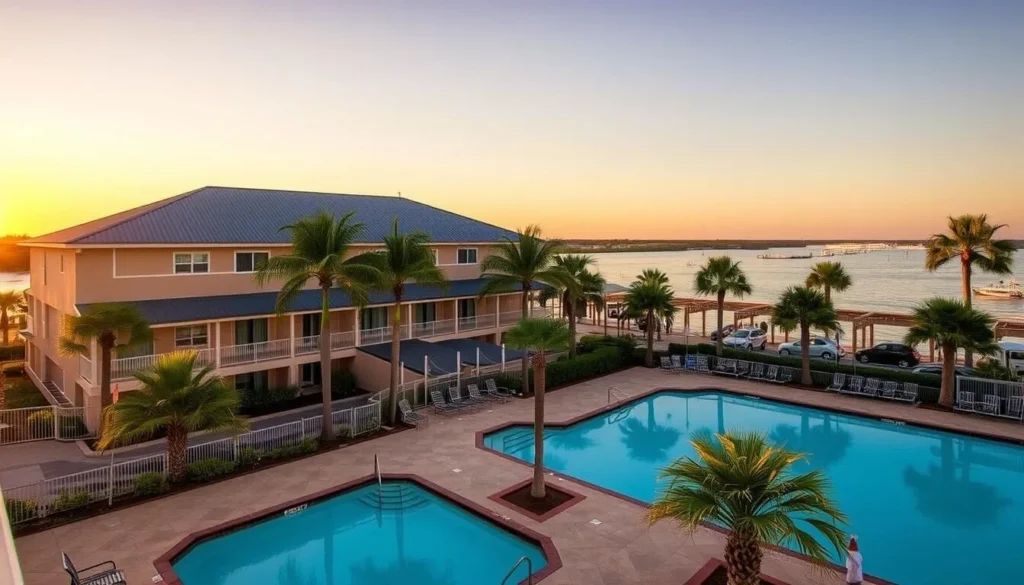
Many accommodations in Punta Gorda and Port Charlotte offer scenic water views near the preserve
Nearby Cities and Towns
These communities offer the most convenient bases for exploring Charlotte Harbor Preserve State Park:
Punta Gorda
A charming historic town with a walkable downtown, located just north of the preserve.
- Closest to the northern sections of the preserve
- Historic district with shops and restaurants
- Range of accommodations from budget to upscale
- Waterfront parks and fishing piers
Port Charlotte
A residential community with shopping centers and family-friendly attractions.
- Convenient to central sections of the preserve
- More affordable accommodation options
- Shopping centers and chain restaurants
- Access to Tippecanoe Environmental Park
Cape Coral/Pine Island
Communities to the south offering access to the southern portions of the preserve.
- Closest to southern sections of the preserve
- Waterfront vacation rentals
- Quieter, less developed atmosphere
- Boating and fishing opportunities
Accommodation Types
Hotels and Motels
The Punta Gorda and Port Charlotte area offers a variety of chain hotels and independent motels:
- Mid-Range Options: Several national hotel chains in Punta Gorda and Port Charlotte offer comfortable accommodations with amenities like pools and complimentary breakfast.
- Waterfront Hotels: Some properties in Punta Gorda offer views of Charlotte Harbor, particularly around Fishermen’s Village.
- Budget Options: More affordable motels can be found along major roads like US-41 in Port Charlotte.
Vacation Rentals
For longer stays or those wanting more space and amenities:
- Waterfront Homes: Many vacation rentals in Punta Gorda Isles and Port Charlotte offer canal or harbor views with private docks.
- Condominiums: Several condo complexes in the area offer short-term rentals with amenities like pools and tennis courts.
- Rural Retreats: Some vacation rentals in less developed areas offer a more secluded experience closer to nature.
Camping Options
While there’s no camping within Charlotte Harbor Preserve State Park itself, several nearby options allow for an outdoor experience:
- Myakka River State Park: Located about 45 minutes north, offers both developed campgrounds and primitive camping.
- Shell Creek RV Resort: A private campground in Punta Gorda with RV sites and cabin rentals.
- Babcock/Webb Wildlife Management Area: Offers primitive camping with a permit north of Punta Gorda.
Booking Tip: The Punta Gorda/Port Charlotte area is popular with winter visitors (snowbirds) from January through March. Book accommodations well in advance if visiting during this peak season to secure the best rates and availability.
Dining & Local Cuisine
While Charlotte Harbor Preserve State Park doesn’t have dining facilities within its boundaries, the surrounding communities offer excellent culinary options, with fresh seafood being the star attraction.
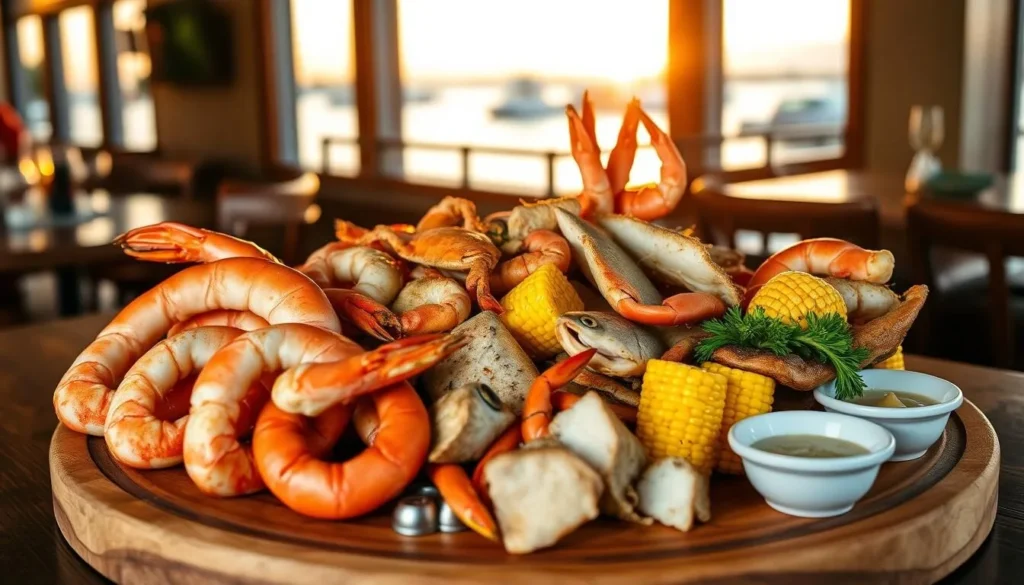
Fresh Gulf seafood is a highlight of dining in the Charlotte Harbor area
Waterfront Dining
The Charlotte Harbor area is known for its scenic waterfront restaurants, many offering fresh-caught seafood and spectacular views.
- Fishermen’s Village: This waterfront complex in Punta Gorda houses several restaurants with harbor views, ranging from casual to upscale.
- Laishley Crab House: Located at Laishley Park Marina in Punta Gorda, offering fresh seafood with views of Charlotte Harbor.
- TT’s Tiki Bar: A popular outdoor venue with a sandy beach area, live music, and casual fare in Punta Gorda.
- Peace River Seafood: A rustic Old Florida-style seafood shack specializing in blue crab and other local catches.
Local Specialties
When dining in the Charlotte Harbor area, be sure to try these regional specialties:
Seafood Highlights
- Blue Crab: A local delicacy, often steamed and served with drawn butter.
- Gulf Shrimp: Sweet, tender shrimp caught in nearby waters.
- Stone Crab Claws: A seasonal treat (October-May) with sweet, delicate meat.
- Grouper: A local fish favorite, often served blackened, grilled, or fried.
- Mullet: A traditional Florida fish, sometimes smoked or fried.
Other Regional Dishes
- Gator Bites: Fried alligator meat, typically served as an appetizer.
- Key Lime Pie: The iconic Florida dessert, tangy and refreshing.
- Conch Fritters: Deep-fried dough containing chopped conch meat and spices.
- Smoked Mullet Spread: A local favorite for appetizers or sandwiches.
- Cuban Sandwiches: Reflecting Florida’s cultural influences.
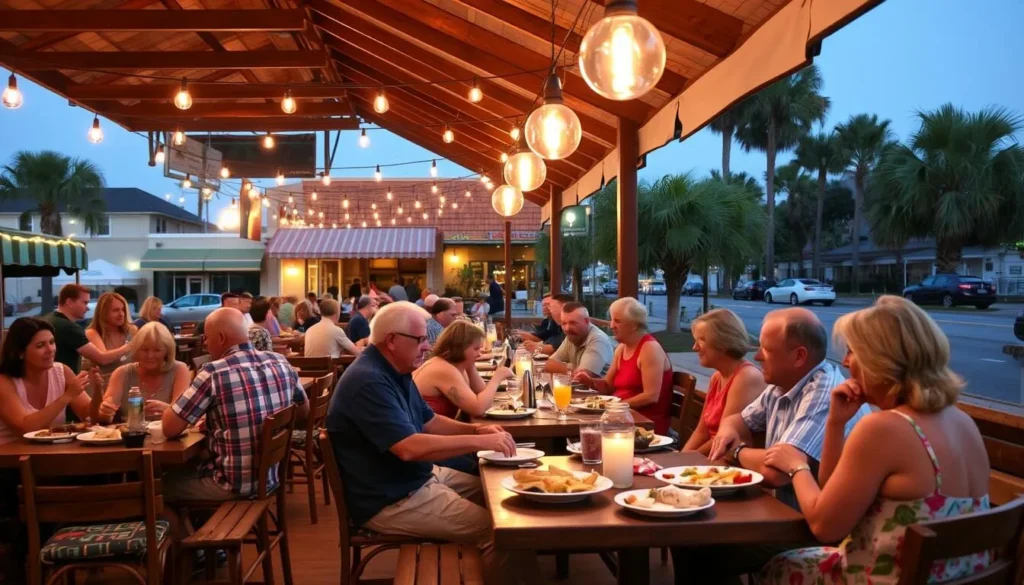
Downtown Punta Gorda offers charming outdoor dining options near the preserve
Dining Areas
Each community near Charlotte Harbor Preserve State Park has distinct dining districts:
- Downtown Punta Gorda: Historic district with locally-owned restaurants, cafes, and wine bars along Marion Avenue.
- Fishermen’s Village: Waterfront dining complex with multiple restaurants and shops.
- US-41 Corridor: In Port Charlotte, find a mix of chain restaurants and local establishments along this main thoroughfare.
- Burnt Store Road: Rural area with a few authentic “Old Florida” establishments.
Picnic Tip: If you plan to spend a full day exploring Charlotte Harbor Preserve State Park, consider packing a picnic. Ponce de Leon Park and other access points have picnic tables. Local delis and grocery stores in Punta Gorda and Port Charlotte can provide provisions.
Attractions, Sightseeing & Activities
Charlotte Harbor Preserve State Park offers a wealth of natural attractions and outdoor activities for visitors to enjoy. From serene water trails to scenic hiking paths, the preserve showcases Florida’s diverse ecosystems in their natural state.
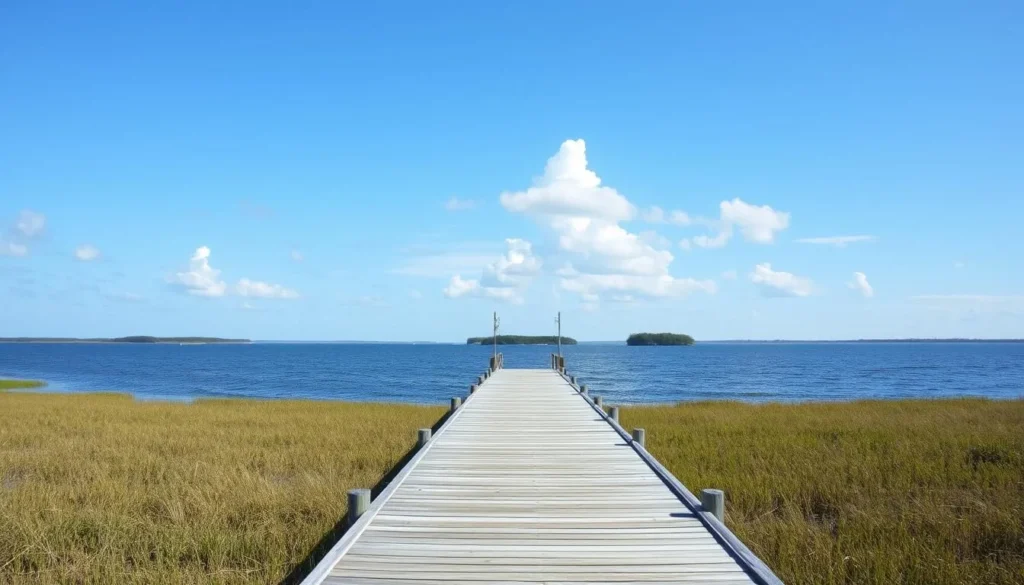
Scenic boardwalks throughout the preserve offer stunning views of Charlotte Harbor
Top Trails and Boardwalks
The preserve features several well-maintained trails that showcase different ecosystems:
Eagle Point Trail
One of the most popular trails in the northern section of the preserve.
- Length: 2.5 km (1.5 mi) loop
- Difficulty: Easy, mostly flat
- Highlights: Salt marshes, pine flatwoods, eagle nesting areas
- Access: Alligator Creek Preserve entrance
Alligator Creek Trails
A network of interconnected trails through diverse habitats.
- Length: Various loops totaling 5 km (3.1 mi)
- Difficulty: Easy to moderate
- Highlights: Freshwater creek, alligators, wading birds
- Access: Charlotte Harbor Environmental Center
Cape Haze Pioneer Trail
A converted railroad bed offering a longer trail experience.
- Length: 13 km (8 mi) one-way
- Difficulty: Easy, very flat
- Highlights: Pine flatwoods, historic railroad remnants
- Access: Multiple points along CR-775
Water Activities
With over 100 miles of shoreline, Charlotte Harbor Preserve State Park is a paradise for water enthusiasts:
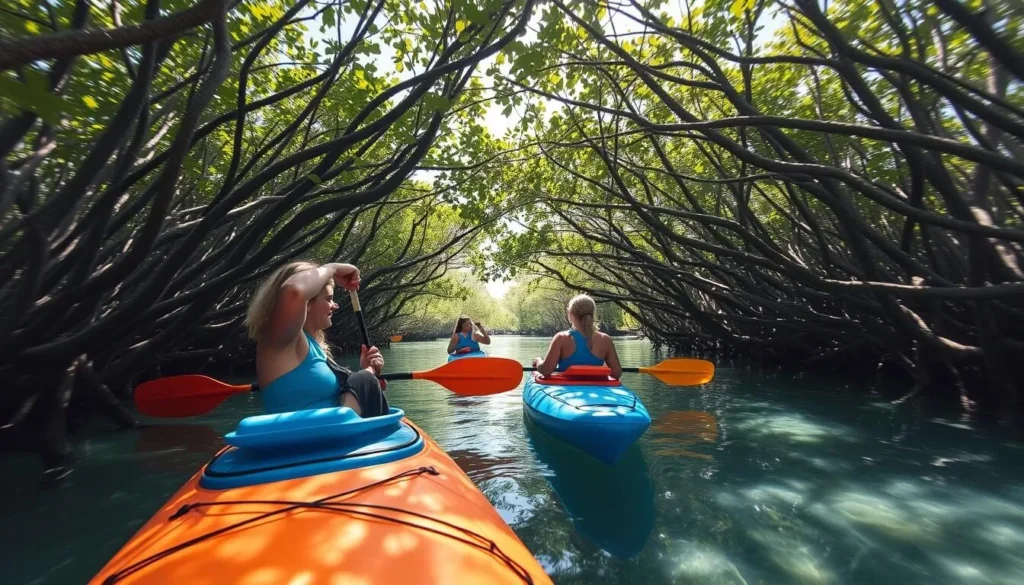
Exploring the mangrove tunnels by kayak is one of the most popular activities in the preserve
- Kayaking/Canoeing: The preserve’s extensive waterways are perfect for paddling adventures. Popular routes include:
- Alligator Creek Paddle Trail
- Peace River Paddle Trail
- Mangrove tunnels near Placida
- Fishing: Charlotte Harbor is renowned for its excellent fishing opportunities:
- Inshore fishing for snook, redfish, and trout
- Seasonal tarpon fishing (April-July)
- Shore fishing from designated areas
- Boating: Explore the harbor and its islands by motorboat, sailboat, or personal watercraft.
Rental Information: Kayaks and canoes can be rented from several outfitters in Punta Gorda and Port Charlotte. Many offer delivery to popular launch points. Fishing charters are available for those without their own equipment or local knowledge.
Wildlife Viewing
The preserve is home to an incredible diversity of wildlife, making it a premier destination for nature enthusiasts:
Bird Watching
With over 300 bird species recorded, Charlotte Harbor is a birder’s paradise:
- Wading birds: Roseate spoonbills, wood storks, herons, and egrets
- Raptors: Osprey, bald eagles, and various hawks
- Migratory species: Present during winter months
- Specialty birds: Scrub jays, painted buntings, and mangrove cuckoos
Marine Life
The estuary supports abundant marine creatures:
- Manatees: Best spotted in winter months
- Dolphins: Common throughout the harbor
- Rays and various fish species
- Occasional sea turtles

The vibrant roseate spoonbill is one of many spectacular bird species found in the preserve
Educational Opportunities
Several facilities near the preserve offer educational programs and exhibits:
- Charlotte Harbor Environmental Center: Located at Alligator Creek Preserve, offering exhibits, guided walks, and educational programs.
- Peace River Wildlife Center: A wildlife rehabilitation facility in Ponce de Leon Park where visitors can see native Florida wildlife up close.
- Interpretive Signage: Throughout the preserve, informational signs explain the local ecosystems and wildlife.
Photography Tip: The “golden hours” shortly after sunrise and before sunset offer the best lighting for photography in the preserve. These times also coincide with peak wildlife activity, increasing your chances of capturing memorable images.
Museums, Cultural Spots & Festivals
While Charlotte Harbor Preserve State Park itself focuses on natural attractions, the surrounding communities offer rich cultural experiences that complement your outdoor adventures.
The Military Heritage Museum in Punta Gorda offers a fascinating look at American military history
Museums and Historical Sites
The Punta Gorda and Port Charlotte area is rich in history, with several museums showcasing the region’s heritage:
- Military Heritage Museum: Located in Punta Gorda, this museum houses extensive exhibits on American military history with interactive displays and artifacts.
- Blanchard House Museum: Dedicated to the history of African Americans in Charlotte County, offering insights into local Black heritage.
- Punta Gorda History Center: Preserves and showcases the area’s historical development through exhibits and archives.
- A.C. Freeman House: A historic home in Punta Gorda offering a glimpse into early 20th century Florida life.
Art Galleries and Cultural Centers
The area has a thriving arts scene with several galleries and cultural venues:
- Visual Arts Center: Features rotating exhibits of local and regional artists, plus art classes and workshops.
- Sea Grape Gallery: A cooperative fine art gallery in downtown Punta Gorda showcasing local artists’ work.
- Charlotte Performing Arts Center: Hosts concerts, theatrical performances, and other cultural events.
- Punta Gorda Historic Murals: A collection of over 30 murals throughout downtown depicting the area’s history.
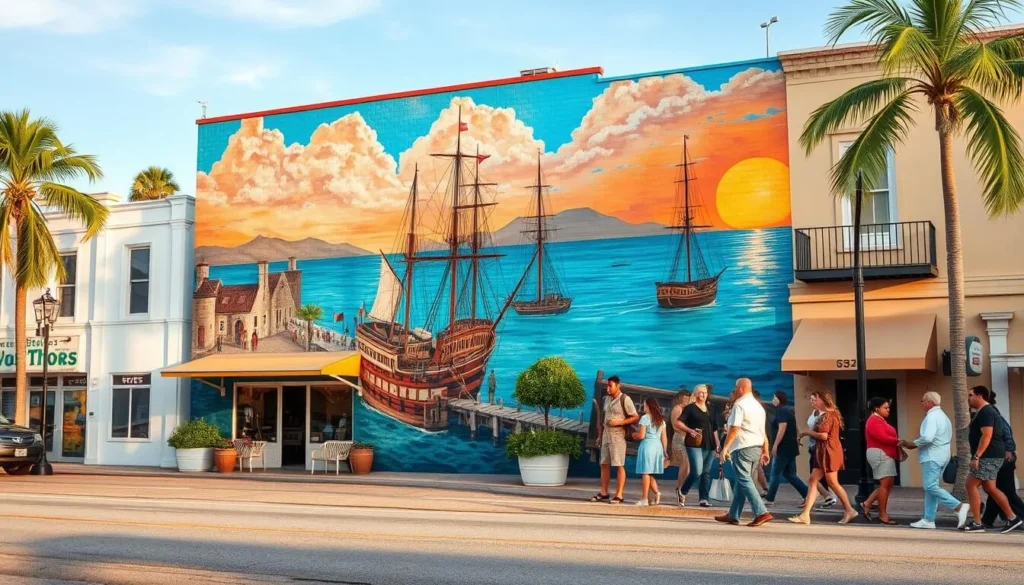
Downtown Punta Gorda features numerous historical murals depicting the area’s rich heritage
Annual Festivals and Events
Throughout the year, the Charlotte Harbor area hosts various festivals and events that celebrate local culture, cuisine, and natural resources:
| Event | Timing | Location | Description |
| Charlotte Harbor Seafood Festival | January | Laishley Park, Punta Gorda | Celebration of local seafood with food vendors, live music, and arts and crafts |
| Florida International Air Show | November | Punta Gorda Airport | Aerial demonstrations, static aircraft displays, and family activities |
| Peace River Wildlife Festival | March | Laishley Park, Punta Gorda | Celebrates local wildlife with educational exhibits and activities |
| Punta Gorda Wine & Jazz Festival | February | Laishley Park, Punta Gorda | Wine tasting, jazz performances, and gourmet food |
| Hibiscus Festival | May | Gilchrist Park, Punta Gorda | Plant sales, gardening exhibits, and local vendors |
| Punta Gorda Farmers Market | Year-round (Saturdays) | Downtown Punta Gorda | Local produce, crafts, and prepared foods |
Local Maritime Heritage
The Charlotte Harbor area has a rich maritime history that continues to influence local culture:
- Fishermen’s Village: Originally a working fish house, now a shopping and dining destination that celebrates the area’s fishing heritage.
- Ponce de Leon Park: Named for the Spanish explorer who may have visited the harbor in the early 16th century.
- Commercial Fishing Heritage: The area continues to support a working commercial fishing fleet, particularly for blue crab and mullet.
Cultural Tip: The Saturday morning Farmers Market in downtown Punta Gorda is a great way to experience local culture, sample regional foods, and meet residents. It runs year-round from 8 am to 1 pm and features over 50 vendors.
Sports, Nature & Outdoor Experiences
Charlotte Harbor Preserve State Park is a premier destination for outdoor enthusiasts, offering diverse recreational opportunities in a pristine natural setting.
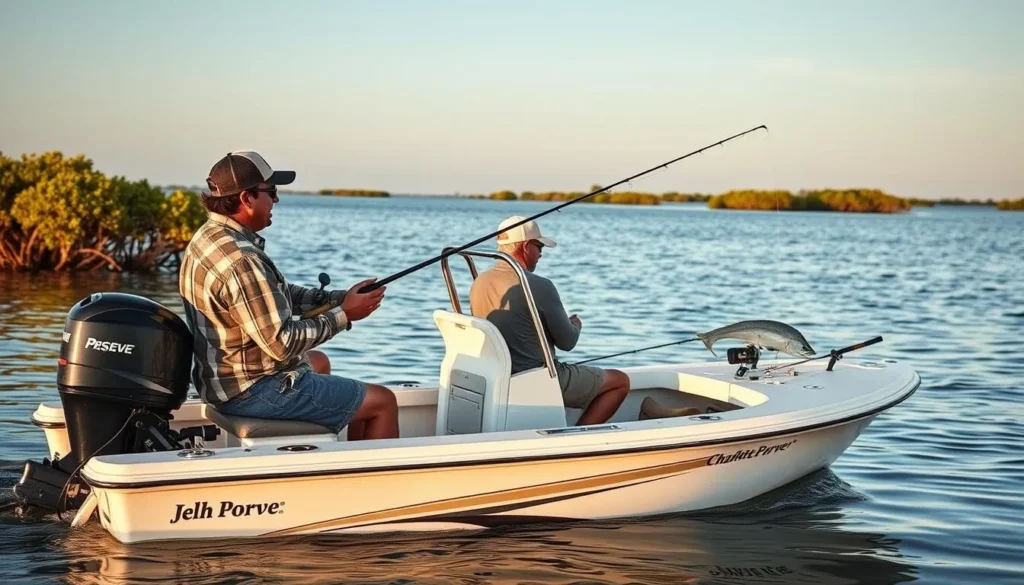
Charlotte Harbor is renowned for its excellent fishing opportunities
Water Sports and Activities
The extensive waterways of Charlotte Harbor offer endless possibilities for water-based recreation:
Fishing
Charlotte Harbor is known as one of Florida’s premier fishing destinations.
- Inshore fishing for snook, redfish, spotted seatrout, and tarpon
- Seasonal tarpon runs (April-July) attract anglers worldwide
- Shore fishing opportunities at various access points
- Multiple fishing charters and guides available
Paddling
Explore the preserve’s waterways at a leisurely pace.
- Designated paddling trails through mangrove tunnels
- Blueway trails with marked routes
- Rentals available from local outfitters
- Guided eco-tours for all skill levels
Boating
Discover the harbor’s islands and remote areas by boat.
- Multiple public boat ramps around the harbor
- Island hopping opportunities
- Scenic cruises available
- Boat rentals from local marinas
Land-Based Recreation
The preserve and surrounding areas offer numerous opportunities for land-based outdoor activities:
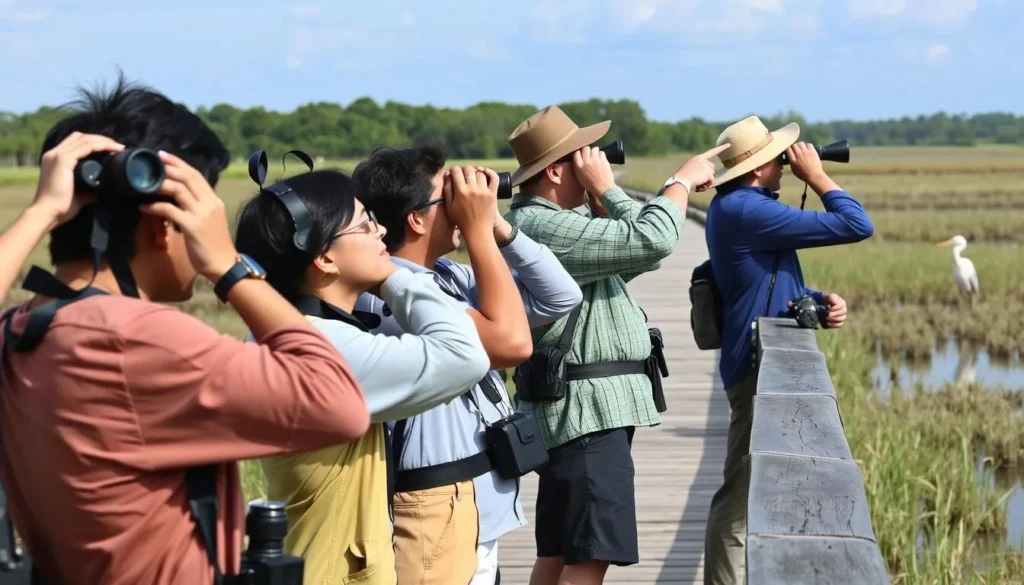
Birdwatching is a popular activity with over 300 species recorded in the preserve
- Hiking: Miles of trails through various ecosystems, from boardwalks to natural surface paths.
- Wildlife Photography: Abundant opportunities to photograph birds, reptiles, and marine life in natural settings.
- Birdwatching: Over 300 species have been recorded in the Charlotte Harbor area, making it a premier birding destination.
- Cycling: The Cape Haze Pioneer Trail and other paved paths offer scenic biking opportunities.
Seasonal Natural Events
Throughout the year, Charlotte Harbor Preserve State Park hosts remarkable natural phenomena worth planning your visit around:
| Natural Event | Best Time | Location | Description |
| Manatee Gatherings | December-February | Peace River, Myakka River | Manatees congregate in warmer river waters during cold spells |
| Tarpon Migration | April-July | Boca Grande Pass | World-famous tarpon run attracts these massive gamefish |
| Bird Migrations | October-April | Throughout the preserve | Winter residents and migrants arrive in large numbers |
| Roseate Spoonbill Nesting | November-June | Mangrove islands | These distinctive pink birds nest in colonies |
| Wildflower Blooms | March-May | Pine flatwoods areas | Spring wildflowers carpet the forest floor |
Guided Eco-Tours
For a deeper understanding of the preserve’s ecosystems, consider joining a guided tour:
✓ Check 30,000+ Local Sightseeing Tours Worldwide
- Kayak Eco-Tours: Local outfitters offer guided paddling trips focused on the ecology and wildlife of the estuary.
- Boat Tours: Several operators provide naturalist-led boat tours highlighting the harbor’s natural features and wildlife.
- Walking Tours: The Charlotte Harbor Environmental Center offers guided nature walks led by knowledgeable naturalists.
- Fishing Charters: Local guides provide not just fishing expertise but knowledge about the harbor’s ecosystem.
Outdoor Tip: For the best wildlife viewing opportunities, plan your outdoor activities for early morning or late afternoon when animals are most active. During midday heat, especially in summer, wildlife tends to seek shelter and is less visible.
Safety, Etiquette & Local Customs
Enjoying Charlotte Harbor Preserve State Park safely requires awareness of the local environment, wildlife, and weather conditions. Following proper etiquette also helps preserve this natural treasure for future generations.
Wildlife safety is important when visiting Charlotte Harbor Preserve State Park
Weather Safety
Florida’s climate presents specific challenges that visitors should prepare for:
- Heat and Sun Exposure: Florida’s sun can be intense, especially from April through October.
- Wear sunscreen (SPF 30+), reapplying every two hours
- Bring a wide-brimmed hat and UV-protective sunglasses
- Wear lightweight, light-colored clothing that covers exposed skin
- Plan strenuous activities for early morning or late afternoon
- Thunderstorms: Afternoon thunderstorms are common, especially in summer months.
- Check weather forecasts before heading out
- Be prepared to seek shelter if storms approach
- If on the water, head to shore when storms threaten
- Follow the “30-30 Rule”: If thunder follows lightning by 30 seconds or less, seek shelter and wait 30 minutes after the last thunder before resuming outdoor activities
- Hurricane Season: June through November is hurricane season, with peak activity from August through October.
- Monitor weather forecasts during this period
- Have an evacuation plan if visiting during hurricane season
- Be aware that park facilities may close with little notice during severe weather
Wildlife Safety
Charlotte Harbor Preserve State Park is home to diverse wildlife, including some species that require respectful distance:
Alligators
- Never feed alligators – it’s dangerous and illegal
- Keep at least 15 m (50 ft) away from alligators
- Be especially cautious near water at dawn and dusk
- Keep pets on leash and away from water’s edge
- Swim only in designated areas (not in the preserve)
Other Wildlife
- Observe all wildlife from a distance
- Never feed wild animals
- Be aware of snakes – watch where you step and place your hands
- Check for ticks after hiking through wooded areas
- Respect nesting birds by keeping your distance
Important Safety Note: If you encounter an aggressive alligator or see one being fed, report it immediately to the Florida Fish and Wildlife Conservation Commission at 866-FWC-GATOR (866-392-4286).
Environmental Etiquette
Help preserve the natural beauty and ecological integrity of Charlotte Harbor Preserve State Park by following these principles:
- Leave No Trace: Pack out all trash and leave natural objects where you find them.
- Stay on Designated Trails: Venturing off-trail damages sensitive vegetation and wildlife habitat.
- Respect Closed Areas: Some areas may be closed for habitat restoration or wildlife protection.
- Minimize Noise: Keep voices low to avoid disturbing wildlife and other visitors.
- Fishing Regulations: Follow all Florida fishing regulations, including size and bag limits.
- No Collection: It is illegal to collect plants, animals, or artifacts within the preserve.
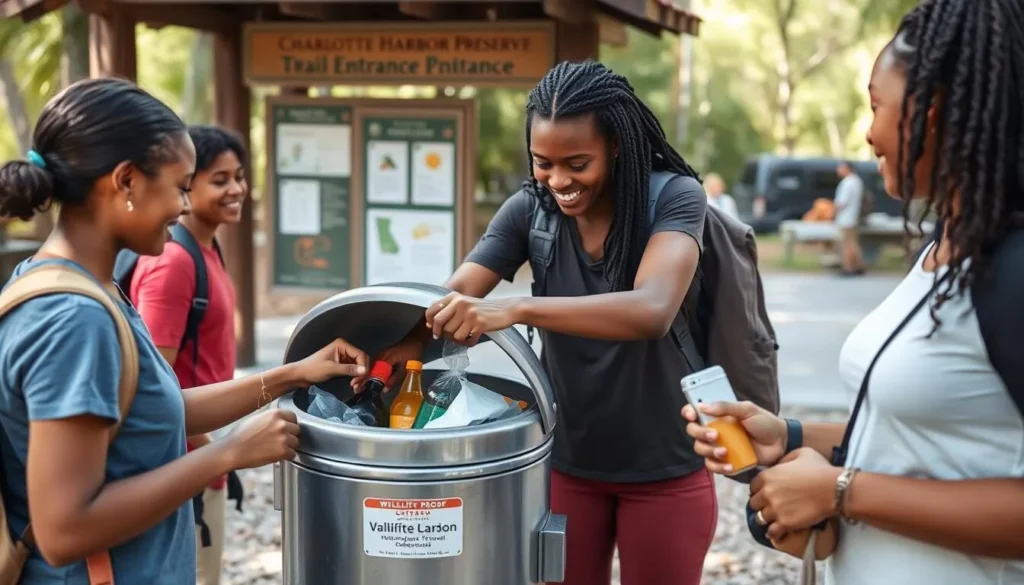
Practicing Leave No Trace principles helps preserve the park for future generations
Local Customs and Etiquette
Understanding local customs enhances your experience and interactions in the Charlotte Harbor area:
- Boating Etiquette: Observe no-wake zones, especially near shorelines and in narrow waterways.
- Fishing Courtesy: Maintain appropriate distance from other anglers and be mindful of private property boundaries.
- Photography Ethics: Ask permission before photographing people, including fishing guides and park staff.
- Local Businesses: Many businesses in the area are locally owned and operated – supporting them helps the community that protects and maintains the preserve.
Accessibility Note: While Charlotte Harbor Preserve State Park is primarily a natural area with limited development, some trails and facilities are accessible. The Charlotte Harbor Environmental Center and boardwalks at Alligator Creek Preserve offer the most accessible options for visitors with mobility challenges.
Practical Travel Tips
Make the most of your visit to Charlotte Harbor Preserve State Park with these practical tips covering everything from what to pack to navigating the area efficiently.
Proper preparation ensures a comfortable and enjoyable visit to the preserve
What to Pack
Essential items for a day exploring Charlotte Harbor Preserve State Park:
Outdoor Essentials
- Water: Bring at least 1 liter (33 oz) per person per hour of activity
- Sun Protection: Sunscreen, hat, sunglasses, and lightweight long-sleeved clothing
- Insect Repellent: Particularly important during warmer months
- Binoculars: Essential for wildlife viewing and birdwatching
- Camera: For capturing the preserve’s natural beauty
- Trail Map: Available at the Charlotte Harbor Environmental Center
Additional Recommendations
- Hiking Shoes: Closed-toe shoes with good traction
- Rain Gear: Light poncho or jacket, especially in summer
- Snacks: Energy bars, fruit, or trail mix
- First Aid Kit: Basic supplies for minor injuries
- Dry Bag: For keeping valuables dry if kayaking
- Field Guide: For identifying plants and wildlife
Park Fees and Permits
Information about accessing Charlotte Harbor Preserve State Park:
- Entrance Fees: Most access points to Charlotte Harbor Preserve State Park are free to the public.
- Fishing License: A valid Florida fishing license is required for fishing activities. Licenses can be purchased online through the or at local bait shops and sporting goods stores.
- Special Use Permits: Required for commercial activities, organized events, or research within the preserve. Contact the park office for information.
Hours of Operation: Most areas of Charlotte Harbor Preserve State Park are open from sunrise to sunset daily. The Charlotte Harbor Environmental Center is typically open Monday through Friday from 8:30 am to 4:30 pm and Saturday from 9:00 am to 1:00 pm (closed Sundays).
Communication and Connectivity
Staying connected while exploring the preserve:
- Cell Service: Coverage varies throughout the preserve, with better reception near developed areas and spotty service in remote sections.
- Wi-Fi: Available at some facilities like the Charlotte Harbor Environmental Center and nearby businesses.
- Emergency Contact: For emergencies, call 911. For non-emergency assistance, contact the Florida Park Service at (941) 575-5861.
Local Transportation Tips
Navigating the Charlotte Harbor area efficiently:
- Rental Cars: The most convenient way to explore the area, as public transportation is limited.
- Bicycle Rentals: Available in Punta Gorda, with some hotels offering complimentary bikes.
- Water Taxis: Seasonal services connect some waterfront locations.
- Ride Services: Uber and Lyft operate in the area but may have limited availability in more remote locations.
Nearby Services
Essential services near Charlotte Harbor Preserve State Park:
Medical Facilities
- Bayfront Health Punta Gorda: Full-service hospital in Punta Gorda
- Urgent Care Centers: Several located along US-41 in Port Charlotte
- Pharmacies: CVS, Walgreens, and Publix pharmacies throughout the area
Shopping
- Grocery Stores: Publix, Winn-Dixie, and Walmart in Punta Gorda and Port Charlotte
- Outdoor Gear: Limited options locally; consider bringing specialized equipment
- Farmers Markets: Saturday mornings in downtown Punta Gorda
Visitor Information
- Punta Gorda/Englewood Beach Visitor Center: Located at 1700 Tamiami Trail, Suite G-2, Port Charlotte
- Charlotte Harbor Environmental Center: Information about the preserve at 10941 Burnt Store Road, Punta Gorda
Local Tip: The best source for up-to-date information on trail conditions, wildlife sightings, and seasonal events is the staff at the Charlotte Harbor Environmental Center. Stop by early in your visit to get insider recommendations tailored to your interests.
Ready to Explore Charlotte Harbor Preserve State Park?
Charlotte Harbor Preserve State Park offers a genuine Florida wilderness experience that stands in stark contrast to the state’s more commercialized attractions. With its vast expanses of mangrove forests, salt marshes, and pine flatwoods, the preserve provides a window into Florida’s natural heritage and the critical ecosystems that support the Gulf Coast’s abundant wildlife.
Whether you’re paddling through serene mangrove tunnels, hiking scenic trails, or simply watching the sunset paint the harbor in brilliant hues, this remarkable state park delivers authentic natural experiences that create lasting memories. By following the tips in this guide and approaching your visit with respect for the preserve’s delicate ecosystems, you’ll discover the true magic of Charlotte Harbor – one of Florida’s most precious natural treasures.