
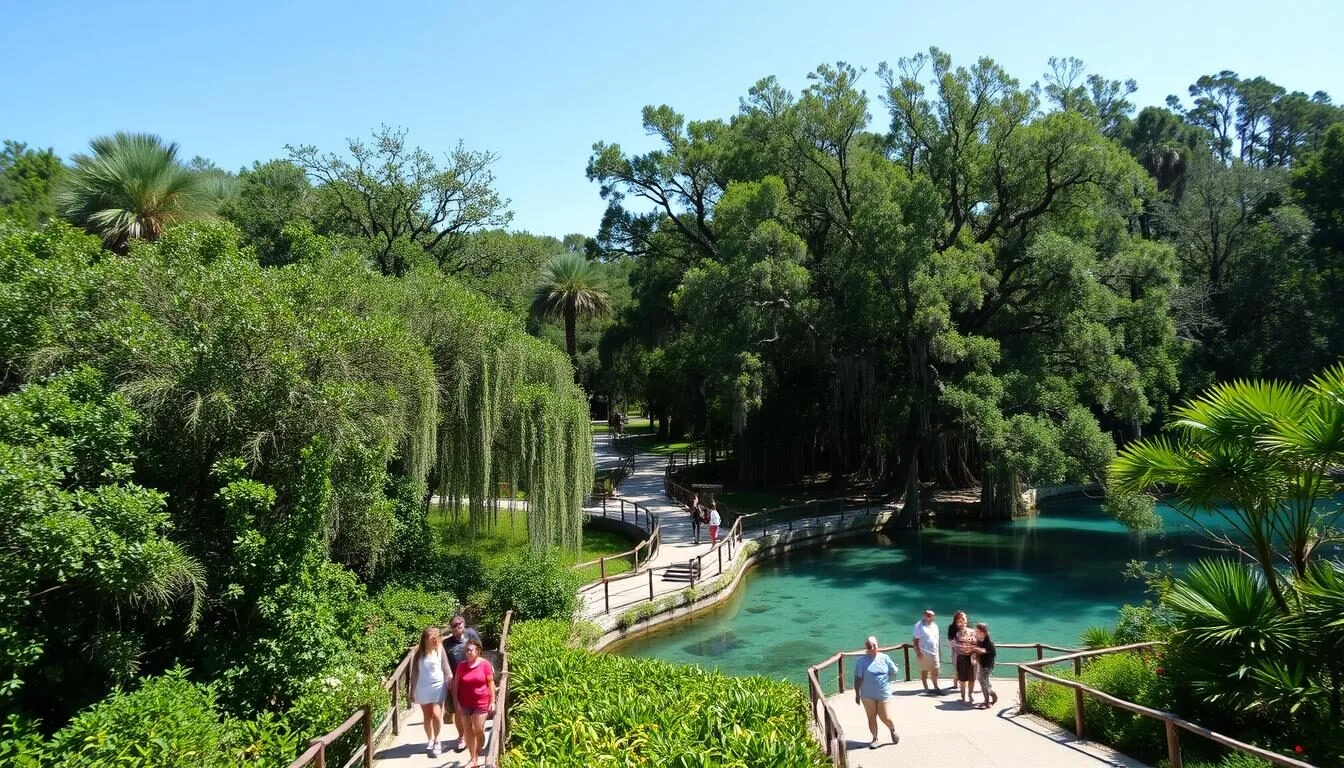
Did you know Manatee Springs pumps out an astonishing 100 million gallons of crystal-clear water every day? This first-magnitude spring in Florida’s natural wonderland creates a constant 22°C (72°F) aquatic paradise that attracts both wildlife and visitors year-round. When winter temperatures drop, West Indian manatees seek refuge in these warm waters, creating one of Florida’s most magical wildlife viewing opportunities.
Getting There & Planning Your Journey
Manatee Springs State Park is located six miles west of Chiefland, Florida, at the end of State Road 320, off U.S. 19/98. The park’s address is 11650 NW 115th Street, Chiefland, FL 32626.
Nearest Airports
- Gainesville Regional Airport (GNV) – 85 km (53 miles), approximately 1 hour drive
- Jacksonville International Airport (JAX) – 190 km (118 miles), approximately 2 hours drive
- Tampa International Airport (TPA) – 209 km (130 miles), approximately 2.5 hours drive
- Orlando International Airport (MCO) – 225 km (140 miles), approximately 2.5 hours drive
Best Time to Visit Manatee Springs
Recommended Seasons
Winter (December-February)
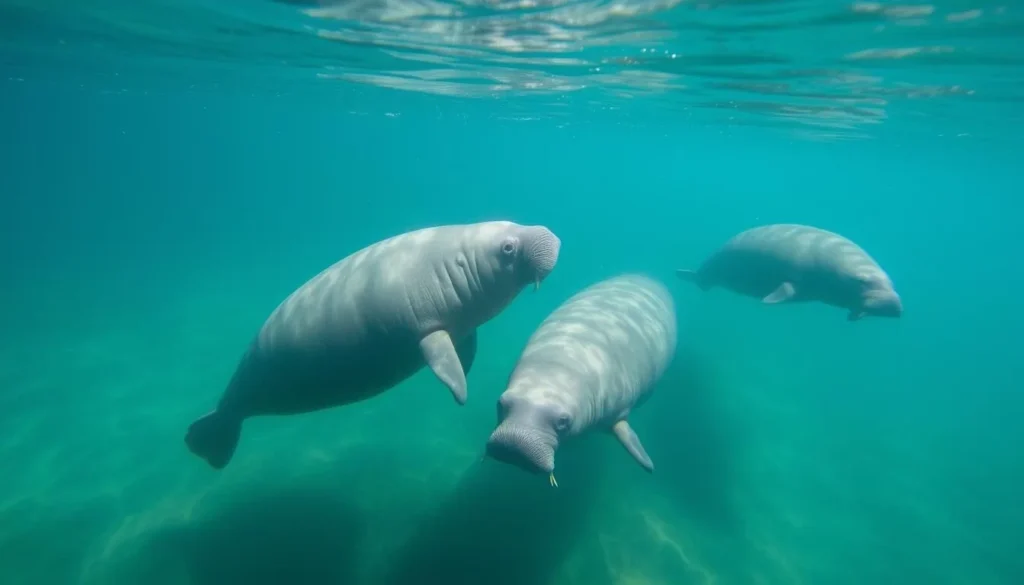
The absolute best time to visit if you want to see manatees. As Gulf waters cool below 20°C (68°F), these gentle giants seek the constant 22°C (72°F) spring waters. Park visitation increases during this period, especially on weekends, so arrive early. Daytime temperatures typically range from 16-21°C (60-70°F).
Spring (March-May)
Excellent weather with temperatures between 21-29°C (70-85°F). While manatees are less common, the park’s natural beauty is at its peak with wildflowers blooming and wildlife activity increasing. Water clarity is exceptional, making it perfect for swimming and snorkeling.
Fall (September-November)
A great time to visit with fewer crowds and pleasant temperatures ranging from 18-27°C (65-80°F). As temperatures begin to cool in late fall, you might spot early manatee arrivals. The park’s foliage takes on beautiful autumn hues, creating picturesque scenes.
Summer (June-August)
Hot and humid with temperatures often exceeding 32°C (90°F). While the spring’s constant 22°C (72°F) water provides refreshing relief, summer brings larger crowds and occasional afternoon thunderstorms. Insect activity also increases during this season.
Manatee Viewing Tip: For the best chance of seeing manatees, visit between mid-November and March, especially during cold snaps when Gulf temperatures drop. Early mornings and late afternoons typically offer the best viewing opportunities.
Getting Around Locally
Navigating Manatee Springs State Park and the surrounding area requires some planning, as public transportation options are limited in this rural part of Florida.
Within the Park
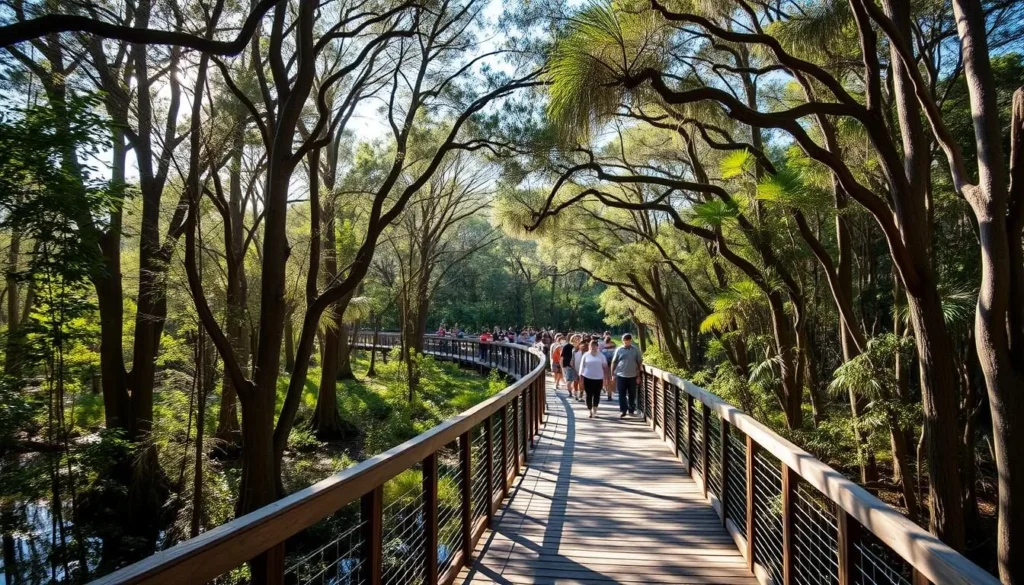
- Walking: The park is best explored on foot via well-maintained trails and an 800-foot boardwalk that winds through cypress forest to the spring and Suwannee River.
- Biking: Bring your own bicycle to explore the park’s 8+ miles of trails. The main park road is also bicycle-friendly.
- Kayaking/Canoeing: Navigate the spring run and Suwannee River by water. Rentals are available at the park concession.
Surrounding Area
- Rental Car: The most convenient option for exploring the region, as public transportation is virtually non-existent.
- Taxi Services: Limited availability in Chiefland; best arranged in advance.
- Rideshare: Services like Uber and Lyft have limited availability in this rural area.
Where to Stay
Camping at Manatee Springs State Park
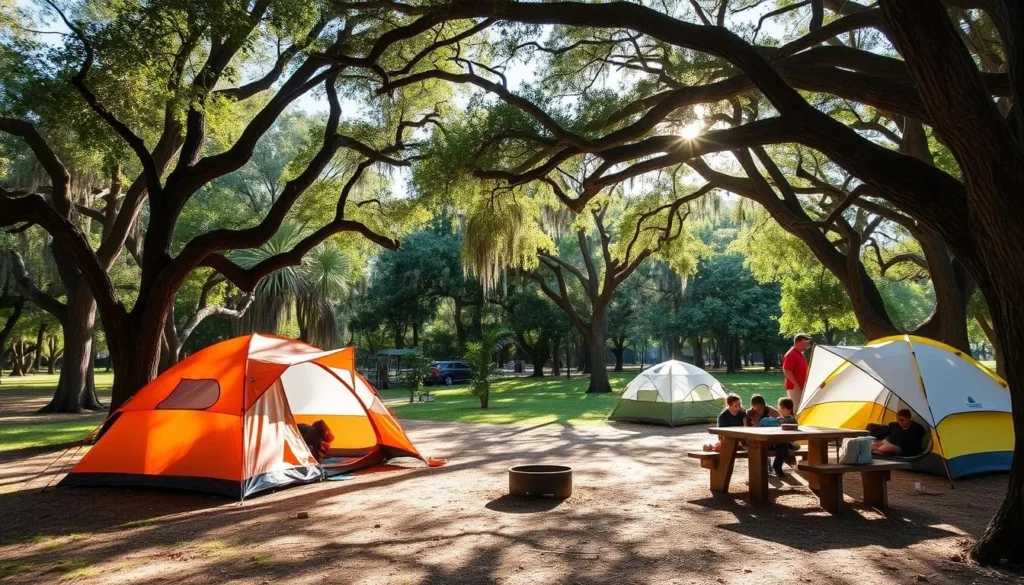
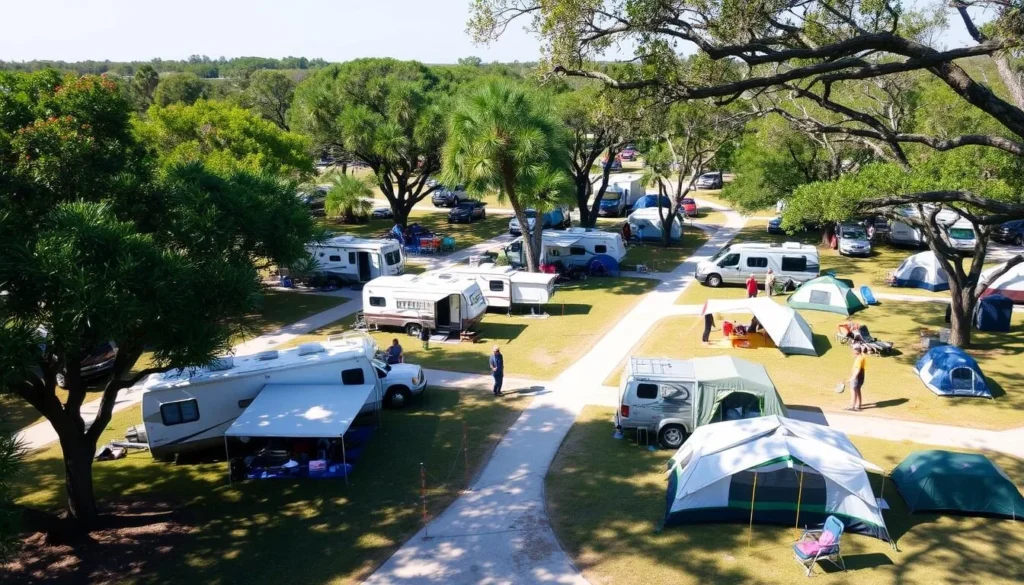
The park offers 80 campsites across multiple camping loops, accommodating tents, trailers, and RVs up to 12 meters (40 feet) in length.
Magnolia 1 Loop
Features full hookup sites (water, electric, and sewer) and is closest to the spring. Sites 2, 15, 18, 20, 23-28, 31, 32, 35, and 40 are designated for tent camping only, with some requiring a short walk from the parking area.
Magnolia 2 Loop
Offers more spacious sites with water and electric hookups (both 30 and 15 amp). These sites generally provide more privacy and are ideal for families seeking a more secluded camping experience.
Hickory Loop
Note that due to environmental concerns, only sites 62-65 and 71-76, 79-80 are available for rental in this loop. These sites offer water and electric hookups in a natural setting.
Amenities
- Clean restrooms with hot showers
- Picnic tables and fire rings at each site
- RV dump station
- Potable water
- Camp store with basic supplies
Nearby Accommodations
If camping isn’t your style, several lodging options are available within a 20-30 minute drive:
Chiefland
The closest town (10 km/6 miles) offers several budget and mid-range hotels and motels, including national chains.
Fanning Springs
Located 16 km (10 miles) away, this small town has a few bed and breakfasts and vacation rentals near another beautiful spring.
Cedar Key
For a coastal experience, this charming island town is about 48 km (30 miles) away, offering unique inns and waterfront accommodations.
Dining & Local Cuisine
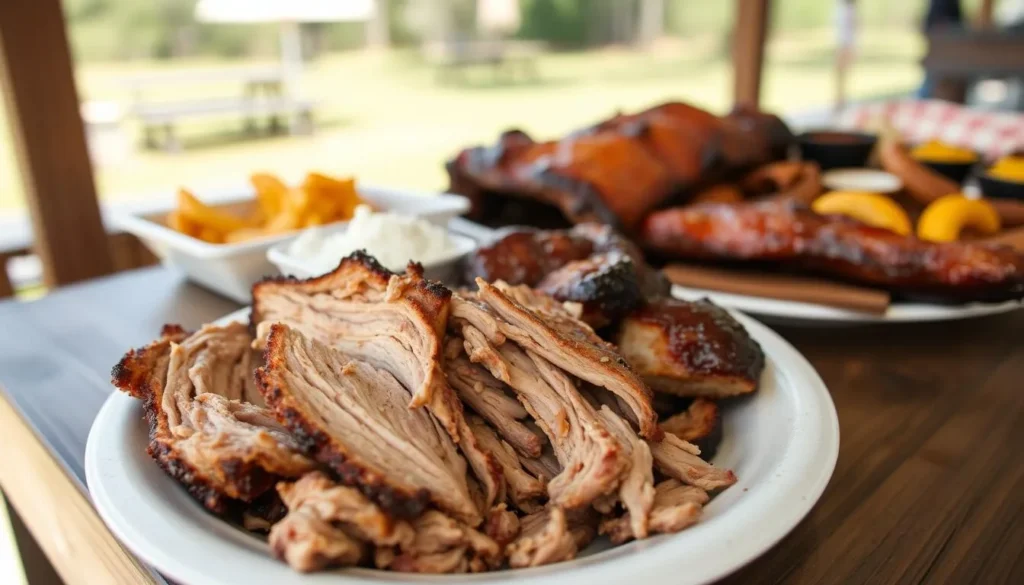
In-Park Dining
The park’s concession stand, located near the spring, offers more than just basic snacks:
- BBQ Specialties: Known for excellent smoked ribs, pulled pork, and chicken
- Snacks & Beverages: Ice cream, cold drinks, and packaged snacks
- Seasonal Hours: Typically open daily during peak season, with limited hours during off-season
Nearby Dining Options
Chiefland (10 km/6 miles)
- Several family restaurants serving American classics
- Fast food chains for quick meals
- Local diners offering Southern comfort food
Fanning Springs (16 km/10 miles)
- Waterfront restaurants with fresh seafood
- Casual eateries with Southern specialties
- Local cafés with homemade desserts
Cedar Key (48 km/30 miles)
- Fresh seafood restaurants specializing in locally harvested clams
- Waterfront dining with sunset views
- Historic restaurants in Old Florida settings
Local Specialties Worth Trying
- Cedar Key Clams: The area is famous for farm-raised clams with a sweet, mild flavor
- Mullet: A local fish often smoked or fried, served with grits or hush puppies
- Swamp Cabbage: The heart of the sabal palm, Florida’s state tree, cooked into a hearty stew
- Gator Tail: Fried alligator meat, a Florida specialty with a texture similar to chicken
- Key Lime Pie: The iconic Florida dessert, found at many local restaurants
Picnic Tip: The park has several picnic areas with tables and grills. Consider bringing your own food for a meal surrounded by nature. The park store sells ice and basic supplies if needed.
Attractions, Sightseeing & Activities
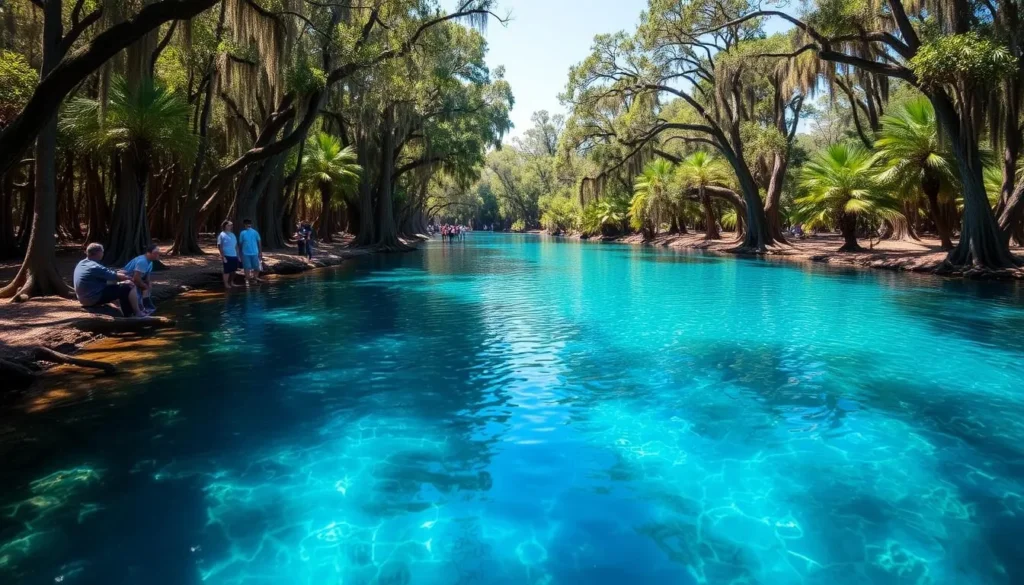
The Main Spring
The centerpiece of the park is the first-magnitude spring that produces approximately 100 million gallons of water daily. The spring maintains a constant 22°C (72°F) year-round, creating a natural swimming pool with exceptional clarity that allows visibility to impressive depths.
Swimming Area
A designated swimming area with entry steps allows visitors to enjoy the refreshing spring waters. The depth varies, with some areas reaching 7.6 meters (25 feet). The swimming area is open year-round, though it may occasionally close if manatees are present in large numbers.
Boardwalk
An 800-foot elevated boardwalk winds through a stunning cypress forest, providing excellent views of the spring and its run as it flows toward the Suwannee River. This accessible pathway offers some of the best wildlife viewing opportunities in the park.
Water Activities
- Snorkeling: The crystal-clear spring waters offer excellent visibility for observing underwater features and fish.
- Scuba Diving: Certified divers can explore the spring’s underwater cave system (proper certification required).
- Kayaking/Canoeing: Paddle the spring run to the Suwannee River, with rentals available at the park concession.
- Fishing: Try your luck in the Suwannee River (valid Florida fishing license required).
Land-Based Activities
- Hiking: Over 8 miles of trails through diverse ecosystems, including the Sink Hole Trail and North End Trail.
- Wildlife Viewing: Besides manatees, watch for white-tailed deer, wild turkeys, various bird species, and occasionally river otters.
- Picnicking: Several picnic areas with tables and grills are available throughout the park.
- Interpretive Programs: Ranger-led activities are offered seasonally (check at the ranger station for schedule).
Museums, Cultural Spots & Festivals
While Manatee Springs State Park itself focuses primarily on natural attractions, the surrounding area offers several cultural and historical points of interest worth exploring.
Nearby Cultural Attractions
Cedar Key Historical Society Museum
Located 48 km (30 miles) away in Cedar Key, this museum showcases the area’s rich history, from Native American settlements to the pencil cedar industry that gave the key its name. Exhibits include artifacts, photographs, and interactive displays.
Suwannee River Greenway
This historic trail follows the path of an old railroad line along the famous Suwannee River, immortalized in Stephen Foster’s song “Old Folks at Home.” Interpretive signs along the trail explain the cultural and historical significance of the river.
Chiefland Train Depot Museum
Located in nearby Chiefland, this restored train depot houses exhibits on local history, including the importance of the railroad to the development of Levy County and the surrounding region.
Annual Events & Festivals
- Manatee Festival (January) – Held in nearby Crystal River, this festival celebrates Florida’s beloved sea cows with art, music, and educational exhibits.
- Cedar Key Arts Festival (April) – A two-day event featuring over 120 artists, live music, and local seafood.
- Suwannee River Jam (April/May) – The largest country music festival in Florida, held at the Spirit of the Suwannee Music Park in Live Oak.
- Chiefland Watermelon Festival (June) – A community celebration with a parade, watermelon contests, and family activities.
- Cedar Key Seafood Festival (October) – Showcases the area’s famous seafood, particularly clams, with arts, crafts, and music.
Cultural Tip: The Suwannee River has deep cultural significance in American music history. Stephen Foster’s “Old Folks at Home” (also known as “Way Down Upon the Suwannee River”) became Florida’s state song in 1935, though the lyrics have been modified in recent years to remove racially insensitive language.
Sports, Nature & Outdoor Experiences
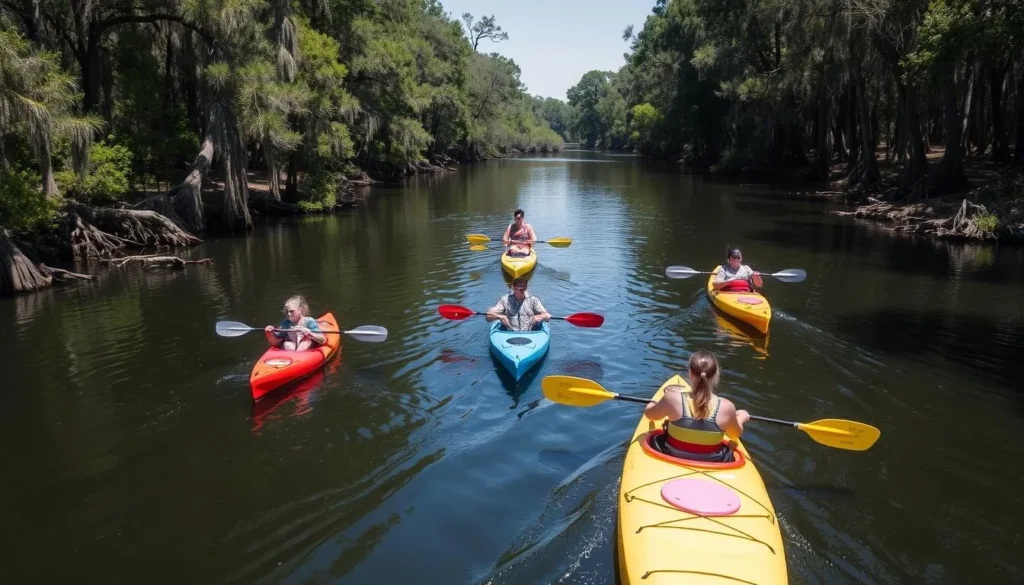
Water-Based Adventures
Kayaking & Canoeing
The spring run and Suwannee River offer excellent paddling opportunities. Rentals are available at the park concession, or you can bring your own. Popular routes include:
- Spring Run to Suwannee River (1-2 hours round trip)
- Suwannee River to Fanning Springs (half-day trip)
- Multi-day trips along the Suwannee River Wilderness Trail
Diving & Snorkeling
The main spring offers exceptional underwater visibility. Certified cave divers can explore the underwater cave system with proper permits and equipment. For casual visitors, snorkeling in the spring basin provides views of fish, underwater features, and the spring vent.
Land-Based Activities
Hiking
The park features several trail systems totaling over 8 miles:
- Sink Hole Trail: 1.3 km (0.8 miles) loop through limestone sinkholes
- North End Trail: 3.2 km (2 miles) through pine flatwoods
- Scenic Trail: 1.2 km (0.75 miles) connecting the spring to the campground
Biking
Bicycles are permitted on park roads and designated multi-use trails. The relatively flat terrain makes for easy riding, and the shaded paths provide a pleasant experience even on warmer days. Bring your own bikes, as rentals are not available in the park.
Wildlife Viewing
Manatee Springs State Park is a wildlife enthusiast’s paradise. Here’s what to watch for:
Manatees
Best seen from November through March, especially during cold snaps. Look for them from the boardwalk or observation deck. Early morning and late afternoon offer the best viewing opportunities.
Birds
Over 200 species have been recorded in the park, including pileated woodpeckers, barred owls, prothonotary warblers, and various wading birds. Bring binoculars for the best experience.
Other Wildlife
White-tailed deer frequently visit the campground, especially at dawn and dusk. Watch for river otters, raccoons, gray squirrels, and occasionally wild turkeys. Alligators may be spotted in the river areas.
Safety, Etiquette & Local Customs
Water Safety
- Swim only in designated areas. The spring basin is designated for swimming, but the Suwannee River can have strong currents.
- Never dive into the spring or river, as underwater obstacles may be present.
- Children should always be supervised near water.
- Cave diving is only permitted for properly certified individuals with the appropriate equipment.
- Be aware that alligators may be present in the river areas, though they typically avoid humans.
Wildlife Etiquette
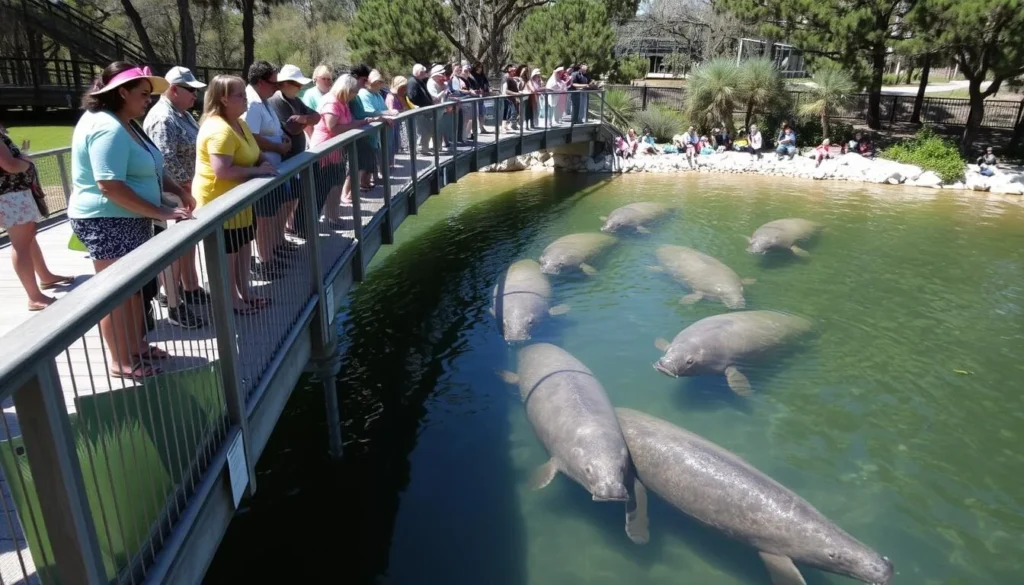
- Manatee Viewing: It is illegal to touch, feed, or harass manatees. Observe them from a distance.
- No Feeding: Never feed any wildlife, including deer, raccoons, or birds. It’s harmful to their health and natural behaviors.
- Quiet Observation: Keep noise to a minimum when wildlife viewing to avoid disturbing animals.
- Photography: Take photos from a respectful distance without using flash when photographing wildlife.
Camping Etiquette
- Observe quiet hours (typically 11 p.m. to 7 a.m.) out of respect for other campers.
- Keep your campsite clean and store food securely to avoid attracting wildlife.
- Use designated fire rings only and never leave fires unattended.
- Respect site boundaries and privacy of neighboring campers.
Environmental Responsibility
- Practice “Leave No Trace” principles by packing out all trash.
- Stay on designated trails to protect sensitive vegetation.
- Use biodegradable soaps and sunscreens to minimize impact on the spring ecosystem.
- Do not collect plants, animals, or artifacts within the park.
Important Safety Note: Cell phone coverage can be limited or non-existent within the park. Make necessary calls before entering, and have a plan for emergencies that doesn’t rely on cell service.
Visitor Comments About Manatee Springs
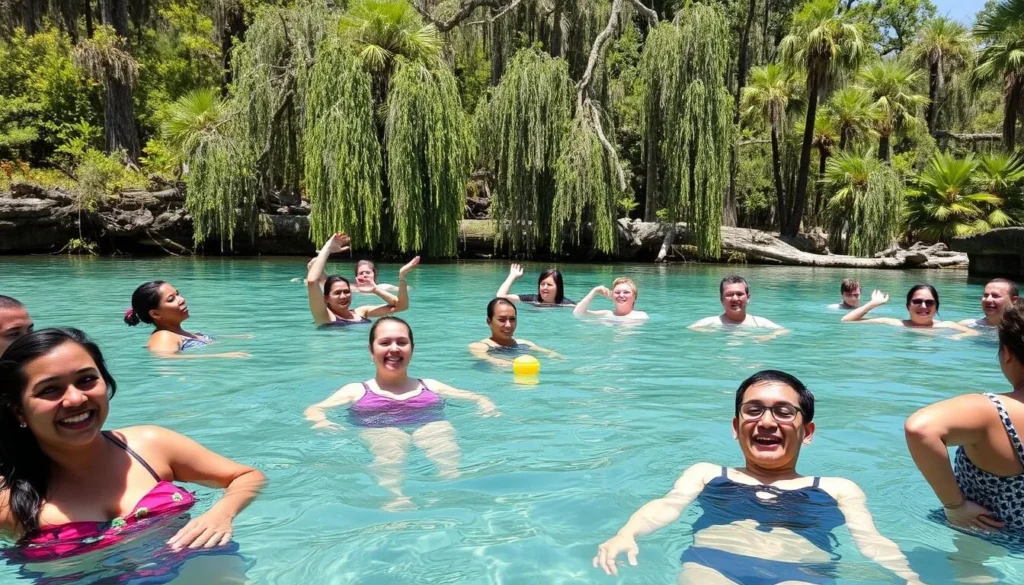
“Manatee Springs quickly became our family’s favorite Florida state park. The crystal-clear water is breathtaking, and we were lucky enough to spot three manatees during our winter visit! The campground was clean with spacious sites, and the deer that wandered through each evening were a highlight for our kids. Don’t miss the boardwalk trail – it’s absolutely magical, especially in the early morning light.”
“Coming from Kenya, I was amazed by how different Florida’s springs are from our water systems back home. The constant 22°C water was perfect for swimming, even though locals called it ‘cold’! The park staff were incredibly knowledgeable and friendly, taking time to explain the ecosystem and history of the area. I particularly enjoyed kayaking from the spring to the Suwannee River – the transition from crystal clear to tea-colored water was fascinating.”
“We visited during summer and while we missed the manatees, the spring itself was worth the trip. The water clarity is unbelievable – you can see straight to the bottom! We camped for three nights in the Magnolia loop and appreciated the clean facilities and peaceful atmosphere. The BBQ at the concession stand was surprisingly excellent. If you’re planning to visit, definitely bring water shoes as the limestone can be slippery.”
Practical Travel Tips
Reservations
- Campsite reservations can be made up to 11 months in advance through the Florida State Parks reservation system.
- Weekends and winter months (especially holidays) book quickly, so plan ahead.
- Day use does not require reservations, but the park occasionally reaches capacity during peak periods.
What to Pack
- Water shoes for navigating the sometimes slippery limestone around the spring
- Snorkeling gear to explore the underwater environment
- Binoculars for wildlife viewing
- Insect repellent, especially during warmer months
- Sunscreen (preferably reef-safe/biodegradable)
- Refillable water bottles
Park Information
- Entrance fee: $6 per vehicle (2-8 people), $4 single-occupant vehicle, $2 pedestrians/cyclists
- Camping fees: $20-28 per night plus tax and a $7 utility fee for sites with hookups
- Park hours: 8 a.m. until sunset daily
- Park office phone: (352) 493-6072
Connectivity
Cell phone coverage is limited within the park. Verizon users report some coverage, while T-Mobile has virtually none. AT&T offers spotty service. Free Wi-Fi is sometimes available near the concession area, but it’s best to download maps, guides, and entertainment before arriving.
Accessibility
The park offers several accessible features, including:
- ADA-compliant restrooms and shower facilities
- Accessible camping sites with paved pads
- Portions of the boardwalk are wheelchair accessible
- Accessible fishing platform
Local Tip: The park’s tap water comes directly from the spring and is perfectly safe to drink. Many visitors comment on its pleasant taste compared to typical Florida tap water.
Embrace the Natural Magic of Florida’s Springs
Manatee Springs State Park represents Florida at its most authentic and enchanting. Away from the theme parks and crowded beaches, this natural oasis offers a glimpse into the state’s remarkable freshwater ecosystems. Whether you’re swimming in the crystal-clear spring, paddling alongside ancient cypress trees, or watching in awe as manatees gracefully glide through the water, the experiences here connect you to a Florida that many visitors never discover. Pack your sense of adventure, respect for nature, and perhaps a good underwater camera – Manatee Springs awaits with its timeless beauty and refreshing embrace.
The above is subject to change.
Check back often to TRAVEL.COM for the latest travel tips and deals.


0 Comments