
Hotels by Trip.com
Flights by Trip.com
Did you know the Timucuan Preserve protects over 20,000 hectares (50,000 acres) of one of the last unspoiled coastal wetlands on the Atlantic Coast? This makes it larger than many national parks! Nestled within Jacksonville city limits, this hidden gem offers a remarkable blend of natural beauty and rich history where the St. Johns River meets the Atlantic Ocean.
Getting There & Planning Your Journey
The closest major airport to Timucuan Ecological and Historic Preserve is Jacksonville International Airport (JAX), located about 30 km (19 miles) from the preserve’s main visitor center at Fort Caroline. Most major airlines service this airport with regular flights from across the United States.
From the airport, you can take a taxi, rideshare service, or rent a car to reach the preserve. If you’re arriving by car, the preserve is accessible via Interstate 95 and several major highways. The Fort Caroline Visitor Center, which serves as the main information hub, is located at 12713 Fort Caroline Road, Jacksonville, FL 32225.
For those arriving by boat, the preserve is accessible via the St. Johns River and the Intracoastal Waterway, with public docks available at several locations.
Best Time to Visit Timucuan Ecological and Historic Preserve
The best time to visit Timucuan Ecological and Historic Preserve is from October through April when temperatures are mild and humidity is lower. During these months, daytime temperatures typically range from 18-26°C (65-80°F), creating ideal conditions for hiking, wildlife viewing, and exploring historic sites.
Recommended Seasons
- Fall (October-November): Comfortable temperatures, fewer insects, beautiful foliage
- Winter (December-February): Mild weather, less crowded, excellent bird watching
- Spring (March-April): Wildflowers blooming, pleasant temperatures, active wildlife
Seasons to Avoid
- Summer (May-September): High humidity, temperatures often exceeding 32°C (90°F)
- Hurricane season (June-November): Potential for severe weather, especially August-October
- Holiday weekends: More crowded, especially at popular sites like Fort Caroline and Kingsley Plantation
If you do visit during summer, plan outdoor activities for early morning or late afternoon to avoid the midday heat, and bring plenty of water and insect repellent.
Getting Around Locally
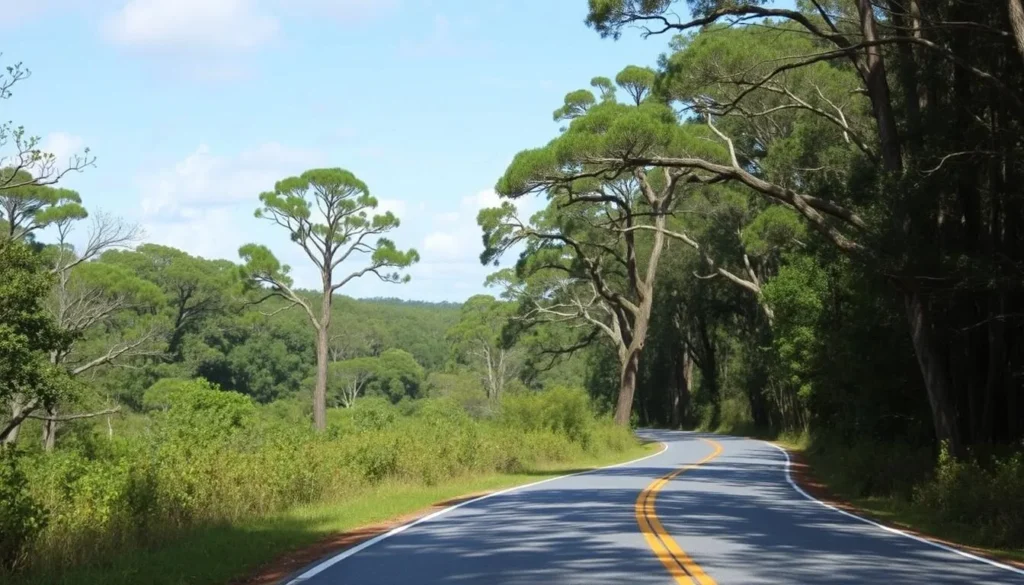
The Timucuan Preserve is spread across multiple sites in Jacksonville, making a car essential for exploring the area thoroughly. The main sites are separated by several kilometers, and public transportation options are limited.
By Car
The most convenient way to explore the preserve. All major sites have parking facilities, though some have limited spaces. Navigation apps work well in most areas.
By Boat
Many areas of the preserve are accessible by water. Public boat ramps are available at Cedar Point and several nearby locations. The Mayport Ferry connects the north and south sections of the preserve.
✓ Check 30,000+ Local Sightseeing Tours Worldwide
By Bicycle
Some trails within the preserve are bicycle-friendly, particularly at the Theodore Roosevelt Area and along the Timucuan Trail on Big Talbot Island. Bike rentals are available in Jacksonville.
Where to Stay
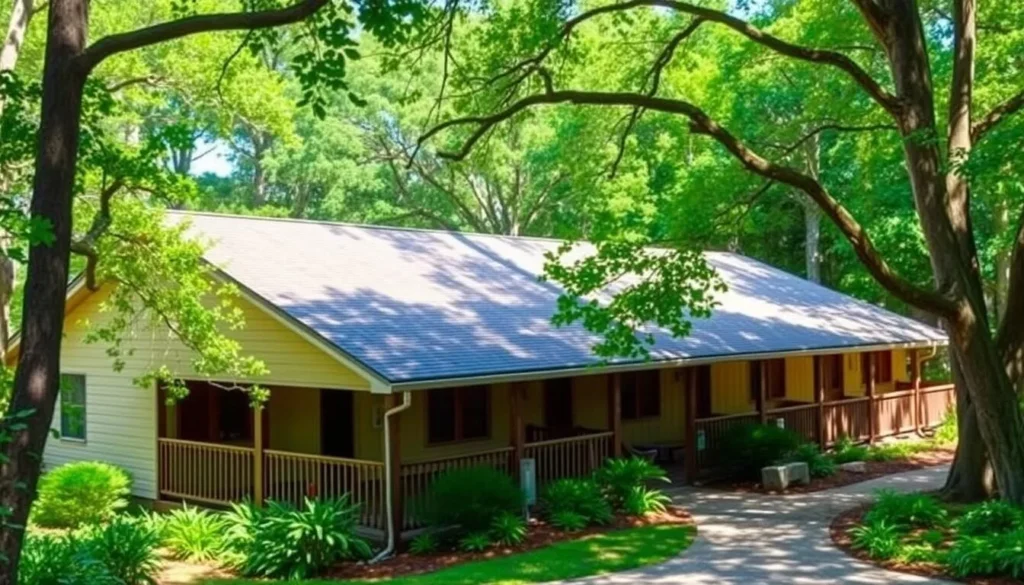
While there are no accommodations within the preserve itself, numerous options are available in nearby Jacksonville and the surrounding areas. Here are some recommended places to stay based on your preferences and budget:
Luxury Options
For upscale accommodations, consider the Omni Amelia Island Resort or the Ritz-Carlton in Amelia Island, both within 30 minutes of the preserve’s northern sections. These resorts offer ocean views, spa facilities, and fine dining.
Mid-Range Hotels
Several quality hotels are located in Jacksonville’s Arlington area, just 10-15 minutes from Fort Caroline. These include Hampton Inn, Courtyard by Marriott, and Holiday Inn Express, offering comfortable rooms and standard amenities.
Budget-Friendly
For travelers on a budget, consider the Quality Inn or Days Inn properties in Jacksonville. Alternatively, vacation rentals in the Atlantic Beach area often provide good value and kitchen facilities.
For a unique experience, consider camping at nearby Little Talbot Island State Park or Huguenot Memorial Park, both offering beautiful beachfront campsites within a short drive of the preserve.
Dining & Local Cuisine
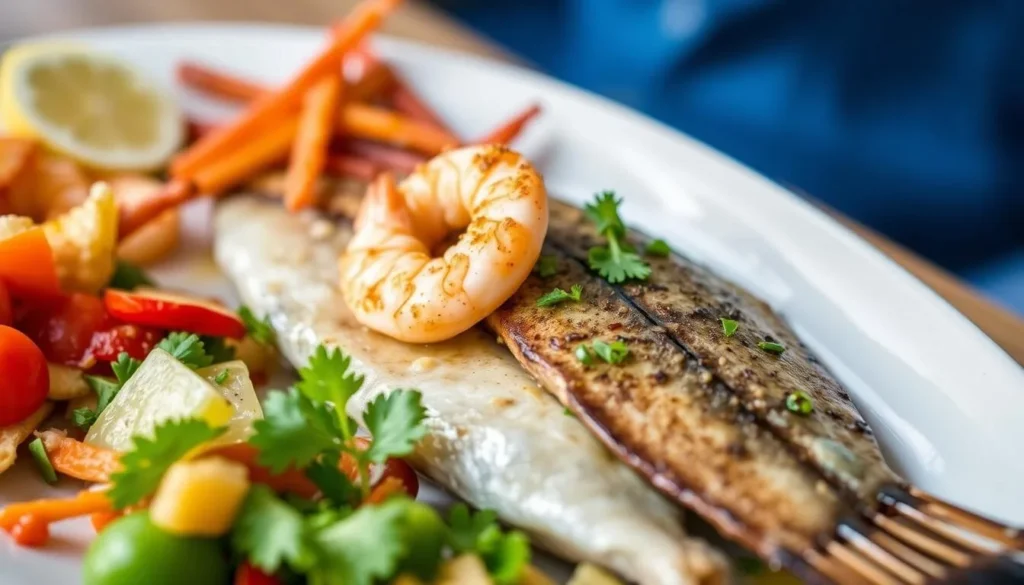
The Jacksonville area offers diverse dining options, with seafood being a local specialty. While there are no restaurants within the preserve itself, you’ll find excellent options within a short drive of the main sites.
Seafood Specialties
Don’t miss the chance to try fresh local catches like shrimp, flounder, and blue crab. Restaurants in Mayport and along the coast specialize in these delicacies, often with Southern-inspired preparations.
Singleton’s Seafood Shack in Mayport offers authentic, no-frills seafood with views of the St. Johns River.
Family-Friendly Options
Several family restaurants are located in the Atlantic Boulevard corridor, offering diverse menus that cater to all tastes and dietary needs.
Metro Diner and Maple Street Biscuit Company are local favorites for hearty breakfasts before a day of exploring.
Picnic Supplies
For those who prefer to picnic in the preserve, several grocery stores and delis are located along Atlantic Boulevard and in the Arlington area.
Native Sun Natural Foods Market offers organic options for health-conscious visitors planning a picnic.
Remember that the preserve has designated picnic areas at Fort Caroline and the Theodore Roosevelt Area, but facilities are limited, so bring water and pack out all trash.
Attractions, Sightseeing & Activities
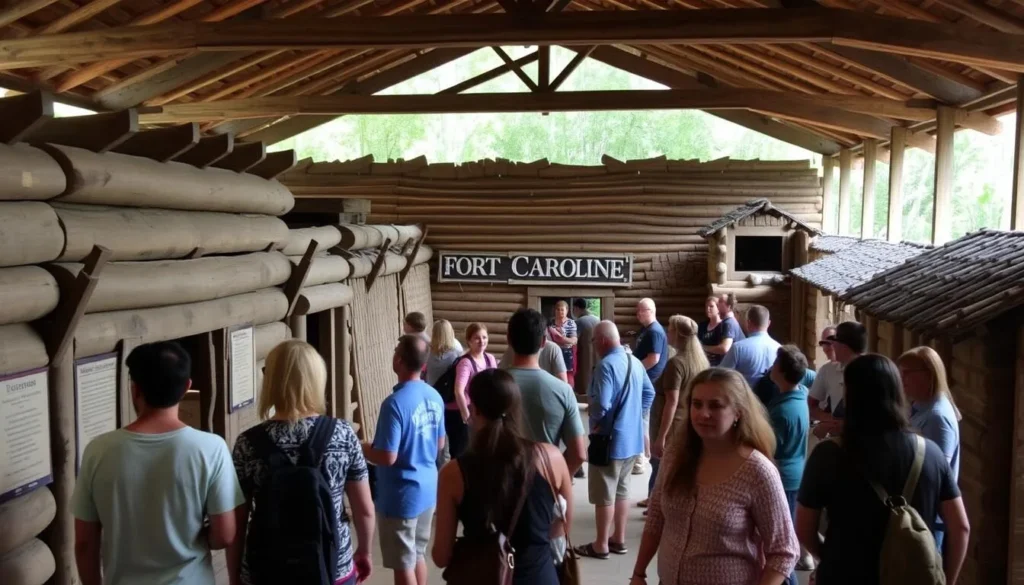
Timucuan Ecological and Historic Preserve offers a fascinating blend of natural and cultural attractions. Here are the must-see sites within this expansive preserve:
Fort Caroline National Memorial
This reconstructed French fort commemorates the 16th-century attempt by France to establish a permanent colony in Florida. The visitor center features exhibits on the Timucua Indians and early European contact.
Don’t miss the nature trail that leads to a panoramic view of the St. Johns River, giving perspective on why this location was strategically important.
Kingsley Plantation
Florida’s oldest standing plantation house (built in 1798) offers a window into the complex history of plantation life. The site includes the main house, kitchen house, barn, and one of the most complete collections of tabby slave cabins in the United States.
Ranger-led tours provide insights into the lives of all plantation residents, including Anna Kingsley, an enslaved woman who later became a plantation owner herself.
Theodore Roosevelt Area
This 600-acre natural area features hiking trails through maritime hammocks and salt marshes. The Willie Browne Trail leads to ancient shell middens left by pre-Columbian and Timucua Indians over thousands of years.
The observation platform overlooking Round Marsh offers excellent wildlife viewing opportunities, especially for birds and occasionally alligators.
Other notable sites include the Ribault Monument, commemorating the 1562 landing of French explorers; Cedar Point, offering fishing and boating access; and American Beach on Amelia Island, one of the few beaches established for African Americans during segregation.
Museums, Cultural Spots & Festivals
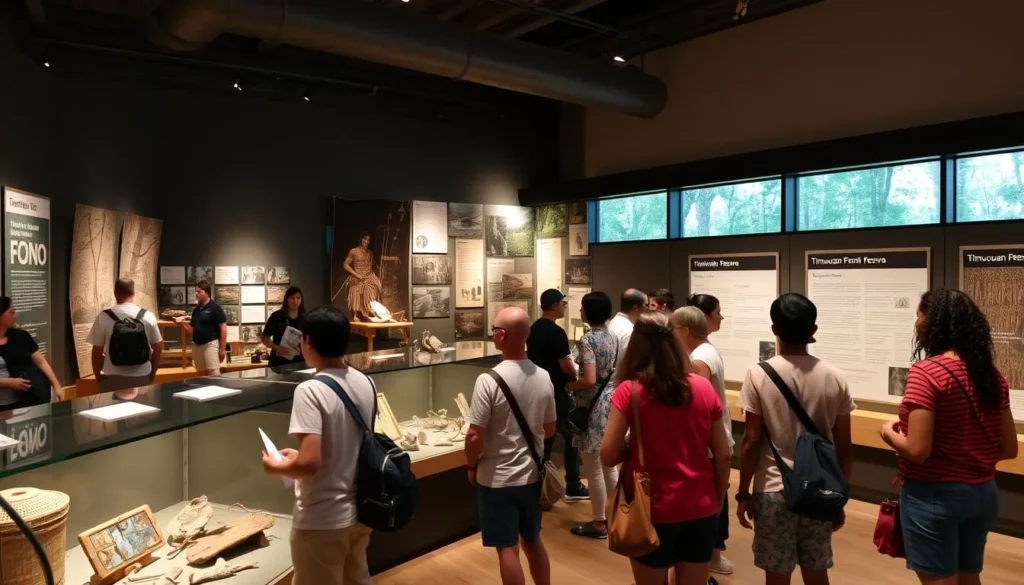
Beyond the natural landscapes, Timucuan Preserve offers rich cultural experiences that highlight the area’s diverse heritage:
Timucuan Preserve Visitor Center
Located at Fort Caroline, this center houses exhibits on Timucuan Indian culture, French colonization attempts, and the natural history of the region. Interactive displays and artifacts provide context for exploring the preserve.
The center also offers educational films and ranger-led programs throughout the year.
Kingsley Plantation Heritage Center
This interpretive center explores the complex history of plantation life, slavery, and the unique story of Anna and Zephaniah Kingsley. Exhibits examine the task system of slavery used at coastal plantations and the cultural influences of African traditions.
Archaeological findings from the site provide insights into the daily lives of enslaved people.
Ribault Club
This restored 1920s-era golf club on Fort George Island now serves as a cultural center with exhibits on the natural and cultural history of the island. The building itself represents the area’s development as a resort destination in the early 20th century.
The club hosts special events and temporary exhibits throughout the year.
Annual Events
- Fort Caroline Anniversary – Commemorates the founding of Fort Caroline with living history demonstrations, typically held in June
- Kingsley Heritage Celebration – Celebrates the plantation’s diverse cultural heritage with music, crafts, and presentations in October
- Earth Day at the Preserve – Educational activities and conservation programs in April
- Winter Bird Count – Citizen science opportunity for bird enthusiasts in December
For a deeper cultural experience, consider visiting the nearby Ritz Theatre and Museum in Jacksonville, which celebrates African American heritage, or the Beaches Museum, which explores the history of Jacksonville’s coastal communities.
Sports, Nature & Outdoor Experiences
The diverse ecosystems of Timucuan Preserve offer numerous opportunities for outdoor recreation and wildlife observation:
Water Activities
The extensive waterways of the preserve are perfect for kayaking and canoeing. Paddlers can explore salt marshes, tidal creeks, and the St. Johns River, often spotting dolphins, manatees, and numerous bird species.
✓ Check 30,000+ Local Sightseeing Tours Worldwide
Kayak rentals and guided tours are available from outfitters in Jacksonville and Amelia Island. Popular paddling routes include the Fort George River and Simpson Creek.
Hiking
Several trails wind through the preserve’s diverse habitats. The Theodore Roosevelt Area offers the most extensive network, including the Willie Browne Trail (2.5 km/1.5 miles) and Spanish Pond Trail (1 km/0.6 miles).
The Fort Caroline Nature Trail (1.3 km/0.8 miles) provides interpretive signs about local flora and fauna along with historical context.
Fishing
The preserve’s waters are rich in fish species, including redfish, speckled trout, and flounder. Popular fishing spots include Cedar Point and the banks of the St. Johns River near Fort Caroline.
A Florida fishing license is required, and specific regulations apply to different areas within the preserve.
Wildlife Viewing
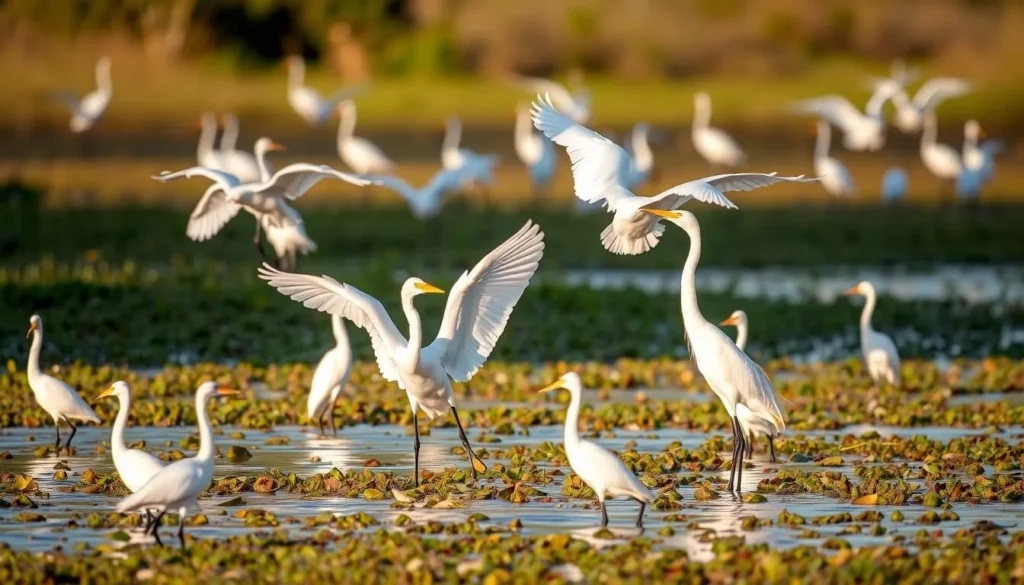
The preserve is a paradise for wildlife enthusiasts, particularly birdwatchers. Over 200 bird species have been documented, including wood storks, roseate spoonbills, and bald eagles. The best viewing spots include:
- Round Marsh observation platform in the Theodore Roosevelt Area
- Cedar Point’s shoreline and marsh views
- Kingsley Plantation’s waterfront
- Fort George Island’s maritime forest trails
Other wildlife commonly seen includes river otters, marsh rabbits, and various reptiles. Alligators are present in freshwater areas, so maintain a safe distance and never feed wildlife.
Safety, Etiquette & Local Customs
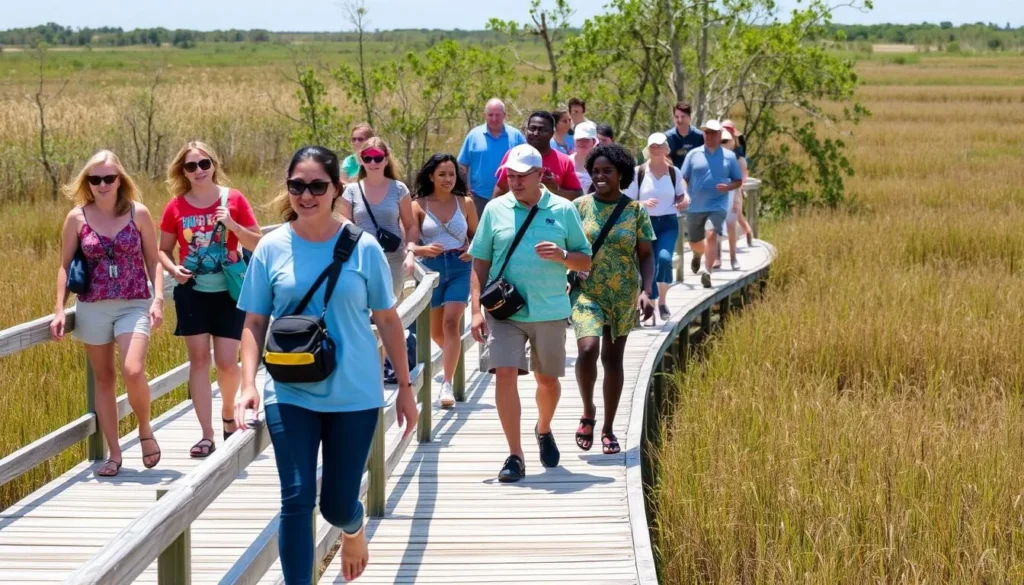
To ensure a safe and respectful visit to Timucuan Ecological and Historic Preserve, keep these guidelines in mind:
Safety Tips
- Bring plenty of water, especially during warmer months
- Use insect repellent to protect against mosquitoes and ticks
- Wear sunscreen, a hat, and light, breathable clothing
- Stay on designated trails and boardwalks
- Be aware of tide schedules if kayaking or boating
- Keep a safe distance from wildlife, especially alligators
Preserve Etiquette
- Leave no trace – pack out all trash
- Do not remove plants, animals, or artifacts
- Speak quietly to avoid disturbing wildlife and other visitors
- Keep pets leashed at all times (where permitted)
- Respect closed areas and private property within the preserve
- Follow all posted regulations at individual sites
Cultural Sensitivity: Many sites within the preserve have deep cultural significance to Native American tribes and African American communities. Show respect when visiting places like shell middens, slave cabins, and ceremonial sites. Photography is generally permitted, but be mindful at sensitive historical locations.
Visitor centers are staffed by knowledgeable rangers who can provide the most current safety information and answer questions about cultural protocols. Most facilities are open from 9:00 AM to 5:00 PM, but hours may vary seasonally.
Visitor Comments About Timucuan Ecological and Historic Preserve
“The Kingsley Plantation tour was incredibly moving. Our ranger guide provided such detailed context about the lives of everyone who lived there – both the plantation owners and the enslaved people. The tabby cabins are unlike anything I’ve seen elsewhere. Don’t miss this if you’re interested in American history.”
“We rented kayaks and explored the waterways around Cedar Point. Saw dolphins, numerous birds, and even a manatee! The salt marshes are so peaceful and pristine. It’s hard to believe you’re still within Jacksonville city limits. A perfect escape from the usual tourist spots.”
“The Theodore Roosevelt Area was our favorite spot. The hiking trails through the maritime forest were well-maintained and the views from the observation platform were spectacular. We visited in October and the weather was perfect – not too hot and very few insects. Bring binoculars for bird watching!”
Practical Travel Tips
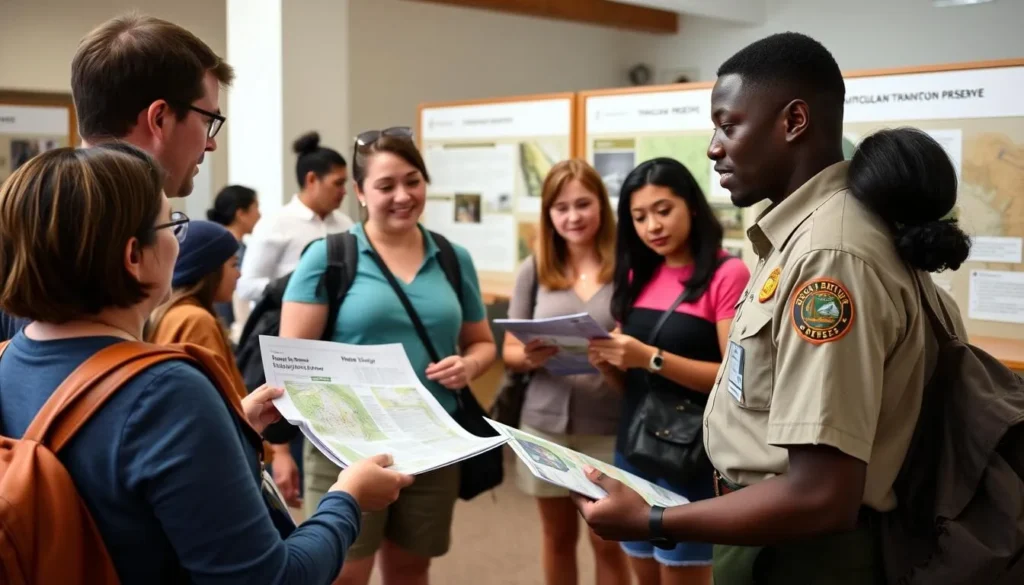
Visitor Centers
Start your visit at one of the preserve’s visitor centers for orientation and current information:
- Fort Caroline Visitor Center: Open 9 AM to 5 PM, Wednesday-Sunday
- Kingsley Plantation: Open 9 AM to 5 PM daily
- Ribault Club: Open 9 AM to 5 PM, Wednesday-Sunday
All sites are closed on Thanksgiving, Christmas, and New Year’s Day.
Accessibility
Several sites offer accessible facilities:
- Fort Caroline Visitor Center and portions of the fort exhibit
- Kingsley Plantation’s first floor and grounds
- Ribault Column viewing area
- Cedar Point has accessible fishing areas
Contact the visitor center for the most current accessibility information.
What to Bring
Essential items for a comfortable visit:
- Refillable water bottle
- Insect repellent (especially in warmer months)
- Sunscreen and hat
- Binoculars for wildlife viewing
- Camera
- Comfortable walking shoes
Entrance Fees: Most sites within Timucuan Ecological and Historic Preserve are free to visit, including Fort Caroline, Kingsley Plantation, and the Theodore Roosevelt Area. Some adjacent state parks, such as Little Talbot Island State Park, do charge entrance fees (typically $4-6 per vehicle).
For visitors arriving by cruise ship to Jacksonville, the preserve makes an excellent day trip. The Mayport cruise terminal is very close to several preserve sites, including Kingsley Plantation and Fort Caroline.
Your Timucuan Adventure Awaits
Timucuan Ecological and Historic Preserve offers a rare combination of pristine natural landscapes and fascinating historical sites that tell the story of Florida’s complex past. From paddling through serene salt marshes to walking in the footsteps of French colonists and enslaved Africans, the preserve provides experiences that connect visitors to both nature and history in meaningful ways.
Whether you’re a history buff, nature enthusiast, or simply seeking a peaceful escape from urban life, this hidden gem within Jacksonville’s city limits deserves a place on your Florida itinerary. The preserve’s diverse sites can be explored over several days or sampled in a well-planned day trip, making it a flexible addition to any travel schedule.
As you plan your visit, remember that each season offers different highlights – from spring wildflowers to fall bird migrations – ensuring that Timucuan Preserve remains a destination worth returning to again and again.
Related Posts
Yulee Sugar Mill Ruins Historic State Park, Florida: Best Things to Do – Top Picks
Yellow River Marsh Preserve State Park, Florida: Best Things to Do – Top Picks
Windley Key Fossil Reef Geological State Park, Florida: Best Things to Do – Top Picks
Yellow Bluff Fort Historic State Park, Florida: Best Things to Do – Top Picks
Ybor City Museum State Park, Florida: Best Things to Do – Top Picks
Windley Key, Florida: Best Things to Do – Top Picks
Coming Soon: Clickable Maps