

Did you know Torreya State Park is home to one of the rarest trees in the world? The Florida torreya, found only in this specific region along the Apalachicola River, is so endangered that there are believed to be fewer than 1,000 mature trees left in the wild. This 13,735-acre natural wonder offers visitors a glimpse into a unique ecosystem that feels more like North Carolina than Florida, with its high bluffs, deep ravines, and stunning river views.
Getting There & Planning Your Journey
Torreya State Park is located in Liberty County in Florida’s Panhandle region, about 13 miles north of Bristol. The park is accessible via NW Torreya Park Road, which dead-ends at the historic Gregory House.
The closest airports to Torreya State Park are:
- Northwest Florida Beaches International Airport (ECP) in Panama City – approximately 90 minutes away
- Tallahassee International Airport (TLH) – approximately 60 minutes away
From western cities like Tallahassee, take Interstate 10 east for about 40 minutes. Use the exit for Bristol to get on SR 12 south to NW Torreya Park Road, and follow it to the end. From eastern cities like Panama City, take Highway 231 to Highway 20 East. Turn on SR 12 in Bristol to NW Torreya Park Road.
Best Time to Visit Torreya State Park

Unlike most Florida destinations, Torreya State Park experiences distinct seasons, making timing your visit important for the best experience.
Recommended Seasons
- Fall (October-November): The best time to visit for stunning foliage as sweetgums, maples, and hickories display vibrant autumn colors
- Spring (March-May): Ideal for wildflower viewing and moderate temperatures
- Winter (December-February): Less humid with cooler temperatures, perfect for hiking and camping
Seasons to Avoid
- Summer (June-August): Hot and humid conditions make hiking challenging, with temperatures often exceeding 32°C (90°F)
- Hurricane Season (June-November): Be aware that the park may close during severe weather events
The park hosts special events throughout the year, including the spring Candlelight Tour at the Gregory House, where visitors can experience demonstrations by artisans, botanists, and historians showcasing the park’s unique heritage.
Getting Around Locally
Once you arrive at Torreya State Park, you’ll need transportation to explore the surrounding area:
- A personal vehicle is essential for accessing the park and exploring nearby towns
- There is no public transportation to or within the park
- The park’s main road is paved and accessible for most vehicles
- Parking is available at the Gregory House, picnic areas, and trailheads
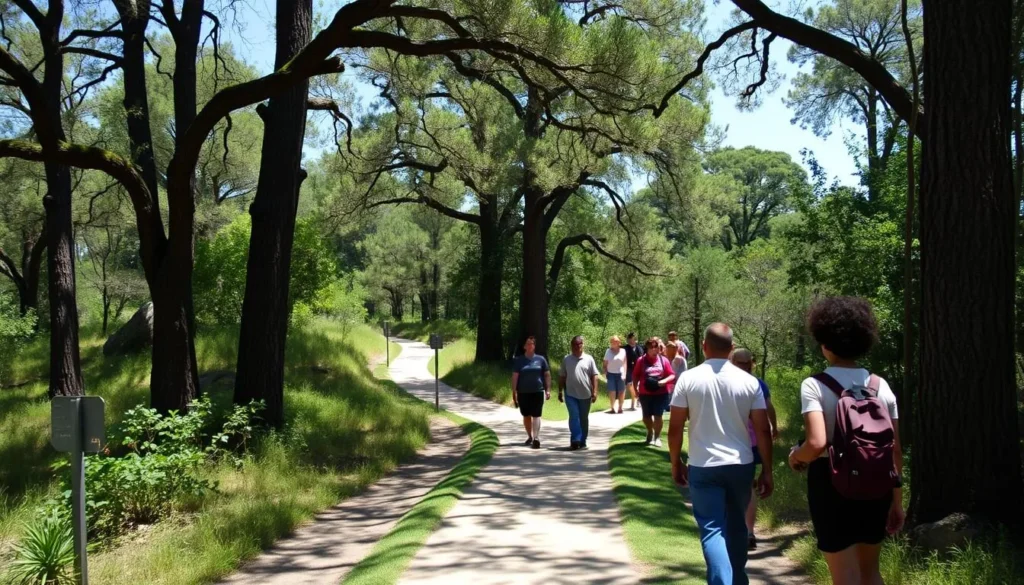
Within the park itself, all exploration is done on foot via the extensive trail system. The trails range from easy to challenging, so proper footwear and water are essential, especially when tackling the park’s unique hilly terrain.
Where to Stay

Torreya State Park offers several accommodation options for visitors who want to immerse themselves in nature:
Weeping Ridge Campground
The park’s main campground features 30 sites with electricity and water hookups. Each site includes a fire ring, grill, and picnic table. Modern restrooms with hot showers are available.
Price: $16-20 per night
Yurt Accommodation
For a unique experience, stay in the park’s yurt which accommodates up to five people. It includes air-conditioning, heating, a skylight for stargazing, and a deck with forest views.
Price: $40-50 per night
Cracker Cabin
This rustic cabin sleeps up to six people with a queen bed and four bunk beds. It offers air-conditioning, heating, and basic furnishings for a comfortable stay.
Price: $50-60 per night
Remember to bring your own linens, pillows, and towels as these are not provided in the yurt or cabin. Reservations can be made up to 11 months in advance through the Florida State Parks reservation system.
If you prefer more conventional accommodations, the nearby towns of Bristol and Blountstown offer several motels and bed & breakfasts within a 20-30 minute drive of the park.
Dining & Local Cuisine
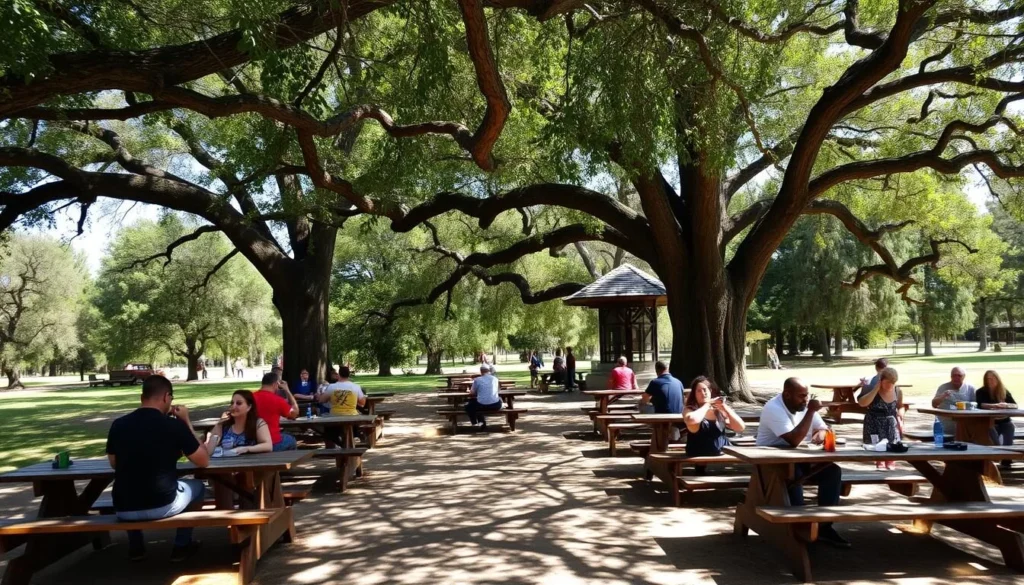
There are no restaurants within Torreya State Park, so visitors should plan accordingly:
Dining Options
- Picnic Areas: The park has several picnic areas with tables and grills perfect for outdoor meals
- Bristol: The nearest town (about 20 minutes away) offers small local restaurants and convenience stores
- Blountstown: A slightly larger town with more dining options about 30 minutes from the park
- Tallahassee: For more diverse dining options, the state capital is about an hour’s drive
Local Specialties
While exploring the area around Torreya State Park, be sure to try some regional specialties:
- Fresh seafood from the nearby Gulf of Mexico
- Southern barbecue and comfort food
- Locally harvested Tupelo honey from the Apalachicola River basin
- Boiled peanuts, a popular roadside snack in the Florida Panhandle
Visitor Tip: If you’re camping or staying in the park’s accommodations, stock up on groceries and supplies in Bristol before arriving, as there are no stores within the park.
Attractions, Sightseeing & Activities

Torreya State Park offers a variety of attractions and activities that showcase its unique natural and historical features:
Gregory House
This historic plantation home was originally built in 1849 at Ocheesee Landing across the river. During the 1930s, the Civilian Conservation Corps carefully dismantled the house, moved it across the Apalachicola River by barge, and reconstructed it at its current location. Tours are offered daily at 10 a.m. on weekdays and at 10 a.m. and 2 p.m. on weekends and holidays.
Civil War Gun Emplacements
History buffs will appreciate the preserved Confederate gun battery located on the bluffs above the Apalachicola River. These emplacements were constructed to prevent Union gunboats from traveling upriver but were never used in combat.

Scenic River Overlooks
Several viewpoints throughout the park offer breathtaking vistas of the Apalachicola River from bluffs that rise 46 m (150 ft) above the water. These spots provide excellent photography opportunities, especially during the golden hours of sunrise and sunset.
Sports, Nature & Outdoor Experiences

Known as the “Mountains of Florida,” Torreya State Park offers some of the most unique outdoor experiences in the state:
Hiking Trails
The park features 16 miles of challenging hiking trails through varied terrain:
- Weeping Ridge Trail: A 1.6 km (1 mile) round-trip trail leading to a small 7.6 m (25 ft) waterfall
- Rock Creek Loop: A challenging 11.3 km (7 mile) trail traversing ravines, creeks, and subtropical forest
- Torreya Challenge Loop: An aptly named 11.3 km (7 mile) trail with steep inclines and the most challenging terrain in the park

Wildlife Viewing
The park’s diverse ecosystems support abundant wildlife:
- Over 100 bird species, including brown-headed nuthatches, yellow-throated vireos, and bald eagles
- Mammals such as white-tailed deer, foxes, bobcats, and occasionally black bears
- Rare reptiles including the Barbour’s map turtle, found only in this region
- The endangered mourning cloak butterfly, visible in early spring
River Activities
While there’s no direct boat access within the park, the nearby Apalachicola River offers opportunities for:
- Kayaking and canoeing (access points are available nearby)
- Fishing for bass, bream, and catfish (Florida fishing license required)
- Wildlife spotting along the river’s edge
Museums, Cultural Spots & Festivals
While Torreya State Park is primarily known for its natural features, it offers several cultural and historical experiences:
Gregory House Museum
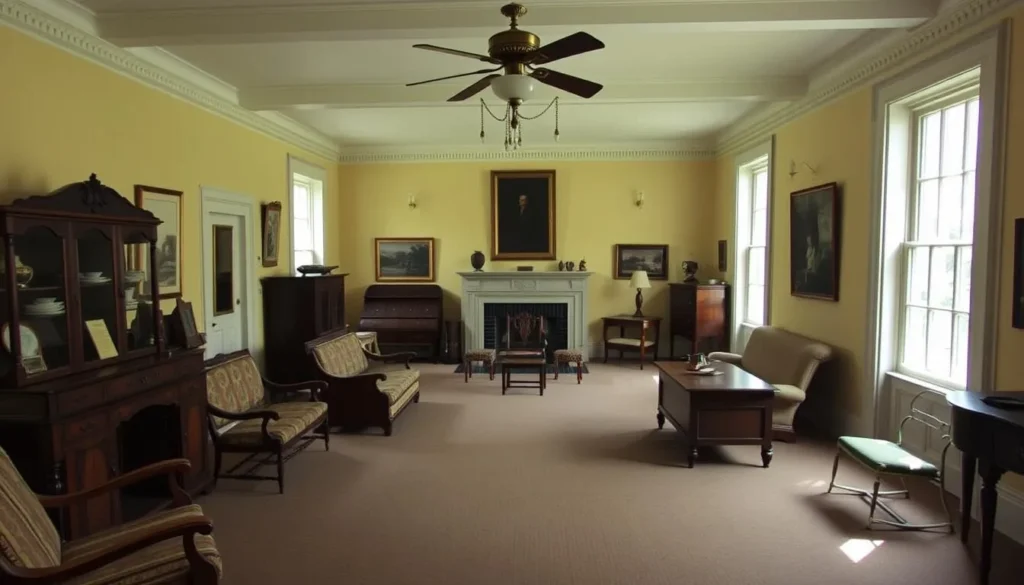
The restored plantation house serves as a museum showcasing 19th-century life in rural Florida. Period furniture and artifacts provide insight into the area’s history. Guided tours offer fascinating stories about the Gregory family and life during the plantation era.
Annual Events
- Spring Candlelight Tour: Experience the Gregory House by candlelight with living history demonstrations
- Wildflower Walks: Guided tours focusing on the park’s rare plant species during peak blooming seasons
- Star Gazing Events: Occasional astronomy nights taking advantage of the park’s minimal light pollution
Nearby Cultural Attractions
Within an hour’s drive of the park, visitors can explore:
- Apalachicola National Forest – Florida’s largest national forest
- Florida State University’s Coastal & Marine Laboratory
- Mission San Luis in Tallahassee – a reconstructed Spanish mission
- Museum of Florida History in Tallahassee
Safety, Etiquette & Local Customs
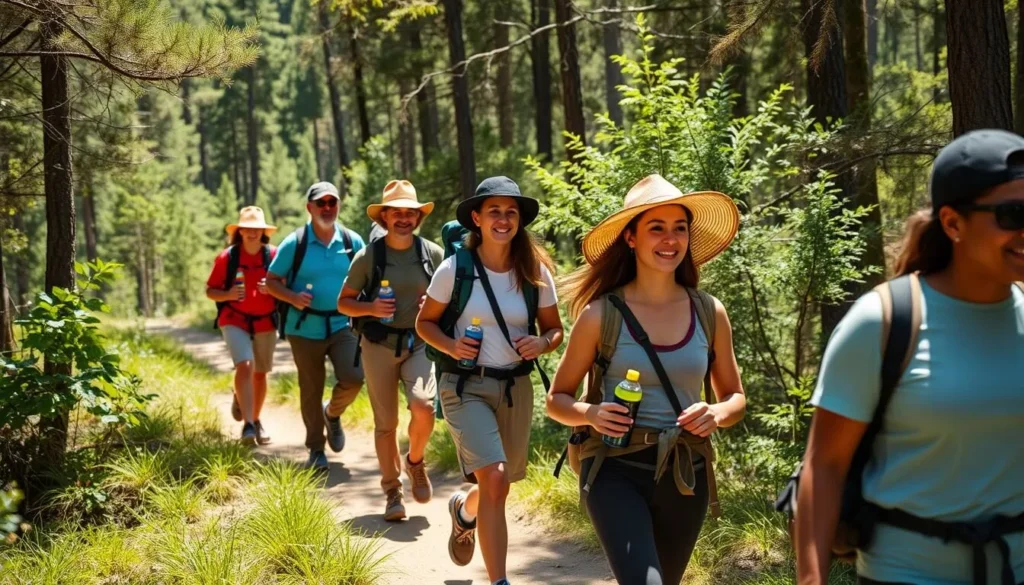
Staying safe while enjoying Torreya State Park requires some preparation and awareness:
Safety Considerations
- Wildlife: The park is home to potentially hazardous wildlife including alligators, venomous snakes (copperheads, cottonmouths, rattlesnakes), and ticks
- Terrain: The steep ravines and bluffs present fall hazards, especially after rain when trails can be slippery
- Weather: Florida’s rapidly changing weather can bring sudden thunderstorms, especially in summer
- Cell Service: Mobile phone coverage is limited within the park, particularly in ravines
Important: Always check weather forecasts before hiking, carry plenty of water, use insect repellent, and stay on marked trails. Let someone know your hiking plans if venturing on longer trails.
Park Etiquette
- Practice Leave No Trace principles – pack out all trash
- Stay on designated trails to protect rare plant species
- Keep pets leashed at all times (pets are not allowed in buildings)
- Observe quiet hours in camping areas from 10 p.m. to 6 a.m.
- Do not collect plants, animals, or artifacts within the park
Visitor Comments About Torreya State Park
“The hiking trails offer breathtaking views of the river that you won’t find anywhere else in Florida. The elevation changes make you forget you’re even in the Sunshine State!”
“We loved the historic Gregory House tour – such a unique piece of American history preserved perfectly. Our guide was incredibly knowledgeable about the home’s journey across the river.”
“Camping under the rare torreya trees was a once-in-a-lifetime experience for our family. The kids were amazed to learn about these endangered trees and the park’s efforts to protect them.”
Practical Travel Tips
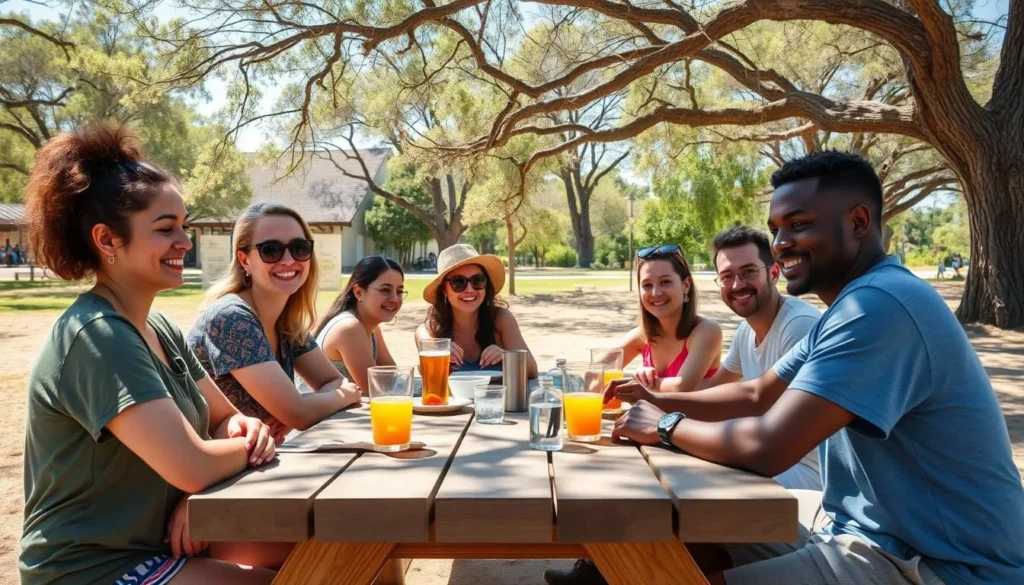
Make the most of your visit to Torreya State Park with these helpful tips:
- Park Fees: Entry is $3 per vehicle or free for Florida State Park pass holders
- Hours: The park is open from 8 a.m. until sunset, 365 days a year
- Supplies: Stock up on groceries, ice, and other supplies in Bristol before arriving at the park
- Water: Bring plenty of drinking water, especially for hiking in warmer months
- Footwear: Wear sturdy hiking boots or shoes with good traction for the challenging terrain
- Reservations: Book camping sites, yurt, or cabin accommodations well in advance, especially during peak seasons
- Photography: The best lighting for river views is in the early morning or late afternoon
- Accessibility: Most facilities are accessible, but trails are not suitable for wheelchairs due to steep terrain
Ranger Programs: Check at the park office for scheduled ranger-led programs that provide deeper insight into the park’s natural and cultural history.
Your Unforgettable Torreya Adventure Awaits
Torreya State Park offers a rare glimpse into a Florida that few visitors ever experience—a land of rolling hills, deep ravines, and rare botanical treasures. Whether you’re hiking along challenging trails, exploring the historic Gregory House, or simply enjoying the peaceful atmosphere of this unique ecosystem, you’ll find yourself transported to a place that feels worlds away from the Florida of beaches and theme parks.
As one of Florida’s original state parks, Torreya continues to preserve not just the critically endangered trees that bear its name, but also a slice of natural and cultural history that tells the story of this fascinating region. Pack your hiking boots, bring your sense of adventure, and prepare to discover one of Florida’s most remarkable hidden gems.
The above is subject to change.
Check back often to TRAVEL.COM for the latest travel tips and deals.


0 Comments