
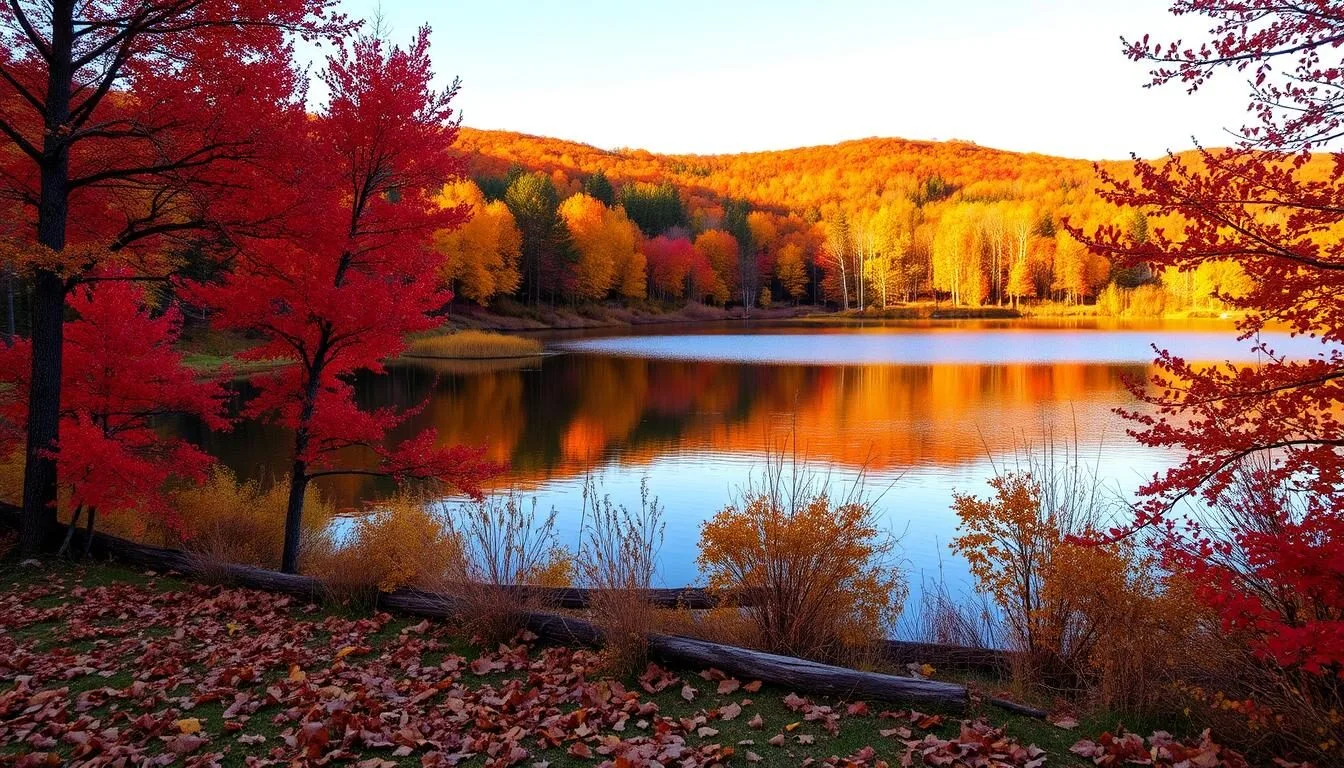
Did you know that Burning Star State Park in Illinois was once one of the largest surface coal mines in the United States, covering over 3,000 hectares (7,500 acres) before being reclaimed and transformed into a thriving wildlife habitat? Today, this hidden gem offers visitors a unique blend of rugged landscapes, diverse ecosystems, and outdoor recreation opportunities that showcase nature’s remarkable ability to heal and regenerate.
Getting to Burning Star State Park & Planning Your Journey
Burning Star State Park is located in southern Illinois, approximately 8 km (5 miles) east of De Soto and 24 km (15 miles) northeast of Carbondale. The park is easily accessible by car, making it a perfect destination for day trips or weekend getaways.
Closest Airports
The nearest commercial airports to Burning Star State Park are:
- Veterans Airport of Southern Illinois (Marion) – 40 km (25 miles)
- St. Louis Lambert International Airport – 160 km (100 miles)
- Nashville International Airport – 290 km (180 miles)
Driving Directions
From Carbondale: Take US-51 north for about 13 km (8 miles), then turn east onto De Soto Road. Continue for approximately 8 km (5 miles) until you reach the park entrance.
From St. Louis: Take I-64 east, then I-57 south toward Marion. Exit at IL-149 and head west toward De Soto. The park entrance will be on your right before reaching De Soto.
Best Time to Visit & Weather Tips
Burning Star State Park offers unique experiences throughout the year, with each season showcasing different natural wonders and wildlife viewing opportunities.
Spring (March-May)
Spring brings mild temperatures ranging from 10-21°C (50-70°F) and abundant wildlife activity. Waterfowl migrations peak in March and April, making it an excellent time for birdwatching. Wildflowers begin to bloom across the park’s meadows, creating colorful displays. Spring rains can make some trails muddy, so waterproof footwear is recommended.
Summer (June-August)
Summer temperatures typically range from 24-32°C (75-90°F) with higher humidity. This is the peak season for fishing as the park’s lakes are teeming with activity. Early mornings and evenings offer the most comfortable hiking conditions and better wildlife viewing opportunities. Remember to bring plenty of water, sun protection, and insect repellent.
Fall (September-November)
Fall is arguably the most scenic time to visit Burning Star State Park, with temperatures ranging from 10-24°C (50-75°F). The hardwood forests transform into a spectacular display of red, orange, and gold foliage, typically peaking in mid-October. Hunting seasons begin in fall, so be aware of designated hunting areas and wear bright colors when hiking.
Winter (December-February)
Winter brings temperatures between -4 to 7°C (25-45°F) with occasional snow. The park’s landscape takes on a serene quality, and wildlife viewing can be excellent as animals are more visible against the snow. Bald eagles are frequently spotted during winter months. Trails may be icy, so appropriate footwear is essential.
Getting Around Locally
Burning Star State Park covers a large area with diverse terrain, so understanding your transportation options is essential for making the most of your visit.
Park Roads and Parking
The park features several gravel roads that provide access to different areas, including fishing lakes, trailheads, and wildlife viewing spots. Parking is available at designated areas throughout the park. During peak seasons (summer weekends and fall color season), arrive early to secure parking at popular locations.
Trail System
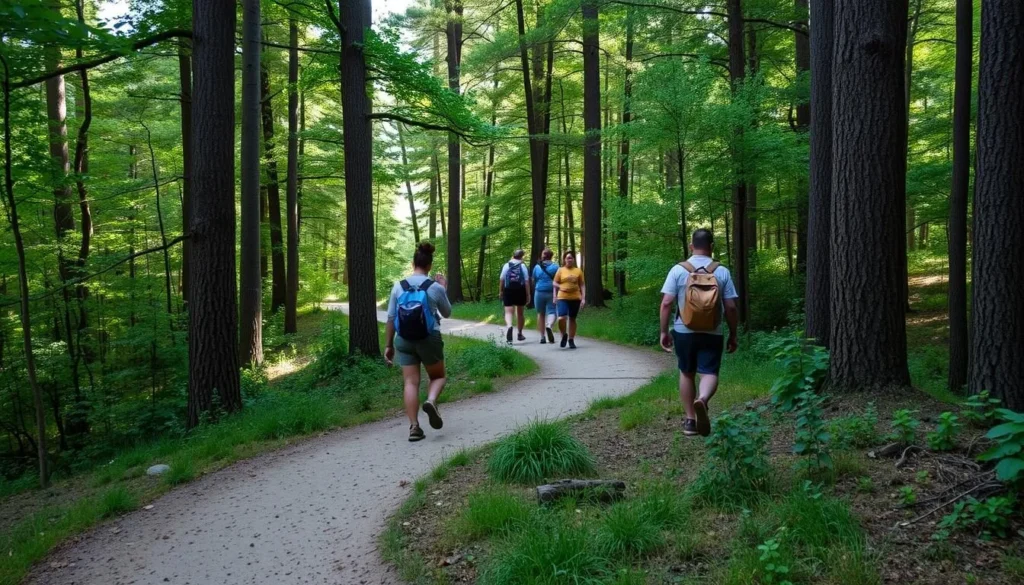
Burning Star State Park offers approximately 13 km (8 miles) of marked hiking trails that range from easy to moderate difficulty. Trail maps are available at the park office and main entrance. Some trails connect various fishing lakes, making it convenient to explore multiple areas on foot.
Accessibility
Several areas of the park are accessible to visitors with mobility challenges, including designated fishing spots with accessible piers and some shorter trails with improved surfaces. Contact the park office in advance for the most current accessibility information.
Where to Stay
While Burning Star State Park doesn’t offer on-site lodging, there are several accommodation options in the surrounding communities that provide convenient access to the park.
Nearby Hotels and Motels
The cities of Carbondale and Marion, both within 30 minutes of the park, offer a range of hotels and motels to suit various budgets. These locations provide a good base for exploring not only Burning Star State Park but also other attractions in southern Illinois.
Vacation Rentals
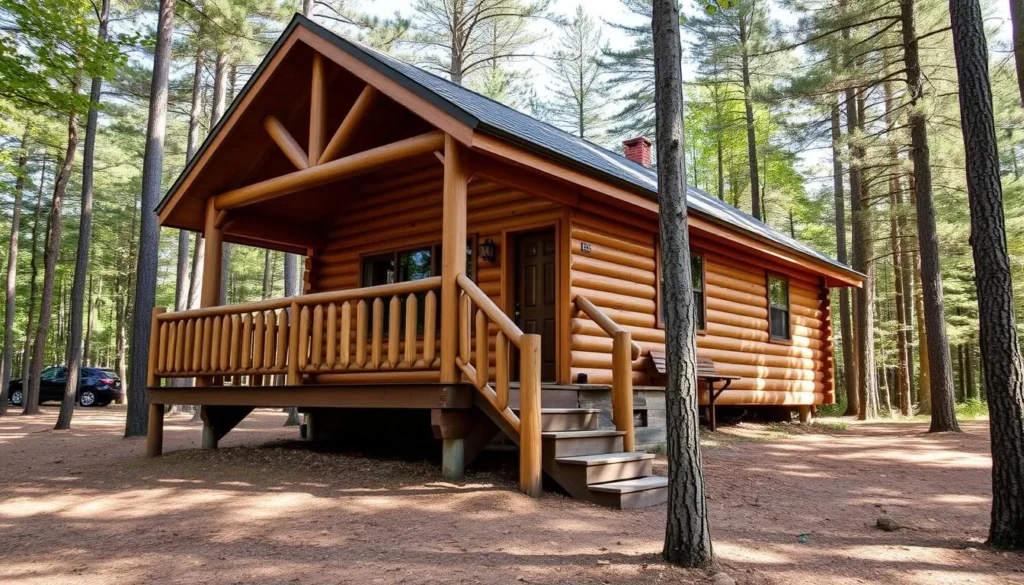
Several cabins, cottages, and vacation homes are available for rent in the rural areas surrounding the park. These options provide more privacy and often include full kitchens and outdoor spaces, perfect for families or groups.
Camping Options
While Burning Star State Park itself doesn’t have developed campgrounds, several nearby state parks and private campgrounds offer camping facilities:
- Pyramid State Recreation Area (20 km/12 miles) – Primitive camping
- Crab Orchard National Wildlife Refuge (25 km/15 miles) – Full-service campground
- Giant City State Park (30 km/19 miles) – Class A campground with electrical hookups
Dining & Local Cuisine
While Burning Star State Park doesn’t have dining facilities on-site, the surrounding communities offer a variety of dining options showcasing southern Illinois cuisine.
Local Specialties
Southern Illinois has a unique culinary heritage influenced by both Midwestern and Southern traditions. Local specialties to try include:
- Burgoo – A thick stew made with multiple meats and vegetables
- Fried catfish – Often served with hushpuppies and coleslaw
- Horseshoes – An open-faced sandwich topped with french fries and cheese sauce
- Persimmon pudding – A regional dessert made from native persimmons
Nearby Restaurants
The towns of De Soto, Carbondale, and Marion offer dining options ranging from casual diners to upscale restaurants. Carbondale, home to Southern Illinois University, has a particularly diverse food scene with international options alongside traditional American fare.
Picnicking in the Park
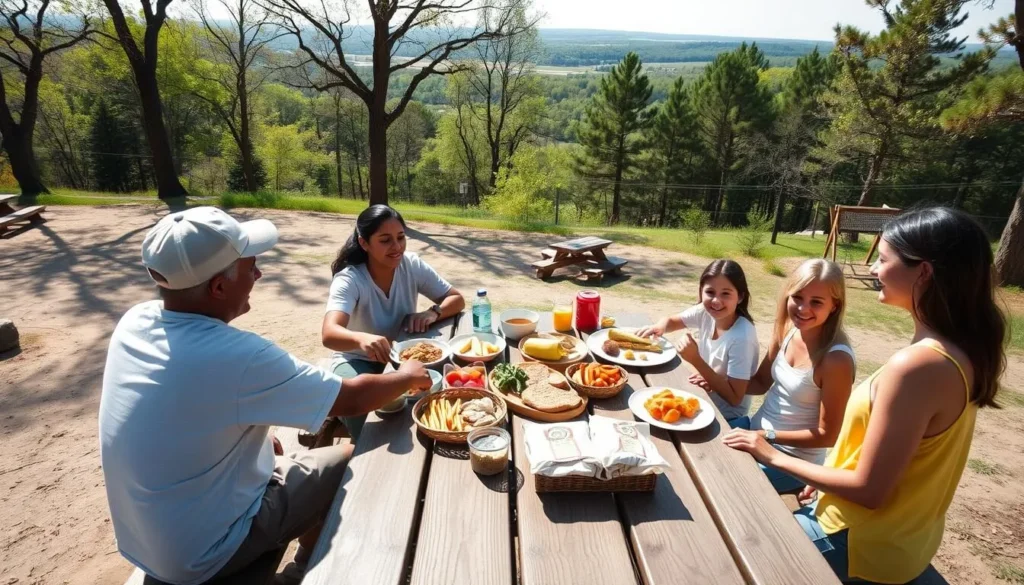
Burning Star State Park has several designated picnic areas with tables. Bringing your own food is a great option for day visitors. Remember to pack out all trash and follow Leave No Trace principles.
Attractions, Sightseeing & Activities at Burning Star State Park
Burning Star State Park offers a variety of outdoor activities and natural attractions that showcase the successful reclamation of former mining land.
Fishing
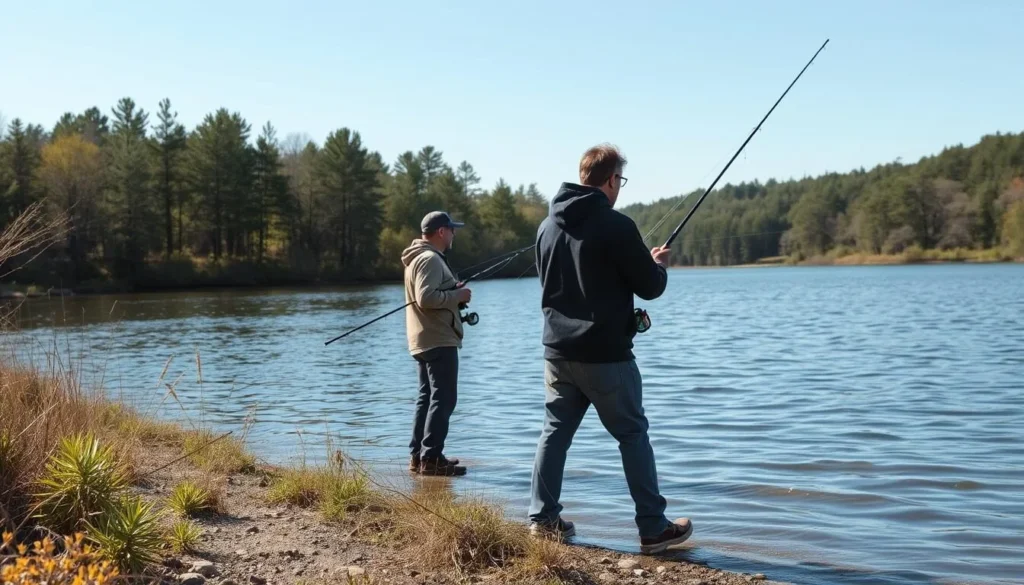
The park features over 20 lakes and ponds created from former mining pits, making it a premier fishing destination in southern Illinois. These waters are stocked with largemouth bass, bluegill, crappie, and catfish. A valid Illinois fishing license is required.
Hiking
Explore the park’s diverse ecosystems on its network of trails that wind through forests, grasslands, and around lakes. The terrain varies from easy, flat paths to more challenging routes with moderate elevation changes. The Lakeside Trail (3.2 km/2 miles) offers spectacular views of the park’s largest lake and abundant wildlife viewing opportunities.
Wildlife Viewing
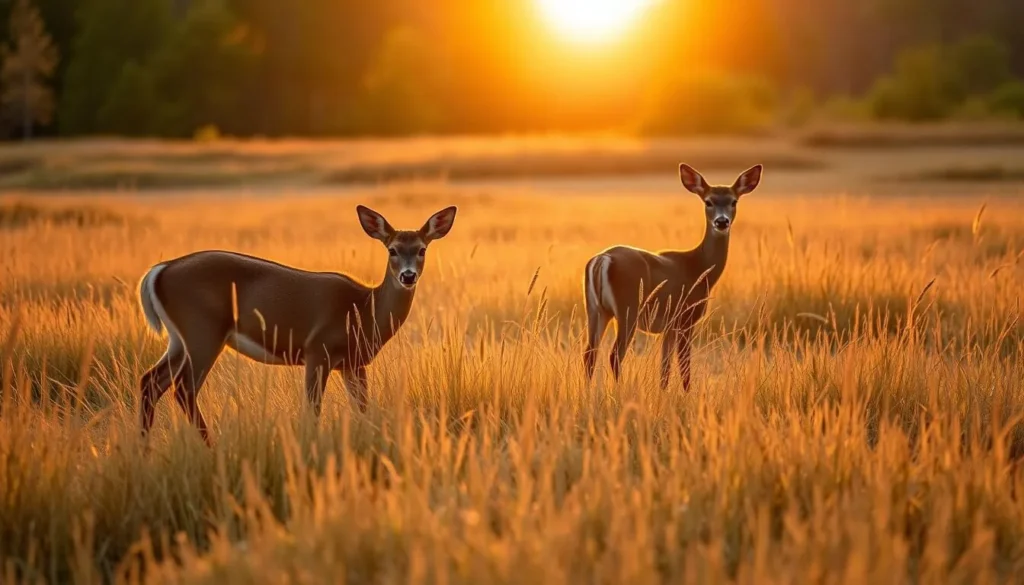
Burning Star State Park is home to an impressive variety of wildlife. The park’s diverse habitats support white-tailed deer, wild turkey, beaver, river otters, and over 100 bird species. Dawn and dusk offer the best wildlife viewing opportunities. Bring binoculars for optimal viewing.
Museums, Cultural Spots & Festivals
While Burning Star State Park itself focuses on natural attractions, the surrounding region offers rich cultural experiences that complement your outdoor adventures.
Mining Heritage
The park’s history as a former coal mine is an important part of southern Illinois’ cultural heritage. Interpretive signs throughout the park explain the mining history and reclamation process. For a deeper dive into the region’s mining past, visit the Coal Mining Museum in West Frankfort (30 km/19 miles from the park).
Nearby Cultural Attractions
Southern Illinois University in Carbondale hosts the University Museum with exhibits on natural history, anthropology, and art. The region is also part of the Shawnee Hills Wine Trail, featuring 11 wineries set among beautiful landscapes, many offering tours and tastings.
Annual Events
Several annual events celebrate the natural and cultural heritage of the region:
- Southern Illinois Earth Day Festival (April) – Environmental education and activities
- Carbondale Farmers Market (Year-round) – Local produce and crafts
- Southern Illinois Hunting & Fishing Days (September) – One of the largest outdoor recreation events in the state
- Shawnee Hills Wine Festival (August) – Celebrating local wineries and cuisine
Sports, Nature & Outdoor Experiences
Beyond the primary activities, Burning Star State Park offers several specialized outdoor experiences for enthusiasts.
Hunting
The park is a designated wildlife management area that permits seasonal hunting for deer, turkey, dove, and waterfowl. All hunting requires proper Illinois permits and adherence to specific regulations and designated hunting zones. Check with the Illinois Department of Natural Resources for current seasons and requirements.
Photography
The diverse landscapes and abundant wildlife make Burning Star State Park a paradise for nature photographers. The juxtaposition of reclaimed mining land with thriving ecosystems creates unique compositional opportunities. The golden hours of early morning and late afternoon provide the best lighting conditions.

Birdwatching
With over 100 species of birds recorded, Burning Star State Park is a premier destination for birdwatchers. The varied habitats attract everything from waterfowl to raptors to songbirds. Notable species include bald eagles (winter), great blue herons, eastern bluebirds, and various migratory warblers during spring and fall.
Boating
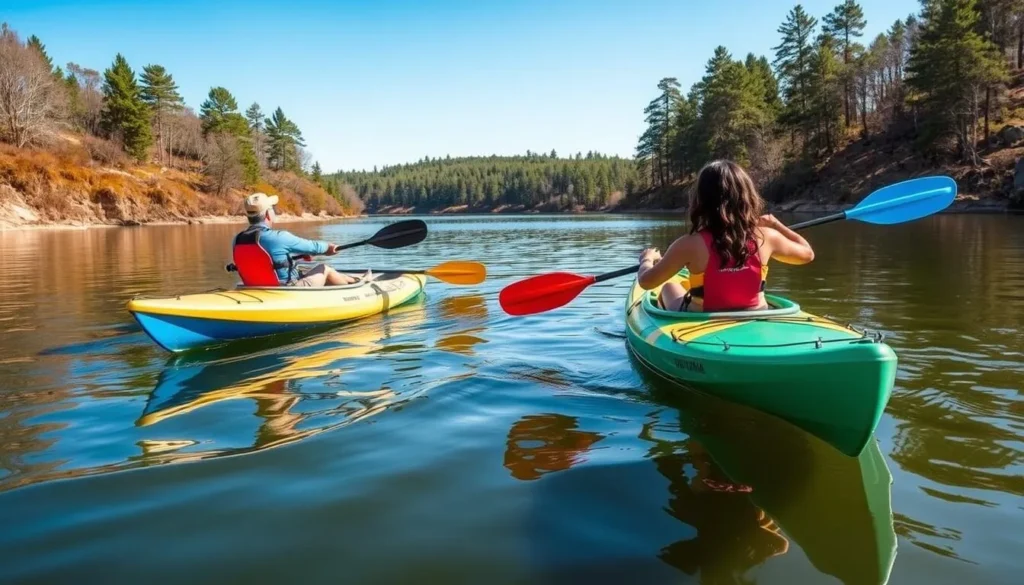
Several of the park’s larger lakes permit non-motorized boats and electric motors only. Canoes and kayaks are ideal for exploring the quiet coves and observing wildlife. There are designated boat launches at the main lakes.
Safety, Etiquette & Local Customs
Ensuring a safe and respectful visit to Burning Star State Park enhances the experience for everyone.
Safety Considerations
- Weather Awareness: Southern Illinois weather can change rapidly. Check forecasts before visiting and be prepared for sudden changes.
- Wildlife Safety: Observe wildlife from a distance. The park is home to venomous snakes, including copperheads. Stay on trails and be aware of your surroundings.
- Water Safety: Lakes in the park are former mining pits and can have steep drop-offs. Swimming is not permitted due to safety concerns.
- Hunting Seasons: During hunting seasons, wear bright orange clothing when hiking in areas open to hunting.
Park Etiquette
- Leave No Trace: Pack out all trash and leave natural objects where you find them.
- Stay on Designated Trails: This protects sensitive habitats and prevents erosion.
- Quiet Hours: Maintain reasonable noise levels to avoid disturbing wildlife and other visitors.
- Fishing Ethics: Practice catch and release when possible and properly dispose of fishing line.
Visitor Comments About Burning Star State Park
“As an avid angler, I’ve fished many lakes across the Midwest, but Burning Star offers something truly special. The variety of lakes means you can have a different experience each visit. I caught my personal best largemouth bass here last spring! The transformation from mining land to this natural paradise is remarkable.”
“I visited Burning Star State Park during my exchange program in the US and was amazed by the wildlife diversity. Coming from a densely populated city, seeing deer, wild turkeys, and even a bald eagle in their natural habitat was an unforgettable experience. The hiking trails are well-maintained and offer beautiful views of the lakes.”
“Our family discovered this hidden gem while road-tripping through Illinois. The kids were fascinated by the story of how the land was reclaimed from mining operations. We spent a wonderful day hiking and picnicking. The park staff were incredibly knowledgeable and friendly, enhancing our visit with their local insights.”
Practical Travel Tips
Park Hours & Fees
Burning Star State Park is open daily from sunrise to sunset. There is no entrance fee, making it an affordable outdoor destination for everyone.
What to Bring
- Water and Snacks: There are no concessions in the park, so bring plenty of water and food.
- Appropriate Footwear: Trails can be muddy after rain, so sturdy hiking shoes are recommended.
- Sun Protection: Many areas of the park have limited shade, especially around the lakes.
- Insect Repellent: Mosquitoes and ticks are common, particularly in warmer months.
- Binoculars and Camera: Essential for wildlife viewing and capturing the scenery.
- Field Guides: Helpful for identifying plants, birds, and other wildlife.
Connectivity
Cell phone coverage can be spotty in parts of the park. Download maps and information before your visit, and consider bringing a physical map as backup.
Accessibility
Some areas of the park are accessible to visitors with mobility challenges, including certain fishing spots and viewing areas. Contact the park office in advance for the most current accessibility information.

Your Illinois Wilderness Adventure Awaits
Burning Star State Park stands as a powerful testament to nature’s resilience and humanity’s capacity for environmental restoration. From its origins as a coal mine to its current status as a thriving ecosystem, the park offers visitors a unique opportunity to witness ecological recovery firsthand while enjoying a wide range of outdoor activities.
Whether you’re casting a line into one of the park’s many lakes, photographing wildlife in their natural habitat, or simply enjoying a peaceful hike through diverse landscapes, Burning Star State Park provides an authentic Illinois wilderness experience that remains off the beaten path for many travelers. As you plan your visit to this remarkable destination, you’ll not only create lasting memories but also gain a deeper appreciation for the delicate balance between human industry and natural conservation.
The above is subject to change.
Check back often to TRAVEL.COM for the latest travel tips and deals.


0 Comments