
Hotels by Trip.com
Flights by Trip.com
Standing at the confluence of America’s two mightiest rivers—the Mississippi and Ohio—Cairo, Illinois once boasted a population of over 15,000 during its 19th-century heyday. Today, with fewer than 2,000 residents, this small town offers travelers a rare glimpse into a place where time seems to have paused. Despite its dramatic population decline, Cairo remains one of America’s most historically significant and architecturally fascinating small towns, with Victorian mansions, Civil War sites, and river views that tell a uniquely American story of boom, decline, and enduring beauty.
Getting There & Planning Your Journey
Cairo sits at the southernmost tip of Illinois, where the state meets Kentucky and Missouri. This strategic location at the confluence of the Mississippi and Ohio Rivers makes it accessible by road but somewhat remote from major airports.
Closest Airports
- Cape Girardeau Regional Airport (CGI) – 45 minutes away in Missouri
- Barkley Regional Airport (PAH) – 45 minutes away in Paducah, Kentucky
- Evansville Regional Airport (EVV) – About 2 hours away in Indiana
- Lambert International Airport (STL) – About 2.5 hours away in St. Louis
For most travelers, flying into one of these airports and renting a car is the most practical approach. Cairo’s remote location means public transportation options are extremely limited.
Best Time to Visit & Weather Tips
Cairo experiences four distinct seasons, each offering a different perspective on this historic river town. Your experience will vary significantly depending on when you visit.
Recommended Seasons
- Spring (April-May): Temperatures range from 15-26°C (60-80°F) with blooming trees and moderate rainfall. River levels are often high, showcasing the power of the Mississippi and Ohio.
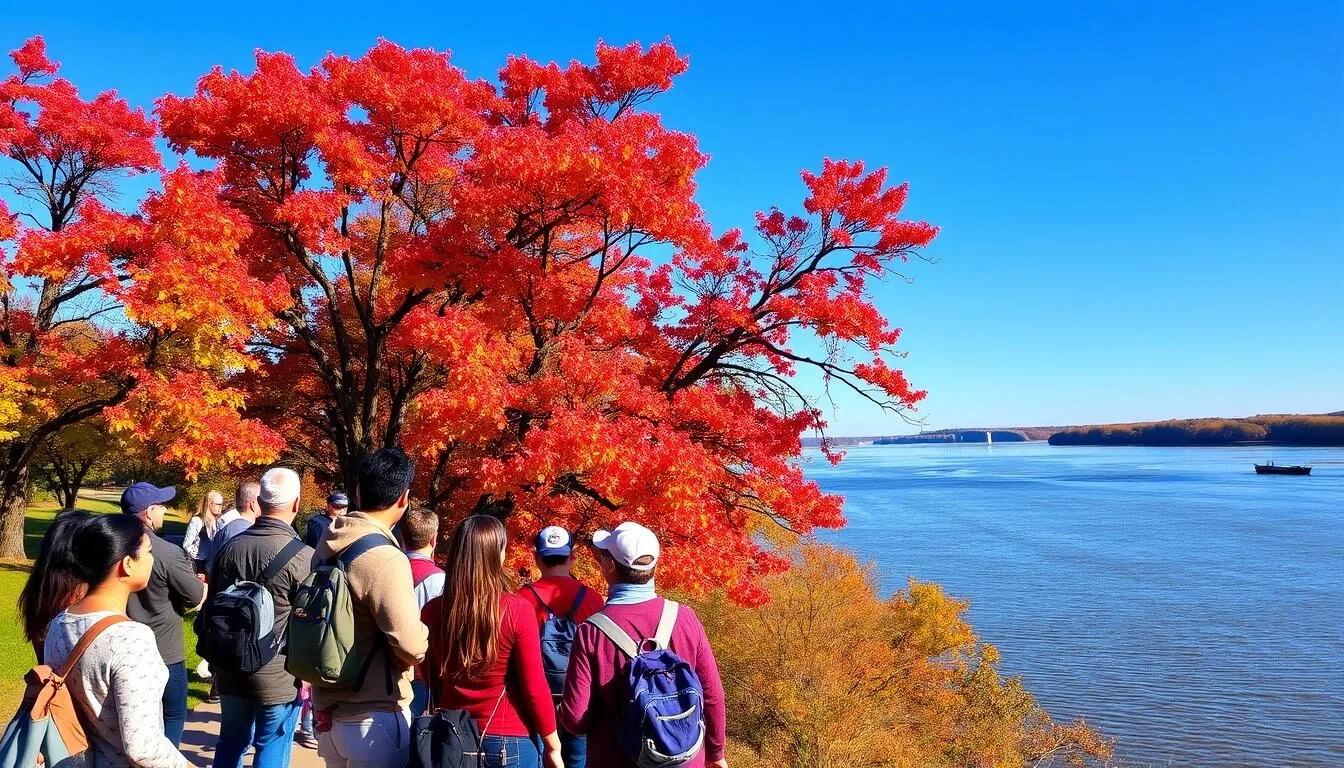
- Fall (September-October): Perhaps the ideal time to visit, with temperatures between 15-24°C (60-75°F), minimal rainfall, and beautiful foliage along the rivers. The historic buildings look particularly striking against autumn colors.
Seasons to Avoid
- Summer (June-August): Extremely hot and humid with temperatures regularly exceeding 32°C (90°F). The humidity can make outdoor exploration uncomfortable.
- Winter (December-February): Cold temperatures around 0-7°C (32-45°F) with occasional snow and ice. Many historic sites have limited hours during winter months.
Traveler Tip: If you’re interested in river photography or birdwatching, spring offers high water levels and migratory birds, while fall provides the most comfortable temperatures for extended outdoor exploration.
Getting Around Locally
Cairo is a small town that’s easy to navigate, but having your own transportation is essential for exploring both the town and surrounding attractions.
Transportation Options
- Car: The most practical way to explore Cairo and the surrounding region. The town is compact, but attractions like Fort Defiance Park are located outside the main downtown area.
- Walking: Downtown Cairo is walkable, with many historic buildings concentrated in a relatively small area. A self-guided walking tour of the historic district takes about 2-3 hours.
- Cycling: The flat terrain makes biking a viable option during pleasant weather, though there are no dedicated bike rental services in town.
Public transportation is virtually non-existent in Cairo, so visitors should plan accordingly. The town’s small size means you won’t encounter traffic congestion, and parking is readily available throughout the area.
Where to Stay

Accommodation options within Cairo itself are limited, reflecting the town’s small size and off-the-beaten-path status. Most visitors choose to stay in nearby cities with more amenities while making day trips to Cairo.
Lodging Options
In Cairo
- Local Motels: Basic accommodations with limited amenities but convenient locations for exploring the town.
- Historic Inns: Occasionally available, these provide a more authentic experience but require advance booking.
Nearby Cities (30-45 min)
- Paducah, KY: Offers chain hotels, boutique accommodations, and a charming downtown with restaurants and shops.
- Cape Girardeau, MO: Features a range of hotels, from budget to upscale, with river views and dining options.
Unique Options
- Bed & Breakfasts: Several historic B&Bs can be found in the region, offering personalized service and local insights.
- Cabin Rentals: Available in nearby Shawnee National Forest for those seeking a nature-focused experience.
Dining & Local Cuisine

Cairo’s dining scene is modest but offers authentic Southern Illinois flavors. The town’s location at the intersection of the Midwest and South influences its cuisine, with hearty comfort food being the standard.
Local Restaurants
- Diners & Cafés: Small, family-owned establishments serving breakfast and lunch with classics like biscuits and gravy, fried catfish, and homemade pies.
- Barbecue Joints: Regional barbecue reflecting both Southern and Midwestern styles, with emphasis on pork and beef.
- Riverfront Eateries: A few establishments offer views of the rivers, particularly in nearby communities.
Foodie Tip: Many Cairo restaurants close early (around 8 PM), so plan dinner accordingly. For more dining options, consider exploring restaurants in nearby Paducah, Kentucky, which has a more developed culinary scene.
Regional Specialties
- River Fish: Catfish and buffalo fish from the Mississippi and Ohio Rivers, typically fried or smoked.
- Southern Illinois BBQ: A unique style that blends Memphis and St. Louis influences.
- Burgoo: A hearty stew with multiple meats and vegetables, popular in the region.
Attractions, Sightseeing & Activities

Fort Defiance Park
Perhaps Cairo’s most significant natural attraction, Fort Defiance Park marks the exact point where the Mississippi and Ohio Rivers meet. This dramatic confluence offers spectacular views and a sense of geographical wonder. Once a Civil War fortification under General Ulysses S. Grant, the park now features an observation deck where you can witness the mixing of the two mighty rivers—each with distinctly different colored waters.
Visitor Tip: Visit at sunrise or sunset for the most dramatic lighting and photographs. Bring binoculars for birdwatching, as the confluence attracts diverse bird species.
Historic Downtown & Architecture
Cairo’s downtown area contains one of America’s most remarkable collections of Victorian and Gilded Age architecture, though many buildings are in various states of preservation. Walking the streets reveals the ghosts of Cairo’s prosperous past, with ornate facades, decorative ironwork, and grand proportions that speak to the town’s former wealth.
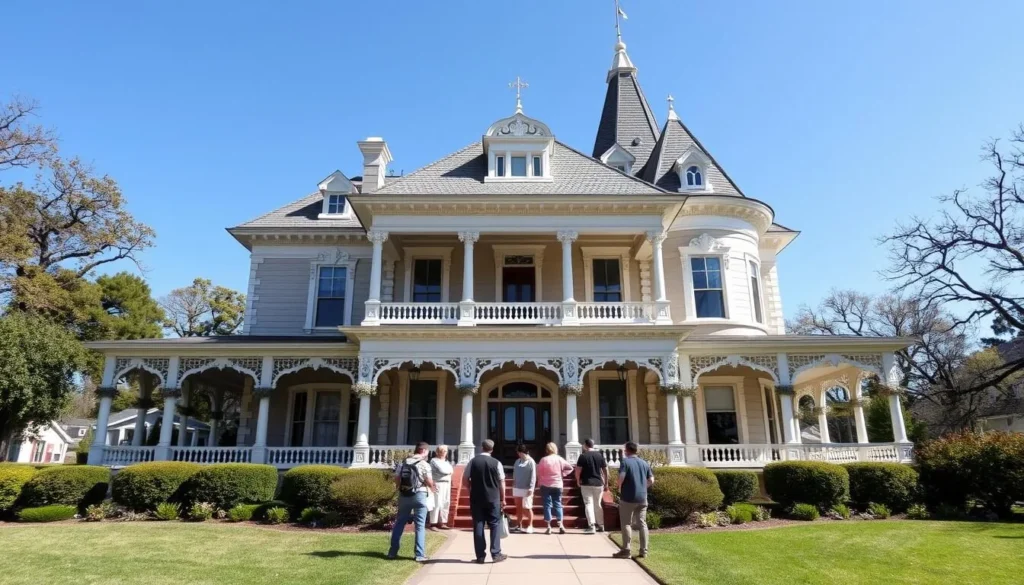
Magnolia Manor
Built in 1869, Magnolia Manor stands as Cairo’s crown jewel of historic preservation. This Italianate mansion, once home to wealthy businessman Charles Galigher, has been restored and operates as a museum. Tours showcase period furniture, original fixtures, and the lifestyle of Cairo’s elite during the town’s golden age. The mansion even hosted President Ulysses S. Grant during his visit to Cairo.
Museums, Cultural Spots & Festivals

Cairo Custom House Museum
Built between 1869 and 1872, the Cairo Custom House once served as a federal customs office, post office, and courthouse. Today, it houses a museum dedicated to Cairo’s history, with exhibits on river commerce, the Civil War, and local culture. The building itself is an architectural treasure, featuring Italianate design elements and period details that have been carefully preserved.
A.B. Safford Memorial Library
This historic library building not only houses books but also contains exhibits on Cairo’s past. The architecture alone makes it worth a visit, with beautiful stained glass windows and original woodwork throughout the interior.
Local Events & Celebrations
- Heritage Days: Occasional events celebrating Cairo’s history with tours, reenactments, and local food.
- Magnolia Manor Events: Special seasonal tours and historical programs, particularly during holidays.
- River Heritage Celebrations: Events highlighting Cairo’s connection to the Mississippi and Ohio Rivers.
Cultural Tip: Check with the Cairo Historical Preservation Project or the Custom House Museum for current event schedules, as many celebrations are organized by local volunteers and may not be widely advertised online.
Sports, Nature & Outdoor Experiences
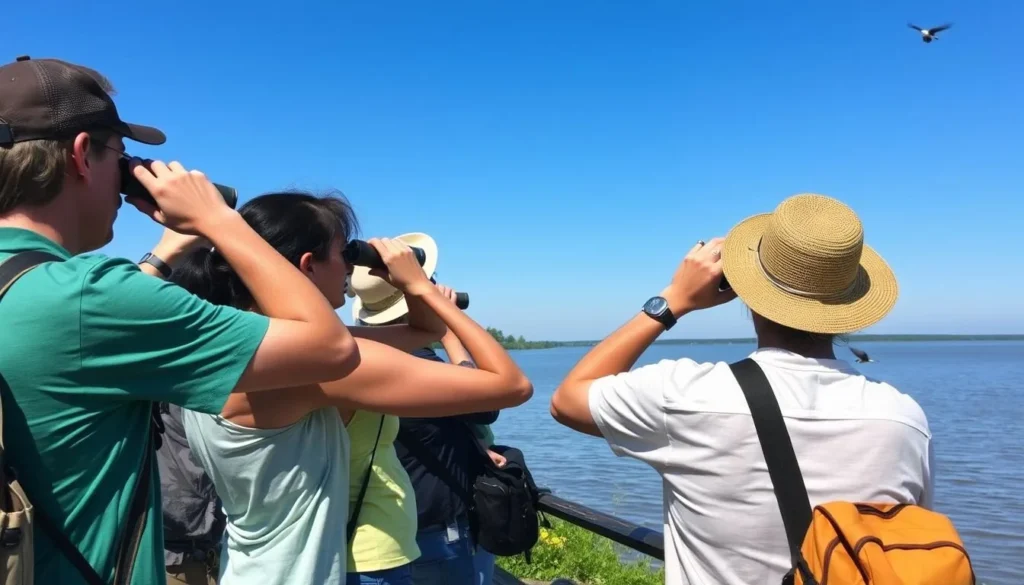
River Activities
The Mississippi and Ohio Rivers provide the backdrop for various outdoor activities around Cairo:
- Birdwatching: The confluence area attracts numerous bird species, including bald eagles in winter.
- Fishing: Both rivers offer opportunities for catfish, bass, and other freshwater species.
- River Photography: The dramatic meeting of the rivers creates unique photographic opportunities, especially at sunrise and sunset.
Nearby Natural Areas
While Cairo itself is primarily known for its history, the surrounding region offers excellent outdoor recreation:
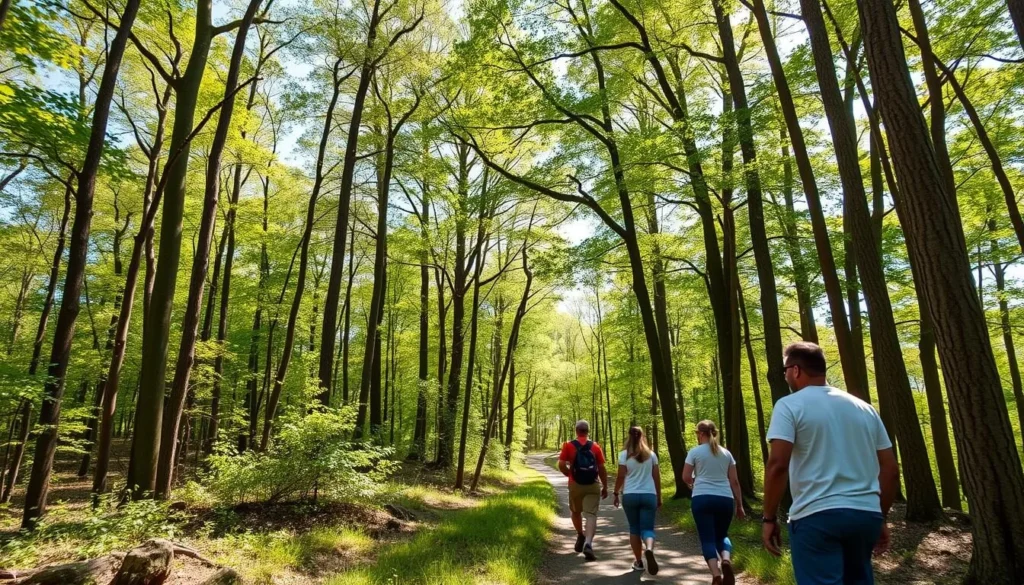
- Shawnee National Forest: Located about an hour from Cairo, this forest offers hiking trails, rock formations, and scenic vistas.
- Cache River State Natural Area: Features cypress swamps, wetlands, and opportunities for kayaking and canoeing.
- Horseshoe Lake Conservation Area: Provides fishing, boating, and wildlife viewing in a peaceful setting.
Safety, Etiquette & Local Customs
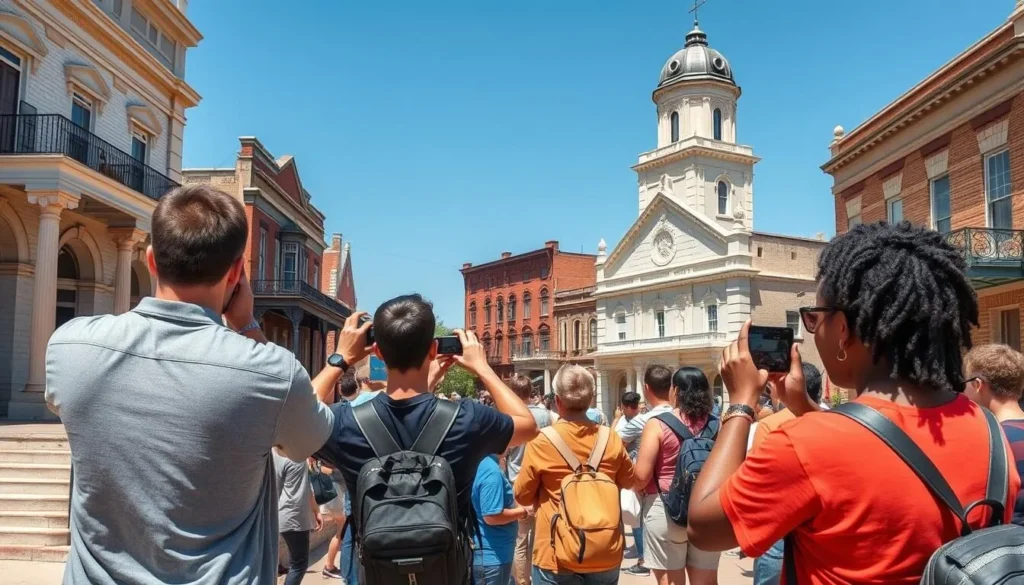
Visiting Cairo requires some special considerations due to its unique situation as a town that has experienced significant economic decline. Understanding local context helps ensure a respectful and safe visit.
Safety Considerations
- Abandoned Buildings: Many structures in Cairo are vacant and potentially unsafe. Admire historic buildings from public sidewalks and streets, but never enter abandoned properties.
- Limited Services: Cairo has few gas stations, restaurants, or medical facilities. Plan accordingly by filling your tank before arriving and bringing water and snacks.
- Photography Etiquette: While photographing historic architecture is welcomed, be respectful when capturing images that include local residents or occupied homes.
Cultural Sensitivity
Cairo has a complex history, particularly regarding race relations and economic struggles. Approaching these topics with sensitivity is important:
- Recognize that Cairo is not just a “ghost town” but a community where people still live and take pride in their heritage.
- Support local businesses when possible to contribute to the local economy.
- Engage respectfully with residents, who often have fascinating stories and insights about the town’s history.
Important: Cell phone service can be spotty in parts of Cairo and the surrounding rural areas. Download maps and information before your visit, and let someone know your itinerary if exploring remote areas.
Visitor Comments About Cairo, Illinois
“We were initially hesitant about visiting Cairo after reading about its decline, but we’re so glad we went. The confluence of the rivers at Fort Defiance Park was breathtaking, and Magnolia Manor offered a fascinating glimpse into the past. The town’s architecture, even in its current state, tells such a powerful American story.”
“As a history buff, Cairo was like finding hidden treasure. The Custom House Museum had incredible Civil War artifacts, and walking the streets felt like time travel. Just be prepared—there aren’t many dining options, so we packed a picnic lunch to enjoy by the rivers.”
“Coming from Europe, I found Cairo to be uniquely American—a place where you can see both the rise and fall of a once-important river town. The Victorian architecture was impressive, and the meeting of the two great rivers was worth the journey alone. I recommend staying in Paducah and making a day trip to Cairo.”
Practical Travel Tips

Before You Go
- Research opening hours for museums and historic sites, as many have limited schedules.
- Download offline maps, as cell service can be unreliable.
- Bring a camera with extra batteries—Cairo’s architecture and river views are highly photogenic.
- Consider staying in Paducah, KY or Cape Girardeau, MO for more accommodation options.
While in Cairo
- Start your visit at Fort Defiance Park to appreciate Cairo’s unique geographical setting.
- Bring water and snacks, as food options are limited.
- Fill your gas tank before arriving, as gas stations are scarce.
- Allow at least 4-6 hours to properly explore the town’s historic sites.
Photography Tips
- Morning light is best for photographing east-facing buildings on Washington Avenue.
- Sunset at the confluence creates dramatic lighting for river photography.
- Bring a wide-angle lens to capture the grand scale of Cairo’s architecture.
- Consider visiting after rainfall when the streets reflect the historic buildings.
Is Cairo safe to visit?
Yes, Cairo is generally safe for visitors who exercise common sense. The main concerns are structural hazards in abandoned buildings (which should not be entered) rather than crime. Stick to public areas and daylight hours for the best experience.
Can Cairo be visited as a day trip?
Absolutely. Most visitors experience Cairo as a day trip from nearby cities like Paducah, Kentucky or Cape Girardeau, Missouri. A full day allows time to visit Fort Defiance Park, tour Magnolia Manor, explore the Custom House Museum, and walk the historic downtown area.
Are there guided tours available?
Magnolia Manor offers guided tours during its opening hours. The Cairo Historical Preservation Project occasionally organizes walking tours of the town. Check their respective websites or call ahead for current schedules and availability.
Where Rivers and History Converge

Cairo, Illinois stands as a testament to America’s ever-changing story—a place where natural wonder meets human ambition, struggle, and resilience. While it may not offer the polished attractions of more popular destinations, Cairo provides something increasingly rare: an authentic glimpse into our shared past. As you stand at the confluence of the mighty Mississippi and Ohio Rivers, watching their waters merge and continue southward, you’ll understand why this place once inspired such grand dreams and why, despite its challenges, it continues to captivate visitors today. In Cairo, every crumbling mansion, every historic marker, and every river view tells a story worth hearing—a uniquely American story of rise, fall, and enduring beauty.
Related Posts
Frank Holten State Park, Illinois: Best Things to Do – Top Picks

World Shooting and Recreational Complex State Park, Illinois: Best Things to Do – Top Picks
Woodford State Park, Illinois: Best Things to Do – Top Picks
Wolf Road Prairie Nature Preserve, Illinois: Best Things to Do – Top Picks
Wolf Creek State Park, Illinois: Best Things to Do – Top Picks
White Pines Forest State Park, Illinois: Best Things to Do – Top Picks
Coming Soon: Clickable Maps