Hotels by Trip.com
Flights by Trip.com
Did you know that George Rogers Clark National Historical Park commemorates one of the most significant yet often overlooked victories of the American Revolutionary War? In February 1779, George Rogers Clark led just 170 men through freezing floodwaters to capture Fort Sackville from the British, securing the entire Northwest Territory for the young United States. This daring conquest doubled the size of America and is honored today at this magnificent memorial on the banks of the Wabash River, where visitors can explore the largest national monument outside of Washington, D.C.
Getting There & Planning Your Journey
George Rogers Clark National Historical Park is located in Vincennes, Indiana, along the Wabash River that forms the border with Illinois. Despite its name referencing Illinois in many searches, the park is technically in Indiana, though it’s easily accessible from both states.
Closest Airports
- Evansville Regional Airport (EVV) – 85 km (53 miles)
- Indianapolis International Airport (IND) – 206 km (128 miles)
- Louisville International Airport (SDF) – 227 km (141 miles)
- St. Louis Lambert International Airport (STL) – 248 km (154 miles)
For the best flight options and competitive prices to these airports, check well in advance of your trip.
Driving Directions
From Illinois via the Memorial Bridge: After crossing the bridge, turn right onto 2nd Street. The parking lot will be on your right past the Visitor Center.
Via US Highway 50: Take the 6th Street Exit, follow for about 2 miles, turn right onto Vigo Street, then left onto 2nd Street. The parking lot will be on your right.
Via Highway 41: Take the Indiana 441/Willow Street Exit, stay right onto Willow Street for about 2 miles, turn right onto 2nd Street. The entrance will be on your left after about 300 feet.
Best Time to Visit & Weather Tips
Recommended Season: Summer
June through August offers the best visitor experience as the memorial interior is open seven days a week. Summer provides full access to all park features, though temperatures can reach 26-32°C (80-90°F) with moderate humidity.
Shoulder Seasons: Spring & Fall
May and September-October offer pleasant temperatures around 18-24°C (65-75°F) with fewer visitors. The memorial may have limited hours, but the beautiful grounds and visitor center remain accessible.
✓ Check 30,000+ Local Sightseeing Tours Worldwide
Seasons to Avoid: Winter
December through February brings cold temperatures of -1 to 4°C (30-40°F) with occasional snow. While the visitor center remains open, the memorial may have reduced hours and outdoor exploration can be uncomfortable.
Visitor Tip
Weekday mornings offer the lowest crowds and more opportunities to interact with knowledgeable park rangers. If visiting during summer, early morning or late afternoon provides relief from midday heat.
Getting Around Locally
The park itself is compact and easily explored on foot. The entire site covers just 10 hectares (24.3 acres), making it manageable to see all the main attractions within 1-2 hours.
Within the Park
The main areas of interest include the Visitor Center, the Clark Memorial rotunda, and the scenic walkway along the Wabash River. All are connected by paved pathways that are wheelchair accessible, though the memorial itself has 33 steps to reach the front door (with a center handrail).
A cell phone tour is available by calling 812-703-4004, which provides informative audio guides for different sites throughout the park.
Exploring Vincennes
The historic town of Vincennes surrounds the park and offers additional historical sites within walking distance. For those wanting to explore further, having a car is recommended as public transportation options are limited in this small town.
Nearby attractions like Grouseland (William Henry Harrison’s mansion) and the Old Cathedral are within 1 km (0.6 miles) of the park.
Where to Stay
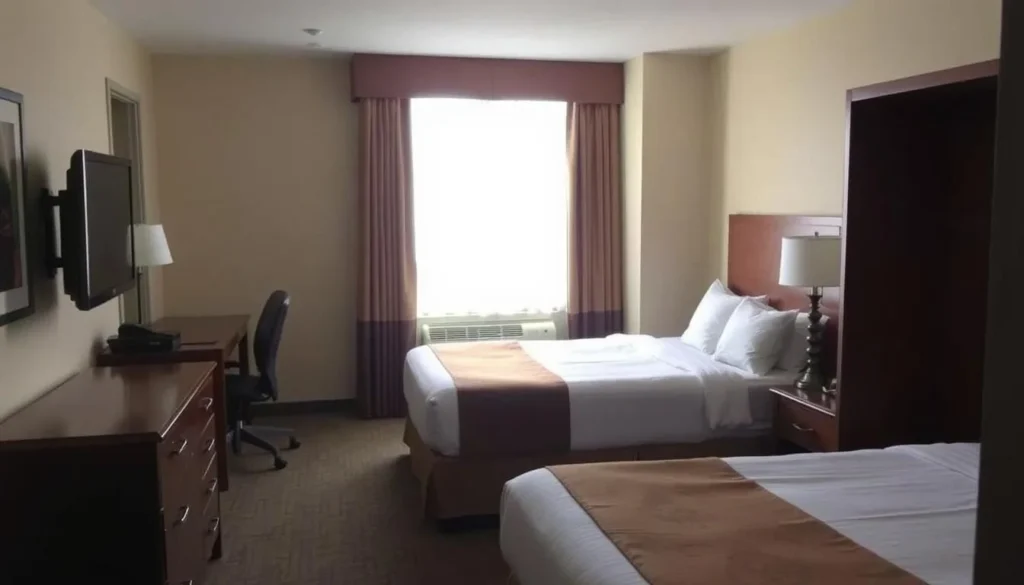
While there are no lodging options within the park itself, Vincennes offers several comfortable accommodations within a short drive of George Rogers Clark National Historical Park.
Hotels & Motels
Vincennes has several chain hotels including TownePlace Suites by Marriott, Hampton Inn, and Comfort Suites, all within 3-5 km (2-3 miles) of the park. These properties offer modern amenities like free Wi-Fi, breakfast, and fitness centers, with rates typically ranging from $90-130 per night.
Bed & Breakfasts
For a more personal experience, consider one of the historic bed and breakfasts in downtown Vincennes. These charming properties offer unique rooms in restored historic buildings, often with homemade breakfast included. Prices range from $100-150 per night depending on the season.
Vacation Rentals
Several private homes and apartments are available for short-term rental in and around Vincennes. These options are ideal for families or longer stays, offering full kitchens and more space. Expect to pay $80-200 per night depending on size and amenities.
Dining & Local Cuisine
While there are no dining facilities within George Rogers Clark National Historical Park itself, Vincennes offers a variety of restaurants within a short drive of the park.
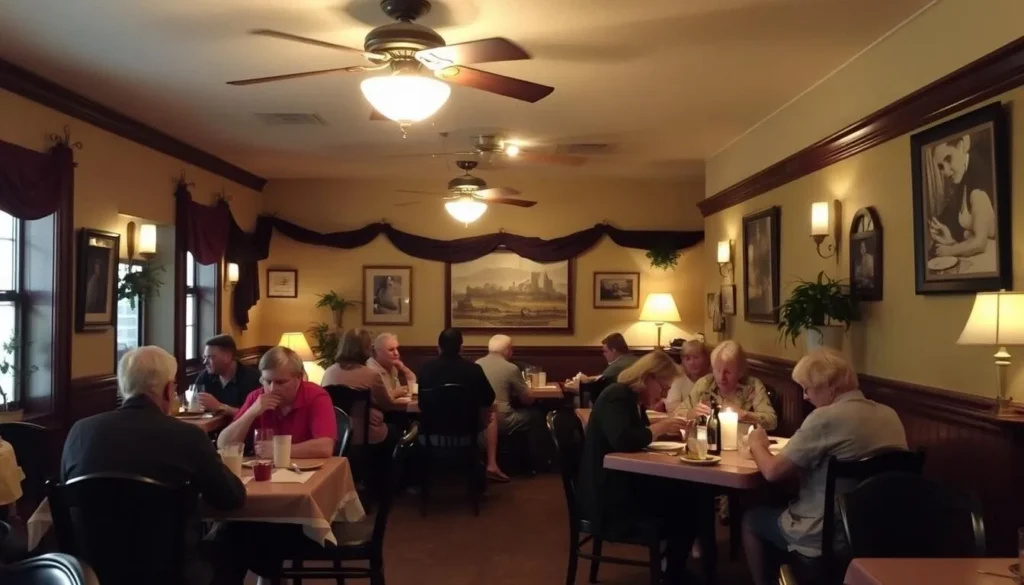
Local Favorites
- Bobe’s Pizza – A Vincennes institution mentioned by many park visitors, known for casual dining and pizza
- Procopio’s – Italian cuisine in a historic downtown setting
- Simple Taste – Homestyle cooking with generous portions
Quick Options
- Several fast-food and casual dining chains along 6th Street
- Subway and Jimmy John’s for sandwiches
- Local coffee shops offering light fare and beverages
Picnic Tips
Picnicking is permitted in designated areas near the park. The walkway along the Wabash River offers scenic spots to enjoy a packed lunch. Several grocery stores in Vincennes make it easy to pick up supplies.
Remember that food and drinks are not permitted inside the visitor center or memorial building.
Visitor Tip
Many locals recommend having lunch at Bobe’s Pizza after visiting the park. It’s a great way to experience a true Vincennes tradition while discussing what you’ve learned about George Rogers Clark’s remarkable achievements.
Attractions, Sightseeing & Activities
George Rogers Clark National Historical Park offers several key attractions that provide insight into this pivotal moment in American history.
The Clark Memorial
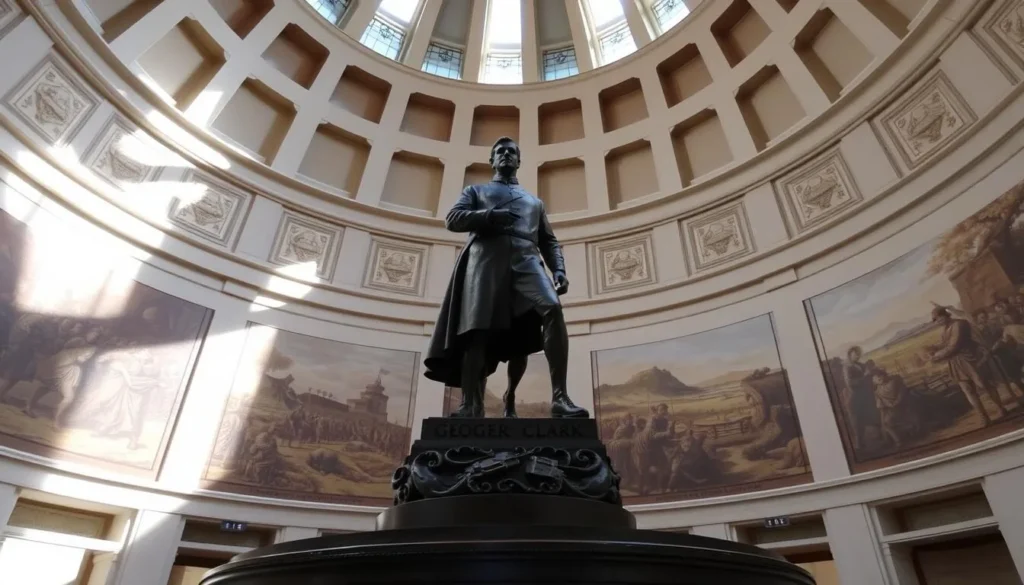
The centerpiece of the park is the magnificent circular granite memorial, standing 80 feet high and 90 feet across. Inside, you’ll find a commanding 7.5-foot bronze statue of George Rogers Clark surrounded by seven stunning murals depicting his campaign. The memorial is the largest outside Washington, D.C., and features 16 Doric columns around its exterior.
Don’t miss the six-minute audio program that guides you through the murals and their historical significance.
Visitor Center
Start your visit at the informative Visitor Center, which features exhibits on Clark’s campaign and the significance of his victory. The highlight is the 30-minute orientation film “Long Knives,” which provides essential context for understanding Clark’s remarkable achievement.
The knowledgeable park rangers are excellent resources for questions about the park and its history. The center also houses a bookstore with historical publications and souvenirs.
Wabash Riverfront
Take time to stroll along the scenic walkway that follows the Wabash River. This peaceful path offers beautiful views and connects to a nearby park. Interpretive panels along the way provide information about Fort Sackville and the river’s role in Clark’s campaign.
The riverfront walkway extends about 2.6 km (1.6 miles) and makes for a pleasant extension to your visit.
Museums, Cultural Spots & Festivals
Beyond the park itself, Vincennes offers several complementary historical and cultural attractions that can enhance your understanding of George Rogers Clark and the region’s rich history.
Nearby Historical Sites
- Grouseland – The elegant mansion of William Henry Harrison, ninth U.S. President and governor of the Indiana Territory
- Old Cathedral – The oldest church in Indiana, dating to 1826 and built on the site of earlier churches from the 1700s
- Indiana Military Museum – Features extensive collections of military artifacts from the Revolutionary War through modern conflicts
Annual Events
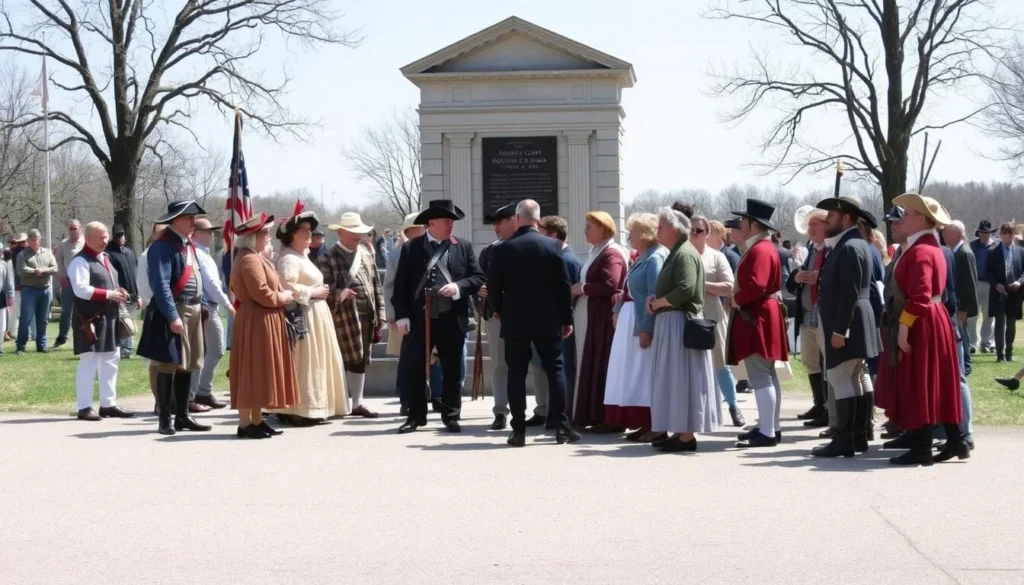
- Spirit of Vincennes Rendezvous (Memorial Day weekend) – Revolutionary War reenactment with period demonstrations, music, and food
- George Rogers Clark Day (February 25) – Commemorates Clark’s capture of Fort Sackville with special programs
- Muster on the Wabash (Fall) – Living history event focusing on the 18th century in the Northwest Territory
Cultural Experiences
The Red Skelton Museum of American Comedy honors Vincennes native and beloved comedian Red Skelton with interactive exhibits.
Vincennes State Historic Sites includes several preserved buildings from the territorial period, offering glimpses into early American frontier life.
Vincennes University’s Shircliff Gallery of Art features rotating exhibitions of regional and national artists.
“A magnificent monument to a Revolutionary War hero and the miraculous accomplishment of will and perseverance by our armed forces. The Monument itself is magnificent and beautiful.”
Sports, Nature & Outdoor Experiences
While George Rogers Clark National Historical Park is primarily focused on history, the surrounding area offers several opportunities to enjoy the outdoors and natural beauty of the Wabash River Valley.
River Activities
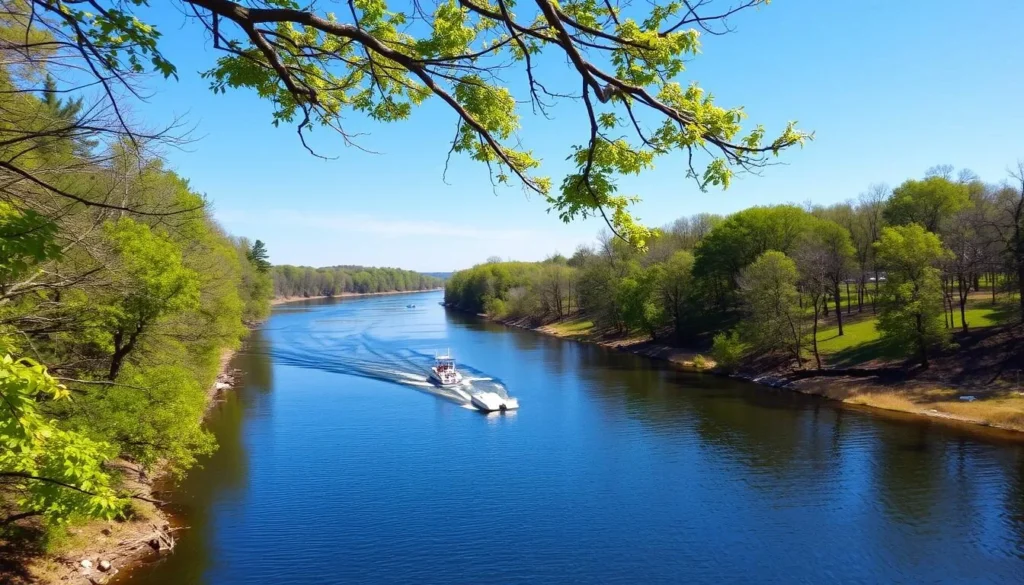
The Wabash River offers opportunities for fishing, kayaking, and canoeing. Several access points are available near Vincennes, including the nearby boat ramp at Kimmel Park.
Local outfitters can provide equipment rentals and guidance for exploring the river that played such a crucial role in Clark’s campaign.
Parks & Trails
Ouabache Trails Park, located just outside Vincennes, features hiking trails through woodlands and meadows, picnic areas, and camping facilities.
The Vincennes Riverwalk Trail connects to the park’s walkway, creating an extended path for walking, jogging, or cycling along the scenic riverfront.
Wildlife Viewing
The Wabash River corridor is home to diverse wildlife, including numerous bird species. Bring binoculars to spot herons, eagles, and waterfowl along the river.
Dawn and dusk offer the best opportunities for wildlife viewing, when animals are most active and the light creates beautiful scenes along the river.
Outdoor Tip
Consider walking the full 2.6 km (1.6 mile) riverfront path that connects the park to a nearby recreational area. This scenic route offers different perspectives of the river and memorial while providing a refreshing break from historical exploration.
Safety, Etiquette & Local Customs
Visiting George Rogers Clark National Historical Park is generally safe and straightforward, but keeping a few guidelines in mind will help ensure a pleasant experience.
Park Rules & Etiquette
- Food and drinks are not permitted inside the visitor center or memorial building
- Pets must be kept on leashes no longer than 1.8 m (6 feet) and are not allowed inside buildings
- Drones are prohibited within National Park Service sites
- Speak quietly inside the memorial to maintain its contemplative atmosphere
- Photography is permitted, but avoid using flash near the murals
Health & Safety
- The memorial has 33 steps to reach the entrance, though a handrail is available
- Summer visitors should bring water, sun protection, and insect repellent
- The visitor center has accessible restrooms and water fountains
- Cell service is generally good throughout the park
- The nearest hospital is Good Samaritan Hospital in Vincennes, about 3 km (2 miles) from the park
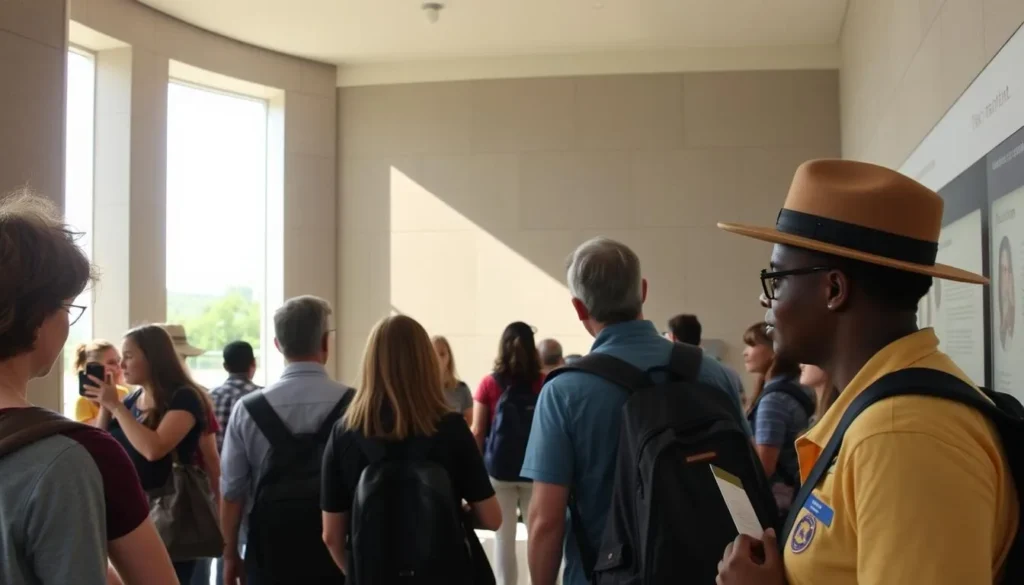
Accessibility Information
The visitor center and grounds are wheelchair accessible. While the memorial itself has steps, the visitor center offers a virtual tour option. Service animals are welcome throughout the park, including inside buildings.
✓ Check 30,000+ Local Sightseeing Tours Worldwide
Visitor Comments About George Rogers Clark National Historical Park
“What a magnificent historical treasure! The orientation film provided excellent context for understanding Clark’s remarkable campaign. The memorial rotunda is truly impressive with its stunning murals and commanding statue. I was particularly moved by the rangers’ passionate storytelling about this pivotal moment in American history.”
“This hidden gem exceeded our expectations. The beautiful walkway along the Wabash River was a peaceful retreat after exploring the memorial. Don’t miss the audio program inside the rotunda that explains the murals—it really brings the history to life. We spent about two hours here and felt it was time well spent learning about this important chapter of the Revolutionary War.”
“The Art Deco architecture of the memorial is stunning! I was impressed by how knowledgeable the park rangers were—they answered all our questions and shared fascinating details about Clark’s campaign. The 30-minute film is longer than at most parks but absolutely worth watching to understand the significance of what happened here. A truly educational experience for our whole family.”
Practical Travel Tips
Planning Your Visit
- Admission to the park is free
- The park is open daily from 9:00 AM to 5:00 PM
- Allow at least 1-2 hours to fully appreciate the park
- Watch the 30-minute orientation film for essential context
- Check the park’s official website for special events and ranger programs
What to Bring
- Water bottle (no food or drink allowed in buildings)
- Comfortable walking shoes
- Camera for the impressive architecture and murals
- Sun protection and insect repellent in summer
- Light jacket in spring/fall as the memorial can be cool inside
Family-Friendly Activities
- Junior Ranger program available for children of all ages
- Cell phone tour (call 812-703-4004) offers engaging information
- Ask rangers about special demonstrations and programs
- The riverfront walkway offers space for children to move around
- Nearby Kimmel Park has playground equipment
Footsteps Through History: Your Journey Awaits
George Rogers Clark National Historical Park offers more than just a glimpse into America’s past—it provides a tangible connection to a pivotal moment that shaped our nation. As you stand in the grand rotunda, gazing at the impressive murals and statue of Clark, you’ll feel the weight of history and the remarkable courage of those who braved freezing waters to secure America’s future. Whether you’re a history enthusiast, architecture admirer, or simply seeking a meaningful travel experience, this park delivers with its blend of educational value, artistic beauty, and riverside tranquility. Plan your visit to this hidden historical gem, where the legacy of George Rogers Clark continues to inspire visitors with its testament to human determination and the profound impact of a single, daring campaign.