
Hotels by Trip.com
Flights by Trip.com
Did you know that the Mississippi River Islands National Wildlife Refuge spans over 10,000 hectares (25,000 acres) across four states, with Illinois hosting some of the most pristine and biodiverse sections? This hidden gem along America’s greatest river provides sanctuary to more than 300 bird species, 57 mammal species, and hosts one of the largest concentrations of bald eagles in the continental United States during winter months. Unlike more commercialized nature destinations, these protected river islands offer visitors a rare glimpse into unspoiled ecosystems that have remained largely unchanged for centuries.
Getting There & Planning Your Journey
The Mississippi River Islands National Wildlife Refuge is accessible via several entry points along the western border of Illinois. The refuge consists of numerous islands and mainland units scattered along the Upper Mississippi River from Rock Island to Savanna. The closest major airports include:
- Quad City International Airport (MLI) in Moline – approximately 20 km (12 miles) from the southern refuge units
- Chicago O’Hare International Airport (ORD) – approximately 270 km (168 miles) east
- St. Louis Lambert International Airport (STL) – approximately 290 km (180 miles) south
From any of these airports, renting a car is essential for accessing the various refuge units. The Great River Road (Illinois Route 84) follows the Mississippi River and provides the most scenic approach to the refuge. Several small towns along the route, including Savanna, Thomson, and Fulton, offer access points to different sections of the refuge.
For the most comprehensive experience, plan to spend at least two full days exploring the refuge’s diverse habitats. The refuge headquarters in Thomson provides maps and updated information about seasonal wildlife viewing opportunities and trail conditions.
Best Time to Visit & Weather Tips
The refuge offers unique experiences throughout the year, but certain seasons provide exceptional wildlife viewing opportunities. Weather in this region can be variable, with humid summers and cold winters, so planning your visit according to your interests is essential.
Recommended Months
- March-May: Spring migration brings thousands of waterfowl and songbirds. Temperatures range from 10-21°C (50-70°F) with occasional rain showers.
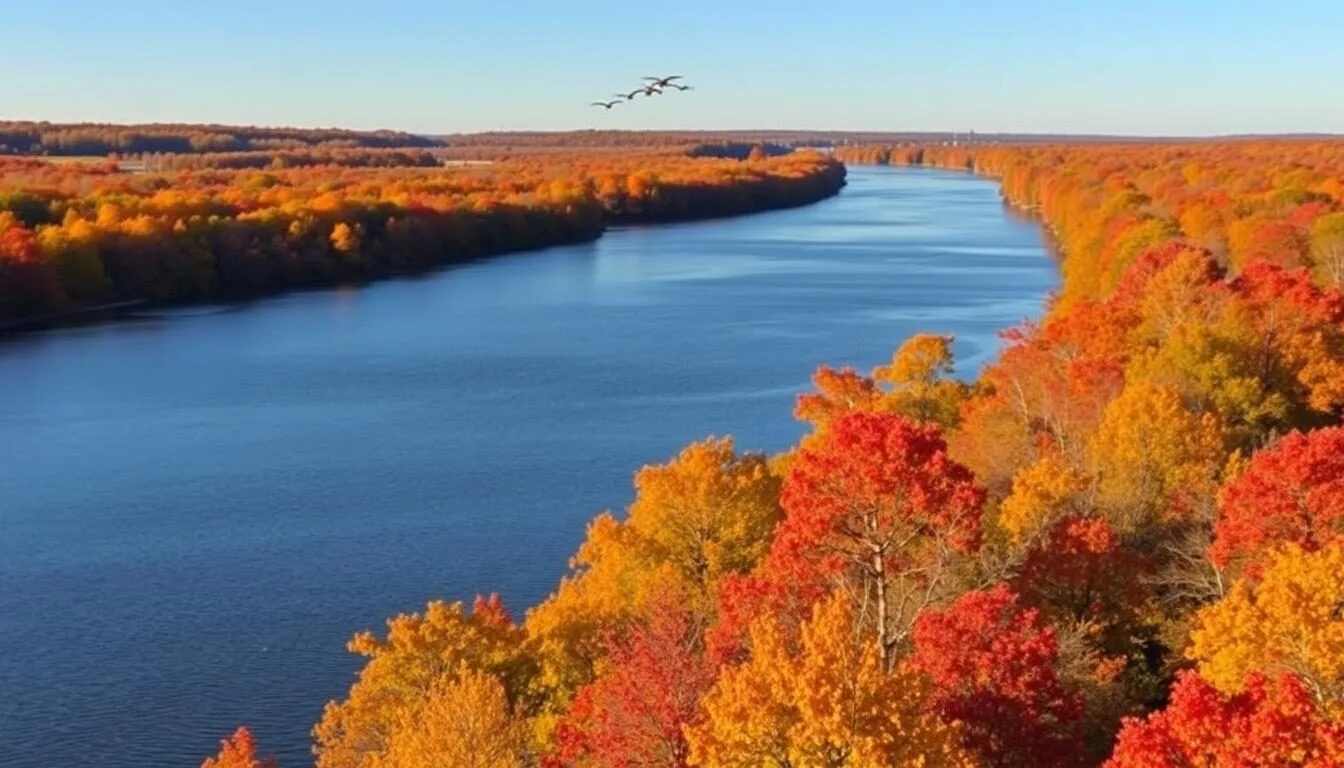
- September-November: Fall foliage creates spectacular scenery along the river, and fall migration brings diverse bird species. Temperatures typically range from 7-24°C (45-75°F).
- December-February: Prime bald eagle watching season, with hundreds congregating near open water. Temperatures range from -7 to 5°C (20-40°F).
Months to Avoid
- Late June-August: Hot and humid conditions with temperatures often exceeding 32°C (90°F), plus mosquitoes and biting insects are at their peak.
- April-May: Spring flooding can sometimes restrict access to parts of the refuge, particularly the island sections.
For photographers, early morning and late afternoon offer the best lighting conditions, with the golden hour casting a magical glow over the Mississippi River and surrounding landscapes. Winter visits require warm clothing and possibly ice cleats for trails, but reward visitors with stunning eagle sightings and pristine snow-covered landscapes.
Getting Around Locally
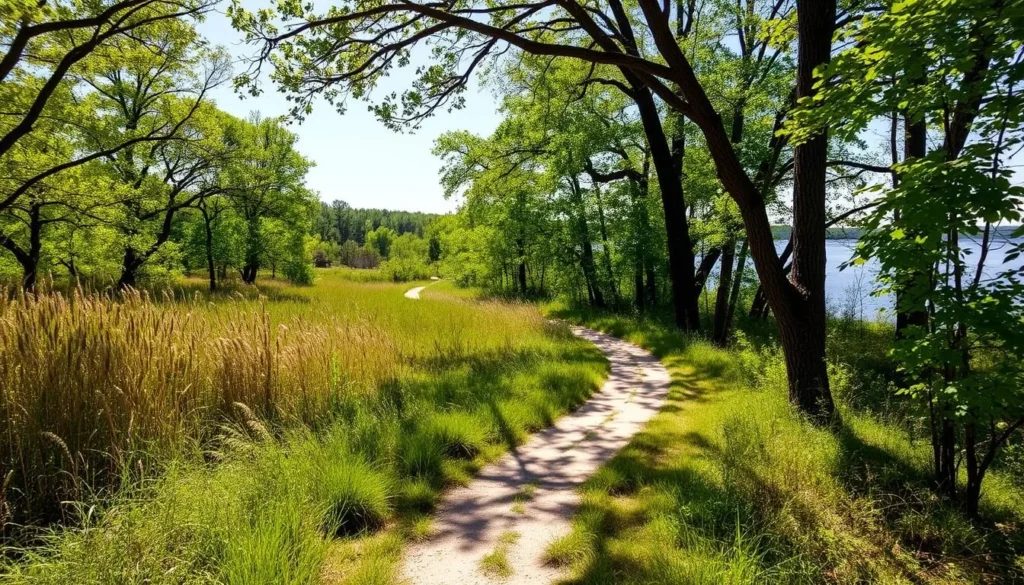
Navigating the Mississippi River Islands National Wildlife Refuge requires a combination of transportation methods, as many areas are accessible only by water while others can be reached by car and foot.
By Car
A personal vehicle is essential for reaching the various access points of the refuge. The Great River Road (Illinois Route 84) provides access to most mainland units, with several designated parking areas at trailheads. Some gravel roads lead to more remote sections, so vehicles with higher clearance are advantageous during wet seasons.
By Boat
Many of the islands are only accessible by water. Several public boat launches are available along the Illinois side of the Mississippi River. Canoes and kayaks are ideal for exploring the refuge’s backwaters and sloughs, allowing visitors to reach secluded areas teeming with wildlife.
On Foot
The refuge features several hiking trails of varying difficulty. The Lost Mound Unit near Savanna offers extensive trail systems through sand prairie habitat, while the Thomson Causeway area provides easier walking paths suitable for most fitness levels.
Guided Tours
Local outfitters in Savanna and Thomson offer guided boat tours during peak seasons. These tours provide expert commentary on the refuge’s ecology and often reach areas difficult to access independently. The refuge occasionally offers ranger-led programs, particularly during eagle watching season.
For those interested in a comprehensive experience, combining hiking on the mainland units with a boat excursion to the islands provides the best overview of the refuge’s diverse ecosystems. Always check current conditions at the refuge headquarters, as water levels can significantly impact accessibility.
Where to Stay
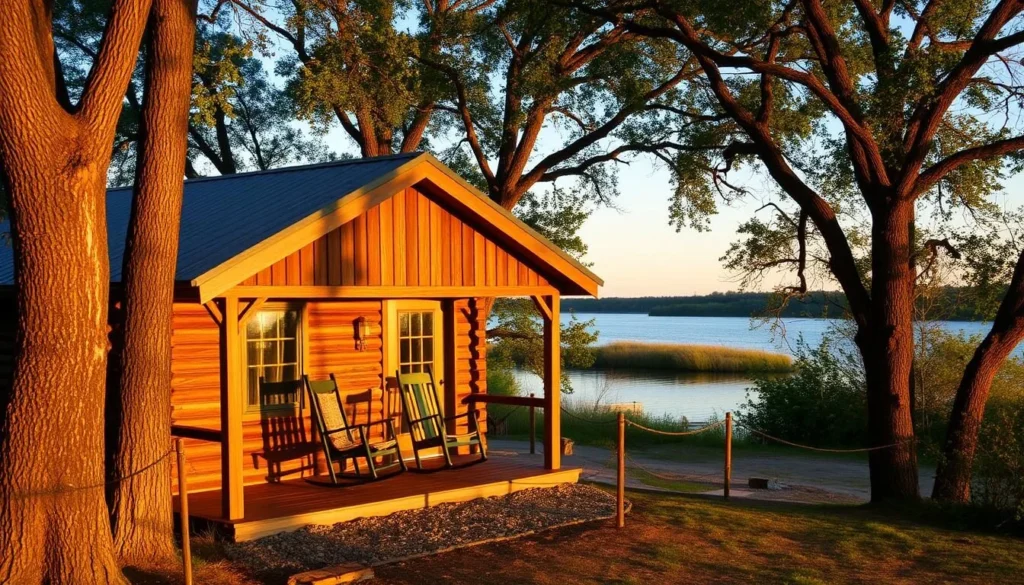
While there are no accommodations directly within the Mississippi River Islands National Wildlife Refuge, several charming options are available in nearby communities, providing convenient bases for exploring the area.
✓ Check 30,000+ Local Sightseeing Tours Worldwide
Riverside Cabins
Several privately-owned cabins are available for rent along the Mississippi River in Thomson and Savanna. These range from rustic to luxury options, with many offering direct river views and private docks. Prices typically range from $85-150 per night, with weekly discounts available during off-peak seasons.
Historic B&Bs
The surrounding river towns feature several historic bed and breakfasts that provide a charming, personalized stay experience. In Fulton and Savanna, Victorian-era homes converted to B&Bs offer period furnishings and hearty breakfasts, with rates ranging from $95-125 per night.
Campgrounds
For those seeking a more immersive natural experience, the Thomson Causeway Recreation Area offers 131 campsites with electrical hookups, shower facilities, and easy access to refuge trails. Nearby Mississippi Palisades State Park also provides camping options with spectacular bluff-top views.
For longer stays, vacation rentals in Savanna and surrounding communities offer fully-equipped kitchens and more space. During eagle watching season (December-February) and summer holidays, accommodations fill quickly, so advance reservations are strongly recommended. Most lodging options are within a 15-30 minute drive of major refuge access points.
Dining & Local Cuisine
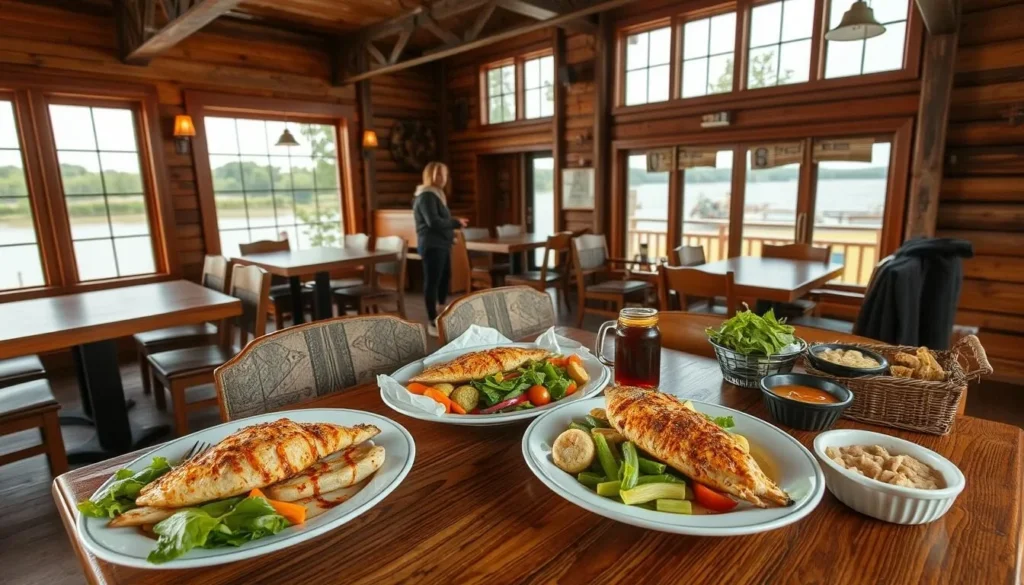
The culinary scene around the Mississippi River Islands National Wildlife Refuge celebrates the bounty of the river and the agricultural heritage of western Illinois. From fresh-caught fish to hearty Midwestern fare, the local dining options provide authentic flavors of the region.
Local Specialties
- Mississippi River Catfish: A regional staple, locally caught and prepared fried, blackened, or grilled at riverside eateries like The Candlelight Inn in Thomson.
- Heartland Comfort Food: Traditional dishes featuring local produce and meats, including pork tenderloins, sweet corn in season, and freshly baked pies.
- Microbrews and Local Wines: Several small breweries and wineries in the area offer tastings of regionally produced beverages that pair well with local cuisine.
Most dining options are located in the small towns surrounding the refuge, ranging from casual riverside eateries to family-owned restaurants serving generations-old recipes. In Savanna, try Poopy’s Pub n’ Grub for a lively atmosphere and generous portions, while Manny’s Pizza offers family-friendly dining with river views.
Picnic Perfect
For a truly immersive experience, pack a picnic lunch to enjoy at one of the refuge’s scenic overlooks. Local markets in Thomson and Savanna offer pre-made options, or you can gather supplies for a DIY feast with regional specialties. The Thomson Causeway and Lost Mound Unit have designated picnic areas with tables and grills.
During peak tourist seasons (summer and eagle watching season), restaurants in smaller towns can become busy, especially on weekends. Consider dining during off-peak hours or making reservations where accepted. Many establishments in this region maintain limited hours during winter weekdays, so checking operating times in advance is advisable.
Attractions, Sightseeing & Activities
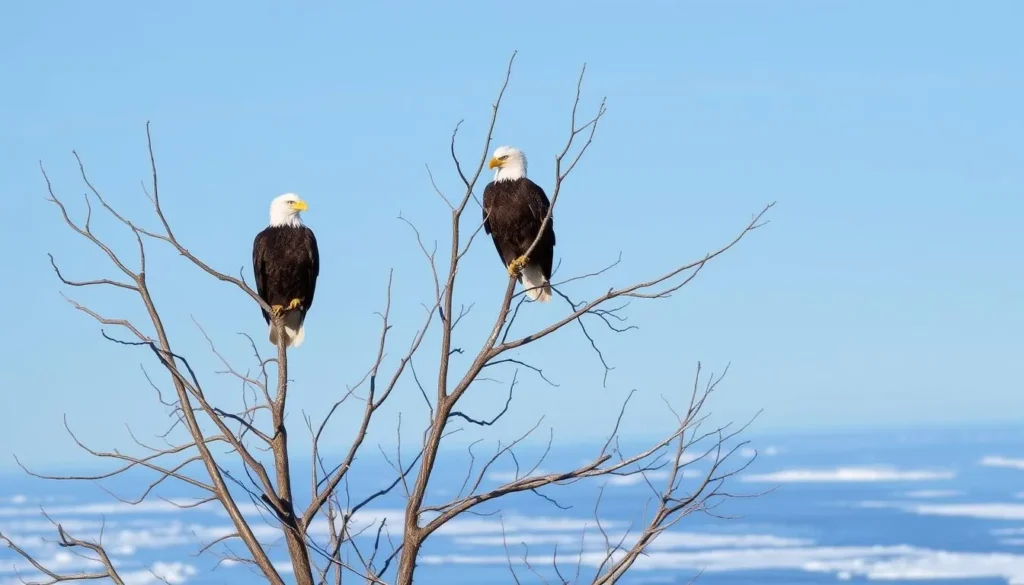
The Mississippi River Islands National Wildlife Refuge offers a variety of attractions that showcase the natural beauty and ecological significance of this river ecosystem:
Lost Mound Unit
Formerly the Savanna Army Depot, this 3,800-hectare (9,400-acre) unit features one of the largest sand prairies in Illinois. The area hosts rare plant species and provides habitat for grassland birds. Several hiking trails wind through the prairie, offering opportunities to spot dickcissels, grasshopper sparrows, and upland sandpipers.
Spring Lake
This backwater lake within the refuge provides excellent wildlife viewing opportunities. A designated observation platform allows visitors to watch for great blue herons, egrets, and waterfowl. During migration seasons, the lake becomes a resting area for thousands of ducks, geese, and occasionally sandhill cranes.
Thomson Causeway
This popular area offers easy access to both backwater habitats and main channel islands. The causeway itself provides excellent fishing opportunities, while adjacent trails lead through floodplain forests. Winter visitors often spot bald eagles perched in the tall cottonwoods that line the shoreline.
Throughout the refuge, interpretive signs explain the ecological importance of the river system and the conservation efforts that protect it. Photographers will find abundant subjects year-round, from dramatic river landscapes to intimate wildlife encounters. The refuge’s varied habitats ensure that each visit offers new discoveries, regardless of season.
Museums, Cultural Spots & Festivals
While the refuge itself focuses on natural experiences, the surrounding communities offer cultural attractions that complement your wildlife adventure and provide context for the region’s rich history:
Nearby Museums
- Upper Mississippi River National Wildlife and Fish Refuge Visitor Center: Located in Thomson, this center provides exhibits on river ecology, wildlife, and conservation efforts. Interactive displays help visitors understand the complex river ecosystem.
- Windmill Cultural Center: In nearby Fulton, this museum houses an impressive collection of 20 working model windmills and educates visitors about the region’s Dutch heritage.
- Savanna Museum and Cultural Center: Housed in a historic building, this museum showcases the area’s river town history, including exhibits on steamboating, the railroad, and local industries.
Annual Events
Time your visit to coincide with one of the area’s celebrated festivals:
- Bald Eagle Days (January): This winter celebration in several river towns includes guided eagle watching tours, live raptor presentations, and educational programs.
- Great River Tug Fest (August): A unique event where teams from Illinois and Iowa engage in a tug-of-war across the Mississippi River, accompanied by family activities and river-themed celebrations.
- Autumn on Parade (October): This fall festival in nearby Oregon, Illinois celebrates the season with an arts and crafts fair, farmers market, and activities highlighting the region’s agricultural heritage.
Many of these cultural attractions provide insights into how the Mississippi River has shaped local communities and economies throughout history. The visitor centers often offer programs specifically designed for children, making them excellent stops for families exploring the refuge.
Sports, Nature & Outdoor Experiences
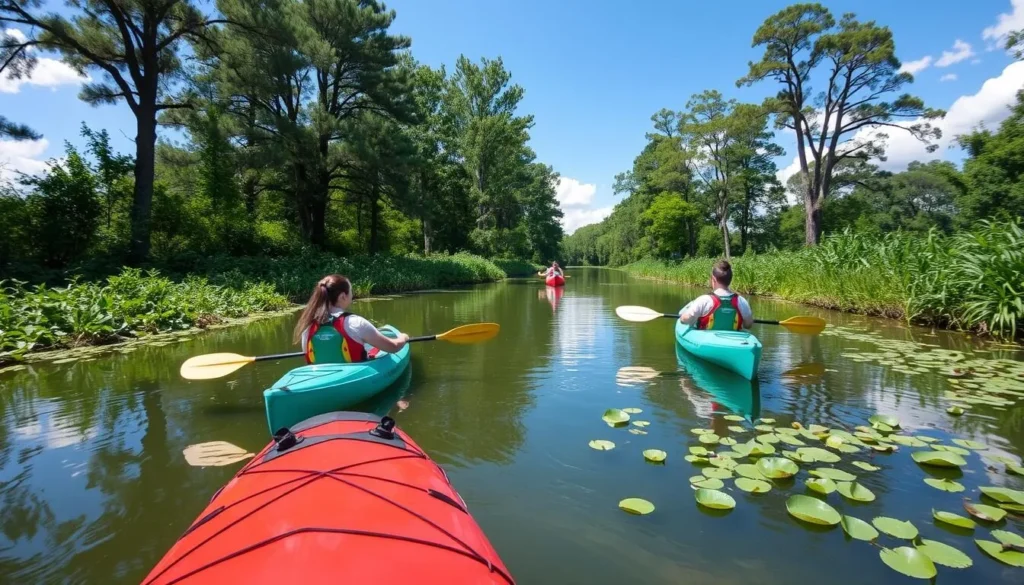
Outdoor enthusiasts will find plenty to love about the Mississippi River Islands National Wildlife Refuge, with activities available for all interest levels and abilities:
Wildlife Watching
The refuge is a premier destination for birding, with over 300 species recorded. Spring and fall migrations bring waves of warblers, waterfowl, and shorebirds. Winter visitors can witness one of the largest concentrations of bald eagles in the continental United States, with hundreds gathering near open water. Mammals including white-tailed deer, river otters, and beavers are commonly spotted, especially during early morning and evening hours.
Water Activities
The Mississippi River and its backwaters provide opportunities for kayaking, canoeing, and fishing. Navigate the quiet sloughs between islands to experience the refuge from a unique perspective. Anglers can target walleye, sauger, northern pike, and various panfish species. Several boat launches provide access, with the Thomson Causeway and Savanna Harbor being the most popular entry points.
Hiking & Photography
Several trails wind through diverse habitats, from sand prairies to floodplain forests. The Lost Mound Unit offers more challenging hikes through rolling terrain, while the Ingersoll Wetlands Learning Center provides accessible paths suitable for all abilities. Photographers will find endless subjects, from macro opportunities with native prairie plants to landscape vistas across the mighty Mississippi.
For those seeking guided experiences, local outfitters offer eco-tours focused on wildlife photography, birding, and river ecology. These expert-led excursions often reach areas of the refuge that are difficult to access independently and provide in-depth information about the complex river ecosystem.
Seasonal Highlight: Eagle Watching
From December through February, the refuge hosts one of nature’s most impressive spectacles as hundreds of bald eagles congregate near open water to feed. The Lock and Dam 13 area near Fulton is particularly renowned for eagle viewing, with specialized observation platforms that provide excellent sightings while minimizing disturbance to these magnificent birds.
Safety, Etiquette & Local Customs
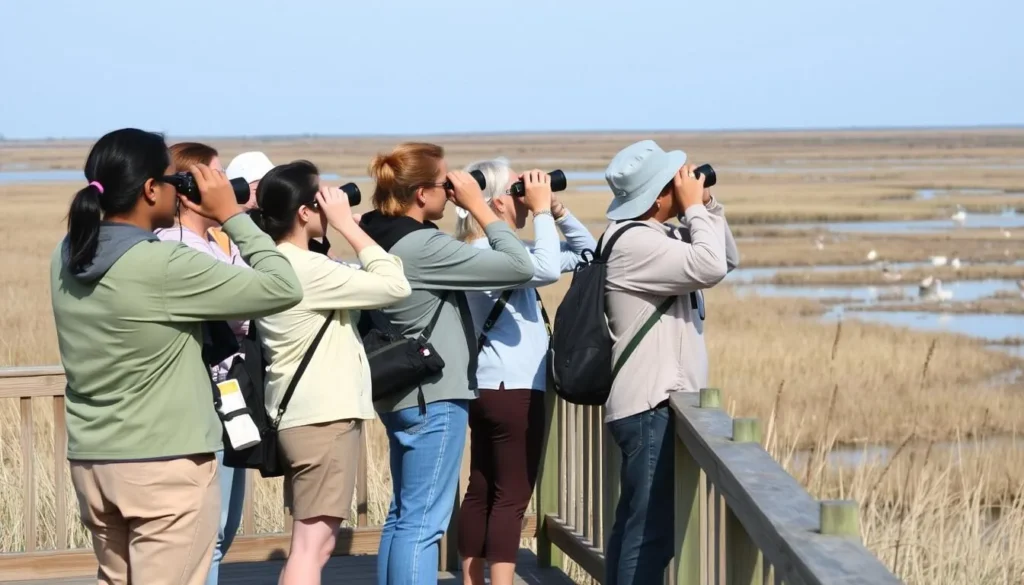
Ensuring a safe and respectful visit to the Mississippi River Islands National Wildlife Refuge enhances the experience for everyone and helps protect this sensitive ecosystem:
Safety Tips
- Be aware of changing river conditions, especially when boating or kayaking
- Bring sufficient water, especially during summer months
- Wear appropriate footwear for uneven terrain on hiking trails
- Check for ticks after hiking, particularly in spring and summer
- During hunting seasons, wear bright colors when hiking in permitted areas
- Cell phone coverage can be spotty in remote areas; consider bringing a map
Visitor Etiquette
- Stay on designated trails to protect sensitive habitats
- Maintain a respectful distance from wildlife, especially nesting birds
- Practice “Leave No Trace” principles by packing out all trash
- Keep noise levels down to avoid disturbing wildlife and other visitors
- Fishing is permitted with proper licenses, but be aware of seasonal regulations
- Pets must be leashed at all times in areas where they are permitted
Local Insight
The communities surrounding the refuge take great pride in preserving the natural beauty of the Mississippi River. Many local residents are knowledgeable about wildlife and river conditions. Don’t hesitate to ask for advice at local bait shops, cafes, or visitor centers – you’ll often receive valuable tips that enhance your experience while respecting local conservation efforts.
It’s worth noting that hunting is permitted in designated areas of the refuge during specific seasons. If you’re visiting during hunting season (typically fall and early winter), check with the refuge headquarters for maps of open hunting areas and consider planning your hiking or wildlife watching in non-hunting zones during these periods.
Visitor Comments About Mississippi River Islands National Wildlife Refuge
“As an avid birder, I was absolutely blown away by the diversity at Mississippi River Islands Refuge. In just one spring morning, I spotted over 40 species including three types of warblers I’d never seen before. The viewing platforms are perfectly positioned, and the staff were incredibly knowledgeable about recent sightings. Don’t miss the backwater areas near Thomson – that’s where I had my best encounters!”
“We rented kayaks from a local outfitter and spent two days exploring the refuge’s islands and channels. The experience was magical – so peaceful and untouched compared to other natural areas we’ve visited. We saw beavers, deer coming to drink at the shoreline, and even a river otter family playing near our campsite. The sunset views over the Mississippi were worth the trip alone.”
“Winter visit to see the bald eagles was the highlight of our American Midwest tour. We counted over 50 eagles in a single day! The contrast of these majestic birds against the snow and ice was spectacular for photography. Local guides suggested visiting Lock and Dam 13 early in the morning, which was excellent advice. Bundle up though – the wind coming off the river is bitingly cold!”
Practical Travel Tips
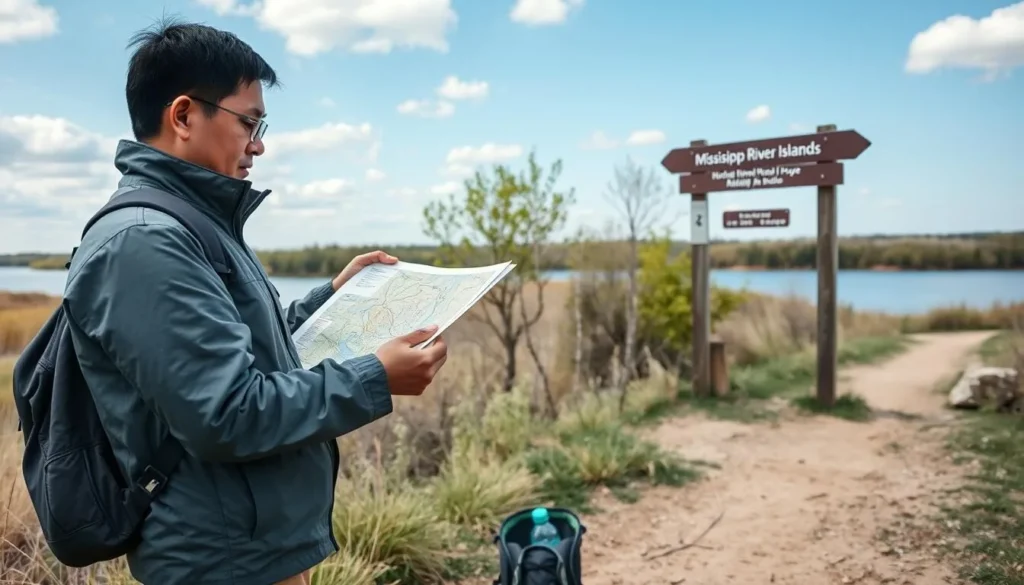
What should I bring for a day at the refuge?
Pack plenty of water, sun protection (hat, sunscreen, sunglasses), insect repellent (especially April-October), binoculars for wildlife viewing, a camera with zoom lens if possible, snacks or picnic supplies, and a small first aid kit. A field guide to local birds and wildlife can also enhance your experience. During cooler months, dress in layers as temperatures along the river can be significantly colder than inland areas.
Are there entrance fees for the refuge?
The Mississippi River Islands National Wildlife Refuge does not charge an entrance fee. However, some adjacent recreation areas like Thomson Causeway and Fisherman’s Corner may have day-use or camping fees. These fees typically range from $5-15 per day depending on the facilities used.
Can I bring my dog to the refuge?
Pets are permitted in some areas of the refuge but must be kept on a leash no longer than 2 meters (6 feet) at all times. Some sensitive wildlife areas prohibit pets entirely, so check current regulations at the visitor center. Always clean up after your pet and be aware that they may limit your wildlife viewing opportunities.
Is the refuge accessible for visitors with mobility challenges?
Several areas of the refuge offer accessible experiences. The Ingersoll Wetlands Learning Center features paved paths and accessible viewing platforms. The Thomson Causeway also has some accessible fishing piers and viewing areas. Contact the refuge headquarters for the most up-to-date information on accessibility options for specific areas you wish to visit.
For the most current information about trail conditions, wildlife sightings, and seasonal programs, stop by the refuge headquarters in Thomson or check the official U.S. Fish and Wildlife Service website before your visit. Local conservation organizations also frequently offer guided walks and educational programs that can significantly enhance your understanding of this complex ecosystem.
Your Mississippi River Wilderness Adventure Awaits
The Mississippi River Islands National Wildlife Refuge stands as a testament to successful conservation efforts along America’s greatest river. Whether you’re watching bald eagles soar against winter skies, paddling silently through backwater sloughs teeming with life, or hiking through rare sand prairies buzzing with native pollinators, this hidden gem offers authentic connections with nature that increasingly rare in our modern world. As you plan your journey to this remarkable wilderness, remember that each season brings different but equally rewarding experiences—from spring migrations to summer wildflowers to fall foliage and winter eagle congregations. The islands, backwaters, and floodplain forests of this refuge provide not just a destination, but a genuine immersion into one of the Midwest’s most vital and vibrant ecosystems. Pack your binoculars, lace up your hiking boots, or ready your paddle—the wild heart of the Mississippi awaits your discovery.
Related Posts
Frank Holten State Park, Illinois: Best Things to Do – Top Picks
World Shooting and Recreational Complex State Park, Illinois: Best Things to Do – Top Picks
Woodford State Park, Illinois: Best Things to Do – Top Picks
Wolf Road Prairie Nature Preserve, Illinois: Best Things to Do – Top Picks
Wolf Creek State Park, Illinois: Best Things to Do – Top Picks
White Pines Forest State Park, Illinois: Best Things to Do – Top Picks
Coming Soon: Clickable Maps