
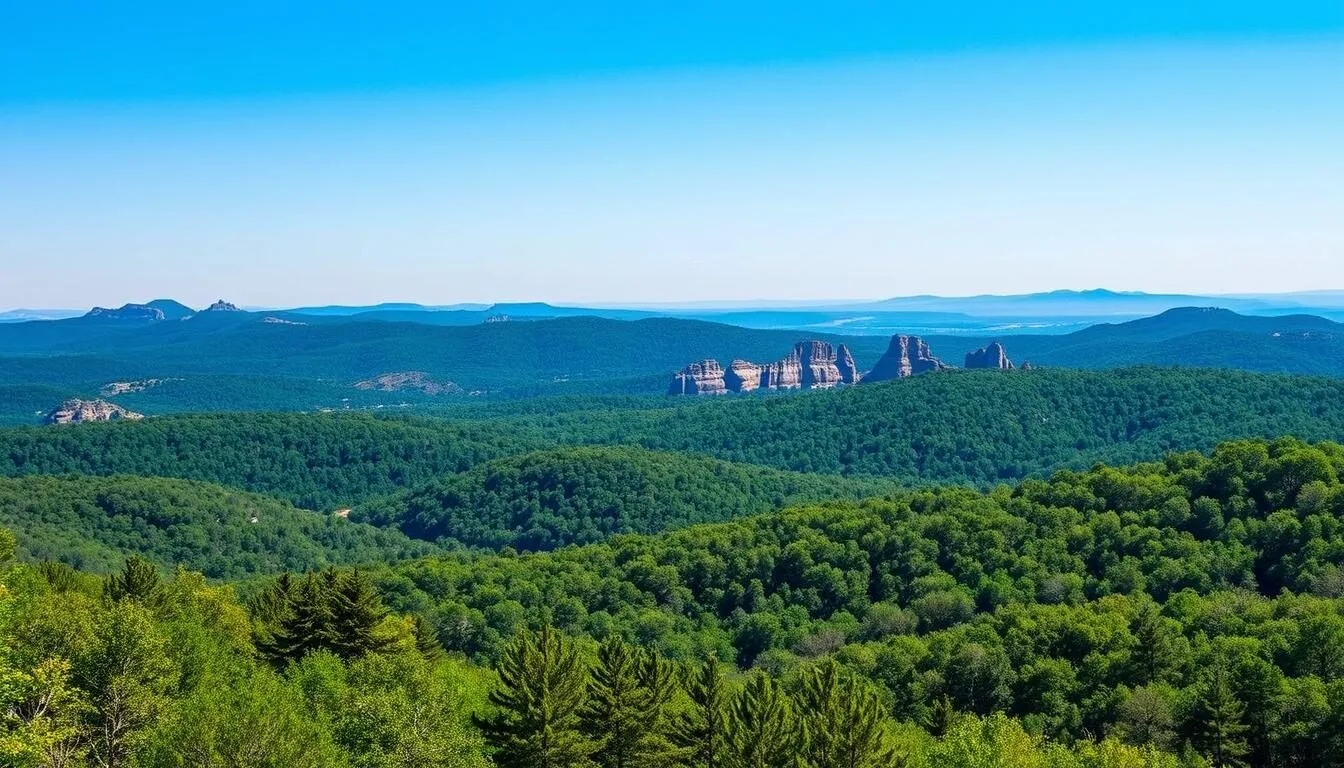
Did you know that Southern Illinois is home to the state’s only designated National Forest? The Shawnee National Forest spans over 280,000 acres (113,312 hectares) and contains some of the most dramatic landscapes in the Midwest. Unlike the flat prairie lands most associate with Illinois, the Shawnee Hills region features towering sandstone bluffs, ancient rock formations, dense forests, and cypress swamps that more closely resemble the Deep South than the Midwest. This hidden gem offers outdoor enthusiasts a surprising escape in America’s heartland.
Getting There & Planning Your Journey
The Shawnee Hills region is located in the southern tip of Illinois, approximately 330 km (205 miles) south of Chicago and 150 km (93 miles) southeast of St. Louis. The closest major airports are:
- St. Louis Lambert International Airport (STL) – 2-hour drive
- Nashville International Airport (BNA) – 3-hour drive
- Evansville Regional Airport (EVV) – 1.5-hour drive
- Williamson County Regional Airport (MWA) – small regional airport with limited service, 30 minutes from many attractions
For the most flexibility, renting a car is essential as public transportation is extremely limited in this rural area. The region is divided into eastern and western sections, so plan at least 3-4 days to explore thoroughly. Many visitors combine a trip to Shawnee Hills with the nearby Shawnee Hills Wine Trail, which features 11 wineries across a 40 km (25-mile) scenic route.
Best Time to Visit & Weather Tips

Recommended Seasons
- Spring (April-May): Wildflowers bloom, waterfalls flow at peak levels, and temperatures range from 10-24°C (50-75°F)
- Fall (September-November): Spectacular foliage colors, comfortable hiking temperatures of 10-21°C (50-70°F), and fewer crowds
- Early Summer (June): Lush greenery before the high heat and humidity of July-August
Seasons to Avoid
- Mid-Summer (July-August): Temperatures often exceed 32°C (90°F) with high humidity, making hiking uncomfortable
- Winter (December-February): While beautiful with occasional snow, many facilities close and icy conditions can make trails dangerous
- Spring Break (mid-March): Popular areas like Garden of the Gods can become crowded
The region experiences all four seasons distinctly. Spring brings abundant rainfall, which creates spectacular waterfalls but can make some trails muddy. Summer offers lush greenery but can be uncomfortably hot and humid. Fall is widely considered the ideal time to visit with comfortable temperatures and stunning foliage. Winter can be beautiful after a snowfall, but services are limited and roads may be difficult to navigate.
Getting Around Locally
Having your own vehicle is essential for exploring Shawnee Hills. The attractions are spread across a large area with limited public transportation options. Many roads leading to trailheads and scenic areas are unpaved, so a vehicle with decent ground clearance is helpful, though not absolutely necessary in good weather.
Navigation Tip: Cell phone coverage is spotty throughout the region, especially in the eastern section. Download Google Maps for offline use before your trip, and consider picking up paper maps at visitor centers. The Southernmost Illinois Tourism Bureau website offers downloadable maps and guides that are invaluable for planning.
The main roads connecting major attractions include Highway 34, Highway 145, and Garden of the Gods Road. Allow extra time for travel between sites, as driving speeds are often reduced on the winding forest roads. Most attractions are within a 30-60 minute drive of each other.
Where to Stay

Shawnee Hills offers diverse accommodation options that allow visitors to fully immerse themselves in the natural beauty of the region:
Cabins & Cottages
Shawnee Forest Cabins near Garden of the Gods offer private hot tubs and full kitchens. Their unique Treehouse cabin features a suspension bridge leading to a hot tub nestled in the trees. Williams Hill Pass Campground provides cozy cabins with excellent access to hiking trails.
Unique Stays
For a memorable experience, consider the Glamping Dome in Stonefort, which sleeps up to four people with a king bed on the main level and a loft queen bed. It features luxury amenities including a 6-person hot tub, hammock swings, and an outdoor TV, all while being surrounded by forest.
Campgrounds
The Marion/Shawnee National Forest KOA offers RV sites, tent camping, and cabins on the shores of Lake of Egypt. Pounds Hollow Recreation Area provides tent camping for approximately $10 per night with swimming and fishing access. Garden of the Gods Recreation Area has basic campsites perfect for stargazing.
Accommodations fill quickly during peak seasons (fall weekends and summer holidays), so booking 2-3 months in advance is recommended. Many cabins require a two-night minimum stay on weekends.
Dining & Local Cuisine

Southern Illinois cuisine reflects the region’s unique position at the crossroads of Midwestern and Southern food traditions. Here are some local specialties and recommended dining spots:
Local Specialties
- Fried Catfish: A regional staple, often served with hushpuppies and coleslaw
- Burgoo: A thick stew made with multiple meats and vegetables
- Fruit Cobblers: Featuring locally grown peaches, apples, and berries
- Shawnee Wine Trail Wines: Local vineyards produce unique varieties that pair well with regional dishes
Recommended Restaurants
Eastern Shawnee Hills
- Trails End Restaurant: Known for excellent fried catfish and fresh-baked fruit cobblers. Located at Double M Campground.
- The Diver Down (Golconda): Offers outstanding seafood including crab-stuffed mushrooms and catfish with a distinctive mustard-based tartar sauce.
- Mackie’s Pizza (Harrisburg): Local favorite for thin-crust pizza with a sweet sauce.
Western Shawnee Hills
- Giant City Lodge: Famous for its family-style fried chicken dinners served in a historic stone lodge.
- Rendleman Orchards Farm Market: Seasonal fruits, homemade jams, and fresh baked goods including apple cider donuts in fall.
- Rootbeer Saloon (Anna): Unique dining experience with homemade root beer and sandwiches.
Many restaurants in the region have limited hours, with some only open on weekends or seasonally. It’s wise to pack snacks and water for day hikes, as dining options within the forest itself are scarce.
Attractions, Sightseeing & Activities
Garden of the Gods
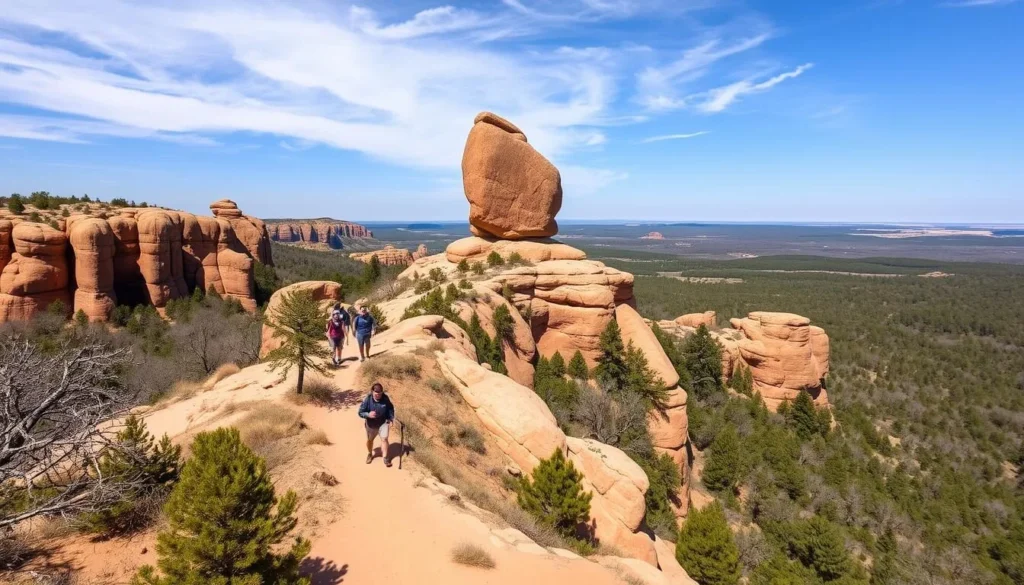
The crown jewel of Shawnee National Forest, Garden of the Gods features extraordinary sandstone formations sculpted by wind and water over millions of years. The Observation Trail is a must-do 0.4 km (0.25-mile) loop that showcases formations like Camel Rock, Monkey Face, and Mushroom Rock. For the most magical experience, visit at sunset when the golden light transforms the ancient stones. More adventurous hikers can explore the 9 km (5.5-mile) trail system that extends beyond the main observation area.
Cave-in-Rock State Park
This fascinating natural shelter carved into limestone bluffs overlooking the Ohio River once served as a hideout for river pirates and outlaws in the late 18th and early 19th centuries. The cave opening is an impressive 17 m (55 feet) wide, and visitors can walk inside to explore. After visiting the cave, take the free ferry across the Ohio River into Kentucky for a unique border-crossing experience that children especially enjoy.
Rim Rock National Recreation Trail
One of the most fascinating hikes in the region, this 2.7 km (1.7-mile) loop trail takes you around the rim of a rock ridge before descending through a narrow stone staircase into a cool, moss-covered canyon. The trail leads to Ox-Lot Cave, a natural shelter once used to corral livestock. The ancient stone walls along the path were built by prehistoric Native Americans of the Woodland culture approximately 5,000 years ago.
Stone Face
This remarkable natural rock formation bears an uncanny resemblance to a human face and is accessible via a 1.6 km (1-mile) out-and-back trail from the Stone Face parking lot. The trail passes through a natural stone arch before reaching the carved face and a beautiful overlook of the surrounding forest. While less visited than Garden of the Gods, many visitors find Stone Face equally impressive.
Pounds Hollow Recreation Area
A perfect spot for cooling off during warmer months, Pounds Hollow features a beautiful lake with a sandy beach for swimming. The area also offers fishing, boating (no motors over 10 horsepower), and hiking opportunities. There’s no entrance fee for swimming or fishing, though a fishing license is required. The site includes picnic areas and tent camping for approximately $10 per night.
Museums, Cultural Spots & Festivals

Shawnee Sasquatch Festival
This quirky autumn festival in Harrisburg celebrates the legendary Bigfoot with a day of family-friendly activities. The free downtown event features carnival rides, food trucks, live music, and vendors selling Sasquatch-themed crafts and treats. Don’t miss the Sasquatch calling contest, car show, and 5K run/walk. The festival typically takes place in October, offering a unique blend of local culture and playful cryptozoology enthusiasm.
Cache River Wetlands Center
Located in Cypress, Illinois, this educational center provides fascinating insights into the unique ecology of the Cache River Wetlands. Exhibits explain the area’s diverse wildlife including otters, muskrats, beavers, and over 100 species of birds. The center offers guided canoe tours and naturalist-led hikes that provide deeper understanding of this remarkable ecosystem that resembles the swamplands of the Deep South.
Iron Furnace
This historic site near Elizabethtown showcases Illinois’ only iron furnace, which operated from 1837 to the 1880s. Reconstructed in 1967, the furnace once produced an impressive 9 tons of pig iron daily. The site offers a glimpse into the industrial history of the region and makes for an interesting historical stop between outdoor adventures.
Makanda
This charming artist community is home to the Makanda Boardwalk, featuring local artisans, unique shops, and an ice cream parlor. Time your visit right to experience one of their arts and crafts festivals, which showcase the work of regional artists and craftspeople. The village has a bohemian atmosphere that provides a cultural contrast to the natural attractions of the surrounding forest.
Seasonal Events
- Spring Wildflower Walks: Guided tours highlighting the diverse flora of the forest
- Summer Music in the Vineyard: Weekend concerts at wineries along the Shawnee Hills Wine Trail
- Fall Colors Weekend: Organized hikes and photography workshops during peak foliage season
- Winter Eagle Watch: Guided viewing of bald eagles that winter along the Ohio and Mississippi Rivers
Sports, Nature & Outdoor Experiences

Hiking Trails
Beyond the popular trails mentioned earlier, Shawnee Hills offers numerous hiking opportunities for all skill levels:
Easy to Moderate Trails
- Indian Point Trail: 3 km (1.9 miles) loop with bluff overlooks and cave explorations
- Bell Smith Springs White Trail: 2.4 km (1.5 miles) loop along a ridge overlooking crystal blue waters
- Section 8 Woods Nature Preserve Boardwalk: Short walk to see a 1,000-year-old champion water tupelo tree
More Challenging Hikes
- Jackson Falls: Challenging terrain with rock formations popular with climbers
- Lusk Creek Canyon/Indian Kitchen: Remote trail with spectacular bluff views
- One Horse Gap to Rocky Top: Difficult but rewarding hike with panoramic vistas
Water Activities

The region offers several water-based activities that showcase its diverse ecosystems:
- Kayaking the Cache River Wetlands: Paddle through a cypress-tupelo swamp reminiscent of Louisiana bayous. Rentals and guided tours available from Cache Bayou Outfitters in Ullin.
- Swimming at Kinkaid Lake Spillway: A multi-tiered waterfall creates natural swimming holes during summer months. Water levels vary, so check conditions before visiting.
- Inflatable Waterpark at Marion/Shawnee National Forest KOA: Family-friendly floating obstacle course on Lake of Egypt with slides, climbing walls, and more.
- Fishing: Pounds Hollow Lake, Lake of Egypt, and the Ohio River offer excellent fishing opportunities for bass, crappie, and catfish.
Other Outdoor Adventures

- Ziplining: Shawnee Bluffs Canopy Tour in Makanda offers 8 ziplines, 3 suspension bridges, and aerial views of the forest. The 3-hour tour includes photo downloads.
- Horseback Riding: Giant City Stables provides guided 1-hour trail rides through the forest on a 3.2 km (2-mile) route. Suitable for ages 7 and up.
- Rock Climbing: Jackson Falls offers some of the best climbing in the Midwest with over 60 established routes on sandstone bluffs.
- Wildflower Photography: Spring brings an explosion of wildflowers including trillium, wild orchids, and jack-in-the-pulpit.
- Stargazing: The remote location offers minimal light pollution, making it ideal for night sky viewing, especially at Garden of the Gods.
Safety, Etiquette & Local Customs
Trail Safety: Many of Shawnee Hills’ most scenic spots feature high bluffs and cliffs without guardrails. Keep children close, stay on marked trails, and use caution, especially in wet conditions when sandstone becomes slippery.
Outdoor Safety
- Carry plenty of water, especially in summer when temperatures can exceed 32°C (90°F)
- Check for ticks after hiking – the region has both deer ticks (which can carry Lyme disease) and larger dog ticks
- Be aware of venomous snakes including copperheads and timber rattlesnakes, though encounters are rare
- During hunting seasons (primarily fall), wear bright colors when hiking
- Cell service is limited – inform someone of your hiking plans and expected return time
Local Etiquette
- Practice “Leave No Trace” principles – pack out all trash
- Respect private property boundaries, which sometimes border public lands
- Support local businesses when possible – the region’s economy benefits greatly from tourism
- Many residents have deep family ties to the land spanning generations – showing interest in local history is appreciated
- The pace of life is slower – embrace the relaxed atmosphere rather than expecting big-city efficiency
Visitor Comments About Shawnee Hills
“I’ve hiked in national parks across the country, but Garden of the Gods in Shawnee Hills completely surprised me. The rock formations rival anything I’ve seen out west, and the lack of crowds made it even more special. Don’t miss the sunset view from Camel Rock – absolutely magical!”
“Our family stayed in a cabin near Rim Rock and used it as a base to explore the eastern side of Shawnee. The kids loved climbing through the rock passages and exploring Ox-Lot Cave. The fried catfish at Trails End Restaurant was some of the best we’ve ever had. We’re already planning our return trip to see the western side.”
“As an international traveler, I found Shawnee Hills to be a hidden gem that most tourists miss. Kayaking through the cypress swamp felt like being transported to another world. The locals were incredibly friendly and eager to share their recommendations. This region deserves much more recognition!”
Additional Nearby Destinations
Shawnee Hills Wine Trail
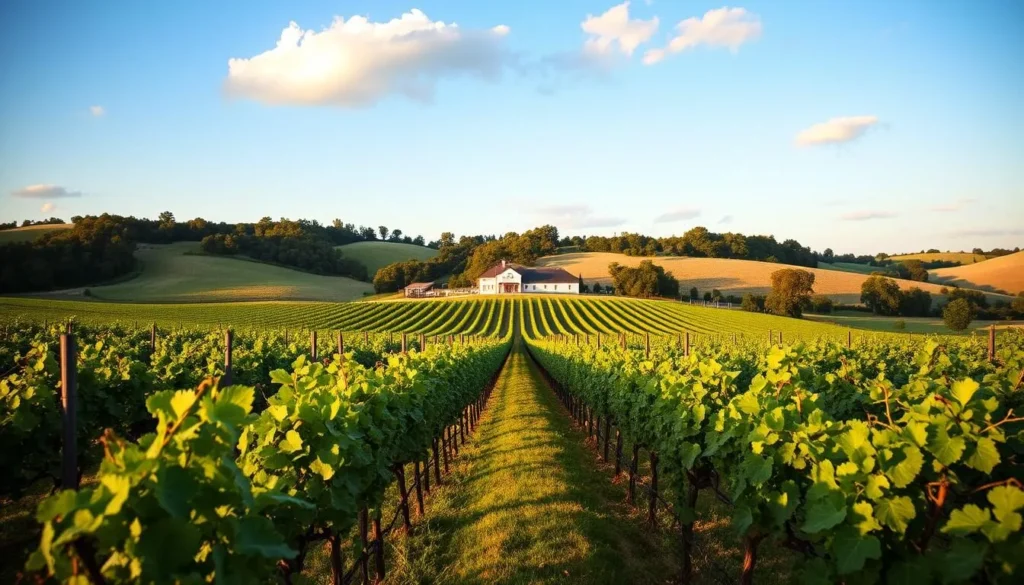
Just 20-30 minutes from many forest attractions, this 40 km (25-mile) scenic route connects 11 award-winning wineries. Many offer live music on weekends, outdoor seating with vineyard views, and food pairings. Blue Sky Vineyard features Tuscan-inspired architecture, while Owl Creek Vineyard is known for its fruit wines.
Giant City State Park
Located near Makanda, this park features unique “streets” formed by massive sandstone bluffs. The historic lodge built by the Civilian Conservation Corps serves family-style fried chicken dinners. The park offers excellent hiking, rock climbing, and horseback riding opportunities.
Metropolis, Illinois
About an hour from Shawnee Hills, this quirky town embraces its Superman connection (sharing a name with Superman’s fictional city). Visit the 4.6 m (15-foot) Superman statue and museum, or try your luck at Harrah’s Casino. The town hosts an annual Superman Celebration each June.
Practical Travel Tips
What to Pack
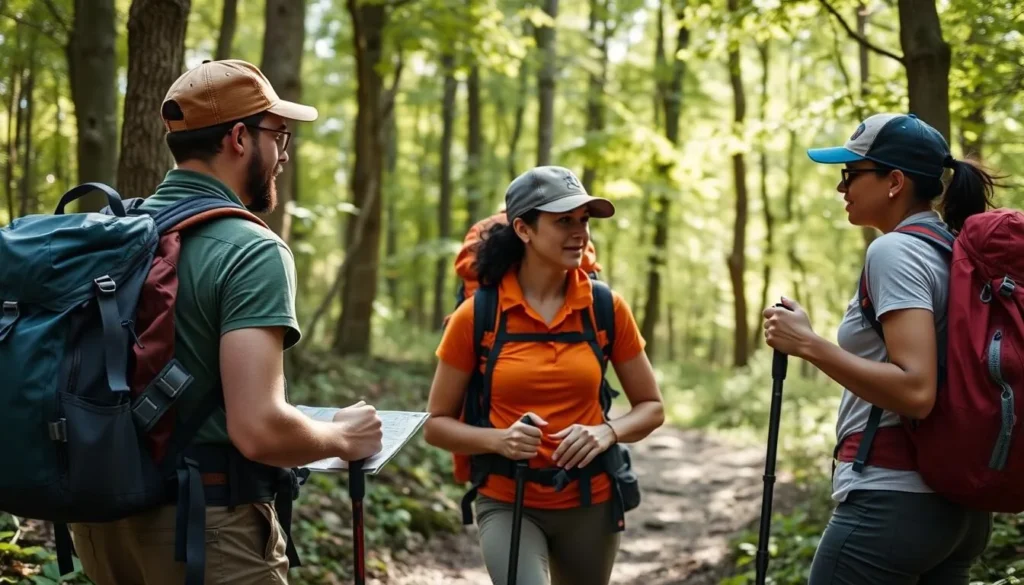
- Sturdy Hiking Shoes: Many trails have uneven terrain and can be slippery
- Layers: Weather can change quickly, especially in spring and fall
- Insect Repellent: Essential from April through October
- Sunscreen: Even on forested trails, sun protection is important
- Reusable Water Bottle: Filling stations are available at major trailheads
- Paper Maps: Don’t rely solely on digital navigation
Planning Resources
- Southernmost Illinois Tourism Bureau: Offers comprehensive guides and maps
- Shawnee National Forest Visitor Center: Located in Harrisburg with knowledgeable staff
- AllTrails App: Features user reviews and offline maps for many local trails
- Local Outfitters: Can provide current trail conditions and guided experiences
- State Park Offices: Call ahead to confirm operating hours and any closures
Budget at least 3-4 days to explore the eastern side of Shawnee Hills, and another 2-3 days if you want to include the western section. While major attractions like Garden of the Gods can be visited in a few hours, the region’s charm lies in unhurried exploration of its diverse landscapes.
The Midwest’s Hidden Natural Wonder
Shawnee Hills stands as a testament to Illinois’ surprising natural diversity, offering experiences that defy the state’s prairie stereotype. From ancient rock formations that tell geological stories millions of years in the making to cypress swamps that transport you to the Deep South, this region rewards those willing to venture beyond the beaten path. Whether you’re scaling sandstone bluffs, paddling through primeval wetlands, or simply watching the sunset transform Garden of the Gods into a golden wonderland, Shawnee Hills promises memories that will draw you back to southern Illinois time and again.
The above is subject to change.
Check back often to TRAVEL.COM for the latest travel tips and deals.


0 Comments