
Hotels by Trip.com
Flights by Trip.com
Did you know Starved Rock State Park’s 18 magnificent canyons were carved by glacial meltwater over 14,000 years ago? This natural wonder, located less than 100 miles southwest of Chicago, attracts over 2 million visitors annually who come to explore its awe-inspiring bluffs, seasonal waterfalls, and rugged canyons. As one of Illinois’ most beloved outdoor destinations, Starved Rock offers a perfect escape into nature with miles of hiking trails and breathtaking vistas that change dramatically with each season.
Getting There & Planning Your Journey
Starved Rock State Park is conveniently located in Utica, Illinois, making it accessible for day trips or weekend getaways. The park sits at the intersection of Route 178 and Route 71, with clear signage directing visitors to the main entrance.
Driving Directions
From Chicago: Take I-80 west for about 93 miles to exit 81 (Route 178). Head south on Route 178 for approximately 3 miles until you reach the park entrance. The drive typically takes around 1.5 hours, depending on traffic conditions.
From Springfield: Take I-55 north to I-80 west, then follow the directions from Chicago. Alternatively, take IL-29 north along the Illinois River for a more scenic route. This journey takes approximately 2.5 hours.
Closest Airports
The nearest major airports to Starved Rock State Park are:
- Chicago O’Hare International Airport (ORD) – 150 km (93 miles)
- Chicago Midway International Airport (MDW) – 130 km (81 miles)
- Central Illinois Regional Airport (BMI) – 115 km (71 miles)
From any of these airports, renting a car is the most convenient way to reach Starved Rock, as public transportation options are limited.
Planning Tip: The main parking lot near the Visitor Center fills up quickly on weekends and holidays, especially between 11:00 AM and 3:00 PM. Arrive early (before 10:00 AM) or later in the afternoon to secure parking. Overflow parking is available at the Starved Rock Lodge and Starved Rock Boat Ramp.
Best Time to Visit & Weather Tips
Starved Rock State Park offers unique experiences throughout the year, with each season showcasing different natural wonders. Understanding the seasonal highlights will help you plan the perfect visit.
Spring (March-May)
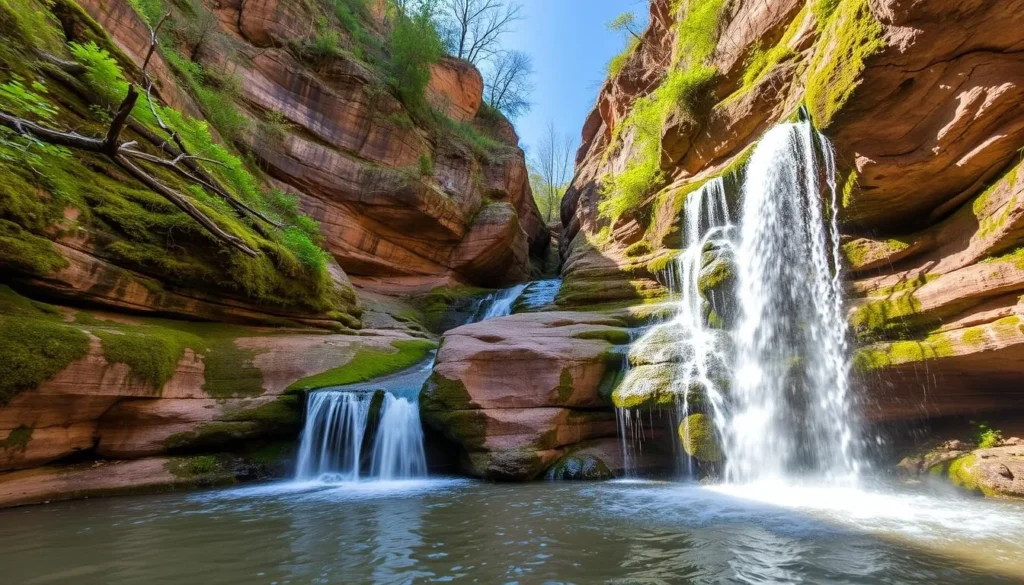
Spring brings the park to life with cascading waterfalls at their peak flow due to melting snow and spring rains. Wildflowers begin to bloom, and migrating birds return to the area. Trails can be muddy, so proper footwear is essential. Weekdays are less crowded than weekends.
Temperature: 5-21°C (41-70°F)
Precipitation: Moderate to heavy
Crowd Level: Moderate
✓ Check 30,000+ Local Sightseeing Tours Worldwide
Summer (June-August)
Summer is the busiest season at Starved Rock, with warm temperatures perfect for hiking and exploring. The lush green canyons provide cool relief from summer heat. Waterfalls may diminish or dry up completely during dry spells. Arrive early (before 10 AM) on weekends to secure parking.
Temperature: 18-30°C (65-86°F)
Precipitation: Occasional thunderstorms
Crowd Level: High
Fall (September-November)
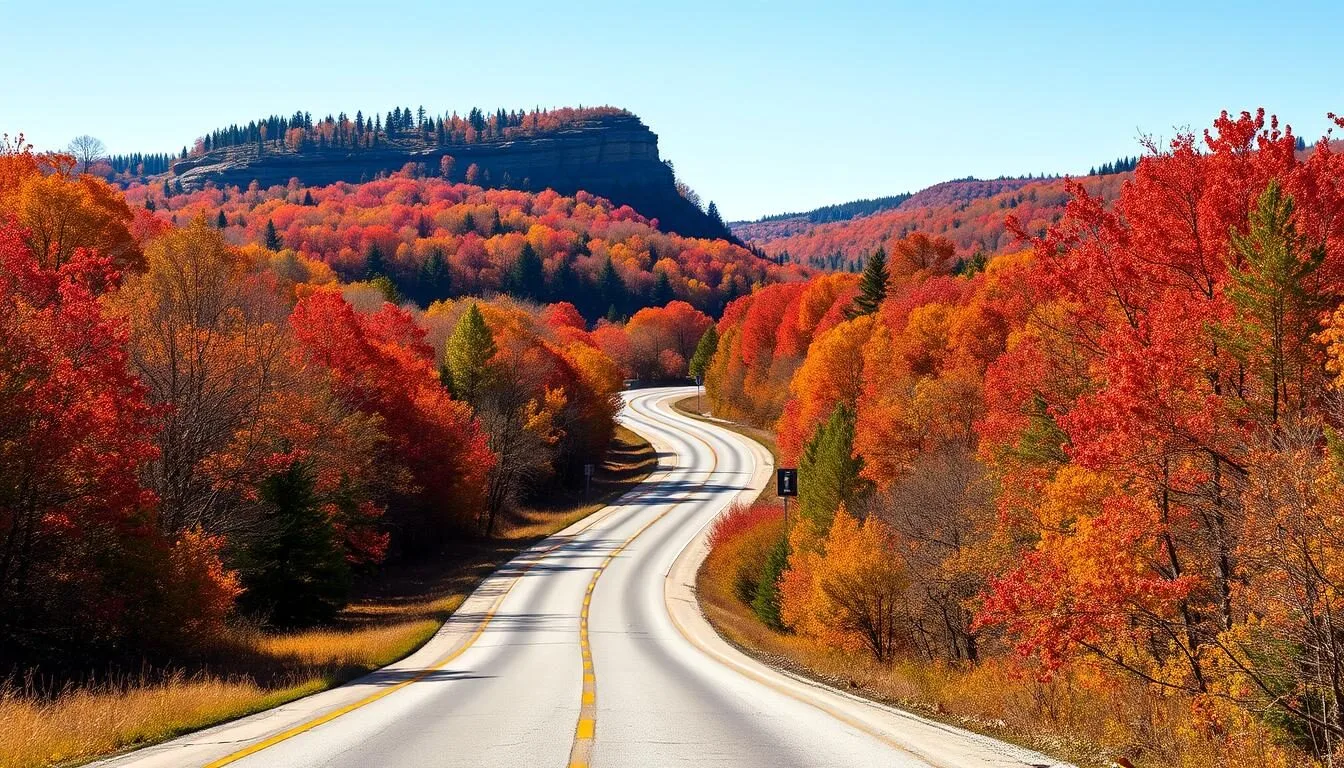
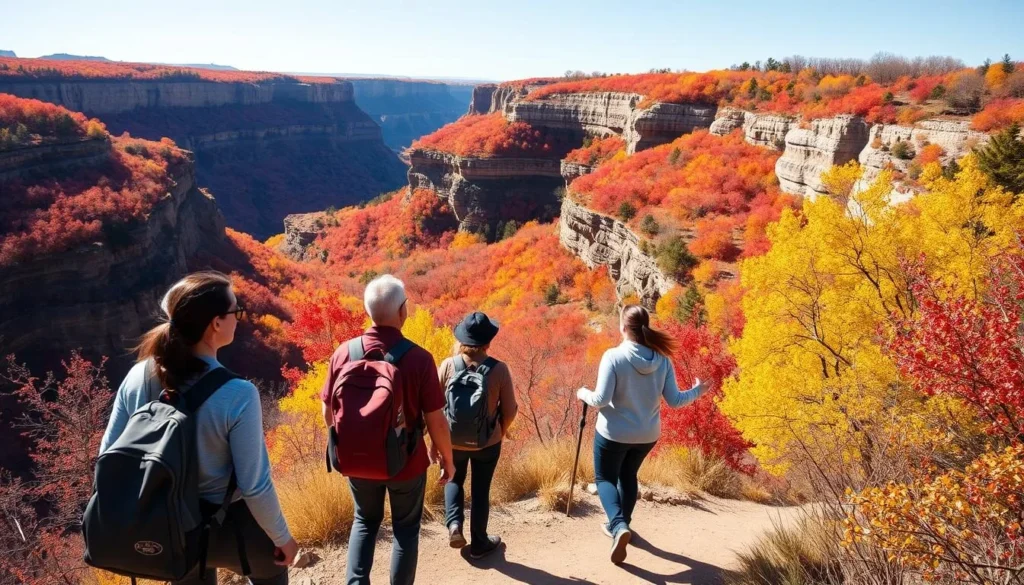
Fall offers spectacular foliage as the park’s trees transform into brilliant shades of red, orange, and gold. Mid-October typically provides peak colors. Temperatures are comfortable for hiking, and crowds begin to thin after Labor Day. This is considered by many to be the most photogenic season.
Temperature: 4-21°C (40-70°F)
Precipitation: Light to moderate
Crowd Level: Moderate to high (weekends)
Winter (December-February)
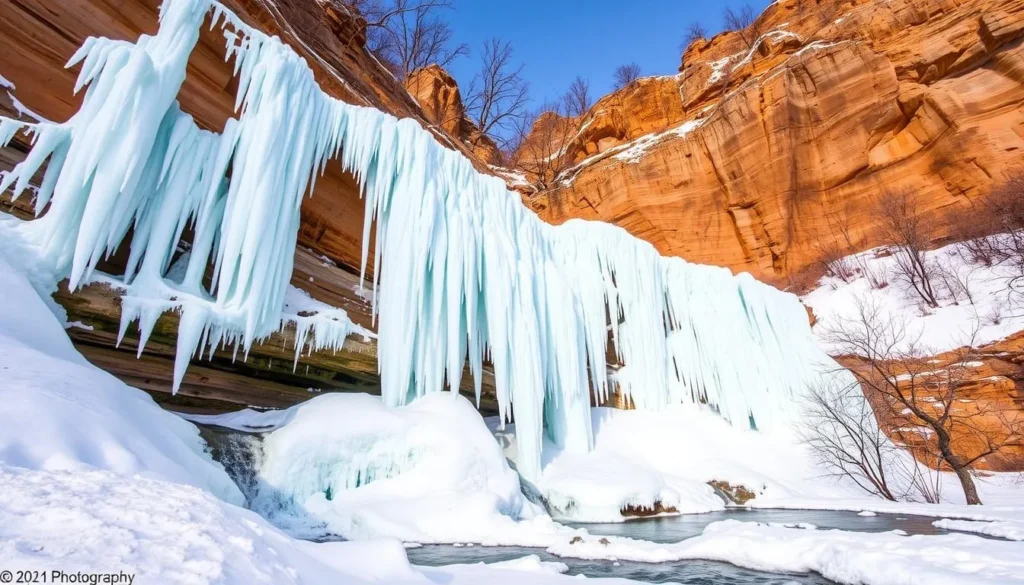
Winter transforms Starved Rock into a frozen wonderland with ice waterfalls and formations in the canyons. Bald eagles can be spotted along the Illinois River. Trails may be icy or snow-covered, so traction devices for boots are recommended. The lodge offers a cozy retreat with a roaring fireplace.
Temperature: -7 to 3°C (19-38°F)
Precipitation: Snow and ice
Crowd Level: Low (except holidays)
Recommended Months to Visit: April-May for waterfalls, mid-October for fall colors, January-February for eagle watching and ice formations.
Months to Avoid: July-August weekends can be extremely crowded with limited parking. Major holiday weekends throughout the year also see peak crowds.
Getting Around Locally
A personal vehicle is essential for exploring Starved Rock State Park and the surrounding area. The park itself spans over 1,000 hectares (2,630 acres), and while the main trails are accessible from the Visitor Center and Lodge, having a car allows you to access different trailheads and nearby attractions.
Within the Park
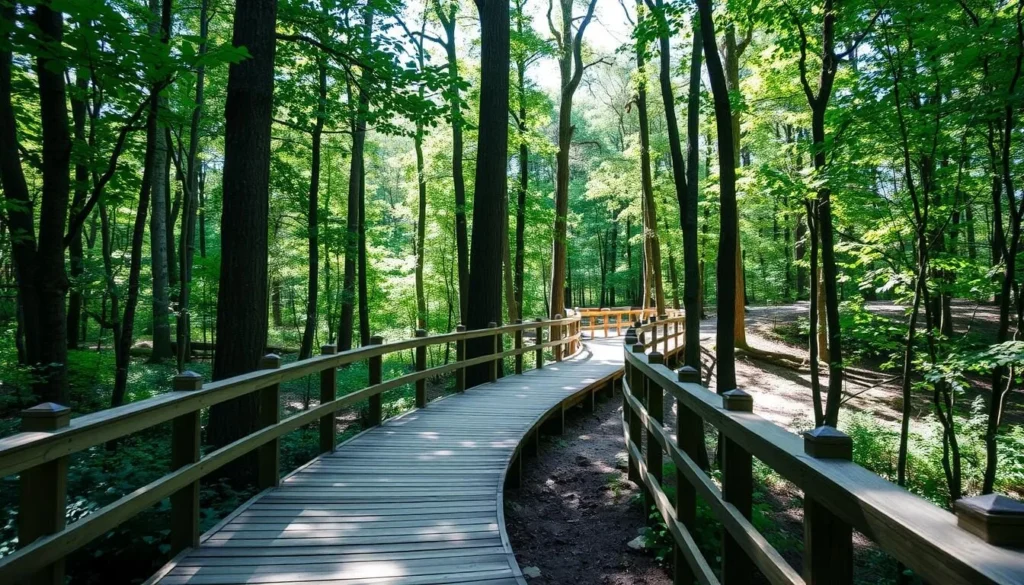
Once inside Starved Rock, all exploration is done on foot via the park’s extensive trail system. The main trails are well-marked with signs and colored markers. Trail maps are available at the Visitor Center and should be carried with you, as cell service can be spotty in the canyons.
Trolley Tours
For those who prefer guided exploration, the Starved Rock Lodge offers seasonal trolley tours that visit various park highlights and nearby attractions. These tours are especially popular during eagle watching season and fall color weekends. Advance reservations are recommended during peak seasons.
Mobility Note: While some areas of the park are accessible via paved paths and boardwalks, many of the most scenic areas require navigating stairs, uneven terrain, and elevation changes. The Visitor Center and Lodge are wheelchair accessible, as are some of the overlooks along the Illinois River.
Where to Stay
Whether you’re planning a day trip or an extended stay, Starved Rock offers various accommodation options to suit different preferences and budgets.
Starved Rock Lodge
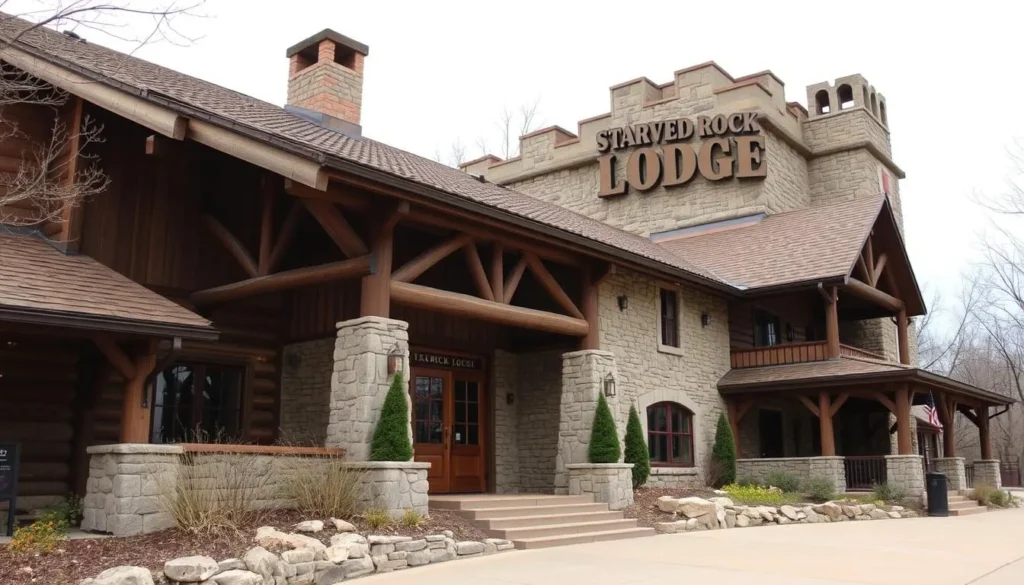
Built in the 1930s by the Civilian Conservation Corps, the historic Starved Rock Lodge offers comfortable rooms in the main lodge and individual cabin rooms in the woods. The lodge features a restaurant, indoor pool, and outdoor veranda with spectacular views. Reservations are recommended, especially during peak seasons.
Contact: One Lodge Lane, Oglesby, IL 61348 | Phone: 815-667-4211
Camping Options
The Starved Rock Campground provides 133 Class A sites with electricity and vehicle access. Facilities include showers, toilets, and a camp store. Campsites can be reserved up to six months in advance through the Reserve America system. The campground is located about a mile from the main park area.
Nearby Accommodations
The surrounding area offers additional lodging options, including:
- Grizzly Jack’s Grand Bear Resort – Family-friendly resort with an indoor waterpark
- Kishauwau Starved Rock Area Cabins – Secluded cabins for a more private experience
- Holiday Inn Express & Suites (Ottawa) – Modern hotel with free breakfast and indoor pool
- Fairfield Inn & Suites (Peru) – Comfortable rooms with amenities like free breakfast
Booking Advice: Reserve accommodations at least 2-3 months in advance for summer weekends and fall color season. Winter eagle watching weekends also book up quickly. Midweek stays typically offer better availability and lower rates.
Dining & Local Cuisine
The Starved Rock area offers a variety of dining options, from casual eateries to more upscale restaurants, many featuring locally-sourced ingredients and regional specialties.
At the Park
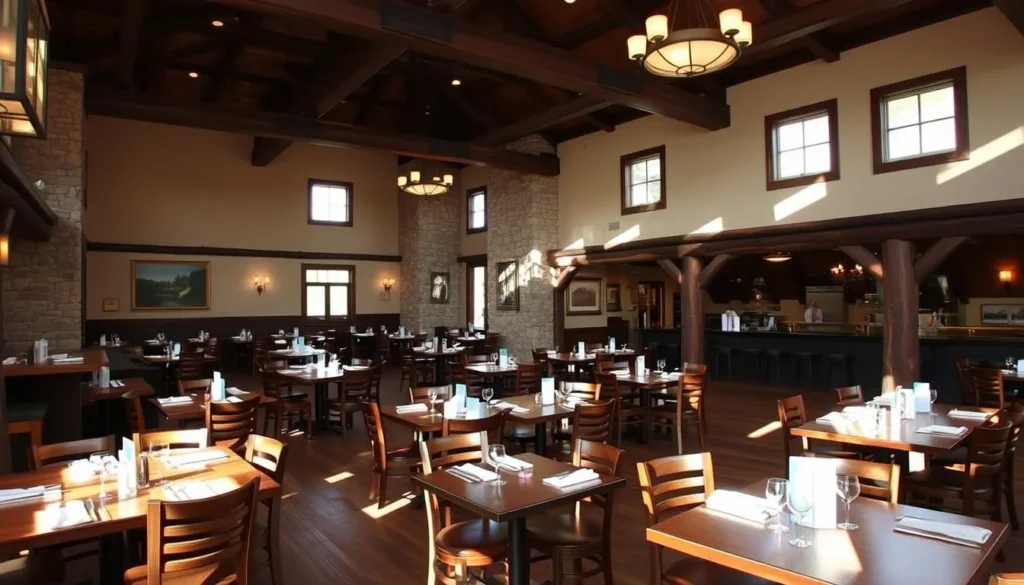
The Starved Rock Lodge houses several dining options:
- Main Dining Room – Serves hearty American comfort food like pot roast, fried chicken, and homemade soups
- Back Door Lounge – Offers a more casual atmosphere with sandwiches, appetizers, and local craft beers
- Veranda – Seasonal outdoor dining with beautiful views (summer only)
- Cafe – Quick bites, ice cream, and grab-and-go items for hikers
Nearby Restaurants
Venturing into the surrounding towns reveals more dining gems:
Utica
- Lodi Tap House – Craft beer and elevated pub fare
- The Root Beer Stand – Nostalgic carhop serving root beer floats and classic American fast food
Ottawa
- Tangled Roots Brewing Company – Farm-to-table food and craft beer made with locally grown hops
- Red Dog Grill – Waterfront dining with views of the harbor
- Jeremiah Joe’s – Local coffee shop perfect for a pre-hike caffeine boost
Local Specialty: While in the area, try the pork tenderloin sandwich, a Midwest classic featuring a breaded and fried pork cutlet that often extends well beyond the bun. Many local restaurants compete for the title of “best tenderloin.”
Attractions, Sightseeing & Activities
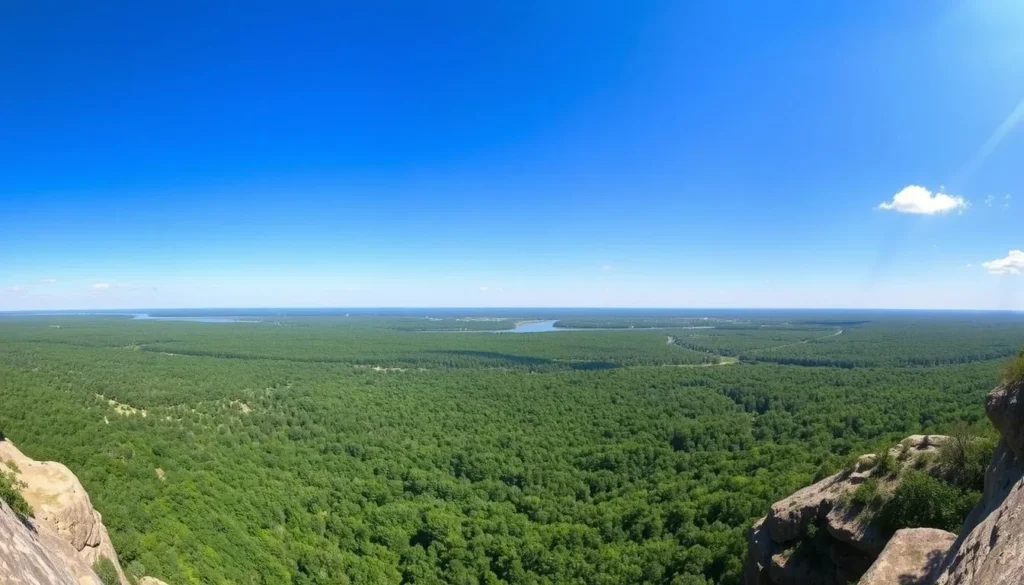
Starved Rock State Park features 13 miles of well-marked trails that lead to stunning overlooks and 18 canyons. Here are the must-see attractions that should be on every visitor’s list:
Iconic Canyons
St. Louis Canyon
One of the most photographed spots in the park, St. Louis Canyon features a stunning 80-foot waterfall that cascades down its smooth sandstone walls. The canyon is especially beautiful in spring and after heavy rainfall.
French Canyon
Located just a short walk from the Visitor Center, French Canyon offers accessible adventure with its narrow passages and vertical walls. During rainy periods, a delicate waterfall trickles down its moss-covered surfaces.
Wildcat Canyon
Home to the tallest waterfall in the park (over 80 feet), Wildcat Canyon impresses with its sheer size and grandeur. The viewing platform offers spectacular vistas of the canyon’s dramatic walls and waterfall.
Scenic Overlooks
Lover’s Leap Overlook
This dramatic overlook provides sweeping views of the Illinois River and surrounding forest. Named after a Native American legend, it’s one of the most romantic spots in the park and particularly stunning at sunset.
Eagle Cliff
Eagle Cliff offers panoramic views of the Illinois River and is a prime spot for bald eagle watching during winter months. Bring binoculars to spot these majestic birds fishing and soaring above the river.
Seasonal Activities
Winter Adventures

When snow blankets the park, visitors can enjoy cross-country skiing on designated trails. Eagle watching becomes a popular activity from December through February, with guided eagle watching tours available through the Visitor Center.
Water Recreation
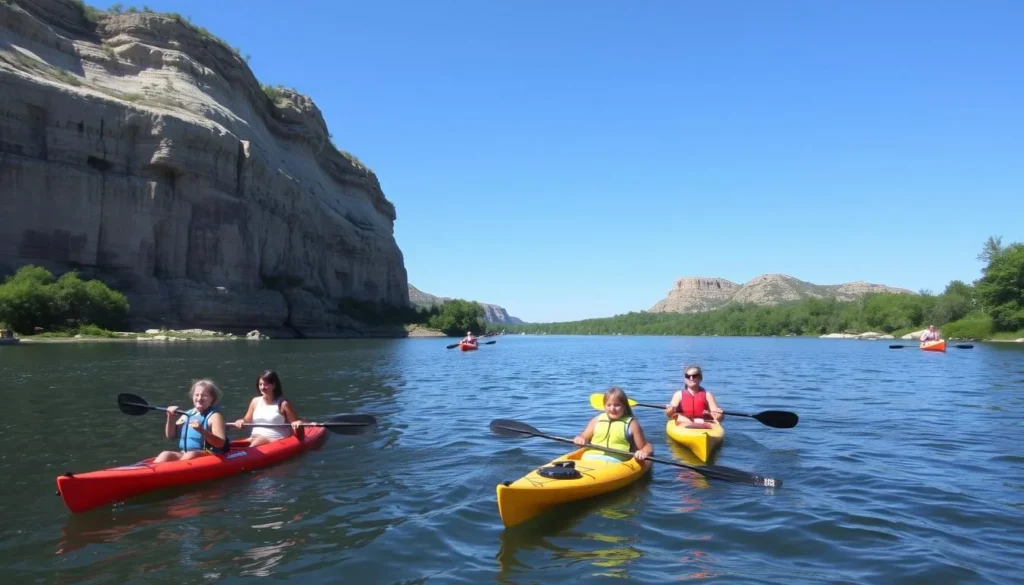
During warmer months, the Illinois River offers opportunities for fishing, kayaking, and canoeing. Boat rentals are available nearby, and fishing enthusiasts can catch catfish, bass, and walleye. The park also offers seasonal paddle boat cruises for a relaxed way to enjoy the scenery.
Activity Tip: Check the official Starved Rock State Park website or call the Visitor Center (815-667-4726) before your visit to confirm trail conditions and waterfall status. After significant rainfall is the best time to see the waterfalls in full flow.
Museums, Cultural Spots & Festivals
While natural beauty is the main draw, the Starved Rock area also offers rich cultural experiences that provide context to the region’s history and heritage.

Historical Sites
- Hegeler Carus Mansion – This National Historic Landmark in LaSalle showcases stunning Second Empire architecture and offers guided tours of its 57 rooms filled with original furnishings.
- Reddick Mansion – Located in Ottawa, this 1855 Italianate mansion hosts tours and special events, including seasonal ghost tours.
- LaSalle County Historical Society – In nearby Utica, this museum complex includes a canal warehouse, one-room schoolhouse, and blacksmith shop that tell the story of the area’s development.
Cultural Attractions
- Illinois Waterway Visitor Center – Learn about the lock and dam system on the Illinois River and watch barges navigate through the locks.
- Ottawa Historical and Scouting Heritage Museum – Explores the history of scouting and the local area.
- Weber House and Garden – A unique architectural gem in Streator featuring distinctive design and beautiful gardens.
Annual Events & Festivals
| Event | Timing | Description |
| Eagle Watch Weekend | Late January | Guided tours, live bird demonstrations, and educational programs focused on bald eagles |
| Winter Wilderness Weekend | February | Outdoor activities including ice climbing demonstrations and winter survival skills |
| Burgoo Festival | October | Traditional crafts, food, and music in nearby Utica |
| Vintage Illinois Wine Festival | September | Wine tasting event featuring Illinois wineries at Matthiessen State Park |
Cultural Tip: The area around Starved Rock has a rich Native American history. The park’s name comes from a legend about a group of Illinois tribe members who were trapped on the butte by rival Potawatomi and Ottawa warriors and starved to death. The Visitor Center offers exhibits that respectfully explore this history.
Nature & Outdoor Experiences
Starved Rock Nature Preserve Illinois offers some of the most diverse and spectacular natural environments in the Midwest, with opportunities for outdoor enthusiasts of all interests.
Hiking Trails
With over 13 miles of well-marked trails, hiking is the most popular activity at Starved Rock. The trails range from easy boardwalks to more challenging routes with stairs and uneven terrain.
- Starved Rock and Lover’s Leap Trail – A 4.7-mile loop that takes you to the park’s namesake rock formation and several scenic overlooks (Moderate difficulty).
- Illinois Canyon Trail – A 2-mile out-and-back trail that’s less crowded and allows you to walk directly in the canyon (Easy to moderate difficulty).
- French Canyon Trail – A short 0.4-mile trail accessible from the Visitor Center, perfect for families with young children (Easy difficulty).
Wildlife Viewing
The diverse ecosystems within Starved Rock support a wide variety of wildlife:
Birdwatching
Over 200 bird species have been documented in the park. Winter brings bald eagles to the Illinois River, while spring and fall migrations offer opportunities to spot warblers, herons, and waterfowl. The park’s visitor center can provide a bird checklist to help with identification.
Mammals and Reptiles
White-tailed deer, raccoons, foxes, and beavers are common sightings. The park is also home to various reptiles, including several snake species and turtles. Dawn and dusk offer the best opportunities for wildlife viewing.
Photography Opportunities
Starved Rock is a photographer’s paradise, with each season offering unique photo opportunities:
- Spring: Flowing waterfalls and emerging wildflowers
- Summer: Lush green canyons and dramatic light beams through tree canopies
- Fall: Spectacular foliage reflecting in canyon pools
- Winter: Frozen waterfalls, ice formations, and eagles against snowy landscapes
Nature Preservation Note: Help protect Starved Rock’s fragile ecosystem by staying on marked trails, packing out all trash, and leaving natural features undisturbed. Collecting plants, rocks, or other natural items is prohibited.
Safety, Etiquette & Local Customs
Ensuring a safe and respectful visit to Starved Rock Nature Preserve requires awareness of potential hazards and adherence to park regulations.
Trail Safety
- Stay on marked trails – Venturing off-trail is not only dangerous but can damage fragile ecosystems.
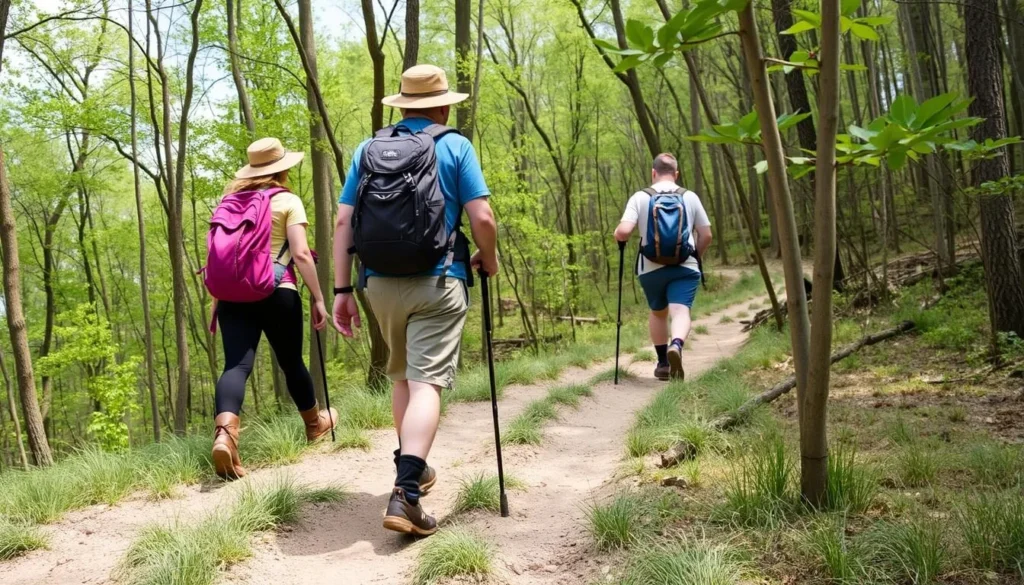
- Wear proper footwear – Sturdy hiking shoes or boots with good traction are essential, especially after rain when trails can be muddy and slippery.
- Bring water and snacks – Even on shorter hikes, staying hydrated is important, particularly during summer months.
- Use caution on stairs and overlooks – Many trails involve wooden stairs that can be slippery when wet. Always hold railings where available.
- Check trail conditions – Some trails may be closed due to maintenance or hazardous conditions. Always check at the Visitor Center before setting out.
Weather Considerations
Weather in Illinois can change rapidly, and each season presents unique challenges:
- Summer: Heat and humidity can be intense. Bring plenty of water and sun protection.
- Winter: Trails can be icy and treacherous. Consider using traction devices on your boots.
- Spring/Fall: Be prepared for sudden temperature changes by dressing in layers.
- Thunderstorms: If you hear thunder, seek shelter immediately. Canyons can flood quickly during heavy rain.
Park Etiquette
Remember these important guidelines:
- Pack out all trash – there are limited garbage cans on trails
- Keep noise levels down to respect wildlife and other visitors
- Dogs must be leashed at all times and are not allowed in park buildings
- Drones are prohibited within the park
- Alcohol is only permitted in designated areas (campgrounds and lodge)
- Climbing canyon walls is strictly prohibited and dangerous
Visitor Comments About Starved Rock
“I’ve visited many state parks across America, but Starved Rock offers something truly special. The contrast between the flat Illinois farmland and these dramatic canyons is stunning. We visited after spring rains and the waterfalls were spectacular. The trails are well-maintained and the visitor center staff were incredibly helpful with suggesting routes based on our interests. Don’t miss St. Louis Canyon – it’s worth every step!”
“As someone who traveled from India to explore American natural wonders, Starved Rock was an unexpected highlight of my Midwest trip. The sandstone formations reminded me of certain areas in the Western Ghats, but with a distinctly American character. Winter visit meant fewer crowds and the frozen waterfalls were magical. The Lodge restaurant served excellent comfort food after a cold day of hiking. Highly recommend visiting in different seasons if possible.”
“Growing up in Detroit, I never realized such a beautiful natural area existed just a few hours away. My family spent a weekend at Starved Rock and it was perfect for our kids (ages 8 and 11). The trails to French Canyon were manageable even for the little ones, and they were thrilled to spot a bald eagle along the river. We stayed at the Lodge which added to the experience with its rustic charm. Already planning our return trip for fall colors!”
Additional Nearby Destinations
While Starved Rock deserves its reputation as the crown jewel of Illinois state parks, the surrounding area offers several other natural areas and attractions worth exploring.
Nearby State Parks
Matthiessen State Park
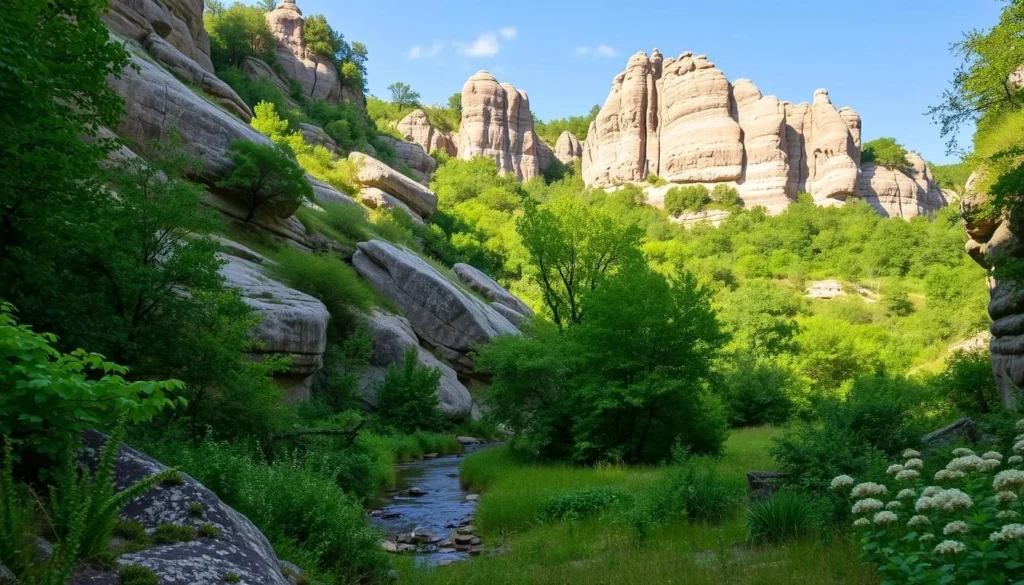
Just 5 km (3 miles) south of Starved Rock, Matthiessen offers similar canyon scenery with typically smaller crowds. The park features two distinct sections: the Upper and Lower Dells, connected by a series of trails and stairs. The Lower Dells trail along the stream is particularly beautiful and offers a more immersive canyon experience.
Buffalo Rock State Park
Located 10 km (6 miles) west of Starved Rock, this smaller park sits on a bluff overlooking the Illinois River. Its main attractions include effigy mounds built by artist Michael Heizer and a small herd of American bison that live in an enclosed area of the park. The River Trail offers excellent views of the surrounding landscape.
Charming Towns
Ottawa
This historic town 15 km (9 miles) from Starved Rock features well-preserved 19th-century architecture, riverfront parks, and a vibrant downtown with boutiques, restaurants, and breweries. Don’t miss the murals throughout downtown that depict local history, including the famous Lincoln-Douglas debate that took place here in 1858.
✓ Check 30,000+ Local Sightseeing Tours Worldwide
Utica
The small village closest to Starved Rock offers antique shops, restaurants, and the LaSalle County Historical Museum. It’s also home to several wineries, including August Hill Winery, where visitors can sample locally produced wines in a comfortable tasting room.
Practical Travel Tips
Make the most of your visit to Starved Rock Nature Preserve Illinois with these essential tips and information.
What to Bring
Essentials for Day Hikers
- Sturdy hiking shoes or boots with good traction
- Water bottle or hydration pack (at least 1 liter per person)
- Trail map (available at the Visitor Center)
- Snacks or a packed lunch
- Sun protection (hat, sunscreen, sunglasses)
- Insect repellent (especially in summer)
- First aid kit with basics like bandages and pain relievers
Seasonal Additions
- Spring/Fall: Layered clothing, rain jacket
- Summer: Extra water, cooling towel
- Winter: Warm layers, gloves, hat, traction devices for boots, binoculars for eagle watching
- Photography: Camera with extra batteries, wide-angle lens for canyons, telephoto lens for wildlife
Park Information
- Hours: The park is open daily from 7:00 AM until sunset. The Visitor Center operates from 9:00 AM to 4:00 PM daily.
- Entrance Fee: There is no entrance fee to access the park, making it an affordable outdoor destination.
- Visitor Center Phone: 815-667-4726
- Lodge Reservations: 815-667-4211
- Camping Reservations: Can be made through Reserve America up to six months in advance
- Cell Service: Coverage can be spotty in the canyons. Download offline maps before your visit.
- Accessibility: The Visitor Center, Lodge, and some overlooks are accessible, but most trails involve stairs and uneven terrain.
Local Insight: The park’s waterfalls are weather-dependent and flow best after rainfall. If seeing waterfalls is a priority, check recent weather conditions or call the Visitor Center to ask about current waterfall status before your visit.
Embrace the Natural Wonder of Starved Rock
From thundering spring waterfalls to silent winter ice formations, Starved Rock Nature Preserve offers a year-round escape into one of Illinois’ most spectacular natural landscapes. Whether you’re scaling wooden staircases to reach panoramic overlooks, wandering through ancient canyons carved by glacial meltwater, or simply relaxing at the historic lodge, this remarkable state park delivers experiences that will linger in your memory long after you’ve returned home. With proper planning and an adventurous spirit, your visit to Starved Rock will reveal why generations of travelers have been drawn to this unexpected oasis of natural beauty in the heart of the Midwest.
Related Posts
Frank Holten State Park, Illinois: Best Things to Do – Top Picks

World Shooting and Recreational Complex State Park, Illinois: Best Things to Do – Top Picks
Woodford State Park, Illinois: Best Things to Do – Top Picks

Wolf Road Prairie Nature Preserve, Illinois: Best Things to Do – Top Picks
Wolf Creek State Park, Illinois: Best Things to Do – Top Picks
White Pines Forest State Park, Illinois: Best Things to Do – Top Picks
Coming Soon: Clickable Maps