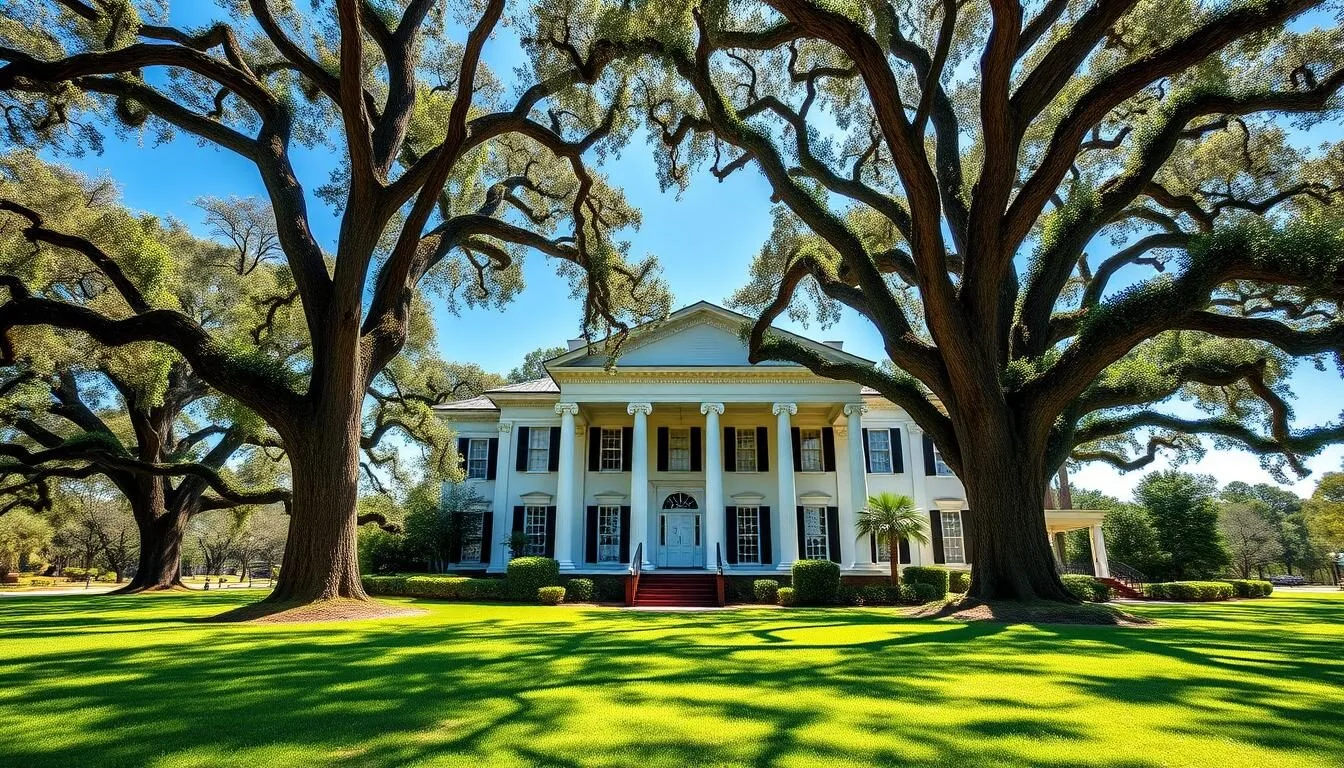
Did you know that Cane River Creole National Historical Park preserves two of the most intact French Creole cotton plantations in the United States, with buildings dating back to the 1700s? This hidden historical gem in northwestern Louisiana offers visitors a rare glimpse into 200 years of Creole culture through the stories of generations who lived and worked on these plantations. Unlike many historical sites that focus solely on the grand homes of wealthy owners, this national park presents a complete picture of plantation life, including the experiences of enslaved people and tenant farmers who shaped the region’s unique cultural identity.
Getting There & Planning Your Journey
Cane River Creole National Historical Park is located near Natchitoches (pronounced “NACK-a-tish”), Louisiana, in the northwestern part of the state. The park consists of two separate units: Oakland Plantation and Magnolia Plantation, situated about 16 km (10 miles) apart along the Cane River.
The closest major airport is Shreveport Regional Airport, approximately 97 km (60 miles) northwest of Natchitoches. Alexandria International Airport is another option, located about 80 km (50 miles) southeast. From either airport, you’ll need to rent a car to reach the park, as there is no public transportation to the site.
If driving from major cities, Natchitoches is approximately 3 hours from Dallas, 4.5 hours from Houston, 4 hours from New Orleans, and 2 hours from Shreveport. The park’s Oakland Plantation unit is located at 4386 Highway 494, Natchez, LA 71456, while the Magnolia Plantation unit is at 5549 Highway 119, Derry, LA 71416.
When planning your visit, allow at least half a day to explore each plantation site thoroughly. Many visitors choose to stay in nearby Natchitoches, which offers accommodation options and serves as an excellent base for exploring the entire Cane River National Heritage Area.
Best Time to Visit & Weather Tips
The ideal time to visit Cane River Creole National Historical Park is during spring (March to May) and fall (September to November) when temperatures are pleasant, ranging from 18-29°C (65-85°F). These seasons offer comfortable weather for walking the grounds and exploring the historic buildings.
Summer (June to August) brings hot and humid conditions with temperatures often exceeding 32°C (90°F). If visiting during summer, plan your outdoor activities for early morning or late afternoon, and bring plenty of water, sunscreen, and insect repellent.
Winter (December to February) offers mild temperatures ranging from 7-16°C (45-60°F), though occasional cold fronts can bring temperatures near freezing. Winter visits provide a less crowded experience, but some outdoor demonstrations may be limited.
The park is open year-round except for major holidays, with both plantation units open Wednesday through Sunday from 9:00 AM to 3:30 PM. Guided tours of the Oakland Plantation main house are available on weekends, while self-guided tours of the outbuildings are available whenever the park is open.
Months to avoid: August tends to be the hottest and most uncomfortable month, while January can bring unpredictable cold weather. Heavy rainfall is most common in December and May, which might limit outdoor exploration.
Getting Around Locally
A personal vehicle is essential for exploring Cane River Creole National Historical Park and the surrounding area. The two plantation units are approximately 16 km (10 miles) apart, and there’s no public transportation connecting them. Having your own car also allows you to explore the scenic Cane River National Heritage Area at your own pace.
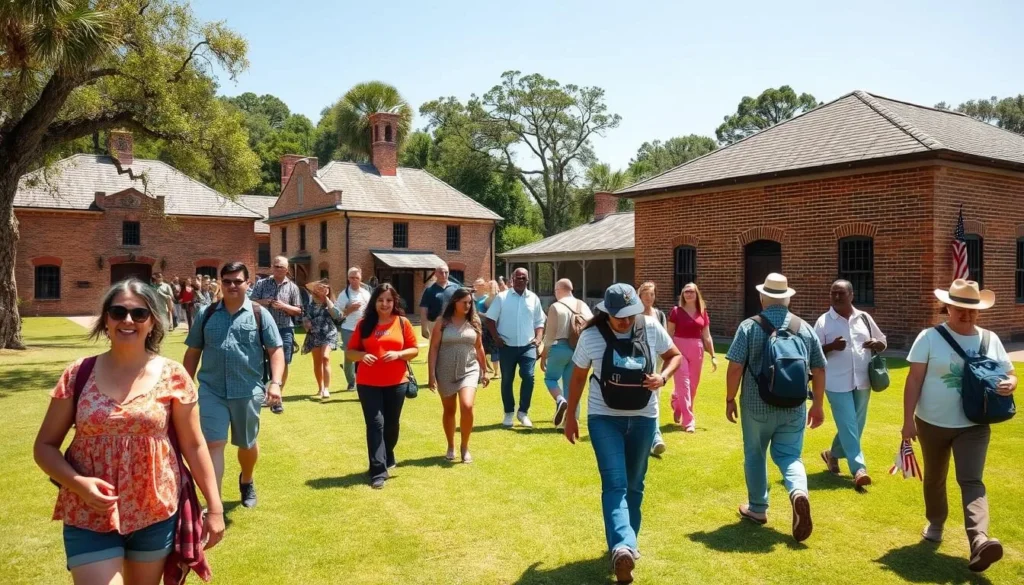
Both plantation units feature walking paths that take you through the historic buildings and grounds. The paths are generally flat and accessible, though some areas may have uneven surfaces. Comfortable walking shoes are recommended, as you’ll be covering considerable ground while exploring the numerous outbuildings.
For those interested in the broader Cane River region, the Cane River National Heritage Trail is a 71-mile scenic byway that follows the Cane River and connects numerous historic sites, including both plantation units of the park. This well-marked route makes it easy to navigate between attractions.
Guided tours of the Oakland Plantation main house are available on weekends and provide valuable historical context. These tours typically last about 45 minutes. The remainder of both plantation grounds can be explored through self-guided tours, with informative signs explaining the history and significance of various buildings.
Where to Stay
While there are no accommodations within Cane River Creole National Historical Park itself, nearby Natchitoches offers a variety of lodging options to suit different preferences and budgets.
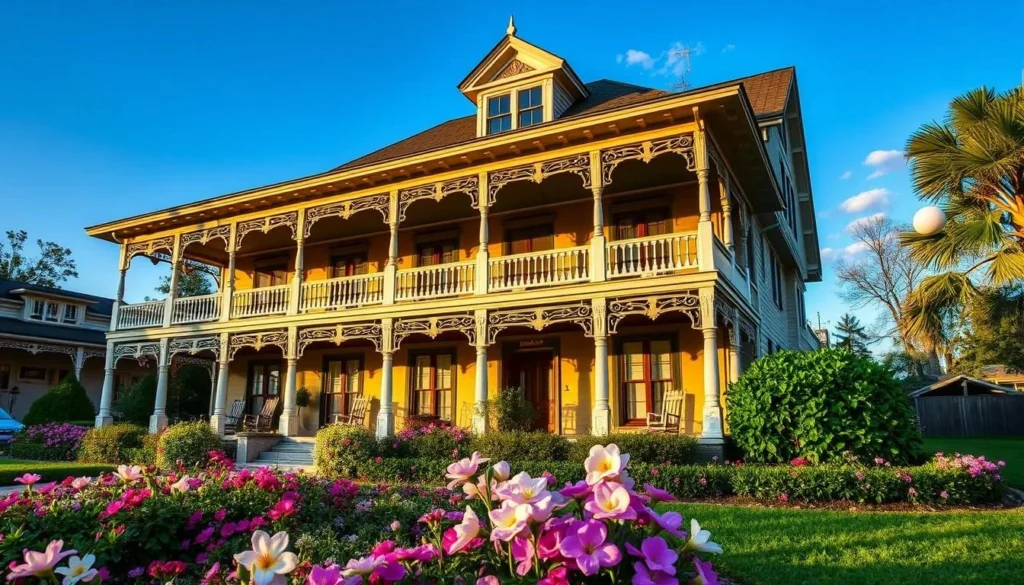
For a truly immersive historical experience, consider staying at one of Natchitoches’ historic bed and breakfasts. The Queen Anne Bed and Breakfast and the Steel Magnolia House (featured in the film “Steel Magnolias”) offer elegant accommodations in restored 19th-century homes, complete with period furnishings and full breakfasts.
If you prefer modern amenities, the Chateau Saint Denis Hotel in downtown Natchitoches provides upscale rooms within walking distance of restaurants and shops. The Natchitoches Hampton Inn & Suites offers comfortable accommodations with standard amenities like free breakfast and Wi-Fi.
Budget-conscious travelers will find several national chain hotels along Interstate 49, about 10-15 minutes from downtown Natchitoches. These include Holiday Inn Express, Comfort Suites, and Days Inn.
For a unique experience, consider renting a historic cottage in Natchitoches’ downtown district. Many of these rentals are within walking distance of restaurants and shops, and offer kitchens and living spaces for a home-away-from-home feel.
Booking accommodations well in advance is recommended, especially during popular events like the Natchitoches Christmas Festival (November-January) and the Natchitoches Jazz Festival (April), when lodging fills up quickly.
Dining & Local Cuisine
The Natchitoches area offers a delicious introduction to Creole and Louisiana cuisine, with several standout restaurants and local specialties you won’t want to miss.

No visit to Natchitoches is complete without trying the famous Natchitoches meat pie, a local delicacy consisting of seasoned beef and pork enclosed in a flaky pastry crust. Lasyone’s Meat Pie Restaurant, a family-owned establishment since 1967, is the most renowned place to sample this regional specialty. Beyond meat pies, their menu features other Louisiana classics like red beans and rice, gumbo, and crawfish étouffée.
For upscale dining with a view, Mariner’s Restaurant on Sibley Lake offers fresh seafood and steaks in an elegant setting. Their Cane River shrimp and oyster dishes showcase the region’s aquatic bounty. Maglieaux’s Riverfront Restaurant provides Creole and Cajun cuisine with outdoor seating overlooking Cane River Lake, perfect for a relaxing dinner after a day of exploration.
The Pioneer Pub and Mama’s Oyster House in downtown Natchitoches serve casual Louisiana fare in a lively atmosphere. For breakfast or lunch, try the French Market Express for coffee, beignets, and po’boy sandwiches.
If you’re looking to stock up on picnic supplies or local products, the Natchitoches Farmers Market (open Saturday mornings) offers fresh produce, baked goods, and artisanal foods. The historic Kaffie-Frederick General Mercantile, Louisiana’s oldest general store (operating since 1863), sells local food products alongside an eclectic mix of merchandise.
For those with a sweet tooth, Cane River Candy Company and Sweet D’s Bakery in downtown Natchitoches offer pralines, fudge, and other Southern confections that make perfect souvenirs or energy boosts during your explorations.
Attractions, Sightseeing & Activities
Cane River Creole National Historical Park offers a wealth of attractions that bring Louisiana’s complex history to life through preserved buildings, cultural landscapes, and interpretive programs.
Oakland Plantation
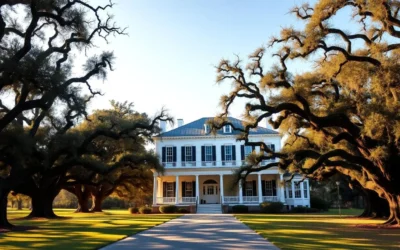
Oakland Plantation, established in 1789 by Jean Pierre Emmanuel Prud’homme, features over 60 historic structures that tell the story of plantation life across multiple generations. The main house, built in 1821, showcases the distinctive architectural style of French Creole plantations with its raised construction and wraparound gallery. Weekend guided tours of the main house provide insights into the lives of the Prud’homme family, who owned the plantation for eight generations.
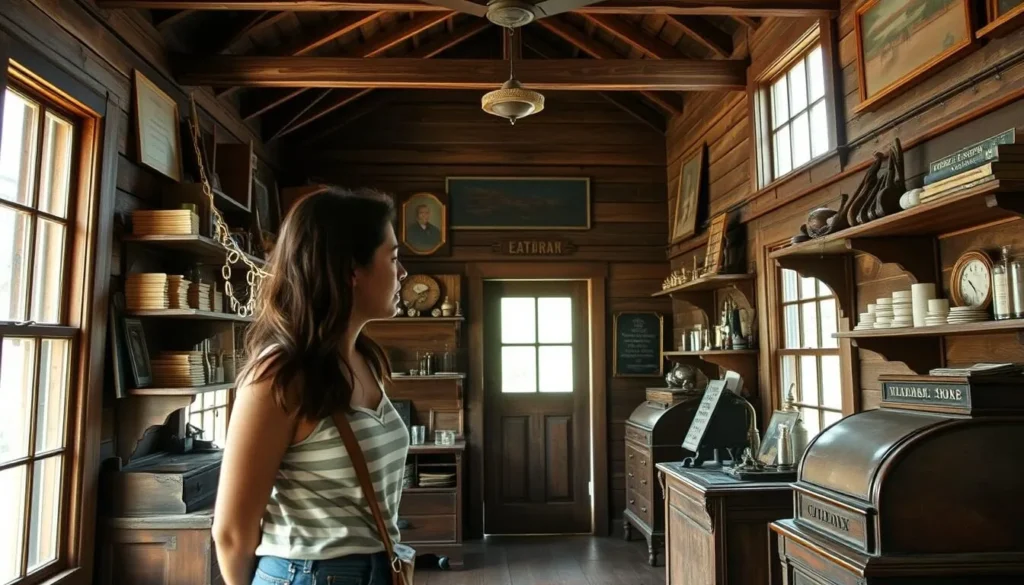
Beyond the main house, explore the numerous outbuildings that illustrate the plantation’s self-sufficient nature. The doctor’s cottage, overseer’s house, slave/tenant cabins, pigeonnier (dovecote), and mule barn each tell different aspects of plantation life. The plantation store, which operated until the 1980s, sold goods to workers and neighbors, creating an economic hub for the community.
Magnolia Plantation
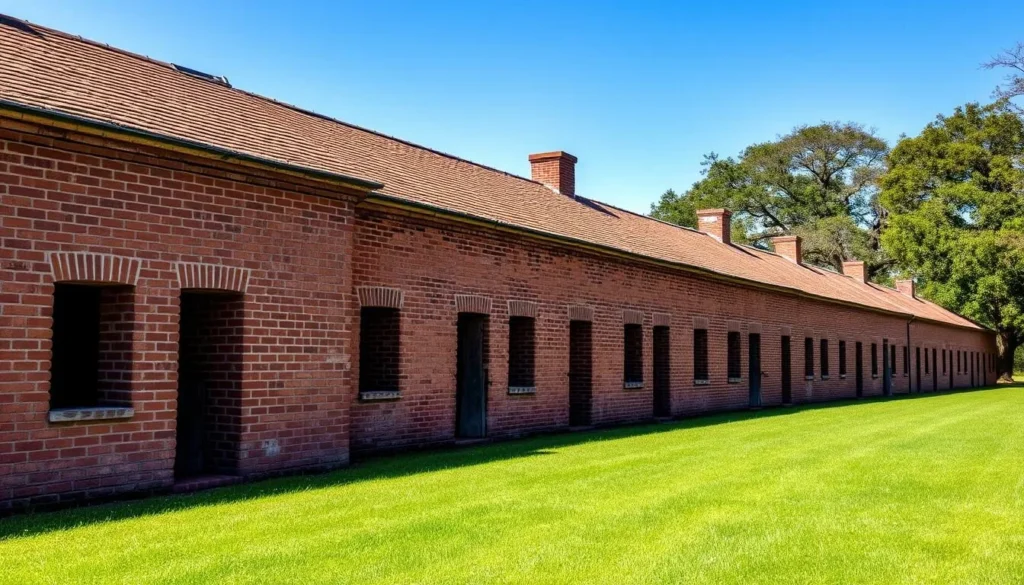
At Magnolia Plantation, established in the 1830s, the focus is on the preserved outbuildings that showcase agricultural and labor practices. The plantation’s brick quarters for enslaved workers are among the few such structures still standing in the United States. These buildings later housed sharecroppers and tenant farmers, representing the evolution of labor systems after emancipation.
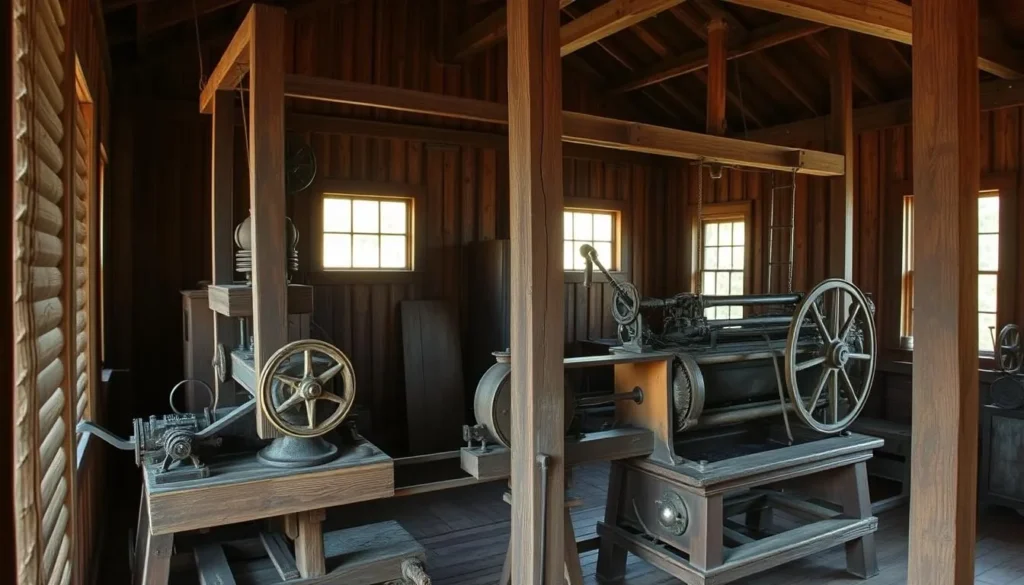
The blacksmith shop, gin barn, and plantation store offer glimpses into the agricultural and commercial operations that sustained the plantation. Magnolia’s cotton gin, one of the most complete 19th-century examples remaining, demonstrates the technology that processed the plantation’s primary crop.
Cultural Demonstrations and Programs
Throughout the year, the park hosts special events and demonstrations that bring history to life. These may include traditional cooking demonstrations, blacksmithing, cotton processing, and other historical crafts and skills. Check with the visitor center for scheduled programs during your visit.
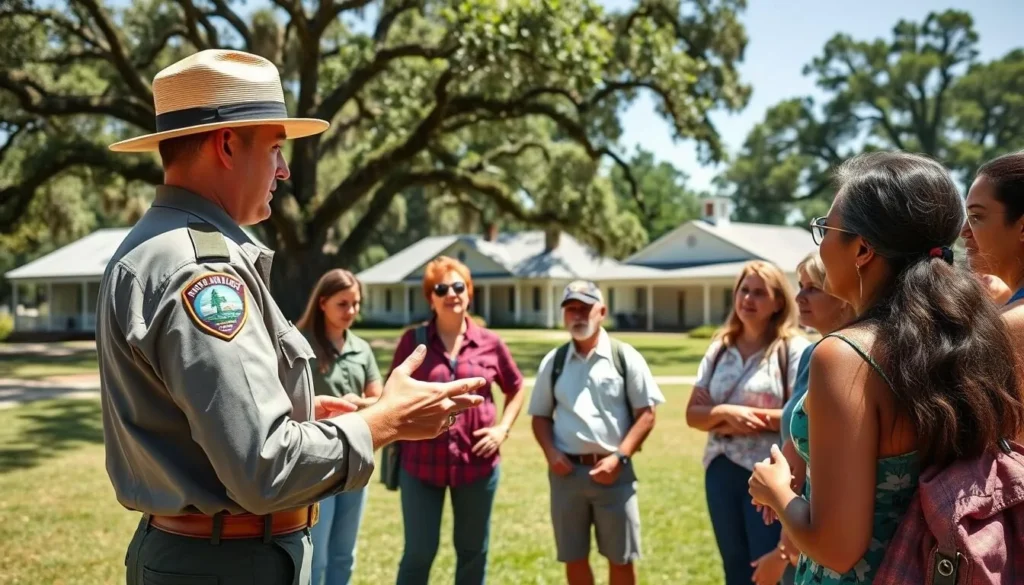
Rangers and volunteers provide informative talks about various aspects of plantation life, from agricultural practices to the experiences of enslaved people. These programs offer deeper insights into the complex social, economic, and cultural systems that shaped the Cane River region.
Self-Guided Exploration
Both plantation units feature self-guided walking tours with informative signs that explain the history and significance of various buildings and landscapes. These allow visitors to explore at their own pace, focusing on aspects of plantation life that interest them most.
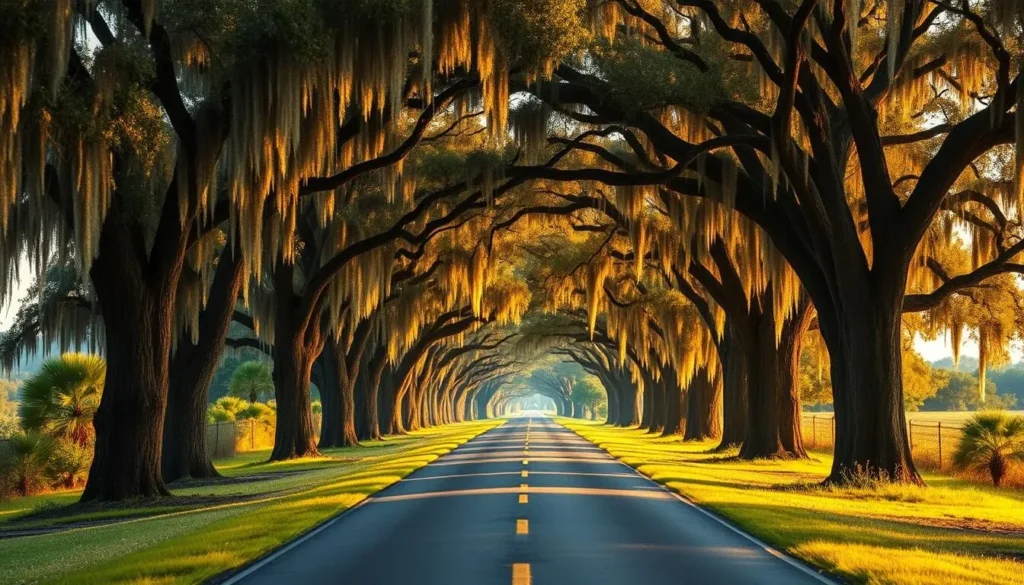
Photography enthusiasts will find countless opportunities to capture the historic architecture, agricultural landscapes, and natural beauty of the Cane River region. The oak alleys, historic buildings, and rural settings provide stunning backdrops in any season.
Museums, Cultural Spots & Festivals
Beyond the plantation units of Cane River Creole National Historical Park, the surrounding area offers numerous museums, cultural sites, and festivals that enhance understanding of the region’s rich heritage.
Museums and Historic Sites
The Louisiana Sports Hall of Fame and Northwest Louisiana History Museum in downtown Natchitoches combines sports memorabilia with exhibits on regional history. The museum’s striking contemporary architecture contrasts with the historic district surrounding it, while its exhibits on Native American, French, Spanish, and African American influences provide context for understanding the Cane River region.
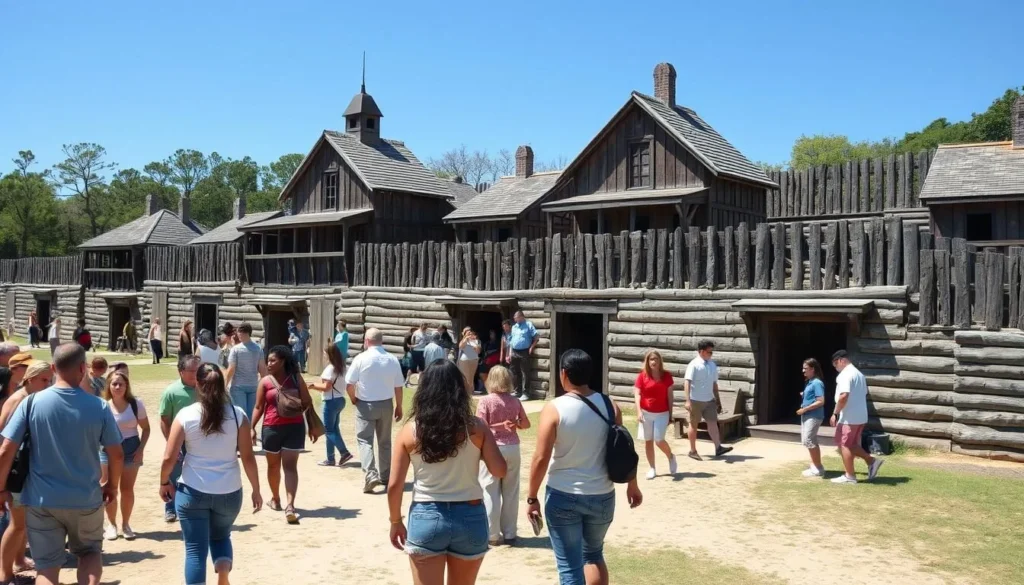
Fort St. Jean Baptiste State Historic Site offers a reconstructed 18th-century French colonial fort that represents Natchitoches’ origins as the oldest permanent European settlement in the Louisiana Purchase territory. Costumed interpreters demonstrate aspects of colonial life, from military drills to domestic skills.
Melrose Plantation, a National Historic Landmark located on the Cane River, tells the unique story of free people of color in the antebellum South. The plantation is also known for its association with folk artist Clementine Hunter, whose colorful paintings depicted plantation life in the early 20th century. Her African House Murals are a highlight of any visit.
Cultural Experiences
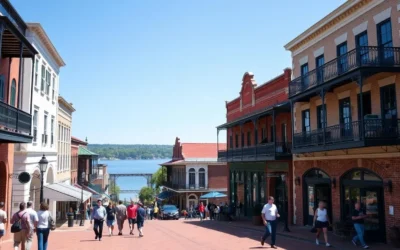
The Natchitoches Historic District, a 33-block area designated as a National Historic Landmark, features brick streets, wrought-iron balconies, and historic buildings dating to the early 19th century. Walking tours of the district provide insights into the architectural and cultural heritage of Louisiana’s oldest town.
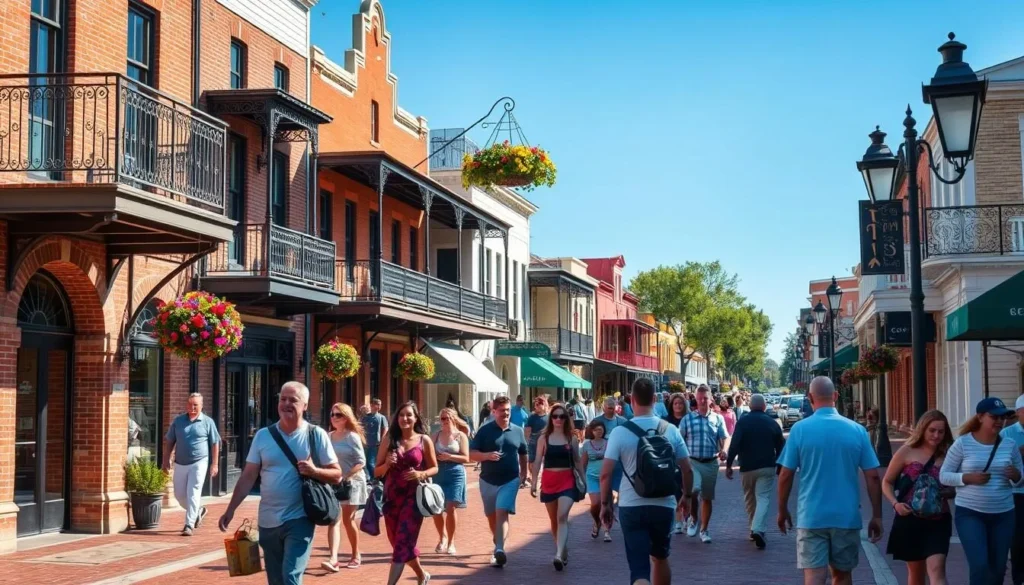
Kaffie-Frederick General Mercantile, established in 1863, offers a glimpse into commercial history with its original freight elevator and 1917 cash register still in use. The store sells an eclectic mix of hardware, housewares, and gifts, making it both a shopping destination and a living museum.
St. Augustine Catholic Church in the nearby Isle Brevelle community was built by free people of color in the early 19th century and continues to serve as an active parish. Its cemetery contains graves of many prominent Creole families, offering insights into the region’s unique cultural heritage.
Festivals and Events
The Natchitoches Christmas Festival, held annually from late November through early January, transforms the historic district with over 300,000 lights and numerous special events. Dating back to 1927, it’s one of the oldest community holiday celebrations in the country.
The Natchitoches Jazz Festival in April features performances by local and national musicians in venues throughout the historic district. The festival celebrates Louisiana’s rich musical heritage with jazz, blues, zydeco, and other regional styles.
The Melrose Arts and Crafts Festival, held each spring at Melrose Plantation, showcases the work of regional artists and craftspeople against the backdrop of the historic plantation. Demonstrations of traditional crafts connect visitors to the artistic heritage of the Cane River region.
The Meat Pie Festival in September celebrates Natchitoches’ signature culinary contribution with cooking demonstrations, competitions, and plenty of opportunities to sample different versions of this local delicacy.
Sports, Nature & Outdoor Experiences
While Cane River Creole National Historical Park primarily focuses on cultural history, the surrounding area offers numerous opportunities for outdoor recreation and nature experiences that complement the historical exploration.

Water Activities
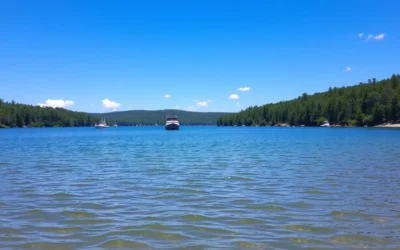
Cane River Lake, a 54 km (33-mile) long oxbow lake that flows through Natchitoches, offers excellent opportunities for kayaking, canoeing, and stand-up paddleboarding. The calm waters and scenic shoreline make it ideal for paddlers of all skill levels. Cane River Paddle & Pedal Sports in downtown Natchitoches rents equipment and provides local knowledge about the best paddling routes.
Fishing enthusiasts will find plenty of opportunities in the area’s waterways. Cane River Lake is home to bass, crappie, catfish, and other freshwater species. Nearby Sibley Lake, a 1,100-hectare (2,700-acre) reservoir, is known for its excellent fishing and has several public boat launches. Louisiana fishing licenses are required and can be purchased online or at local sporting goods stores.
Hiking and Nature Trails
Kisatchie National Forest, located about 30 minutes from Natchitoches, encompasses over 240,000 hectares (600,000 acres) of protected pine forests, hardwood bottoms, and unique sandstone outcroppings. The forest offers numerous hiking trails, including the Longleaf Vista Interpretative Trail, a 2.4 km (1.5-mile) loop that provides panoramic views of the Kisatchie Hills Wilderness Area.
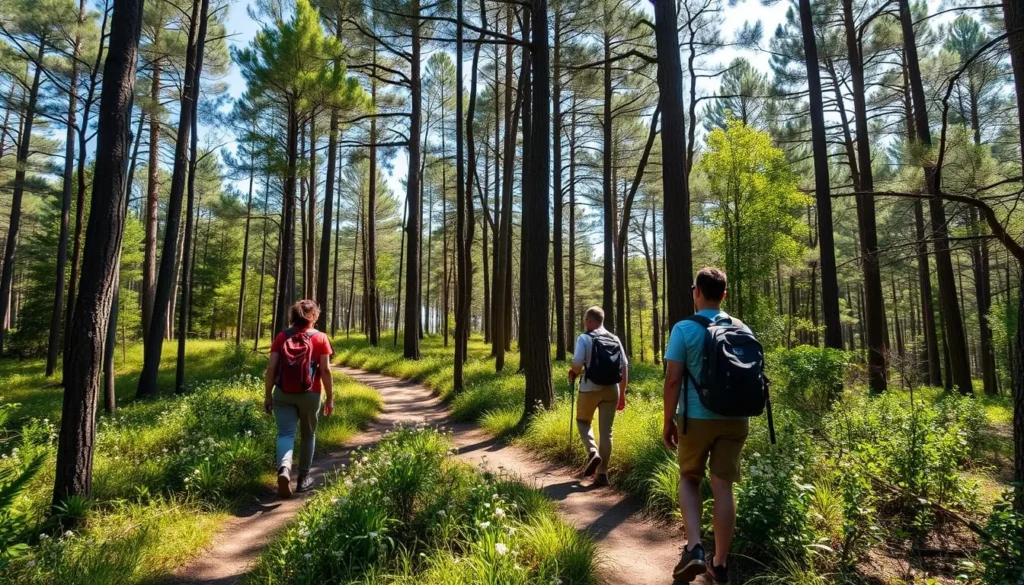
The Caroline Dormon Trail, named for a pioneering conservationist who helped establish Kisatchie National Forest, offers a more challenging 16 km (10-mile) hike through diverse ecosystems. The trail can be hiked in sections for those preferring shorter excursions.
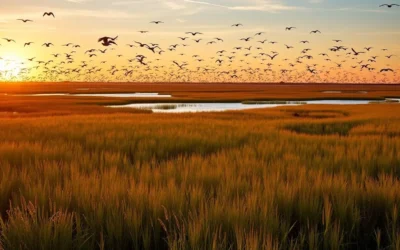
Birdwatching is excellent throughout the Cane River region, with over 200 species recorded. The area’s mix of aquatic habitats, forests, and agricultural lands attracts a diverse array of birds, from wading birds like herons and egrets to numerous songbird species. The Natchitoches National Fish Hatchery includes walking paths around its ponds where visitors can observe waterfowl and other wildlife.
Scenic Drives
The Cane River National Heritage Trail, a 71-mile scenic byway, connects numerous historic sites and natural areas. The route follows the Cane River from Natchitoches to Cloutierville, passing through picturesque rural landscapes dotted with historic plantations, churches, and small communities. Numerous pull-offs and interpretive signs make it easy to explore at a leisurely pace.
The Myths and Legends Byway, another scenic route in the region, highlights sites associated with local folklore and cultural traditions. The byway passes through small towns and rural areas where traditional ways of life continue to thrive.
Golf
Golf enthusiasts can enjoy a round at Northwestern Hills Golf Course, an 18-hole public course in Natchitoches. The course features rolling terrain, water hazards, and well-maintained greens, providing an enjoyable experience for golfers of all skill levels.
Safety, Etiquette & Local Customs
Understanding safety considerations, local etiquette, and cultural customs will enhance your visit to Cane River Creole National Historical Park and the surrounding area.
Safety Considerations
Weather awareness is important when visiting this region. Summer heat and humidity can be intense, with temperatures often exceeding 32°C (90°F). Stay hydrated, wear sunscreen and a hat, and take breaks in shaded areas. During spring and summer, afternoon thunderstorms are common, so check weather forecasts and be prepared to seek shelter.
The historic buildings and grounds may have uneven surfaces, narrow staircases, and other potential hazards. Wear comfortable, sturdy shoes and watch your step, especially when exploring outbuildings that retain their historical features without modern safety modifications.
Wildlife encounters are possible, particularly in rural areas. The region is home to venomous snakes (including cottonmouths and copperheads), alligators in waterways, and insects like mosquitoes, ticks, and fire ants. Stay on designated paths, use insect repellent, and maintain a safe distance from any wildlife you encounter.
Visitor Etiquette
As a national historical park, preservation of the site’s resources is paramount. Follow all posted rules, stay on designated paths, and don’t touch or remove historical artifacts or natural items. Photography is generally permitted, but flash photography may be restricted in certain buildings to protect sensitive materials.
When participating in guided tours, arrive a few minutes early, silence mobile phones, and avoid interrupting the guide. Questions are typically welcomed, but save them for appropriate pauses in the presentation.
Many of the historic sites in the region, including churches and cemeteries, are still in active use by local communities. Dress respectfully when visiting these sites, speak quietly, and be mindful that you may be encountering places of ongoing cultural and spiritual significance.
Cultural Awareness
The Cane River region has a complex multicultural history involving Native American, French, Spanish, African, and Anglo-American influences. The term “Creole” in this context refers to people, culture, and architecture influenced by this unique cultural mixing, particularly French and Spanish colonial traditions blended with African and indigenous elements.
The region’s history includes difficult subjects like slavery, racial hierarchy, and economic exploitation. The National Park Service presents these aspects of history alongside stories of cultural resilience, creativity, and community building. Approach these topics with sensitivity and a willingness to learn about multiple perspectives.
Local communities in the Cane River region maintain strong connections to their cultural heritage. The Cane River Creoles, descendants of free people of color who established communities like Isle Brevelle, continue traditions dating back generations. Approach interactions with local residents with respect for their deep historical roots in the area.
Practical Customs
Southern hospitality is alive and well in this region. Don’t be surprised by friendly greetings from strangers, conversations that begin with “Where y’all from?”, and a generally unhurried pace of life. Politeness is highly valued, with “please,” “thank you,” and “yes ma’am/sir” being common courtesies.
Tipping customs follow American standards: 15-20% at restaurants, $1-2 per bag for hotel porters, and $1-2 per drink at bars. For tour guides, a tip of $5-10 per person for a group tour is appropriate if the service was good, though National Park Service rangers do not accept tips.
Visitor Comments About Cane River Creole National Historical Park
“What impressed me most about Cane River was how it presents the complete story of plantation life, not just the grand houses. Seeing the preserved slave quarters, work buildings, and stores gave me a much deeper understanding of how these plantations functioned as complete communities. The park rangers were incredibly knowledgeable and didn’t shy away from difficult aspects of the history. A must-visit for anyone interested in American history.”
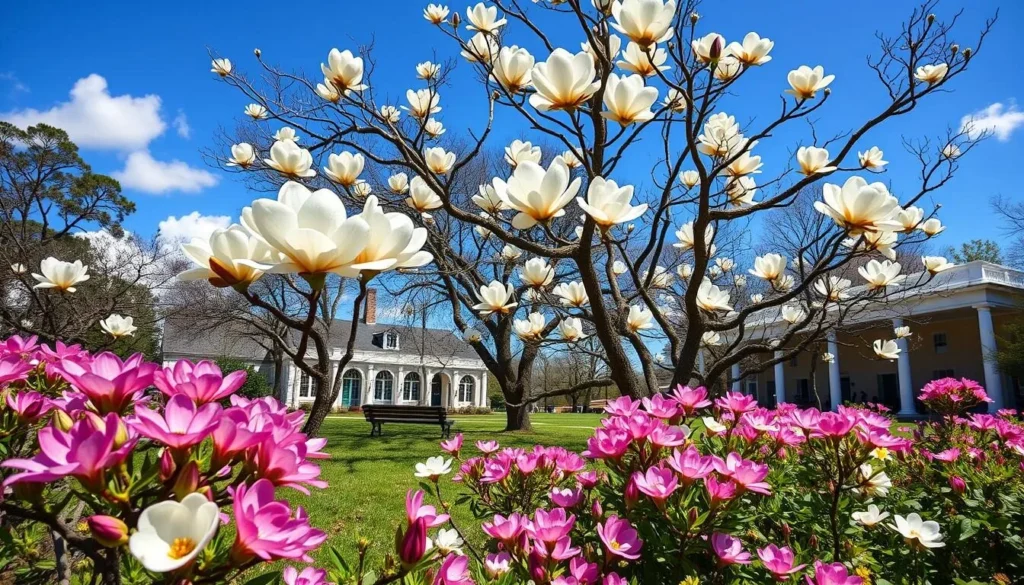
“We combined our visit to the plantations with exploring Natchitoches and driving the Cane River heritage trail. The entire experience was like stepping back in time. Oakland Plantation was particularly impressive with so many original buildings still intact. Don’t miss trying the famous meat pies in Natchitoches after your park visit – they’re delicious! Spring was perfect with azaleas blooming everywhere.”
“As someone interested in architecture, I found the Creole building techniques fascinating. The raised construction, galleries, and use of bousillage (mud and moss insulation) show how settlers adapted European designs to the Louisiana climate. The contrast between the main houses and the basic slave cabins tells an important story about social hierarchy. Take your time exploring all the outbuildings – each one reveals something new about plantation life.”
Practical Travel Tips
- Entry to Cane River Creole National Historical Park is free, making it an excellent value for budget-conscious travelers.
- The park has limited operating hours (Wednesday-Sunday, 9:00 AM-3:30 PM), so plan your visit accordingly.
- Guided tours of the Oakland Plantation main house are only available on weekends and may require advance reservation during busy periods.
- Cell phone reception can be spotty in rural areas of the Cane River region. Download maps and information before your visit.
- Bring a refillable water bottle, as drinking fountains are limited at the historic sites.
- Comfortable walking shoes are essential, as you’ll be covering considerable ground while exploring the plantation grounds.
- A wide-brimmed hat and sunscreen are recommended, as many areas of the plantations have limited shade.
- Insect repellent is advisable, especially during warm months when mosquitoes are active.
- The park’s visitor center at Oakland Plantation offers informative brochures and a short orientation film that provides helpful context for your visit.
- Consider purchasing a National Park Passport book at the visitor center to collect a stamp commemorating your visit.
For photographers, early morning and late afternoon offer the best lighting for capturing the historic buildings. The oak alleys and plantation buildings are particularly photogenic during these “golden hours.”
If you’re interested in genealogy or detailed historical research, the park maintains archives that may be accessed by appointment. Contact the park in advance to arrange research access.
Combine your visit to the park with exploration of the entire Cane River National Heritage Area for a more comprehensive understanding of the region’s history and culture. The Natchitoches Convention and Visitors Bureau can provide maps and information about additional sites of interest.
A Journey Through Time: Your Cane River Adventure Awaits
Cane River Creole National Historical Park offers a rare opportunity to step back in time and experience the complex tapestry of Louisiana’s Creole heritage. From the architectural grandeur of the main houses to the sobering reality of the slave quarters, from the ingenuity of agricultural innovations to the resilience of cultural traditions, these plantations tell a multifaceted story of American history that continues to resonate today.
As you walk the grounds where generations lived and worked, you’ll gain insights into not just the past but also the ongoing process of understanding and interpreting our shared history. The park’s commitment to presenting multiple perspectives creates a nuanced experience that goes beyond the typical plantation tour.
Whether you’re a history enthusiast, a cultural explorer, or simply seeking a deeper understanding of Louisiana’s unique heritage, Cane River Creole National Historical Park rewards visitors with authentic experiences and meaningful connections to the past. Combined with the charm of historic Natchitoches, the natural beauty of the Cane River, and the rich cultural traditions of the region, it creates a destination that lingers in memory long after your visit ends.
The above is subject to change.
Check back often to TRAVEL.COM for the latest travel tips and deals.