

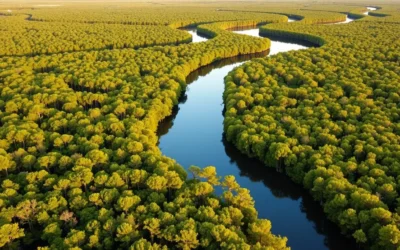
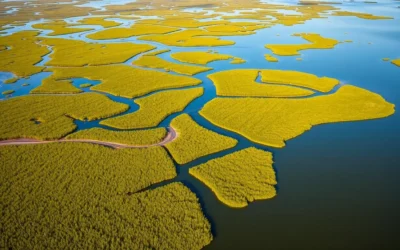
Did you know that Marsh Island Wetlands spans over 31,000 hectares (76,000 acres), making it one of the largest protected marsh habitats in North America and a critical stopover for over 250 species of migratory birds? This hidden natural treasure in southern Louisiana offers visitors a rare glimpse into one of America’s most pristine wetland ecosystems. Just a short drive from the vibrant culture of Lafayette, this remarkable wildlife refuge provides nature enthusiasts with unparalleled opportunities to experience Louisiana’s wild side through an impressive network of waterways, wildlife viewing areas, and guided eco-tours.
Getting There & Planning Your Journey
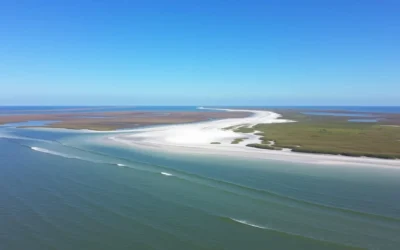
Located along the central Louisiana coast, Marsh Island Wildlife Refuge is accessible primarily by boat. The island sits between Vermilion Bay and the Gulf of Mexico, offering a truly immersive wetland experience for visitors willing to make the journey.
Closest Airports
- Lafayette Regional Airport (LFT) – 80 km (50 miles), 1-hour drive to boat launch
- Baton Rouge Metropolitan Airport (BTR) – 160 km (100 miles), 2-hour drive to boat launch
- Louis Armstrong New Orleans International Airport (MSY) – 240 km (150 miles), 2.5-hour drive to boat launch
The primary access points to Marsh Island are from boat launches in Cypremort Point State Park or Burns Point Park. Most visitors arrange transportation through local tour operators who provide guided excursions to the island. The journey across Vermilion Bay offers spectacular views and wildlife spotting opportunities before you even reach the island.
The Southeast Louisiana National Wildlife Refuges Complex Visitor Center in Lacombe provides excellent information about Marsh Island and other regional wetlands. Staff can help with permits, maps, and current conditions before your visit.
Best Time to Visit & Weather Tips

Marsh Island experiences a subtropical climate with hot, humid summers and mild, short winters. Your experience will vary dramatically depending on when you visit.
Recommended Seasons
- Spring (March-May): Perhaps the best time to visit with comfortable temperatures ranging from 18-29°C (65-85°F). Wildflowers bloom throughout the refuge, and migratory birds are abundant.
- Fall (October-November): Another excellent time with pleasant temperatures between 15-26°C (60-80°F) and lower humidity. Fall colors add visual interest, and mosquito populations decrease.
- Winter (December-February): Mild temperatures between 7-18°C (45-65°F) make for comfortable wildlife viewing. Winter is prime time for waterfowl viewing as thousands of ducks and geese winter in the refuge.
Seasons to Avoid
- Summer (June-September): Temperatures regularly exceed 32°C (90°F) with extreme humidity making outdoor activities uncomfortable. Afternoon thunderstorms are common, and mosquitoes reach peak populations.
- Hurricane Season (June-November): The refuge may close during severe weather events. Always check conditions before visiting during hurricane season.
For wildlife viewing, early morning and late afternoon offer the best opportunities regardless of season. Birds and animals are most active during these cooler parts of the day, and the lighting is ideal for photography.
Getting Around Locally

Navigating Marsh Island requires careful planning as this pristine wetland is accessible primarily by water. There are no roads on the island itself, making boat transportation essential for exploring this natural treasure.
Key Areas to Explore
- Southwest Pass: A navigable waterway offering excellent fishing and wildlife viewing opportunities.
- Interior Marsh Ponds: Shallow water areas accessible by kayak or pirogue (traditional Cajun canoe), ideal for birdwatching.
- Vermilion Bay Shoreline: Offers scenic views and opportunities to spot dolphins and diverse bird species.
While there are no designated trails on the island, local guides are familiar with navigable waterways that showcase the best the refuge has to offer. Several tour operators provide guided excursions that range from half-day trips to full-day adventures.
For water enthusiasts, kayaking and canoeing are excellent ways to explore the refuge’s waterways. Several local outfitters offer rentals and guided tours that allow you to experience the tranquility of the marsh up close.
Where to Stay

While there are no accommodations on Marsh Island itself, several options are available in nearby communities. Here are the best places to stay when visiting Marsh Island Wetlands:
Franklin/Baldwin Area (Closest to Northeast Access)
- Fairfax House Bed & Breakfast: Historic B&B with Southern charm and local expertise about the refuge.
- Bayou Teche Bed & Breakfast: Waterfront property with kayak rentals and homemade Cajun breakfast.
Cypremort Point (Closest to Northwest Access)
- Cypremort Point State Park Cabins: Six waterfront cabins with full amenities, perfect for early morning launches.
- Bayou Vista Vacation Rentals: Several private homes and cottages available through vacation rental platforms, many with water access.
Camping Options
- Lake Fausse Pointe State Park: About 45 minutes from boat launches with cabins and improved campsites.
- Burns Point Park: Waterfront camping with boat launch facilities, located in Franklin.
For the best experience, book accommodations at least 2-3 months in advance, especially during spring and fall peak seasons. Properties closer to the water tend to fill up quickly, particularly those with private boat launches or docks.
Dining & Local Cuisine

While there are no dining facilities on Marsh Island, the surrounding communities offer excellent options to sample authentic Cajun and Creole cuisine. Don’t miss these local specialties:
Local Specialties to Try
- Crawfish Étouffée: A classic Louisiana dish of crawfish smothered in a flavorful roux-based sauce.
- Seafood Gumbo: Rich stew featuring local seafood, often served over rice.
- Boudin: Cajun sausage made with pork, rice, and spices – a perfect portable snack.
- Alligator: Often fried or in sauce piquante, offering a unique taste of local wildlife.
- Bread Pudding: Popular dessert made with day-old French bread and bourbon sauce.
Recommended Restaurants
In Franklin
- Forest Restaurant: Family-owned establishment serving traditional Cajun dishes for over 50 years.
- Bayou Teche Café: Casual dining with excellent seafood and outdoor seating overlooking the water.
In New Iberia
- Bon Creole: No-frills eatery with some of the best po’boys in the region.
- Clementine on Main: Upscale dining featuring locally-sourced ingredients with a modern twist on Cajun classics.
In Cypremort Point
- Cypremort Point Grocery: Simple market with excellent prepared foods, perfect for picnic supplies.
- The Boiling Point: Seasonal seafood boil restaurant popular with locals.
For picnics on boat excursions, consider picking up supplies at Legnon’s Boucherie in New Iberia, known for its excellent house-made sausages, boudin, and prepared foods. Remember to pack out all trash as there are limited waste facilities within the refuge.
Attractions, Sightseeing & Activities

Marsh Island Wildlife Refuge offers diverse activities for nature enthusiasts. Here are the top attractions and things to do:
Wildlife Viewing
The refuge is home to an impressive variety of wildlife. Notable species include:
- American alligators (common along waterways and marsh edges)
- Roseate spoonbills (distinctive pink wading birds)
- Great blue herons and egrets (abundant year-round)
- Muskrat and nutria (frequently spotted in marsh areas)
- Over 250 species of birds, including migratory waterfowl and songbirds
Water Activities
The refuge’s waterways offer excellent opportunities for exploration:
- Fishing: Popular spots include Southwest Pass and the northern shoreline for redfish, speckled trout, and flounder. A Louisiana fishing license is required.
- Kayaking/Canoeing: Several outfitters offer guided paddling tours through the marsh’s intricate waterways.
- Photography: The diverse habitats and wildlife make the refuge a photographer’s paradise. Early morning and late afternoon offer the best light.
For the best experience, bring binoculars, a field guide to local birds, insect repellent, and plenty of water. Local tour operators can provide updated information on recent wildlife sightings and the best areas to explore based on current conditions.
Museums, Cultural Spots & Festivals

While Marsh Island itself focuses on natural history, the surrounding area offers rich cultural experiences that complement your wetlands visit:
Museums & Cultural Sites
- Bayou Teche Museum: Located in New Iberia, this museum showcases the region’s rich cultural heritage through artifacts and educational displays.
- Chitimacha Museum: Learn about the indigenous history of the region through artifacts and educational displays in Charenton.
- Shadows-on-the-Teche: Historic 19th-century plantation home in New Iberia offering insight into the region’s past.
- Konriko Rice Mill: America’s oldest operating rice mill, offering tours that explain the importance of rice cultivation to the region.
Annual Events & Festivals
- Eagle Expo: Celebration of the return of nesting bald eagles to the region (February).
- Bayou Teche Black Bear Festival: Educational event focused on Louisiana black bear conservation (April).
- Louisiana Shrimp & Petroleum Festival: Morgan City’s celebration of two important local industries (Labor Day weekend).
- Festivals Acadiens et Créoles: Lafayette’s celebration of Cajun music, food, and culture (October).
Many visitors combine their Marsh Island experience with cultural exploration in nearby communities. The contrast between wild wetlands and vibrant Cajun culture makes for a memorable Louisiana experience.
Sports, Nature & Outdoor Experiences

Beyond basic wildlife viewing, Marsh Island offers several specialized outdoor experiences for nature enthusiasts:
Seasonal Hunting
The refuge permits limited hunting in designated areas during specific seasons. Hunters must follow all federal and state regulations and obtain appropriate permits. Species available for hunting include:
- Waterfowl (in designated areas)
- Rabbit and squirrel (limited seasons)
Check with the Louisiana Department of Wildlife and Fisheries for current regulations, as they change annually. A Federal Duck Stamp is required for waterfowl hunting.
Specialized Nature Experiences
- Birding: With over 250 species recorded, the refuge is a premier birding destination. Spring and fall migrations bring numerous neotropical migrants, while winter attracts thousands of waterfowl.
- Night Sky Viewing: The refuge’s distance from major cities provides good stargazing opportunities, especially during new moon periods.
- Photography: The diverse habitats offer endless photography subjects, from dramatic sunrises over the marsh to intimate wildlife portraits.
Guided Experiences
Several local outfitters offer guided experiences in and around the refuge:
- Cajun Jack’s Swamp Tours: Offers guided boat tours with knowledgeable naturalists.
- Marsh Island Kayak Adventures: Provides guided paddling trips and birding excursions.
- Louisiana Wetland Photography Tours: Offers photography workshops focused on wetland landscapes and wildlife.
For those interested in a deeper understanding of the ecosystem, the refuge occasionally offers volunteer opportunities for habitat restoration and wildlife monitoring projects.
Safety, Etiquette & Local Customs

Visiting Marsh Island safely requires awareness of the natural environment and potential hazards:
Wildlife Safety
- Alligators: Keep a minimum distance of 9 meters (30 feet) from alligators. Never feed them, as this is dangerous and illegal. Be especially cautious near water edges.
- Snakes: Several venomous snake species inhabit the refuge, including cottonmouths and rattlesnakes. Stay alert and watch where you step.
- Feral Hogs: If encountered, maintain distance and slowly back away. They rarely charge humans unless threatened.
Environmental Hazards
- Heat and Humidity: Summer temperatures regularly exceed 32°C (90°F) with high humidity. Bring plenty of water, wear a hat, and apply sunscreen.
- Insects: Mosquitoes, ticks, and biting flies are abundant, especially in warmer months. Use insect repellent containing DEET or Picaridin.
- Navigation: It’s easy to become disoriented in the marsh. Always travel with a GPS device or compass, and let someone know your planned route and return time.
Refuge Etiquette
- Practice “Leave No Trace” principles – pack out all trash.
- Observe wildlife from a distance, using binoculars or telephoto lenses.
- Speak quietly to avoid disturbing wildlife and other visitors.
- Stay in designated areas and respect closed zones.
- Drones are prohibited throughout the refuge.
The refuge is open from sunrise to sunset. For emergencies, cell phone coverage is generally poor on the island, so a marine radio is recommended for boat excursions.
Visitor Comments About Marsh Island Wetlands
“Our guided kayak tour through Marsh Island was the highlight of our Louisiana trip. We spotted three alligators, countless herons, and even a family of river otters. The quiet solitude of paddling through the marsh channels gave us a perspective on wetlands that you just can’t get any other way. Our guide was incredibly knowledgeable about the ecosystem and local wildlife. Don’t forget your camera and binoculars!”
“We visited in February and had perfect weather—cool enough for comfortable boating but warm enough to enjoy being outdoors. The winter waterfowl were abundant, and we even spotted a bald eagle! The sunset over Vermilion Bay was absolutely spectacular. If you’re a photographer, the golden hour light on the marsh grasses is something you won’t want to miss.”
“As an international visitor, I found Marsh Island to be a perfect introduction to American wetlands. The boat tour operator provided excellent wildlife spotting tips and explained the importance of these ecosystems. We saw alligators, roseate spoonbills, and even a nutria! Much less crowded than other wildlife areas we visited in Louisiana. Bring insect repellent if you visit in warmer months.”
Additional Nearby Destinations

While exploring Marsh Island, consider these nearby attractions that complement your wetland experience:
- Cypremort Point State Park: Located 24 km (15 miles) from Marsh Island access points, this park offers a rare sand beach on Vermilion Bay, fishing pier, and picnic facilities.
- Avery Island: Home to Tabasco Sauce and Jungle Gardens, this unique salt dome island is about 48 km (30 miles) from Marsh Island access points.
- Lake Fausse Pointe State Park: Located 64 km (40 miles) northeast of Marsh Island, this park offers excellent hiking, paddling, and fishing opportunities in a cypress-tupelo swamp.
- Atchafalaya Basin: America’s largest river swamp, offering spectacular scenery and wildlife viewing about 80 km (50 miles) from Marsh Island.
- Lafayette: Cultural hub of Acadiana with excellent museums, restaurants, and music venues about 80 km (50 miles) from Marsh Island access points.
Many visitors create a multi-day itinerary combining Marsh Island with these nearby attractions for a comprehensive experience of Louisiana’s natural and cultural heritage.
Practical Travel Tips

What to Pack
- Binoculars: Essential for wildlife viewing, especially birds.
- Insect Repellent: Containing DEET or Picaridin for mosquitoes and ticks.
- Sun Protection: Hat, sunglasses, and reef-safe sunscreen.
- Water Bottle: Bring plenty of water, especially in warmer months.
- Appropriate Footwear: Closed-toe water shoes for boat landings.
- Field Guides: For identifying birds, plants, and other wildlife.
- Camera: With zoom lens for wildlife photography.
- Dry Bag: To protect electronics and valuables during water activities.
Practical Information
- Hours: The refuge is open from sunrise to sunset daily.
- Entrance Fee: Free! No entrance fee is required to visit.
- Permits: Special permits required for hunting and commercial photography.
- Restrooms: No facilities on the island – plan accordingly.
- Accessibility: Limited due to boat-only access.
- Pets: Not recommended due to wildlife and boat transportation.
Local Contacts
- Louisiana Department of Wildlife and Fisheries: (337) 373-0032
- Emergency: 911 (note: cell service is limited on the island)
- Iberia Parish Tourist Information: (337) 365-1540
Consider downloading offline maps before your visit, as cellular service can be spotty in the refuge. The free Merlin Bird ID app is also helpful for identifying the many bird species you’ll encounter.
Your Wild Louisiana Adventure Awaits
Marsh Island Wildlife Refuge offers a perfect blend of wilderness and accessibility, allowing visitors to experience authentic Louisiana wetlands in their pristine state. Whether you’re paddling through winding waterways, spotting rare birds in flight, or simply enjoying the sunset over Vermilion Bay, this hidden gem provides a genuine connection to the wild heart of Louisiana. Pack your binoculars, bring your sense of adventure, and prepare to discover one of the South’s most remarkable natural treasures—where the rhythms of nature continue much as they have for centuries. The memories you create in these magical wetlands will call you back to Louisiana’s wild spaces for years to come.
The above is subject to change.
Check back often to TRAVEL.COM for the latest travel tips and deals.
0 Comments