
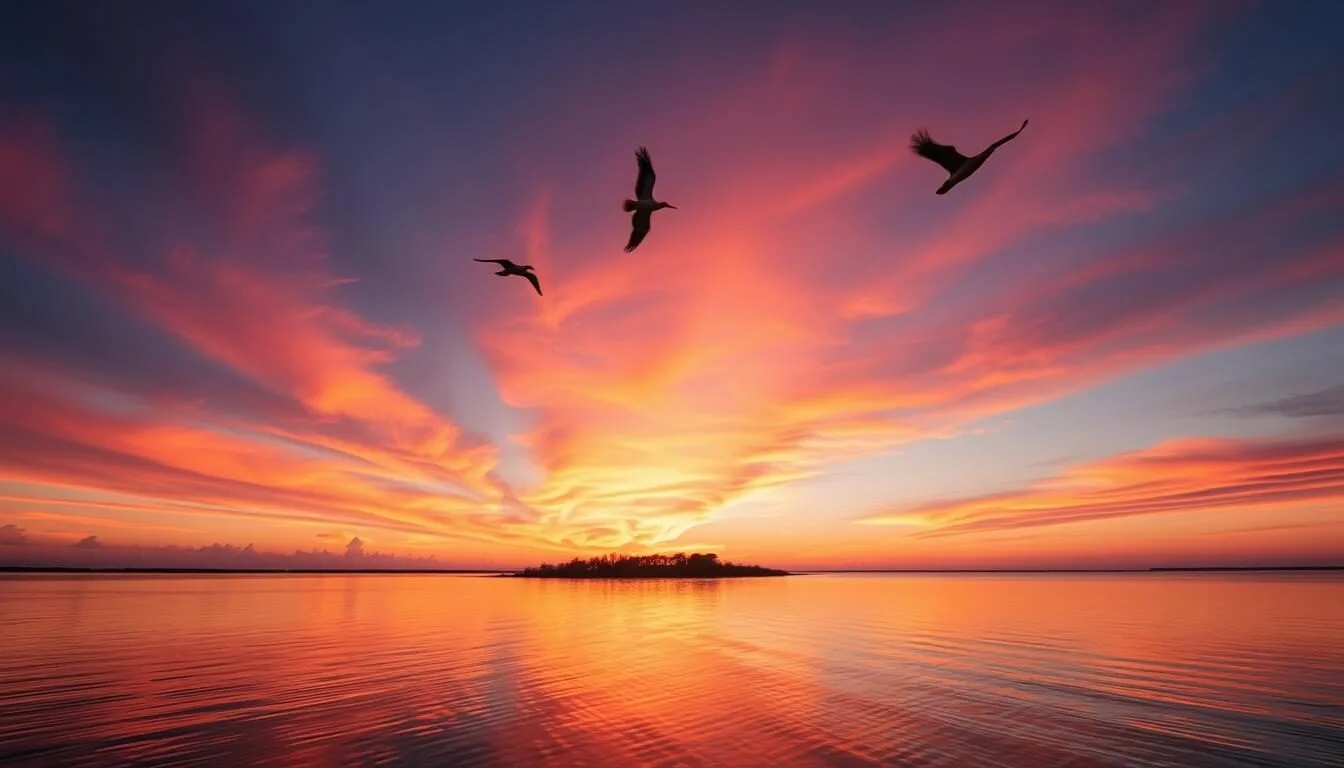
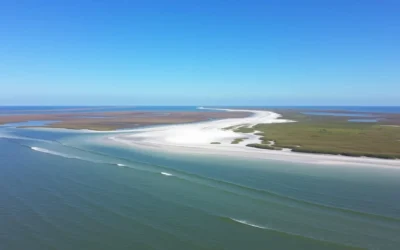
Did you know that Raccoon Island, part of Louisiana’s Isles Dernières (Last Island) Chain, hosts the largest brown pelican nesting colony in the state with over 5,000 nesting pairs annually? This remote barrier island, once part of a thriving 24-mile-long resort destination before a catastrophic 1856 hurricane, now exists as a critical wildlife refuge and offers visitors a rare glimpse into both Louisiana’s fascinating history and its rich coastal ecosystem. As the westernmost island in the chain, Raccoon Island provides a pristine, undeveloped landscape where nature’s resilience and beauty take center stage.
Getting There & Planning Your Journey
Reaching Raccoon Island requires careful planning as this remote barrier island is accessible only by boat. The closest major airports are Louis Armstrong New Orleans International Airport (MSY), approximately 130 km (80 miles) northeast, and Lafayette Regional Airport (LFT), about 120 km (75 miles) north.
From either airport, you’ll need to drive to one of the coastal launching points in Terrebonne Parish. The most common departure points include:
- Cocodrie, Louisiana – offering charter boat services and kayak launches
- Dulac Marina – providing boat rentals and guided tours
- Pointe-aux-Chenes – with several local fishing guides who know the waters
Charter services typically require advance booking, especially during peak seasons. The boat journey to Raccoon Island takes approximately 1-2 hours each way, depending on weather conditions and the type of vessel. Most visitors arrange day trips through local tour operators who specialize in wildlife and nature excursions.
Best Time to Visit & Weather Tips
The ideal time to visit Raccoon Island is during spring (March to May) and fall (September to November) when temperatures are pleasant and wildlife viewing opportunities are abundant. During these seasons, temperatures typically range from 18-29°C (65-85°F) with moderate humidity.
Recommended Seasons:
- Spring (March-May): Comfortable temperatures, active wildlife, and peak bird nesting season
- Fall (September-November): Pleasant weather after summer heat subsides, with fewer tourists
- Winter (December-February): Cooler but still mild, excellent for birdwatching with temperatures around 10-18°C (50-65°F)
Seasons to Avoid:
- Summer (June-August): Extremely hot and humid with temperatures often exceeding 32°C (90°F)
- Hurricane Season (June-November): Particularly August and September when tropical storms are most likely
Always check weather forecasts before planning your trip, as conditions can change rapidly in this coastal area. The island offers no shelter during storms, so tour operators may cancel trips during inclement weather for safety reasons. Bird enthusiasts should note that the pelican nesting season typically runs from March through July, making spring the optimal time for wildlife photography.
Getting Around Locally
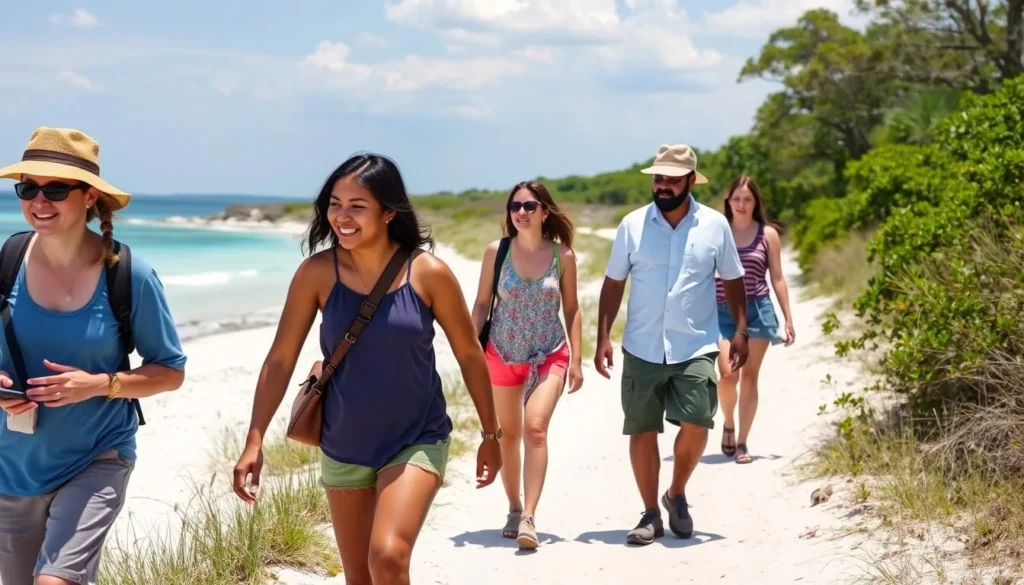
Once you reach Raccoon Island, transportation options are limited to walking and wading. The island is relatively small at approximately 2.5 km (1.5 miles) long and can be explored on foot, though certain areas may be restricted during bird nesting seasons.
Many visitors choose to explore via:
- Guided walking tours – led by knowledgeable naturalists who explain the ecosystem
- Charter boats – which anchor offshore while you explore designated areas
- Kayak excursions – allowing access to shallow areas and wildlife viewing (for experienced paddlers only)
There are no paved paths or facilities on the island, so wear appropriate footwear for walking on sand, shell, and occasionally muddy terrain. The island is also constantly changing due to erosion and storms, so areas that were accessible during previous visits may have changed.
Note that portions of the island may be closed to public access during certain times of the year to protect nesting birds. Always respect these closures and follow the guidance of your tour operator or wildlife officials.
Where to Stay
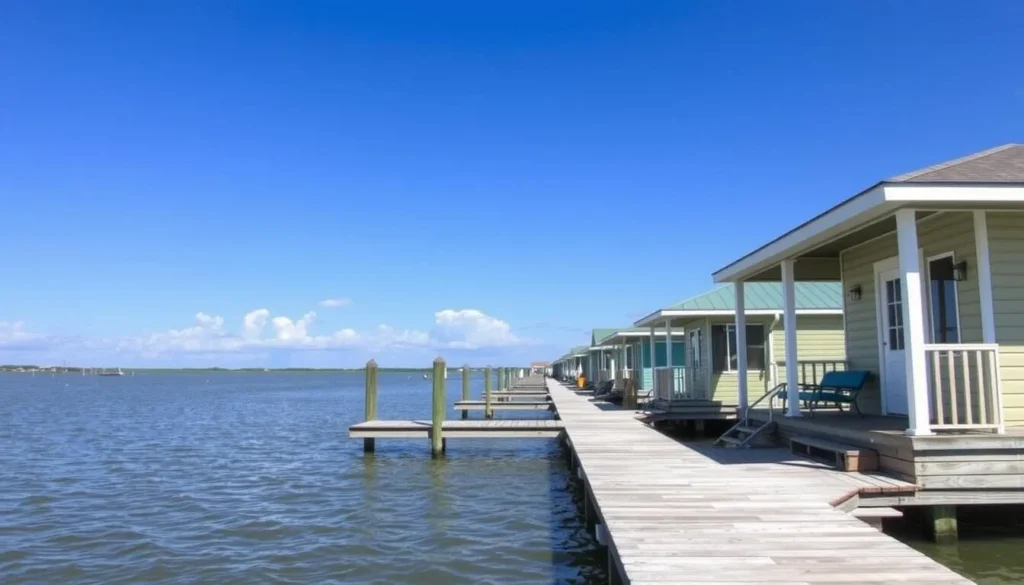
There are no accommodation options on Raccoon Island itself, as the island remains uninhabited and protected as a wildlife refuge. Visitors typically stay in nearby coastal communities and make day trips to the island. Popular lodging areas include:
Cocodrie
This fishing village offers several options including:
- Waterfront cabins and cottages
- Fishing camps with basic amenities
- Vacation rentals with boat docks
Houma
The largest nearby city (about 40 minutes inland) provides:
- Chain hotels with modern amenities
- Bed and breakfasts in historic buildings
- Full-service accommodations
Dulac & Theriot
These smaller communities offer:
- Rustic fishing camps
- Local guesthouses
- Authentic Cajun experiences
Booking accommodations in advance is highly recommended, especially during fishing season and weekends, as options are limited in these small communities. Many lodgings cater to fishermen and outdoor enthusiasts, offering amenities like fish cleaning stations, boat slips, and early breakfast options.
Dining & Local Cuisine

While there are no dining establishments on Raccoon Island itself, the surrounding coastal communities offer exceptional seafood and authentic Cajun cuisine. Visitors should plan to bring their own food and plenty of water when visiting the island for the day.
In the nearby communities, you’ll find:
- Fresh Seafood: Locally caught shrimp, oysters, blue crab, and various fish species
- Cajun Specialties: Gumbo, jambalaya, étouffée, and boudin
- Local Favorites: Crawfish boils (in season, typically February to May)
Some notable dining spots in the area include:
Cocodrie Area
- Harbor Light Restaurant – Known for fresh-off-the-boat seafood
- Coco Marina – Casual dining with waterfront views
Houma Area
- Boudreau & Thibodeau’s Cajun Cookin’ – Authentic Cajun dishes
- Big Al’s Seafood – Local favorite for boiled seafood
For those planning a day trip to the island, many charter services can arrange picnic lunches, or you can pack your own provisions. Remember to take all trash with you when leaving the island, as there are no waste facilities on site.
Attractions, Sightseeing & Activities
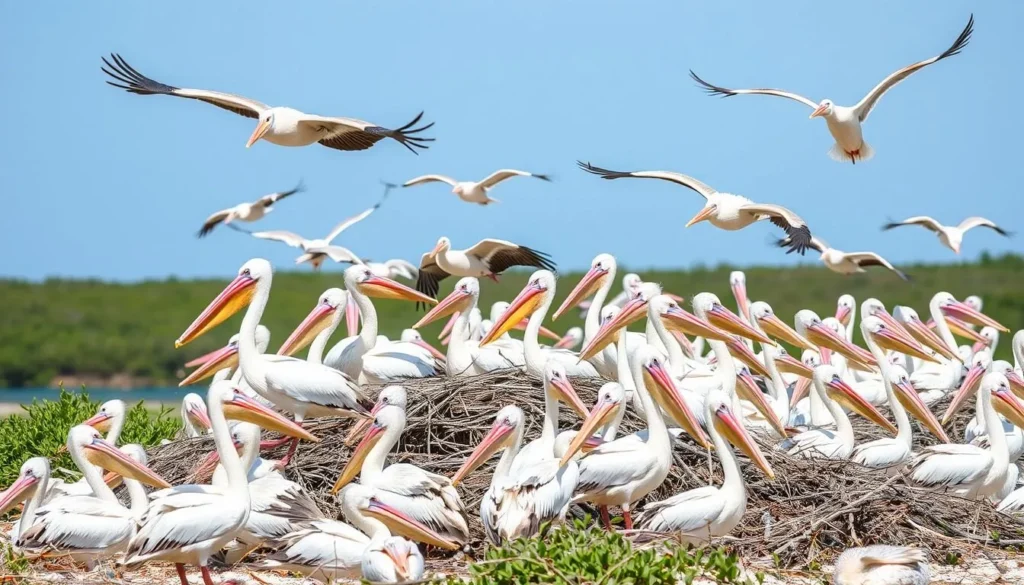
Despite its remote nature, Raccoon Island offers several compelling attractions and activities for visitors interested in wildlife, nature, and outdoor recreation:
Wildlife Observation
The island is a premier destination for wildlife viewing:
- Brown pelican colonies – the largest nesting site in Louisiana
- Shorebirds including terns, skimmers, and gulls
- Migratory birds during spring and fall seasons
- Occasional dolphins in the surrounding waters
Nature Photography
The island offers exceptional photography opportunities:
- Bird photography, especially during nesting season
- Dramatic sunrise and sunset shots over the Gulf
- Landscape photography of the ever-changing coastline
Beach Activities
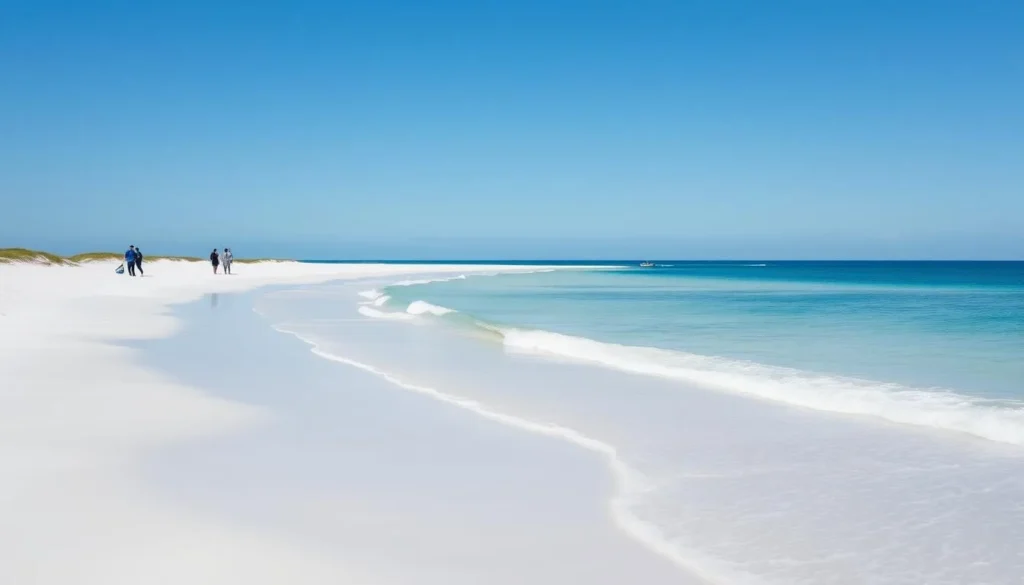
The island features pristine, uncrowded beaches where you can:
- Collect unique shells and beach treasures
- Enjoy peaceful walks along the shoreline
- Observe marine life in tidal pools
Historical Interest
Learn about the island’s fascinating past:
- Part of the historic Isle Dernière destroyed in the 1856 hurricane
- Ongoing coastal restoration efforts
- Natural barrier island formation and evolution
Many visitors find that the island’s remote nature and lack of development create a peaceful atmosphere that’s increasingly rare in today’s world. The sense of standing on a dynamic, ever-changing landscape offers a profound perspective on coastal ecosystems and environmental change.
Museums, Cultural Spots & Festivals
While Raccoon Island itself has no museums or cultural facilities, several nearby locations offer insights into the fascinating history of the Isles Dernières chain:
Museums & Historical Sites
- Terrebonne Parish Historical & Cultural Society Museum (Houma): Features exhibits on the 1856 hurricane and the island’s resort history
- Louisiana Universities Marine Consortium (LUMCON) in Cocodrie: Educational center with displays about coastal ecosystems and research
- Southdown Plantation House & Museum (Houma): Provides context about plantation life during the era when Isle Dernière was a popular resort
Annual Events
Several annual events in the region celebrate the area’s unique cultural heritage:
- Terrebonne Waterlife Museum Festival (April): Celebrates the region’s connection to water and fishing
- Voice of the Wetlands Festival (October): Music and cultural event highlighting coastal preservation
- Louisiana Shrimp & Petroleum Festival (Labor Day weekend): Showcases the region’s two major industries with food, music, and cultural displays
Local libraries in Houma and surrounding communities often maintain historical archives with newspaper accounts, personal letters, and other documents related to Isle Dernière’s history. History enthusiasts may arrange appointments to view these materials with advance notice.
Nature & Outdoor Experiences

The waters surrounding Raccoon Island and the island itself offer excellent opportunities for outdoor recreation and nature experiences:
Fishing
The area is renowned for exceptional fishing opportunities:
- Inshore fishing for speckled trout and redfish
- Offshore opportunities for larger species
- Seasonal variations with different target species
Many charter services specialize in fishing trips to the waters around the islands. Louisiana fishing licenses are required and can be purchased online or from local bait shops.
Kayaking & Paddling
Exploring by kayak or canoe offers unique perspectives:
- Guided eco-tours explaining the ecosystem
- Self-guided exploration (for experienced paddlers only)
- Opportunities to access shallow areas inaccessible by larger boats
Several outfitters in Cocodrie and Houma offer kayak rentals and guided tours appropriate for various skill levels.
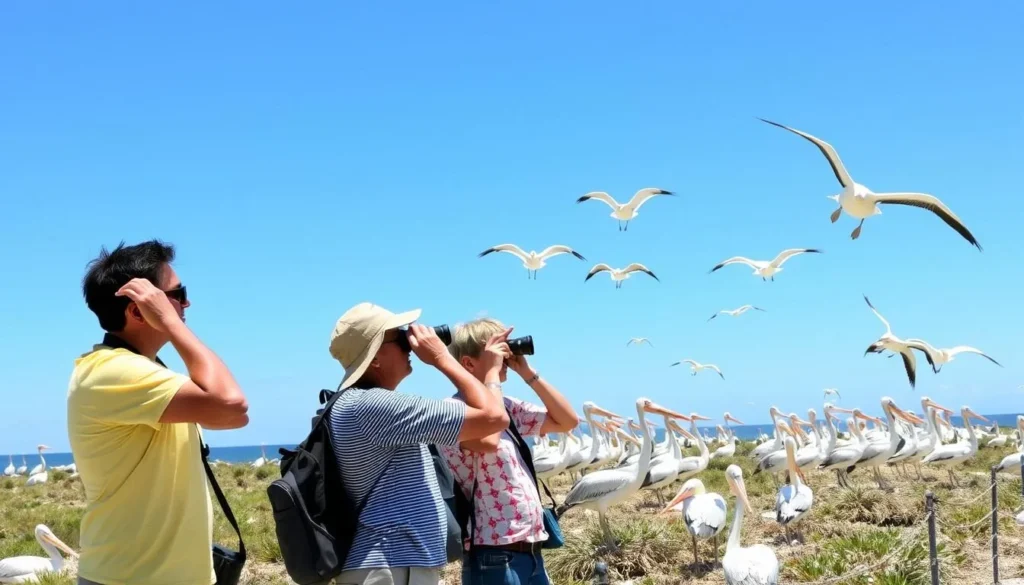
Wildlife Viewing
The island serves as an important wildlife habitat:
- Bird sanctuaries with nesting colonies
- Marine life including dolphins in surrounding waters
- Seasonal migrations bringing different species
Bring binoculars and a camera with a zoom lens to make the most of wildlife viewing opportunities without disturbing the animals.
Conservation Opportunities
For those interested in giving back:
- Volunteer with coastal restoration projects
- Participate in beach cleanups when organized
- Support local conservation organizations
Occasional volunteer opportunities exist through organizations like the Louisiana Department of Wildlife and Fisheries and various coastal restoration nonprofits.
Safety, Etiquette & Local Customs
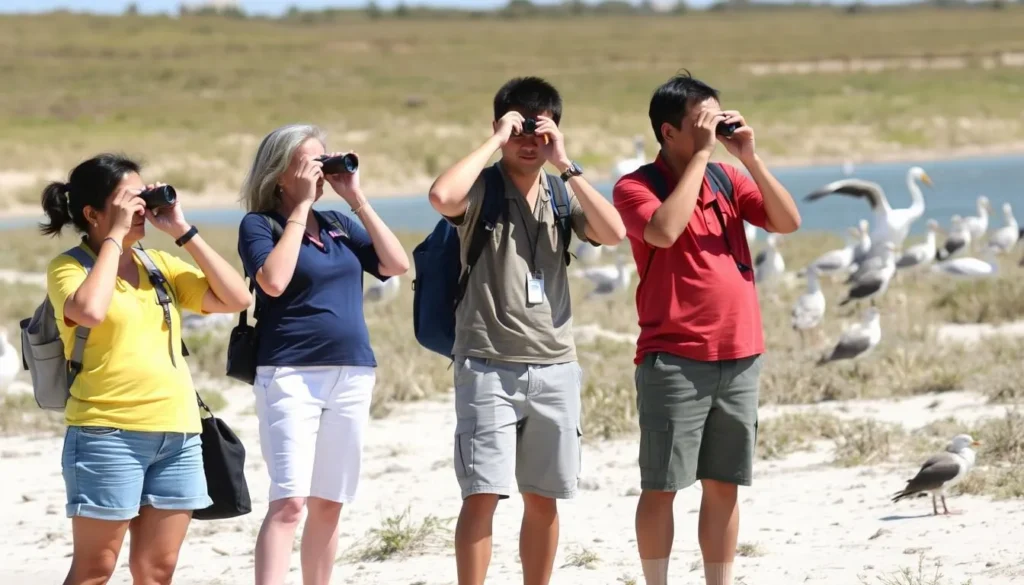
Visiting Raccoon Island requires awareness of several important safety considerations and respectful practices:
Safety Precautions
- Weather Awareness: Check forecasts before departing and be prepared for rapid changes in conditions
- Sun Protection: Bring sunscreen, hats, and protective clothing as there is no shade on the island
- Water Safety: Strong currents can occur; swim only in designated areas and follow guide recommendations
- Wildlife Caution: Maintain safe distances from wildlife, especially nesting birds
- Communication: Cell service is unreliable; consider bringing a marine radio or satellite phone for emergencies
Conservation Etiquette
- Leave No Trace: Pack out all trash and belongings
- Respect Wildlife: Observe from a distance without disturbing animals, especially nesting birds
- Stay on Designated Areas: Avoid trampling sensitive dune vegetation or disturbing nesting sites
- Photography Ethics: Never disturb wildlife for the sake of a photograph
The island is protected as a wildlife refuge, and certain areas may be restricted during nesting seasons. Always follow guidance from tour operators and wildlife officials regarding accessible areas. Remember that you are a visitor in a critical wildlife habitat, and your actions can have significant impacts on the animals that depend on this ecosystem.
Visitor Comments About Raccoon Island
“As an avid birder, visiting Raccoon Island was a dream come true. The pelican colony is truly spectacular – I’ve never seen so many birds in one place! Our guide was incredibly knowledgeable about both the wildlife and the island’s fascinating history. The boat ride out was an adventure in itself, and we even spotted dolphins on the return journey. Bring good binoculars and a camera with a zoom lens.”
“Our family chartered a boat to Raccoon Island during our Louisiana vacation, and it was the highlight of our trip. The untouched beaches and abundant wildlife made us feel like we’d discovered a secret paradise. The kids were fascinated by the story of the hurricane and how it changed the island forever. The shells we collected and the dolphins we spotted made for memories we’ll cherish. Just remember to bring plenty of water and sun protection!”
“I’ve been photographing wildlife for over 20 years, and Raccoon Island offered some of the most extraordinary opportunities I’ve encountered. The pelican colony is a photographer’s dream, especially during nesting season. What makes this place special is how undeveloped it remains – a true natural sanctuary. The boat captain who took us out shared fascinating stories about the island’s history and ongoing conservation efforts. Worth every minute of the journey to get there.”
Additional Nearby Destinations
While visiting the Raccoon Island area, consider exploring these nearby attractions to enhance your trip:
Grand Isle
Louisiana’s only inhabited barrier island, about 65 km (40 miles) east:
- Grand Isle State Park with beaches and fishing
- Elmer’s Island Wildlife Refuge
- Annual Grand Isle Tarpon Rodeo fishing tournament
Houma
This charming city offers several attractions:
- Bayou Terrebonne Waterlife Museum
- Historic downtown with unique shops
- Swamp tours in nearby bayous
Jean Lafitte National Historical Park
About 80 km (50 miles) northeast:
- Barataria Preserve with boardwalk trails
- Wildlife viewing opportunities
- Cultural and historical exhibits
Many visitors combine a trip to Raccoon Island with exploration of New Orleans, which is approximately a 2-hour drive from Houma. The contrast between the remote, natural setting of the islands and the vibrant cultural scene of New Orleans creates a well-rounded Louisiana experience.
Practical Travel Tips
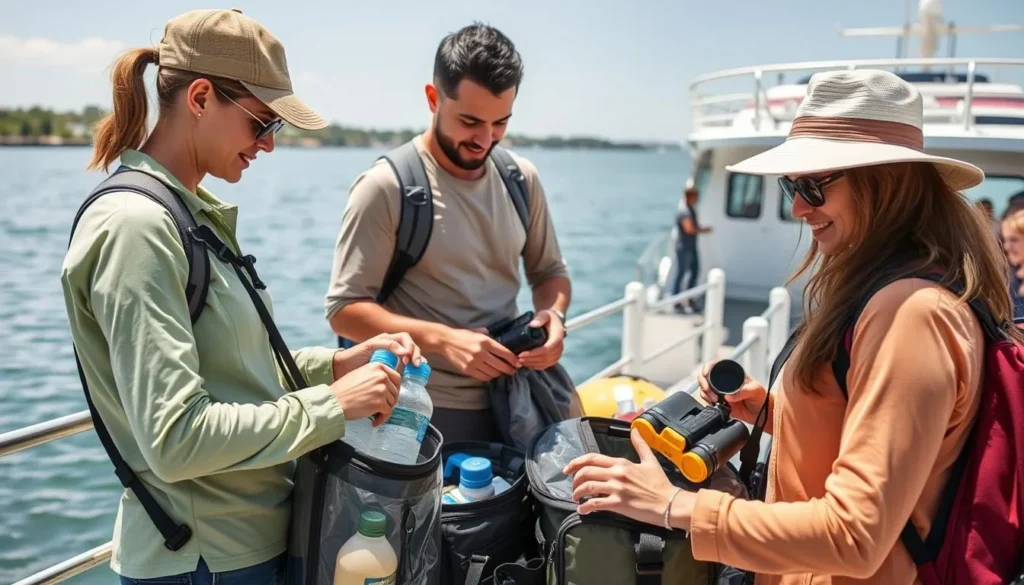
Make your visit to Raccoon Island more enjoyable with these practical tips:
What to Pack
- Water: Bring more than you think you’ll need (at least 2 liters per person)
- Sun Protection: High-SPF sunscreen, hat, sunglasses, and lightweight long-sleeved clothing
- Footwear: Water shoes or sandals that can get wet and still provide support
- Insect Repellent: Particularly important during warmer months
- Binoculars: Essential for wildlife viewing
- Camera: Preferably waterproof or in a waterproof case
- Dry Bag: To protect electronics and valuables
Planning Advice
- Reservations: Book boat charters well in advance
- Timing: Allow a full day for your island visit
- Flexibility: Be prepared for schedule changes due to weather
- Local Knowledge: Consult with locals about current conditions
- Cash: Bring cash as many small businesses in the area may not accept cards
- Fuel: Fill your vehicle’s tank before heading to coastal launch points as gas stations are limited
For those with limited mobility, be aware that accessing the island requires boarding boats and walking on uneven terrain. Discuss any mobility concerns with tour operators in advance to determine if accommodations can be made.
A Pristine Wilderness Experience
Visiting Raccoon Island offers a rare opportunity to experience one of Louisiana’s last truly wild places. As you stand on these shifting sands watching thousands of pelicans soar overhead, you can’t help but feel a connection to both the natural world and the fascinating history that shaped this unique landscape. The island serves as both a critical wildlife sanctuary and a powerful reminder of nature’s resilience. Whether you come for the bird watching, the pristine beaches, or simply the peace of an undeveloped coastline, Raccoon Island rewards visitors with experiences that resonate long after they’ve returned to the mainland. In an increasingly developed world, places like this become ever more precious – windows into the wild heart of Louisiana that deserve our appreciation and protection.
The above is subject to change.
Check back often to TRAVEL.COM for the latest travel tips and deals.
0 Comments