

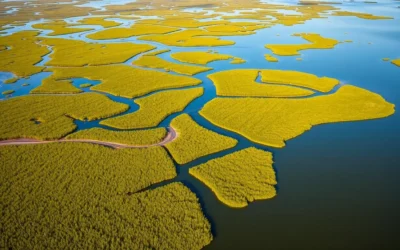
Home to the highest density of alligator nests in the United States, Rockefeller Wildlife Refuge spans over 30,000 hectares (76,000 acres) of pristine coastal wetlands along Louisiana’s Gulf Coast. This remarkable conservation area offers visitors a rare glimpse into one of America’s most vibrant ecosystems, where wildlife thrives in a carefully protected environment. Whether you’re an avid bird watcher, fishing enthusiast, or simply seeking to connect with nature, this hidden gem of Louisiana’s wetlands promises unforgettable encounters with the wild.
Getting There & Planning Your Journey
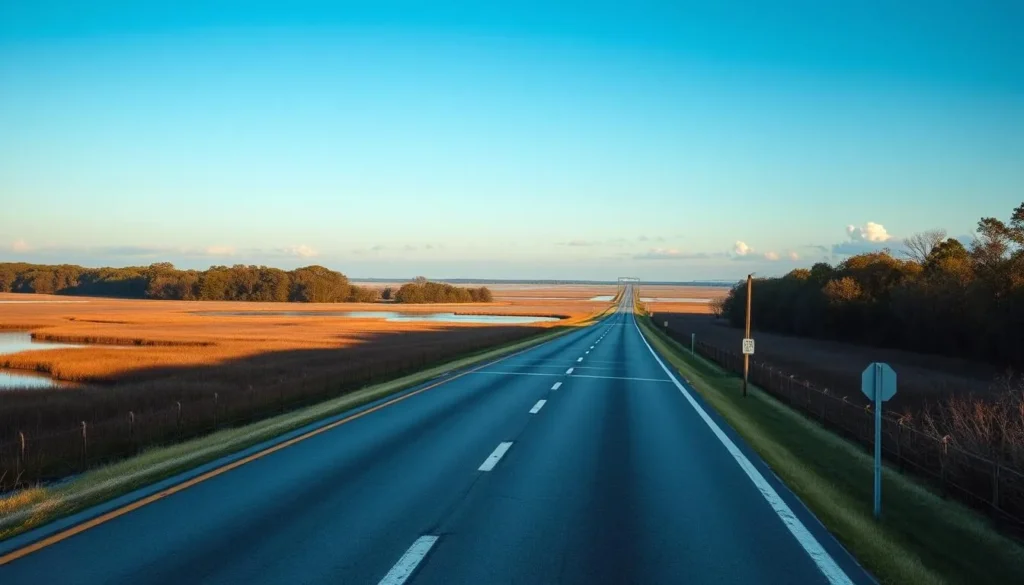
Rockefeller Wildlife Refuge is located in southwestern Louisiana, approximately 1 hour and 45 minutes from Lafayette. The refuge is accessible via Highway 82, with Grand Chenier being the closest community. For those flying in, the nearest major airports are Lafayette Regional Airport (LFT) about 130 km (80 miles) away and Lake Charles Regional Airport (LCH) approximately 110 km (70 miles) away.
When planning your visit, it’s essential to check the official sunrise time for the area, as access to certain parts of the refuge begins after sunrise. Many visitors line up at designated entry points to ensure they can get in as soon as the refuge opens. A personal vehicle is necessary as public transportation options are extremely limited in this remote area.
Best Time to Visit & Weather Tips
The ideal time to visit Rockefeller Wildlife Refuge depends on your specific interests and tolerance for Louisiana’s climate conditions:
Recommended Seasons
- December through March: Cooler temperatures (10-21°C/50-70°F) and reduced humidity make outdoor activities more comfortable. This period is excellent for bird watching as many migratory species visit the refuge.
- April and November: Moderate temperatures (15-27°C/60-80°F) with manageable humidity levels and fewer insects.
- Early mornings year-round: Regardless of season, early mornings offer the best wildlife viewing opportunities and more comfortable temperatures.
Seasons to Avoid
- June through September: Extreme heat (often exceeding 32°C/90°F) and humidity can make outdoor activities uncomfortable. Mosquitoes and other insects are also at their peak.
- Hurricane season (June to November): While the refuge is beautiful during fall, be aware that coastal Louisiana is vulnerable to tropical storms and hurricanes during this period.
- Midday hours (11 AM – 3 PM): Regardless of season, midday heat can be intense, and wildlife is typically less active during these hours.
Getting Around Locally
Navigating Rockefeller Wildlife Refuge requires some planning, as the terrain consists primarily of marshes, wetlands, and coastal areas with limited developed infrastructure:
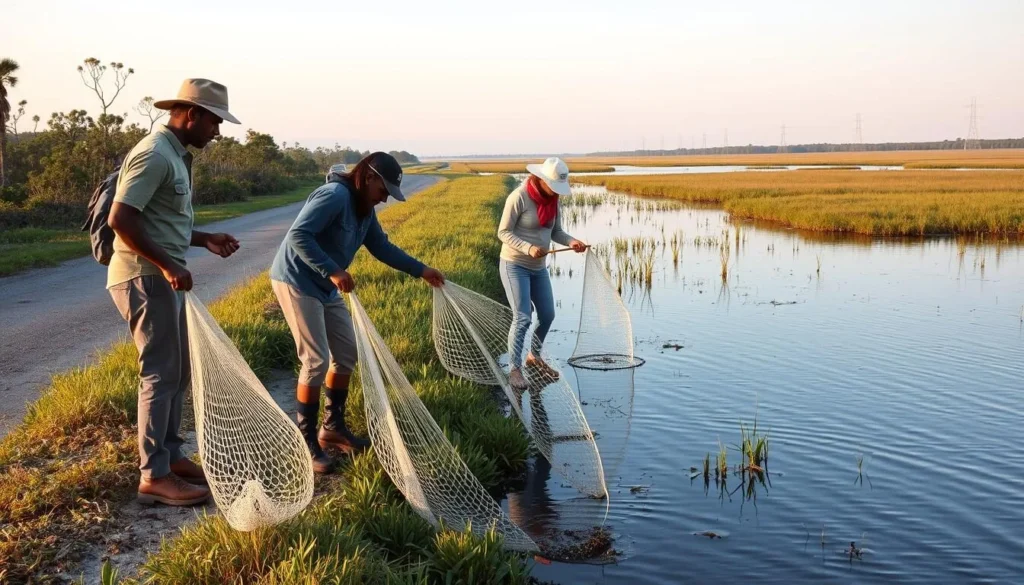
- Personal vehicle: Essential for accessing different areas of the refuge. Price Lake Road is one of the most popular driving routes for wildlife viewing and crabbing access.
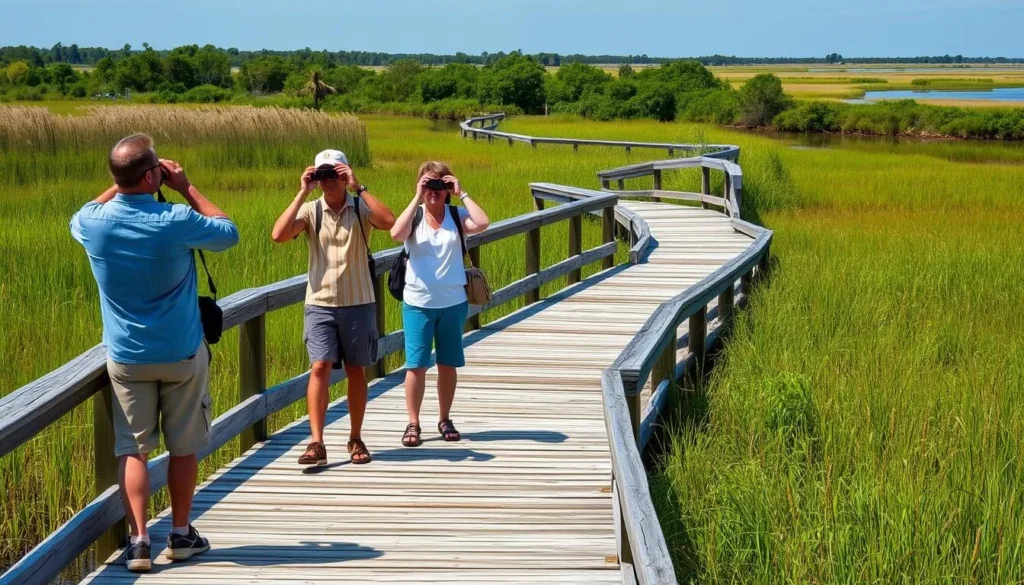
- Walking: Several areas offer opportunities for short walks along boardwalks and designated paths. Waterproof footwear is highly recommended as trails can be muddy.
- Boat access: The Joseph Harbor Boat Launch provides access to waterways for fishing and exploration. Personal watercraft or guided boat tours are excellent ways to experience the refuge’s aquatic habitats.
- Accessibility: Some boardwalk sections are accessible to those with mobility challenges, but much of the refuge consists of uneven, natural terrain that may present difficulties.
Where to Stay
While there are no accommodations within Rockefeller Wildlife Refuge itself, several options are available in nearby communities:
Grand Chenier
The closest community to the refuge offers limited accommodations, primarily vacation rentals and small local motels. Staying here provides the quickest access to the refuge, especially important for early morning wildlife viewing.
Cameron (30 minutes)
This small coastal town offers several motels and vacation rentals with a fishing village atmosphere. Accommodations here are basic but functional, catering primarily to fishing enthusiasts and nature lovers.
Lake Charles (1 hour)
For more upscale accommodations, Lake Charles offers a range of hotels, including casino resorts with full amenities. While further from the refuge, the city provides more dining and entertainment options for evening activities.
Dining & Local Cuisine
The area surrounding Rockefeller Wildlife Refuge offers authentic Cajun and Creole cuisine that showcases Louisiana’s rich culinary heritage:
Local Specialties
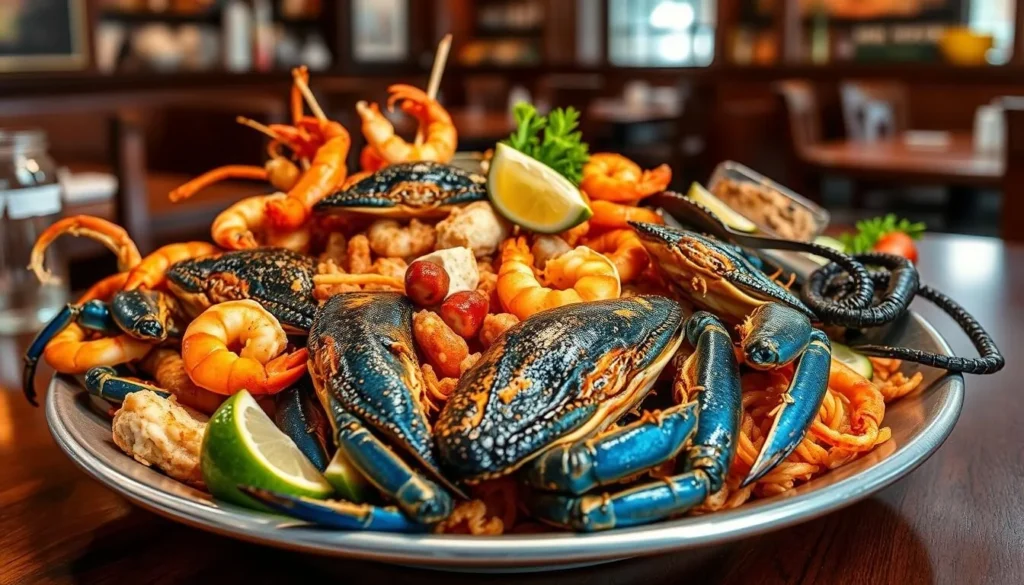
- Seafood: Fresh-caught blue crab, shrimp, and various fish species feature prominently in local dishes.
- Crawfish étouffée: A classic Louisiana dish of crawfish smothered in a flavorful roux-based sauce, served over rice.
- Boudin: A distinctive Cajun sausage made with pork, rice, and seasonings, available at many local markets and restaurants.
- Gumbo: Rich, flavorful stew featuring seafood or chicken and andouille sausage, thickened with okra or filé powder.
Dining Options
- Grand Chenier: Limited options with a few small local eateries serving authentic Cajun cuisine.
- Cameron: Several seafood restaurants offering fresh-caught specialties from the Gulf.
- Lake Charles: Wide range of dining options from casual seafood shacks to upscale restaurants featuring local and international cuisine.
- Self-catering: Many visitors bring coolers with food and drinks, especially for full-day excursions at the refuge.
Attractions, Sightseeing & Activities
Rockefeller Wildlife Refuge offers a variety of activities for nature enthusiasts, with these experiences ranking among visitors’ favorites:
Crabbing on Price Lake Road
One of the most popular activities at the refuge, Price Lake Road offers excellent roadside crabbing opportunities. Visitors regularly report filling coolers with blue crabs, particularly during warmer months. Remember that a freshwater/saltwater fishing license and a WMA Refuge/Conservation permit are required.
Fishing
The refuge provides outstanding fishing opportunities for redfish, speckled trout, and other species. The Joseph Harbor Boat Launch gives anglers access to productive waterways. Shore fishing is also popular along designated areas and at the Rockefeller Pier, which features jetties extending into the water.
Wildlife Photography
With its diverse habitats and abundant wildlife, the refuge is a photographer’s paradise. Early mornings and late afternoons offer the best light and increased animal activity. Bring a telephoto lens for capturing distant wildlife and a wide-angle lens for dramatic landscape shots of the marshes.
Museums, Cultural Spots & Festivals
While Rockefeller Wildlife Refuge itself doesn’t host cultural facilities, the surrounding region offers opportunities to explore Louisiana’s rich heritage:
Nearby Cultural Attractions
- Creole Nature Trail Adventure Point: Located in Sulphur, this free attraction provides interactive exhibits about the region’s natural wonders and cultural heritage.
- Cameron Prairie National Wildlife Refuge Visitor Center: Features educational displays about the area’s ecology and conservation efforts.
- Imperial Calcasieu Museum (Lake Charles): Showcases the history and culture of Southwest Louisiana, including exhibits on Mardi Gras traditions.
Regional Festivals
- Louisiana Fur and Wildlife Festival (Cameron): Typically held in January, this festival celebrates the region’s hunting and trapping heritage.
- Contraband Days/Louisiana Pirate Festival (Lake Charles): A spring festival featuring music, food, and cultural celebrations.
- Cajun Music and Food Festival (Lake Charles): Usually held in July, this event showcases traditional Cajun music, dance, and cuisine.

Nature & Outdoor Experiences
The true highlight of any visit to Rockefeller Wildlife Refuge is immersion in its remarkable natural environment:
Bird Watching
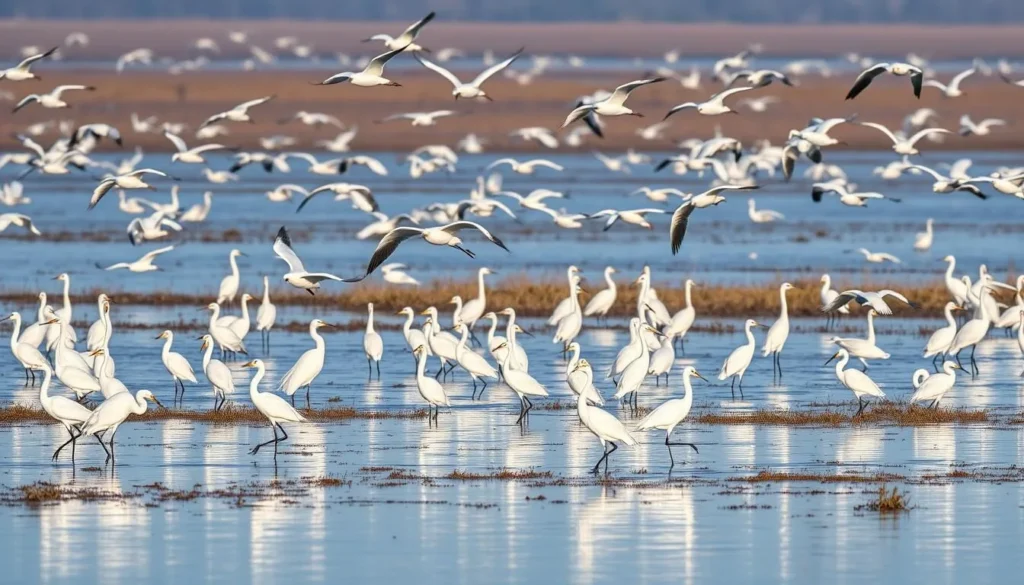
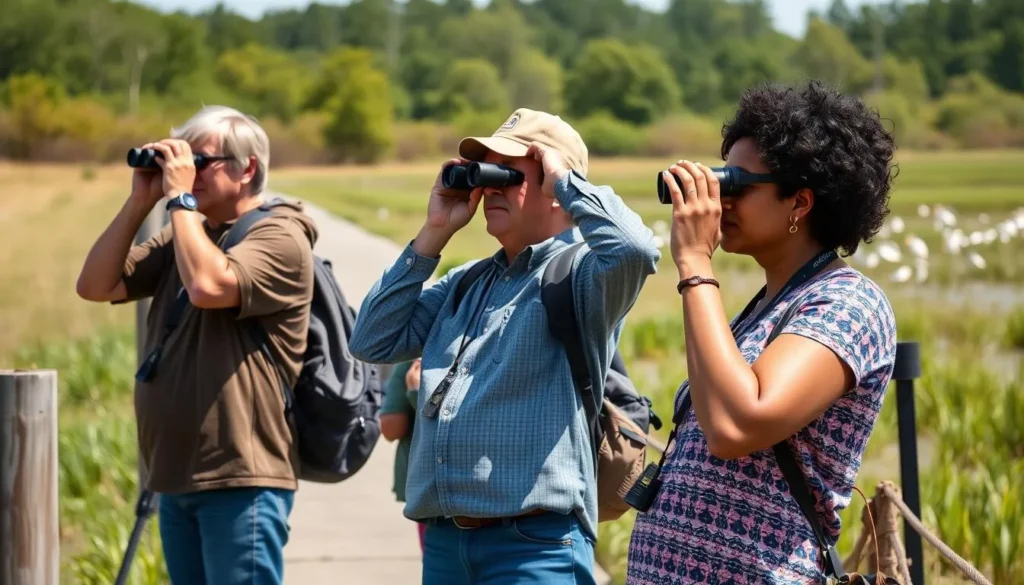
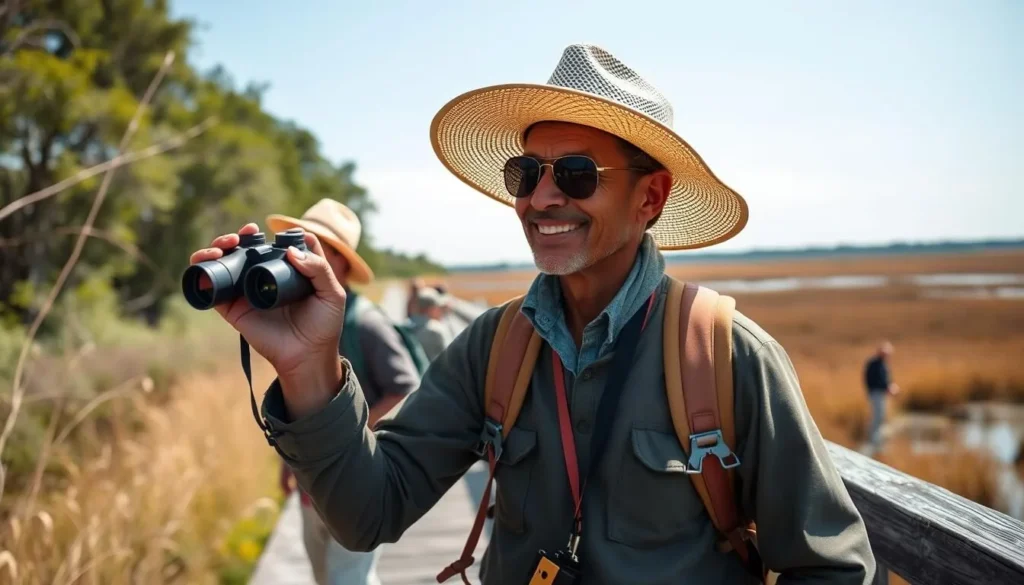
The refuge is a paradise for birders, hosting hundreds of species throughout the year. Migratory seasons (spring and fall) bring colorful songbirds like summer tanagers and orchard orioles, while resident species include egrets, herons, and red-winged blackbirds. Bring binoculars and a field guide to make the most of this exceptional birding location.
Alligator Viewing
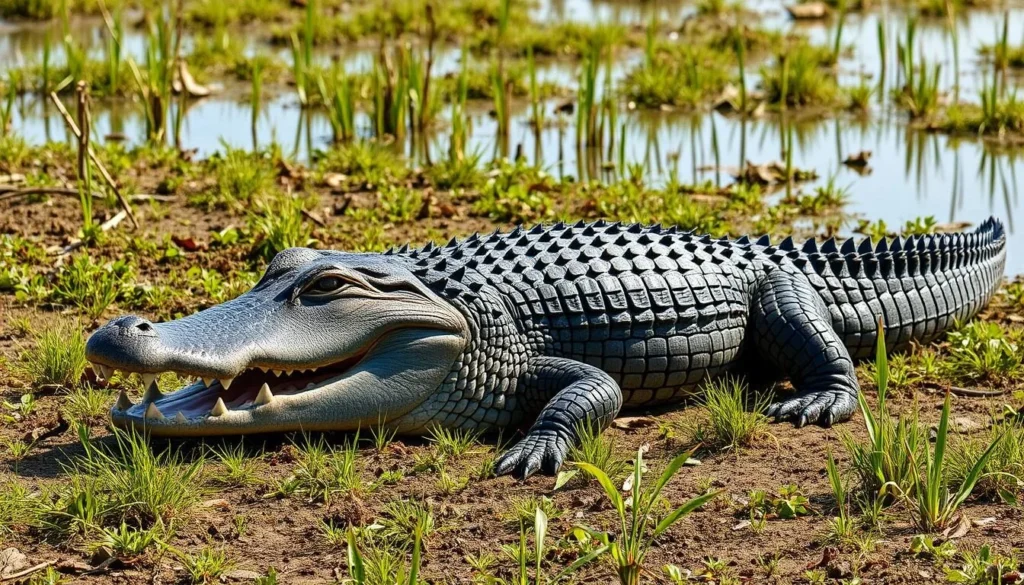
Rockefeller Refuge boasts the highest density of alligator nests in the country. These prehistoric-looking reptiles can often be spotted basking along waterways or floating with just their eyes and snouts visible above the water. Always maintain a safe distance and never attempt to feed these wild animals.
Marsh Exploration
The refuge’s diverse marshland ecosystems support a rich variety of plant and animal life. Look for river otters, turtles, and numerous butterfly species as you explore. The interplay of land and water creates stunning landscapes that change with the seasons and tides.
Safety, Etiquette & Local Customs
Visiting Rockefeller Wildlife Refuge requires awareness of both safety considerations and respectful behavior toward the natural environment:
Safety Guidelines
- Wildlife distance: Maintain a safe distance from alligators and other wildlife. Never approach or feed wild animals.
- Sun protection: The refuge offers little shade, so bring hats, sunscreen, and consider a portable umbrella, especially during warmer months.
- Hydration: Carry plenty of water, particularly in hot weather. Dehydration can occur quickly in humid conditions.
- Insect repellent: Mosquitoes and other biting insects can be abundant, especially during warmer months and near dawn/dusk.
- Weather awareness: Check weather forecasts before visiting and be prepared for sudden changes, particularly during hurricane season.
Etiquette & Conservation
- Required permits: Ensure you have the necessary fishing/crabbing licenses and WMA Refuge/Conservation permit before engaging in these activities.
- Leave no trace: Pack out all trash and leave natural objects in place for others to enjoy.
- Quiet observation: Keep noise to a minimum to avoid disturbing wildlife and other visitors.
- Stay on designated paths: Protect sensitive habitats by remaining on established trails and roads.
- Photography ethics: Never disturb wildlife to get a better photograph. Patience yields better results and protects the animals.
Visitor Comments About Rockefeller Wildlife Refuge
“We had an incredible day crabbing at Price Lake Road. Filled our cooler with blue crabs in just a few hours! The wildlife viewing was spectacular too—saw at least a dozen alligators and countless bird species. Just remember to bring plenty of water and sun protection as there’s virtually no shade.”
“As an avid bird photographer, Rockefeller Wildlife Refuge exceeded all my expectations. The diversity of wading birds was remarkable, and I even spotted a few species I’d never seen before. The early morning light on the marshes created perfect conditions for photography. Well worth the drive from New England!”
“Our family loved exploring the refuge, especially watching the alligators from a safe distance. The kids were fascinated! Make sure you get your permits in advance and arrive early—we lined up before sunrise and it was definitely worth it. The fishing was excellent too, caught several nice redfish near the boat launch.”
Additional Nearby Destinations
Extend your exploration of Louisiana’s natural wonders with these nearby attractions:
Cameron Prairie National Wildlife Refuge
Located about 45 minutes from Rockefeller, this refuge encompasses marshes and prairies with habitat distinct from Rockefeller. The Pintail Wildlife Drive offers a 3-mile loop through diverse ecosystems, and the Visitor Center provides educational exhibits about local wildlife.
Sabine National Wildlife Refuge
This nearly 125,000-acre refuge features fresh and saltwater marshes home to over 300 bird species. The Wetland Walkway and Blue Goose Trail provide excellent wildlife viewing opportunities, while the Blue Crab Recreation Area is popular for crabbing.
Creole Nature Trail All-American Road
This 180-mile scenic byway takes you through some of Louisiana’s most beautiful wetlands and coastal areas. The trail includes multiple wildlife refuges, beaches for shell collecting, and numerous spots for fishing and wildlife observation.

Practical Travel Tips
Essential Gear
- Waterproof footwear: Essential for navigating muddy areas and shallow water.
- Binoculars: Greatly enhance wildlife viewing experiences, especially for birds and distant alligators.
- Camera with zoom lens: Ideal for capturing wildlife without disturbing natural behaviors.
- Sun protection: Hat, sunscreen, sunglasses, and lightweight, long-sleeved clothing.
- Insect repellent: Particularly important during warmer months and dawn/dusk hours.
- Cooler with ice: For storing caught crabs or fish, plus keeping drinks and food cold.
- Water bottles: Bring at least 2 liters per person for a day visit.
Planning Essentials
- Permits: Purchase your freshwater/saltwater fishing license and WMA Refuge/Conservation permit in advance ($20/year or $5/5 consecutive days).
- Sunrise timing: Check the official sunrise time as access to certain areas begins after sunrise.
- Cell service: Be prepared for limited or no cell service in remote areas of the refuge.
- Fuel: Fill your gas tank before heading to the refuge as service stations are limited in the immediate area.
- Cash: Some small local businesses may not accept credit cards.
- Weather check: Review forecasts before departing, especially during hurricane season (June-November).
Where Wild Louisiana Comes to Life
Rockefeller Wildlife Refuge represents Louisiana’s natural heritage at its most authentic and untamed. As you watch alligators glide silently through marsh waters, observe graceful herons stalking their prey, or feel the excitement of pulling up a net full of blue crabs, you’ll connect with an ecosystem that has thrived for millennia. The refuge offers more than just activities—it provides a window into the delicate balance of coastal wetlands and the vital role they play in our environment. Whether you come for the fishing, the photography, or simply to immerse yourself in nature, Rockefeller Wildlife Refuge rewards visitors with experiences that can’t be replicated elsewhere. Pack your gear, secure your permits, and prepare to discover one of Louisiana’s true natural treasures.
The above is subject to change.
Check back often to TRAVEL.COM for the latest travel tips and deals.
0 Comments