

Established in 1937, Sabine National Wildlife Refuge spans an impressive 125,000 acres, making it the largest coastal marsh refuge in Louisiana. This vast wetland sanctuary serves as a critical habitat for over 280 species of birds and provides a protected home for American alligators, which can reach densities of up to one alligator per 2.5 acres in certain areas of the refuge. For nature enthusiasts and outdoor adventurers, this hidden gem along Louisiana’s Creole Nature Trail offers an unparalleled opportunity to experience the wild beauty of America’s wetlands.
Getting There & Planning Your Journey
Sabine National Wildlife Refuge is located along Highway 27 in southwest Louisiana, approximately 26 miles south of Sulphur. The refuge is part of the scenic Creole Nature Trail All-American Road, making it easily accessible for visitors exploring this renowned byway.
Closest Airports
- Lake Charles Regional Airport (LCH) – 45 km (28 miles) northeast
- Beaumont-Port Arthur Airport (BPT) – 80 km (50 miles) west
- Lafayette Regional Airport (LFT) – 145 km (90 miles) east
From Interstate 10, take Exit 20 (LA-1256 Sulphur/Cameron) and head south for approximately 26 miles until you reach the refuge. Look for the Sabine National Wildlife Refuge signs along Highway 27. The refuge’s visitor contact station is located about halfway through the refuge and provides maps and information about current conditions.
For those planning a multi-day exploration of the area, consider incorporating Sabine into a broader Creole Nature Trail adventure, which includes several other wildlife refuges and natural attractions in the region.

Best Time to Visit & Weather Tips
The refuge experiences a subtropical climate with hot, humid summers and mild winters. Understanding seasonal patterns will help you maximize your wildlife viewing opportunities and overall experience.
Recommended Seasons
- Spring (March-May): Ideal for wildlife viewing with moderate temperatures ranging from 18-29°C (65-85°F). Migratory birds are abundant, and alligators become more active after winter.
- Fall (September-November): Another excellent time with pleasant temperatures of 15-26°C (60-80°F) and active wildlife. Fall migration brings diverse bird species through the refuge.
- Winter (December-February): Mild temperatures of 7-18°C (45-65°F) with fewer insects. Excellent for waterfowl viewing as thousands of ducks and geese winter in the refuge.
Seasons to Avoid
- Summer (June-August): Extremely hot and humid with temperatures often exceeding 32°C (90°F). Heavy mosquito presence and afternoon thunderstorms are common.
- Hurricane Season (June-November): Be aware that the refuge may close during severe weather events. Always check conditions before visiting during hurricane season.
For the optimal experience, plan your visit during weekday mornings when wildlife is most active and visitor numbers are lower. Early morning and late afternoon offer the best lighting for photography and increased wildlife activity.
Getting Around Locally
Navigating Sabine National Wildlife Refuge requires some planning, as the vast wetland terrain offers different access points and exploration methods.
By Car
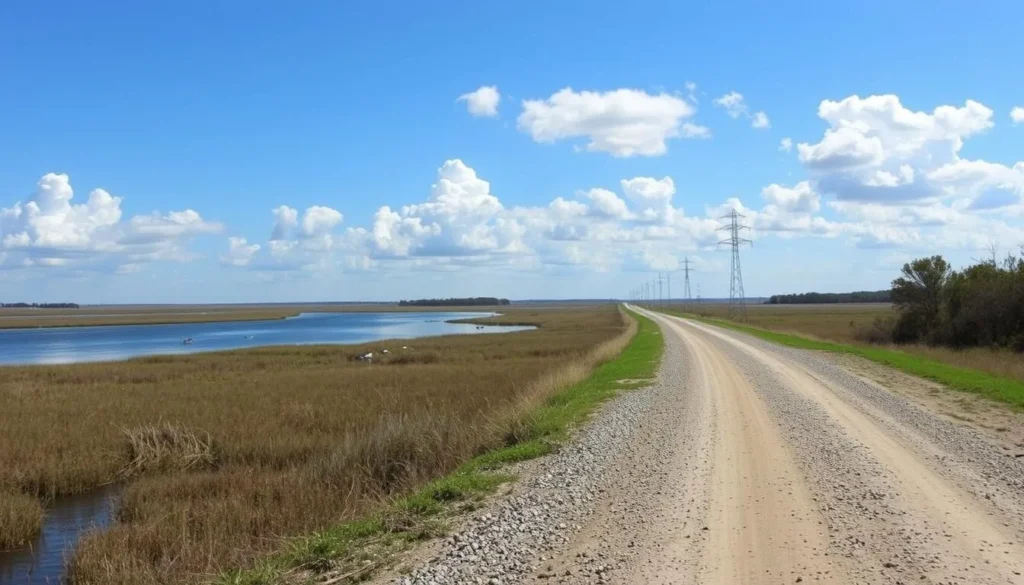
Highway 27 runs through the eastern portion of the refuge, providing scenic driving opportunities with several pullouts where you can stop to observe wildlife. The Scenic Overlook along Highway 27 allows visitors to view coastal marsh habitat without leaving their vehicle.
On Foot
Two primary walking trails offer excellent opportunities to immerse yourself in the refuge’s diverse ecosystems:
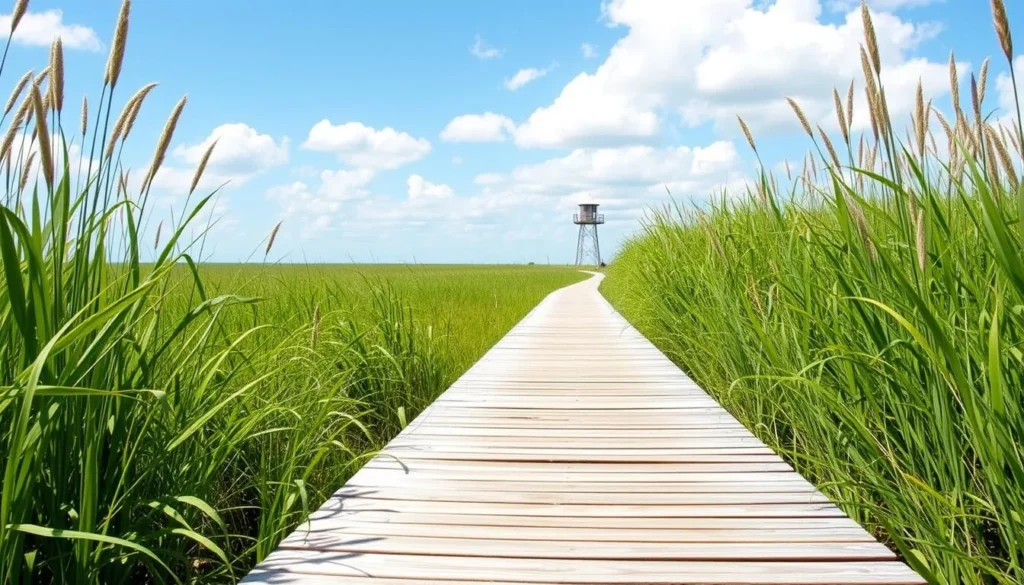
- Wetland Walkway: A 1.5-mile (2.4 km) boardwalk and trail located 4 miles (6.4 km) south of the refuge office. This accessible path takes you through freshwater marsh and features an observation tower with panoramic views.
- Blue Goose Trail: Located just north of the refuge office along Highway 27, this shorter trail includes a wildlife observation platform overlooking brackish/saline marsh habitat.
By Boat
The interior canals and waterways of the refuge are accessible by boat from March 15 to October 15. Several boat launches are available:
- West Cove Recreation Area
- Hog Island Gully
- Blue Crab Recreation Area
Note that airboats, personal watercraft (jet skis), and hovercraft are prohibited within the refuge to protect wildlife and habitat.
Where to Stay
While there are no accommodations within Sabine National Wildlife Refuge itself, several nearby communities offer lodging options within a reasonable driving distance.
Nearby Towns with Accommodations
- Sulphur (26 miles/42 km north): Offers the closest range of hotels, motels, and B&Bs with options for various budgets.
- Lake Charles (35 miles/56 km northeast): The largest nearby city with numerous accommodation options, including casino resorts, hotels, and vacation rentals.
- Cameron (20 miles/32 km east): Limited accommodations but provides a closer base for exploring the refuge.
Camping Options
- Sam Houston Jones State Park: Located 40 miles (64 km) north of the refuge with tent and RV camping facilities.
- Holly Beach: Offers beachfront camping about 15 miles (24 km) southwest of the refuge. Primitive camping with few amenities.
- Private RV Parks: Several can be found in the Sulphur and Lake Charles areas.
For the most convenient access to the refuge, consider staying in Sulphur or Lake Charles, which offer the widest range of accommodations and dining options. If you’re planning an extended visit to explore multiple sites along the Creole Nature Trail, these locations also serve as excellent base camps.
Dining & Local Cuisine
There are no dining facilities within Sabine National Wildlife Refuge, so visitors should plan accordingly by bringing food and drinks for their visit. However, the surrounding region offers excellent opportunities to sample authentic Cajun and Creole cuisine.
Nearby Dining Options
- Hackberry (10 miles/16 km north): Limited options with basic convenience stores and small eateries.
- Cameron (20 miles/32 km east): Several seafood restaurants specializing in fresh Gulf catches.
- Sulphur (26 miles/42 km north): Wide range of dining options from fast food to sit-down restaurants.
- Lake Charles (35 miles/56 km northeast): Comprehensive dining scene with everything from casual eateries to fine dining establishments.
Local Specialties Worth Trying
- Seafood Gumbo: Rich stew with shrimp, crab, and local seafood.
- Crawfish Étouffée: Spicy crawfish served over rice.
- Boudin: Cajun sausage made with pork, rice, and seasonings.
- Fresh Gulf Shrimp: Prepared in various styles from fried to grilled.
- Alligator: Often served fried as an appetizer.
For a day trip to the refuge, consider packing a picnic lunch to enjoy at one of the recreation areas. If you’re planning a full day of exploration, bringing ample water is essential, especially during warmer months.

Attractions, Sightseeing & Activities
Sabine National Wildlife Refuge offers a wealth of activities for nature enthusiasts, with opportunities varying by season. Here are the top experiences to enjoy during your visit:
Wildlife Viewing & Photography
The refuge’s diverse ecosystems support an incredible array of wildlife, making it a paradise for observers and photographers:
- Wetland Walkway: The 1.5-mile boardwalk offers excellent opportunities to spot alligators, wading birds, muskrats, nutria, and various marsh species. The observation tower provides panoramic views.
- Blue Goose Trail: Perfect for observing wading birds, shorebirds, waterfowl, and diamond-backed terrapins in brackish/saline marsh habitat.
- Scenic Overlook: A roadside stop along Highway 27 allowing visitors to observe coastal marsh habitat without leaving their vehicle.
Fishing & Crabbing
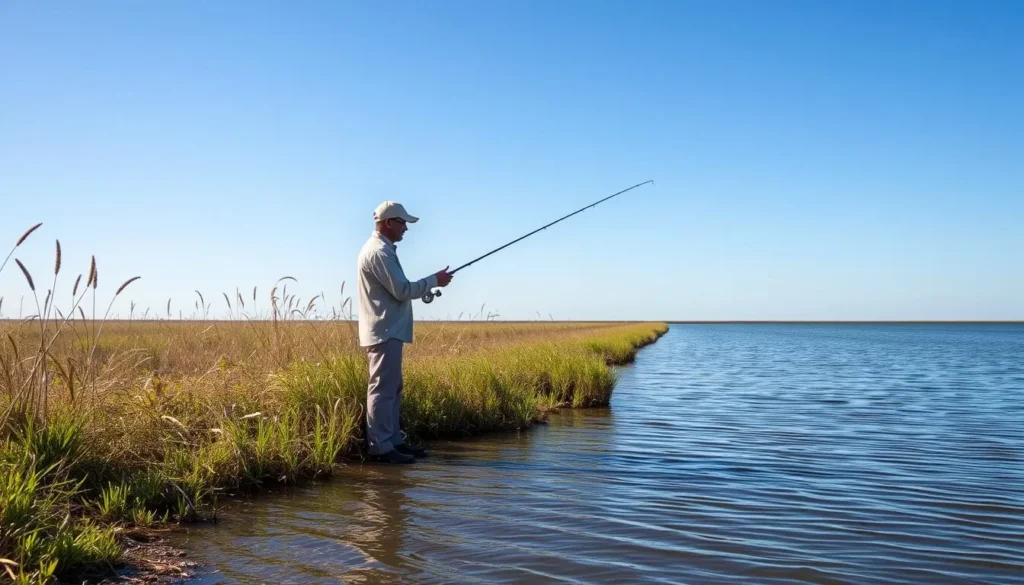
The refuge waters offer excellent fishing opportunities from March 15 to October 15:
- Freshwater Fishing: Interior waters contain bass, crappie, catfish, and other freshwater species.
- Saltwater Fishing: Roadside recreation areas and tidal marshes provide access to saltwater species.
- Recreational Crabbing: Permitted at designated areas with a daily limit of five dozen (60) crabs per vehicle or boat.
- Cast Netting: Allowed for shrimp during Louisiana inshore water shrimp season (five-gallon daily limit).
Hunting
Seasonal hunting is permitted in designated areas of the refuge:
- Waterfowl: Hunting for ducks, geese, gallinules, and coots is available on Wednesdays, Thursdays, Saturdays, and Sundays during the Louisiana coastal zone season.
- Alligator: Limited hunting through a lottery system held every three years.
All hunters must possess the appropriate state licenses and refuge permits. Check the current regulations before planning a hunting trip.
Museums, Cultural Spots & Festivals
While Sabine National Wildlife Refuge itself doesn’t host cultural facilities, the surrounding region offers several opportunities to learn about the area’s rich cultural heritage and natural history.
Nearby Cultural Attractions
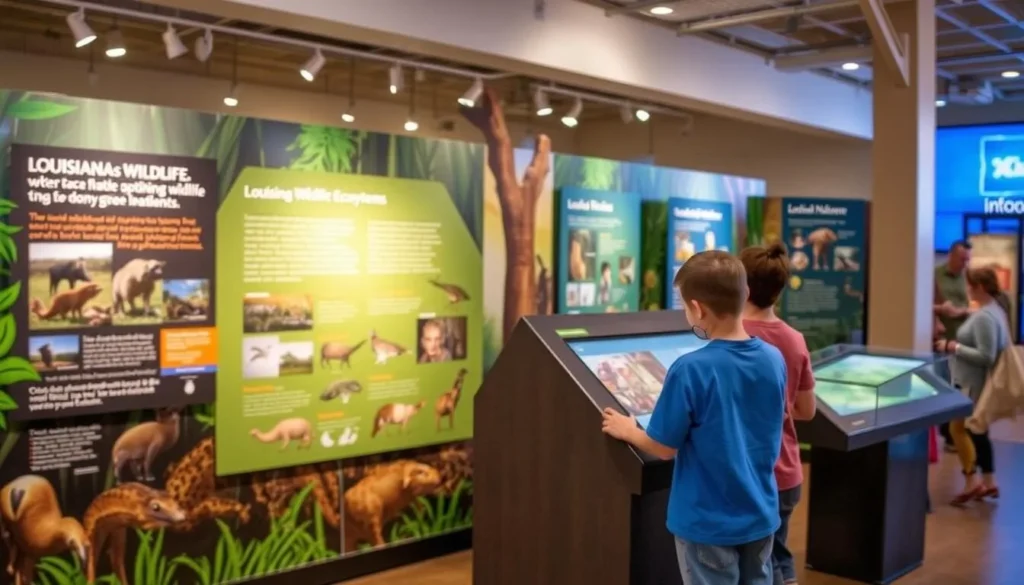
- Creole Nature Trail Adventure Point (Sulphur): An immersive, free attraction that serves as an excellent introduction to the region’s ecology, wildlife, and culture through interactive exhibits.
- Cameron Prairie National Wildlife Refuge Visitor Center (Bell City): Features educational displays about the ecology of Louisiana’s coastal marshes and prairie habitats.
- Sabine Pass Battleground State Historic Site (Texas side): Located near the mouth of the Sabine River, this site commemorates an important Civil War battle and offers historical context for the region.
- Stark Museum of Art (Orange, TX): Houses an impressive collection of Western American art, including works depicting the natural landscapes of the region.
Regional Festivals
Southwest Louisiana hosts numerous festivals celebrating the region’s unique culture, cuisine, and natural resources:
- Louisiana Fur and Wildlife Festival (Cameron, January): Celebrates the region’s trapping and hunting heritage.
- Cajun Music and Food Festival (Lake Charles, July): Features traditional music, dancing, and authentic Cajun cuisine.
- Marshland Festival (Hackberry, July): Celebrates local culture with music, food, and crafts.
- Alligator Festival (Grand Chenier, September): Coincides with alligator season and celebrates this iconic Louisiana reptile.
These cultural experiences complement a visit to Sabine National Wildlife Refuge by providing context about the region’s human history and its relationship with the natural environment.
Nature & Outdoor Experiences
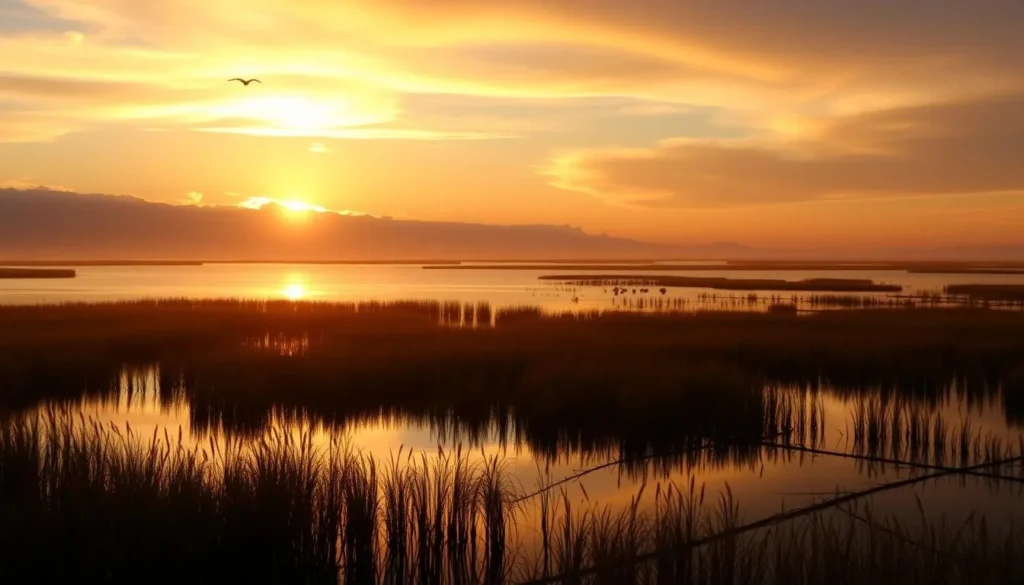
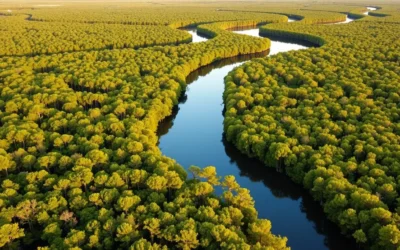
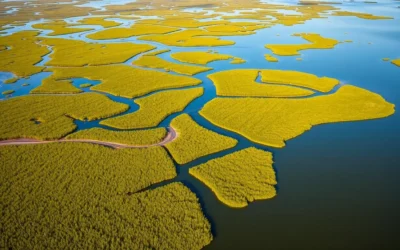
Sabine National Wildlife Refuge offers some of Louisiana’s most pristine wetland experiences, with diverse ecosystems supporting an incredible variety of plant and animal life.
Wildlife Viewing Highlights
The refuge is home to an impressive array of wildlife that changes with the seasons:
- Birds: Over 280 species have been documented, including roseate spoonbills, great blue herons, snowy egrets, black-necked stilts, and numerous waterfowl species. Spring and fall migrations bring spectacular diversity.
- Reptiles: American alligators are abundant, especially in warmer months. Look for them basking along canal banks and in marsh ponds. Diamond-backed terrapins can be spotted in brackish areas.
- Mammals: Muskrat, nutria, rabbits, armadillos, and occasionally river otters can be observed, particularly in early morning or evening hours.
- Amphibians: Various frogs and toads create a chorus of sounds, especially after rainfall.
Plant Communities
The refuge showcases several distinct wetland habitats:
- Freshwater Marsh: Dominated by bulrush, maidencane, and water lilies, best observed at the Wetland Walkway.
- Brackish Marsh: Features salt-tolerant species like wiregrass and three-corner grass.
- Saline Marsh: Near the Gulf, dominated by smooth cordgrass and black needlerush.
Photography Tips
- Early morning and late afternoon offer the best lighting conditions and increased wildlife activity.
- A telephoto lens (at least 200mm) is recommended for wildlife photography.
- The observation tower at the Wetland Walkway provides excellent panoramic views for landscape photography.
- Bring a tripod for stability, especially in low light conditions.
- Consider a polarizing filter to reduce glare from water surfaces.


Safety, Etiquette & Local Customs
Visiting Sabine National Wildlife Refuge requires awareness of safety considerations and proper etiquette to ensure both your wellbeing and the protection of this sensitive ecosystem.
Safety Precautions
- Wildlife Safety: Never approach, feed, or harass wildlife, especially alligators. Maintain a safe distance of at least 15 meters (50 feet) from alligators.
- Weather Awareness: Summer thunderstorms can develop quickly. Check weather forecasts before visiting and seek shelter if storms approach.
- Sun Protection: The Louisiana sun can be intense. Wear sunscreen, a hat, and sunglasses, and bring plenty of water to prevent dehydration.
- Insect Protection: Mosquitoes and biting flies can be abundant, especially in warmer months. Wear insect repellent and consider long sleeves and pants.
- Boating Safety: If exploring by boat, bring required safety equipment, file a float plan with someone, and be aware of changing weather conditions.
Visitor Etiquette
- Stay on Designated Trails: Venturing off-trail damages sensitive habitat and increases your risk of encounters with wildlife or hazardous terrain.
- Pack Out Trash: No trash receptacles are available in most areas. Bring a bag for your waste and take it with you when you leave.
- Quiet Observation: Keep noise to a minimum to avoid disturbing wildlife and other visitors.
- Pet Policies: Pets must be kept on a leash no longer than 2 meters (6 feet) at all times and are only permitted in designated areas.
- Photography Ethics: Never disturb wildlife to get a better photograph. Use telephoto lenses to maintain safe distances.
Regulations to Know
- The refuge is open from sunrise to sunset.
- Fishing, crabbing, and shrimping have specific seasonal dates and catch limits.
- Hunting requires appropriate permits and is only allowed in designated areas during specific seasons.
- Airboats, personal watercraft, and hovercraft are prohibited.
- Collection of plants, animals, artifacts, or other natural objects is prohibited.

Visitor Comments About Sabine National Wildlife Refuge
“Beautiful area! The Wetland Walkway was the highlight of our trip. We spotted three alligators and countless bird species during our morning visit. The observation tower gave us spectacular views across the marsh. Wonderful way to get back to nature! The crabbing and fishing areas are fantastic too.”
“Amazing place with fresh air and abundant wildlife. We visited in early October and had perfect weather. Not many people around, which made wildlife viewing even better. The Blue Goose Trail was shorter but still rewarding with several wading birds spotted. A great place to take children for an educational outdoor experience.”
“We incorporated Sabine into our road trip along the Creole Nature Trail and weren’t disappointed. The diversity of birds was incredible – we identified 27 different species in just one morning! Bring good binoculars and insect repellent. The boardwalk made it easy to explore the marsh without getting muddy. Will definitely return during a different season to see the changing wildlife.”

Additional Nearby Destinations
Sabine National Wildlife Refuge is just one highlight along Louisiana’s Creole Nature Trail. Consider exploring these nearby attractions to enhance your southwest Louisiana experience:
Other Wildlife Refuges
- Cameron Prairie National Wildlife Refuge: Located 40 km (25 miles) east, featuring the Pintail Wildlife Drive and excellent waterfowl viewing.
- Lacassine National Wildlife Refuge: About 64 km (40 miles) east, known for its freshwater marsh and excellent fishing opportunities.
- Rockefeller Wildlife Refuge: Approximately 80 km (50 miles) east, offering diverse coastal habitats and wildlife viewing.
Natural Attractions
- Holly Beach: Just 24 km (15 miles) southwest, offering Gulf of Mexico access and shell collecting.
- Peveto Woods Bird & Butterfly Sanctuary: Located 32 km (20 miles) east, an important stopover for migratory birds.
- Sam Houston Jones State Park: About 64 km (40 miles) north, featuring hiking trails through bottomland hardwood forests.
Cultural Sites
- Creole Nature Trail Adventure Point: Located in Sulphur, this free attraction provides interactive exhibits about the region’s natural and cultural heritage.
- Sabine Pass Battleground State Historic Site: Just across the Texas border, commemorating an important Civil War naval battle.
- Lake Charles Historic District: Explore beautiful historic homes and buildings dating back to the late 19th century.
Many visitors combine Sabine National Wildlife Refuge with other stops along the 180-mile Creole Nature Trail All-American Road, creating a comprehensive southwest Louisiana experience that showcases the region’s unique ecosystems and cultural heritage.
Practical Travel Tips
What to Bring
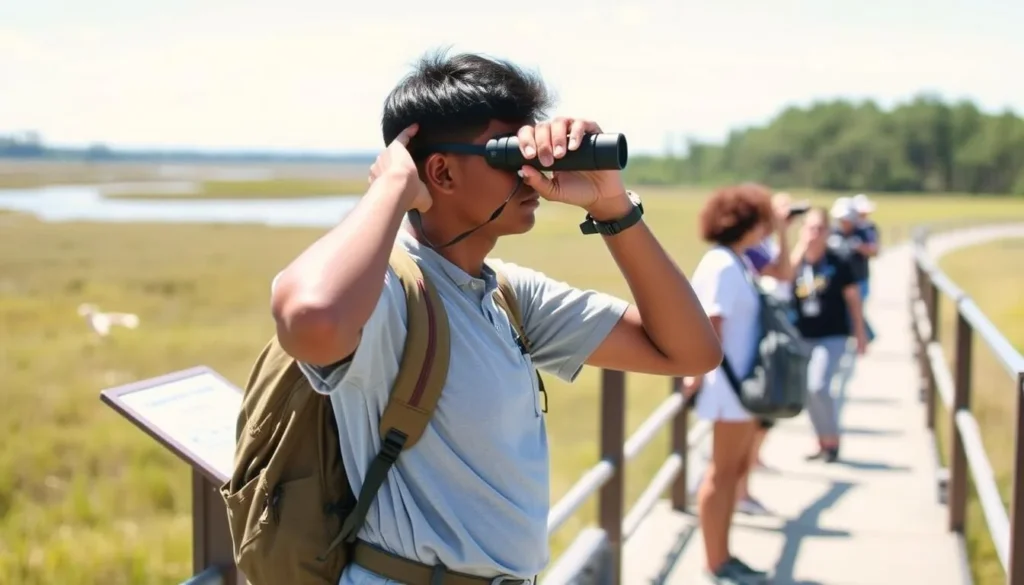
- Binoculars: Essential for wildlife viewing, especially birds.
- Camera: Preferably with a telephoto lens for wildlife photography.
- Insect Repellent: Mosquitoes and biting flies can be abundant.
- Sun Protection: Sunscreen, hat, and sunglasses.
- Water: Bring more than you think you’ll need, especially in warm weather.
- Food: Pack snacks or a picnic lunch as no food services are available.
- Field Guides: For identifying birds, plants, and other wildlife.
- Appropriate Footwear: Closed-toe, water-resistant shoes recommended.
Useful Information
- Refuge Hours: Open daily from sunrise to sunset.
- Contact Information: Sabine National Wildlife Refuge, 3000 Main Street, Hackberry, LA 70645. Phone: (337) 762-3816
- Cell Service: Limited in some areas of the refuge.
- Accessibility: The Wetland Walkway is wheelchair accessible.
- Fishing/Hunting Licenses: Louisiana state licenses required, available online or at local sporting goods stores.
- Nearest Gas/Supplies: Hackberry (10 miles north) or Cameron (20 miles east).
- Emergency Services: Call 911 for emergencies. Nearest hospital is in Sulphur (26 miles north).
Planning Resources
- Official Website: U.S. Fish & Wildlife Service – Sabine National Wildlife Refuge
- Creole Nature Trail: For information about the entire scenic byway
- Southwest Louisiana Convention & Visitors Bureau: Offers comprehensive regional information
Embrace the Wild Wonder of Louisiana’s Wetlands
Sabine National Wildlife Refuge offers an authentic glimpse into one of America’s most vital and vibrant ecosystems. From the silent glide of an alligator through still waters to the spectacular sight of roseate spoonbills feeding at sunset, the refuge provides countless moments of natural wonder. Whether you’re an avid birder, a photography enthusiast, an angler seeking the perfect catch, or simply someone who appreciates the restorative power of wild places, Sabine rewards visitors with experiences that can’t be found elsewhere. By taking the time to explore this remarkable wetland sanctuary, you’ll gain not only memorable encounters with wildlife but also a deeper appreciation for the ecological importance of Louisiana’s coastal marshes. As you plan your visit, remember that each season brings its own unique character to the refuge, inviting return trips to discover its ever-changing natural rhythms.
The above is subject to change.
Check back often to TRAVEL.COM for the latest travel tips and deals.
0 Comments