

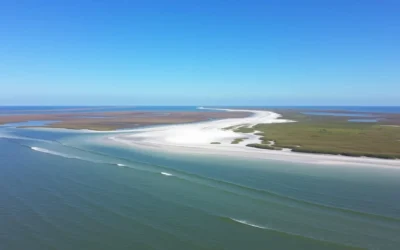
Did you know that Sabine National Wildlife Refuge is the largest coastal marsh refuge in Louisiana, spanning over 124,000 acres of pristine wetlands that serve as critical habitat for more than 300 bird species? This remarkable sanctuary along the Creole Nature Trail offers visitors a rare opportunity to experience one of America’s most vital ecosystems up close. Whether you’re an avid birdwatcher, nature photographer, or simply seeking a peaceful escape into Louisiana’s wild beauty, Sabine’s expansive marshlands provide an unforgettable glimpse into the rich biodiversity that makes this region so ecologically important.
Getting There & Planning Your Journey
Sabine National Wildlife Refuge is located in southwest Louisiana along Highway 27, approximately 30 km (19 miles) south of Sulphur and about 45 km (28 miles) southwest of Lake Charles. The refuge is part of the scenic Creole Nature Trail All-American Road, making it easily accessible by car.
Closest Airports
- Lake Charles Regional Airport (LCH) – 56 km (35 miles)
- Lafayette Regional Airport (LFT) – 145 km (90 miles)
- Houston George Bush Intercontinental Airport (IAH) – 225 km (140 miles)
- Beaumont Jack Brooks Regional Airport (BPT) – 97 km (60 miles)
- Louis Armstrong New Orleans International Airport (MSY) – 290 km (180 miles)
The refuge is open daily from sunrise to sunset, with no entrance fee required. The Wetland Walkway and Blue Goose Trail, two of the most popular attractions, are accessible year-round. For the most current information about trail conditions or temporary closures, contact the Southwest Louisiana National Wildlife Refuge Complex headquarters at (337) 598-2216.
Best Time to Visit & Weather Tips
The ideal time to visit Sabine National Wildlife Refuge depends largely on your interests and what wildlife you hope to observe. Each season offers unique experiences and viewing opportunities.
| Season | Months | Weather | Wildlife Viewing | Recommendation |
| Fall | October-November | 15-26°C (59-79°F), mild | Excellent – Fall migration brings thousands of birds | Highly Recommended |
| Winter | December-February | 7-18°C (45-65°F), cool | Good – Wintering waterfowl abundant | Recommended |
| Spring | March-April | 15-26°C (59-79°F), pleasant | Excellent – Spring migration and alligators active | Highly Recommended |
| Summer | May-September | 24-35°C (75-95°F), hot and humid | Fair – Resident species and alligators visible | Not Recommended (Hurricane season, hot) |
Spring (March-April) and fall (October-November) are generally considered the best times to visit, offering comfortable temperatures and excellent wildlife viewing opportunities. Early mornings and late afternoons typically provide the best lighting for photography and increased wildlife activity regardless of season.
Weather Tip: Summer months (June-September) bring hot, humid conditions and coincide with hurricane season, making them less ideal for visiting. If you do visit during summer, plan activities for early morning or evening to avoid the midday heat.
Getting Around Locally
Exploring Sabine National Wildlife Refuge requires some planning as the refuge consists of various habitats spread across a large area. Several key access points allow visitors to experience different aspects of this remarkable ecosystem.
Key Access Points & Trails
Wetland Walkway
This 1.5-mile (2.4 km) accessible boardwalk is the refuge’s most popular attraction. The elevated path takes visitors through marsh habitats with observation platforms and informational panels. Located 8 miles (13 km) south of Hackberry on Highway 27.
Blue Goose Trail
A shorter walking path (0.5 miles/0.8 km) that provides another perspective of the marsh. Located 4 miles (6.4 km) south of the Wetland Walkway on Highway 27, this trail is excellent for observing wading birds.
Highway 27 Scenic Drive
The main highway through the refuge offers numerous pull-offs for wildlife viewing and photography. Drive slowly and watch for wildlife crossing the road, especially during morning and evening hours.
Water Access
Boat launches at West Cove and Hog Island Gully provide access for fishing and exploring waterways. Note that motorized boats are restricted in some areas to protect wildlife habitats.
Accessibility
The Wetland Walkway is wheelchair accessible and features a paved parking area. Most observation platforms are designed to accommodate visitors with mobility challenges. The visitor contact station also has accessible facilities.
Where to Stay
While there is no lodging within Sabine National Wildlife Refuge itself, several nearby communities offer accommodation options within a reasonable driving distance.
Hackberry (15 minutes)
The closest community to the refuge offers limited accommodations, primarily vacation rentals and small fishing camps. Perfect for those wanting to maximize their time at the wetlands.
Sulphur (30 minutes)
Offers more hotel options, including national chains like Holiday Inn, Best Western, and Hampton Inn. Sulphur provides a good balance of amenities while still being relatively close to the refuge.
Lake Charles (45 minutes)
The largest nearby city provides the most extensive range of accommodations from budget motels to casino resorts like L’Auberge and Golden Nugget. Lake Charles offers numerous restaurants, shopping, and entertainment options.
Camping Options
While camping is not permitted within Sabine National Wildlife Refuge, several options exist nearby:
- Sam Houston Jones State Park (50 minutes) – Offers tent and RV camping with modern facilities
- Holly Beach (20 minutes) – Permits beach camping with minimal facilities
- Private RV parks in Sulphur and Lake Charles areas
Accommodation Tip: Book accommodations well in advance if visiting during popular festivals in Lake Charles or during peak fishing seasons, as availability can be limited.
Dining & Local Cuisine
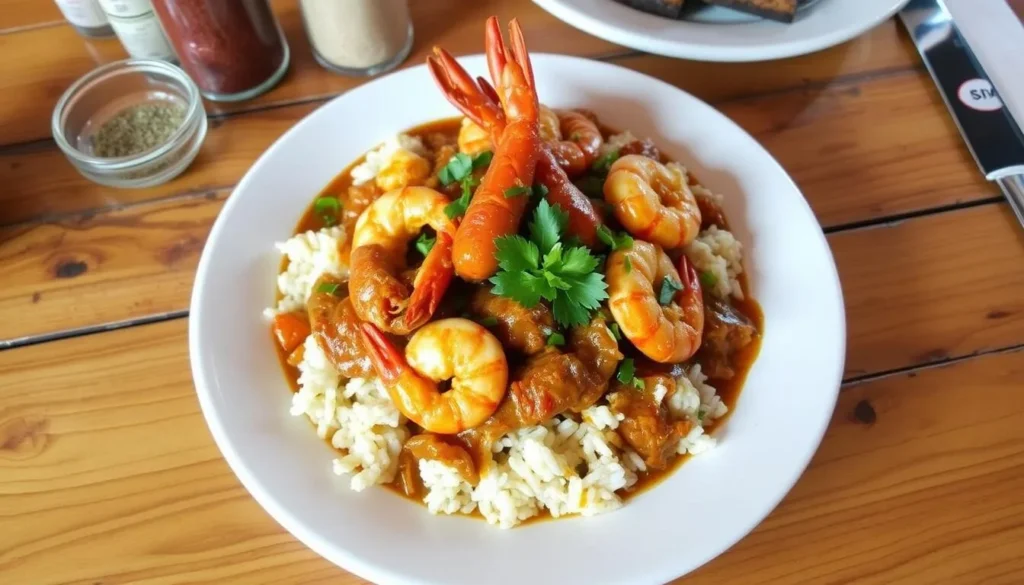
Southwest Louisiana is known for its distinctive Cajun cuisine, which blends French, African, and Southern influences. The communities surrounding Sabine National Wildlife Refuge offer visitors a chance to sample authentic local dishes that often feature fresh seafood from the nearby Gulf of Mexico.
Local Specialties to Try
- Crawfish Étouffée – A spicy, flavorful stew served over rice
- Gumbo – Thick soup with seafood or chicken and andouille sausage
- Jambalaya – One-pot rice dish with meat, vegetables, and spices
- Boudin – Seasoned pork and rice sausage unique to the region
- Alligator – Often fried and tastes similar to chicken
- Beignets – French-style fried dough pastries with powdered sugar
- Bread Pudding – Sweet dessert made with leftover bread
- Community Coffee – Louisiana’s favorite local coffee brand
Dining Options Near Sabine Wetlands
There are no dining facilities within the refuge itself, so plan accordingly by bringing water and snacks for your visit. For meals, you’ll need to visit nearby towns:
Hackberry
Limited options including Brown’s Grocery & Deli, known for their po’boy sandwiches and plate lunches. Perfect for grabbing supplies for a picnic at the refuge.
Sulphur
More diverse options including LeBleu’s Landing, famous for their Cajun specialties, and Luna Bar & Grill for casual American fare with a Louisiana twist.
Lake Charles
Extensive dining scene ranging from casual seafood spots to upscale restaurants. Try Steamboat Bill’s for casual seafood or Ember Grille for a more upscale experience.
Dining Tip: For an authentic experience, look for restaurants frequented by locals rather than tourist-oriented establishments. Many local grocery stores and markets also sell prepared Cajun foods like boudin and cracklins that make perfect picnic additions for your day at the refuge.
Attractions, Sightseeing & Activities
Sabine National Wildlife Refuge offers visitors a variety of ways to experience the unique wetland ecosystem and observe wildlife in their natural habitat. The refuge’s main attractions center around its natural features and the diverse wildlife that calls it home.
Top Activities at Sabine National Wildlife Refuge
Wildlife Viewing
The primary attraction at Sabine is the incredible diversity of wildlife. Patient observers may spot alligators, river otters, muskrats, and numerous turtle species. The refuge hosts over 300 bird species throughout the year, with winter and migration seasons bringing spectacular concentrations of waterfowl and wading birds.
Photography
Sabine Wetlands is a photographer’s paradise, particularly during golden hour lighting at dawn and dusk. The combination of water, marsh grasses, and abundant wildlife creates stunning photographic opportunities throughout the year. The observation platforms along the Wetland Walkway provide excellent vantage points.
Fishing
Fishing is permitted in designated areas of the refuge according to state regulations. Popular catches include redfish, speckled trout, flounder, and black drum. Boat launches at West Cove and Hog Island Gully provide access to prime fishing spots. A valid Louisiana fishing license is required.
Birdwatching
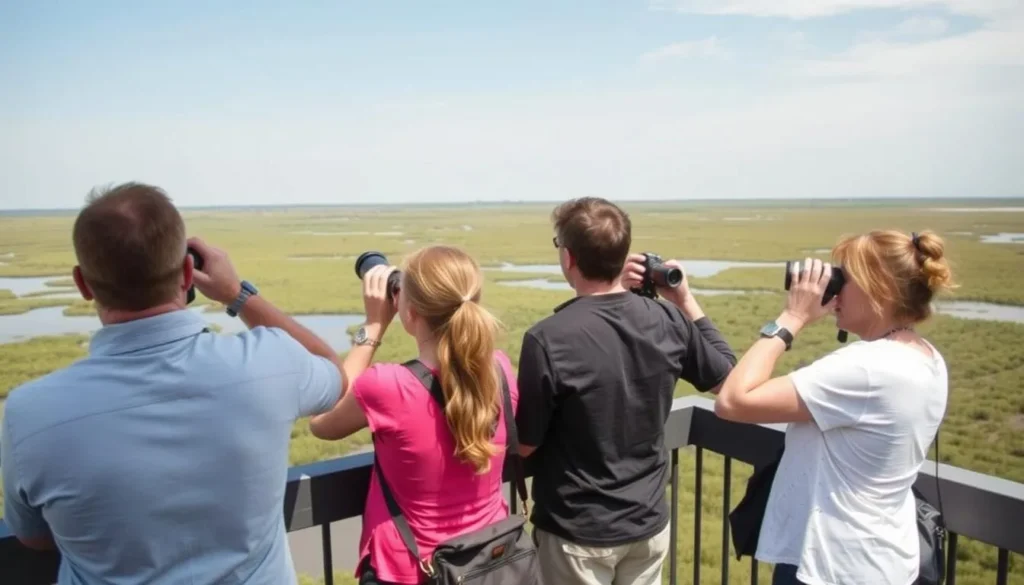
Sabine is a premier destination for birders, particularly during migration seasons. Notable species include Roseate Spoonbills, Great and Snowy Egrets, White-faced Ibis, Mottled Ducks, and various shorebirds. The observation tower at the Wetland Walkway provides an elevated vantage point for spotting birds across the marsh.
Crabbing
Blue crab can be caught in the refuge’s waterways using hand lines or drop nets from designated areas. This activity is particularly popular with families and provides both recreation and a delicious reward. Remember to check current regulations before your visit.
Scenic Driving
The Creole Nature Trail All-American Road passes through the refuge, offering a scenic drive with numerous pull-offs for wildlife viewing and photography. This is an excellent option for those with limited mobility or during inclement weather.
Activity Tip: Early mornings offer the best wildlife viewing opportunities as animals are more active and temperatures are cooler. Bring binoculars, a spotting scope if you have one, and plenty of water regardless of when you visit.
Museums, Cultural Spots & Festivals
While Sabine National Wildlife Refuge itself focuses on natural attractions, the surrounding region offers rich cultural experiences that complement your wetlands visit with insights into local history, traditions, and celebrations.
Nearby Cultural Attractions
Creole Nature Trail Adventure Point
Located in Sulphur, this free interactive exhibit space provides an excellent introduction to the region’s ecology, wildlife, and culture. Hands-on displays help visitors understand the unique ecosystem they’ll encounter at Sabine. Open Tuesday-Saturday, 8:30 AM to 4:00 PM.
Cameron Prairie National Wildlife Refuge Visitor Center
About 30 minutes east of Sabine, this center offers educational exhibits about the region’s wetlands and wildlife. Features include interactive displays and a diorama of marsh habitats. Open Monday-Friday, 7:30 AM to 4:00 PM.
Mardi Gras Museum
Located in Lake Charles, this unique museum explores the history and traditions of this iconic celebration with elaborate costumes, floats, and interactive exhibits. A great rainy-day activity when not exploring the refuge.
Imperial Calcasieu Museum
Also in Lake Charles, this museum showcases the history and art of Southwest Louisiana with rotating exhibits and a permanent collection that highlights the region’s development.
Annual Festivals & Events
The region hosts numerous festivals throughout the year that celebrate local culture, food, and traditions:
- Louisiana Fur and Wildlife Festival (Cameron, January) – Celebrates the region’s trapping and fishing heritage
- Contraband Days (Lake Charles, May) – Pirate-themed festival with music, food, and activities
- Cajun Music and Food Festival (Lake Charles, July) – Celebration of regional music and cuisine
- Marshland Festival (Hackberry, July) – Community festival with music, food, and crafts
- Alligator Festival (Grand Chenier, September) – Celebrates the cultural significance of alligators with food and entertainment
Nature & Outdoor Experiences
The diverse habitats within Sabine National Wildlife Refuge support a remarkable variety of plant and animal life, making it a paradise for nature enthusiasts. Here’s what you can expect to encounter during your visit:
Wildlife Highlights
Birds
With over 300 species recorded, Sabine is a birdwatcher’s dream. Look for:
- Roseate Spoonbills with their distinctive pink plumage
- Great Blue Herons stalking prey in shallow waters
- Snowy Egrets with their yellow feet and elegant white feathers
- Mottled Ducks, a year-round resident species
- Osprey and Bald Eagles hunting over open water
Reptiles & Amphibians
The wetlands provide ideal habitat for numerous cold-blooded creatures:
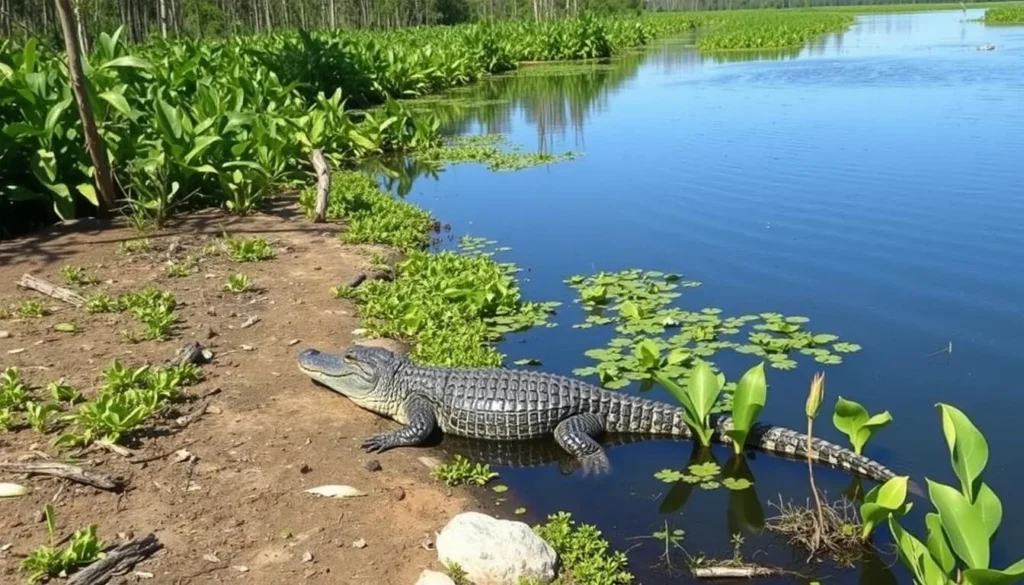
- American Alligators basking along banks and waterways
- Various turtle species including Red-eared Sliders
- Water snakes (non-venomous) swimming in canals
- Gulf Coast Ribbon Snakes hunting along shorelines
- Chorus Frogs and Bull Frogs calling from marshy areas
Plant Communities
The refuge’s plant life is adapted to the unique conditions of coastal marshes:
- Marsh Grasses – Including saltgrass and cordgrass that help prevent erosion
- Cattails – Providing nesting habitat for many bird species
- Water Lilies – Creating floating gardens in calm waters
- Palmetto Palms – Found on slightly elevated areas
- Marsh Elder – A shrub that thrives in brackish conditions
Seasonal Natural Phenomena
Spring
Witness the marsh come alive with nesting birds, blooming wildflowers, and increasingly active alligators. This is also when many migratory birds pass through on their way north.
Fall
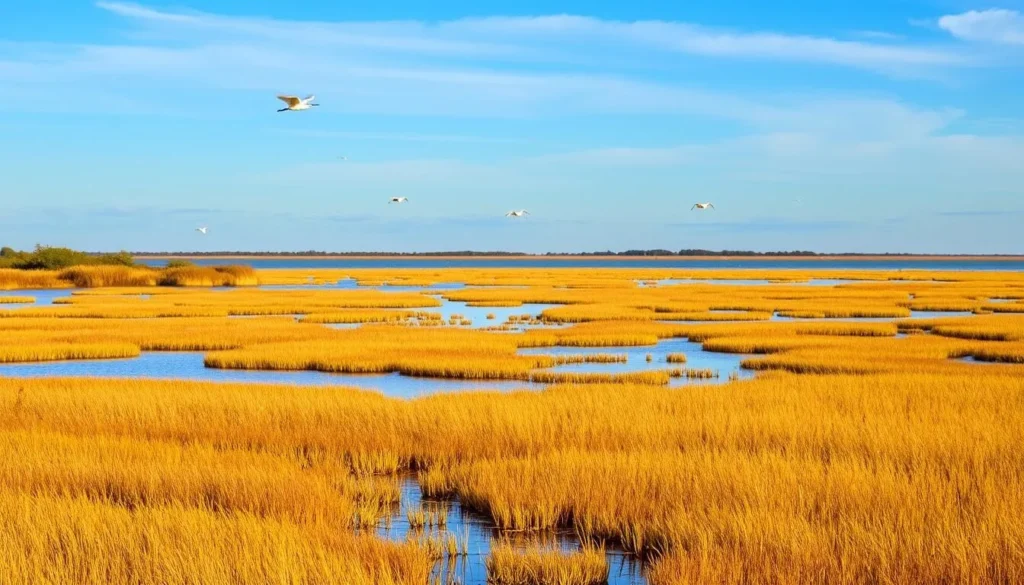
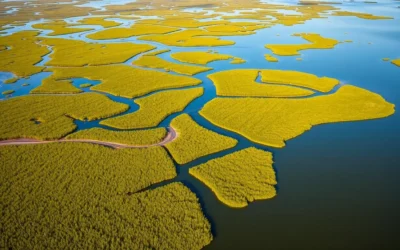
Experience the arrival of thousands of waterfowl as they migrate south for the winter. The marsh grasses take on golden hues, creating a spectacular landscape for photography.
Nature Tip: Bring a field guide or download a wildlife identification app to enhance your experience. The refuge office sometimes has checklists available for birds and other wildlife.

Safety, Etiquette & Local Customs
Visiting Sabine National Wildlife Refuge safely requires awareness of the natural environment and respect for both wildlife and local customs. Following these guidelines will help ensure a positive experience for all.
Wildlife Safety
Alligator Awareness: Maintain a safe distance (at least 10 meters/30 feet) from alligators. Never feed them or approach their young. Alligators are generally shy but can move surprisingly quickly when threatened.
- Snake Precautions – Watch where you step and place your hands, especially in tall grass. Venomous snakes including cottonmouths inhabit the refuge.
- Wildlife Respect – Observe animals from a distance using binoculars or telephoto lenses. Never attempt to touch or feed any wildlife.
- Pet Regulations – Pets must be kept on a leash no longer than 3 meters (10 feet) at all times. They are not allowed on the Wetland Walkway.
Weather Considerations
- Heat Protection – Summer temperatures regularly exceed 32°C (90°F) with high humidity. Bring plenty of water, wear sunscreen, and consider a wide-brimmed hat.
- Thunderstorm Safety – Afternoon thunderstorms are common, especially in summer. Seek shelter if lightning is present.
- Hurricane Awareness – The refuge may close during hurricane threats (June-November). Check weather forecasts before visiting during hurricane season.
Visitor Etiquette
- Stay on Designated Paths – Protect sensitive habitats by remaining on established trails and boardwalks.
- Leave No Trace – Pack out all trash and leave natural objects where you find them.
- Quiet Observation – Keep noise to a minimum to avoid disturbing wildlife and other visitors.
- Photography Ethics – Never disturb wildlife to get a better photograph. Be patient and respectful.
Local Customs
The communities surrounding Sabine reflect Louisiana’s unique Cajun culture:
- Friendly Greetings – A simple “hello” or “good morning” is customary when passing locals.
- Relaxed Pace – The region operates on “Cajun time” – a more relaxed approach to schedules. Patience is appreciated.
- Hunting and Fishing Heritage – These activities are important cultural traditions. Respect private property and fishing/hunting regulations.
Visitor Comments About Sabine National Wildlife Refuge
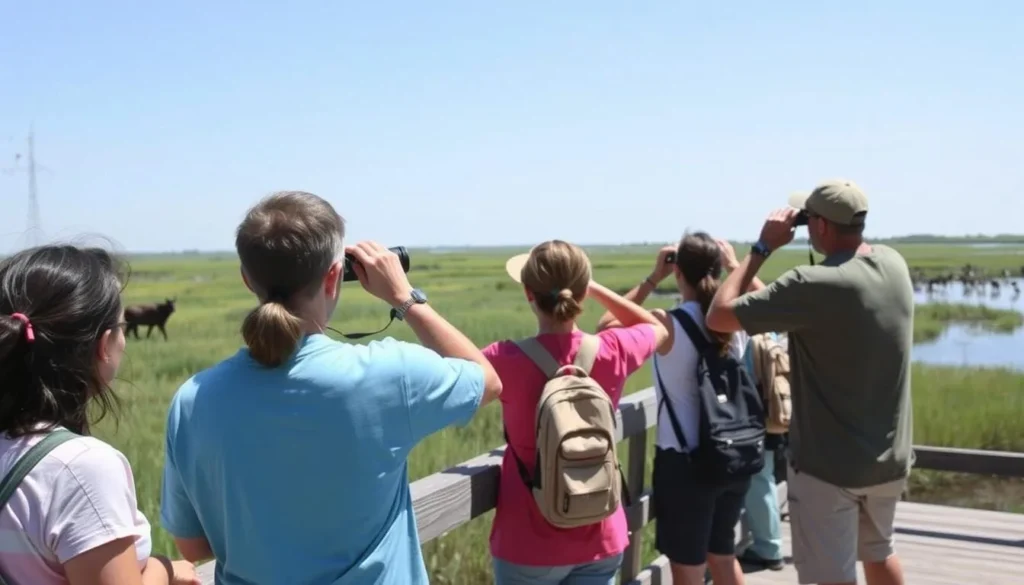
“As a local, I’ve visited Sabine countless times and it never disappoints. The Wetland Walkway is my favorite spot – we’ve seen everything from tiny tree frogs to massive alligators there. Last spring, we counted over 30 different bird species in just one morning! It’s a photographer’s dream, especially at sunrise when the light hits the marsh grasses. Don’t miss the Blue Goose Trail either – it’s shorter but often less crowded.”
“Visiting Sabine National Wildlife Refuge was the highlight of our American road trip. Coming from India, we were amazed by the vast wetlands and incredible biodiversity. The boardwalk made it easy to explore without disturbing the ecosystem. We spotted several alligators and a stunning pink bird our guide identified as a Roseate Spoonbill. The visitor center staff were exceptionally helpful in suggesting the best viewing spots based on recent wildlife sightings.”
“We visited Sabine during our family vacation to Louisiana and were impressed by how accessible it was for our entire group. My elderly father could easily navigate the Wetland Walkway with his walker, and my children were thrilled to spot alligators in the wild for the first time. The educational panels along the trail helped us understand the importance of these wetlands. I’d recommend bringing binoculars – we wished we had brought more than one pair as there was so much to see!”
Additional Nearby Destinations
While Sabine National Wildlife Refuge offers plenty to explore, the surrounding region features several complementary attractions worth adding to your itinerary.
Cameron Prairie National Wildlife Refuge
Located 35 km (22 miles) east of Sabine, this refuge features a scenic driving loop, visitor center with interactive exhibits, and excellent opportunities for viewing wading birds and alligators. The Pintail Wildlife Drive offers easy wildlife viewing from your vehicle.
Creole Nature Trail Adventure Point
This free visitor center in Sulphur serves as an excellent introduction to the region’s natural and cultural heritage. Interactive exhibits help visitors understand the ecology of the area and plan their exploration of the Creole Nature Trail All-American Road.
Holly Beach
Often called the “Cajun Riviera,” this Gulf Coast beach is located just 16 km (10 miles) south of the refuge. It offers swimming, shelling, and camping opportunities. The beach is also an excellent spot for birding during migration seasons.
Peveto Woods Bird & Butterfly Sanctuary
Located near Johnson Bayou, this 40-acre sanctuary is an important stopover for migratory birds. Trails wind through maritime woods, offering opportunities to spot songbirds, especially during spring and fall migrations.
Lake Charles
The largest nearby city offers cultural attractions including the Mardi Gras Museum, Charpentier Historic District with Victorian architecture, and several casino resorts for those seeking entertainment after days spent in nature.
Sam Houston Jones State Park
Located north of Lake Charles, this state park offers hiking trails through bottomland hardwood forests, boat rentals, and camping facilities. The diverse habitat supports different wildlife than what you’ll see in the coastal marshes.

Practical Travel Tips
Make the most of your visit to Sabine National Wildlife Refuge with these helpful suggestions based on local knowledge and visitor experiences.
Essential Items to Bring
- Binoculars – Essential for wildlife viewing, particularly birds
- Camera with Zoom Lens – Many animals will be at a distance
- Insect Repellent – Particularly important during warmer months
- Sunscreen and Hat – Limited shade is available on trails
- Water and Snacks – No food services within the refuge
- Field Guide – Helps identify the diverse wildlife
- Rain Gear – Weather can change quickly, especially in summer
- Comfortable Walking Shoes – For exploring boardwalks and trails
Planning Your Visit
- Timing – Arrive early morning or late afternoon for best wildlife viewing and photography
- Weekday Visits – Consider visiting on weekdays for fewer visitors, especially during peak seasons
- Cell Service – Coverage can be spotty within the refuge; download maps beforehand
- Fuel Up – No gas stations within the refuge; fill your tank before arriving
- Accessibility – Some areas may be temporarily closed for management activities; check the refuge website before visiting
Local Insights
Contact Information: For the most current information about trail conditions, wildlife sightings, or special programs, contact the Southwest Louisiana National Wildlife Refuge Complex headquarters at (337) 598-2216 or visit the official website at fws.gov/refuge/sabine.
- Road Conditions – Highway 27 through the refuge is well-maintained but can have water on the road after heavy rain
- Wildlife Cycles – Water levels change seasonally, affecting wildlife viewing opportunities
- Photography Tips – The Wetland Walkway runs north-south, making it ideal for morning and afternoon light
- Visitor Center Hours – The visitor contact station has limited hours; plan accordingly if you want to speak with staff
Experience the Wild Heart of Louisiana’s Wetlands
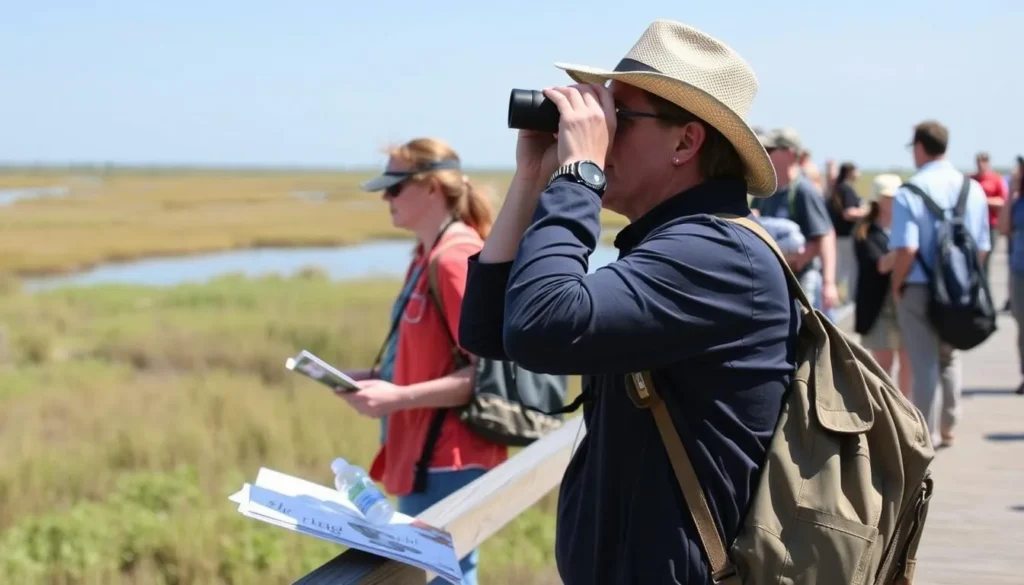
Sabine National Wildlife Refuge stands as a testament to the vital importance of preserving our natural wetland ecosystems. From the thrill of spotting an alligator gliding silently through the water to the delight of watching a Roseate Spoonbill sweep its distinctive bill through the shallows, the experiences available in this remarkable sanctuary create lasting memories for all who visit. The refuge’s commitment to conservation ensures that these wetlands will continue to provide critical habitat for wildlife and opportunities for human connection with nature for generations to come.
Whether you’re an experienced birder adding species to your life list, a photographer capturing the golden light on marsh grasses, or simply a nature lover seeking peace in wild places, Sabine National Wildlife Refuge welcomes you to discover its unique beauty. As you plan your journey to southwestern Louisiana, remember that each season brings different wildlife viewing opportunities and natural phenomena, making return visits equally rewarding. The wetlands are waiting – come explore one of Louisiana’s most precious natural treasures.
The above is subject to change.
Check back often to TRAVEL.COM for the latest travel tips and deals.
0 Comments