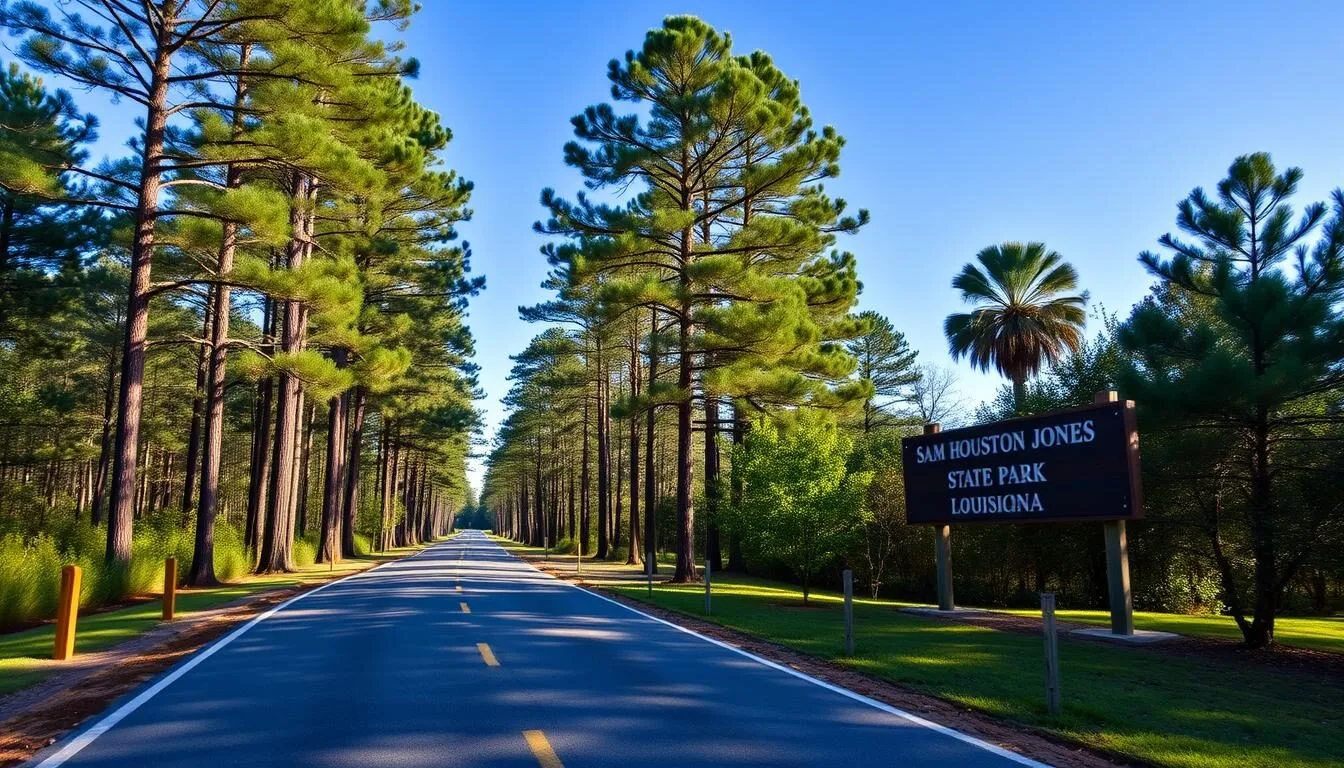
Did you know that Sam Houston Jones State Park is home to nearly 200 species of birds within its 1,087-acre natural sanctuary? This hidden gem in Louisiana’s Lake Charles region offers a remarkable comeback story. After Hurricane Laura destroyed nearly 98% of the park’s trees in 2020, dedicated volunteers and staff planted almost 20,000 new trees, including 5,000 longleaf pines, restoring this beloved natural haven to its former glory. Today, visitors can once again experience the park’s unique blend of pine forests, cypress-filled lagoons, and abundant wildlife along the scenic Calcasieu River.
Getting There & Planning Your Journey
Sam Houston Jones State Park is conveniently located just 10 miles north of downtown Lake Charles, Louisiana, making it easily accessible for both local and out-of-state visitors. The park’s address is 107 Sutherland Road, Lake Charles, LA 70611.
The closest major airport is Lake Charles Regional Airport (LCH), approximately 20 km (12.5 miles) from the park. Visitors coming from further away might also consider flying into Lafayette Regional Airport (LFT), about 120 km (75 miles) east, or Houston’s George Bush Intercontinental Airport (IAH), roughly 225 km (140 miles) west.
If driving, the park is easily accessible from Interstate 10 by taking Exit 36 to Highway 171 North, then following signs to the park. From Lake Charles, simply head north on Highway 171 and watch for the park entrance on Sutherland Road.
For those planning to stay overnight, it’s highly recommended to make reservations in advance, especially for cabins and RV sites during peak seasons. Reservations can be made by calling 337-855-2665 or 888-677-7264, up to 13 months before your planned arrival date.
Best Time to Visit & Weather Tips
Recommended Seasons
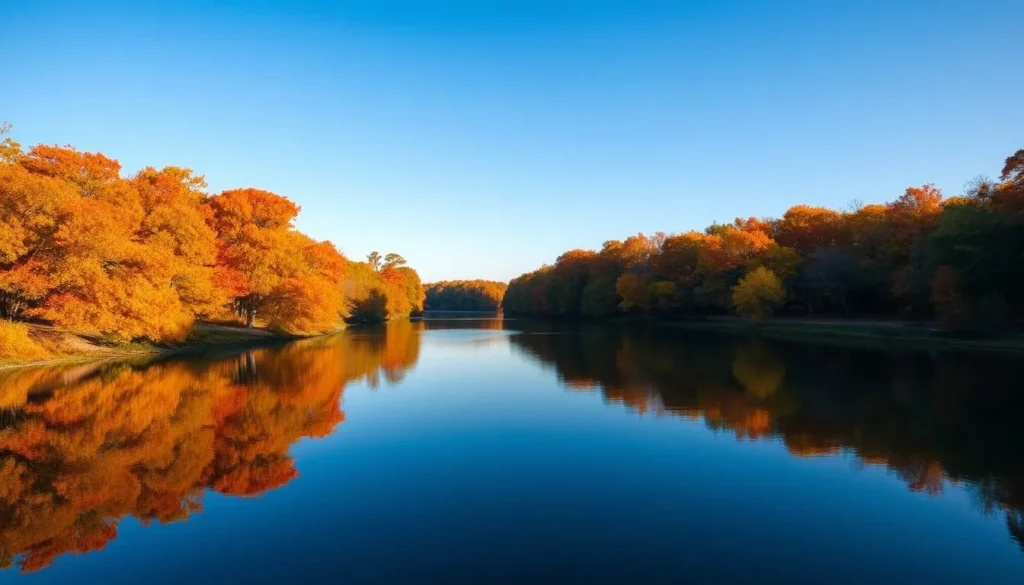
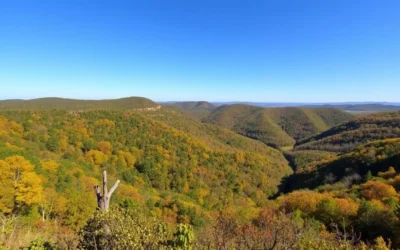
Fall (October-November): The most magical time to visit, with comfortable temperatures ranging from 10-24°C (50-75°F), vibrant foliage, and fewer mosquitoes.
Spring (March-May): Beautiful wildflowers bloom and temperatures hover between 15-26°C (60-80°F), making it ideal for hiking and wildlife viewing.
Winter (December-February): Mild temperatures of 7-18°C (45-65°F) and fewer visitors make this a peaceful time to explore, with excellent bird watching opportunities.
Seasons to Avoid
Summer (June-August): Temperatures often exceed 32°C (90°F) with high humidity, making outdoor activities uncomfortable. Mosquitoes and other insects are also at their peak.
Hurricane Season (June-November): While fall is generally beautiful, be aware that Louisiana’s hurricane season runs through November. Check weather forecasts before planning your trip.
For the optimal experience, plan your visit during weekday mornings or afternoons when the park is less crowded. Fall mornings are particularly magical for wildlife viewing and photography, while spring evenings offer pleasant temperatures for camping. Always check the weather forecast before your visit and pack accordingly.
Getting Around Locally
Sam Houston Jones State Park is designed for easy navigation, with well-marked roads and trails throughout the property. The park’s compact size makes it manageable to explore most areas within a day or two.
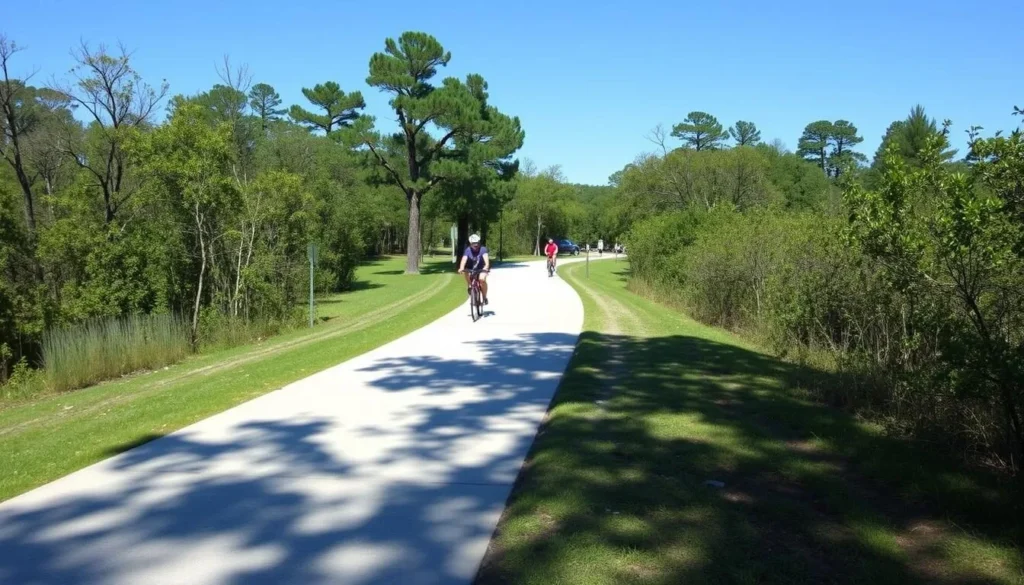
The main park road is paved and provides access to all major facilities, including the campgrounds, cabins, boat launches, and trailheads. Speed limits within the park are strictly enforced at 5 mph, so plan to drive slowly and enjoy the scenery.
For exploring the natural areas, the park offers several options:
Walking/Hiking: Five interconnected trails cover 8 km (5 miles) of terrain, ranging from easy boardwalks to more challenging forest paths.
Cycling: Bikes are welcome on park roads and designated trails. Bring your own, as rental services are not available within the park.
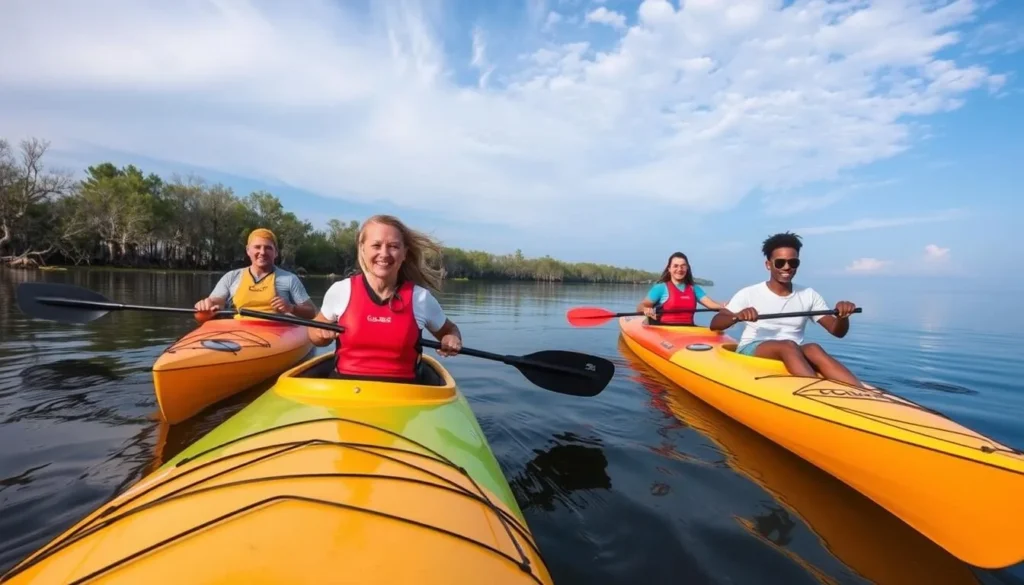
Boating: Two boat launches on the West Fork of the Calcasieu River provide access to the river system and Calcasieu Lake. Kayaks and canoes can be rented at the self-serve kiosk near the boat launch.
Driving: Personal vehicles are permitted on park roads, with parking available at major attractions and facilities.
The park is relatively compact, so most visitors find it easy to park in central locations and explore specific areas on foot. Trail maps are available at the entrance station to help you navigate the park’s natural areas.
Where to Stay
Sam Houston Jones State Park offers several accommodation options to suit different preferences and budgets. All overnight facilities have been recently renovated following Hurricane Laura, providing modern amenities while maintaining a rustic charm.
Cabins
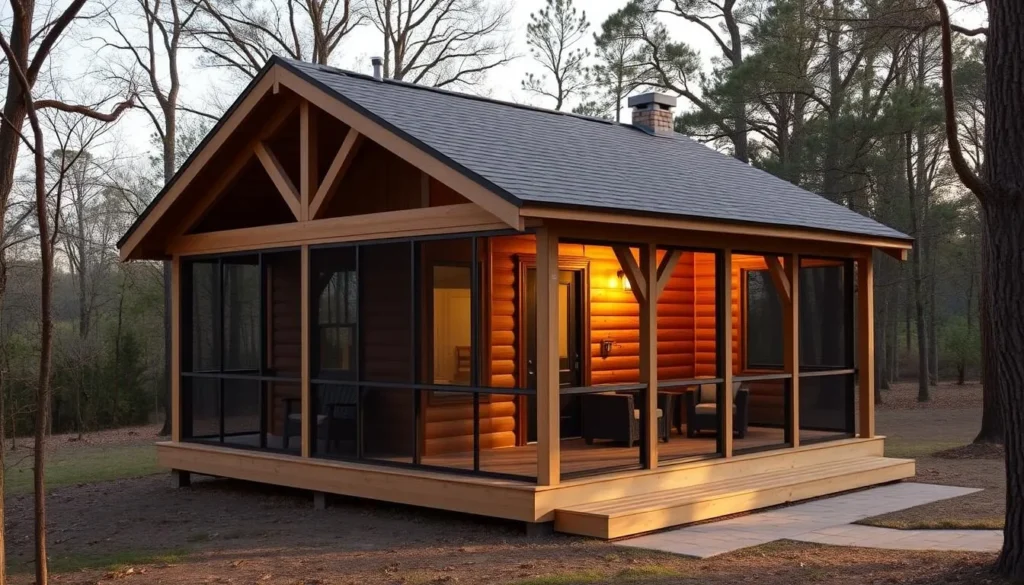
The park features 10 deluxe cabins that provide a comfortable “home away from home” experience. These modern cabins include:
Fully equipped kitchens with cookware, utensils, and dinnerware
Comfortable living areas with queen beds, bunk beds, and sofa sleepers
Screened porches with fireplaces, TVs, and rocking chairs
Private pathways leading to docks overlooking the Calcasieu River
Linens and towels provided (bring your own food and personal items)
Cabin rates range from $150-$175 per night Sunday through Thursday, and $175-$225 per night Friday and Saturday. Three cabins are pet-friendly with a $40 surcharge per dog (maximum two dogs).
RV Camping
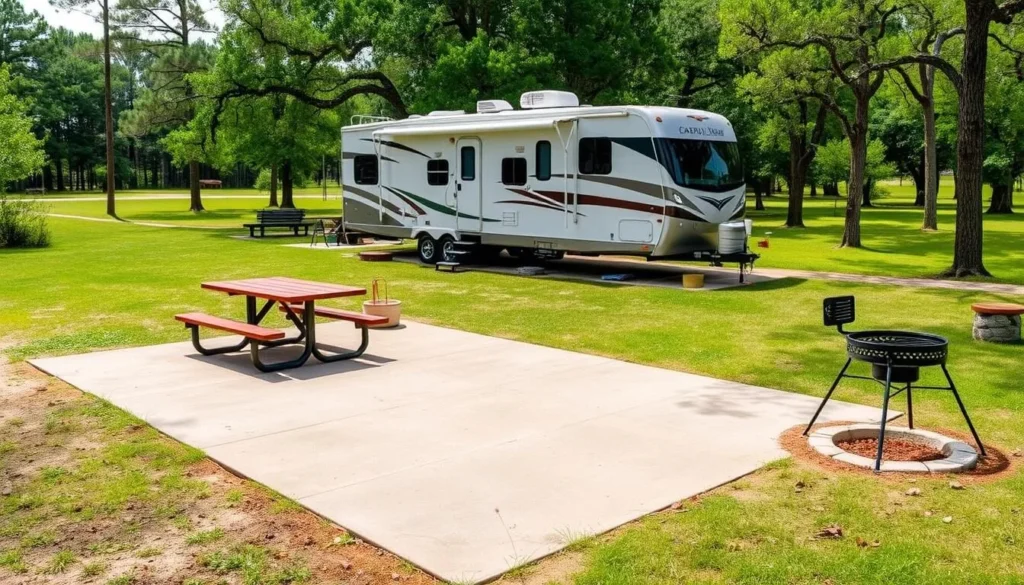
The park offers 30 RV sites with full hookups, including:
Water, sewer, and 30/50 amp electrical service
Level concrete pads with both back-in and pull-through options
Picnic tables, fire pits, and barbecue grills at each site
Clean, modern bathhouses and laundry facilities nearby
RV site rates vary by day of week and season, ranging from $25-$33 per night plus tax.
Tent Camping
While traditional tent camping is available throughout the park, Sam Houston Jones State Park also offered unique tent shelters, though these were in ownership transition at the time of publication. Check with the park for current availability and pricing.
For those seeking a truly luxurious outdoor experience, “The Lodge” accommodates up to 14 people with two queen beds, a queen sofa sleeper, and four bunk beds. Rates range from $175-$225 per night depending on the day of the week.
Dining & Local Cuisine
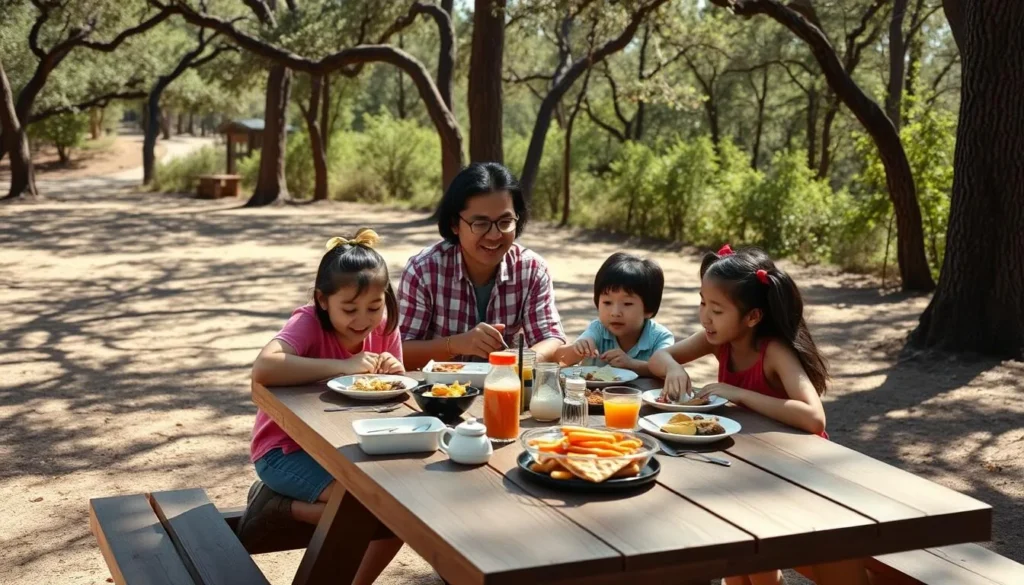
While Sam Houston Jones State Park doesn’t have restaurants within its boundaries, the cabins and campsites provide excellent facilities for preparing your own meals. Each cabin features a fully equipped kitchen, and all campsites include picnic tables, fire pits, and barbecue grills.
For those who prefer not to cook, Lake Charles offers numerous dining options just a short 15-20 minute drive from the park. The area is known for its delicious Cajun and Creole cuisine, with specialties including:
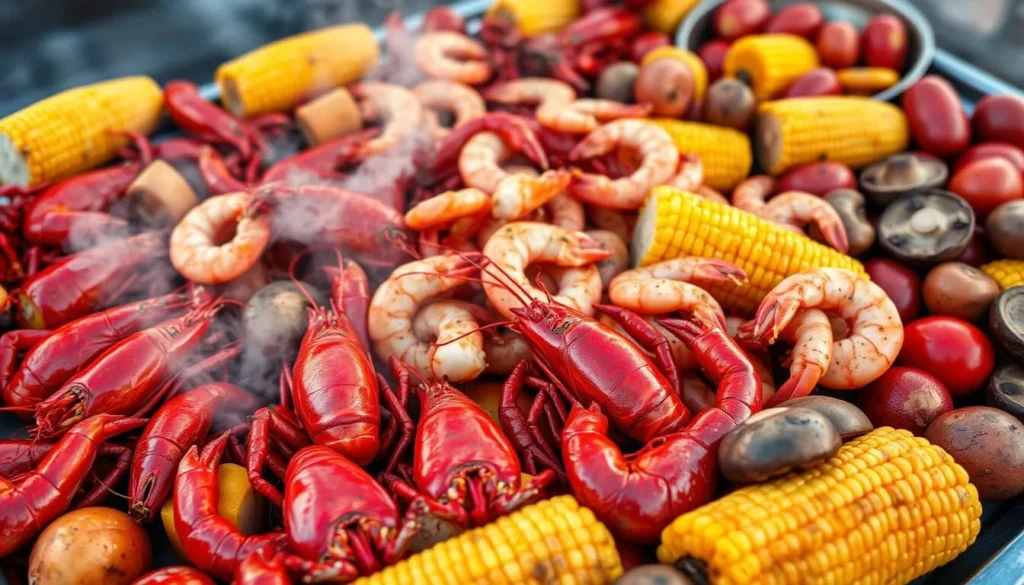
Seafood Boils: Traditional Louisiana boils featuring crawfish, shrimp, crab, corn, and potatoes seasoned with distinctive Cajun spices.
Gumbo: A hearty stew made with a dark roux, vegetables, and seafood or chicken and sausage.
Jambalaya: A flavorful rice dish with vegetables, spices, and combinations of seafood, chicken, and sausage.
Po’ Boys: Louisiana’s version of a submarine sandwich, often filled with fried seafood or roast beef.
Boudin: A unique Cajun sausage made with pork, rice, and seasonings.
Local restaurants near the park include:
Red Tails Boil House: Located just minutes from the park, offering excellent seafood boils and Cajun specialties.
Downtown Lake Charles: About 20 minutes away, featuring numerous restaurants, cafes, and breweries with local cuisine.
For those planning to cook at their campsite or cabin, grocery stores can be found in Lake Charles, allowing you to stock up on supplies before or during your stay.
Attractions, Sightseeing & Activities
Sam Houston Jones State Park offers a wide range of activities for visitors of all ages and interests. Whether you’re seeking adventure, relaxation, or a bit of both, the park has something for everyone.
Hiking Trails
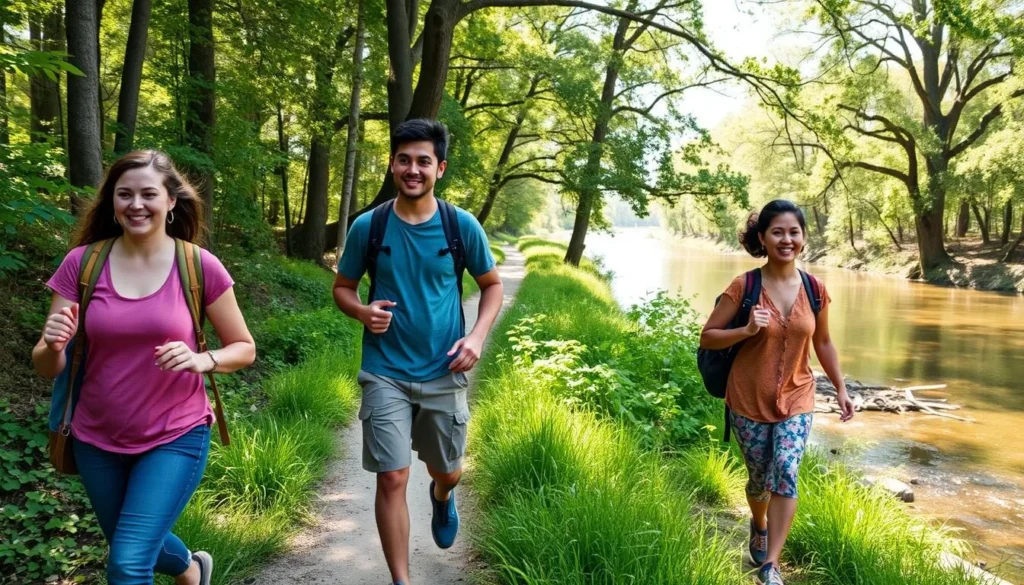
The park features five interconnected trails covering 8 km (5 miles) of diverse terrain:
Orange Trail (Riverwalk Trail): A 3 km (1.9 mile) loop following the Calcasieu River, offering excellent wildlife viewing opportunities and scenic river views.
Cypress Tupelo Trail: A 0.8 km (0.5 mile) path winding through atmospheric cypress and tupelo trees.
Longleaf Pine Trail: A 5.6 km (3.5 mile) trail showcasing the park’s signature longleaf pine ecosystem.
Swamp Walk Trail: A 1.8 km (1.1 mile) boardwalk path through wetland areas.
Kids Trail: A family-friendly path with educational signage about bayou wildlife and folklore.
Water Activities
The Calcasieu River and connecting waterways provide numerous opportunities for water-based recreation:
Kayaking/Canoeing: Explore the peaceful river and lagoons. Rentals are available at a self-serve kiosk near the boat launch.
Fishing: The park offers excellent fishing for bass, catfish, and other freshwater species. A valid Louisiana fishing license is required.
Boating: Two boat launches provide access to the Calcasieu River system and Calcasieu Lake.
Other Activities
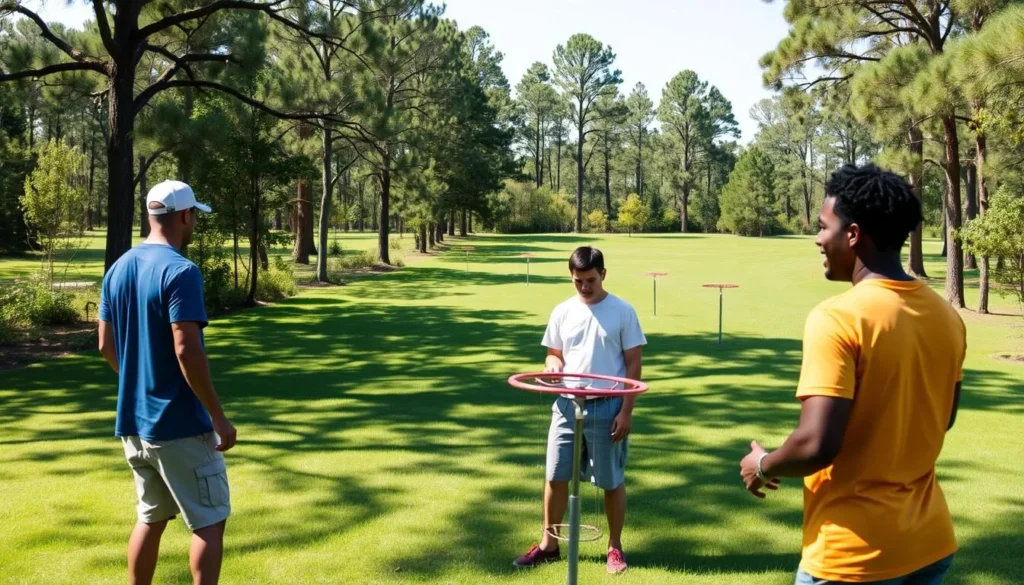
Disc Golf: The Bob Rodgers Memorial Disc Golf Course features 18 holes near the Longleaf Pine Trail.
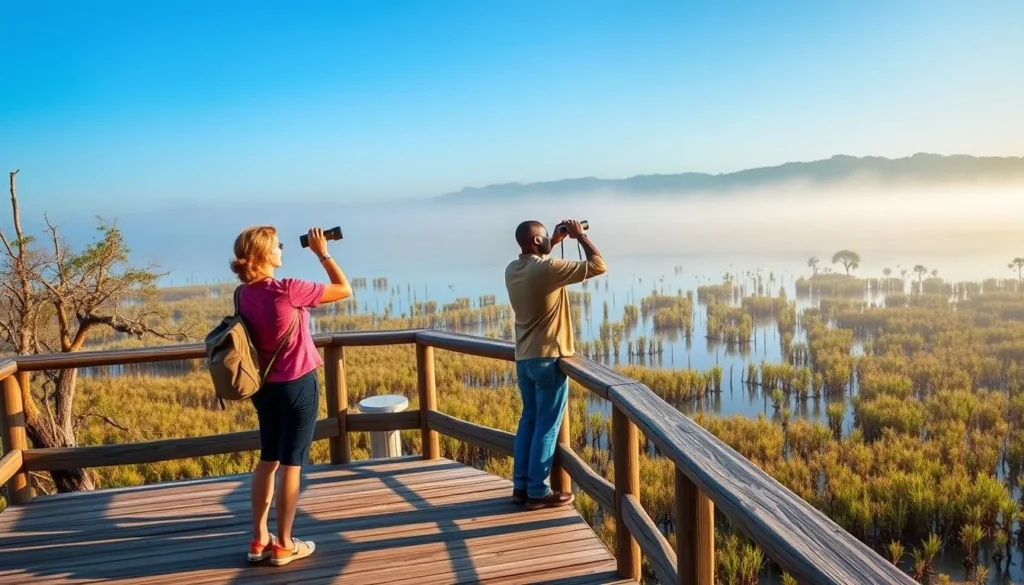
Wildlife Viewing: Observation platforms and boardwalks provide excellent opportunities to spot alligators, deer, birds, and other wildlife.
Birding: With nearly 200 species of birds recorded in the area, the park is a paradise for birdwatchers, especially during spring and fall migrations.
Picnicking: Multiple picnic areas with tables, grills, and pavilions are available throughout the park.
Playgrounds: Kid-friendly play areas provide entertainment for younger visitors.
Museums, Cultural Spots & Festivals
While Sam Houston Jones State Park itself focuses primarily on natural attractions, it does offer cultural and educational experiences:
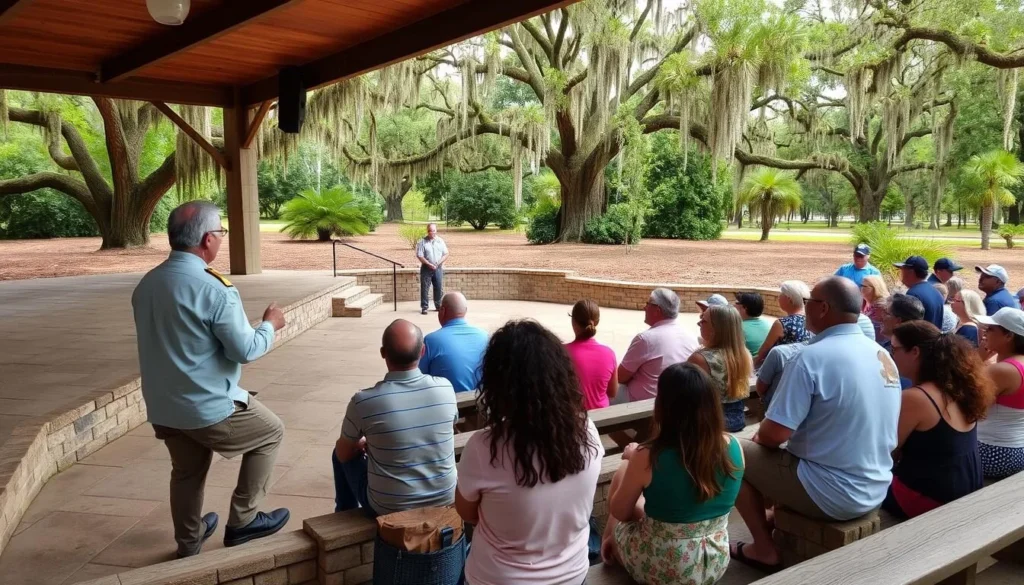
Ranger Programs: The park hosts educational demonstrations at its outdoor amphitheater, where visitors can learn about local wildlife, ecology, and conservation efforts.
Historical Significance: Originally named for Sam Houston, the Texas folk hero who traveled extensively in western Louisiana, the park was later renamed to honor Samuel H. Jones, Louisiana’s 46th governor who helped establish the park in the early 1940s.
For those interested in exploring the cultural heritage of the region, nearby Lake Charles offers several attractions:
Historic Charpentier District: A 40-block area featuring Victorian architecture from the late 1800s and early 1900s.
Mardi Gras Museum: Showcasing the history and traditions of this iconic Louisiana celebration.
Imperial Calcasieu Museum: Exhibits on local history and culture.
Throughout the year, Lake Charles hosts various festivals and events celebrating the region’s rich cultural heritage, including:
Louisiana Pirate Festival: Held annually in May, featuring parades, music, and food.
Cajun Food & Music Festival: Celebrating the region’s distinctive cuisine and musical traditions.
Black Heritage Festival: Honoring African American contributions to the region’s culture.
Check with the Lake Charles Convention & Visitors Bureau for current event schedules during your planned visit.
Nature & Outdoor Experiences
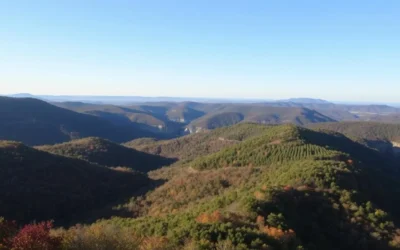
Sam Houston Jones State Park is a paradise for nature lovers, offering diverse ecosystems and abundant wildlife viewing opportunities. The park’s natural areas include pine forests, hardwood forests, cypress-tupelo swamps, and river ecosystems.
Wildlife Viewing
The park is home to an impressive variety of wildlife, including:
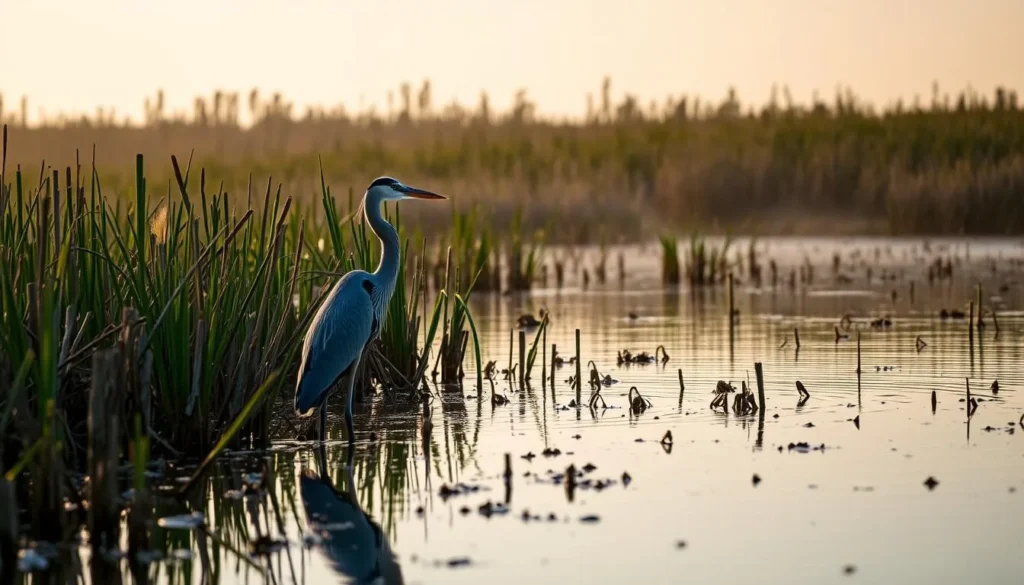
Birds: Nearly 200 species can be spotted in and around the park, including woodpeckers, owls, warblers, herons, egrets, and hawks. The park lies along the Central Migratory Flyway, making spring and fall particularly excellent for birding.
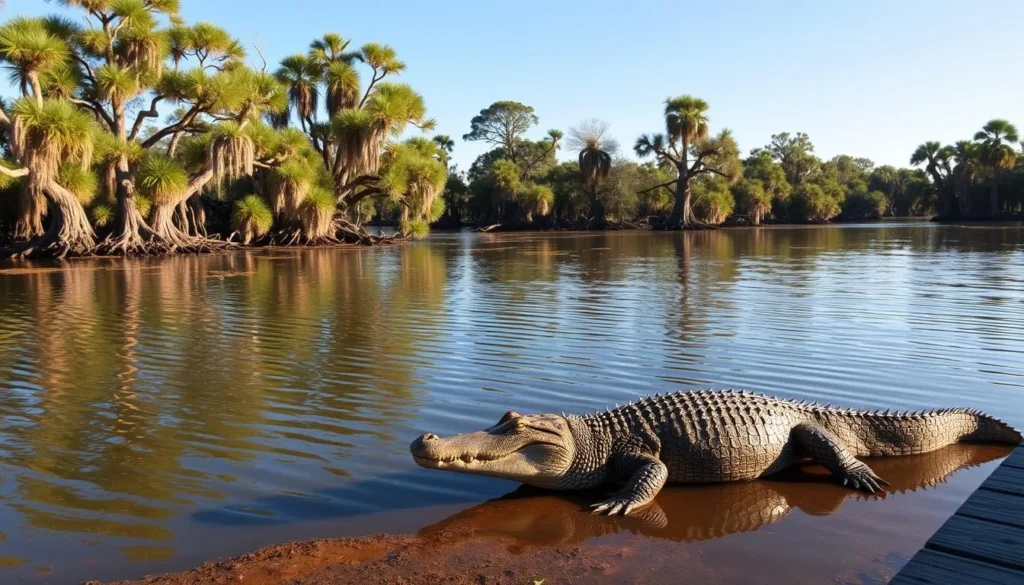
Reptiles: American alligators, various snake species, and turtles inhabit the park’s waterways.
Mammals: White-tailed deer, squirrels, rabbits, raccoons, and occasionally bobcats, otters, and foxes.
Plant Life
The park showcases several distinctive Louisiana ecosystems:
Longleaf Pine Forest: Once the dominant forest type in the southeastern United States, these majestic trees are being restored throughout the park.
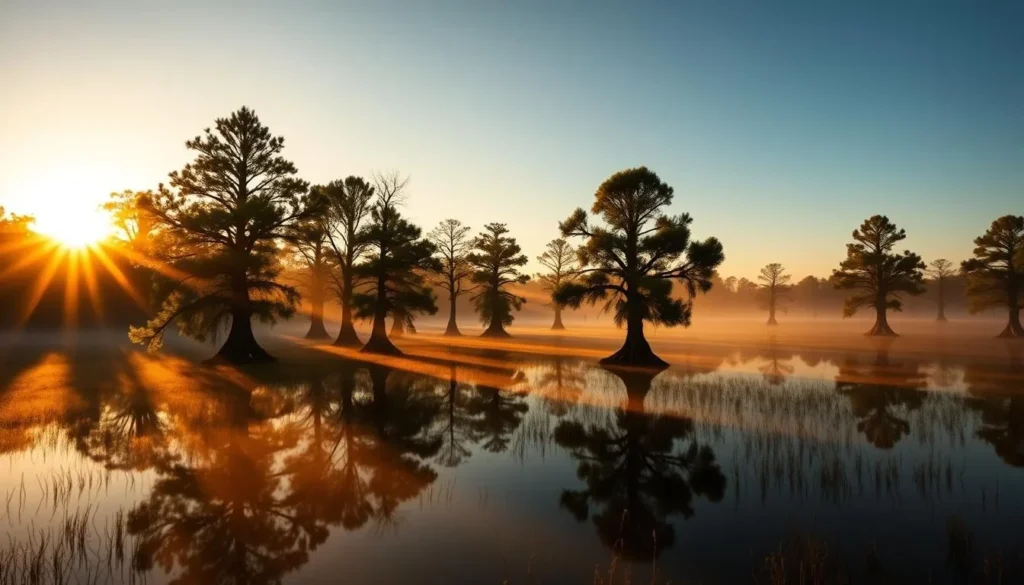
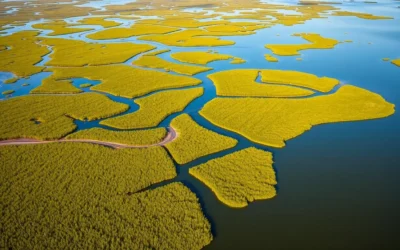
Cypress-Tupelo Swamps: Atmospheric wetlands dominated by bald cypress and water tupelo trees, often draped with Spanish moss.
Hardwood Forests: Mixed hardwood areas featuring various oak species, hickories, and other deciduous trees.
Wetland Plants: Various aquatic and semi-aquatic plant species thrive in the park’s lagoons and along the river.
Best Viewing Spots
For the best wildlife and nature viewing experiences:
Orange Trail: Consistently rated as the best trail for wildlife sightings, particularly in early morning or late afternoon.
Boardwalks and Observation Platforms: These provide excellent vantage points for spotting alligators and water birds without disturbing them.
Boat Launch Area: The riverside areas near the boat launches offer good opportunities to spot water birds and occasionally river otters.
Sunrise and Sunset: The golden hours provide not only the best lighting for photography but also coincide with peak animal activity.
Safety, Etiquette & Local Customs
Ensuring a safe and respectful visit to Sam Houston Jones State Park requires awareness of several important considerations:
Wildlife Safety
Alligators: Never approach, feed, or harass alligators. Keep a safe distance of at least 9 m (30 feet) from any alligator you encounter.
Snakes: Watch where you step and place your hands, especially in underbrush or near water. Most snakes will avoid humans if given the chance.
Other Wildlife: Observe all wildlife from a respectful distance. Never feed wild animals, as this can alter their natural behaviors and create dangerous situations.
Outdoor Safety
Insect Protection: Mosquitoes can be abundant, especially at dusk. Bring strong insect repellent and consider wearing long sleeves and pants during peak mosquito times.
Sun Protection: Louisiana’s sun can be intense. Wear sunscreen, a hat, and sunglasses, and stay hydrated.
Water Safety: If boating or kayaking, always wear a life jacket. Be aware of underwater hazards and currents in the river.
Weather Awareness: Louisiana weather can change quickly. Check forecasts before your visit and be prepared for sudden rain showers, especially in summer.
Park Etiquette
Speed Limits: Strictly adhere to the 5 mph speed limit within the park.
Quiet Hours: Respect designated quiet hours (typically 10 PM to 6 AM) in camping areas.
Leave No Trace: Pack out all trash and leave natural areas as you found them.
Pet Policies: Pets must be leashed at all times and are not allowed in most cabins (except designated pet-friendly units).
Fishing Regulations: Follow all Louisiana fishing regulations and obtain required licenses.
Local Customs
Louisiana is known for its friendly, laid-back culture. Visitors will often find locals eager to share stories and recommendations. A few cultural notes:
Greeting others on trails and in camping areas is customary and appreciated.
Louisiana has a strong outdoor sporting tradition, and conversations about fishing, hunting, and wildlife are common.
The state’s French and Cajun heritage may be evident in local accents and expressions.
Additional Nearby Destinations
While Sam Houston Jones State Park offers plenty to keep visitors engaged, the surrounding area provides additional attractions worth exploring:
Within 30 Minutes
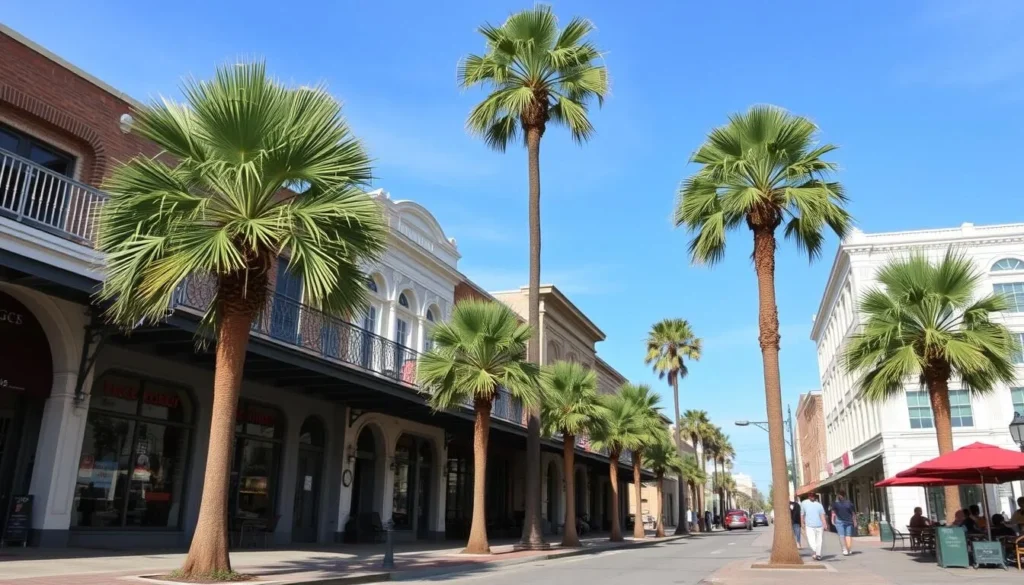
Downtown Lake Charles: Explore the city’s historic district with shops, restaurants, and cultural attractions just 20 minutes from the park.
Prien Lake Park: A beautiful waterfront park offering walking paths, playgrounds, and picnic areas.
Pintail Wildlife Drive: A scenic driving route through Cameron Prairie National Wildlife Refuge with excellent bird watching opportunities.
Within 1 Hour
Creole Nature Trail: This 290 km (180-mile) scenic byway takes you through marshlands, beaches, and wildlife refuges.
Holly Beach: Often called the “Cajun Riviera,” this Gulf Coast beach offers swimming, shell collecting, and fishing.
Sabine National Wildlife Refuge: One of the largest coastal marsh refuges in the United States, offering wildlife viewing and photography opportunities.
Other State Parks
Chicot State Park: Located about 1.5 hours east, featuring a 2,000-acre lake and the Louisiana State Arboretum.
Fontainebleau State Park: Approximately 3 hours east on the shore of Lake Pontchartrain, once a sugar cane plantation.
Kisatchie National Forest: Louisiana’s only national forest, about 1.5 hours northeast, offering extensive hiking trails through longleaf pine forests.
Practical Travel Tips
Park Information
Hours: The park is open daily from 6:00 AM to 9:00 PM Sunday through Thursday, and until 10:00 PM on Friday, Saturday, and days preceding holidays.
Entrance Fees: $3 per person; free for seniors 62 and older and children 3 and under.
Contact: Phone: 337-855-2665 or 888-677-7264
Reservations: Highly recommended for overnight stays, especially during weekends and peak seasons.
What to Pack
Insect Repellent: Essential, especially during warmer months and at dusk.
Binoculars: Highly recommended for wildlife viewing and birding.
Comfortable Hiking Shoes: Trails range from easy boardwalks to more challenging forest paths.
Water Bottle: Stay hydrated, especially during summer months.
Camera: The park offers countless photo opportunities.
Sunscreen and Hat: Protection from the Louisiana sun is important year-round.
Rain Gear: Afternoon showers are common, especially in summer.
Money-Saving Tips
Visit during weekdays for lower cabin and campsite rates.
Consider visiting during the off-season (October through March) for the best rates on Sunday through Thursday stays.
Bring your own food and cook at your campsite or cabin rather than dining out.
Take advantage of free activities like hiking, wildlife viewing, and playgrounds.
Accessibility
Sam Houston Jones State Park offers several accessible features, including:
ADA-compliant cabins
Accessible restrooms and shower facilities
Some paved trails and boardwalks suitable for wheelchairs and strollers
Accessible fishing areas
Contact the park directly for specific accessibility information related to your needs.
Embrace the Bayou’s Timeless Beauty
Sam Houston Jones State Park stands as a testament to nature’s resilience and Louisiana’s commitment to preserving its unique ecosystems. From the tranquil waters of the Calcasieu River to the majestic longleaf pines reaching skyward, this park offers a genuine Louisiana outdoor experience that captivates visitors of all ages. Whether you’re paddling through cypress-lined waterways, spotting wildlife along the Orange Trail, or simply relaxing on your cabin’s screened porch as the sun sets over the bayou, the park creates memories that linger long after your visit ends. As the locals might say, “Laissez les bons temps rouler” – let the good times roll – at this remarkable natural treasure in the heart of Louisiana’s Lake Charles region.
The above is subject to change.
Check back often to TRAVEL.COM for the latest travel tips and deals.

0 Comments