
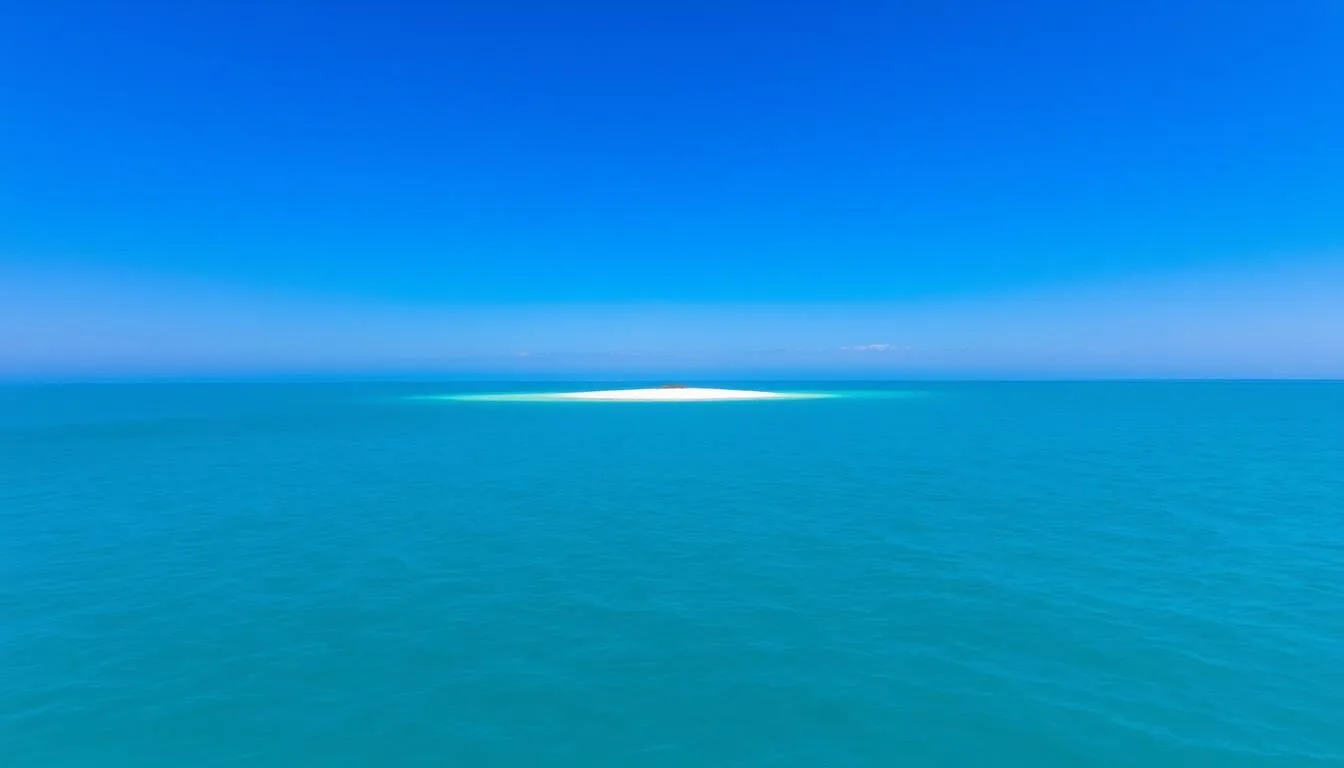
Established in 1907, Shell Keys National Wildlife Refuge is one of the oldest wildlife refuges in the United States, yet remains one of the least visited. This dynamic, ever-changing sanctuary consists primarily of a single shell-fragment islet that has been so dramatically altered by coastal erosion and storms that no birds have nested there since 1992. Despite its remote and ephemeral nature, this refuge represents an important chapter in American conservation history and offers unique insights into Louisiana’s rapidly changing coastal environment.
About Shell Keys National Wildlife Refuge
Located in the offshore waters west of the Atchafalaya River Delta and south of Marsh Island Wildlife Management Area in Iberia Parish, Shell Keys National Wildlife Refuge encompasses a small, unsurveyed area in the Gulf of Mexico. The refuge’s boundary is not well-defined due to coastal erosion, but it generally includes areas above mean high tide at approximately 29°25’15″N 91°50’45″W.
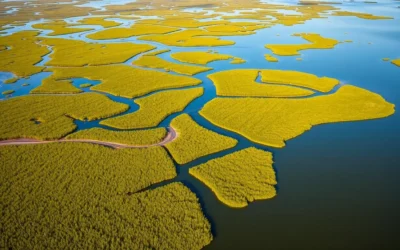
The refuge is primarily composed of one small, dynamic islet made almost entirely of shell fragments. This islet builds or recedes with passing storms, making it an ever-changing natural feature. While vegetation is almost entirely lacking, the area has historically served as an important nesting site for various bird species, including royal terns, sandwich terns, black skimmers, and laughing gulls.
As part of the Southwest Louisiana National Wildlife Refuge Complex, Shell Keys is administratively managed alongside Cameron Prairie, East Cove, Sabine, and Lacassine National Wildlife Refuges.
Getting There & Planning Your Journey
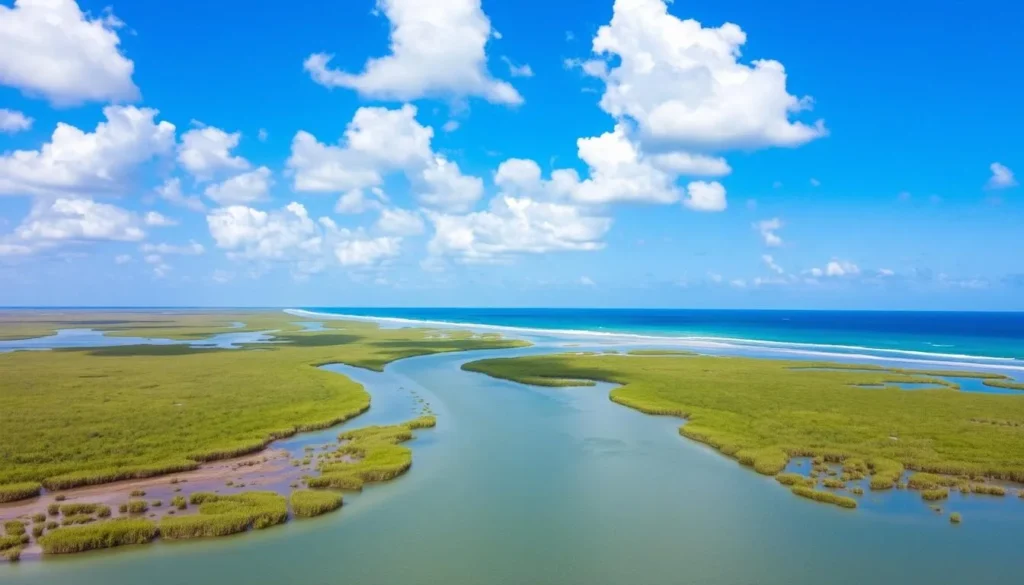
Accessing Shell Keys National Wildlife Refuge is challenging due to its remote offshore location. The refuge is not easily accessible to the general public, and visitation is restricted due to its remoteness and ecological sensitivity.
Closest Airports
- Lafayette Regional Airport (LFT) – approximately 90 km (56 miles) from the nearest coastal access point
- Baton Rouge Metropolitan Airport (BTR) – approximately 160 km (99 miles)
- Louis Armstrong New Orleans International Airport (MSY) – approximately 220 km (137 miles)
Access Points
The refuge can only be reached by boat from the mainland. The nearest boat launches are located at:
- Cypremort Point State Park – approximately 35 km (22 miles) from the refuge
- Burns Point Park in Franklin – approximately 55 km (34 miles) from the refuge
For those interested in seeing the area, consider contacting local charter boat operators in the Morgan City, Franklin, or New Iberia areas who may be familiar with the waters around Shell Keys.
Best Time to Visit & Weather Tips

Best Time to Visit Shell Keys National Wildlife Refuge
The optimal time to visit the waters around Shell Keys National Wildlife Refuge is during the late fall through early spring (October to April). During these months, the weather is generally milder, and there’s less risk of tropical storms or hurricanes that frequently affect the Gulf Coast.
Recommended Months
- October to November: Pleasant temperatures, reduced humidity, and fewer storms
- March to April: Spring migration period when more birds may be present in the area
- December to February: Cooler temperatures but generally clear weather
Months to Avoid
- June to September: Hurricane season with high risk of tropical storms
- July to August: Extreme heat and humidity, afternoon thunderstorms
Weather Considerations
The Gulf Coast of Louisiana experiences a humid subtropical climate with hot summers and mild winters:
- Summer temperatures average 32°C (90°F) with high humidity
- Winter temperatures average 16°C (60°F) during the day
- Annual rainfall averages 160 cm (63 inches), with precipitation possible year-round
- The official hurricane season runs from June 1 to November 30, with peak activity in August and September
Always check weather forecasts and marine conditions before planning a boat trip to the waters around Shell Keys. The area can experience rapid weather changes, and small craft advisories are common during stormy periods.
Getting Around Locally
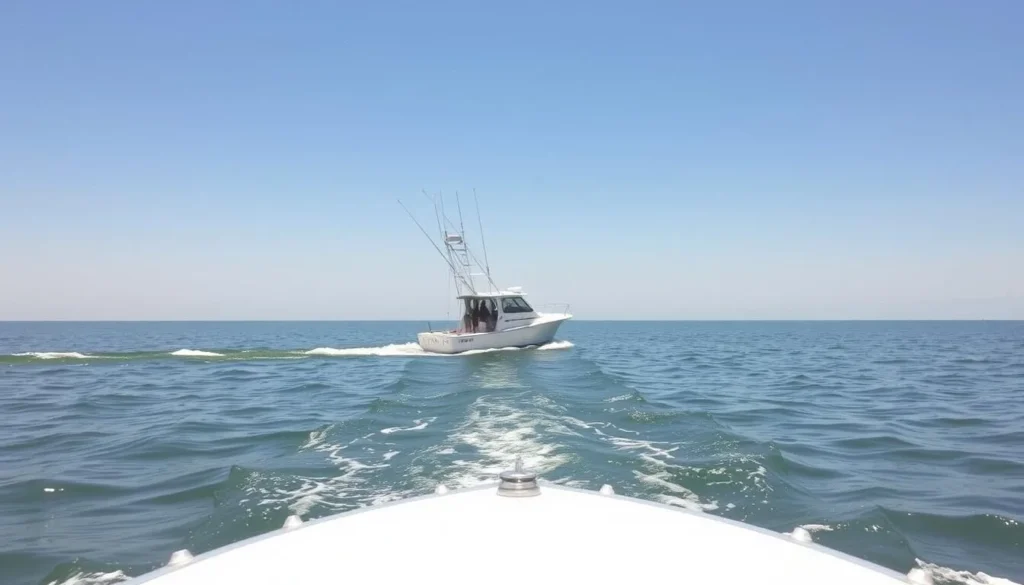
Due to the offshore nature of Shell Keys National Wildlife Refuge, the only way to access or view the area is by boat. There are no established trails, facilities, or infrastructure on the islet itself.
Boat Access
If you’re an experienced boater familiar with Gulf waters, you can navigate to the refuge coordinates (approximately 29°25’15″N 91°50’45″W). However, be aware that:
- Navigation can be challenging due to shallow waters and changing conditions
- Weather can change rapidly in the Gulf of Mexico
- There are no docking facilities or safe harbors at the refuge
- The islet itself may be submerged depending on tides and recent storm activity
Charter Services
For those without their own watercraft, charter fishing boats operating out of nearby coastal communities occasionally pass near the refuge area. While specific tours to Shell Keys are rare, some operators may be willing to include the area in their routes upon request.
Contact the Southwest Louisiana National Wildlife Refuge Complex at +1 (337) 598-2216 for the most current information about refuge conditions and access possibilities.
Where to Stay
Since Shell Keys National Wildlife Refuge is offshore and uninhabited, visitors will need to stay in nearby communities. Here are accommodation options in the surrounding area:
Nearby Communities with Lodging
New Iberia
Located approximately 65 km (40 miles) from the nearest boat launch, New Iberia offers the widest range of accommodations, from chain hotels to historic bed and breakfasts.
Franklin
This historic town about 55 km (34 miles) from the refuge offers several charming bed and breakfasts in restored plantation homes and Victorian buildings.
Morgan City
Located about 70 km (43 miles) from the refuge, Morgan City provides several mid-range hotels and motels catering to business travelers and tourists.
Camping Options
For outdoor enthusiasts, several campgrounds are available in the region:
- Cypremort Point State Park: Offers improved campsites with water and electrical hookups, approximately 35 km (22 miles) from the refuge
- Lake Fausse Pointe State Park: Located about 80 km (50 miles) from the refuge, this park offers cabins and campsites in a beautiful cypress-tupelo swamp setting
- Burns Point Park: Offers RV sites with hookups and tent camping areas approximately 55 km (34 miles) from the refuge
Dining & Local Cuisine

The Acadiana region surrounding Shell Keys National Wildlife Refuge is renowned for its exceptional Cajun and Creole cuisine. While visiting the area, be sure to sample these authentic local flavors:
Regional Specialties
- Seafood Gumbo: A rich stew made with local seafood, okra, and the “holy trinity” of Cajun cooking (onions, bell peppers, and celery)
- Crawfish Étouffée: A spicy, smothered crawfish dish served over rice
- Boudin: A unique Cajun sausage made with pork, rice, and seasonings
- Oysters: Harvested from Gulf waters and served raw, chargrilled, or in dishes like Oysters Rockefeller
- Shrimp Po’boys: Louisiana’s iconic sandwich featuring fried Gulf shrimp on French bread
Notable Restaurants
While there are no dining options at the refuge itself, these establishments in nearby communities offer authentic local cuisine:
New Iberia
- Bon Creole Lunch Counter
- Clementine on Main
- Bojangles Restaurant
Franklin
- The Atchafalaya Restaurant
- Forest Restaurant
- Domino’s Cajun Restaurant
Morgan City
- Rita Mae’s Kitchen
- Atchafalaya Cafe
- Cafe JoJo’s
For the freshest seafood experience, look for restaurants displaying the “Certified Authentic Louisiana Wild Seafood” logo, which guarantees locally harvested seafood.
Attractions, Sightseeing & Activities
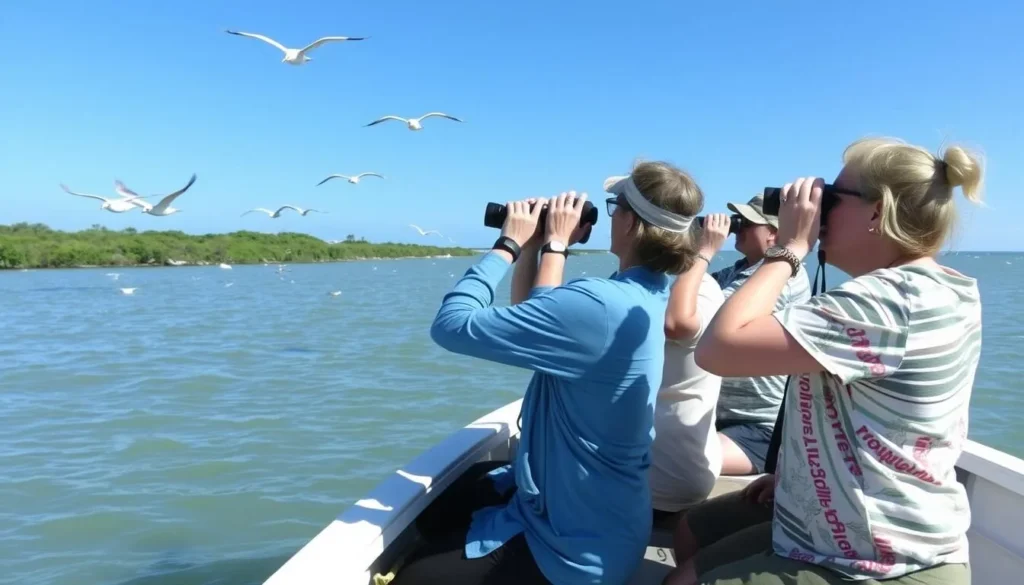
While Shell Keys National Wildlife Refuge itself has limited direct access, the surrounding region offers numerous attractions and activities for nature enthusiasts:
Wildlife Viewing
The waters around Shell Keys are home to diverse marine and bird life. While the islet may be difficult to access, the surrounding waters offer opportunities to observe:
- Migratory shorebirds and seabirds
- Dolphins and occasional sea turtles
- Various fish species and marine invertebrates
Fishing
The Gulf waters around Shell Keys are popular for recreational fishing. Common catches include:
- Speckled trout
- Redfish
- Flounder
- Sheepshead
- Black drum
A Louisiana fishing license is required for recreational fishing. Visit the Louisiana Department of Wildlife and Fisheries website for current regulations and license information.
Photography
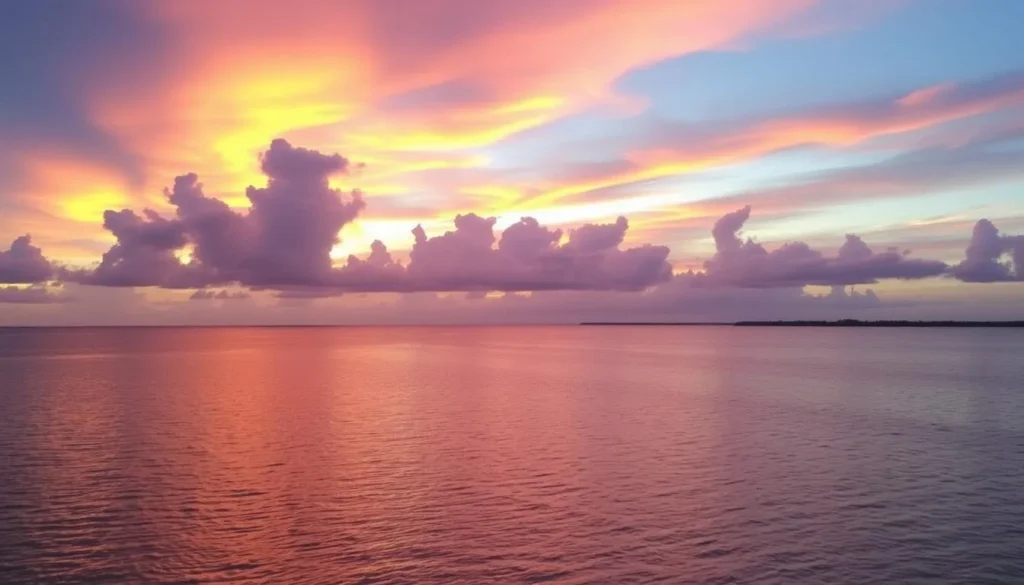
The coastal landscapes, wildlife, and dramatic skies of Louisiana’s Gulf Coast provide excellent photography opportunities. Early morning and late afternoon offer the best lighting conditions for capturing the natural beauty of the area.
Museums, Cultural Spots & Festivals

While visiting the region around Shell Keys National Wildlife Refuge, explore these cultural attractions to learn more about Louisiana’s rich heritage:
Museums & Historical Sites
- Bayou Teche Museum (New Iberia): Showcases the cultural history of the Bayou Teche region
- Grevemberg House Museum (Franklin): A historic 1851 Greek Revival home with period furnishings
- International Petroleum Museum & Exposition (Morgan City): Highlights the region’s offshore oil industry
- Chitimacha Museum (Charenton): Features exhibits on the Chitimacha Tribe, one of Louisiana’s federally recognized Native American tribes
- Jeanerette Museum (Jeanerette): Explores the history of sugar cane farming and production in the region
Annual Festivals
Louisiana is famous for its festivals celebrating local culture, food, and music. Notable events in the region include:
- Louisiana Shrimp & Petroleum Festival (Morgan City): Held annually over Labor Day weekend
- Bayou Teche Black Bear Festival (Franklin): Typically held in April
- World Championship Gumbo Cookoff (New Iberia): Held in October
- Sugarcane Festival (New Iberia): Celebrated in September
Many of these festivals feature live Cajun and Zydeco music, traditional foods, crafts, and cultural demonstrations that provide insight into the unique heritage of Louisiana’s Acadiana region.
Nature & Outdoor Experiences
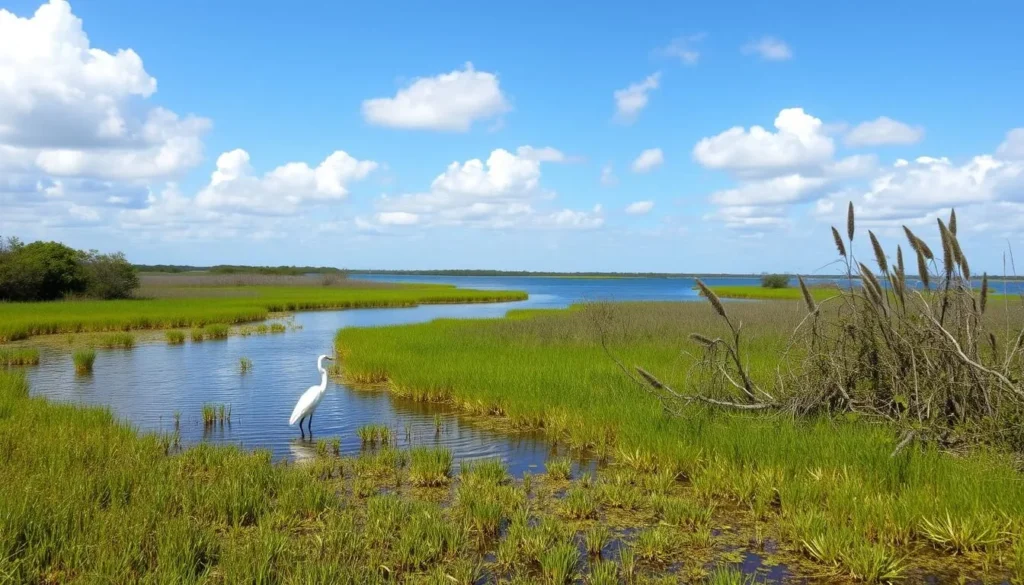
The region surrounding Shell Keys National Wildlife Refuge offers numerous opportunities to experience Louisiana’s diverse coastal ecosystems:
Nearby Wildlife Refuges and Natural Areas
- Marsh Island Wildlife Management Area: Located just north of Shell Keys, this 31,000-hectare (76,664-acre) protected area offers excellent wildlife viewing and fishing opportunities
- Atchafalaya Delta Wildlife Management Area: About 44 km (27 miles) from Shell Keys, this area encompasses the largest river swamp in the United States
- Cypremort Point State Park: Located 35 km (22 miles) from Shell Keys, this park offers a man-made beach on Vermilion Bay, fishing pier, and boat launch
- Bayou Teche National Wildlife Refuge: Located about 53 km (33 miles) from Shell Keys, this refuge was established specifically to protect the Louisiana black bear
Outdoor Activities
The coastal region offers numerous recreational opportunities:
Water Activities
- Kayaking and canoeing
- Fishing charters
- Boat tours
Land Activities
- Hiking nature trails
- Bird watching
- Photography
Guided Experiences
- Swamp tours
- Eco-tours
- Fishing guides
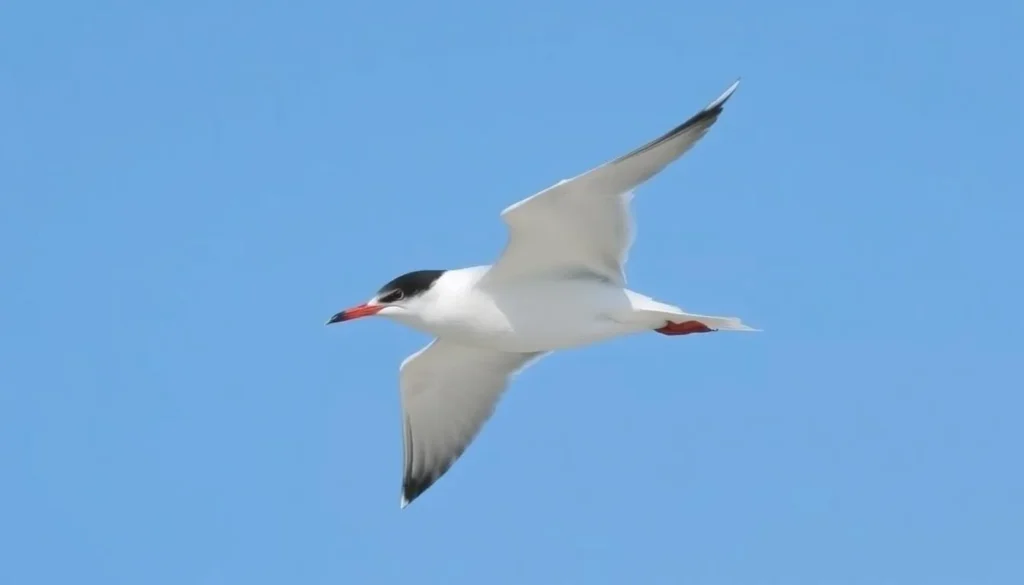
Notable Bird Species
While nesting has not occurred on Shell Keys since 1992, the surrounding waters and nearby coastal areas are still important for many bird species, including:
- Royal terns
- Sandwich terns
- Black skimmers
- Laughing gulls
- White pelicans
- Brown pelicans
- Various shorebirds and waders
Safety, Etiquette & Local Customs
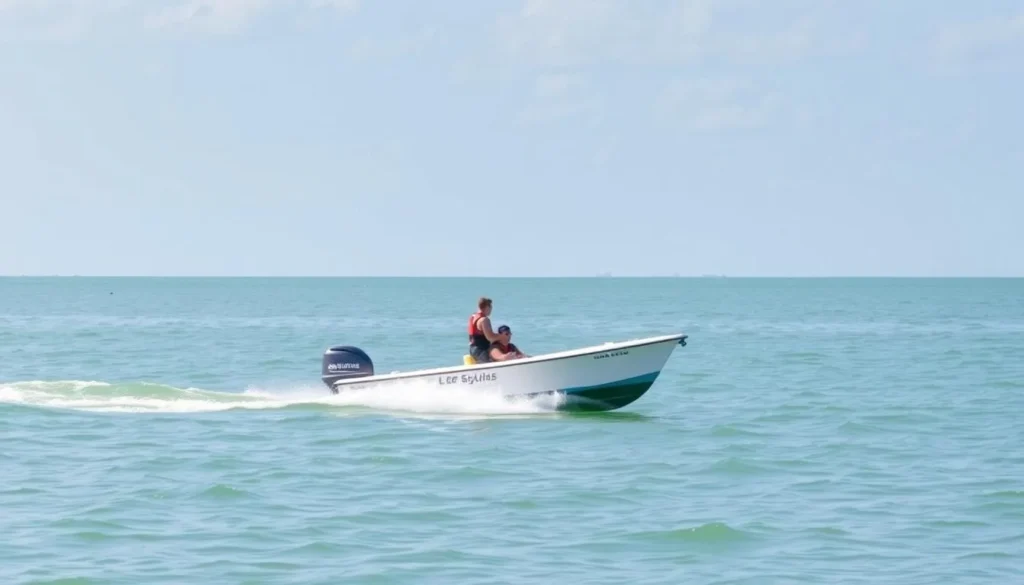
Water Safety
When exploring the waters around Shell Keys National Wildlife Refuge:
- Always check weather forecasts and marine conditions before heading out
- File a float plan with someone onshore, detailing your intended route and return time
- Carry proper safety equipment including life jackets, marine radio, and emergency supplies
- Be aware of tides and currents, which can change rapidly in coastal waters
- Maintain a safe distance from wildlife to avoid disturbing them
Wildlife Viewing Etiquette
When observing wildlife in and around the refuge:
- Use binoculars or spotting scopes to view birds and marine life from a distance
- Avoid loud noises that might disturb wildlife
- Never feed wild animals
- Take only photographs, leave only footprints
Local Customs
When visiting communities in Louisiana’s Acadiana region:
- Greetings are typically warm and friendly; don’t be surprised by conversations with strangers
- The pace of life is generally relaxed; patience is appreciated
- Local cuisine is a point of pride; showing appreciation for traditional foods is welcomed
- French influences remain strong in many communities; you may hear Cajun French spoken
The Gulf Coast is prone to tropical storms and hurricanes, particularly from June through November. Always have an evacuation plan and stay informed about weather conditions during hurricane season.
Visitor Comments About Shell Keys National Wildlife Refuge
“As an avid bird photographer, I was fascinated by the history of Shell Keys National Wildlife Refuge. While the islet itself was barely visible during my boat tour, the surrounding waters were teeming with bird life. The captain shared fascinating stories about the refuge’s past as a critical nesting site and its ongoing battle with erosion. A sobering but important reminder of our changing coastlines.”
“We hired a local fishing guide who took us through the waters near Shell Keys. Though we couldn’t land on the refuge itself, we caught some impressive redfish and spotted several pods of dolphins. Our guide was knowledgeable about the area’s ecology and conservation history. The untouched nature of these waters makes for a peaceful day on the Gulf away from the tourist crowds.”
“While planning our Louisiana coastal tour, we were intrigued by Shell Keys’ status as one of America’s oldest wildlife refuges. Though access is limited, we enjoyed exploring the nearby Cypremort Point State Park and learning about the refuge from exhibits there. The story of this disappearing islet is a powerful illustration of Louisiana’s coastal erosion challenges.”
Additional Nearby Destinations
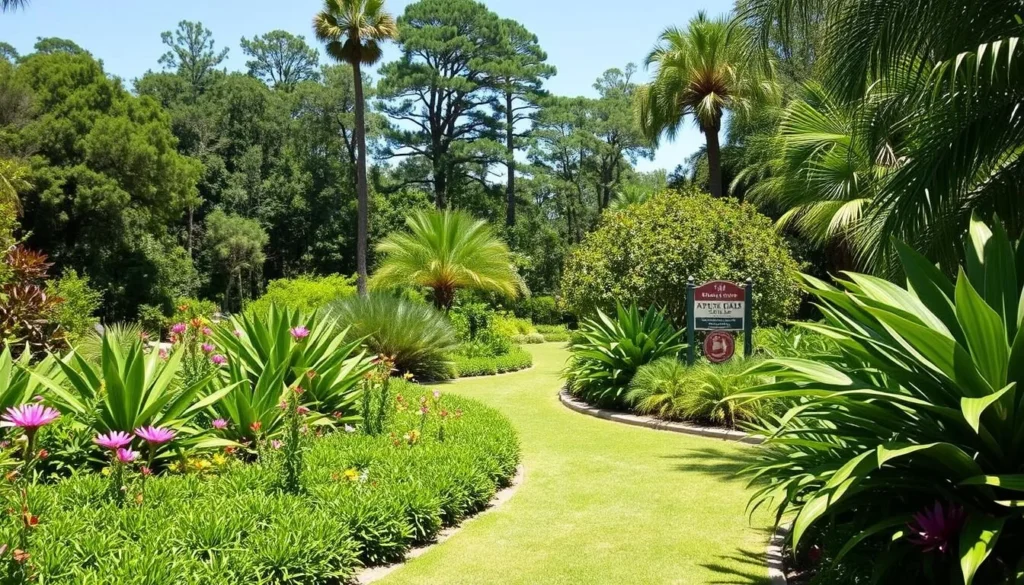
While visiting the Shell Keys National Wildlife Refuge area, consider exploring these nearby attractions:
Avery Island
Located about 54 km (33 miles) from Shell Keys, Avery Island is home to the TABASCO® Pepper Sauce Factory and the beautiful 170-acre Jungle Gardens. Visitors can tour the factory, explore the gardens, and visit Bird City, a sanctuary for snowy egrets and other wading birds.
Atchafalaya Basin
The largest river swamp in the United States, the Atchafalaya Basin offers swamp tours, fishing, kayaking, and wildlife viewing opportunities approximately 60 km (37 miles) from Shell Keys.
New Iberia
This charming city about 65 km (40 miles) from Shell Keys features historic downtown architecture, the Shadows-on-the-Teche plantation home, and serves as the setting for James Lee Burke’s Dave Robicheaux detective novels.
Cypremort Point State Park
Just 35 km (22 miles) from Shell Keys, this state park offers a man-made beach on Vermilion Bay, a fishing pier, picnic areas, and a boat launch that provides access to the Gulf of Mexico.
St. Martinville
Known as the birthplace of Cajun culture, St. Martinville is located about 78 km (48 miles) from Shell Keys and features the Acadian Memorial, St. Martin de Tours Catholic Church, and the Longfellow-Evangeline State Historic Site.
Lafayette
The heart of Cajun Country, Lafayette is approximately 90 km (56 miles) from Shell Keys and offers numerous cultural attractions including the Acadian Cultural Center, Vermilionville Living History Museum, and excellent restaurants featuring authentic Cajun cuisine.
Practical Travel Tips
Essential Items to Pack
- Sun protection: Sunscreen, hat, sunglasses, and lightweight, long-sleeved clothing
- Insect repellent: Mosquitoes and biting flies can be prevalent in coastal areas
- Binoculars: Essential for wildlife viewing, especially birds
- Camera with zoom lens: For capturing wildlife from a distance
- Waterproof bag: To protect electronics and valuables during boat trips
- Motion sickness medication: If you’re prone to seasickness and plan to take a boat
- Refillable water bottle: Stay hydrated, especially during hot weather
Communication
Cell phone coverage can be spotty in remote coastal areas. Consider these communication options:
- Download offline maps before your trip
- Bring a marine radio if traveling by boat
- Inform someone of your plans if heading to remote areas
Important Contact Information
- Southwest Louisiana National Wildlife Refuge Complex: +1 (337) 598-2216
- Louisiana Department of Wildlife and Fisheries: +1 (337) 373-0032
- U.S. Coast Guard (Morgan City): +1 (985) 380-5320
- Emergency Services: 911
For the most current information about Shell Keys National Wildlife Refuge and surrounding areas, contact the Southwest Louisiana National Wildlife Refuge Complex office before your visit.
Embracing the Ephemeral Beauty of Louisiana’s Coastal Wilderness
Shell Keys National Wildlife Refuge stands as a poignant symbol of Louisiana’s dynamic and ever-changing coastline. While the physical refuge may be elusive—sometimes visible above the waves, sometimes not—its significance in American conservation history and its role in protecting vital Gulf ecosystems remains constant. Whether you observe the area from a distance by boat, explore nearby wildlife refuges, or simply learn about its history and ecological importance, Shell Keys offers a unique perspective on our relationship with coastal environments. As you plan your journey to this region, remember that the true value of places like Shell Keys lies not just in what we can see and experience today, but in what they teach us about preservation for tomorrow.
The above is subject to change.
Check back often to TRAVEL.COM for the latest travel tips and deals.
0 Comments