

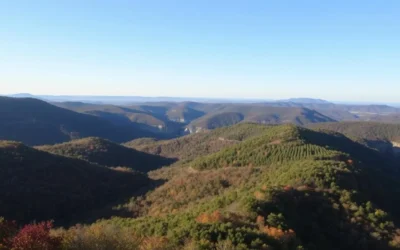
Did you know that Tunica Hills Wildlife Management Area is home to over 40 rare plant species found nowhere else in Louisiana? This 5,900-acre natural treasure nestled in West Feliciana Parish offers a dramatic departure from Louisiana’s typical flat landscape, with steep bluffs, deep ravines, and lush hardwood forests creating a unique microclimate. Whether you’re an avid hiker, wildlife photographer, or simply seeking a peaceful retreat into nature, Tunica Hills WMA provides an unexpected wilderness experience that feels worlds away from the nearby cities of Baton Rouge and New Orleans.
Getting There & Planning Your Journey
Tunica Hills Wildlife Management Area is located approximately 48 km (30 miles) north of Baton Rouge and about 177 km (110 miles) northwest of New Orleans. The closest town is St. Francisville, just 13 km (8 miles) south of the WMA’s entrance.
The closest major airports are Baton Rouge Metropolitan Airport (BTR), about 64 km (40 miles) away, and Louis Armstrong New Orleans International Airport (MSY), approximately 193 km (120 miles) from Tunica Hills. Renting a car is essential as there is no public transportation to the area.
To reach the WMA, take Highway 61 to St. Francisville, then follow Highway 66 north. For the South Tract (the most popular area), turn onto Old Tunica Road and follow the signs. The North Tract can be accessed via Highway 66 near Angola Prison.
Important note: Before visiting, you’ll need to purchase a Wild Louisiana Stamp, Louisiana Fishing License, or Louisiana Hunting License from the Louisiana Department of Wildlife & Fisheries. Visitors under 16 and over 60 are exempt from this requirement.
Best Time to Visit & Weather Tips

The ideal times to visit Tunica Hills Wildlife Management Area are spring (March to May) and fall (October to November). Spring brings vibrant wildflowers, lush vegetation, and pleasant temperatures averaging 21-26°C (70-80°F). Fall offers spectacular foliage as the hardwood forests transform into a tapestry of reds, oranges, and yellows, with comfortable temperatures ranging from 15-24°C (60-75°F).
Summer (June to September) brings hot, humid conditions with temperatures often exceeding 32°C (90°F) and high humidity, making hiking more challenging. Afternoon thunderstorms are common. Winter (December to February) can be pleasant with temperatures between 7-16°C (45-60°F), but occasional cold fronts can drop temperatures near freezing.
Rainfall can make trails muddy and slippery year-round, especially after heavy storms. The area receives approximately 152 cm (60 inches) of rainfall annually, distributed fairly evenly throughout the year.
For wildlife viewing, early morning and late afternoon offer the best opportunities regardless of season. Bird watchers should consider visiting during spring migration (March-April) when numerous species pass through the area.
| Season | Temperature Range | Precipitation | Recommendation |
| Spring (Mar-May) | 21-26°C (70-80°F) | Moderate | Highly Recommended |
| Summer (Jun-Sep) | 27-35°C (80-95°F) | High, afternoon storms | Early morning visits only |
| Fall (Oct-Nov) | 15-24°C (60-75°F) | Low to moderate | Highly Recommended |
| Winter (Dec-Feb) | 7-16°C (45-60°F) | Moderate | Good for hiking, less crowded |
Getting Around Locally
Tunica Hills Wildlife Management Area is divided into two main sections: the South Tract (1,432 hectares/3,538 acres) and the North Tract (1,814 hectares/4,485 acres). Both areas feature primitive roads and hiking trails.
A personal vehicle is essential for accessing the WMA, as there is no public transportation in the area. Most roads within the management area are unpaved and can become difficult to navigate after heavy rainfall. A vehicle with higher clearance is recommended, though not absolutely necessary during dry conditions.
Once inside the WMA, exploration is primarily on foot via the trail system. Trails are not paved and range from moderate to difficult in terms of hiking challenge. Proper hiking boots are strongly recommended due to the steep terrain and sometimes muddy conditions.
Mountain biking is permitted on designated trails, providing another way to explore the area. Horseback riding is also allowed in specific sections, though riders must bring their own horses as there are no rental facilities within the WMA.
For those interested in exploring nearby attractions, the historic town of St. Francisville is just a short drive away and offers dining, shopping, and additional cultural sites.
Where to Stay
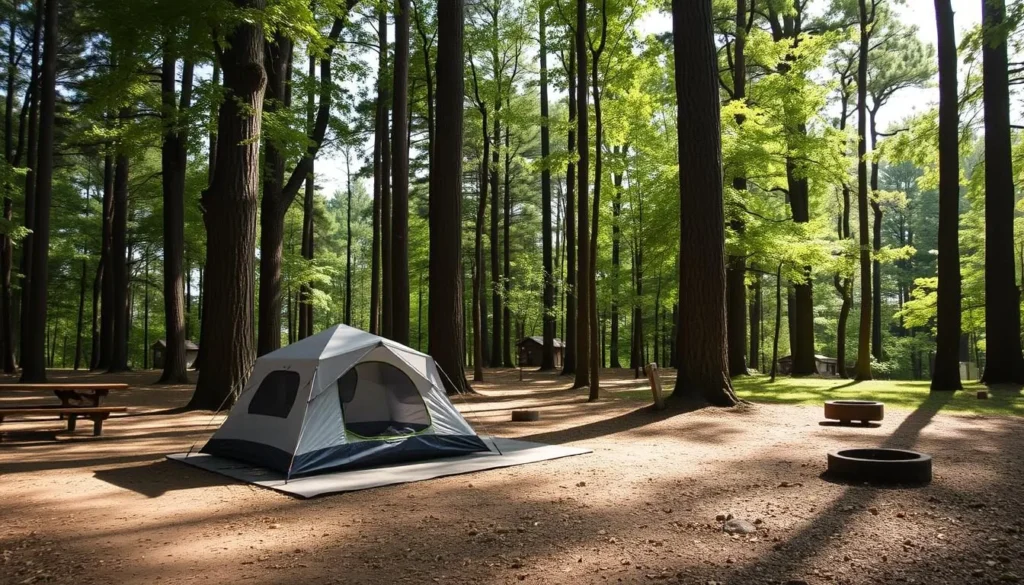
While Tunica Hills Wildlife Management Area itself does not offer developed camping facilities, there are several options nearby for overnight stays:
Tunica Hills Campground
Located just north of the WMA, this private campground offers primitive camping in a secluded setting. Campsites include tent pads, picnic tables, and fire rings. Some sites have electricity available. The campground is accessible via a half-mile hike from the parking area. Rates range from $16-$20 per night for campsites. Reservations are recommended by contacting the campground host at (225) 635-4791.
Clark Creek Primitive Campground
Just across the state line in Mississippi, approximately 16 km (10 miles) from Tunica Hills WMA, this campground offers basic sites with minimal amenities. Perfect for those seeking a true wilderness experience.
Lodging in St. Francisville
For those preferring more comfortable accommodations, the historic town of St. Francisville, 13 km (8 miles) south of the WMA, offers several bed and breakfasts, inns, and hotels. Options include The Myrtles Plantation (reportedly haunted), Butler Greenwood Plantation, and St. Francisville Inn. Prices typically range from $100-$200 per night.
Cabin Rentals
Tunica Hills Campground also offers rustic cabins for rent, ranging from $90-$110 per night. These provide a middle ground between camping and hotel accommodations.
RV Options
While the immediate area has limited RV facilities, Feliciana RV Park in St. Francisville offers full hookups and is convenient to the WMA. The park provides water, electric, and sewer connections, along with shower facilities and WiFi.
Dining & Local Cuisine

While Tunica Hills Wildlife Management Area itself doesn’t have dining facilities, the nearby town of St. Francisville offers several excellent options for experiencing local Louisiana cuisine:
Local Restaurants
The Francis Southern Table & Bar serves upscale Southern cuisine with Louisiana influences. Their crawfish étouffée and shrimp and grits are local favorites. Magnolia Café offers casual dining with excellent po’boys, gumbo, and daily plate lunch specials. Restaurant 1796 at The Myrtles Plantation features wood-fired cooking with locally sourced ingredients in a historic setting.
Regional Specialties
Don’t miss trying authentic Louisiana dishes like crawfish étouffée, jambalaya, gumbo, and bread pudding. The region is known for its blend of Cajun and Creole influences, creating unique flavor profiles you won’t find elsewhere.
Picnic Supplies
For those planning to spend a full day in the WMA, consider picking up supplies for a picnic. The Magnolia Café Market and Deli offers sandwiches and prepared foods perfect for trail lunches. Fresh Market of St. Francisville provides groceries and local products for assembling your own picnic.
Coffee & Breakfast
Start your day with coffee and breakfast at Birdman Coffee & Books, a charming café offering light breakfast items, pastries, and excellent coffee in a cozy atmosphere filled with books.
Most dining options are located in St. Francisville, approximately 13 km (8 miles) from the WMA entrance, so plan accordingly. If you’re spending a full day hiking, pack plenty of water and snacks as there are no food services within the management area.
Attractions, Sightseeing & Activities
Hiking Trails
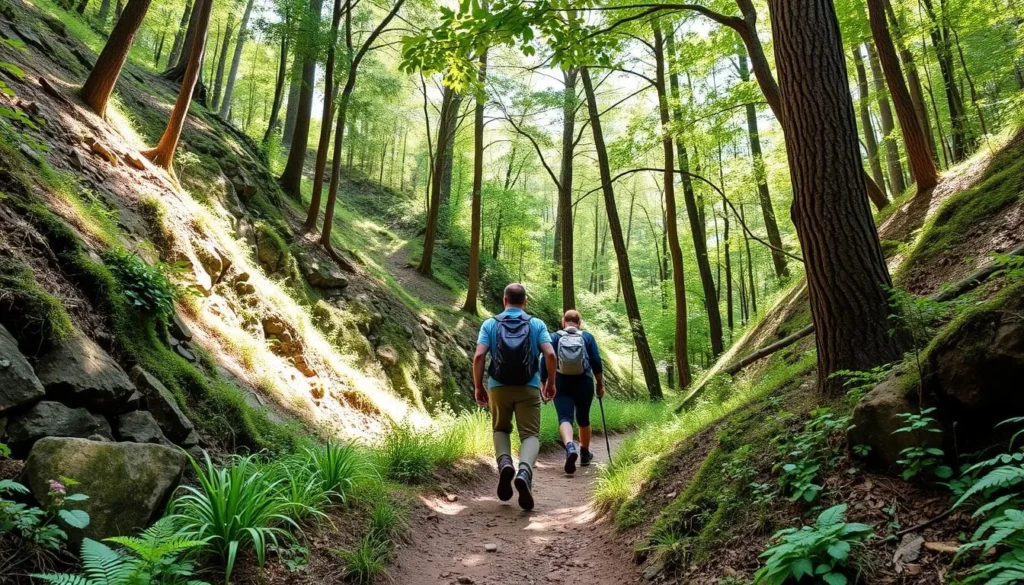
Tunica Hills WMA offers several hiking trails of varying difficulty:
- Trail A (South Tract): A moderate 2.4 km (1.5-mile) loop featuring diverse plant life and seasonal streams.
- Trail B (South Tract): A more challenging 3.2 km (2-mile) trail with steep ravines and beautiful forest views.
- Trail C (South Tract): The most popular trail, a 5.6 km (3.5-mile) loop that follows creek beds and showcases the area’s unique topography.
- North Tract Trails: Less developed but offering more solitude and wildlife viewing opportunities.
Wildlife Viewing
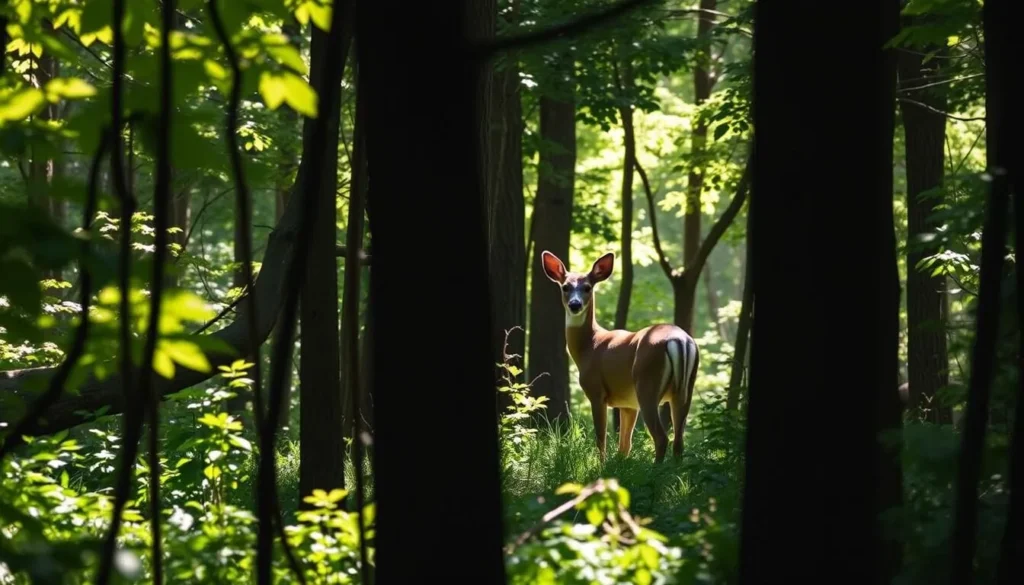
Tunica Hills is home to diverse wildlife including:
- Birds: Over 100 species including the rare worm-eating warbler, Swainson’s warbler, and Cooper’s hawk.
- Mammals: White-tailed deer, eastern chipmunks, foxes, and occasionally black bears.
- Reptiles: Various snake species (including venomous canebrake rattlesnakes and copperheads), turtles, and lizards.
Early morning and late afternoon offer the best wildlife viewing opportunities. Bring binoculars and a field guide to enhance your experience.
Photography
The unique landscape of Tunica Hills provides exceptional photography opportunities. Capture the dramatic ravines, seasonal waterfalls after heavy rain, diverse plant life, and wildlife. The fall foliage is particularly spectacular, typically peaking in late October to early November.
Seasonal Waterfalls
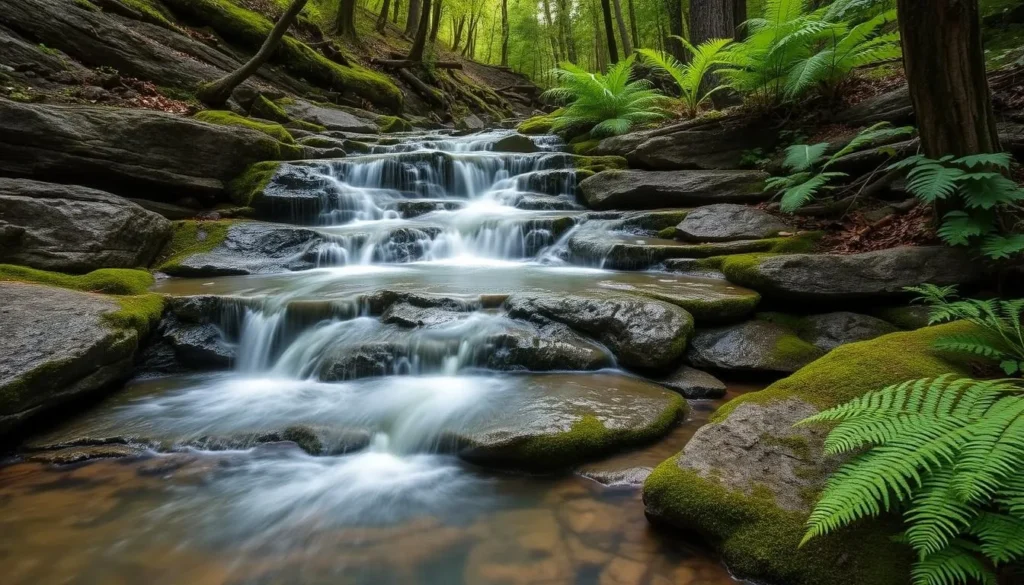
After heavy rainfall, numerous small waterfalls form throughout the ravines of Tunica Hills. These ephemeral features are best viewed along Trail C and in the creek beds throughout the area. They typically disappear within days after rain stops, making them a special treat for lucky visitors.
Hunting
Tunica Hills WMA offers regulated hunting opportunities during designated seasons. Species include white-tailed deer, turkey, squirrel, and rabbit. All hunters must possess appropriate licenses and follow Louisiana Department of Wildlife & Fisheries regulations. Check their website for current season dates and specific rules.
Museums, Cultural Spots & Festivals

While Tunica Hills Wildlife Management Area itself is primarily a natural destination, the surrounding region offers rich cultural experiences:
Historic Plantations
Several historic plantations near St. Francisville provide glimpses into the area’s past:
- Rosedown Plantation State Historic Site: One of the most intact plantation complexes in the South, featuring 13 historic buildings and 28 acres of formal gardens.
- The Myrtles Plantation: Known as “one of America’s most haunted homes,” offering history tours and ghost tours of the 1796 plantation.
- Oakley Plantation at Audubon State Historic Site: Where John James Audubon painted many of his famous bird studies in the 1820s.
Angola Prison Museum
Located near the North Tract of Tunica Hills WMA, this unique museum documents the history of one of America’s most famous prisons. Exhibits include the prison’s evolution, inmate arts and crafts, and the history of corrections in Louisiana.
Local Festivals
The region hosts several annual events worth planning your visit around:
- Tunica Hills Music Fest and Jam (March): Celebrating local music traditions in a family-friendly environment.
- Angola Prison Rodeo (April and October): The longest-running prison rodeo in America, featuring inmate participants and an arts and crafts festival.
- Walker Percy Weekend (June): A literary festival in St. Francisville celebrating the renowned author with panels, bourbon tastings, and local cuisine.
- Yellow Leaf Arts Festival (October): Showcasing regional artists and craftspeople in downtown St. Francisville.
- Feliciana Hummingbird Celebration (September): A nature festival focused on the migration of ruby-throated hummingbirds through the area.
St. Francisville Historic District
The charming town of St. Francisville features well-preserved 19th-century architecture, boutique shopping, and the historic Grace Episcopal Church (established 1827). A walking tour of the historic district makes for a pleasant afternoon activity after morning hiking in Tunica Hills.
Nature & Outdoor Experiences
Unique Ecosystem
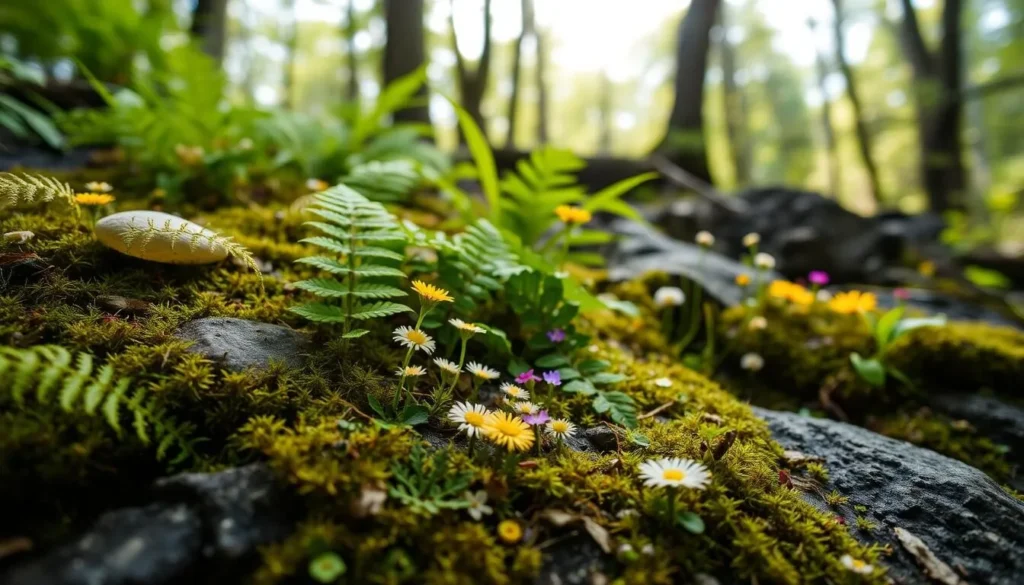
Tunica Hills represents a biological “island” within Louisiana, supporting plant and animal species typically found much further north. The area’s loess soil (windblown silt deposited during the Ice Age) creates a unique habitat. The deep ravines and north-facing slopes create microclimates that support rare plant species not found elsewhere in the state.
Botanical Highlights
The area is home to over 40 rare plant species including:
- Southern magnolia trees
- American beech
- Oakleaf hydrangea
- Bigleaf snowbell
- Wild azaleas
- Numerous fern species
Spring wildflowers create spectacular displays from March through May, with trillium, wild ginger, and bloodroot among the notable species.
Birdwatching
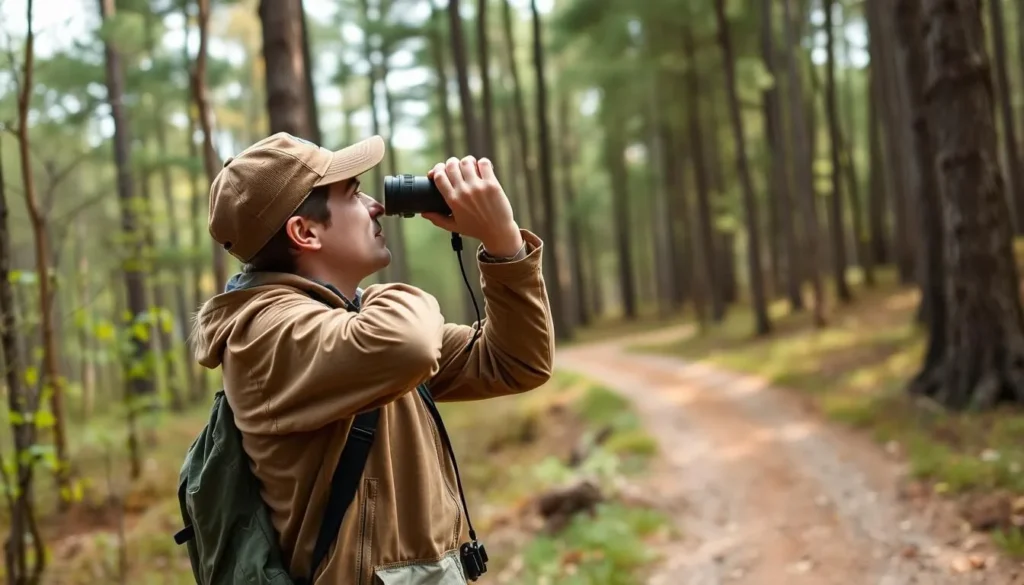
Tunica Hills is a premier destination for birdwatchers, especially during spring and fall migrations. The area hosts several species rare in Louisiana, including:
- Worm-eating warbler
- Swainson’s warbler
- Louisiana waterthrush
- Cooper’s hawk
- Pileated woodpecker
The best birding locations include the edges of clearings, along creek beds, and the more mature forest sections of the South Tract.
Geology Exploration
The unique topography of Tunica Hills offers amateur geologists fascinating features to explore. The loess soil formations, exposed rock layers in ravines, and fossil-bearing deposits provide insights into the region’s geological history. After heavy rains, freshly eroded ravine walls sometimes reveal fossils from the Pleistocene era.
Stargazing
With minimal light pollution, Tunica Hills provides excellent opportunities for stargazing. The Tunica Hills Campground occasionally hosts stargazing events with local astronomy clubs. The best viewing is during the new moon phase when skies are darkest.
Safety, Etiquette & Local Customs

Safety Considerations
Tunica Hills presents several safety challenges visitors should prepare for:
- Venomous snakes: Canebrake rattlesnakes and copperheads inhabit the area. Stay on trails and watch where you step.
- Steep terrain: Many trails feature significant elevation changes with slippery surfaces, especially after rain.
- Limited cell service: Most of the WMA has poor or no cell phone reception. Consider bringing a satellite communicator for emergencies.
- Weather changes: Sudden thunderstorms are common, especially in summer. Check forecasts before heading out.
- Hunting seasons: During designated hunting seasons, wear bright orange clothing for visibility.
Visitor Etiquette
Follow these guidelines to preserve the natural beauty of Tunica Hills:
- Pack out all trash (no garbage facilities are available on trails)
- Stay on designated trails to prevent erosion and protect sensitive plant species
- Keep noise to a minimum to avoid disturbing wildlife and other visitors
- No collecting of plants, rocks, or artifacts is permitted
- Pets must be leashed at all times
Required Permits
All visitors over 16 and under 60 years of age must possess one of the following:
- Wild Louisiana Stamp ($9.50)
- Louisiana Basic Fishing License ($9.50 for residents, $60.00 for non-residents)
- Louisiana Basic Hunting License ($15.00 for residents, $150.00 for non-residents)
These can be purchased online through the Louisiana Department of Wildlife & Fisheries website or at authorized retailers throughout the state.
Local Customs
The surrounding communities maintain traditional Southern hospitality. Visitors will find locals friendly and willing to share information about the area. When visiting nearby towns, a relaxed pace is the norm—don’t rush interactions or appear impatient. During hunting seasons, respect the local hunting tradition by staying informed about which areas are open for recreational use.
Visitor Comments About Tunica Hills
“The hiking trails at Tunica Hills WMA offered some of the most surprising terrain I’ve experienced in the South. Coming from Maine, I didn’t expect such dramatic ravines and diverse plant life in Louisiana. Trail C was challenging but rewarding—just be prepared for mud if it’s rained recently!”
“As a photographer visiting from Japan, I found Tunica Hills to be an unexpected gem. The light filtering through the forest canopy created magical conditions, especially in early morning. The wildlife was abundant and the unique plants made for fascinating macro photography subjects.”
“Being from nearby Lake Charles, I’ve visited Tunica Hills many times and it never disappoints. The fall colors rival what you’d see in more northern states, and the spring wildflowers are spectacular. Just remember to bring plenty of water and bug spray—Louisiana humidity is no joke!”
Additional Nearby Destinations

Clark Creek Natural Area
Located just across the Mississippi state line, approximately 24 km (15 miles) from Tunica Hills WMA, this 700-acre natural area features over 50 waterfalls ranging from 3 to 9 meters (10 to 30 feet) in height. The area offers well-maintained hiking trails with wooden steps on steeper sections. Unlike Tunica Hills’ seasonal waterfalls, Clark Creek’s falls flow year-round, making it a perfect companion destination.
St. Francisville
This charming historic town 13 km (8 miles) from Tunica Hills offers shopping, dining, and numerous historic sites. Don’t miss the Rosedown Plantation State Historic Site, The Myrtles Plantation, and the walkable historic district with buildings dating to the early 19th century.
Cat Island National Wildlife Refuge
Located about 32 km (20 miles) south of Tunica Hills, this refuge protects 13,000 acres of bottomland hardwood forest along the Mississippi River. Home to the National Champion bald cypress tree (estimated to be over 1,000 years old), the refuge offers excellent fishing, wildlife viewing, and photography opportunities.
Angola Museum
The Louisiana State Penitentiary Museum provides a fascinating look at the history of this famous prison. Located near the North Tract of Tunica Hills WMA, the museum displays historical prison artifacts, exhibits on the Angola Prison Rodeo, and information about the prison’s agricultural operations.
Port Hudson State Historic Site
About 40 km (25 miles) south of Tunica Hills, this preserved Civil War battlefield commemorates the 48-day siege of Port Hudson in 1863. The site features a museum, interpretive trails, and periodic living history demonstrations.
Practical Travel Tips

What to Pack
- Sturdy hiking boots with good ankle support
- Lightweight, moisture-wicking clothing (long pants recommended for tick protection)
- Rain gear (even in dry seasons, as afternoon showers can develop quickly)
- Insect repellent with DEET (essential from April through October)
- Sunscreen and hat
- Minimum 2 liters of water per person for day hikes
- Trail snacks and lunch for longer hikes
- Basic first aid kit
- Paper map (don’t rely on digital maps due to poor cell service)
- Trekking poles for stability on steep sections
Trail Navigation
Trails in Tunica Hills WMA are marked with colored blazes: Trail A (white), Trail B (yellow), and Trail C (orange). However, blazes can be faded or missing in some sections. The Louisiana Department of Wildlife & Fisheries office in Baton Rouge can provide the most current trail maps. Their phone number is (225) 765-2800.
Accessibility
Due to the rugged terrain, Tunica Hills WMA has limited accessibility for visitors with mobility challenges. The parking areas and some initial sections of trails are accessible, but most trails quickly become steep and uneven. The nearby Tunica Hills Campground offers some accessible cabin options for overnight stays.
Traveling with Children
Families with children should consider the shorter Trail A (2.4 km/1.5 miles) which has less elevation change. Bring plenty of water, snacks, and insect repellent. Create a nature scavenger hunt to keep children engaged, looking for items like unique leaves, animal tracks, or interesting rocks.
Photography Tips
The deep ravines create challenging lighting conditions. Early morning and late afternoon provide the best natural light for photography. A polarizing filter helps reduce glare from leaves and enhances the vibrant greens of the forest. During wet seasons, bring protection for your camera equipment as humidity and occasional rain can damage electronics.
The Untamed Beauty of Louisiana’s Hidden Highlands
Tunica Hills Wildlife Management Area offers a side of Louisiana that few travelers expect to discover—a land of dramatic ravines, towering hardwoods, and surprising biodiversity that stands in stark contrast to the state’s familiar swamps and bayous. Whether you come for the challenging hiking trails, the exceptional birdwatching, or simply to experience a unique ecological treasure, Tunica Hills rewards visitors with authentic wilderness experiences just a short drive from major cities.
As the seasons transform the landscape from the wildflower-carpeted forests of spring to the fiery foliage of autumn, each visit reveals new natural wonders. By respecting the land, preparing appropriately, and taking time to truly observe the subtle details of this special ecosystem, you’ll discover why Tunica Hills has captivated naturalists, photographers, and outdoor enthusiasts for generations. This hidden highland gem truly represents Louisiana’s wild heart—untamed, unexpected, and unforgettable.
The above is subject to change.
Check back often to TRAVEL.COM for the latest travel tips and deals.



0 Comments