
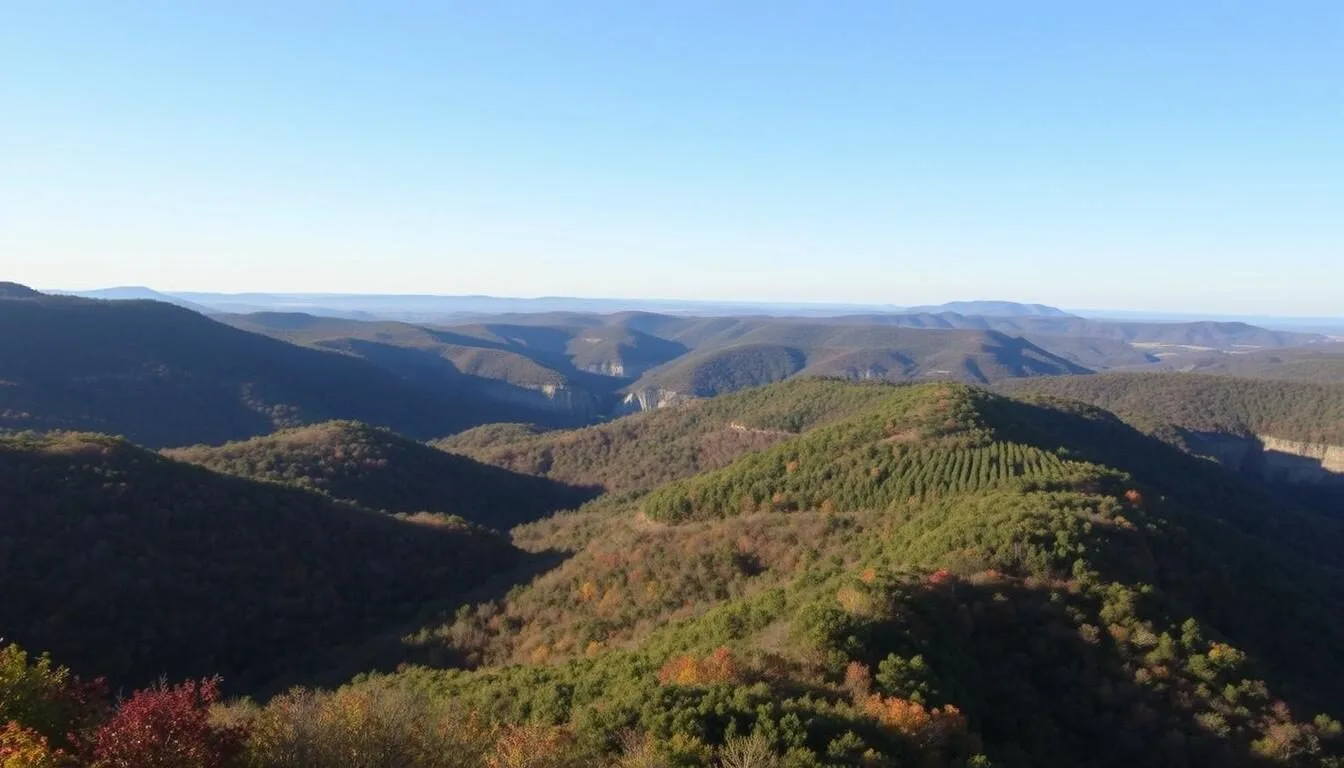
Did you know that nestled within Louisiana’s West Feliciana Parish lies one of the state’s most surprising geological wonders? The Tunica Trace Scenic Byway winds through an area so unlike typical Louisiana landscapes that visitors often feel transported to another region entirely. This 19.6 km (12.2 mile) route follows an ancient Native American pathway through rare loess bluffs and ravines that reach heights of up to 27 m (90 feet) – a dramatic departure from Louisiana’s familiar flat wetlands. As one of the most unique topographical areas in the entire state, this hidden gem offers travelers a chance to experience a side of Louisiana few know exists.
Getting There & Planning Your Journey
The Tunica Trace Scenic Byway is officially designated as Louisiana Highway 66, running from the entrance of the Louisiana State Penitentiary at Angola to its junction with US Highway 61 north of St. Francisville. For travelers flying in, the closest major airport is Baton Rouge Metropolitan Airport (BTR), approximately 58 km (36 miles) south of the byway. New Orleans Louis Armstrong International Airport (MSY) is about 169 km (105 miles) away, offering more flight options for those coming from farther destinations.
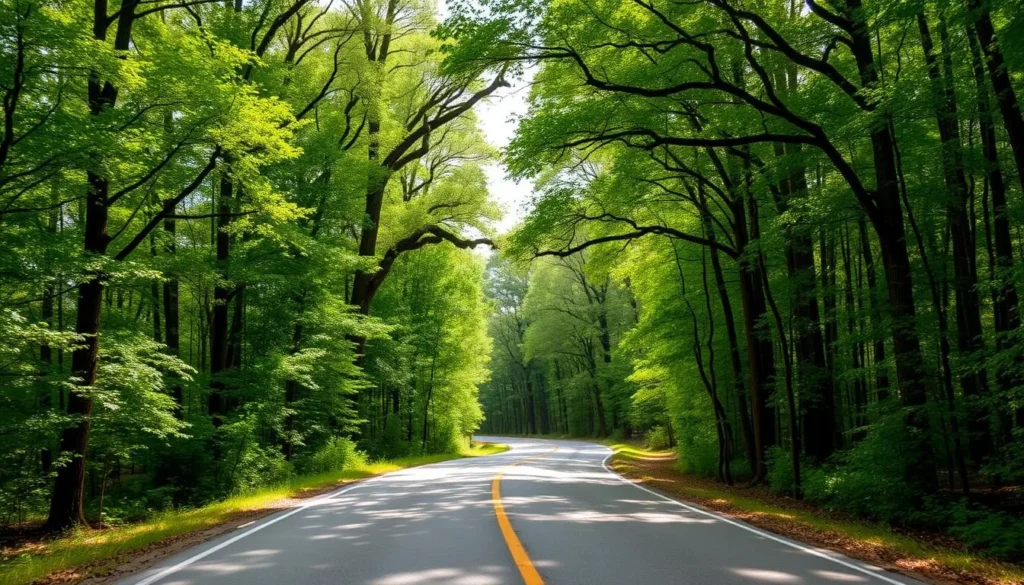
To reach the byway, most visitors start from St. Francisville and travel northwest on US 61 before turning onto LA 66. This approach allows you to experience the full length of the scenic route. The byway itself is a two-lane highway that winds through the hills, offering plenty of opportunities to pull over and take in the views. Be aware that some sections of the road can be narrow and winding, so drive cautiously, especially during or after rainfall when the terrain can become slippery.
Best Time to Visit & Weather Tips
The Tunica Trace Scenic Byway offers different experiences throughout the year, but certain seasons showcase its beauty more dramatically than others.
Best Time to Visit Tunica Trace Scenic Byway
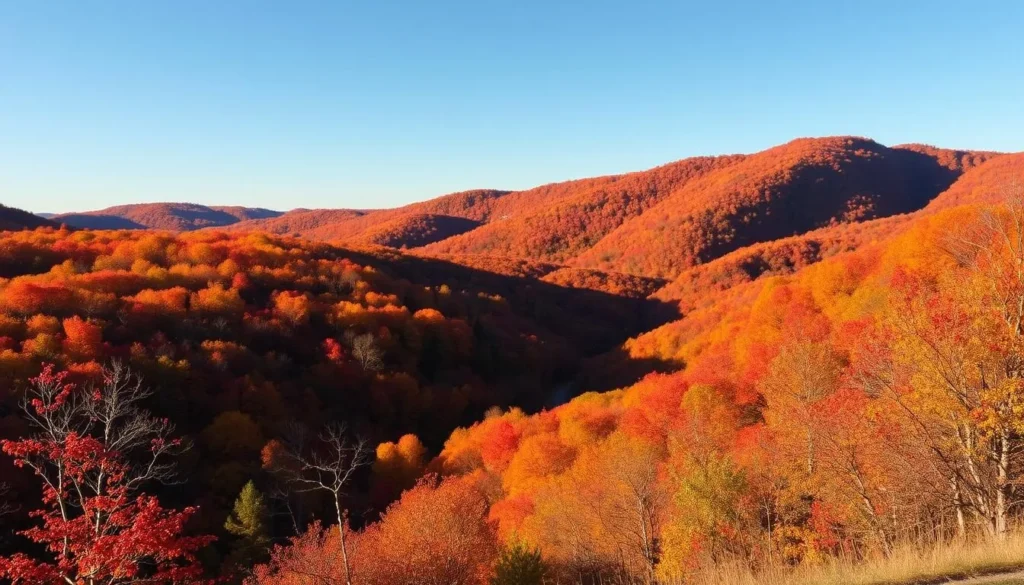
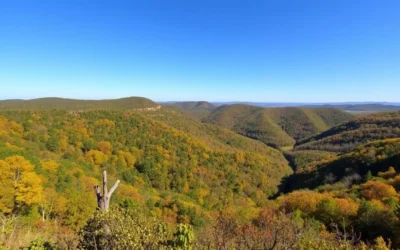
The ideal times to visit are during spring (March to May) and fall (October to November). Spring brings vibrant wildflowers and lush greenery to the hills, while fall transforms the hardwood forests into a spectacular display of red, orange, and gold foliage. The moderate temperatures during these seasons, typically ranging from 15-26°C (60-80°F), make outdoor activities more comfortable.
Summer (June to September) brings hot and humid conditions with temperatures often exceeding 32°C (90°F), making outdoor exploration less comfortable. However, the dense tree canopy along much of the byway provides welcome shade. Winter (December to February) offers its own charm with temperatures ranging from 4-15°C (40-60°F). The leafless trees during this season reveal the dramatic topography of the hills and ravines that might otherwise be hidden.
The least recommended time to visit is during heavy rain periods, typically in late winter and early spring, when the clay soil can become slippery and some of the unpaved side roads may be difficult to navigate. Hurricane season (June through November) should also be monitored for potential weather disruptions.
Getting Around Locally
The Tunica Trace Scenic Byway is best explored by car, allowing you to set your own pace and stop at various points of interest along the route. The entire byway can be driven in about 30 minutes without stops, but to truly appreciate the area, plan for at least half a day to explore side roads, hiking trails, and viewpoints.
For those seeking a more immersive experience, several alternatives exist. Bicycling is popular among enthusiasts who enjoy the challenge of the rolling terrain, though be prepared for some steep sections. The Baton Rouge Bike Club occasionally organizes group rides through the area on weekends. Horseback riding offers another unique perspective, with Cross Creek Stables near St. Francisville providing guided trail rides through parts of the Tunica Hills (advance reservations required).
Several hiking trails branch off from the main byway, particularly within the Tunica Hills Wildlife Management Area. These range from the easy half-mile nature trail to more challenging routes like Trail C, a moderate 5.8 km (3.6 mile) loop featuring steep embankments and creek crossings. For the most adventurous, ATV riding is permitted on designated trails within the Wildlife Management Area during specific seasons.

Where to Stay
While there are no accommodations directly on the Tunica Trace Scenic Byway itself, several charming options exist in the surrounding area, particularly in and around St. Francisville.
Camping & Cabins
For those seeking a closer connection to nature, the Tunica Hills Wildlife Management Area offers primitive tent camping opportunities in its southern tract off Parker Road. No reservations are required, but campers must obtain a self-clearing permit at the check station kiosk.
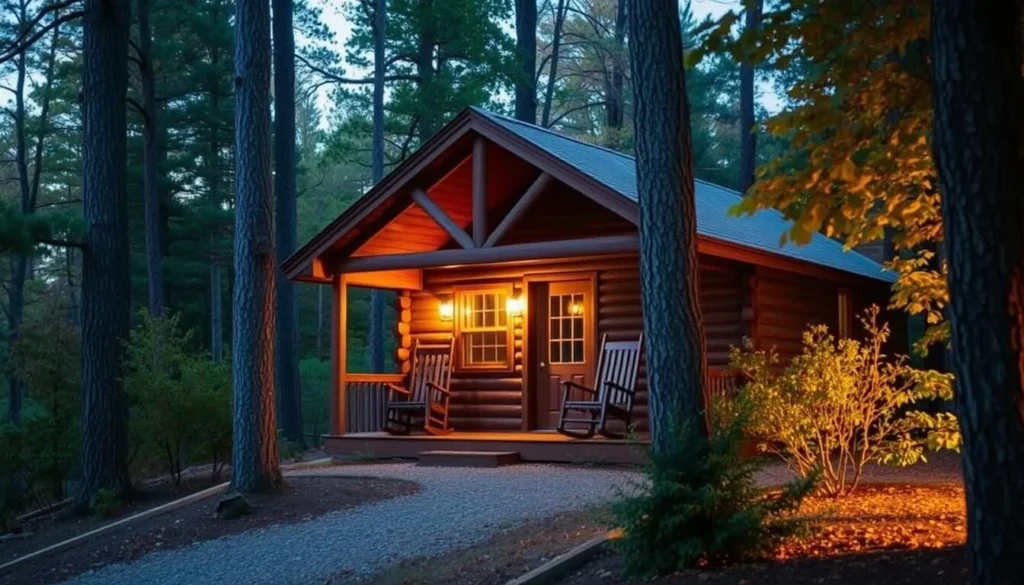
The Tunica Hills Campground provides a more developed camping experience with small A-frame cabins featuring heat, air conditioning, microwaves, and coffeemakers. They also offer tent pads with electricity throughout the forest, bathroom facilities with hot showers, and a dining pavilion with BBQ grills.
Another excellent option is The Pond Store Cabins, featuring cozy one-room cabins with two queen-sized beds, a sleeping loft, and kitchenettes with stovetops, sinks, and refrigerators.
Historic Accommodations
The area around St. Francisville is known for its historic plantation homes, several of which operate as bed and breakfasts. Desert Plantation Bed and Breakfast sits on a 1,000-acre property along the edge of the Tunica Hills, offering an authentic glimpse into the region’s past.
Greenwood Plantation provides accommodations in a separate building outside the main mansion, with approximately 16 rooms available. This historic property has served as a filming location for various productions, including the 1982 mini-series “North and South.”
For those preferring modern amenities, St. Francisville offers several hotels and motels within a 15-minute drive of the scenic byway’s eastern terminus.
Dining & Local Cuisine
The Tunica Trace Scenic Byway area offers several unique dining experiences that showcase the rich culinary heritage of this corner of Louisiana.
The Pond General Store, dating back to 1881, is a must-visit establishment near the byway. This quintessential country store with wood-plank floors and a wood-burning stove offers simple fare and local products. It’s an excellent spot to pick up supplies for a picnic along the scenic route or to chat with longtime owner Liz Chaffin, who shares fascinating stories about the area’s history.
South of the Border Restaurant and Club, located near the Louisiana-Mississippi border on Highway 61, specializes in mouthwatering steaks and serves delicious seafood, pasta, hamburgers, and daily specials. This local favorite provides hearty meals in a casual, welcoming atmosphere.

St. Francisville, just a short drive from the byway, offers additional dining options. The Magnolia Café serves Southern comfort food in a charming, rustic setting, while Audubon’s Café provides a more upscale dining experience with a menu featuring local ingredients and Louisiana specialties.
For those wanting to enjoy a meal amid nature, several picnic areas are available along the byway and within the Tunica Hills Wildlife Management Area. Bringing a basket filled with local specialties like boudin (Cajun sausage), crawfish pies, or muffulettas makes for a memorable outdoor dining experience surrounded by the unique landscape.
Attractions, Sightseeing & Activities
The Tunica Trace Scenic Byway offers diverse attractions that appeal to history buffs, nature enthusiasts, and adventure seekers alike.
Historical Sites
The byway itself follows an ancient Native American pathway known as the Tunica Trace, used for centuries before European settlement. Along the route, you’ll find the Trudeau House and Trudeau Landing, both listed on the National Register of Historic Places. These sites are connected to the area’s rich Native American heritage, as they were built on the former site of a Tunica Indian village.
Just off the eastern end of the byway in St. Francisville, The Myrtles Plantation attracts visitors with its reputation as “one of America’s most haunted houses.” Tours of this antebellum home share the property’s history and the ghost stories that have made it famous, including tales of the slave Chloe who supposedly haunts the grounds.

Natural Wonders
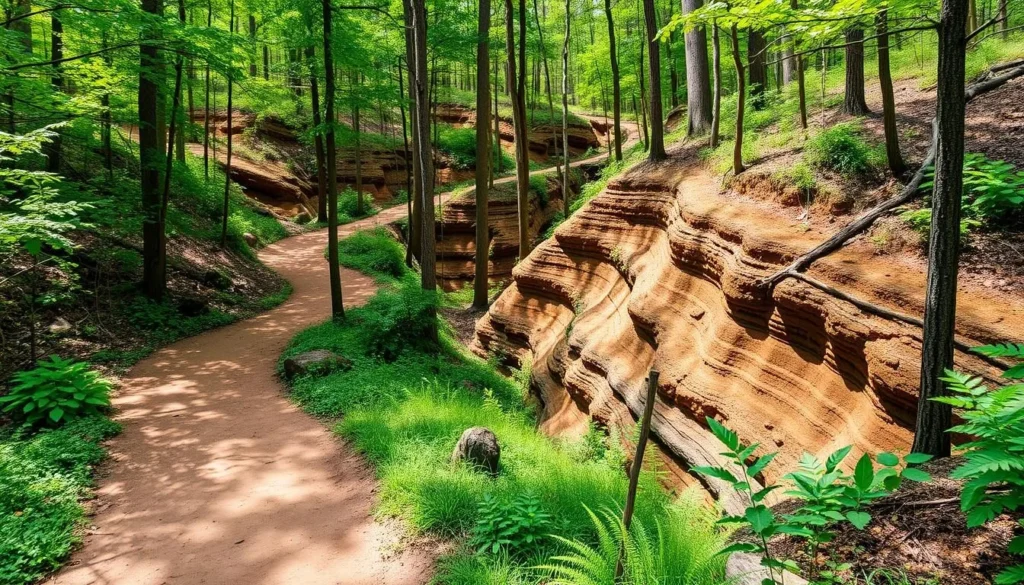
The Tunica Hills Wildlife Management Area, spanning 1,335 hectares (3,300 acres), showcases the region’s unique topography with its deep ravines and loess bluffs. The area offers several hiking trails of varying difficulty, including a nature trail with interpretive signs identifying the unusual flora found in this microclimate.
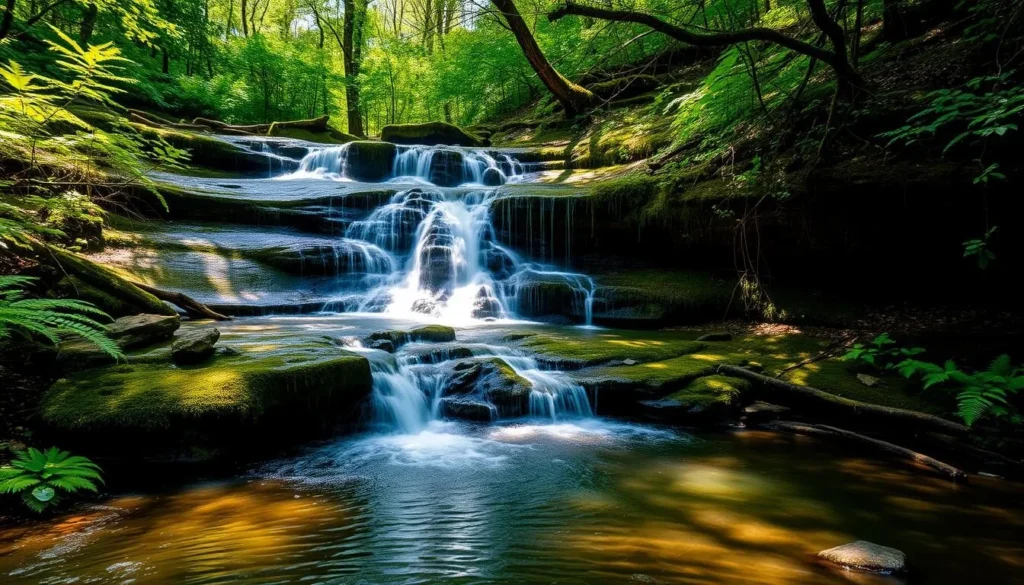
Just across the state line in Mississippi lies Clark Creek Natural Area, locally known as Tunica Falls. This 283-hectare (700-acre) preserve features approximately 50 waterfalls, some reaching heights of 9 m (30 feet). Two main trails provide access to these refreshing spring-fed cascades – a conventional 2.8 km (1.75 mile) trail with wooden stairs and a more challenging 4.2 km (2.6 mile) primitive trail.
Wildlife viewing opportunities abound throughout the byway. The area is home to white-tailed deer, wild turkeys, and rare eastern chipmunks. Birdwatchers can spot species uncommon in Louisiana, such as the worm-eating warbler and Cooper’s hawk. This rich avian diversity inspired naturalist John James Audubon, who painted many of his famous bird illustrations while staying in the area during the early 1800s.
Nature & Outdoor Experiences
The Tunica Trace Scenic Byway region offers some of Louisiana’s most distinctive outdoor experiences, thanks to its unusual terrain and diverse ecosystems.
Hiking & Exploration
The southern tract of the Tunica Hills Wildlife Management Area features several well-marked trails that showcase the area’s unique topography. Trail A is a 7.7 km (4.8 mile) loop featuring sandy bayous and deep ravines. Trail B offers a shorter experience, while Trail C, a moderate 5.8 km (3.6 mile) loop, is considered the most exciting with its steep embankments and river crossings.
For those seeking waterfalls – a rarity in Louisiana – the nearby Clark Creek Natural Area in Mississippi is a must-visit destination. The conventional trail provides easier access to two main waterfalls via wooden steps, while the primitive trail offers a more challenging adventure to additional cascades. Visitors often cool off by wading in the refreshing spring-fed pools at the base of these falls.
Recreational Activities
Cycling enthusiasts appreciate the challenging terrain of the country roads surrounding the byway. The rolling hills provide a workout quite different from Louisiana’s typically flat landscapes. Local cycling groups occasionally organize group rides through the area, offering both camaraderie and safety.
Horseback riding provides a historical perspective on the byway, as travelers have used these routes on horseback for centuries. Cross Creek Stables offers three-hour guided rides through the hills, allowing visitors to experience the landscape at a leisurely pace while learning about the area’s natural history.
For wildlife enthusiasts, the Tunica Hills area offers excellent hunting opportunities during designated seasons. The Wildlife Management Area permits hunting for deer, turkey, and small game at specified times, while wild hogs and coyotes can be hunted year-round. All visitors must obtain self-clearing permits available at check station kiosks.
Photographers find endless inspiration in the Tunica Hills, from the dramatic landscape to the diverse plant and animal life. The area’s unique microclimate supports plant species found nowhere else in Louisiana, including rare ferns and wildflowers that thrive in the cool, moist ravines.
Safety, Etiquette & Local Customs
When exploring the Tunica Trace Scenic Byway and surrounding areas, keeping a few important safety considerations and local customs in mind will enhance your experience.
Safety Considerations
The winding roads of the byway require cautious driving, especially after rainfall when the clay soil can become slippery. Cell phone service can be limited or non-existent in parts of the Tunica Hills, so download maps in advance and inform someone of your planned route and expected return time if hiking or exploring remote areas.
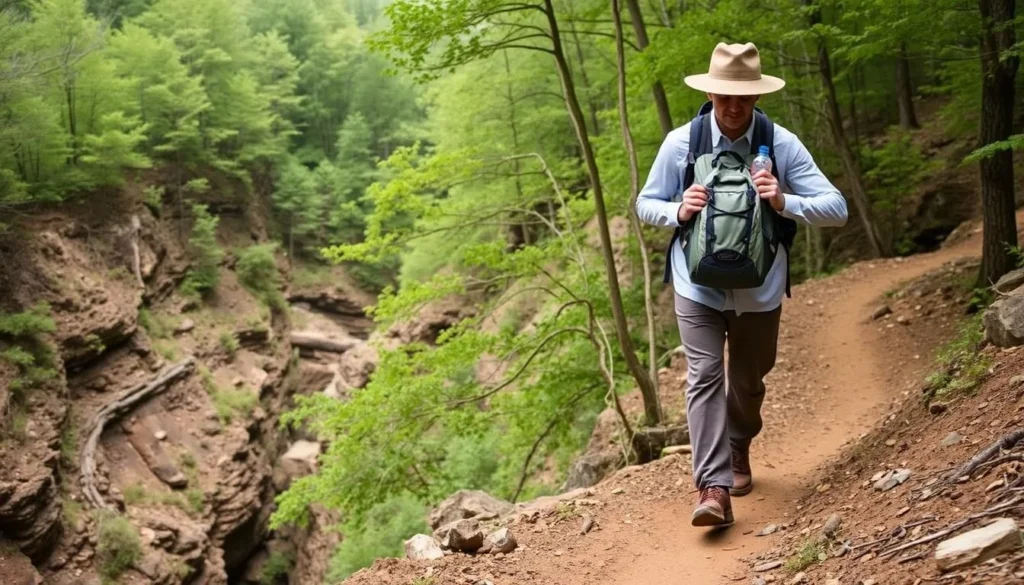
When hiking, wear appropriate footwear with good traction, as the trails can be steep and challenging. Bring plenty of drinking water, especially during summer months when temperatures and humidity can be high. Insect repellent is essential year-round but particularly important during warmer months when mosquitoes and ticks are active.
Be aware that the area is home to wildlife including snakes (some venomous) and wild boars. Keep a safe distance from all wildlife and never approach or feed animals. During hunting seasons, hikers should wear bright colors (orange is recommended) when exploring the Wildlife Management Area.
Local Etiquette
The Tunica Trace Scenic Byway passes through areas rich in both natural and cultural heritage. Practice “Leave No Trace” principles by packing out all trash and avoiding damage to plants and natural features. Stay on designated trails to prevent erosion and protect sensitive habitats.
When visiting historical sites and local businesses, respect the area’s cultural significance. The region has deep connections to Native American history, particularly the Tunica tribe for whom the area is named. Local residents take pride in preserving this heritage and appreciate visitors who show interest and respect.
If visiting during hunting seasons, be aware that hunting is an important cultural tradition in the area. The Wildlife Management Area has specific regulations regarding hunting and non-hunting activities, so check current rules before your visit.
Visitor Comments About Tunica Trace Scenic Byway
“I’ve traveled scenic byways across America, but the Tunica Trace offered something truly unexpected in Louisiana. The rolling hills and deep ravines felt more like Appalachia than the Gulf South. Hiking to the waterfalls in nearby Clark Creek was the highlight of our trip – a hidden gem that most tourists miss when visiting Louisiana.”
“We stayed in a cabin near the byway and spent three days exploring the area. The historical sites combined with natural beauty made for a perfect weekend getaway. Don’t miss the Pond Store – stepping inside feels like traveling back in time, and the owner shared fascinating stories about the area’s history that you won’t find in any guidebook.”
“As an international visitor, I found the Tunica Trace Scenic Byway to be a refreshing departure from the typical Louisiana tourist attractions. The landscape reminded me somewhat of forests in central Europe, yet with its own unique character. The local people were incredibly welcoming, and the natural diversity was impressive. A wonderful discovery!”
Additional Nearby Destinations
While the Tunica Trace Scenic Byway offers plenty to explore, several fascinating destinations within a short drive can enhance your visit to the area.
St. Francisville
Just minutes from the eastern terminus of the byway, the historic town of St. Francisville deserves at least a half-day exploration. This charming community features well-preserved 19th-century architecture, boutique shopping, and several historic plantations open for tours. The town hosts numerous events throughout the year, including the popular Audubon Pilgrimage in spring, which celebrates the area’s connection to naturalist John James Audubon.
Angola Prison Museum
Near the western terminus of the byway at the Louisiana State Penitentiary (Angola), visitors can explore the fascinating Angola Prison Museum. This unique institution documents the history of one of America’s most notorious prisons, now a model rehabilitation facility. Exhibits include historical prison artifacts, artwork by inmates, and displays about the prison’s famous rodeo held each October and April.

Baton Rouge, Louisiana’s capital city, lies about an hour’s drive south of the byway. Here you can visit the Old State Capitol, a Gothic architectural marvel housing a museum of political history, or explore Louisiana State University’s campus with its beautiful live oak trees and the habitat of Mike the Tiger, the university’s live mascot.
For those interested in extending their scenic drive, the Natchez Trace Parkway begins in Natchez, Mississippi, approximately 56 km (35 miles) northwest of the Tunica Trace Scenic Byway. This 715 km (444 mile) national parkway follows a historic travel corridor used by Native Americans and early European and American explorers.
Practical Travel Tips
A few practical considerations will help ensure your visit to the Tunica Trace Scenic Byway is enjoyable and hassle-free.
Your Louisiana Adventure Awaits
The Tunica Trace Scenic Byway offers a remarkable journey through a landscape that challenges preconceptions about Louisiana’s geography. From ancient Native American pathways to dramatic ravines, refreshing waterfalls to historic plantations, this hidden corner of the Pelican State rewards travelers who venture beyond the well-trodden tourist paths. Whether you’re hiking through the unique loess hills, exploring the area’s rich cultural heritage, or simply enjoying a leisurely drive through some of Louisiana’s most surprising scenery, the Tunica Trace Scenic Byway provides an authentic experience that captures the diverse beauty and history of this fascinating region. Pack your sense of adventure and prepare to discover one of Louisiana’s best-kept secrets.
The above is subject to change.
Check back often to TRAVEL.COM for the latest travel tips and deals.



0 Comments