Hotels by Trip.com
Flights by Trip.com
Did you know that White Lake Wetlands Conservation Area spans over 28,328 hectares (70,000 acres) and hosts more than 300 bird species throughout the year? This remarkable freshwater marsh system in Vermilion Parish represents one of Louisiana’s most pristine coastal wetlands. The area serves as a critical habitat for waterfowl and wading birds along the Gulf Coast migration route.
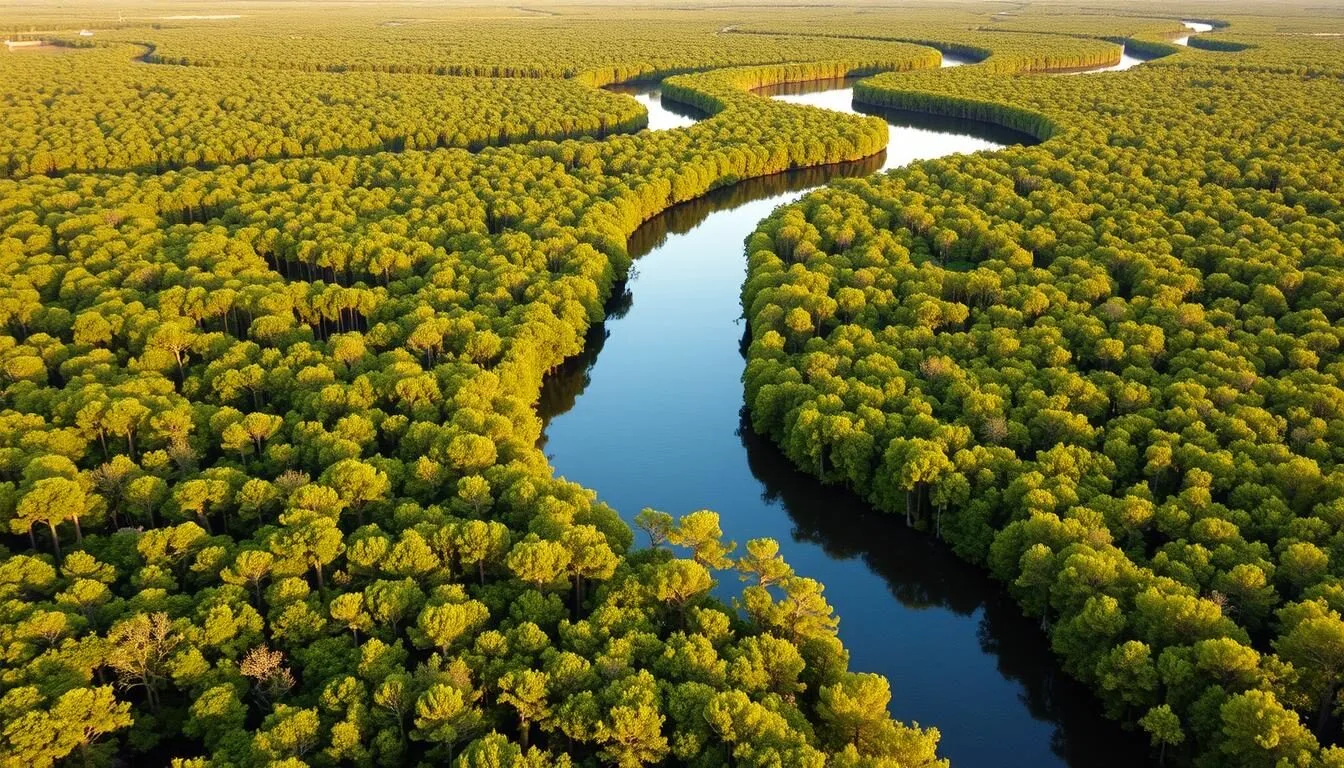
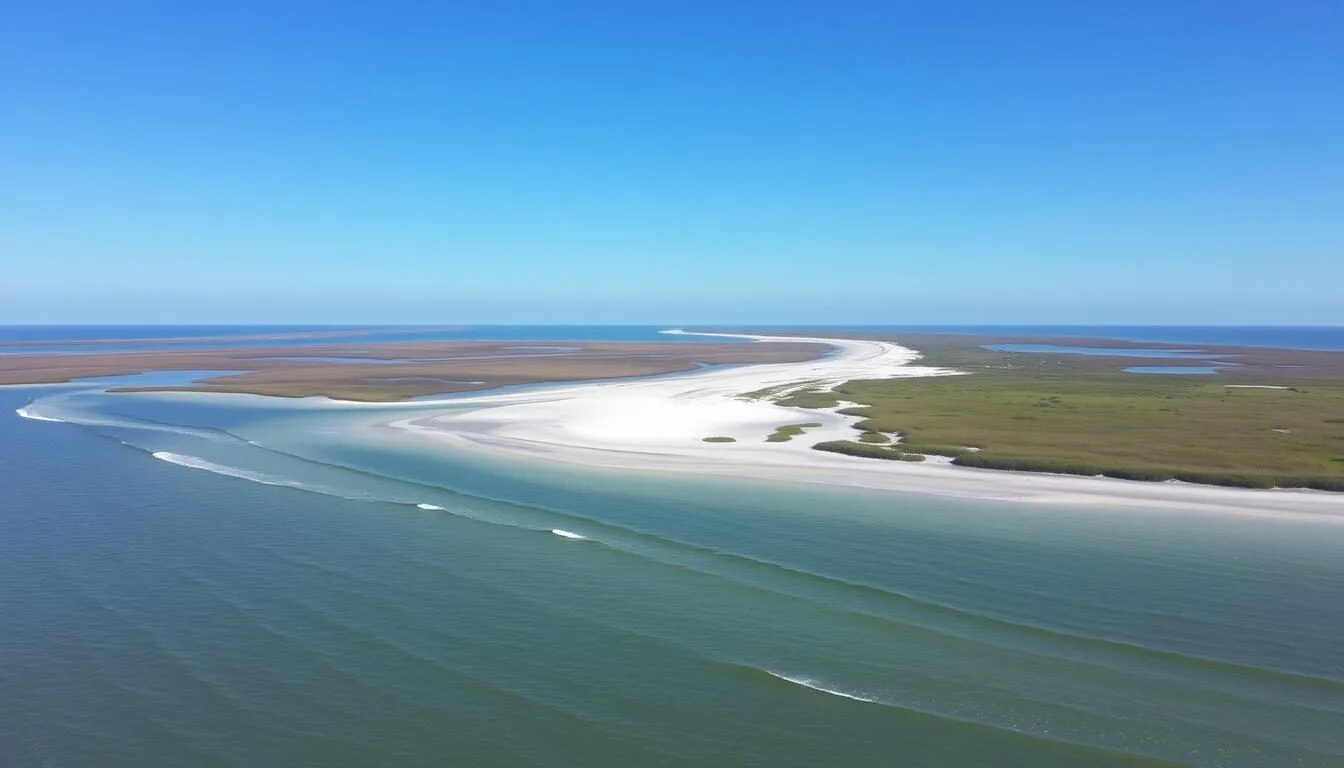
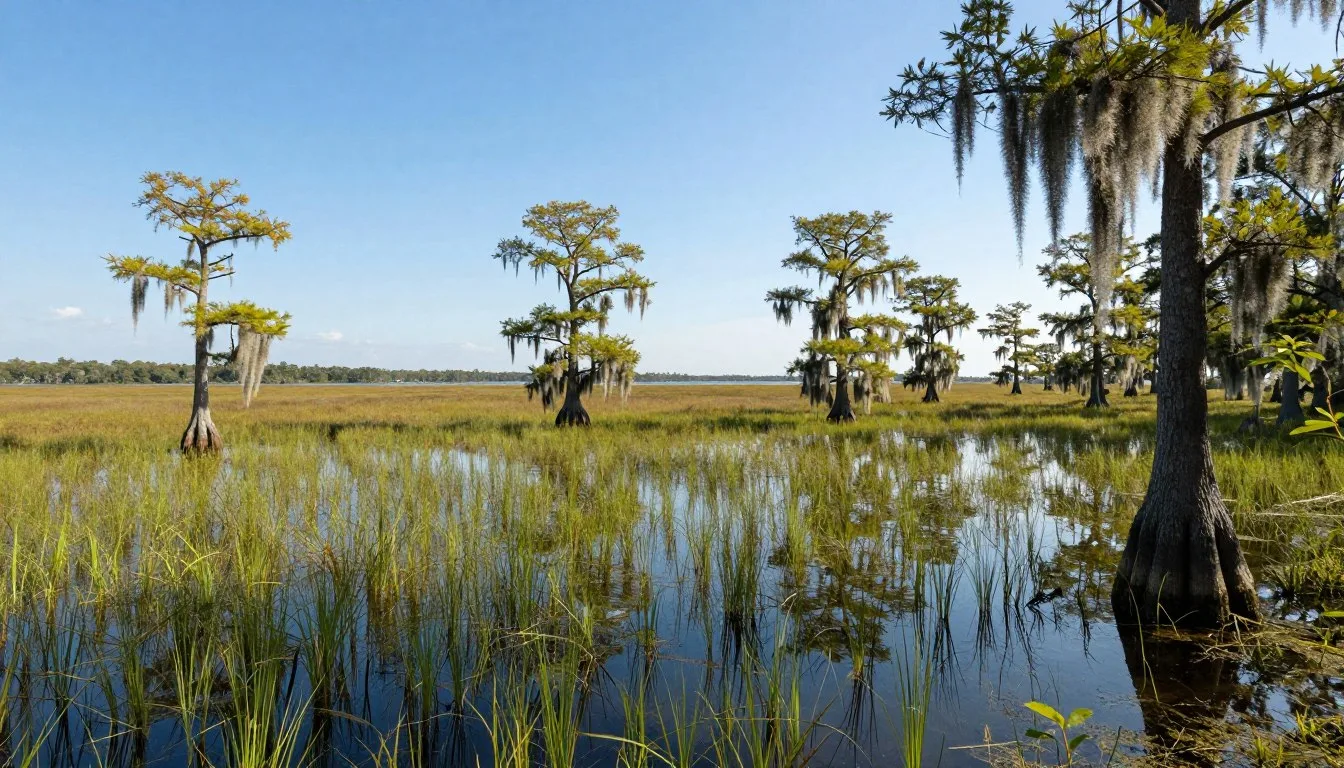
White Lake offers visitors an authentic Louisiana wilderness experience. The conservation area combines vast open water expanses with lush marsh vegetation. Spanish moss drapes from scattered cypress trees while alligators glide through mirror-smooth canals.
This guide provides comprehensive information for planning your White Lake adventure. Whether you seek world-class waterfowl hunting, exceptional birding opportunities, or peaceful kayaking through pristine wetlands, this conservation area delivers unforgettable experiences.
Getting There & Planning Your Journey
White Lake Wetlands Conservation Area sits approximately 40 kilometers (25 miles) southwest of Lafayette in south-central Louisiana. The conservation area lies between Abbeville and Gueydan in Vermilion Parish. Access to the area requires planning since it remains relatively remote.
The closest major airport is Lafayette Regional Airport, located about 56 kilometers (35 miles) northeast of the conservation area. This airport offers daily flights from major hubs including Dallas, Houston, and Atlanta. Rental car services operate directly from the airport.
Alternatively, Louis Armstrong New Orleans International Airport sits approximately 241 kilometers (150 miles) east. This larger airport provides more flight options but requires a longer drive time. Many visitors combine White Lake with New Orleans tourism.
From Lafayette, take Louisiana Highway 14 west toward Abbeville. Continue through Abbeville, then follow LA Highway 82 west. Turn south on South Gueydan Road to reach the main parking areas and trail access points. The drive takes approximately 50 minutes from Lafayette.
The conservation area maintains several parking access points along South Gueydan Road. The main parking area near the Florence Canal provides easiest access to the birding nature trail. Additional parking areas serve boat launches and hunting access points throughout the property.
Best Time to Visit & Weather Tips
The conservation area offers different experiences throughout the year. Peak seasons vary based on your primary interest. Understanding seasonal patterns helps maximize your White Lake experience.
Recommended Months for Visiting
October through March represents prime time for waterfowl hunting and birdwatching at White Lake. During these months, massive numbers of ducks and geese utilize the marsh habitat. Peak waterfowl populations typically occur from mid-November through January. Winter temperatures range from 7°C to 18°C (45°F to 65°F), creating comfortable conditions for outdoor activities.
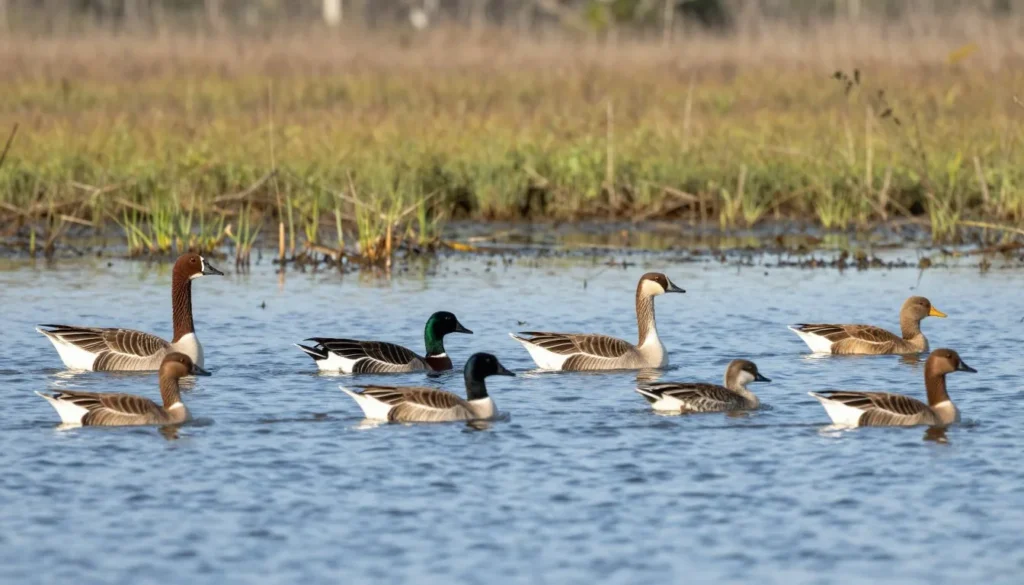
Spring migration from March through May brings spectacular birding opportunities. Wading birds, shorebirds, and songbirds pass through the conservation area in impressive numbers. Temperatures warm to 18°C to 27°C (65°F to 80°F). Wildflowers bloom across the marsh during this period.
✓ Check 30,000+ Local Sightseeing Tours Worldwide
Summer months (June through August) see fewer visitors due to high heat and humidity. Temperatures regularly exceed 32°C (90°F) with significant humidity. However, summer offers excellent opportunities for alligator viewing and fishing. Resident bird species nest and raise young during these months.
Months to Avoid
Late August through September brings peak hurricane season to coastal Louisiana. Tropical weather systems can produce dangerous conditions. The conservation area may close during tropical storms or hurricanes. These months also bring extreme heat and aggressive mosquito populations.
Heavy rainfall periods from May through June can produce flooding that limits access to certain areas. High water levels may restrict boat launch access and trail availability. Contact Louisiana Department of Wildlife and Fisheries at (225) 765-2360 for current conditions before visiting during wet periods.
Weather Considerations
Louisiana’s subtropical climate produces year-round outdoor opportunities but requires preparation. Summer heat demands early morning or late afternoon activities. Always carry plenty of drinking water. Winter cold fronts can drop temperatures significantly within hours.
Rain gear proves essential regardless of season. Afternoon thunderstorms occur frequently from spring through fall. These storms develop quickly and produce heavy rainfall. Lightning poses serious danger in the open marsh environment.
Getting Around Locally
White Lake Wetlands Conservation Area requires personal vehicle transportation. No public transit serves the area. Rental cars from Lafayette or New Orleans airports provide most convenient access. Standard passenger vehicles handle the paved roads to parking areas.
Within the conservation area, exploration occurs primarily by foot or boat. The birding nature trail near Florence Canal offers walking access. This maintained trail extends approximately 1.6 kilometers (1 mile) through prime habitat. Observation platforms along the trail provide elevated viewing opportunities.
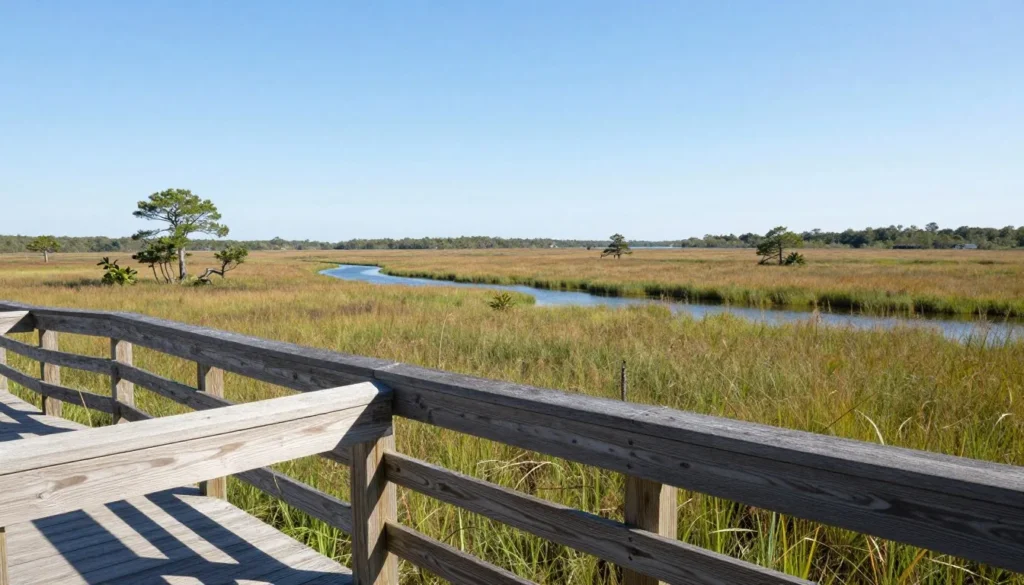
Boat access opens vast areas of the conservation area for exploration. Multiple boat launches accommodate various watercraft. Shallow-draft boats work best in the marsh environment. Kayaks and canoes provide quiet, non-motorized access ideal for wildlife viewing. Small motorboats allow hunters and fishermen to reach productive areas.
The extensive network of canals and natural waterways requires navigation skills. Bring detailed maps or GPS units. Cell phone service remains unreliable throughout much of the property. Inform someone of your plans before venturing into remote areas.
Where to Stay
The conservation area itself offers no overnight accommodations. Nearby communities provide lodging options ranging from budget motels to comfortable hotels. Most visitors base themselves in Abbeville or Gueydan for closest access.
Nearby Lodging Options
Gueydan, approximately 11 kilometers (7 miles) north, offers basic motel accommodations. This small town provides convenient access for early morning hunting or birding trips. Limited restaurant options mean some visitors prepare their own meals.
Abbeville, roughly 24 kilometers (15 miles) northeast, presents more lodging variety. This charming Cajun town features several chain hotels and local bed-and-breakfast establishments. Downtown Abbeville offers restaurants, shops, and cultural attractions. The town celebrates its French heritage through architecture and cuisine.
Lafayette provides the widest selection of accommodations approximately 56 kilometers (35 miles) away. Major hotel chains operate throughout the city. Vacation rental properties offer alternatives for groups or extended stays. Lafayette serves as an excellent base for exploring multiple south Louisiana attractions.
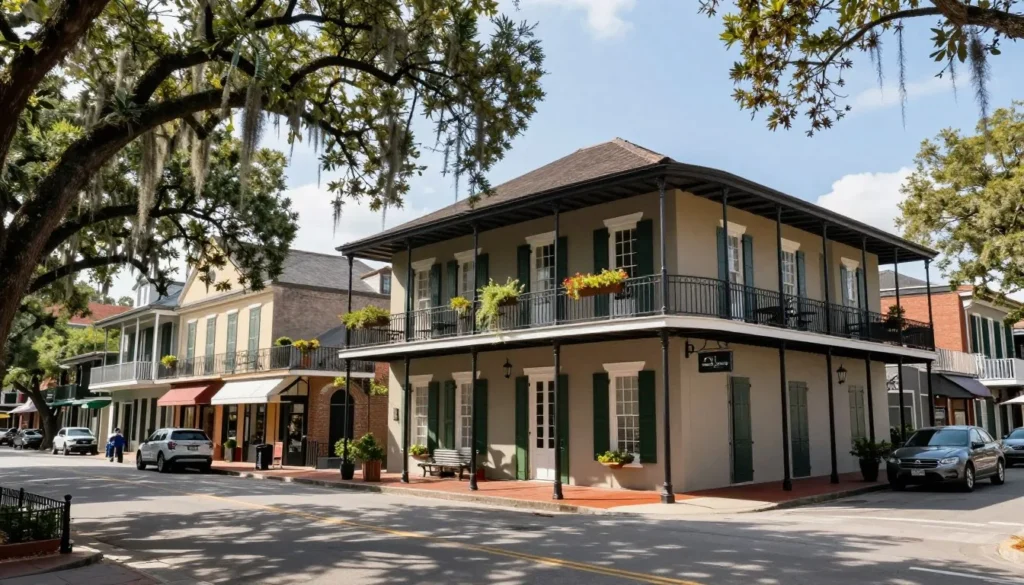
RV camping opportunities exist in the region though not within the conservation area itself. Private RV parks operate in Abbeville and surrounding communities. These facilities typically provide full hookups and amenities.
Dining & Local Cuisine
White Lake sits in the heart of Cajun country. The surrounding region offers outstanding local cuisine reflecting French Acadian heritage. Seafood dominates menus with fresh catches from nearby Gulf waters and local waterways.
Abbeville features several excellent Cajun restaurants. Local favorites serve crawfish étouffée, gumbo, jambalaya, and fried seafood platters. Many restaurants source ingredients locally. Fresh Gulf shrimp, Louisiana crawfish, and locally caught fish appear on seasonal menus.
Boudin, a spicy Cajun pork and rice sausage, represents essential local food. Stop at any boudin shop for this regional specialty. Cracklins (fried pork skins) provide another local snack favorite. Small meat markets throughout Vermilion Parish prepare these items fresh daily.
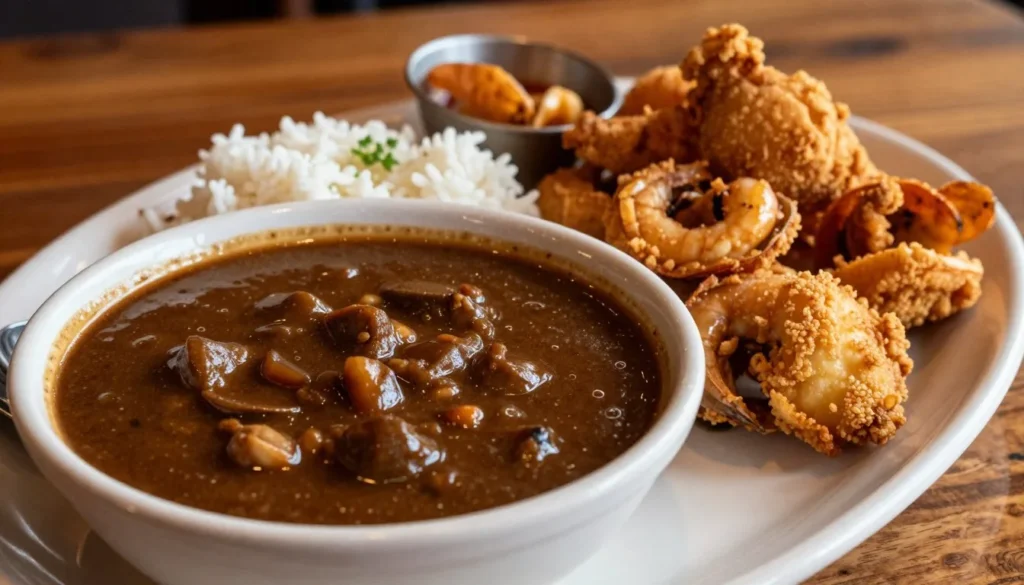
Lafayette offers extensive dining options spanning Cajun, Creole, and contemporary cuisine. The city’s restaurant scene has gained national recognition. Downtown Lafayette features numerous locally-owned establishments showcasing regional flavors.
Plan meals before or after visiting White Lake. The conservation area provides no food services. Bring snacks and plenty of water for day trips. Ice chests help keep food fresh during extended outdoor activities.
Attractions, Sightseeing & Activities
White Lake Wetlands Conservation Area protects one of Louisiana’s premier wildlife habitats. The conservation area offers diverse recreational opportunities centered on nature observation and outdoor sports. Activities vary by season and personal interests.
Waterfowl Hunting
White Lake ranks among Louisiana’s finest waterfowl hunting destinations. The conservation area hosts tremendous numbers of ducks and geese during fall and winter months. Species include mallards, pintails, teal, gadwall, widgeon, snow geese, and Canada geese. Peak hunting occurs from late November through January.
The Louisiana Department of Wildlife and Fisheries manages hunting access through a lottery system for some premium areas. Other areas operate on first-come, first-served basis. All hunters must possess appropriate Louisiana hunting licenses and federal waterfowl stamps. Contact Wildlife and Fisheries at (225) 765-2360 for current season dates, bag limits, and access information.
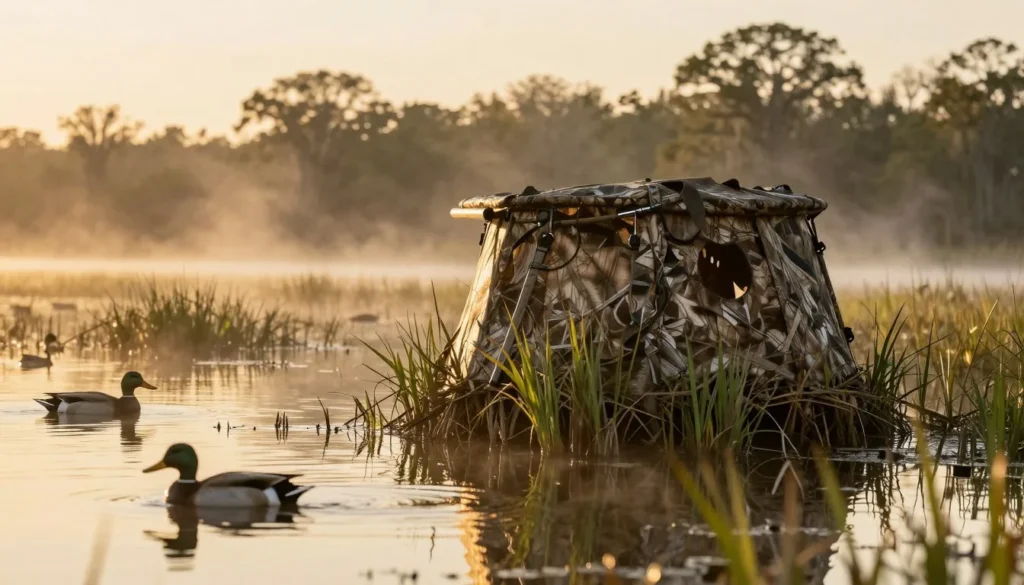
Hunters typically access the marsh via boat. Shallow-draft vessels navigate the canals and open water areas. Many hunters establish temporary blinds in the marsh. Some areas feature permanent blind sites available through lottery. Success rates remain high compared to other Louisiana public hunting areas.
The conservation area also allows hunting for other species during appropriate seasons. Rabbit and rail hunting opportunities exist in certain zones. Always review current regulations before hunting. Safety regulations require hunter orange during certain seasons.
Fishing Opportunities
White Lake provides excellent freshwater fishing throughout the year. The marsh ecosystem supports healthy populations of largemouth bass, redfish, and various panfish species. Fresh and brackish water zones create diverse fishing environments.
Bass fishing peaks during spring and fall months when temperatures moderate. Fish structure along canals, levees, and vegetation edges. Topwater lures work well during early morning and late afternoon periods. Plastic worms and spinnerbaits produce consistent results.
Redfish frequent the marsh year-round. These hard-fighting fish inhabit shallow water areas throughout the conservation area. Gold spoons, soft plastic baits, and live shrimp all catch redfish effectively. Wade fishing and kayak fishing put anglers into productive water.
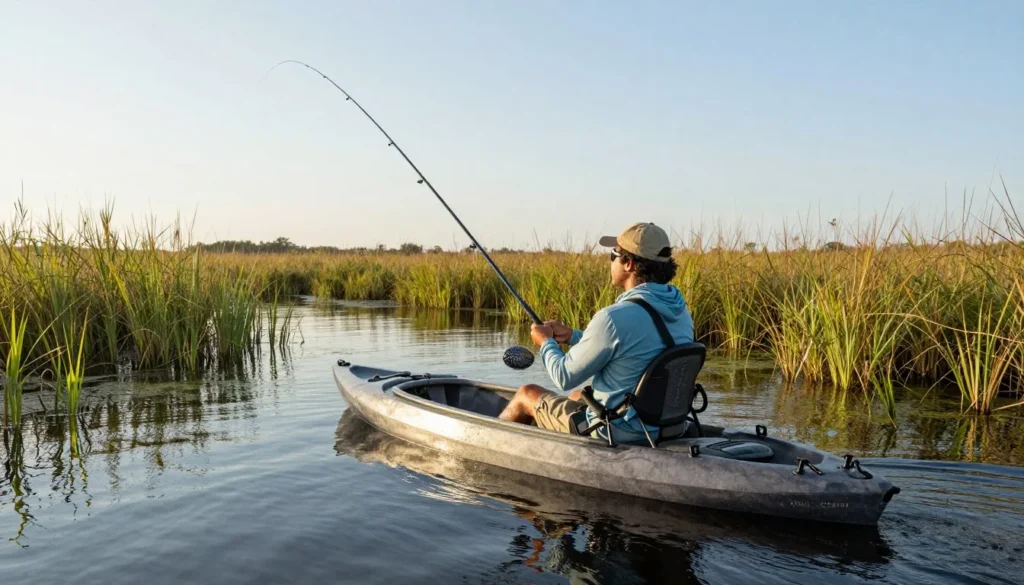
Louisiana fishing licenses apply to all anglers. Additional saltwater licenses may be required depending on location within the property. Check current regulations with Louisiana Department of Wildlife and Fisheries.
Birdwatching Excellence
Bird enthusiasts travel from across North America to experience White Lake. The conservation area’s location along the Mississippi Flyway concentrates migrating birds. Over 300 species have been documented on the property. The diversity and abundance create world-class birding opportunities.
Winter months bring massive waterfowl concentrations. Ducks and geese number in the tens of thousands. Species variety impresses even experienced birders. Roseate spoonbills, white ibis, and numerous heron species feed in the shallows. Bald eagles hunt over the marsh during winter.
Spring migration produces spectacular displays of wading birds and shorebirds. Thousands of white pelicans stop at White Lake during migration. Prothonotary warblers and other songbirds pass through the area. May brings peak diversity as both winter visitors and summer residents overlap.
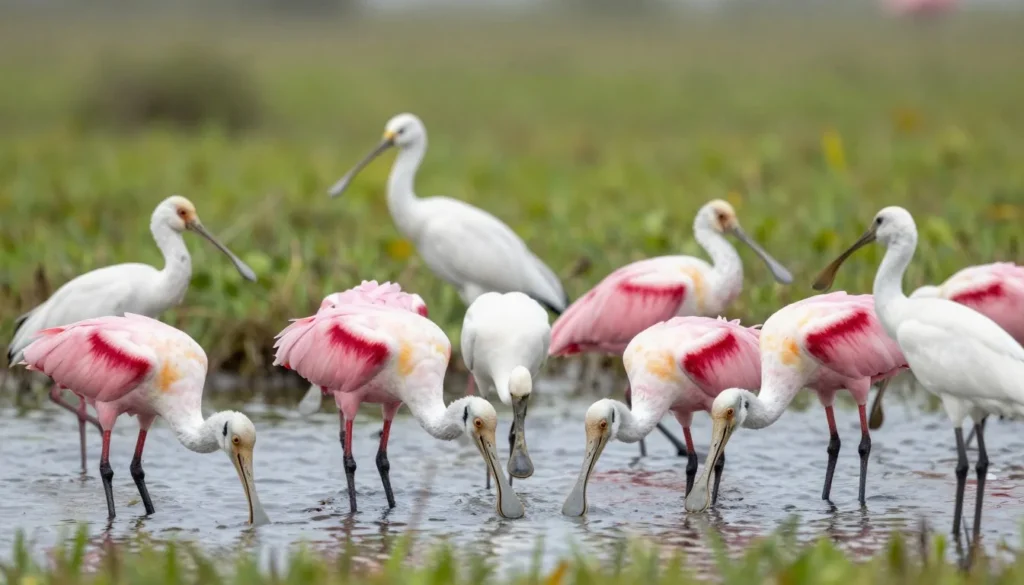
Summer resident species include purple gallinules, king rails, and least bitterns. These secretive marsh birds nest in the dense vegetation. Patient observers may spot alligators and other wildlife during summer months.
The birding nature trail near Florence Canal provides excellent observation opportunities without a boat. This accessible trail features observation platforms and interpretive signage. Early morning visits produce best results when birds actively feed.
Photography Opportunities
White Lake offers outstanding opportunities for nature and wildlife photography. Dramatic landscapes change with seasons and light conditions. Wildlife abundance provides subjects from massive flocks of waterfowl to intimate portraits of wading birds.
Golden hour lighting transforms the marsh into magical scenes. Sunrise and sunset produce spectacular color across the vast wetlands. Calm morning waters create perfect reflections. Storm clouds add drama to landscape compositions.
Long telephoto lenses prove essential for wildlife photography. Birds often remain distant from observation points. Tripods or monopods help stabilize heavy lenses. Bring adequate memory cards and batteries since opportunities abound.
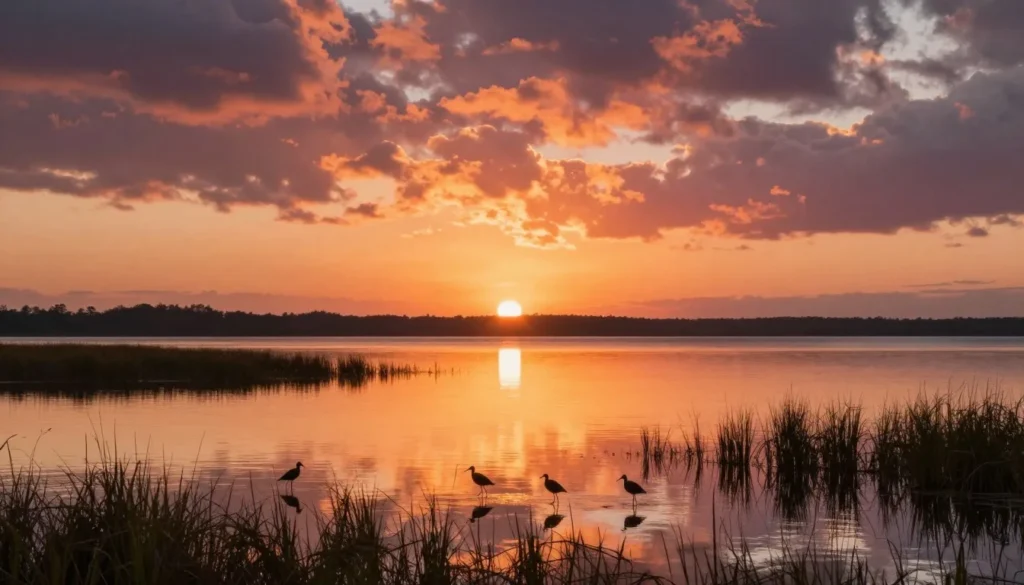
Weather protection for camera equipment remains important. Afternoon thunderstorms develop quickly. Boat-based photography requires weather-sealed equipment. Consider protective covers for electronics in the humid environment.
Museums, Cultural Spots & Festivals
While White Lake itself focuses on natural experiences, surrounding communities offer cultural attractions. The region celebrates its unique Cajun and Creole heritage through museums, historic sites, and festivals.
Abbeville’s historic downtown district features preserved architecture from the late 1800s. The Abbeville Cultural and Historical Alliance operates a museum in the restored Magdalen Square. Exhibits explore local history including Cajun culture and the oil industry’s impact on the region.
Gueydan celebrates its agricultural heritage through the annual Duck Festival. This fall event coincides with the opening of duck hunting season. The festival features live music, local food vendors, and waterfowl calling competitions. It provides authentic exposure to local marsh culture.
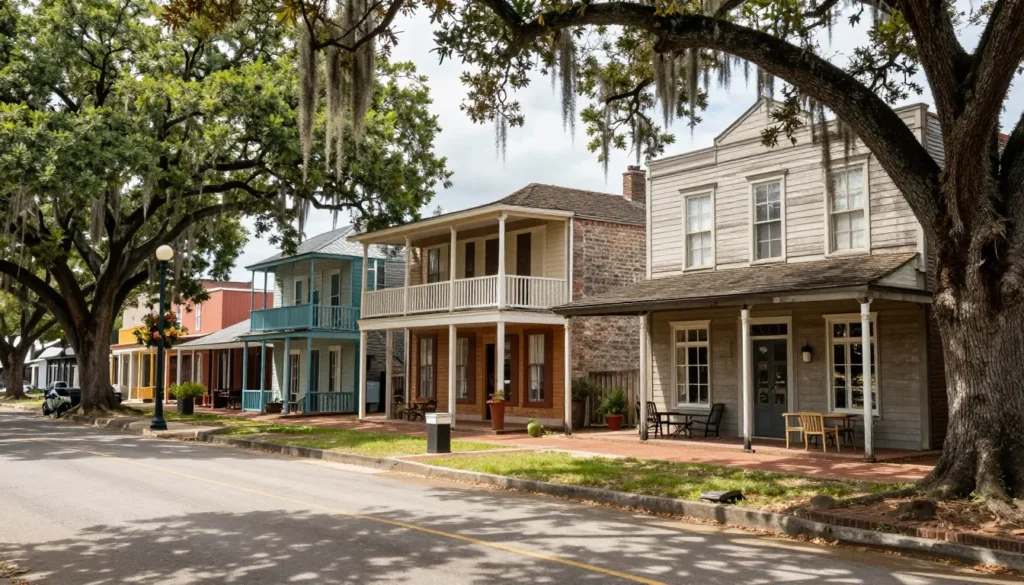
Lafayette serves as the cultural hub of Acadiana region. The Acadian Cultural Center, part of Jean Lafitte National Historical Park, explores Cajun history and culture. Vermilionville Historic Village recreates 18th and 19th century Cajun and Creole life through restored historic buildings.
Live Cajun music remains integral to regional culture. Lafayette features numerous venues with regular Cajun and zydeco performances. Dance halls welcome visitors to experience traditional music and dancing. Festival Internationale de Louisiane each April showcases francophone cultures through music and art.
Nature & Outdoor Experiences
White Lake provides immersive nature experiences throughout the year. The conservation area’s vast expanse creates opportunities for solitude and wildlife observation. Multiple access methods suit different interests and abilities.
Florence Canal Birding and Nature Trail
The maintained nature trail along Florence Canal offers the most accessible wildlife viewing at White Lake. This 1.6-kilometer (1-mile) trail features crushed shell surface suitable for walking. Observation platforms placed along the trail provide elevated viewing over the marsh habitat.
Interpretive signage explains marsh ecology and identifies common species. The trail passes through various habitat types from open water to dense marsh vegetation. Wildlife sightings are virtually guaranteed during early morning visits.
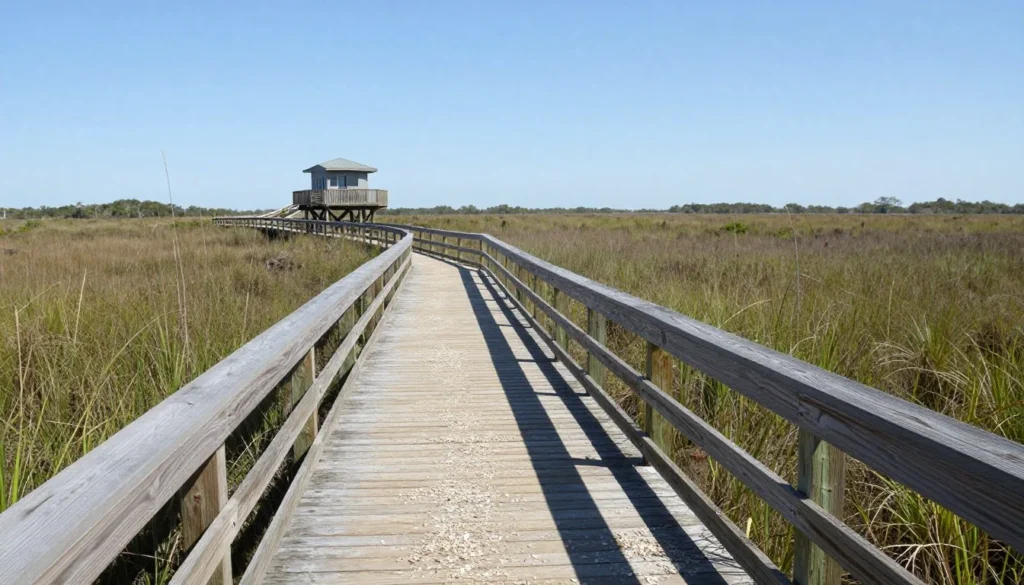
Spring and fall migration periods produce exceptional birding along the trail. Winter brings large waterfowl concentrations visible from the platforms. Summer mornings offer opportunities to observe resident marsh birds and alligators.
The trail remains open during daylight hours year-round. No fee applies for trail access. Parking areas near the trailhead accommodate multiple vehicles. Facilities remain basic with no restrooms or water available.
Kayaking and Canoeing
Paddling provides intimate access to White Lake’s diverse habitats. The extensive network of canals and bayous creates endless exploration opportunities. Shallow water depth throughout most areas suits kayaks and canoes perfectly.
Launch sites along South Gueydan Road accommodate paddle craft. Early morning paddles offer calm water and active wildlife. The mirror-smooth water reflects dramatic skies during sunrise. Afternoon winds can create challenging paddling conditions.
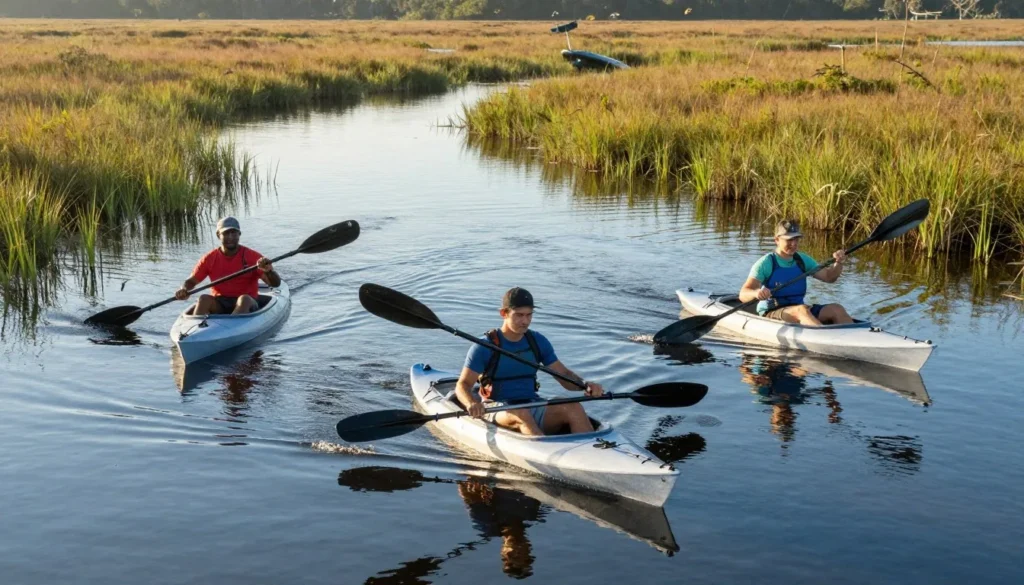
Paddlers should possess navigation skills and bring detailed maps. The flat landscape and uniform marsh vegetation make orientation difficult. GPS units or smartphone apps help prevent getting lost. Always inform someone of your paddling plans and expected return time.
Wildlife viewing from kayaks produces magical experiences. Quiet paddling allows close approaches to wading birds and waterfowl. Alligators frequently bask along canal banks. Roseate spoonbills often feed in shallow areas accessible only by small craft.
Landscape and Ecosystem Appreciation
White Lake represents one of Louisiana’s most important coastal wetland ecosystems. The conservation area protects critical habitat for countless species. Understanding the marsh ecosystem enhances appreciation for this unique environment.
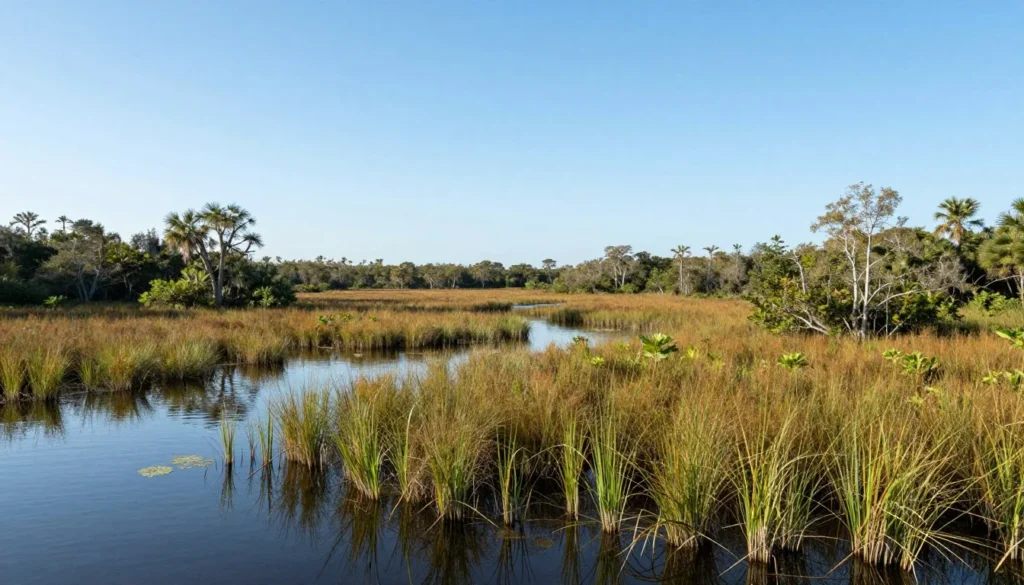
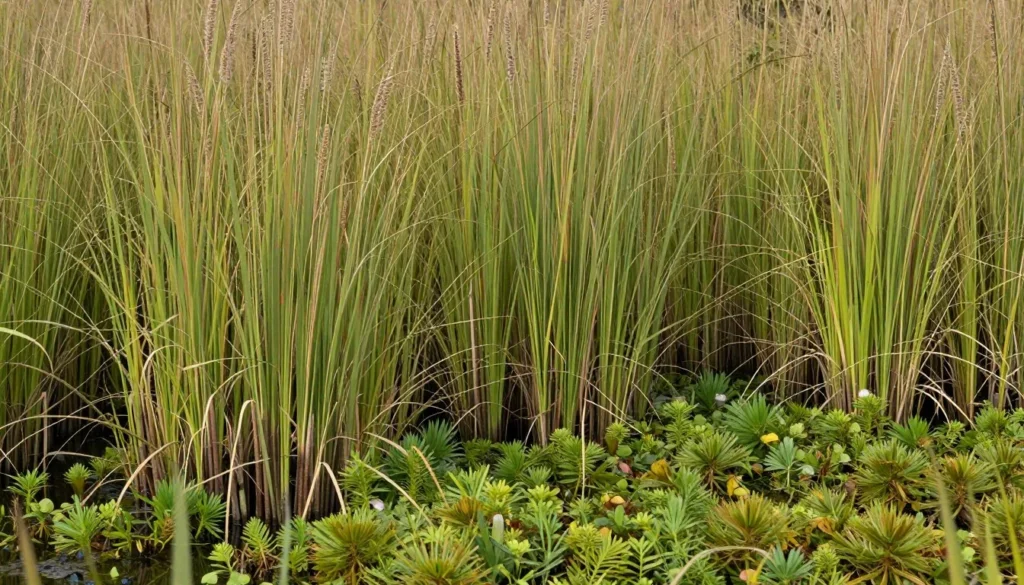
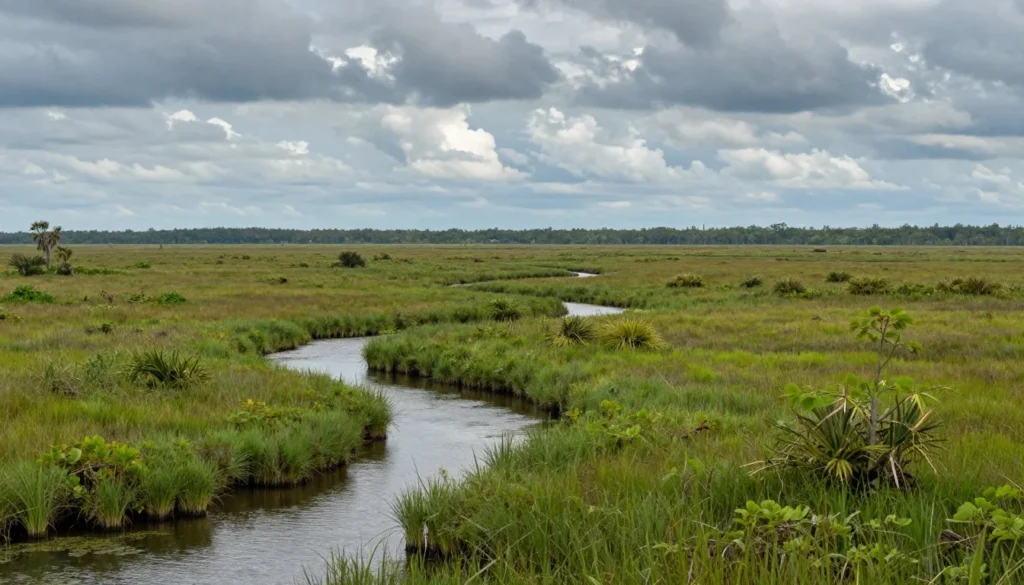
The property consists primarily of freshwater marsh vegetation. Dominant plants include roseau cane, bulltongue, wiregrass, and various sedges. These plants create dense cover for wildlife while helping protect the Louisiana coast from storm surge.
Water management through levees and control structures maintains optimal habitat conditions. The Louisiana Department of Wildlife and Fisheries actively manages water levels to benefit waterfowl and other wildlife. This management replicates natural hydrological patterns that historically existed.
Oil and gas infrastructure remains visible throughout portions of the conservation area. Canals originally dug for oil exploration now serve as valuable fish and wildlife habitat. This demonstrates how land use and conservation can coexist when properly managed.
The marsh serves vital ecological functions beyond wildlife habitat. Wetlands filter water, store floodwaters, and protect coastal communities from storms. White Lake contributes significantly to Louisiana’s coastal ecosystem services.
Safety, Etiquette & Local Customs
Visiting White Lake requires preparation and awareness. The remote wetland environment presents unique challenges. Following safety guidelines ensures enjoyable and responsible experiences.
Wildlife Safety
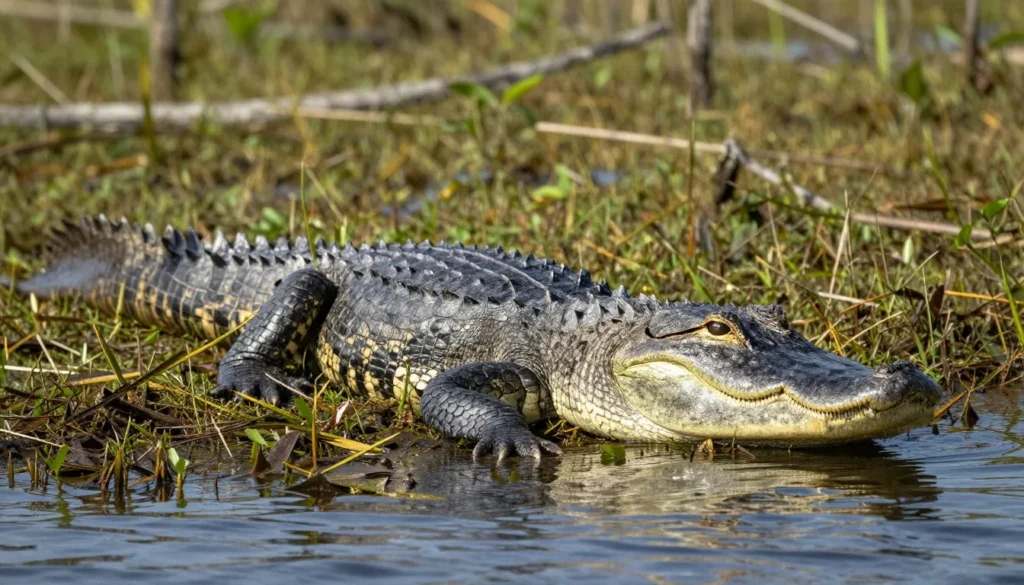
Alligators inhabit White Lake year-round. These large reptiles deserve respect and distance. Never approach or feed alligators. Maintain at least 18 meters (60 feet) distance. Alligators become more active during warm months. Watch for them along canal banks and shallow water areas.
Venomous snakes including cottonmouths and rattlesnakes occur throughout the marsh. Watch where you step and place your hands. Wear sturdy boots when walking through vegetation. Most snake encounters end peacefully if you give them space to retreat.
✓ Check 30,000+ Local Sightseeing Tours Worldwide
Insects present significant challenges particularly from spring through fall. Mosquitoes can be aggressive and numerous. Apply effective insect repellent before entering the marsh. Reapply regularly according to product directions. Long sleeves and pants provide additional protection despite heat.
Environmental Conditions
Summer heat combined with high humidity creates potentially dangerous conditions. Heat exhaustion and heat stroke threaten unprepared visitors. Start activities early in the morning. Carry abundant water and drink regularly. Wear light-colored, breathable clothing.
Afternoon thunderstorms develop rapidly during warm months. Lightning poses extreme danger in the open marsh. Monitor weather conditions and seek shelter if storms approach. Avoid being the tallest object in the flat landscape.
Winter cold fronts can drop temperatures dramatically within hours. Layer clothing to adjust for changing conditions. Hypothermia risks increase if you get wet in cold weather. Bring extra clothing in waterproof bags.
Navigation and Communication
Cell phone coverage remains unreliable throughout much of White Lake. Do not depend on phones for emergency communication. Bring navigation tools including maps, compass, or GPS units. Mark your parking location carefully.
Always inform someone of your plans including expected return time. The marsh’s uniformity makes getting lost easy. Establish landmarks and note your route. Consider bringing emergency signaling devices for remote explorations.
Regulations and Etiquette
Respect all posted regulations and closures. Certain areas may be closed seasonally to protect nesting wildlife. Hunting seasons require appropriate licenses and follow specific bag limits. Contact Louisiana Department of Wildlife and Fisheries at (225) 765-2360 for current regulations.
Practice Leave No Trace principles. Pack out all trash and gear. Avoid disturbing wildlife particularly during nesting seasons. Stay on designated trails where they exist. Respect other visitors by maintaining reasonable noise levels.
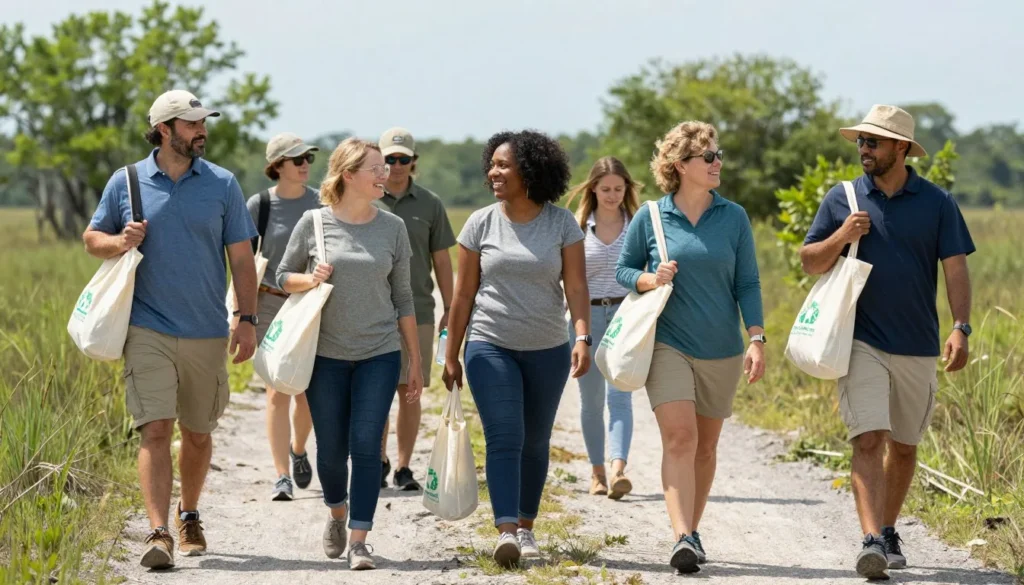
Local customs reflect Cajun culture and marsh traditions. Greet other visitors and locals with friendliness. Many longtime users possess valuable knowledge about the area. Hunters and fishermen typically welcome respectful questions about conditions and wildlife activity.
Visitor Comments About White Lake Wetlands Conservation Area
C.R., Jeddah
“White Lake exceeded every expectation for waterfowl hunting. The sheer numbers of ducks and geese amazed me. We limited out by mid-morning on pintails and teal. The marsh stretched endlessly in every direction creating a true wilderness feeling. Louisiana Department of Wildlife and Fisheries manages this property exceptionally well. I’ve hunted across North America and White Lake ranks among the very best public hunting areas.”
G.H., Skipton
“As a birder visiting from the UK, White Lake provided incredible species diversity. I added fifteen life birds during a three-day visit. Roseate spoonbills feeding alongside white ibis created unforgettable scenes. The Florence Canal trail offered excellent viewing without needing a boat. Spring migration concentrations were simply spectacular. Any serious birder should experience this Louisiana gem.”
T.C., Durham
“Kayaking through White Lake’s canals gave me a new appreciation for coastal wetlands. The solitude and natural beauty provided perfect escape from daily life. Wildlife encounters included alligators, countless wading birds, and a bald eagle hunting over the marsh. The vastness of the conservation area impressed me most. You can paddle for hours exploring different habitats. Bring good navigation tools because the marsh all looks similar.”
Additional Nearby Destinations
White Lake’s location in south Louisiana provides access to numerous other attractions. Combining White Lake with nearby destinations creates comprehensive Louisiana experiences.
Avery Island
Located approximately 48 kilometers (30 miles) east, Avery Island offers the Jungle Gardens and Tabasco factory tour. This 65-hectare (161-acre) botanical garden features lush subtropical vegetation and wildlife including alligators and snowy egrets. The Tabasco pepper sauce factory tour explores the famous condiment’s 150-year history.
Rockefeller Wildlife Refuge
This neighboring coastal wildlife refuge sits approximately 40 kilometers (25 miles) southwest. The 33,181-hectare (82,000-acre) refuge protects similar marsh habitats. Public access remains more limited than White Lake but viewing opportunities exist along Grand Chenier Highway.
Lafayette Cultural Attractions
Lafayette serves as Acadiana’s cultural capital with numerous attractions. Downtown Lafayette features live music venues, restaurants, and galleries. The University of Louisiana at Lafayette campus includes art galleries and performance spaces. Festival season brings numerous cultural celebrations.
Gulf Coast Beaches
Louisiana’s Gulf Coast beaches lie approximately 80 kilometers (50 miles) south. Cameron Parish offers wild, undeveloped beaches popular with shorebird enthusiasts. Holly Beach provides the closest beach access with basic amenities. These beaches lack the development of other Gulf Coast destinations but offer authentic coastal experiences.
Practical Travel Tips
Successful White Lake visits require proper preparation. These practical tips help ensure safe and enjoyable experiences.
What to Bring
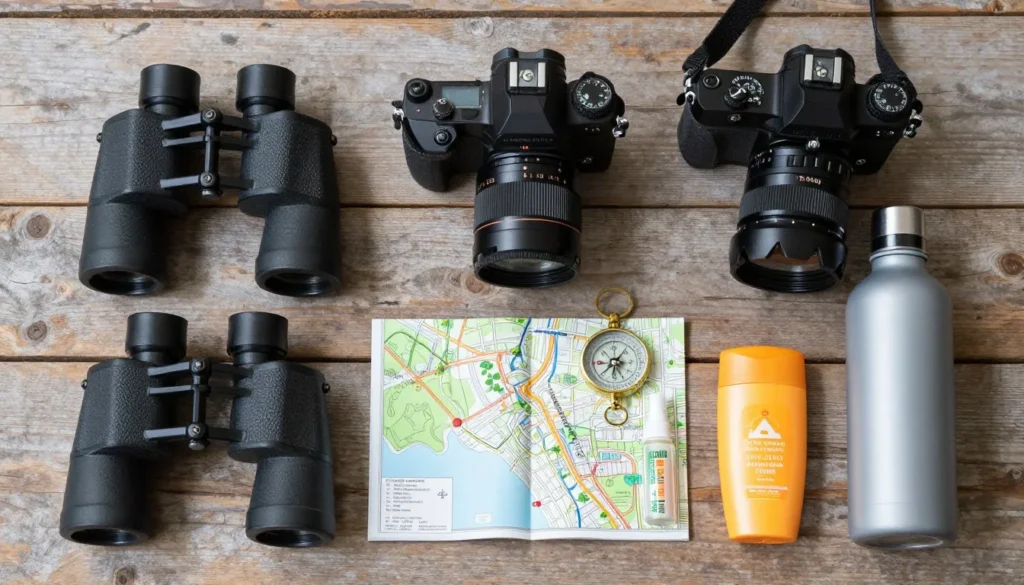
- Binoculars or spotting scope for wildlife observation
- Camera equipment with telephoto lens
- Detailed maps or GPS navigation device
- Plenty of drinking water in reusable containers
- Effective insect repellent containing DEET
- Sunscreen with high SPF protection
- Hat and sunglasses for sun protection
- Weather-appropriate layered clothing
- Waterproof bags for electronics and valuables
- First aid kit with basic supplies
- Snacks and lunch for day trips
- Appropriate permits and licenses for hunting or fishing
Fees and Permits
White Lake Wetlands Conservation Area charges no entrance fees for general access. Parking at designated areas remains free. However, specific activities require appropriate licenses.
Hunting requires valid Louisiana hunting license plus appropriate state and federal waterfowl stamps. Some premium hunting areas require additional lottery permits. Fishing requires Louisiana fishing license with saltwater license for certain areas. Contact Louisiana Department of Wildlife and Fisheries at (225) 765-2360 for current license requirements and fees.
Accessibility Considerations
The Florence Canal nature trail provides the most accessible wildlife viewing. The crushed shell surface accommodates most mobility levels though some sections may challenge wheelchair users. Observation platforms include steps limiting access for some visitors.
Boat-based exploration requires physical ability to launch and operate watercraft. The remote environment lacks facilities for visitors with significant mobility limitations. Contact Louisiana Department of Wildlife and Fisheries for specific accessibility information.
Seasonal Considerations
Plan clothing and gear appropriate for the season. Winter hunting requires warm, waterproof layers. Summer activities demand sun protection and hydration. Shoulder seasons offer most comfortable conditions but require flexibility for changing weather.
Check hunting season dates if visiting during fall and winter. Wear hunter orange if required during gun seasons. Non-hunters should be aware of hunting activity and exercise appropriate caution.
Local Resources
Louisiana Department of Wildlife and Fisheries manages White Lake. Their office provides maps, regulations, and current conditions information. Call (225) 765-2360 for assistance with trip planning.
Local bait and tackle shops in Gueydan and Abbeville offer area knowledge and supplies. These businesses provide valuable information about current fishing and hunting conditions. Many shops also rent boats and sell hunting licenses.
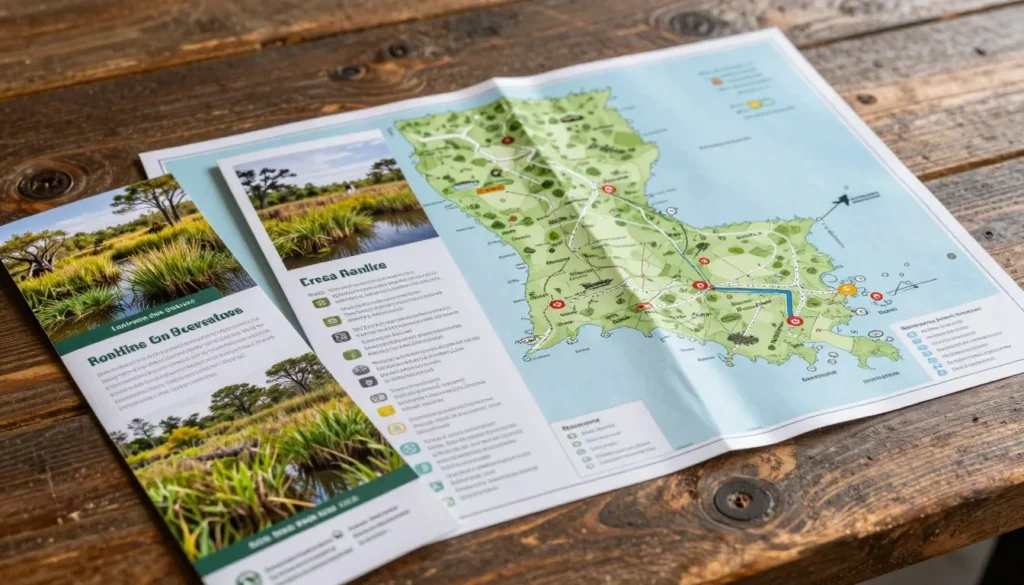
Your White Lake Adventure Awaits
White Lake Wetlands Conservation Area represents Louisiana’s natural heritage at its finest. This vast freshwater marsh ecosystem provides refuge for countless wildlife species while offering visitors authentic wilderness experiences. Whether you seek the excitement of waterfowl hunting, the serenity of paddling quiet canals, or the thrill of observing rare birds, White Lake delivers unforgettable moments.
The conservation area’s accessibility combined with its remote character creates perfect balance. You can explore pristine wetlands while knowing civilization remains nearby. Each season brings different opportunities from winter waterfowl spectacles to summer fishing adventures.
Start planning your White Lake journey today. Contact Louisiana Department of Wildlife and Fisheries at (225) 765-2360 for current conditions and permit information. The marsh awaits your discovery. Its timeless beauty and abundant wildlife will leave you planning your return visit before you even depart.