Hotels by Trip.com
Flights by Trip.com
Did you know that Boston Harbor Islands National Recreation Area comprises 34 islands and peninsulas, yet fewer than half are accessible to the public? This hidden archipelago sits just minutes from downtown Boston, offering an unexpected escape into nature, history, and adventure.
These islands hold centuries of stories. From Civil War fortifications to Native American shell middens, each island reveals layers of American history. The park protects over 486 hectares (1,200 acres) of land and water resources.
Whether you seek hiking trails, camping under the stars, or exploring historic sites, the Boston Harbor Islands deliver experiences that rival any mainland destination. The islands national recreation area partnership manages this unique treasure, making it accessible to millions of visitors each year.
Getting There and Planning Your Journey
Reaching the Boston Harbor Islands is straightforward. The primary access point is Long Wharf in downtown Boston. Ferry service operates seasonally from May through October, connecting visitors to the most popular islands.
Logan International Airport sits just 11 kilometers (7 miles) from Long Wharf. It serves as the closest major airport. From there, you can take a taxi, rideshare, or public transportation to the ferry terminal. The Massachusetts Bay Transportation Authority (MBTA) Blue Line stops at Aquarium Station, just a short walk from the departure point.
Ferry tickets should be purchased in advance during peak summer months. The Boston Harbor Islands ferry operates multiple daily departures to Georges Island, Spectacle Island, and other accessible locations. Service typically begins at 9:00 AM with the last return ferry around 5:00 PM.
Plan to arrive at Long Wharf at least 30 minutes before your scheduled departure. The ferry ride to most islands takes between 15 and 45 minutes, depending on your destination. Round-trip tickets are required, as same-day inter-island travel is limited.
For those driving, several parking garages near Long Wharf offer daily rates. However, public transportation is recommended due to limited and expensive parking in downtown Boston.
Best Time to Visit and Weather Tips
The Boston Harbor Islands National Recreation Area shines brightest from late May through early October. This window offers the most reliable weather and full ferry service to all accessible islands.
Recommended Months
June through September represents peak season. Temperatures range from 21°C to 27°C (70°F to 81°F), perfect for outdoor activities. July and August see the warmest weather but also the largest crowds.
September stands out as an ideal visiting month. The summer crowds diminish, temperatures remain comfortable, and fall colors begin appearing on Thompson Island and Peddocks Island. Ferry service continues through mid-October on most routes.
Months to Avoid
November through April brings cold temperatures and suspended ferry service. Most islands close to visitors during winter months. The harbor waters can be rough, and strong winds make conditions challenging.
Early May can be unpredictable. While some ferry routes begin operating, weather remains cool with temperatures around 13°C to 16°C (55°F to 61°F). Rain is common during spring transition periods.
Check 30,000+ Local Sightseeing Tours Worldwide
✓ Numerous languages and currencies are available
Weather Considerations
Ocean conditions affect island visits year-round. Pack layers, as temperatures on the islands run 3°C to 5°C (5°F to 10°F) cooler than downtown Boston. Wind speeds increase significantly on exposed coastlines.
Check weather forecasts before departure. Sudden fog banks can roll in during summer afternoons. The National Park Service may cancel ferry service due to high winds or storms.
- Bring sunscreen and hats for sun protection during summer visits
- Pack rain gear, as afternoon showers occur frequently in June and July
- Wear sturdy footwear suitable for rocky terrain and uneven trails
- Carry extra water, as facilities are limited on most islands
Getting Around Locally

Transportation between islands requires planning. The primary ferry service connects Georges Island with Spectacle Island, Peddocks Island, and other locations. However, inter-island ferry runs operate on limited schedules with specific departure times.
Georges Island serves as the central hub. After arriving from Long Wharf, you can catch connecting ferries to other islands. These inter-island shuttles typically run every 60 to 90 minutes during peak season.
Most islands are small enough to explore on foot. Trails range from easy half-mile loops to moderate 3-kilometer (2-mile) hikes. No vehicles are permitted on the islands, creating peaceful environments for walking and hiking.
Water taxis offer private transportation options for groups. Several companies provide charter services to less-visited islands like Grape Island or Bumpkin Island. These services require advance booking and cost more than regular ferry tickets.
Kayaking between islands appeals to experienced paddlers. The harbor islands national state park allows kayak access, though strong currents and boat traffic demand caution. Several outfitters in Boston offer guided kayak tours departing from the mainland.
Where to Stay
Accommodation options split between island camping and mainland hotels. Each choice offers distinct advantages depending on your preferred experience.
Island Camping
Camping is available on several islands from late May through early October. Spectacle Island, Peddocks Island, Grape Island, Bumpkin Island, and Lovells Island offer designated camping sites. Reservations must be made in advance through the reservation system.
Camping facilities are primitive. Most sites provide composting toilets and water sources, but no electrical hookups or showers exist. Pack all necessary camping gear, including tents, sleeping bags, and cooking equipment.
Peddocks Island features the most developed camping area with several sites accommodating groups. The island spans 72 hectares (178 acres) with multiple trails and historic buildings to explore.
Mainland Accommodations
Boston offers numerous hotels within easy reach of Long Wharf. The North End and Waterfront neighborhoods provide the closest options. Properties range from budget-friendly chains to luxury waterfront hotels.
Staying in downtown Boston allows early morning ferry departures and evening entertainment after returning from the islands. The seaport district has expanded rapidly, adding modern hotels with harbor views.
Quincy and other nearby communities offer more affordable lodging. These suburbs connect to downtown via the MBTA, making day trips to the harbor islands convenient.
Dining and Local Cuisine

Dining options on the islands are extremely limited. Most islands have no food service whatsoever. Spectacle Island operates a small seasonal concession stand selling snacks, beverages, and light lunch items during summer months.
Visitors should pack their own food and drinks for day trips. Bringing a cooler with sandwiches, fruits, and plenty of water is essential. No stores or restaurants exist on the majority of islands in the recreation area.
Glass containers are prohibited on all islands for safety and environmental reasons. Use reusable plastic containers or bags for packing food. Remember to carry out all trash, as waste receptacles are limited.
Boston Dining Scene
The real culinary experiences await in Boston proper. The waterfront area near Long Wharf features dozens of restaurants specializing in New England seafood. Clam chowder, lobster rolls, and fresh oysters dominate menus.
Legal Sea Foods and other established chains offer reliable seafood options. For more adventurous dining, explore the North End’s Italian restaurants or the innovative eateries in the Seaport District.
Before or after island visits, fuel up at Quincy Market. This historic marketplace houses food stalls representing cuisines from around the world. The outdoor seating areas provide views of the harbor and city.
Attractions, Sightseeing, and Activities
The Boston Harbor Islands National Recreation Area offers diverse experiences across its accessible islands. Each location presents unique attractions worth exploring.
Georges Island
Fort Warren dominates Georges Island. This massive Civil War-era fortification once held Confederate prisoners. Today, visitors can explore the fort’s dark corridors, gun emplacements, and parade grounds through self-guided tours.

The fort’s history includes the legend of the Lady in Black, a ghost story that adds mystery to tours. Rangers lead guided walks during summer, sharing stories of military history and island ecology.
Spectacle Island
Spectacle Island underwent remarkable transformation from landfill to recreational paradise. The island now features 8 kilometers (5 miles) of walking trails, sandy beaches, and a visitor center with exhibits about Boston Harbor cleanup efforts.
Two hills on opposite ends provide panoramic views of the Boston skyline and surrounding islands. The north drumlin reaches 34 meters (111 feet) elevation, offering the best vantage point in the harbor islands national state park.
Peddocks Island
Peddocks Island showcases military history alongside natural beauty. Fort Andrews, another coastal defense installation, sits in various states of decay. The crumbling buildings create an atmospheric setting for photography and exploration.
The island’s diverse habitats attract birdwatchers. Salt marshes, woodlands, and rocky shores support numerous species. Hiking trails cross through all these environments.
Little Brewster Island
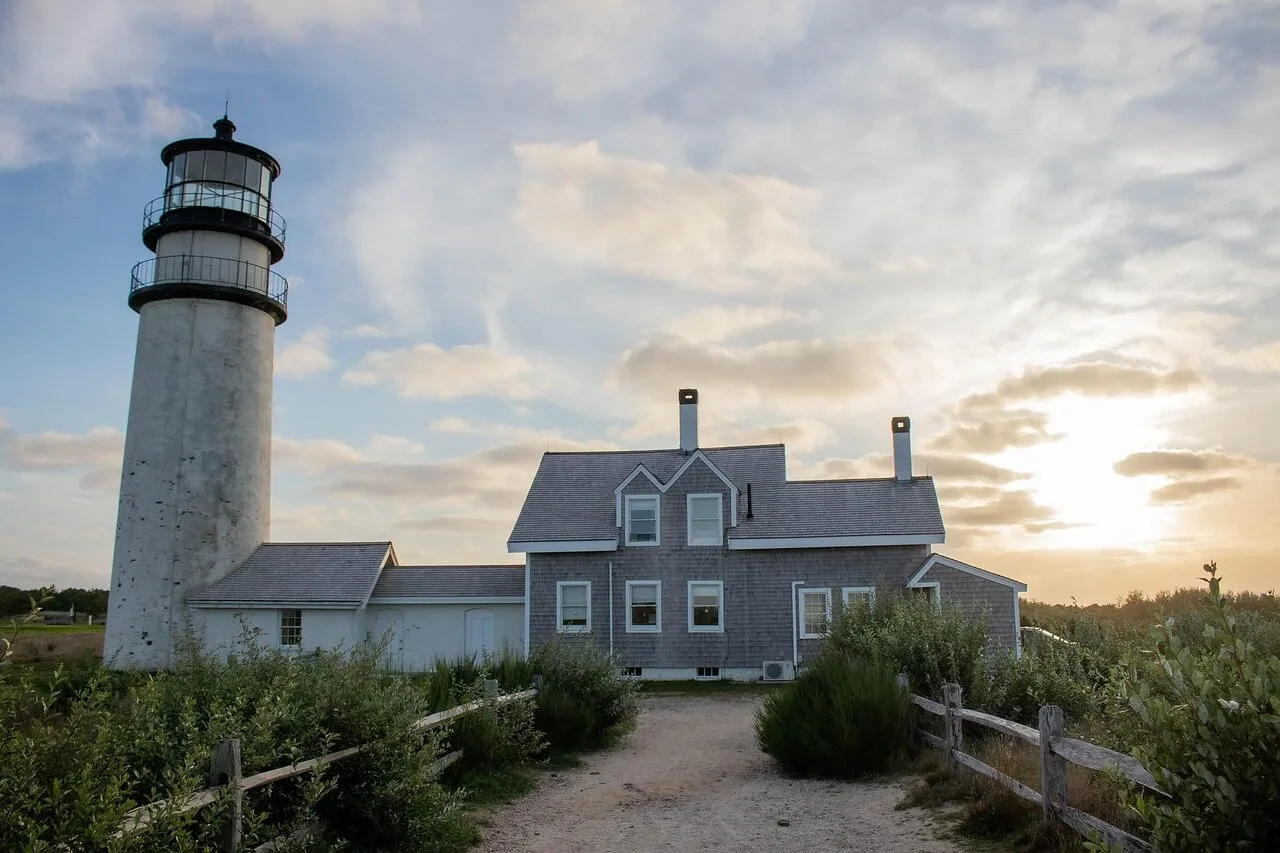
Boston Light stands on Little Brewster Island as America’s oldest lighthouse station. Built in 1716, the tower still guides vessels into Boston Harbor. Access requires special arrangement, as the island has limited visiting hours and capacity.
The lighthouse tour climbs 76 steps to the top. Coast Guard personnel maintain the station and provide historical context during visits. Reservations are essential for this popular attraction.
Museums, Cultural Spots, and Festivals
Cultural attractions blend history with environmental education throughout the park. Several islands preserve significant archaeological and military heritage sites.
Visitor Centers
The Spectacle Island Visitor Center serves as the primary interpretive facility. Exhibits detail the harbor cleanup project, island ecology, and the partnership between the National Park Service and Massachusetts Department of Conservation Recreation.
On Georges Island, rangers offer programs about military history and coastal fortifications. These informal talks occur throughout the day during peak season.
Archaeological Sites
Thompson Island contains Native American shell middens dating back thousands of years. These archaeological resources remain protected, though interpretive signs explain their significance.
Several islands feature remnants of 19th-century settlements and institutions. Hospital ruins, old cottages, and industrial buildings dot the landscape, telling stories of the harbor’s working past.
Seasonal Events
Summer programming includes ranger-led activities, children’s programs, and special events. The National Park Service schedules evening programs during camping season on several islands.
Photography workshops and nature walks occur regularly. The Boston Harbor Islands partnership coordinates with local organizations to offer specialized programs throughout the operating season.
Nature and Outdoor Experiences

The islands national recreation area provides exceptional opportunities for outdoor recreation. Natural environments range from sandy beaches to rocky coastlines and forested interiors.
Hiking Trails
Trail systems vary by island. Spectacle Island offers the most developed network with paved and unpaved paths suitable for all fitness levels. The loop trail around the island takes approximately 90 minutes at a leisurely pace.
Peddocks Island features rugged terrain with trails passing through forests and along shorelines. The western side’s coastal trail provides dramatic ocean views and access to secluded beaches.
Lovells Island has minimal trail development but rewards adventurous hikers with pristine beaches. The island’s compact size makes exploration manageable within a few hours.
Beach Activities
Swimming is permitted at designated beaches on Spectacle Island and Lovells Island. Water quality is monitored regularly during summer. The harbor waters remain cold, typically ranging from 16°C to 19°C (60°F to 67°F) even in August.
Sunbathing, picnicking, and beachcombing are popular activities. Remember that collecting shells, rocks, or other natural items is prohibited to preserve island ecosystems.
Wildlife Watching
The Boston Harbor Islands support diverse wildlife populations. Harbor seals haul out on rocky shores during low tide. Cormorants, gulls, and terns nest on several islands.
Migratory birds use the islands as stopover points during spring and fall migrations. Over 200 bird species have been recorded in the park. Bringing binoculars enhances wildlife viewing experiences.
Kayaking and Boating

Experienced kayakers can paddle between islands, though conditions demand respect. Tidal currents reach 3 knots in some channels. Commercial boat traffic requires constant awareness.
Several outfitters offer guided kayak tours departing from mainland locations. These tours typically visit Spectacle Island or Thompson Island with expert guides ensuring safety.
Private boats can access certain islands with proper permits. Mooring is limited and regulated by the Massachusetts Department of Conservation Recreation. Contact park authorities before planning boat-based visits.
Safety, Etiquette, and Local Customs
Island visits require preparation and awareness. Understanding safety guidelines and park regulations ensures enjoyable experiences while protecting natural resources.
Safety Essentials
Ferry schedules dictate island stays. Missing the last ferry means staying overnight without proper preparation. Verify return times when arriving and set phone alarms as reminders.
- Carry sufficient water, as sources on islands may be seasonal or unavailable
- Wear appropriate footwear for uneven terrain and rocky shores
- Apply sunscreen regularly, as shade is limited on most islands
- Bring insect repellent for mosquitoes and ticks during warm months
- Pack a basic first aid kit for minor cuts and scrapes
Cell phone coverage varies by island and carrier. Do not rely on phones for emergencies. Alert ferry staff or park rangers if medical assistance is needed.
Leave No Trace Principles
The National Park Service and department conservation recreation emphasize environmental protection. All visitors must carry out everything they bring to the islands.
Stay on designated trails to prevent erosion and protect sensitive vegetation. Many plants on the islands are rare or fragile. Shortcuts cause lasting damage to island ecosystems.
Disturbing wildlife, historical artifacts, or natural features is strictly prohibited. This includes feeding animals, touching nesting birds, or collecting shells and rocks.
Park Regulations
Alcohol is permitted on islands but subject to Massachusetts state laws. Glass containers are banned due to safety concerns. Fires are only allowed in designated camping areas with proper permits.
Pets are generally not permitted on ferry services or most islands. Service animals are exceptions. Verify current pet policies before planning visits with animals.
Drones and remote-controlled devices require special permits. Recreational drone use is typically prohibited to protect wildlife and visitor experiences.
Visitor Comments About Boston Harbor Islands

V.C., Quebec City
“We spent a full day exploring Spectacle Island and Georges Island. The views of downtown Boston from Spectacle were incredible. Fort Warren exceeded our expectations with its dark tunnels and historical exhibits. The ferry system worked smoothly, and we never felt rushed. Bring your own lunch, as food options are very limited. This hidden gem surprised us with how accessible and beautiful it is.”
T.Y., Birmingham
“Camping on Peddocks Island gave us an authentic wilderness experience just minutes from a major city. The sites were primitive but clean. Watching the sunset over the harbor from our tent was magical. We hiked the entire island in one afternoon. The abandoned fort buildings were fascinating to explore. Reserve camping spots early, as they fill quickly in July and August.”
F.H., Gaziantep
“As an international visitor, I found the Boston Harbor Islands to be an unexpected highlight of my Massachusetts trip. The combination of history, nature, and ocean views created memorable experiences. Rangers were friendly and knowledgeable. The ferry ride itself was enjoyable. I recommend visiting multiple islands if time permits. Each has its own character and attractions. The park deserves more recognition as a world-class destination.”
Additional Nearby Destinations
The harbor islands complement other Boston-area attractions. Combining island visits with mainland destinations creates comprehensive Massachusetts experiences.
Downtown Boston
The Freedom Trail connects 16 historical sites throughout downtown Boston. This 4-kilometer (2.5-mile) walking route passes colonial landmarks, revolutionary sites, and cultural institutions. The trail begins at Boston Common, just 2 kilometers from Long Wharf.
Check 30,000+ Local Sightseeing Tours Worldwide
✓ Numerous languages and currencies are available
The New England Aquarium sits adjacent to the ferry terminal. Its giant ocean tank and penguin colony delight visitors of all ages. Combination tickets with harbor island ferry service sometimes offer discounts.
Coastal Communities
Quincy lies south of Boston with its own historical attractions. The Adams National Historical Park preserves homes of presidents John Adams and John Quincy Adams. The coastal city offers restaurants and lodging at lower prices than downtown Boston.
Salem, Massachusetts, sits 26 kilometers (16 miles) north. Famous for witch trials history, the city also features maritime museums and historic architecture. Day trips combine easily with harbor islands visits.
Cape Cod
Cape Cod National Seashore extends along 64 kilometers (40 miles) of coastline southeast of Boston. This national park offers expansive beaches, lighthouses, and hiking trails. The drive from Boston takes 90 minutes, making it feasible for extended Massachusetts visits.
Plimoth Patuxet Museums
Located in Plymouth, 64 kilometers (40 miles) south of Boston, these living history museums recreate 17th-century English and Native American communities. The site provides cultural context for Massachusetts colonial history complementing the harbor islands experience.
Practical Travel Tips

Successful island visits depend on proper planning and preparation. These practical considerations help avoid common pitfalls.
Advance Planning
Purchase ferry tickets online before arrival, especially during July and August weekends. Walk-up tickets may sell out on beautiful weather days. The Boston Harbor Islands ferry accepts credit cards but limited cash may be useful for small purchases.
Check ferry schedules the day before visiting. Weather conditions occasionally force cancellations or schedule changes. The National Park Service website and phone line provide current operating status.
Camping reservations open in March for the summer season. Popular dates and islands fill within days of reservation availability. Book early for July and August camping.
What to Bring
A daypack should contain water (at least 2 liters per person), snacks or lunch, sunscreen, hat, rain jacket, insect repellent, and a small first aid kit. Reusable water bottles reduce plastic waste.
Binoculars enhance wildlife viewing and allow better appreciation of Boston’s skyline from island viewpoints. Cameras capture memories, but remember to experience moments without screens too.
Comfortable walking shoes are essential. Sandals work for beaches but not hiking trails. Rocky terrain and uneven paths require closed-toe footwear with good traction.
Money and Services
No ATMs exist on the islands. Bring sufficient cash if planning purchases at Spectacle Island’s concession stand. Credit cards work for ferry tickets at Long Wharf.
Restroom facilities vary by island. Spectacle Island and Georges Island offer maintained facilities. Other islands have composting toilets with basic amenities. No showers are available except for campers on designated islands.
Connectivity
Cell phone reception is unreliable on some islands. Download offline maps and information before departing Long Wharf. Take photos of ferry schedules as backup references.
Wi-Fi is not available on islands or ferries. Plan to disconnect from digital distractions and enjoy natural surroundings. Inform family or friends of your return time from the islands.
Physical Preparation
Island visits involve significant walking on uneven terrain. Most trails are moderate difficulty, but heat and sun exposure increase challenge levels. Assess personal fitness honestly when planning activities.
Seniors and visitors with mobility limitations should focus on Spectacle Island and Georges Island, which offer the most accessible facilities and paved walking areas.
Weather Backup Plans
Boston weather changes quickly. If forecasts show rain or storms, have alternative plans ready. The New England Aquarium, Museum of Science, and historic sites provide excellent indoor options near the waterfront.
Fog can delay or cancel ferry service. Build flexibility into travel schedules, especially if catching flights from Logan International Airport the same day as island visits.
Your Harbor Islands Adventure Awaits

The Boston Harbor Islands National Recreation Area offers something rare in modern travel. Here, history breathes through fort walls. Nature thrives on reclaimed land. Adventure waits just beyond the city’s edge.
These islands prove that remarkable destinations hide in plain sight. While millions know Boston for its colonial history and urban attractions, relatively few discover this archipelago treasure. That makes your visit even more special.
From camping under stars to exploring Civil War fortifications, from hiking coastal trails to watching harbor seals, the islands deliver diverse experiences. Whether you spend a few hours or several days, the harbor islands national state park will exceed expectations.
The partnership between local communities, state agencies, and the national park service created something unique. These islands belong to everyone. They wait for you to explore their shores, climb their hills, and discover their secrets.
Start planning your Boston Harbor Islands adventure today. The ferry departs from Long Wharf. Your island story begins there.