

Standing at 11,773 meters (38,621 feet), Arc Dome is Nevada’s 8th most prominent peak with an impressive 5,233 meters (17,169 feet) of prominence, making it one of only 57 peaks in the contiguous United States with over 5,000 feet of prominence. This remote wilderness area in central Nevada offers some of the most pristine and solitary outdoor experiences in the American West, with visitors to the summit often finding themselves the only humans visible for hundreds of square kilometers.
Getting There & Planning Your Journey
Arc Dome is located in the heart of central Nevada within the Toiyabe Range, making it genuinely remote. The closest major airports are Reno-Tahoe International Airport (about 320 km/200 miles northwest) and Las Vegas McCarran International Airport (about 400 km/250 miles southeast).
From Reno, take I-80 East to Fernley, then US-50 (the “Loneliest Highway in America”) to the SR-361 junction at Middlegate. Head south on SR-361 to the SR-844 junction, then east toward Ione. Continue through this small settlement to the Yomba Indian Reservation, where you’ll follow signs to Columbine Campground via Forest Road 119.
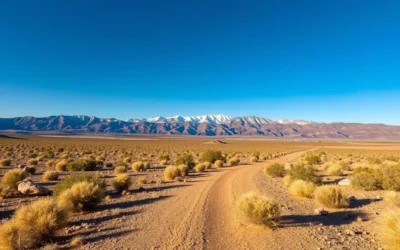
High-clearance vehicles are strongly recommended for the final stretch of dirt roads. Four-wheel drive may be necessary during wet conditions or early/late season when snow patches might remain.
Best Time to Visit & Weather Tips

Recommended Months to Visit
- June to October – Prime hiking season with generally stable weather
- July to August – Warmest months, but afternoon thunderstorms are common
- September to early October – Often ideal with stable weather, fewer storms, and beautiful fall colors in the aspen groves
Months to Avoid
- November to May – Heavy snowfall makes access difficult; trails may be obscured or impassable
- Late October – Early season storms can bring sudden snow
Weather in the Great Basin can change rapidly. Summer days might reach 26°C (80°F) at lower elevations but drop to near freezing at night at higher elevations. Afternoon thunderstorms are common in summer, so plan to be off exposed ridgelines by early afternoon. Always check weather forecasts specifically for the Toiyabe Range before departing.
Getting Around Locally

Once you’ve reached the Arc Dome area, your own vehicle is essential. There is no public transportation in this remote region. The main access points include:
- Columbine Campground – The most popular trailhead for Arc Dome summit hikes, located at 2,650 meters (8,700 feet)
- South Twin River – Eastern approach with access to fishing and alternative hiking routes
- Peavine Campground – Southern access point with fewer visitors
Forest Service roads in the area vary in quality. Always carry a detailed map, as GPS and cell service are extremely limited or non-existent. The Humboldt-Toiyabe National Forest map is an essential resource for navigation.
Where to Stay

Accommodation options near Arc Dome are limited to camping or staying in distant towns:
Camping Options
- Columbine Campground – Small primitive campground at the main trailhead with 5-6 sites, pit toilets, and access to Stewart Creek. No potable water or reservations; first-come, first-served.
- Peavine Campground – Another small campground on the southern edge of the wilderness with similar basic facilities.
- Backcountry Camping – Permitted throughout the wilderness area. Follow Leave No Trace principles and camp at least 100 meters (330 feet) from water sources.
Nearby Towns
- Austin – 80 km (50 miles) north, offers basic motels, food, and fuel
- Tonopah – 130 km (80 miles) south, has more lodging options including chain hotels
- Fallon – 190 km (120 miles) northwest, largest nearby town with full services
If camping, prepare for self-sufficiency. There are no services within the wilderness area, and nearby towns are at least an hour’s drive away on remote highways.
Dining & Local Cuisine

The Arc Dome Wilderness has no dining establishments, so visitors must be self-sufficient. The nearest restaurants are in Austin, Gabbs, or Tonopah.
Nearby Dining Options
- Austin – The International Cafe & Bar serves hearty meals including their famous burgers
- Tonopah – Offers several restaurants including the historic Mizpah Hotel restaurant and the Tonopah Brewing Company
Self-Catering
Most visitors bring all necessary food and cooking equipment. For overnight trips, lightweight backpacking meals are ideal. During day hikes, pack high-energy snacks, plenty of water, and lunch supplies. The nearest grocery stores are in Austin and Tonopah, so stock up before heading to the trailhead.
When planning meals, remember that campfires may be restricted depending on the season and fire danger level. A portable camp stove is recommended for cooking.
Attractions, Sightseeing & Activities
Top Things to Do at Arc Dome
1. Summit Arc Dome
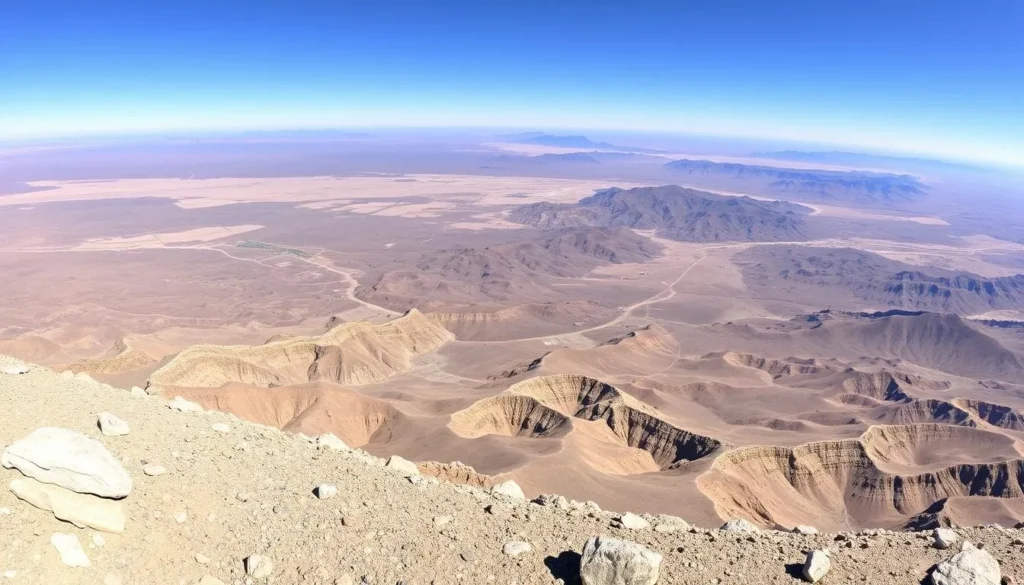
The signature activity is hiking to the 11,773-foot (3,589 m) summit. The standard route from Columbine Campground is approximately 14-16 km (9-10 miles) round trip with 1,340 meters (4,400 feet) of elevation gain. The trail passes through aspen groves, alpine meadows, and high desert terrain before the final push to the summit, which offers 360-degree views across central Nevada.

2. Hike the Toiyabe Crest Trail
This National Recreation Trail runs for approximately 110 km (70 miles) along the spine of the Toiyabe Range, with about 50 km (30 miles) passing through the Arc Dome Wilderness. Day hikers can access sections from various trailheads, while backpackers might tackle longer segments.
3. Explore Stewart Creek Canyon
This lush canyon offers a less strenuous alternative to the summit hike, with beautiful aspen groves, wildflowers, and a year-round stream. The trail follows the creek for several kilometers through diverse ecosystems.
4. Fishing
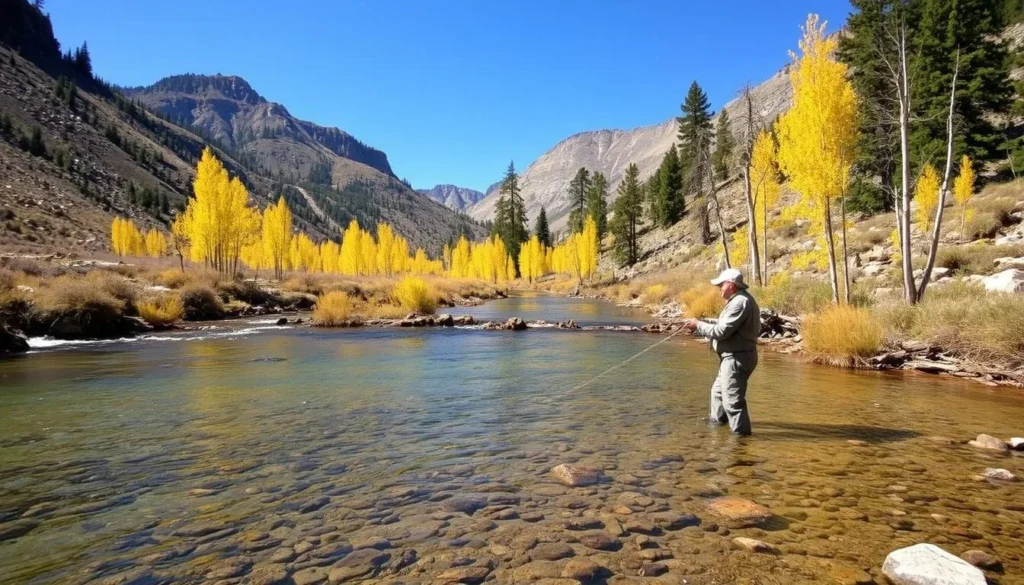
Several streams in the area, including Stewart Creek and the Twin Rivers, contain populations of wild trout. A Nevada fishing license is required, and catch-and-release is encouraged to preserve these fragile populations.
5. Wildlife Viewing
The wilderness area is home to mule deer, desert bighorn sheep, mountain lions, coyotes, and numerous bird species. Dawn and dusk offer the best opportunities for wildlife sightings.
Museums, Cultural Spots & Festivals
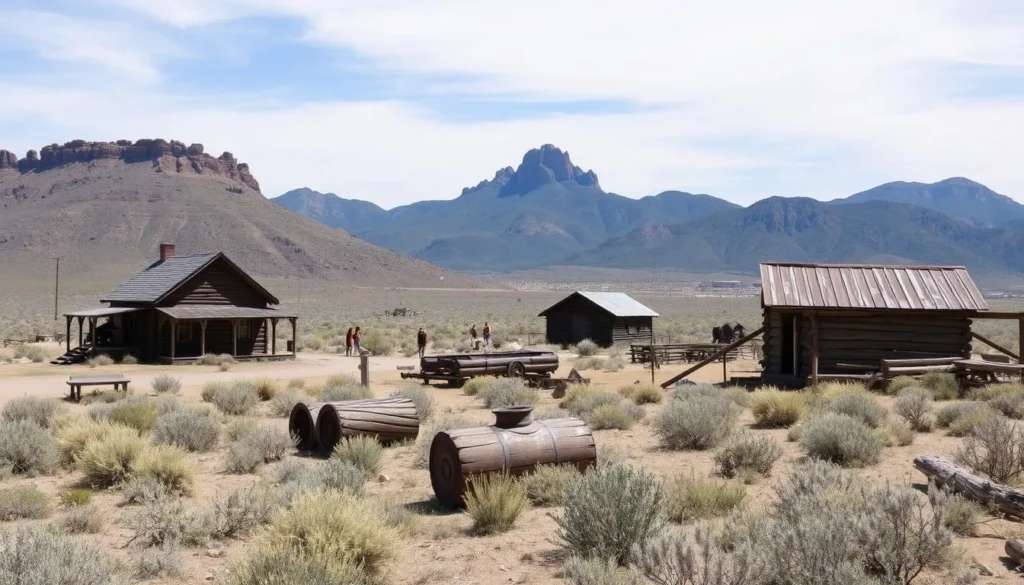
While the Arc Dome Wilderness itself is primarily a natural area without cultural facilities, the surrounding region offers several interesting historical and cultural sites:
Nearby Cultural Attractions
- Berlin-Ichthyosaur State Park – Located about 40 km (25 miles) west of Arc Dome, this fascinating park combines a well-preserved ghost town with a paleontological site featuring ancient marine reptile fossils
- Ione – A semi-ghost town that was once the Nye County seat, offering a glimpse into Nevada’s mining past
- Yomba Shoshone Tribal Lands – The reservation near the wilderness area continues the traditions of the Western Shoshone people who have inhabited this region for centuries
- Austin Historical Mining Town – This small town on US-50 preserves numerous 19th-century buildings from Nevada’s silver mining era
Historical Features Within Arc Dome Wilderness
- Basque Arborglyphs – Carvings made by Basque sheepherders in aspen trees, some dating back to the early 1900s
- Mining Remnants – Scattered evidence of historical mining activity can be found throughout the range
- WWII Plane Crash Site – The remains of a B-24 bomber that crashed in 1945 can be found on the western slope of Arc Dome
There are no regular festivals in this remote area, but Austin hosts several events throughout the year, including their annual International Mountainfilm Festival.
Sports, Nature & Outdoor Experiences

Outdoor Activities
Hiking & Backpacking
The primary activity in the Arc Dome Wilderness is hiking, with options ranging from day hikes to multi-day backpacking trips. Key trails include:
- Arc Dome Summit Trail – 14-16 km (9-10 miles) round trip from Columbine Campground
- Toiyabe Crest Trail – Long-distance trail along the mountain range
- Stewart Creek Trail – Moderate 8 km (5 mile) hike through forest and meadows
- North and South Twin River Trails – Eastern approach routes with less traffic

Photography
The dramatic landscapes, diverse ecosystems, and clear mountain light make Arc Dome a photographer’s paradise. Dawn and dusk offer the most dramatic lighting on the peaks and valleys. The fall colors in the aspen groves provide spectacular photo opportunities in late September to early October.
Stargazing
With virtually no light pollution, the Arc Dome Wilderness offers exceptional stargazing opportunities. The Milky Way is clearly visible on moonless nights, and meteor showers can be spectacular from high camps along the Toiyabe Crest.
Winter Sports
For experienced winter adventurers, the Arc Dome area offers backcountry skiing and snowshoeing opportunities from December through April. However, access is extremely challenging, and avalanche awareness is essential.
Safety, Etiquette & Local Customs

Safety Considerations
- Water – Carry ample water (minimum 3 liters per person per day) and a water filter for refilling from streams
- Weather – Be prepared for rapid weather changes including sudden thunderstorms in summer
- Navigation – Carry paper maps and compass; don’t rely solely on electronic devices
- Communication – Cell service is non-existent; consider a satellite communicator for emergencies
- Wildlife – Store food properly to avoid attracting bears and other animals
- Isolation – Help is far away; self-sufficiency and first aid knowledge are essential
Wilderness Etiquette
- Leave No Trace – Pack out all trash, minimize campfire impacts, and leave natural objects undisturbed
- Campfires – Check current restrictions; when permitted, use existing fire rings
- Cultural Sites – Respect historical artifacts and Native American heritage sites
- Wildlife – Observe from a distance and never feed animals
- Group Size – Keep wilderness groups small (under 12 people) to minimize impact
Remember that this is a designated Wilderness Area where motorized equipment and vehicles are prohibited. The remoteness is part of its appeal, but it also means visitors must be well-prepared and self-reliant.
Visitor Comments About Arc Dome
“Arc Dome was the highlight of my Nevada hiking trip. The solitude is incredible—we saw only two other hikers during our three-day backpacking adventure. The views from the summit extend for what seems like hundreds of miles across the Great Basin. Worth every step of the challenging climb!”
“As a local Nevadan, I’ve hiked many of our state’s peaks, but Arc Dome remains my favorite. The aspen groves in autumn are spectacular, and the fishing in Stewart Creek is excellent if you’re willing to hike in a bit. Just be prepared for the isolation—it’s the real deal out there.”
“Coming from Japan where our mountains are often crowded, the emptiness of Arc Dome Wilderness was both intimidating and exhilarating. We camped on the ridge and had the most amazing stargazing experience of my life. The challenging drive to the trailhead is definitely worth it!”
Additional Nearby Destinations

While in the Arc Dome region, consider exploring these nearby attractions:
- Berlin-Ichthyosaur State Park (40 km/25 miles west) – Combines a preserved ghost town with ancient marine fossils
- Mount Jefferson (80 km/50 miles east) – Another prominent peak in the Toquima Range with excellent hiking
- Diana’s Punch Bowl (90 km/55 miles northeast) – A natural hot spring in a dramatic limestone formation
- Hickison Petroglyph Recreation Area (100 km/62 miles north) – Ancient rock art and interpretive trails
- Toquima Cave (85 km/53 miles east) – Native American pictographs in a sacred site
For those traveling along US-50, the “Loneliest Highway in America,” the historic mining towns of Austin and Eureka offer additional attractions, accommodations, and services.
Practical Travel Tips
Essential Gear
- Navigation – Topographic map, compass, and optional GPS with downloaded maps
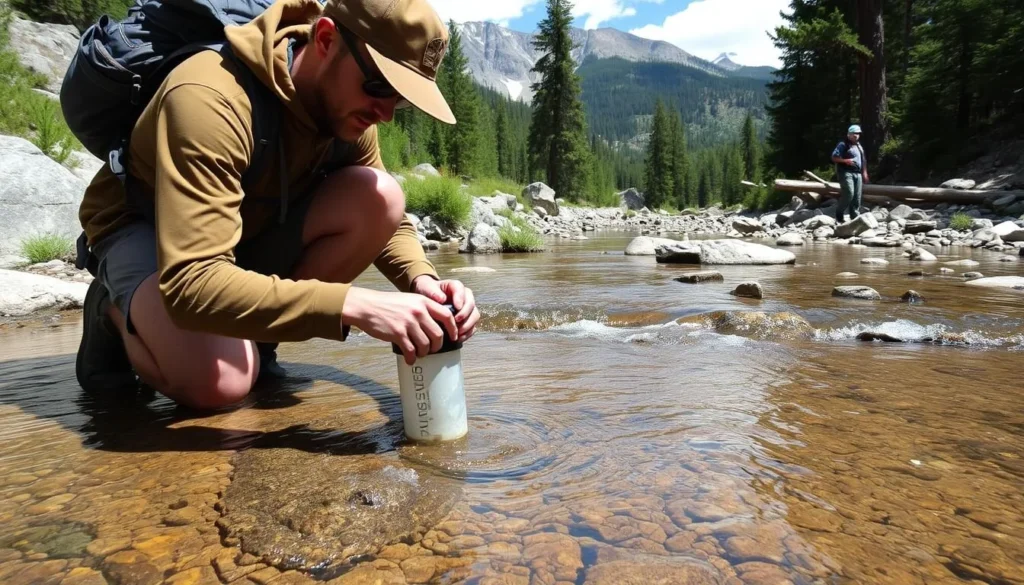
- Hydration – Water bottles or hydration bladder plus water filter/purifier
- Sun Protection – Hat, sunglasses, sunscreen (UV intensity is high at elevation)
- Clothing – Layers for temperature regulation, including insulation even in summer
- Illumination – Headlamp or flashlight with spare batteries
- First Aid – Kit appropriate for remote wilderness
- Emergency Shelter – Even for day hikes, carry emergency bivy or space blanket
Permits and Regulations
No permits are required for day hiking or overnight camping in Arc Dome Wilderness. However, wilderness regulations apply:
- Group size limited to 12 people
- No motorized or mechanized equipment (including bicycles)
- Pets must be under control at all times
- Pack out all trash
- Nevada fishing license required for fishing
Final Preparation Tips
- Fill your gas tank completely before heading to the trailhead
- Inform someone of your itinerary and expected return date
- Check road conditions with the Forest Service before departing
- Bring cash as credit cards may not be accepted in small towns
- Download offline maps as there is no cell service in the wilderness
Embrace the Wilderness: Your Arc Dome Adventure Awaits
Arc Dome stands as a testament to Nevada’s wild heart—a place where solitude and natural beauty converge to create an unforgettable wilderness experience. Whether you’re challenging yourself on the summit trail, camping beneath star-filled skies along the Toiyabe Crest, or simply seeking respite from the modern world, this remote mountain paradise offers a genuine connection with nature that’s increasingly rare in today’s world. With proper preparation and respect for the wilderness, your journey to Arc Dome will reward you with memories that last a lifetime and perspectives that can only be gained from standing atop one of the Great Basin’s most magnificent peaks.
The above is subject to change.
Check back often to TRAVEL.COM for the latest travel tips and deals.




0 Comments