

Did you know that Camel Rock isn’t actually a rock formation carved by nature alone? This iconic sandstone formation was partially shaped by ancient Pueblo peoples who recognized its camel-like silhouette centuries before modern travelers began photographing it. This fascinating landmark, just outside Santa Fe, has been drawing visitors for generations with its distinctive profile and cultural significance.
Getting There & Planning Your Journey
Camel Rock is conveniently located about 15 minutes north of Santa Fe along Highway 84/285. The formation is easily visible from the road, making it an accessible stop for travelers exploring northern New Mexico. The distinctive camel-shaped rock sits on the west side of the highway, with a dedicated parking area for visitors.
Nearest Airports
- Santa Fe Regional Airport (SAF) – 25 km (15.5 miles) south, approximately 20-minute drive
- Albuquerque International Sunport (ABQ) – 105 km (65 miles) south, approximately 1-hour drive
Most visitors arrive by car, either as part of a road trip through New Mexico or after flying into one of these airports and renting a vehicle. The site’s proximity to Santa Fe makes it an easy addition to any northern New Mexico itinerary.
For specific directions: From Santa Fe, head north on Highway 84/285. Take exit 175, turn left onto Camel Rock Road, then right onto US-285 Frontage/US-84 Frontage. You’ll see the parking area where you can safely stop to view and photograph the formation.
Best Time to Visit Camel Rock
Recommended Months
- April to May: Spring brings mild temperatures (15-24°C/59-75°F) and wildflowers to the desert landscape.
- September to October: Fall offers pleasant weather and fewer crowds, with temperatures ranging from 12-27°C (54-80°F).
- June to August: Summer months are hot but manageable in the mornings and evenings, with temperatures reaching 32°C (90°F).
Months to Avoid
- December to February: Winter brings cold temperatures, occasional snow, and potential road closures.
- March: Often windy with dust storms possible, making photography challenging.
- July afternoons: Monsoon season can bring sudden thunderstorms.
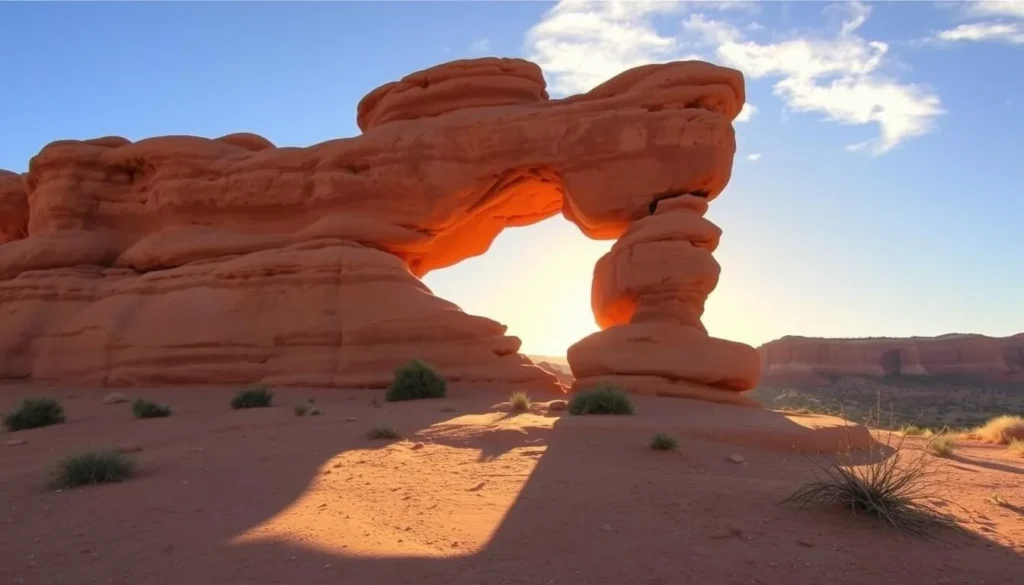
For photographers, early morning and late afternoon provide the best lighting conditions, casting dramatic shadows that enhance the camel-like appearance of the formation. Sunset is particularly magical, as the sandstone glows with warm amber tones against the darkening sky.
Getting Around Locally

Camel Rock itself requires minimal transportation planning. The site features a paved walking path from the parking area to the viewing spot, making it accessible for most visitors. The walk is short (less than 0.2 km/0.12 miles) with a slight incline.
For exploring the broader Santa Fe area and other attractions near Camel Rock, a rental car is highly recommended. Public transportation options are limited in this region, and having your own vehicle provides the flexibility to visit multiple sites at your own pace.
Local Tip: Cell phone reception can be spotty in parts of northern New Mexico. Download offline maps before your journey, and bring printed directions as a backup for navigating between attractions.
Where to Stay

While there are no accommodations directly at Camel Rock, the formation’s proximity to Santa Fe provides visitors with numerous lodging options just a short drive away:
Luxury Options
- Four Seasons Resort Rancho Encantado – Just 10 minutes from Camel Rock, offering spa services and mountain views.
- Hotel La Fonda – Historic luxury hotel in downtown Santa Fe with authentic Southwestern decor.
Mid-Range Stays
- El Rey Court – Stylish motor lodge with pool and southwestern charm.
- Marriott Courtyard Santa Fe – Comfortable rooms with modern amenities and convenient location.
Budget-Friendly
- Inn at Santa Fe – Affordable option with complimentary breakfast.
- Santa Fe Sage Inn – Budget-friendly with shuttle service to downtown.
For a unique experience, consider staying at one of the many bed and breakfasts in the historic districts of Santa Fe, which offer personalized service and local insights that can enhance your visit to attractions like Camel Rock.
Dining & Local Cuisine
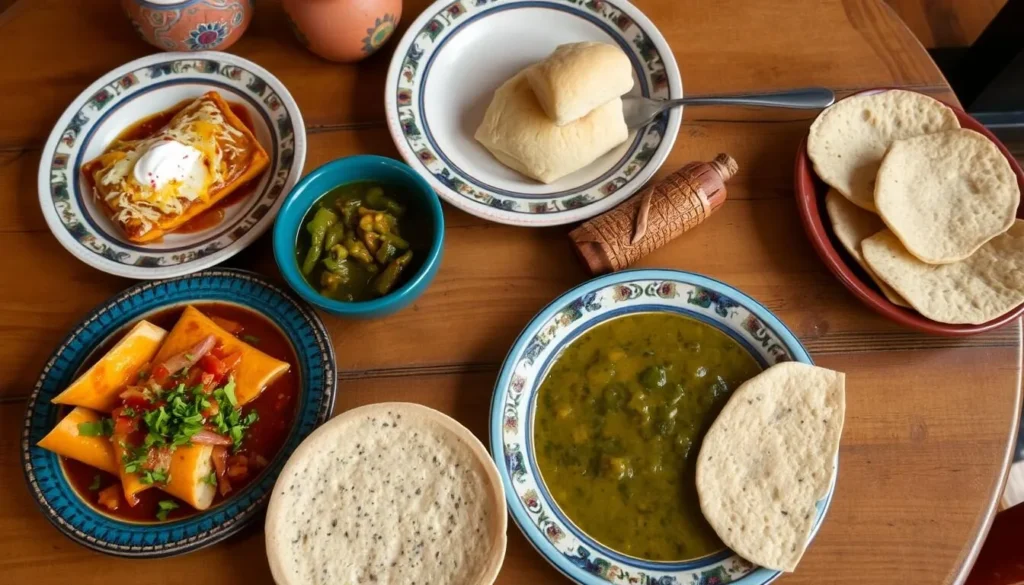
While there are no dining establishments directly at Camel Rock, the site does offer picnic tables where visitors can enjoy packed lunches with a view of the formation. For proper meals, Santa Fe and nearby communities offer exceptional dining options featuring New Mexico’s distinctive cuisine.
Must-Try Local Dishes
- Green Chile Stew – A hearty New Mexican staple with pork, potatoes, and the state’s famous green chiles.
- Sopapillas – Puffy fried bread served with honey, either as a side or stuffed with savory fillings.
- Blue Corn Enchiladas – Traditional enchiladas made with distinctive blue corn tortillas and topped with red or green chile sauce (or “Christmas style” with both).
- Carne Adovada – Slow-cooked pork marinated in red chile sauce.
Nearby Dining Options
The closest restaurants to Camel Rock are found in the northern outskirts of Santa Fe, about 10-15 minutes away by car. For a more authentic experience, consider dining at one of the pueblo-owned restaurants that showcase traditional Native American cuisine alongside New Mexican favorites.
Foodie Tip: When ordering in New Mexico, you’ll likely be asked “Red or green?” referring to chile sauce preference. Answer “Christmas” to try both the red and green chile sauces together.
Attractions, Sightseeing & Activities
At Camel Rock
- Photography – Capture the unique formation from various angles. The best shots are often taken during golden hour when the light enhances the camel-like features.
- Short Walking Path – A paved, accessible path leads from the parking area to viewing spots around the formation.
- Picnic Area – Tables with shade provide spots to rest and enjoy the desert environment.
- Historical Markers – Read informational signs about the Tesuque Pueblo and the cultural significance of the area.
Nearby Attractions

Within 15 Minutes
- Tesuque Pueblo – Historic Native American community (call ahead as photography is restricted and some areas are not open to visitors).
- Santa Fe Opera – Renowned open-air opera house with spectacular mountain backdrop.
- Camel Rock Studios – The first Native American-owned film studio, located across the highway.
Within 30 Minutes
- Santa Fe Plaza – Historic heart of Santa Fe with shopping, dining, and cultural attractions.
- Georgia O’Keeffe Museum – Dedicated to the iconic American artist who was inspired by New Mexico landscapes.
- Meow Wolf – Immersive art installation offering a unique, interactive experience.
Museums, Cultural Spots & Festivals
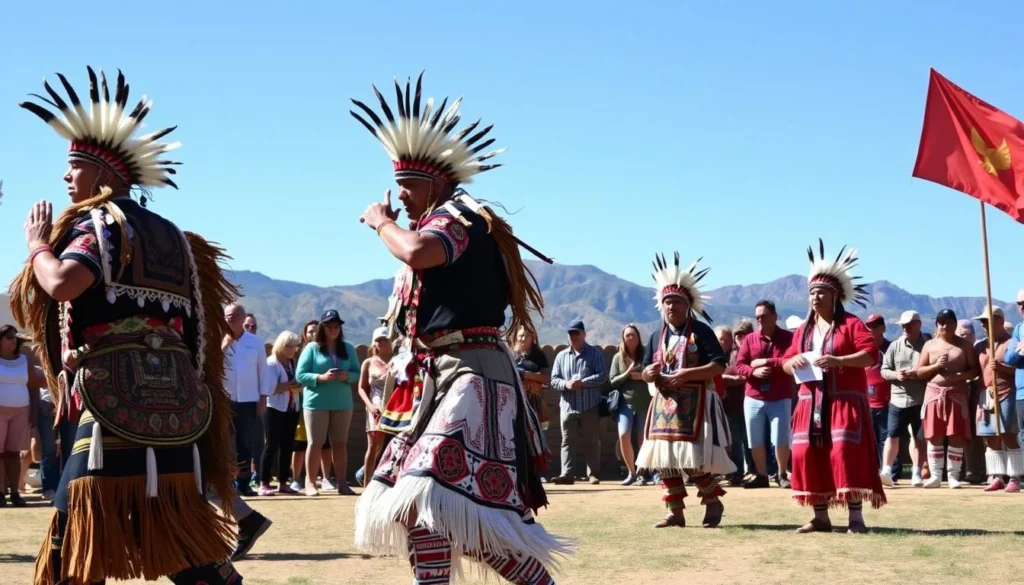
Camel Rock sits within an area rich in cultural heritage, particularly that of the Pueblo peoples who have inhabited this region for centuries. While visiting the formation, take time to explore the cultural attractions that provide context to this unique landscape.
Cultural Experiences Near Camel Rock
- Tesuque Pueblo Cultural Center – Learn about the traditions and history of the Tesuque people (call ahead for visiting hours and protocols).
- El Rancho de las Golondrinas – Living history museum showcasing Spanish colonial life in New Mexico.
- Museum of Indian Arts & Culture – Comprehensive collection of Native American art and artifacts in Santa Fe.
- Museum of International Folk Art – World’s largest collection of folk art, with significant Southwestern pieces.
Annual Festivals & Events
Spring/Summer
- Santa Fe Indian Market (August) – The world’s largest and most prestigious Native American art market.
- Pueblo Feast Days (Various dates) – Traditional celebrations at nearby pueblos, some open to respectful visitors.
- Santa Fe Opera Season (July-August) – World-class performances in a stunning outdoor setting.
Fall/Winter
- Santa Fe Film Festival (October) – Showcasing independent films, including Native American productions.
- Winter Spanish Market (December) – Traditional Hispanic arts and crafts.
- Las Posadas (December) – Traditional Christmas procession on the Santa Fe Plaza.
Cultural Tip: When visiting pueblo lands or attending cultural events, always check for photography restrictions and behavioral guidelines. These are living communities with their own governance and customs that should be respected.
Sports, Nature & Outdoor Experiences

The area surrounding Camel Rock offers numerous opportunities for outdoor enthusiasts to connect with the stunning New Mexican landscape. From easy nature walks to challenging hikes, the region provides diverse experiences for all activity levels.
Outdoor Activities Near Camel Rock
Hiking & Walking
- Dale Ball Trails – Network of trails in the foothills of the Sangre de Cristo Mountains.
- Tent Rocks National Monument – Unique cone-shaped rock formations with slot canyon trails.
- Santa Fe National Forest – Extensive trail system with varying difficulty levels.
Water Activities
- Rio Grande – Kayaking and rafting opportunities (seasonal).
- Abiquiu Lake – Fishing, swimming, and kayaking in a scenic reservoir.
- Santa Cruz Lake – Peaceful fishing and small watercraft activities.
Other Outdoor Pursuits
- Horseback Riding – Several ranches offer guided rides through the desert landscape.
- Mountain Biking – Dedicated trails in the Santa Fe area for various skill levels.
- Hot Air Ballooning – Sunrise flights over the Rio Grande Valley.

Wildlife & Nature
The desert ecosystem around Camel Rock supports a variety of wildlife and plant species adapted to the arid conditions. Keep an eye out for roadrunners, jackrabbits, lizards, and various bird species. The plant life includes juniper trees, piñon pines, sagebrush, and several varieties of cacti and yucca.
Safety Note: When exploring the outdoors in New Mexico, always carry plenty of water, wear sun protection, and be aware of rapidly changing weather conditions. The high desert environment can be extreme, with significant temperature variations between day and night.
Safety, Etiquette & Local Customs
Visitor Safety
- Sun Protection – The New Mexico sun is intense at higher elevations. Wear sunscreen, a hat, and sunglasses.
- Hydration – Carry more water than you think you’ll need, especially in summer months.
- Weather Awareness – Be prepared for sudden weather changes, including afternoon thunderstorms in summer.
- Wildlife – Respect local wildlife and be aware of potential encounters with snakes or other desert creatures.
Cultural Etiquette
Camel Rock is located near Tesuque Pueblo lands, and the entire region has deep cultural significance to Native American communities. Visitors should observe these important guidelines:
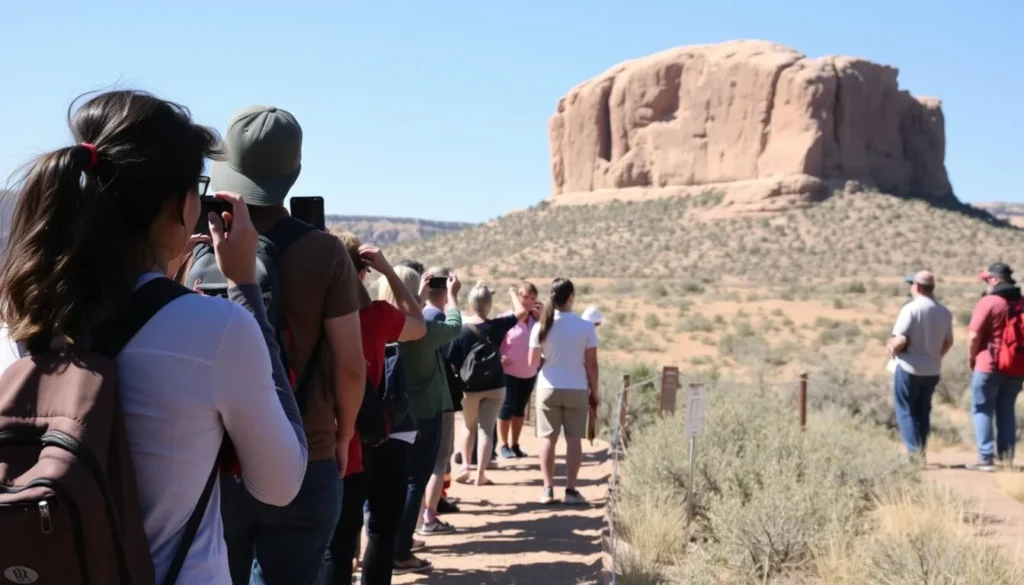
- Stay on Designated Paths – Respect fences and boundaries around Camel Rock and nearby cultural sites.
- Photography Restrictions – If visiting nearby pueblos, be aware that photography is often restricted or prohibited. Always ask permission.
- Respect Sacred Sites – Some areas may have spiritual significance. Follow all posted guidelines and avoid disturbing or removing anything from these locations.
- Support Local Communities – Purchase authentic Native American art directly from artists or authorized dealers who ensure fair compensation to creators.
“When visiting Pueblo lands, you are entering sovereign nations with their own laws and customs. Respect for these traditions ensures meaningful cultural exchange and preservation of these living heritage sites.”
Visitor Comments About Camel Rock
“As a photographer, I found Camel Rock to be a fascinating subject. The formation looks different throughout the day as the light changes. I recommend visiting at sunset when the sandstone glows with warm colors. It’s a quick stop but worth it for the unique photos.”
“We used Camel Rock as our first stop on a day trip from Santa Fe to Bandelier National Monument. It was easy to access, and my kids loved spotting the camel shape. The picnic tables made it a perfect lunch spot with a view. Don’t miss the historical markers about the Tesuque Pueblo.”
“I was surprised by how accessible Camel Rock is – you can see it clearly from the highway! The short walk from the parking area is paved and manageable for most people. I recommend combining this stop with a visit to the Santa Fe Opera or one of the nearby pueblos for a full day of exploration.”
Practical Travel Tips
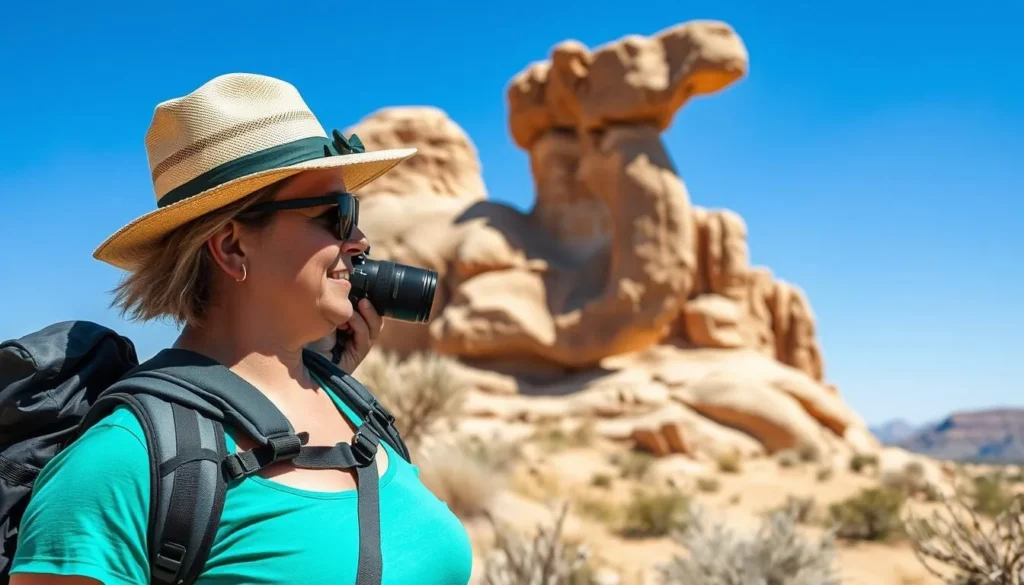
What to Pack
- Sun Protection – Hat, sunglasses, and high-SPF sunscreen
- Water Bottle – Refillable container for staying hydrated
- Layered Clothing – Temperature variations can be significant
- Comfortable Shoes – For walking on uneven terrain
- Camera – For capturing the unique formation
- Binoculars – For wildlife spotting and distant views
Planning Essentials
- Offline Maps – Download before traveling as cell service can be spotty
- Cash – Some smaller establishments and vendors may not accept cards
- Altitude Awareness – Santa Fe sits at 2,100 m (7,000 ft); stay hydrated and pace yourself
- Driving Distances – Plan for longer travel times than GPS might suggest
- Local Regulations – Check for any fire restrictions or trail closures
Accessibility Information
Camel Rock offers relatively good accessibility for a natural attraction. The paved path from the parking area to the viewing spot has a slight incline but is manageable for most visitors. The picnic area includes accessible tables. For visitors with mobility concerns, excellent views of the formation are also possible from the parking area itself.
Time-Saving Tip: Combine your visit to Camel Rock with other attractions along Highway 84/285. This formation can be enjoyed in as little as 15-30 minutes, making it an ideal quick stop on the way to Bandelier National Monument, Los Alamos, or Taos.
Your Southwestern Adventure Awaits
Camel Rock stands as a testament to the natural wonders and rich cultural heritage that make northern New Mexico such a compelling destination. Whether you’re stopping briefly to photograph this unique formation or using it as the starting point for a deeper exploration of the region, Camel Rock offers a memorable glimpse into the geological and cultural landscape that defines the American Southwest.
As you plan your visit, remember that the true magic of this area lies not just in its striking landmarks, but in the connections between the land, its history, and the diverse communities that have called it home for centuries. Take time to appreciate these layers of meaning as you explore Camel Rock and its surroundings, and you’ll come away with more than just photographs—you’ll gain a deeper understanding of what makes New Mexico truly the Land of Enchantment.
The above is subject to change.
Check back often to TRAVEL.COM for the latest travel tips and deals.


0 Comments