

Hotels by Trip.com
Flights by Trip.com
Did you know that Chaco Culture National Historical Park houses structures that were precisely aligned with astronomical events over 1,000 years ago? This UNESCO World Heritage Site in northwestern New Mexico was once the center of an advanced civilization that built massive great houses with up to 700 rooms. Today, these ancient architectural marvels stand as a testament to the ingenuity of Ancestral Puebloan people who created a thriving cultural hub between 850 and 1250 CE.
Getting There & Planning Your Journey
Chaco Culture National Historical Park is famously remote, which has helped preserve its archaeological treasures. The park is located approximately 150 km (93 miles) northwest of Albuquerque and 24 km (15 miles) south of Nageezi, New Mexico. The closest major airports are Albuquerque International Sunport (ABQ) and Farmington’s Four Corners Regional Airport (FMN).
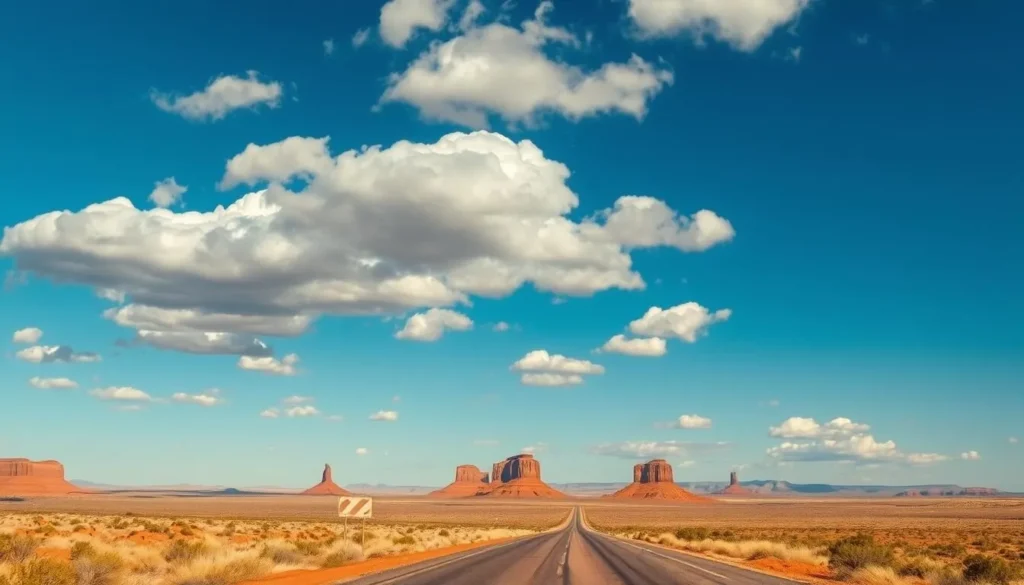
The journey to Chaco requires careful planning. The final 21 km (13 miles) to the park entrance is on unpaved roads that can become impassable during wet weather. The most reliable route is from the north via US Highway 550, turning at County Road 7900 (3 miles southeast of Nageezi). GPS directions are notoriously unreliable in this area, so use park-provided directions and physical maps.
Always check current road conditions before departing by calling the park at (505) 786-7014. The dirt roads leading to Chaco can become impassable after rain or snow, and there is no cell service in many areas.
Best Time to Visit & Weather Tips
Chaco Culture National Historical Park experiences extreme temperature variations throughout the year. The park sits at an elevation of 1,890 m (6,200 ft), which affects both temperature and how your body responds to physical activity.
Recommended Seasons:
- Spring (April-May): Mild temperatures between 10-24°C (50-75°F) with wildflowers blooming. Occasional wind storms.
- Fall (September-October): Clear skies and comfortable temperatures from 7-21°C (45-70°F). Ideal for hiking and photography.
Seasons to Avoid:
- Summer (June-August): Daytime temperatures often exceed 32°C (90°F). Limited shade on trails.
- Winter (November-March): Cold temperatures between -7 to 10°C (20-50°F) with occasional snow making roads difficult.

Special astronomical events like solstices and equinoxes offer unique experiences at Chaco, as many structures align with these celestial events. The park hosts special programs during these times, but they also draw larger crowds.
Getting Around Locally
Once inside the park, the 14.5 km (9-mile) Canyon Loop Drive connects the major archaeological sites. This one-way paved road is accessible to all vehicles and provides parking areas at each major site.
By Car
The Canyon Loop Drive takes approximately 30 minutes without stops, but plan for 3-4 hours to properly visit the sites along the way.
By Bicycle
Cycling the loop is a wonderful way to experience the canyon. Bike racks are available at all major sites, and the mostly level terrain makes for easy riding.
On Foot
Several hiking trails connect different archaeological sites. Trail guides are available at the visitor center to enhance your walking experience.

For backcountry exploration, four designated hiking trails access more remote sites. These range from 3-13 km (2-8 miles) roundtrip and require a free backcountry permit available at the visitor center or trailheads.
Where to Stay
Accommodations near Chaco Culture National Historical Park are limited due to its remote location. Planning ahead is essential, especially during peak seasons.
Camping Within the Park
Gallo Campground, located 1.6 km (1 mile) east of the visitor center, offers the only accommodation within the park. The campground features 32 individual sites and 2 group sites nestled among slickrock outcroppings and desert vegetation.
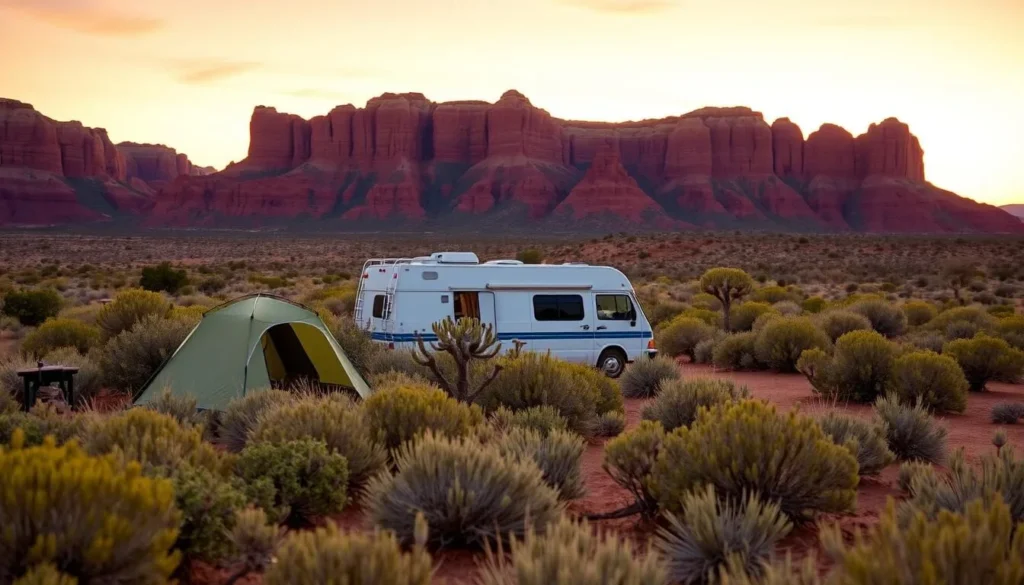
Gallo Campground Details:
• Fee: $20 per night per site
• Facilities: Pit toilets, picnic tables, fire grates (no hookups or showers)
• Reservations: Required through recreation.gov, especially April-October
• Maximum stay: 7 consecutive nights
Nearby Accommodations
The closest hotels and motels are located in Bloomfield, Aztec, and Farmington, all approximately 96 km (60 miles) from the park. These towns offer a range of accommodations from budget motels to mid-range hotels. Farmington provides the most options and serves as an excellent base for exploring the region.
Dining & Local Cuisine
There are no food services within Chaco Culture National Historical Park. Visitors must bring all food and water needed for their stay. The nearest restaurants and grocery stores are located in Nageezi (about 32 km/20 miles away) and more extensive options in Bloomfield and Farmington.
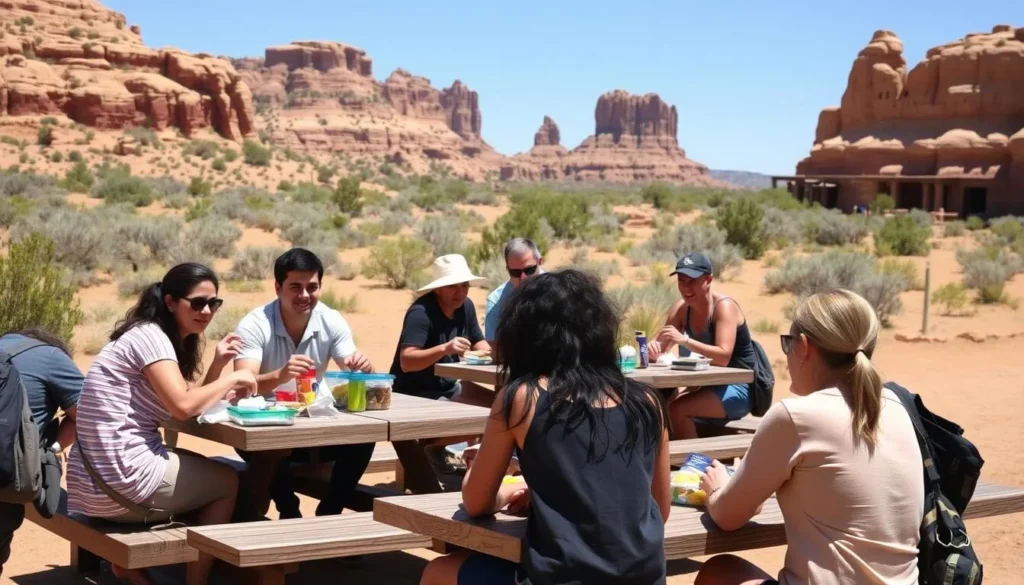
Picnic Areas
The park has designated picnic areas near the visitor center and at several archaeological sites along the Canyon Loop Drive. These areas provide tables and shade structures—perfect for enjoying meals while taking in the remarkable surroundings.
Local Cuisine to Try
When dining in nearby towns, look for New Mexican cuisine featuring local specialties like blue corn enchiladas, Navajo tacos, and dishes made with Hatch green chilies. Farmington offers the widest variety of dining options, from casual eateries to sit-down restaurants serving both local and international cuisine.
Attractions, Sightseeing & Activities
Chaco Culture National Historical Park offers a fascinating glimpse into the ancient world of the Ancestral Puebloan people. The park’s main attractions are the monumental great houses—massive stone structures that once served as ceremonial, administrative, and trading centers.
Must-Visit Archaeological Sites
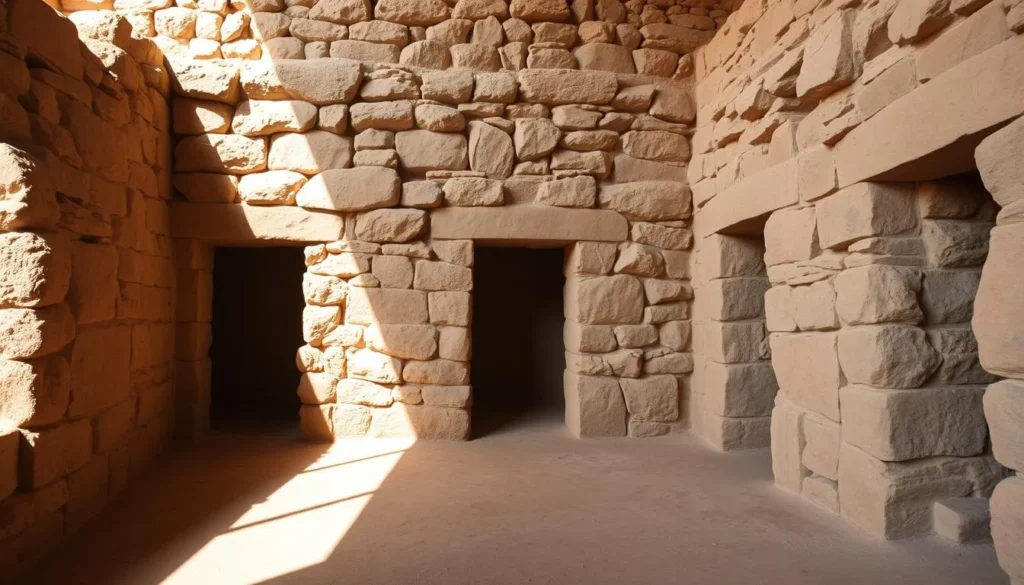
The crown jewel of Chaco Canyon, this D-shaped great house contains over 700 rooms and 32 kivas (ceremonial chambers). Built between 850-1150 CE, it was the center of the Chacoan world. Don’t miss the original intact ceiling beams and the precision stonework that has survived for centuries.
This isolated great kiva measures 19 m (63 feet) in diameter and features unique acoustic properties—a whisper on one side can be heard clearly on the opposite side. Look for the mysterious north-facing underground passage and the precisely aligned niches.
The second-largest great house in the park contains an estimated 500+ rooms and 12 kivas. Its elevated “grand plaza” and colonnade of wooden pillars show Mesoamerican architectural influence, suggesting long-distance cultural connections.
Guided Programs
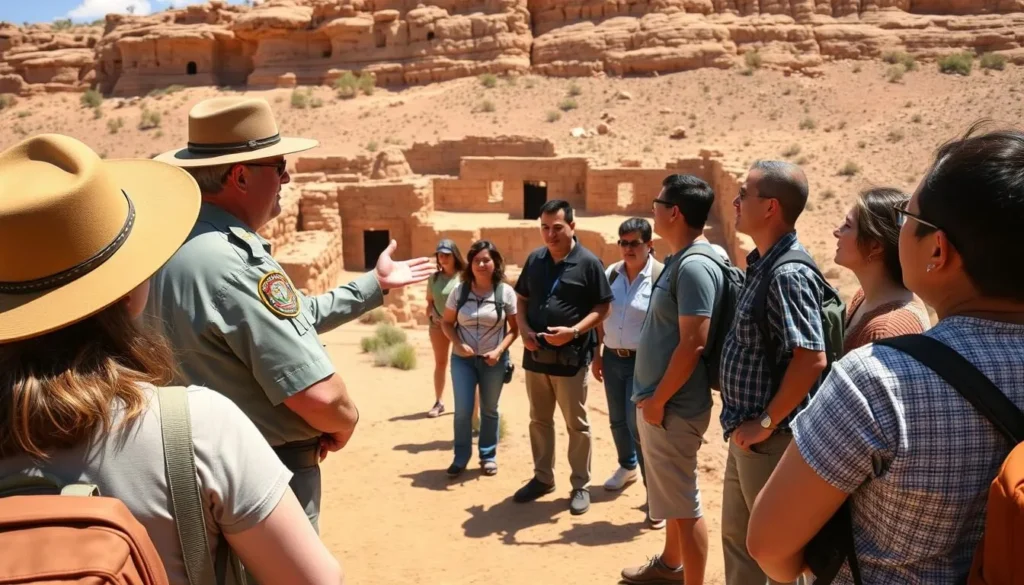
The park offers ranger-led tours of major sites during spring through fall. These informative walks provide deeper insights into Chacoan culture, architecture, and archaeoastronomy. Check at the visitor center for the current schedule of programs.
Museums, Cultural Spots & Festivals
Visitor Center Museum
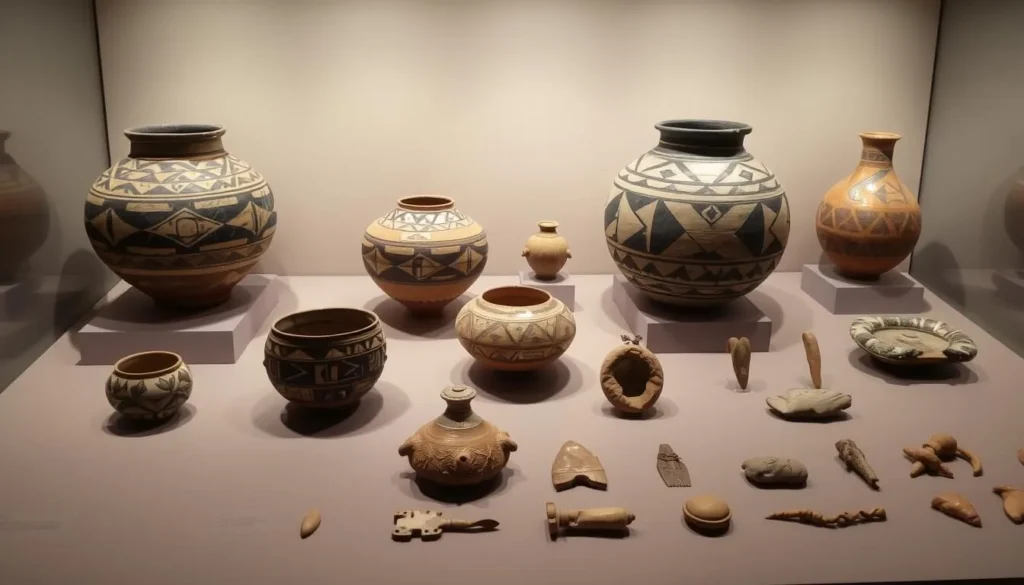
Begin your exploration at the park’s visitor center museum, which houses artifacts excavated from Chaco sites. Exhibits explain Ancestral Puebloan culture, trade networks that stretched to Mesoamerica, and the astronomical knowledge that influenced Chacoan architecture and city planning.
Special Events
Throughout the year, Chaco hosts special events that celebrate its cultural and astronomical significance:
- Spring and Fall Equinox Programs: Observe how sunlight interacts with specific architectural features during these astronomical events.
- Summer and Winter Solstice Programs: Special ranger-led talks explain the significance of these important calendar markers to Chacoan people.
- Annual Astronomy Festival: Held in September, this event features solar viewing, night sky programs, and special presentations by astronomers and cultural experts.
Cultural Connections
Chaco Culture National Historical Park maintains strong relationships with descendant Puebloan communities and Navajo Nation. The park occasionally hosts cultural demonstrators who share traditional crafts, stories, and knowledge that connect ancient practices to living traditions.
Sports, Nature & Outdoor Experiences
Hiking Trails
Beyond the main archaeological sites, Chaco offers several backcountry trails that combine natural beauty with more remote cultural sites:

| Trail Name | Distance (Round Trip) | Difficulty | Highlights |
| Pueblo Alto Loop | 8.7 km (5.4 miles) | Moderate | Panoramic canyon views, ancient road segments, Pueblo Alto great house |
| South Mesa Trail | 7 km (4.4 miles) | Moderate | Tsin Kletzin great house, expansive views of the central canyon |
| Peñasco Blanco Trail | 11.9 km (7.4 miles) | Moderate to Difficult | Supernova Pictograph, Peñasco Blanco great house, desert landscape |
| Wijiji Trail | 4.8 km (3 miles) | Easy | Wijiji great house, solstice marker views, relatively flat terrain |
Night Sky Viewing
Designated as an International Dark Sky Park, Chaco offers exceptional stargazing opportunities. The park’s remote location and efforts to minimize light pollution create ideal conditions for viewing the night sky as the Ancestral Puebloans would have seen it.
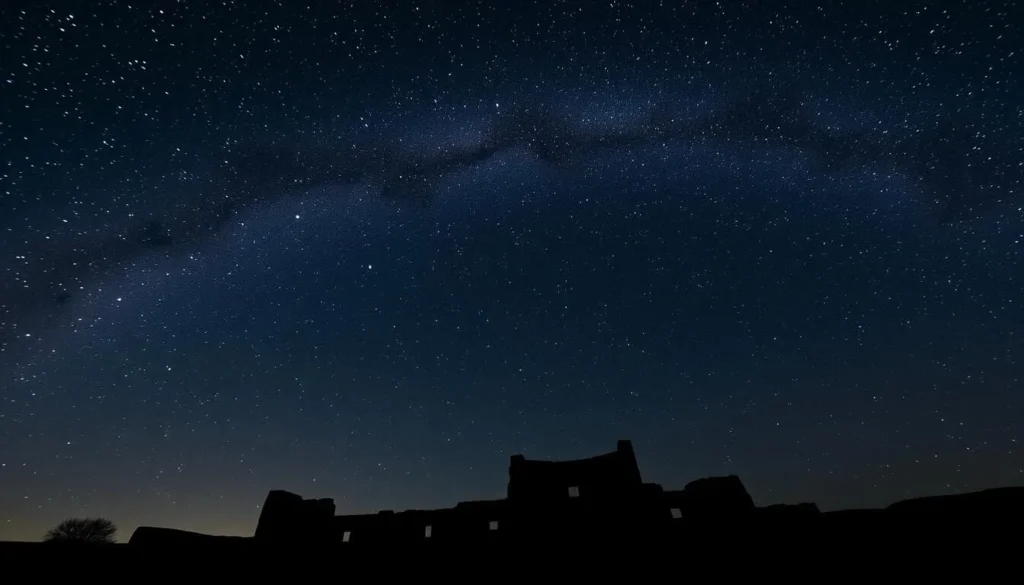
The park’s observatory near the visitor center hosts regular night sky programs from April through October. Rangers and volunteer astronomers provide telescopes and guidance for observing planets, stars, and deep-sky objects.
Safety, Etiquette & Local Customs
Safety Considerations
- Weather Preparedness: Desert conditions can be extreme. Bring plenty of water (at least 4 liters/1 gallon per person per day), sun protection, and appropriate clothing for sudden weather changes.
- High Elevation: At 1,890 m (6,200 ft), visitors from lower elevations may experience altitude effects. Take activities slowly and stay hydrated.
- Remote Location: Cell service is non-existent within the park. Inform someone of your plans, and be self-sufficient.
Cultural Etiquette
Chaco Culture National Historical Park is not only an archaeological treasure but also a sacred ancestral site for many Native American peoples. Respectful behavior is essential:
- Stay on Designated Trails: Walking off-trail damages fragile archaeological resources and desert ecosystem.
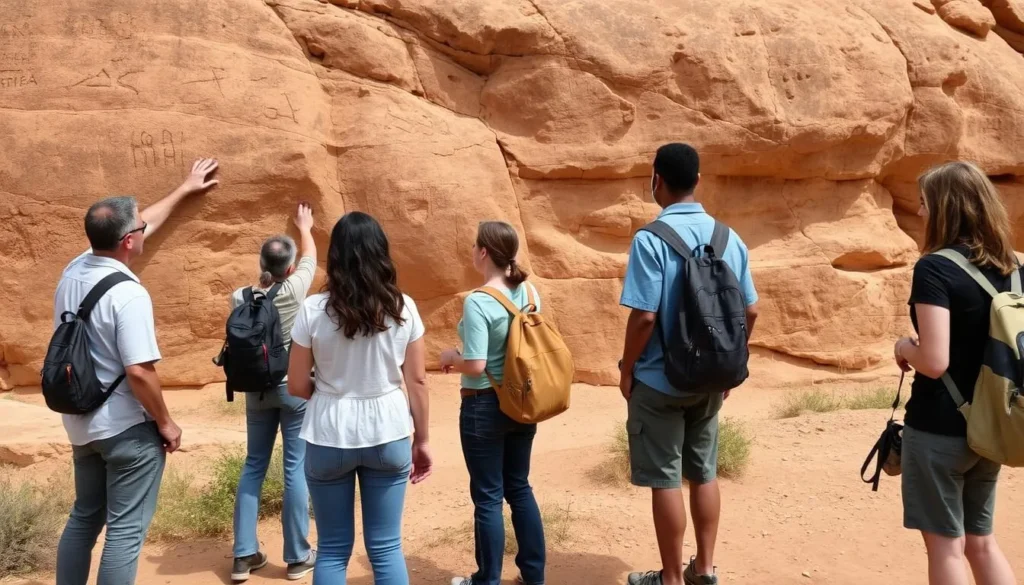
- Do Not Touch: Never touch rock art, walls, or artifacts. Oils from hands accelerate deterioration.
- Leave No Trace: Pack out all trash and leave sites as you found them.
- Respect Closures: Some areas may be closed for preservation or cultural reasons. Always honor these restrictions.
Visitor Comments About Chaco Culture National Historical Park
“The night sky program at Chaco was the highlight of our Southwest trip. Seeing the Milky Way above the same structures where ancient astronomers once studied the stars was a profound experience. The ranger’s knowledge of both astronomy and Ancestral Puebloan culture made the connection between past and present come alive.”
“Don’t underestimate the dirt roads! We almost turned back, but I’m so glad we persisted. The remoteness of Chaco is part of what makes it special. Pueblo Bonito left me speechless—the engineering and astronomical knowledge required to build it a thousand years ago is mind-boggling.”
“We camped at Gallo Campground for two nights and it was magical. Watching the sunset paint the canyon walls and then seeing the stars emerge was unforgettable. The campground was peaceful and the perfect base for exploring the ruins. Just be prepared for basic facilities and bring everything you need.”
Practical Travel Tips
What to Pack
- Refillable water bottles and plenty of water
- Sun protection (hat, sunscreen, sunglasses)
- Sturdy walking shoes or hiking boots
- Layers for temperature changes
- Binoculars for distant views
- Flashlight or headlamp for night sky viewing
Park Fees
- 7-day vehicle pass: $25
- Individual entry (foot/bicycle): $15
- America the Beautiful Annual Pass: $80
- Senior Pass (lifetime): $80
- Military and Access passes: Free
Hours & Seasons
- Park: Open daily, year-round
- Summer hours (May-Oct): 7am-9pm
- Winter hours (Nov-Apr): 7am-5pm
- Visitor Center: 8am-5pm (summer), 8am-4pm (winter)
- Closed: December 25 and January 1
Journey Through Time: Your Chaco Adventure Awaits
Chaco Culture National Historical Park offers a rare window into an ancient world where architecture, astronomy, and culture converged to create something extraordinary. The effort required to reach this remote sanctuary is rewarded many times over by the profound connection you’ll feel to both the past and the timeless landscape. Whether you’re tracing your fingers along the precise stonework that has stood for a millennium, watching the interplay of light and shadow during an equinox, or gazing at the same stars that guided Ancestral Puebloan astronomers, Chaco invites you to step outside ordinary time. In our fast-paced world, places that inspire such wonder and contemplation are increasingly precious. Plan your journey to Chaco thoughtfully, approach it respectfully, and prepare to be transformed by one of America’s most remarkable cultural treasures.
Related Posts

Zuni Mountains, New Mexico: Best Things to Do – Top Picks
Wild Rivers Recreation Area (Rio Grande del Norte), New Mexico: Best Things to Do – Top Picks

Wheeler Peak Wilderness, New Mexico: Best Things to Do – Top Picks

Valle Vidal (Carson National Forest), New Mexico: Best Things to Do – Top Picks

White Mesa Bike Trails / Badlands, New Mexico: Best Things to Do – Top Picks

Valle de Oro National Wildlife Refuge, New Mexico: Best Things to Do – Top Picks
Coming Soon: Clickable Maps