
Hotels by Trip.com
Flights by Trip.com
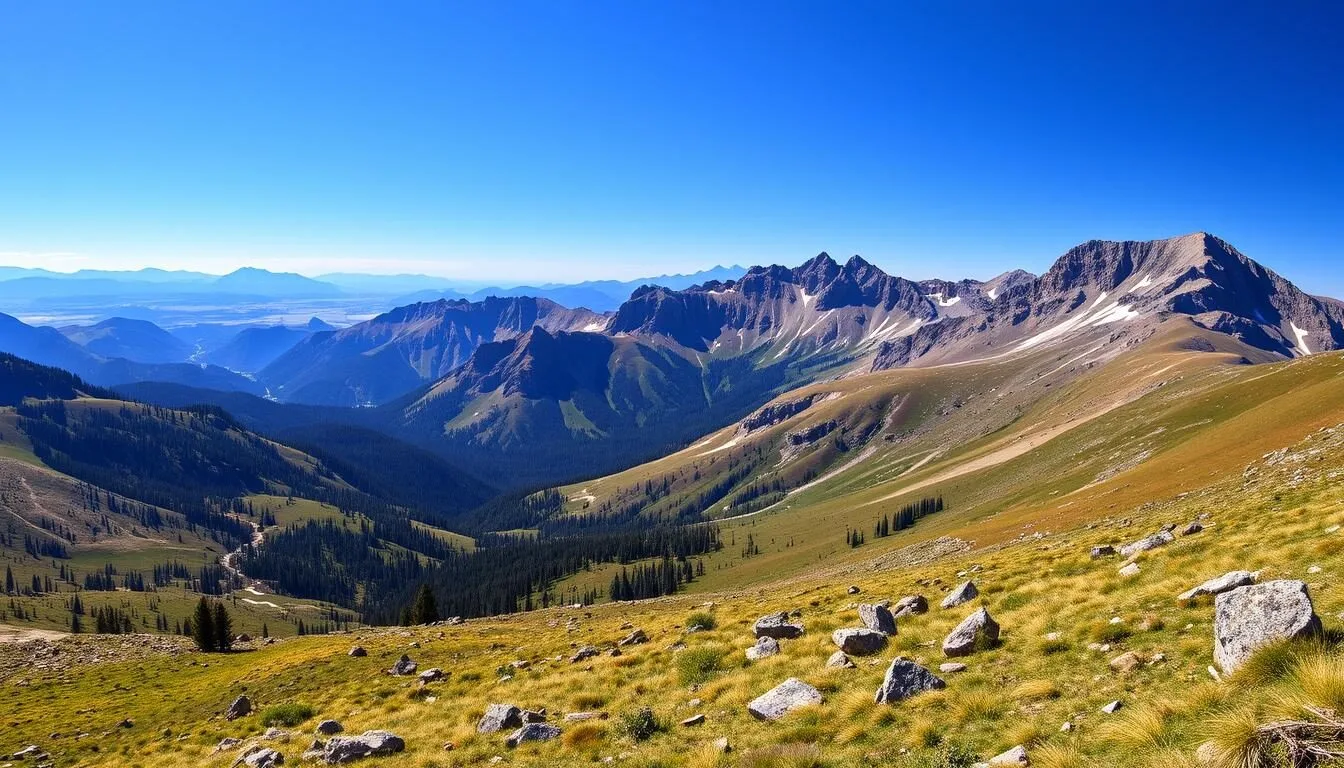
Did you know that Latir Peak Wilderness is home to four of New Mexico’s 20 highest mountains, yet remains one of the state’s least visited wilderness areas? This 20,506-acre hidden gem in northern New Mexico offers pristine alpine meadows, crystal-clear lakes, and stunning mountain vistas without the crowds found in more popular destinations. For outdoor enthusiasts seeking solitude among breathtaking landscapes, Latir Peak Wilderness provides an authentic wilderness experience that feels like stepping back in time.
Getting There & Planning Your Journey
Latir Peak Wilderness is located in northern New Mexico, approximately 48 km (30 miles) northeast of Taos. The closest major airports are in Albuquerque (ABQ), about 241 km (150 miles) away, and Santa Fe (SAF), about 161 km (100 miles) away. From either airport, you’ll need to rent a car to reach the wilderness area.
The main access point is via Cabresto Lake, which can be reached by driving north from Questa on NM-522, then east on NM-38 before turning onto Forest Road 134. The final approach to Cabresto Lake involves driving on Forest Road 134A, a rough jeep road that requires a vehicle with decent clearance. While some passenger cars make it up this road, an SUV or vehicle with higher clearance is recommended.
If you prefer not to navigate the rough road, there’s a large pullout just before Forest Road 134A where you can park and walk the remaining 3.2 km (2 miles) to the trailhead.
Best Time to Visit & Weather Tips
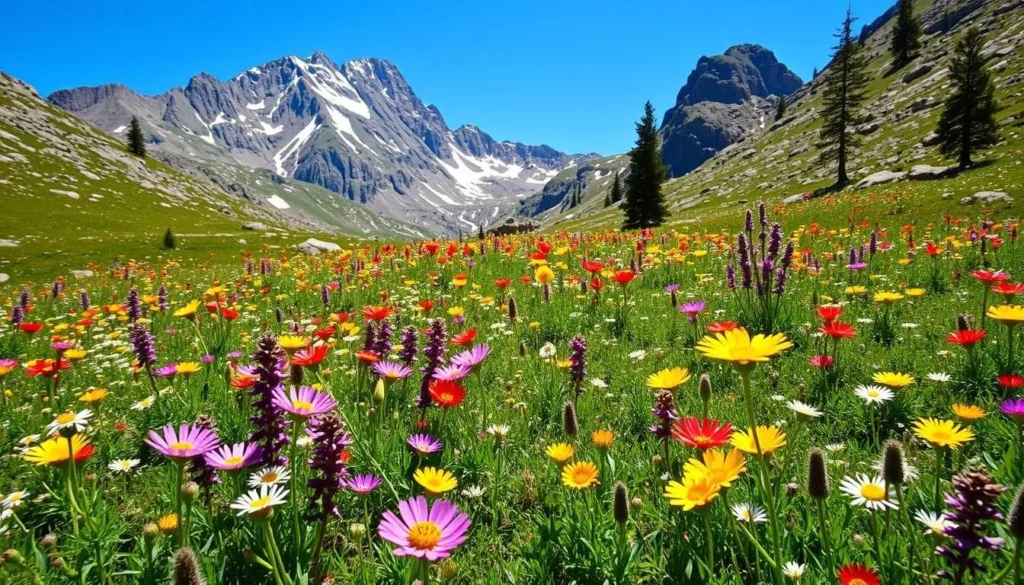
The optimal time to visit Latir Peak Wilderness is from mid-June through September when trails are generally free of snow and temperatures are most comfortable. July and August offer the best conditions for hiking and camping, with daytime temperatures typically ranging from 18-24°C (65-75°F) at higher elevations.
Recommended Months:
- Mid-June to early July: Wildflowers begin blooming, but some snowfields may remain at higher elevations
- Late July to August: Peak season with ideal conditions and abundant wildflowers
- September: Fewer visitors and beautiful fall colors, especially in aspen groves
Months to Avoid:
- November through May: Heavy snow makes access difficult or impossible
- Early June: Snowmelt creates muddy trails and high water crossings
- October: Unpredictable early snowstorms are possible
Weather in the mountains can change rapidly. Afternoon thunderstorms are common in summer, especially from July through August. Plan to start hikes early and be below treeline by early afternoon to avoid lightning danger. Nighttime temperatures can drop below freezing even in summer, so pack accordingly.
Getting Around Locally
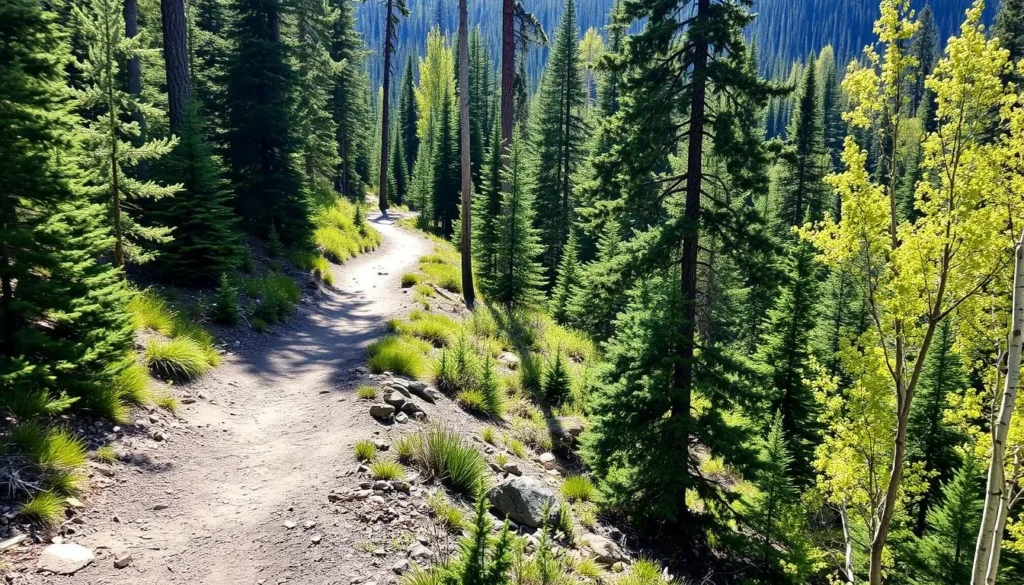
Once you arrive at the Latir Peak Wilderness, your own two feet will be your primary mode of transportation. There is no public transportation within the wilderness area, and motorized vehicles are prohibited.
The main trails in the area include:
- Lake Fork Trail: The most popular and well-maintained trail in the wilderness
- Bull Creek Trail: Less traveled but offers access to beautiful alpine terrain
- Heart Lake Trail: Provides access to one of the area’s most scenic lakes
Trail conditions vary throughout the season. Some trails are well-marked with cairns (rock piles), while others may be more difficult to follow. A physical map is essential as cell service is nonexistent in most of the wilderness. The Carson National Forest office in Questa can provide updated trail information and conditions before your visit.
For those with limited mobility, Cabresto Lake at the wilderness boundary offers some accessible fishing and picnicking opportunities without requiring hiking on rugged trails.
Where to Stay

Lodging options near Latir Peak Wilderness range from primitive camping to comfortable accommodations in nearby towns.
Camping Options:
- Cabresto Lake Campground: A free, primitive campground at the trailhead with basic facilities (no running water)
- Backcountry Camping: Permitted throughout the wilderness area with no reservations required
- Rio Costilla Park: Located north of the wilderness, offers developed campsites with amenities
Nearby Accommodations:
- Questa (24 km/15 miles): Small motels and vacation rentals
- Red River (32 km/20 miles): Mountain resort town with hotels, cabins, and B&Bs
- Taos (48 km/30 miles): Full range of accommodations from budget to luxury
If planning to camp in the backcountry, remember to follow Leave No Trace principles. Camp at least 60 meters (200 feet) from lakes and streams, and use established sites when possible to minimize impact. Bear-resistant food storage is recommended as black bears are present in the area.
Dining & Local Cuisine

There are no dining options within Latir Peak Wilderness itself, so visitors should plan to bring all necessary food for their trip. However, the surrounding communities offer excellent opportunities to experience authentic northern New Mexican cuisine.
✓ Check 30,000+ Local Sightseeing Tours Worldwide
In Questa, you’ll find small family-owned restaurants serving local specialties. For a more diverse selection of dining options, head to Red River or Taos. Northern New Mexican cuisine features distinctive dishes influenced by Native American, Spanish, and Mexican traditions.
Local Specialties to Try:
- Green Chile Stew: A hearty blend of roasted green chiles, meat, and potatoes
- Carne Adovada: Pork marinated in red chile sauce
- Sopapillas: Fried bread pillows served with honey
- Blue Corn Enchiladas: Traditional enchiladas made with local blue corn tortillas
- Piñon Coffee: Coffee infused with the flavor of pine nuts
When planning your wilderness trip, pack lightweight, high-energy foods. For overnight trips, bring a portable stove as campfires are discouraged in many areas due to fire danger. Local grocery stores in Questa and larger supermarkets in Taos provide ample opportunities to stock up on supplies before heading into the wilderness.
Attractions, Sightseeing & Activities
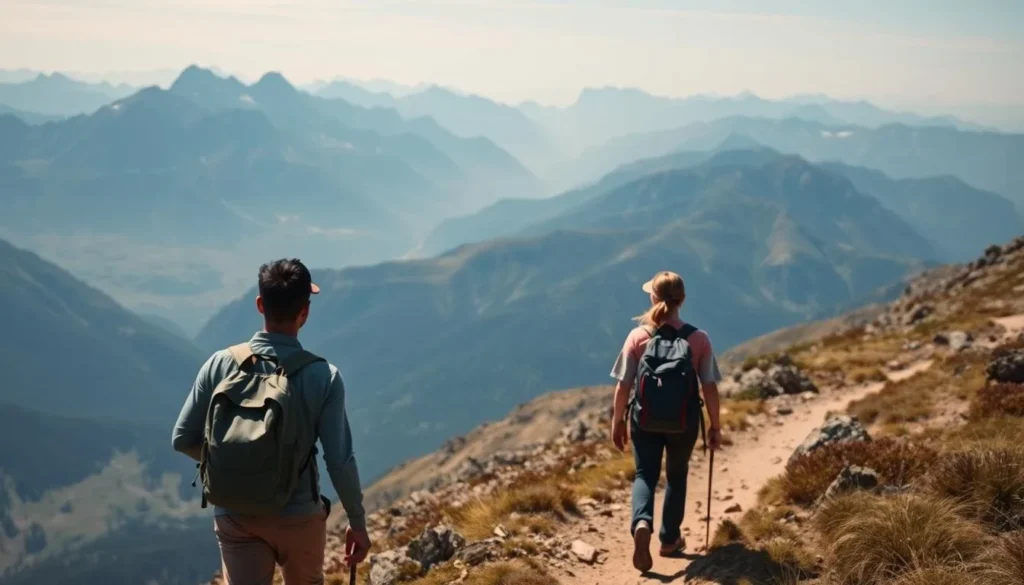
Latir Peak Wilderness offers a variety of activities centered around its pristine natural environment. The area’s main attractions are its stunning alpine landscapes, crystal-clear lakes, and abundant wildlife.
Top Attractions:
- Heart Lake: A beautiful alpine lake surrounded by meadows and mountains
- Latir Mesa: Offers spectacular 360-degree views of the surrounding wilderness
- Cabresto Lake: A scenic man-made lake at the wilderness boundary
- Latir Peak (3,870 m/12,708 ft): One of New Mexico’s highest mountains
- Venado Peak (3,880 m/12,734 ft): The highest point in the wilderness
Popular Activities:
- Hiking: Miles of trails ranging from moderate day hikes to challenging multi-day treks
- Fishing: Cabresto Lake and Heart Lake offer opportunities to catch trout
- Photography: Stunning landscapes, wildflowers, and wildlife provide endless photo opportunities
- Wildlife Viewing: Chances to spot elk, deer, bighorn sheep, and various bird species
- Stargazing: Minimal light pollution makes for exceptional night sky viewing
The Latir Peak Loop (approximately 22.5 km/14 miles) is a challenging but rewarding route that takes hikers past many of the area’s highlights, including multiple peaks and alpine lakes. For a shorter adventure, the hike to Heart Lake (approximately 10 km/6 miles round trip) offers stunning scenery with less commitment.
Museums, Cultural Spots & Festivals
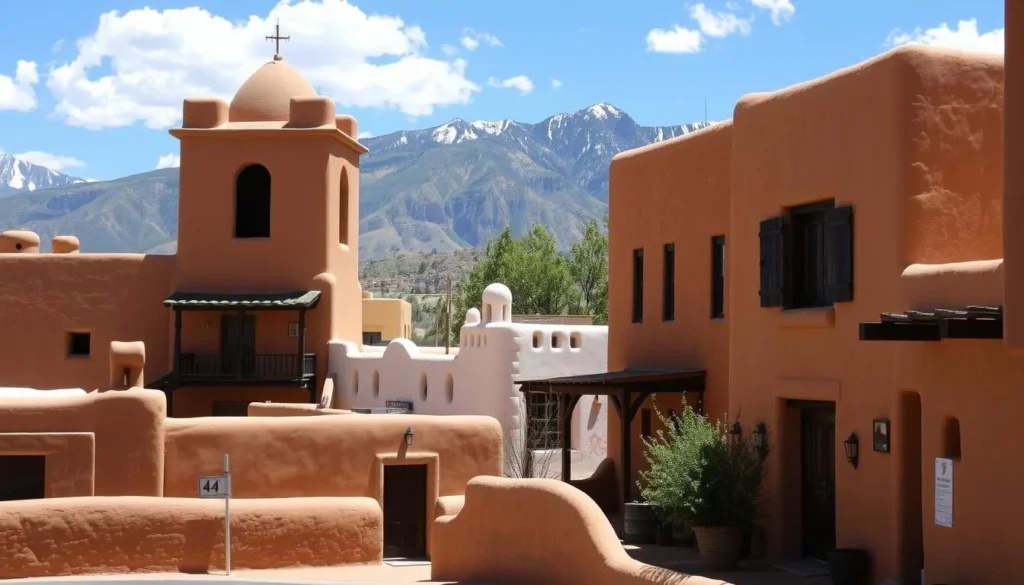
While Latir Peak Wilderness itself is a natural area without cultural facilities, the surrounding region is rich in history and culture. Nearby communities offer museums, historical sites, and cultural events that provide context for your wilderness experience.
In Taos (48 km/30 miles from trailhead):
- Taos Pueblo: A UNESCO World Heritage Site inhabited for over 1,000 years
- Millicent Rogers Museum: Features Native American, Hispanic, and Anglo art and artifacts
- Harwood Museum of Art: Showcases the art and culture of northern New Mexico
- Kit Carson Home and Museum: Preserves the history of this famous frontiersman
Annual Events:
- Taos Pueblo Pow Wow (July): Traditional Native American dancing and cultural celebration
- Fiestas de Taos (July): Annual celebration of the patron saints of Taos
- Taos Fall Arts Festival (September): Showcases work by local and regional artists
- Red River Folk Festival (September): Music festival in nearby Red River
The land around Latir Peak Wilderness has been home to Indigenous peoples for thousands of years, including the Taos Pueblo, Jicarilla Apache, Ute, and Comanche nations. Learning about this cultural heritage can enrich your understanding of the landscape you’ll be exploring.
Sports, Nature & Outdoor Experiences
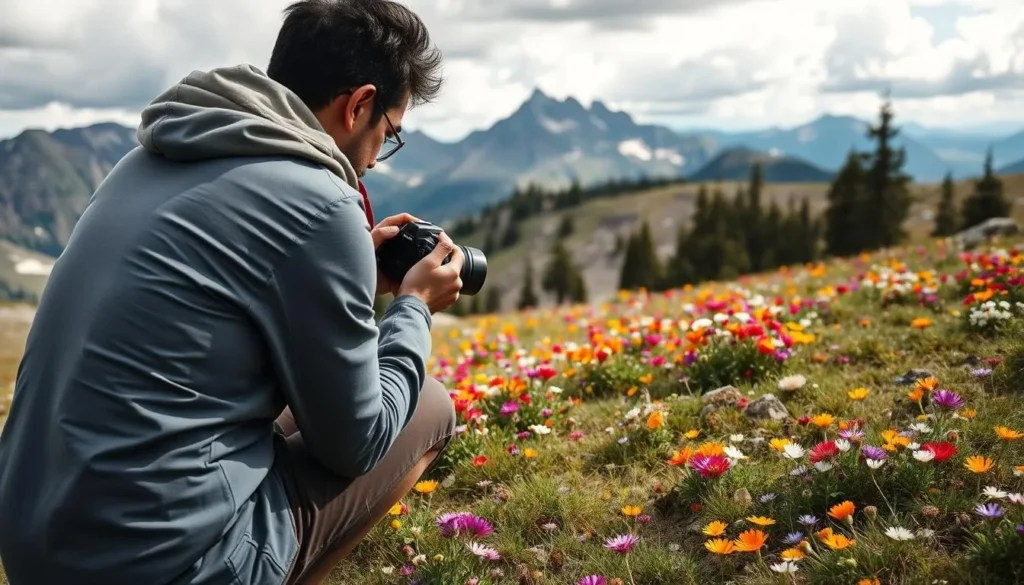
Latir Peak Wilderness is a paradise for nature lovers and outdoor enthusiasts. The area’s diverse ecosystems support a wide variety of plant and animal life, creating opportunities for memorable wilderness experiences.
Wildlife Viewing:
The wilderness is home to numerous wildlife species including elk, mule deer, black bears, bighorn sheep, and various small mammals like marmots and pikas. Birdwatchers can spot golden eagles, hawks, and numerous alpine and forest bird species. Dawn and dusk offer the best wildlife viewing opportunities.
Flora:
The wilderness showcases diverse plant communities that change with elevation. Lower elevations feature aspen groves and mixed conifer forests, while higher elevations transition to subalpine forests of Engelmann spruce and subalpine fir. Above treeline, alpine tundra hosts colorful wildflower displays during summer, including columbine, Indian paintbrush, and alpine sunflowers.
Seasonal Activities:
- Summer: Hiking, backpacking, fishing, photography, wildflower viewing
- Fall: Leaf peeping (especially aspen groves), wildlife viewing
- Winter: Snowshoeing and backcountry skiing (for experienced winter adventurers)
- Spring: Birdwatching during migration, viewing waterfalls from snowmelt
The Latir Lakes, a series of alpine lakes nestled among the peaks, offer excellent fishing opportunities for cutthroat trout. Note that fishing in the Latir Lakes requires a special permit from the Rio Costilla Cooperative Livestock Association, as these lakes are on private property with recreational access allowed.
Safety, Etiquette & Local Customs
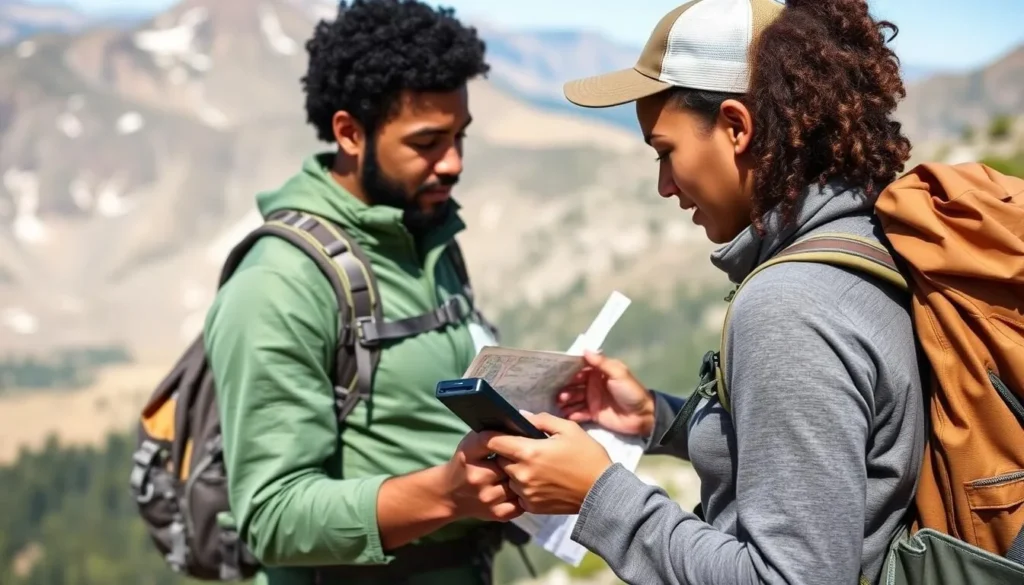
Safety is paramount when visiting Latir Peak Wilderness due to its remote nature and challenging terrain. Being prepared and informed will help ensure a positive experience.
Safety Considerations:
- Weather: Mountain weather can change rapidly. Check forecasts before departing and be prepared for sudden storms
- Altitude: The high elevation (3,000-3,900 m/9,800-12,800 ft) can cause altitude sickness. Acclimatize properly and recognize symptoms
- Navigation: Trails can be difficult to follow. Carry detailed maps and a compass, and know how to use them
- Water: Treat all water from lakes and streams before drinking
- Wildlife: Store food properly to avoid attracting bears and other wildlife
Wilderness Etiquette:
- Follow Leave No Trace principles
- Camp at least 60 meters (200 feet) from water sources
- Pack out all trash
- Use established fire rings if fires are permitted (check current restrictions)
- Yield to uphill hikers on trails
Cell phone coverage is virtually nonexistent within the wilderness. Consider carrying a satellite communication device for emergencies. Always inform someone of your itinerary and expected return date before heading into the backcountry.
Respect private property boundaries, particularly around the Latir Lakes, which are on land owned by the Rio Costilla Cooperative Livestock Association. Special permits may be required for fishing or camping in certain areas.
Visitor Comments About Latir Peak Wilderness
“Latir Peak Wilderness is truly one of New Mexico’s best-kept secrets. The alpine meadows were bursting with wildflowers when we visited in July, and we had the trails almost entirely to ourselves. The hike to Heart Lake was challenging but absolutely worth it for the pristine beauty and solitude. Don’t forget your camera and plenty of water!”
“As an international visitor, I was amazed by the accessibility of such untouched wilderness. The ridge walk above treeline offered panoramic views that rivaled anything I’ve seen in more famous mountain ranges. We spotted a herd of bighorn sheep near Latir Peak, which was the highlight of our trip. The lack of crowds made this a truly special experience.”
“My family has been visiting the Sangre de Cristo mountains for years, but we only recently discovered Latir Peak Wilderness. The fishing at Cabresto Lake was excellent, and the hiking trails provided just the right challenge for our experienced group. The views from Venado Peak were absolutely spectacular. This area deserves more recognition while simultaneously benefiting from its relative obscurity.”
Additional Nearby Destinations
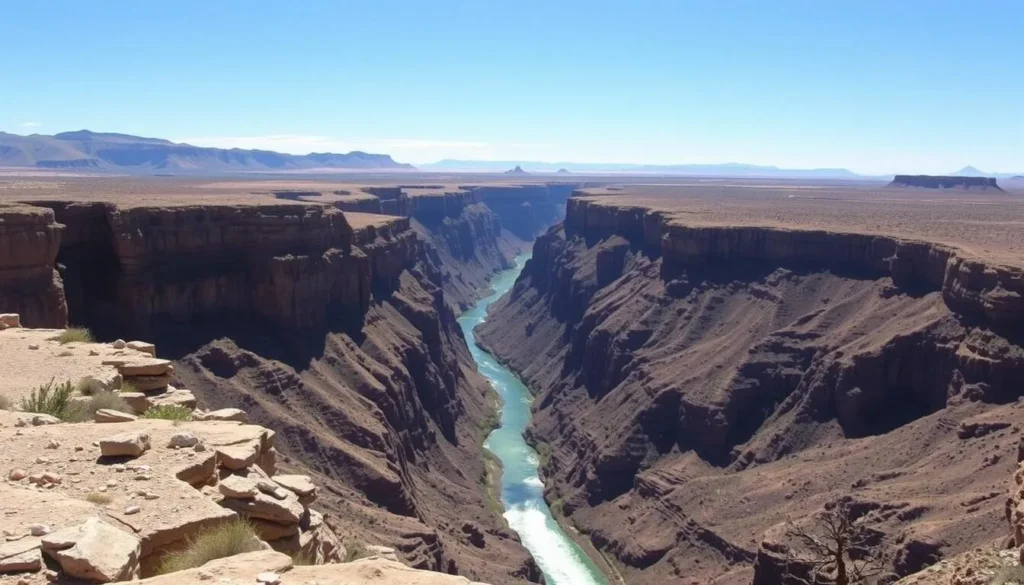
While Latir Peak Wilderness offers plenty to explore, several nearby destinations complement a visit to the area:
Within 1 Hour Drive:
- Rio Grande del Norte National Monument: Dramatic gorge and volcanic landscape
- Wheeler Peak Wilderness: Home to New Mexico’s highest peak (4,011 m/13,161 ft)
- Enchanted Circle Scenic Byway: 137 km (85-mile) scenic drive around Wheeler Peak
- Red River: Mountain resort town with summer and winter activities
- Wild Rivers Recreation Area: Offers stunning views of the Rio Grande and Red River confluence
Within 2 Hours Drive:
- Great Sand Dunes National Park (Colorado): Tallest sand dunes in North America
- Bandelier National Monument: Ancient cliff dwellings and archaeological sites
- Taos Ski Valley: World-class skiing in winter, hiking and mountain biking in summer
- Ojo Caliente Mineral Springs: Historic hot springs for post-hiking relaxation
Combining Latir Peak Wilderness with visits to these nearby attractions creates a well-rounded northern New Mexico experience that showcases the region’s diverse landscapes and cultural heritage.
Practical Travel Tips
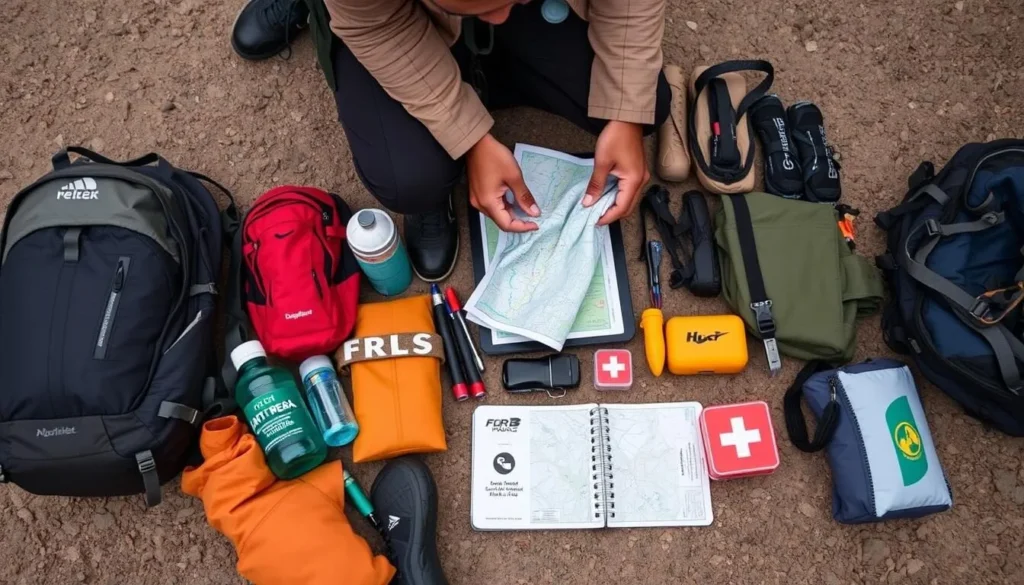
These practical tips will help you make the most of your visit to Latir Peak Wilderness:
Essential Gear:
- Detailed topographic map and compass (don’t rely solely on electronic devices)
- Layers of clothing (temperatures can vary dramatically)
- Rain gear (even in summer)
- Sun protection (the high altitude intensifies UV exposure)
- Water filter or purification method
- First aid kit with blister treatment
- Headlamp with extra batteries
Permits and Regulations:
No wilderness permits are required for day hiking or overnight camping in Latir Peak Wilderness. However, fishing licenses are required for fishing in New Mexico waters, and special permits may be needed for fishing in the Latir Lakes (contact the Rio Costilla Cooperative Livestock Association for information).
Local Resources:
- Carson National Forest Questa Ranger District: Updated trail conditions and regulations
- Questa Visitor Center: Local information and maps
- Taos Visitor Center: Comprehensive regional information
Acclimating to the high elevation is important. Consider spending a night in Taos or Questa before heading into the high country, especially if you’re coming from sea level. Stay hydrated and pace yourself when hiking at these elevations.
Embrace the Wilderness: Your Latir Peak Adventure Awaits
Latir Peak Wilderness represents the best of what northern New Mexico has to offer – stunning alpine scenery, abundant wildlife, and the increasingly rare gift of solitude in nature. Whether you’re drawn to challenging summit hikes, peaceful fishing at high mountain lakes, or simply the chance to disconnect in a pristine natural setting, this hidden gem delivers experiences that rival more famous wilderness areas without the crowds. As you plan your journey to this special corner of the Sangre de Cristo Mountains, remember that its untouched character is both its greatest attraction and a treasure worth preserving through responsible visitation. The mountains, meadows, and lakes of Latir Peak Wilderness have stood the test of time – now it’s your turn to discover them.
Related Posts

Zuni Mountains, New Mexico: Best Things to Do – Top Picks
Wild Rivers Recreation Area (Rio Grande del Norte), New Mexico: Best Things to Do – Top Picks

Wheeler Peak Wilderness, New Mexico: Best Things to Do – Top Picks

Valle Vidal (Carson National Forest), New Mexico: Best Things to Do – Top Picks

White Mesa Bike Trails / Badlands, New Mexico: Best Things to Do – Top Picks

Valle de Oro National Wildlife Refuge, New Mexico: Best Things to Do – Top Picks
Coming Soon: Clickable Maps