
Hotels by Trip.com
Flights by Trip.com
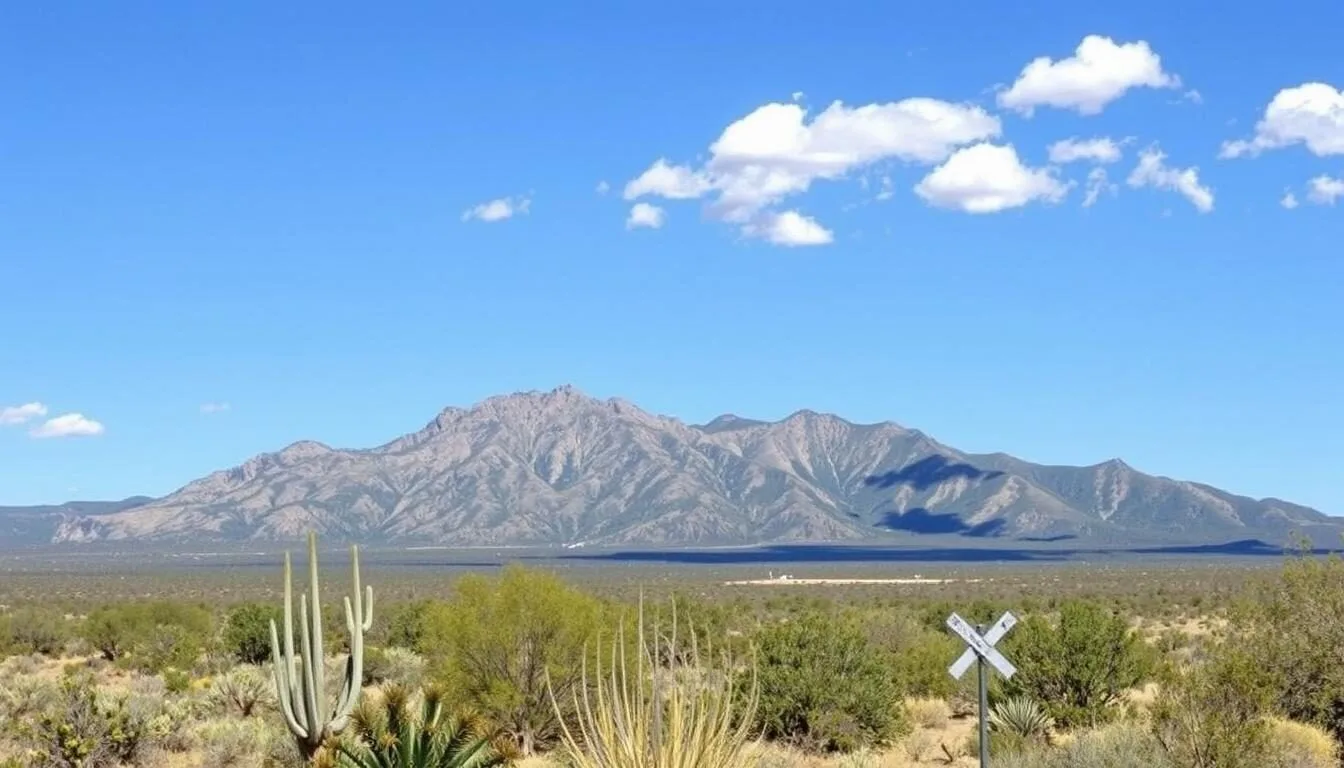
Rising dramatically to 10,783 m (35,375 ft) above the plains of central New Mexico, the Magdalena Mountains are one of the Southwest’s best-kept secrets, hosting the world’s fourth-highest astronomical observatory while receiving just a fraction of the visitors that flock to the state’s more famous destinations. This 18-mile-long “sky island” offers a unique ecosystem where desert wildlife meets alpine forests, creating a biodiversity hotspot that draws scientists, hikers, and nature enthusiasts seeking solitude among its towering peaks and hidden canyons.
Getting There & Planning Your Journey
The Magdalena Mountains are located approximately 20 miles southwest of Socorro in central New Mexico. The closest major airports are in Albuquerque (110 km/70 miles north) and El Paso, Texas (265 km/165 miles south). From either airport, you’ll need to rent a car to reach the mountains.
From Albuquerque, take I-25 south for about 70 miles to Socorro. Exit onto California Street heading south, then turn right onto US 60 West/Spring Street. Follow US 60 West for approximately 15.6 miles until you reach the Water Canyon turnoff. Turn left onto Forest Road 235 and continue for 4.8 miles to reach the Water Canyon Campground, which serves as the main access point for many trails.
For those interested in visiting the higher elevations, including South Baldy Peak and the Magdalena Ridge Observatory, a high-clearance vehicle is recommended as the road beyond Water Canyon Campground becomes rough and steep. The road to Magdalena Ridge may be closed during winter months due to snow and ice.
Best Time to Visit & Weather Tips
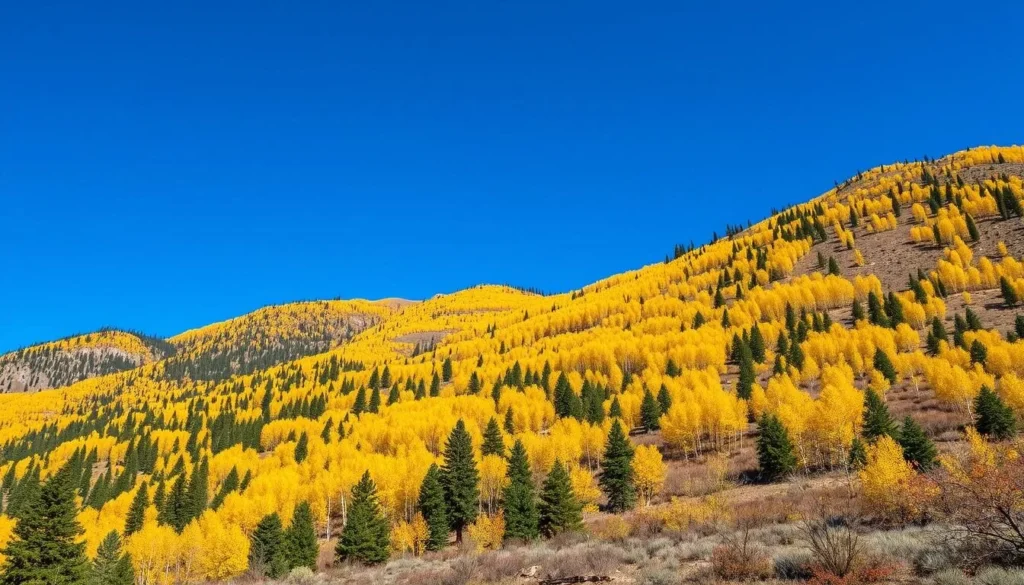
The Magdalena Mountains are accessible year-round, but each season offers different experiences:
Recommended Seasons:
- Spring (April-May): Mild temperatures between 10-21°C (50-70°F), wildflowers in bloom, and migrating birds make this an excellent time for wildlife viewing.
- Summer (June-August): Warm days at 24-32°C (75-90°F) in lower elevations, but a comfortable 15-24°C (60-75°F) at higher elevations. Afternoon thunderstorms are common in July and August.
- Fall (September-October): Perhaps the most spectacular season with temperatures of 10-24°C (50-75°F), golden aspen trees, and clear skies ideal for stargazing.
Seasons to Avoid:
- Winter (November-March): While beautiful with snow-covered peaks, access to higher elevations is often restricted due to snow. Temperatures range from -7 to 10°C (20-50°F). The road to Magdalena Ridge is typically closed.
- Late July-Early August: The peak of monsoon season brings daily afternoon thunderstorms, which can be dangerous at higher elevations due to lightning strikes.
Always check weather forecasts before heading out, as conditions can change rapidly in mountain environments. Pack layers regardless of season, as temperature differences between day and night can be significant. During summer months, start hikes early to avoid afternoon thunderstorms.
Getting Around Locally
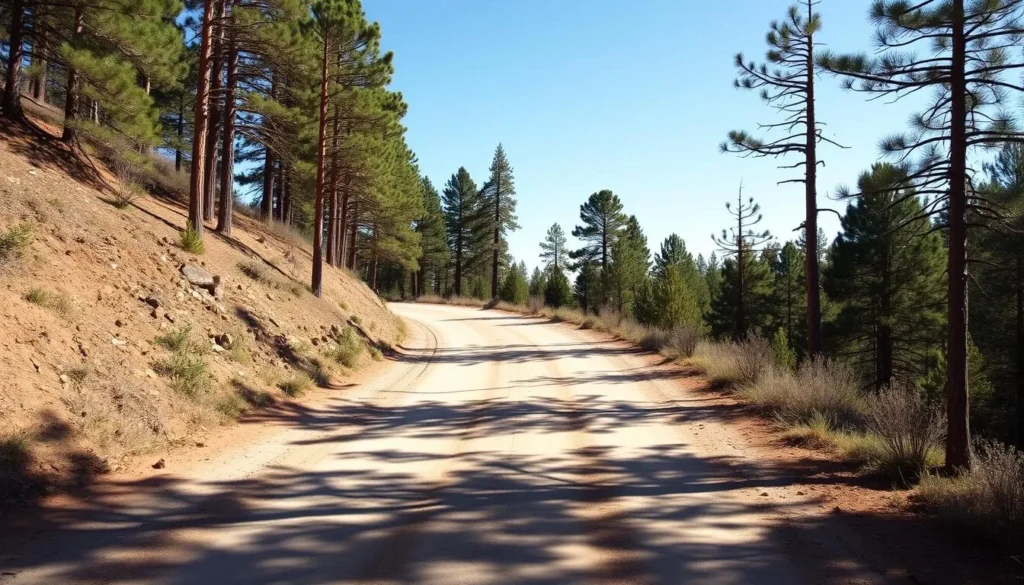
A personal vehicle is essential for exploring the Magdalena Mountains. There is no public transportation within the range, and the distances between trailheads and points of interest are substantial.
Road Conditions:
- US Highway 60 and the paved portion of Water Canyon Road are accessible to all vehicles.
- Forest Road 235 beyond Water Canyon Campground becomes increasingly rough and steep, requiring high-clearance vehicles.
- The road to Magdalena Ridge Observatory and South Baldy summit is approximately 13 km (8 miles) of improved dirt road with steep sections and switchbacks.
- Many side roads in the range are unmaintained and suitable only for 4WD vehicles with good ground clearance.
Navigation Tips:
- Cell service is limited throughout the mountains, so download offline maps before your trip.
- Carry physical USGS topographic maps of the Magdalena and South Baldy quadrangles if planning to hike.
- Forest Service roads are numbered but not always well-marked. Note junctions carefully when traveling.
- Fuel up in Socorro or Magdalena, as there are no gas stations within the mountain range.
For those interested in guided experiences, the town of Magdalena occasionally offers guided tours to historical mining sites. Check with the Magdalena Visitor Center for current offerings.
Where to Stay
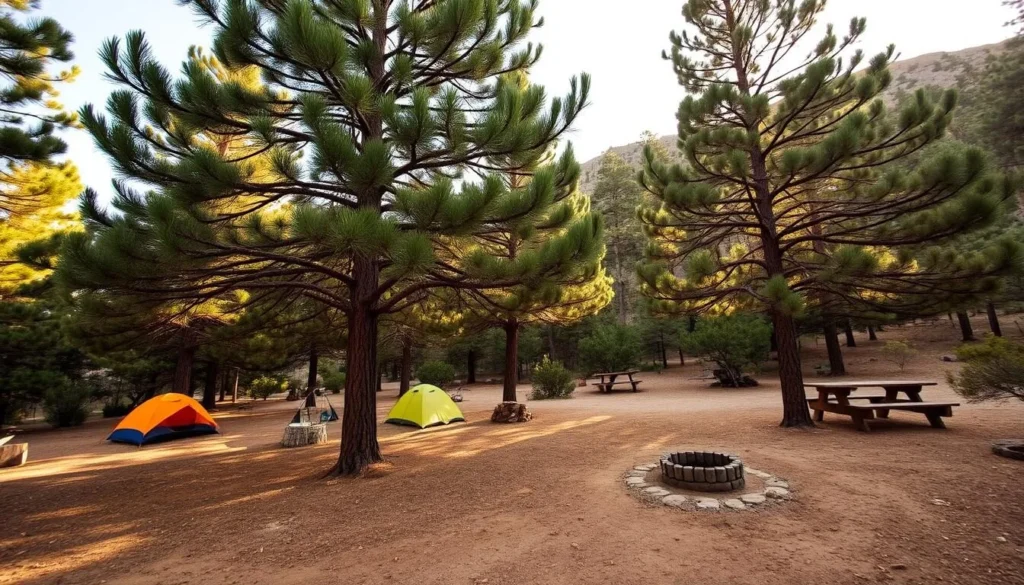
Accommodation options within the Magdalena Mountains are limited to camping, but nearby towns offer additional lodging choices:
Camping in the Mountains:
- Water Canyon Campground: The primary developed campground in the range with 16 family sites and 1 group site (maximum 30 people). Facilities include vault toilets, picnic tables, and fire rings. The campground is open March through November and sites are free, though the group site requires reservations.
- Dispersed Camping: Permitted throughout much of the Cibola National Forest with a 14-day stay limit. No facilities are available, and campers must follow Leave No Trace principles.
- High-Elevation Camping: Limited flat spots exist near the ridge line, offering spectacular stargazing opportunities. Water is scarce, so bring all you need.
Nearby Accommodations:
- Magdalena (20 km/12 miles): This historic mining town offers the High Country Lodge and a few vacation rentals. The town has limited services but provides basic necessities.
- Socorro (32 km/20 miles): As the largest nearby town, Socorro has several chain hotels, motels, and bed & breakfasts. Options include Best Western, Econo Lodge, and local establishments like the Val Verde Hotel.
- RV Parks: Several RV parks with hookups can be found in Socorro and along Highway 60.
For a unique experience, consider booking a stay at one of the historic buildings in Magdalena that have been converted to guest accommodations, offering a glimpse into the area’s mining past.
✓ Check 30,000+ Local Sightseeing Tours Worldwide
Dining & Local Cuisine

There are no dining establishments within the Magdalena Mountains themselves, so visitors should either bring their own food or plan to eat in nearby towns:
Nearby Dining Options:
- Magdalena: The small town offers a few casual dining options including Evett’s Cafe (known for its homemade pies and New Mexican dishes) and the Magdalena Cafe.
- Socorro: Offers a wider range of options, from fast food to local specialties. Don’t miss Socorro Springs Brewing Company for craft beers and wood-fired pizza, or San Antonio’s Buckhorn Tavern, famous for its green chile cheeseburger (rated #7 in the nation by GQ magazine).
- Pie Town: Located about 70 km (43 miles) west of Magdalena on Highway 60, this uniquely named town is worth the drive for its famous homemade pies at the Pie-O-Neer Cafe.
Local Specialties to Try:
- Green Chile Cheeseburger: A New Mexico staple featuring roasted Hatch green chiles.
- Carne Adovada: Pork marinated in red chile sauce.
- Sopapillas: Fried pastries served with honey, either as a side or dessert.
- Piñon Coffee: Coffee flavored with local piñon (pine) nuts.
- Blue Corn Enchiladas: Traditional enchiladas made with native blue corn tortillas.
If planning to hike or camp, bring plenty of food and water. The town of Socorro has several grocery stores where you can stock up on supplies before heading into the mountains.
Attractions, Sightseeing & Activities
Scientific Attractions:
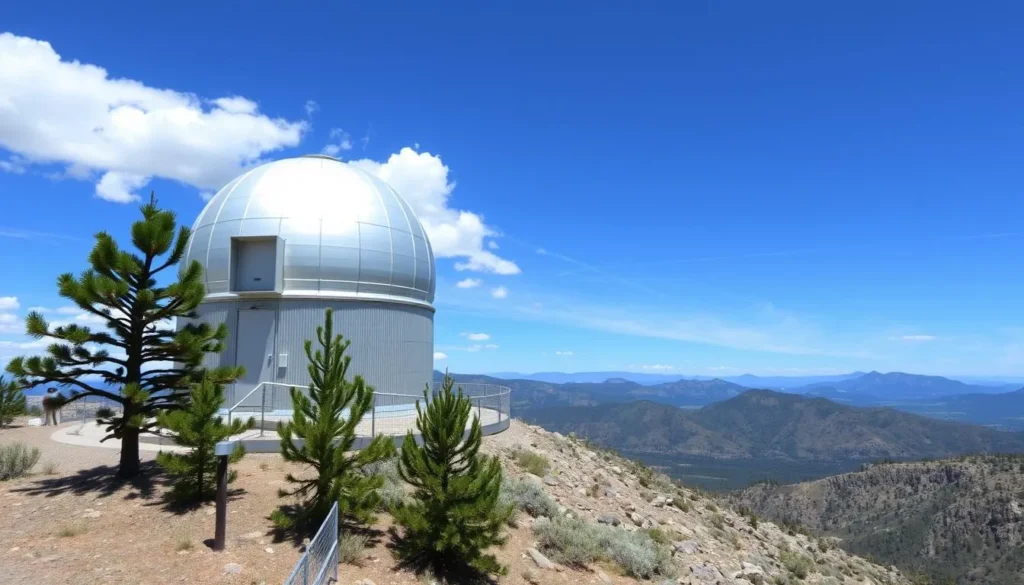
- Magdalena Ridge Observatory: Located at 3,230 m (10,600 ft), this world-class astronomical facility houses a 2.4-meter optical telescope and is developing an interferometer array. While not regularly open to the public, the observatory occasionally hosts open house events.
- Langmuir Laboratory for Atmospheric Research: Situated near South Baldy Peak, this facility studies lightning and thunderstorms. The unique architecture is visible from several trails.
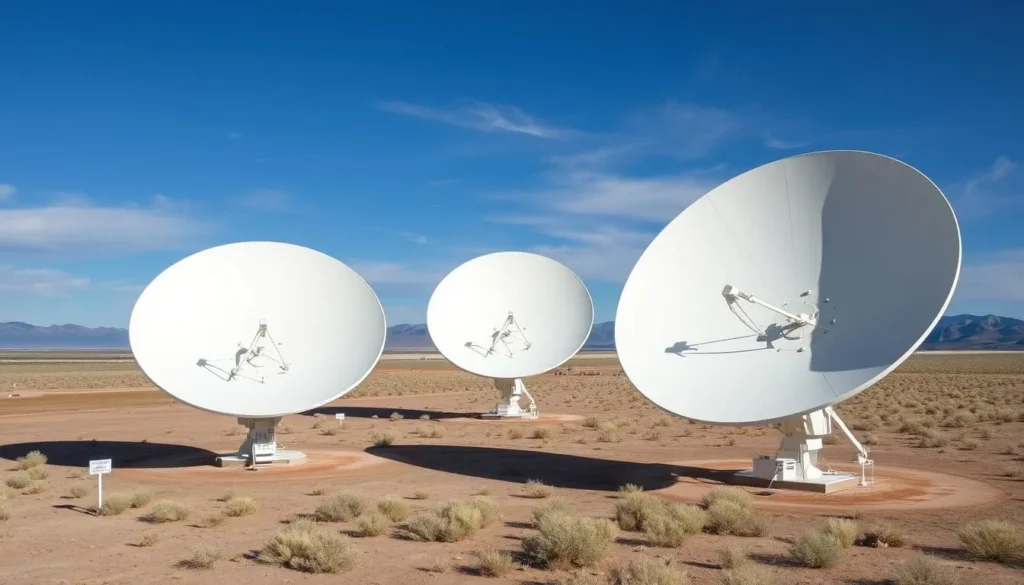
- Very Large Array (VLA): Located on the Plains of San Agustin just west of the Magdalena Mountains, this radio astronomy observatory features 27 massive antennas and was featured in the movie “Contact.” The visitor center is open daily.
Natural Attractions:
- South Baldy Peak: The highest point in the range at 3,287 m (10,783 ft) offers panoramic views of central New Mexico.
- Copper Canyon: A lush, forested canyon with seasonal streams and diverse wildlife.
- Water Canyon: Features accessible trails, picnic areas, and seasonal waterfalls.
- Devil’s Backbone Wilderness Study Area: Located in the southern portion of the range, this protected area offers rugged terrain and solitude.
Historical Sites:
- Kelly Ghost Town: Once a thriving mining community on the northern end of the range, now abandoned with a few remaining structures.
- Kelly Mine: A historic zinc, lead, and silver mine that operated in the late 19th and early 20th centuries. Some mining equipment remains visible.
- Magdalena Stock Driveway: Known as the “Trail of the Dead,” this historic cattle trail was used to drive livestock from Arizona to the railroad in Magdalena.
Most attractions in the Magdalena Mountains require some hiking to access, so come prepared with appropriate footwear, water, and navigation tools.
Museums, Cultural Spots & Festivals

While the Magdalena Mountains themselves are primarily a natural destination, the surrounding communities offer cultural and historical attractions that provide context for the region:
Museums & Cultural Sites:
- Boxcar Museum (Magdalena): Housed in an actual railroad boxcar, this small museum documents the town’s history as an important cattle shipping point and mining center.
- Kelly Mine Interpretive Site: Displays explaining the mining history of the area and its significance to the development of central New Mexico.
- New Mexico Tech’s Mineral Museum (Socorro): Features an outstanding collection of minerals, including specimens of Smithsonite from the Kelly Mine.
- Garcia Opera House (Socorro): A historic theater built in 1886, now hosting performances and cultural events.
- El Camino Real Historic Trail Site (45 minutes south): Interpretive center explaining the historic trade route that passed near the eastern side of the mountains.
Annual Events & Festivals:
- Old Timers Reunion (Magdalena, July): A celebration of the area’s ranching and mining heritage with a parade, rodeo events, and community gatherings.
- Socorro County Fair (September): Traditional county fair with agricultural exhibits, rodeo events, and local food.
- Festival of the Cranes (November, Bosque del Apache): While not in the mountains, this nearby wildlife refuge hosts a major festival celebrating the annual migration of sandhill cranes.
- Magdalena Star Party (varies): Occasional astronomy events taking advantage of the area’s exceptional dark skies.
The cultural heritage of the region blends Native American, Hispanic, and Anglo influences, with the mining and ranching industries playing significant roles in local history. The town of Magdalena itself was named after a rock formation that Spanish settlers thought resembled Mary Magdalene.
Sports, Nature & Outdoor Experiences
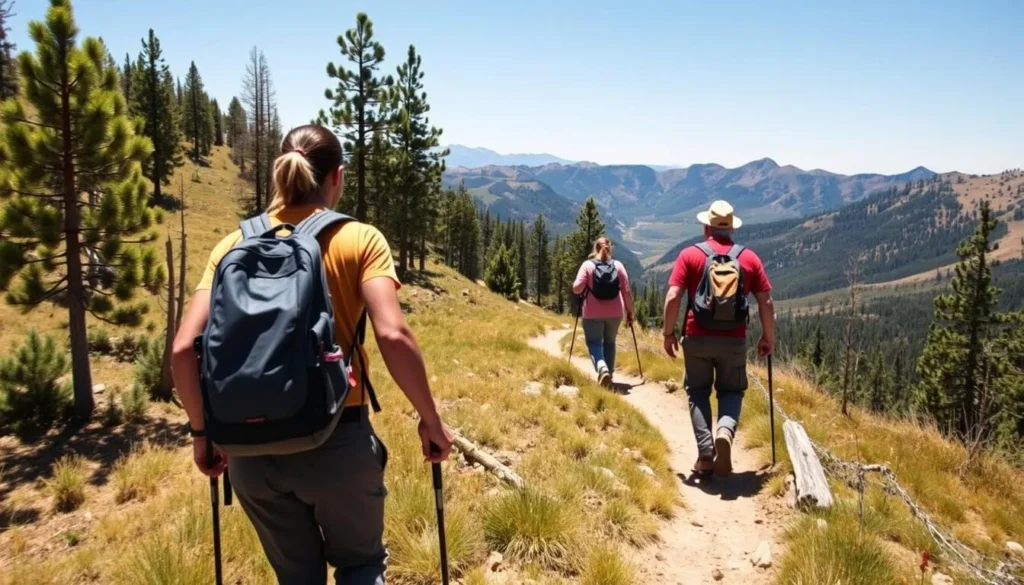
The Magdalena Mountains offer exceptional outdoor recreation opportunities in a less-crowded setting than many of New Mexico’s more famous destinations:
Hiking & Backpacking:
- South Baldy via Copper Canyon Trail: A challenging 18.6 km (11.6 mile) round trip with 1,200 m (3,940 ft) of elevation gain, offering spectacular views and diverse ecosystems.
- North Baldy Trail: A scenic ridge hike with panoramic views of the surrounding plains and mountains.
- Timber Peak Trail: A 9.7 km (6 mile) round trip through beautiful forests to a prominent peak with expansive views.
- Water Canyon Trail: An accessible 4.8 km (3 mile) trail following a canyon with seasonal streams.
- Hop Canyon Loop: A moderately difficult loop offering views of vertiginous canyons and forested peaks.
Wildlife Viewing:

- Birding: The mountains are known for excellent bird watching, particularly in Copper Canyon where migrating warblers can be observed. Look for Red-faced Warblers, Olive Warblers, Merriam’s Turkey, and Montezuma Quail.
- Mammals: The range is home to black bears, mountain lions, mule deer, and Abert’s squirrels. Dawn and dusk offer the best viewing opportunities.
- Seasonal Wildflowers: Spring and summer bring spectacular wildflower displays, including penstemon, western wallflower, and alpine false springparsley.
Other Activities:
- Mountain Biking: Several forest roads and some trails are suitable for mountain biking, though technical difficulty varies considerably.
- Rock Hounding: The area’s mining history makes it interesting for amateur geologists. The Kelly area is known for mineral specimens.
- Photography: The diverse landscapes, wildlife, and dark night skies offer exceptional photography opportunities.
- Stargazing: With minimal light pollution, the Magdalena Mountains provide some of the darkest skies in the Southwest, perfect for amateur astronomy.
When planning outdoor activities, remember that the high elevation affects physical performance. Allow time to acclimatize, especially if coming from lower elevations, and be prepared for rapid weather changes typical of mountain environments.
Safety, Etiquette & Local Customs
Mountain Safety:
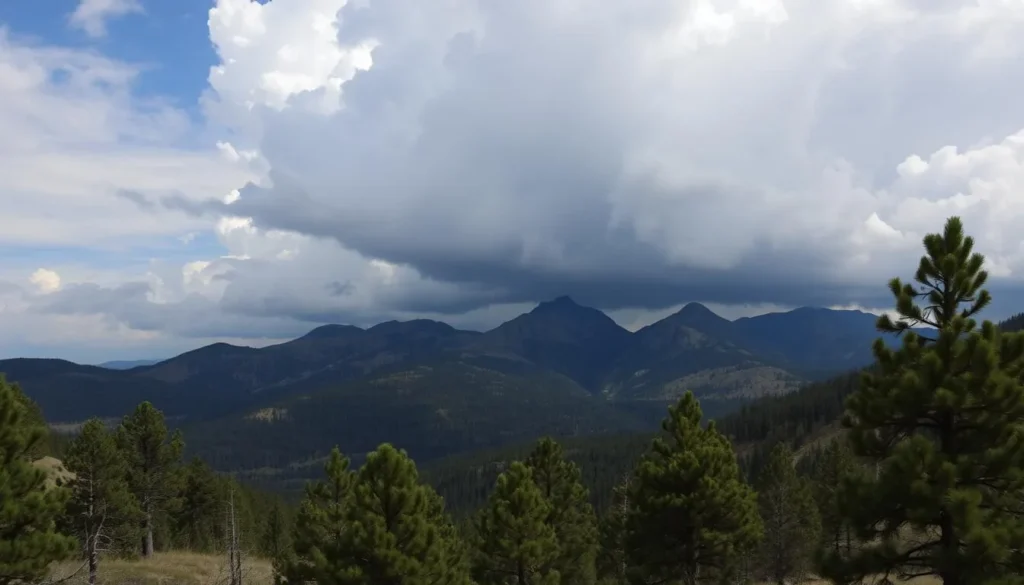
- Weather Awareness: Mountain weather can change rapidly. Check forecasts before heading out and be prepared to turn back if thunderstorms develop, especially during monsoon season (July-August).
- Lightning Safety: The Magdalena Mountains receive frequent lightning strikes. If caught in a thunderstorm, descend from ridges and peaks immediately and avoid isolated trees.
- Altitude Sickness: With elevations exceeding 3,000 m (10,000 ft), visitors from lower elevations should be aware of altitude sickness symptoms: headache, nausea, dizziness, and shortness of breath. Acclimatize gradually and descend if symptoms develop.
- Wildlife Safety: While encounters are rare, the mountains are home to black bears and mountain lions. Make noise while hiking, store food properly when camping, and know appropriate responses if you encounter large predators.
- Water Sources: Surface water is limited and seasonal. Carry adequate water (at least 3-4 liters per person for day hikes) and purify any natural water before drinking.
Etiquette & Regulations:
- Fire Restrictions: The Cibola National Forest frequently implements fire restrictions during dry periods. Check current regulations before planning campfires.
- Leave No Trace: Pack out all trash, stay on established trails, and minimize impact on fragile alpine environments.
- Scientific Facilities: Respect restricted areas around the Magdalena Ridge Observatory and Langmuir Laboratory.
- Private Property: Some mining claims and private inholdings exist within the mountains. Respect no trespassing signs.
- Cultural Sites: Historic mining structures and archaeological sites are protected. Observe but don’t disturb these resources.
Cell phone coverage is limited throughout the mountains, with the best reception typically found on ridgelines and peaks. Consider carrying a satellite communication device for emergencies when venturing into remote areas.
Visitor Comments About Magdalena Mountains
“The Magdalena Mountains were the highlight of our New Mexico road trip. We hiked to South Baldy on a clear October day and could see for what felt like hundreds of miles in every direction. The fall colors were spectacular, and we had the trail almost entirely to ourselves. Don’t miss the chance to stargaze from the high elevations—I’ve never seen the Milky Way so clearly!”
“As an avid birder, I found the Magdalena Mountains to be a hidden treasure. Copper Canyon was particularly productive, with Red-faced Warblers, Olive Warblers, and even a pair of Montezuma Quail. The diverse habitats from desert scrub to alpine forest create a remarkable diversity of species. The lack of crowds made for a peaceful experience compared to more popular birding destinations.”
“We camped at Water Canyon for three nights and used it as a base to explore the range. The campground was clean and quiet, though basic. The drive to the ridge was challenging but worth it for the views and the cool temperatures—a welcome relief from the summer heat below. The Hop Canyon Loop was our favorite hike, with stunning vistas and beautiful forest sections.”
Additional Nearby Destinations
The Magdalena Mountains are surrounded by other fascinating destinations that can be combined into a comprehensive central New Mexico itinerary:
Within 1 Hour:
- Very Large Array (VLA): This iconic radio astronomy observatory on the Plains of San Agustin is just 40 minutes west of Magdalena.
- Socorro: This historic town offers the New Mexico Tech campus, the Mineral Museum, and the historic Plaza.
- The Box Recreation Area: A popular rock climbing destination just east of Socorro with dramatic canyon walls.
- Bosque del Apache National Wildlife Refuge: One of the premier bird watching sites in North America, particularly famous for winter sandhill crane and snow goose populations.
- San Mateo Mountains: Another sky island range west of the Magdalenas offering additional hiking opportunities.
Within 2-3 Hours:
- White Sands National Park: The world’s largest gypsum dune field, offering surreal landscapes and sledding on the white sand.
- Gila Wilderness: America’s first designated wilderness area, featuring ancient cliff dwellings, hot springs, and extensive trail systems.
- Albuquerque: New Mexico’s largest city with its historic Old Town, museums, and the Sandia Peak Tramway.
- Trinity Site: Open twice yearly, this is where the first atomic bomb was tested in 1945.
- Elephant Butte Lake: New Mexico’s largest reservoir, popular for boating, fishing, and water sports.
Many visitors combine a trip to the Magdalena Mountains with a tour of the VLA and a visit to Bosque del Apache, creating a perfect blend of nature, science, and wildlife viewing experiences.
Practical Travel Tips
Essential Gear:
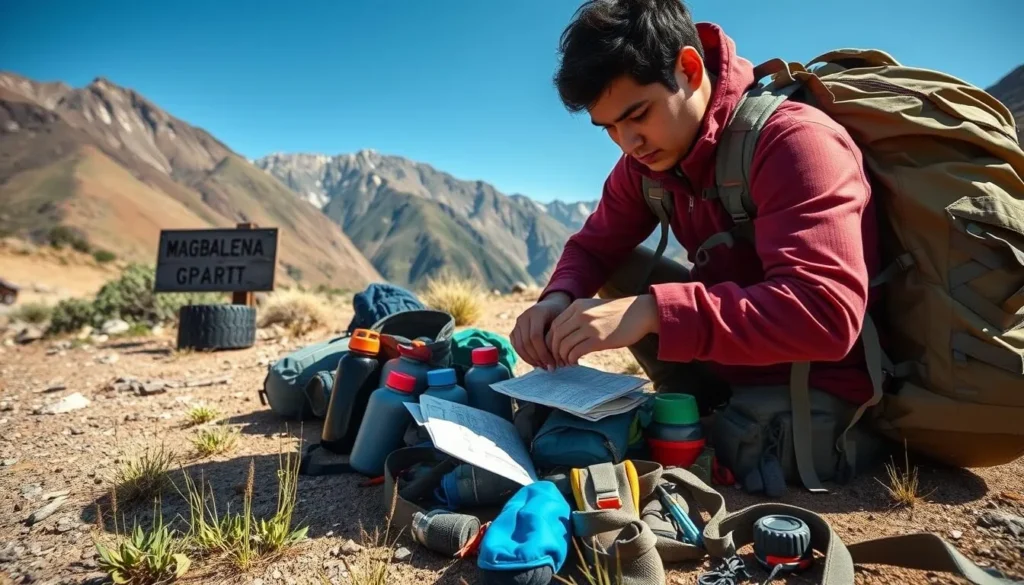
- Navigation: Topographic maps, compass, and/or GPS device with downloaded maps (cell service is unreliable).
- Water: Carry at least 3-4 liters per person per day for hiking, as water sources are limited and seasonal.
- Sun Protection: The high elevation intensifies UV exposure. Bring sunscreen, hat, sunglasses, and lightweight long-sleeved clothing.
- Layers: Temperature variations between day and night can exceed 20°C (36°F). Pack accordingly, including a warm layer even in summer.
- First Aid Kit: Include basic supplies plus treatments for blisters, altitude sickness, and insect bites.
Planning Resources:
- Cibola National Forest – Magdalena Ranger District: The official managing agency for the mountains, providing current conditions and regulations.
- USGS Maps: The Magdalena and South Baldy quadrangles cover most of the range.
- Weather Resources: The National Weather Service forecast for Socorro County and the Magdalena Mountains.
- Local Information: The Magdalena Visitor Center and Socorro County Chamber of Commerce offer local insights and current information.
Practical Considerations:
- Services: There are no services within the mountains themselves. Stock up on supplies, fuel, and food in Socorro or Magdalena.
- Permits: No permits are required for day hiking or camping, but group sites at Water Canyon Campground require reservations.
- Accessibility: Most trails are not accessible to those with mobility limitations. Water Canyon Recreation Area offers the most accessible options.
- Pets: Dogs are allowed on trails but must be leashed. Remember that wildlife, cactus spines, and hot ground can pose hazards to pets.
- Photography: The clear air and dramatic landscapes offer exceptional photography opportunities. Early morning and late afternoon provide the best light.
For visitors interested in astronomy, plan your trip around the new moon for the darkest skies. Check the Magdalena Ridge Observatory website for occasional public events that allow visitors to tour the facility and view through telescopes.
Embrace the Solitude of New Mexico’s Sky Island
The Magdalena Mountains offer a rare combination of accessibility and wilderness, where visitors can experience the diverse ecosystems of a sky island rising from the desert floor to alpine heights. Unlike New Mexico’s more famous destinations, these mountains provide solitude and discovery for those willing to venture beyond the beaten path. Whether you’re hiking to panoramic summits, observing migrating birds in hidden canyons, or gazing at the Milky Way from some of the darkest skies in America, the Magdalenas reward explorers with authentic experiences in a landscape where science, nature, and history converge. As you plan your journey to this remarkable range, prepare thoroughly but leave room for the unexpected discoveries that make the Magdalena Mountains a treasure of the American Southwest.
Related Posts

Zuni Mountains, New Mexico: Best Things to Do – Top Picks
Wild Rivers Recreation Area (Rio Grande del Norte), New Mexico: Best Things to Do – Top Picks

Wheeler Peak Wilderness, New Mexico: Best Things to Do – Top Picks

Valle Vidal (Carson National Forest), New Mexico: Best Things to Do – Top Picks

White Mesa Bike Trails / Badlands, New Mexico: Best Things to Do – Top Picks

Valle de Oro National Wildlife Refuge, New Mexico: Best Things to Do – Top Picks
Coming Soon: Clickable Maps