

Hidden just an hour northwest of Albuquerque lies one of New Mexico’s best-kept secrets: the Ojito Wilderness, where 11,000 acres of protected high desert landscape have remained virtually unchanged for millions of years. This remarkable wilderness area is home to dinosaur fossils dating back 150 million years, including the remains of Seismosaurus, one of the longest dinosaurs ever discovered at over 30 meters (100 feet) in length.
Getting There & Planning Your Journey
The Ojito Wilderness is located approximately 50 km (31 miles) northwest of Albuquerque and about 16 km (10 miles) west of the village of San Ysidro. The closest major airport is Albuquerque International Sunport, which offers connections to major cities across the United States.
To reach the wilderness area, take Highway 550 northwest from Bernalillo toward San Ysidro. Turn west onto Cabezon Road (County Road 906) and continue for approximately 6.4 km (4 miles) on a dirt and gravel road to reach the trailheads. A high-clearance vehicle is recommended, especially after rain, as the road has numerous dips and trenches.
Before visiting, download offline maps as cell service is limited in the area. The Bureau of Land Management (BLM) manages this wilderness, so check their website for the most current conditions and any temporary closures.
Best Time to Visit & Weather Tips
The ideal time to explore the Ojito Wilderness is during spring (March-May) and fall (September-November) when temperatures are moderate and comfortable for hiking. Summer months (June-August) can be extremely hot, with temperatures regularly exceeding 32°C (90°F), making hiking potentially dangerous without proper preparation.

Recommended Months
- March to May (Spring)
- September to November (Fall)
- December to February (Winter – for shorter hikes)
Months to Avoid
- June to August (Summer) – Extreme heat
- July to August (Monsoon season) – Flash flood risk
Winter visits (December-February) can be pleasant on sunny days, but be prepared for cold temperatures, especially in the early morning and evening. The area receives little rainfall, but summer monsoon season (July-August) can bring sudden thunderstorms and flash flooding risk in arroyos and canyons.
Always check the weather forecast before your visit and bring plenty of water regardless of the season. The desert environment can be deceptively dehydrating even on cooler days.
Getting Around Locally
The Ojito Wilderness is a designated wilderness area, which means it’s closed to all motorized and mechanical forms of transportation, including mountain bikes. Exploration is limited to foot travel and horseback riding only.

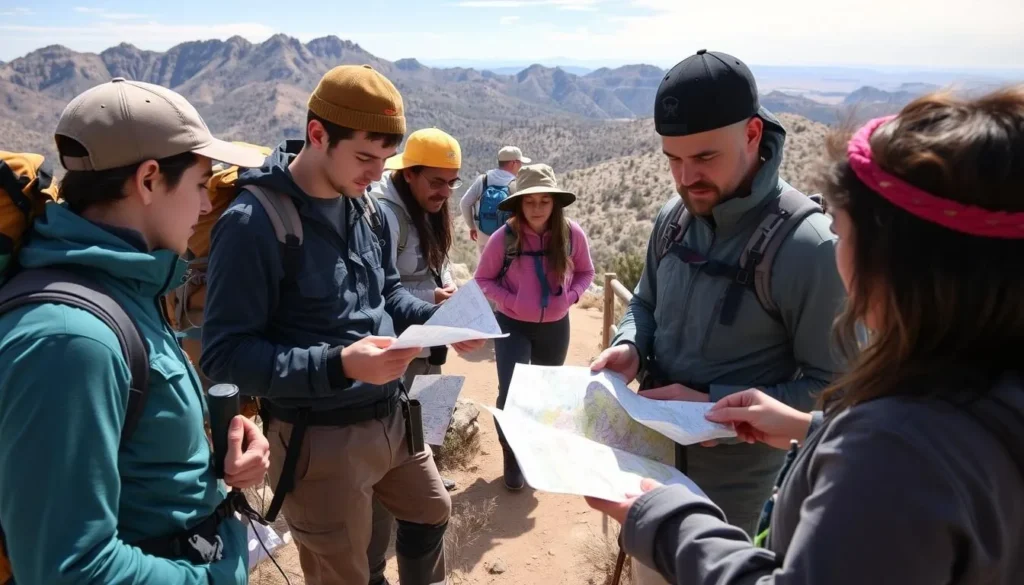
There are several established trails in the wilderness area, though many are unmarked or minimally marked with rock cairns. Navigation skills are essential, as it’s easy to get disoriented among the similar-looking mesas and rock formations. Bring a detailed map, compass, and/or GPS device, and always tell someone your planned route and expected return time.
The terrain varies from relatively flat sandy areas to steep climbs up mesas and through rocky arroyos. Sturdy hiking boots with good ankle support are recommended. Walking sticks can be helpful for stability on loose gravel and sand.
Where to Stay
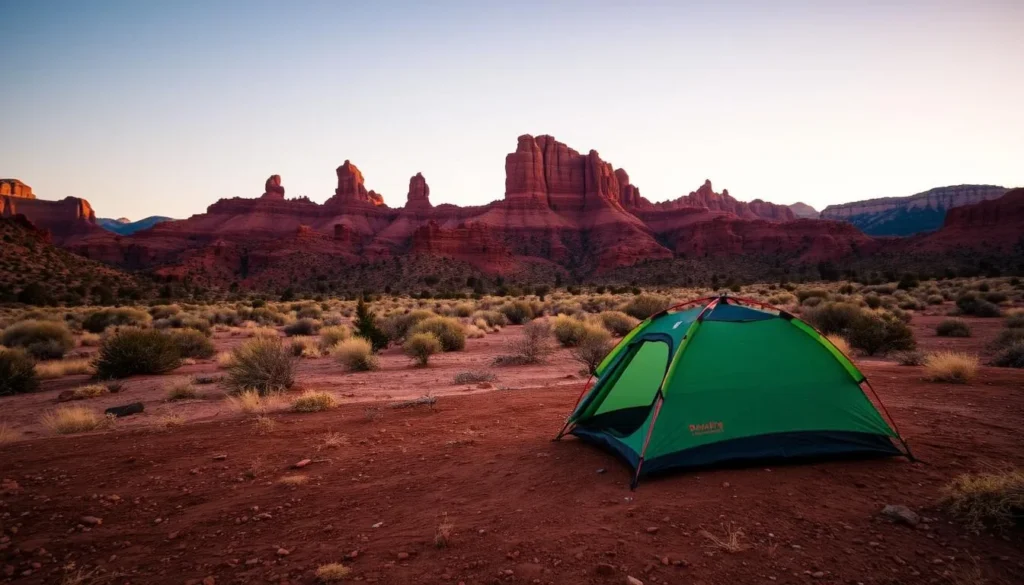
There are no developed campgrounds or lodging facilities within the Ojito Wilderness itself. Primitive camping is permitted throughout the wilderness area with no permits required. If you choose to camp, practice Leave No Trace principles and camp on durable surfaces at least 60 meters (200 feet) from water sources.
For those preferring more comfortable accommodations, the nearest options are:
Nearby Towns with Lodging
- San Ysidro (16 km/10 miles) – Limited options
- Bernalillo (50 km/31 miles) – Several hotels and B&Bs
- Rio Rancho (55 km/34 miles) – Various hotels
- Albuquerque (65 km/40 miles) – Full range of accommodations
Camping Alternatives
- San Ysidro Campground – Basic facilities
- Jemez Falls Campground – Seasonal (May-October)
- Coronado Campground – Near Bernalillo
If you plan to stay in Albuquerque or Bernalillo, you can make a day trip to the Ojito Wilderness. Start early in the morning to maximize your time and avoid the hottest part of the day, especially during summer months.
Dining & Local Cuisine
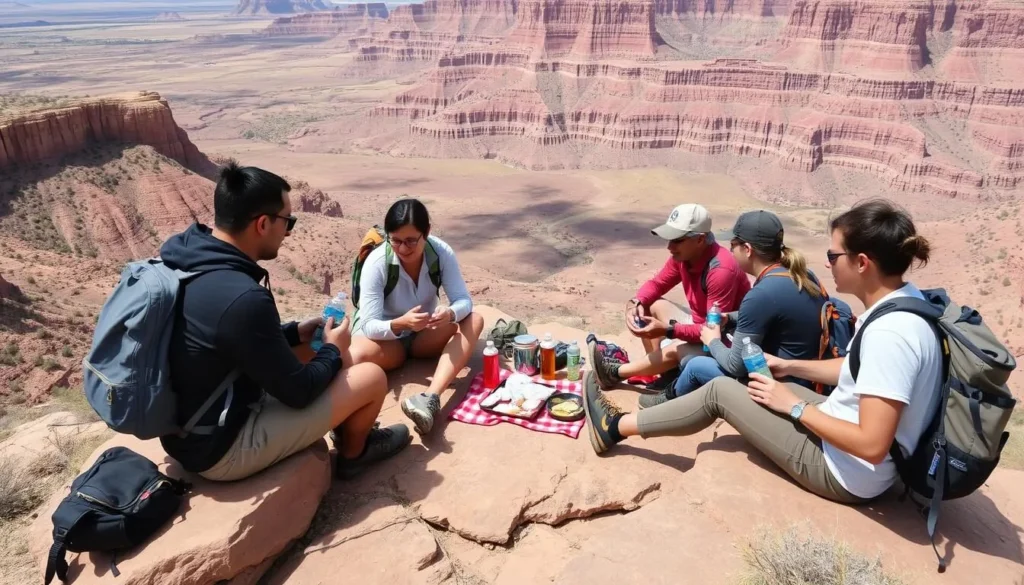
There are no dining facilities within the Ojito Wilderness, so you’ll need to bring all food and water with you. Pack plenty of high-energy snacks and at least 3-4 liters (1 gallon) of water per person for a day hike, more if temperatures are high.
The nearest restaurants are in San Ysidro, with more options available in Bernalillo and Albuquerque. The area is known for its New Mexican cuisine, which features distinctive local ingredients and chile-based dishes.
Local Specialties to Try
- Green chile stew – A hearty, spicy stew with chunks of pork
- Carne adovada – Slow-cooked pork marinated in red chile
- Sopapillas – Fried pastries served with honey
- Blue corn enchiladas – A New Mexican twist on a classic dish
- Piñon coffee – Coffee flavored with local pine nuts
If you’re planning a full day in the wilderness, consider packing a cooler with ice and perishable foods that you can leave in your vehicle for a post-hike meal. Just be aware that extreme heat can quickly spoil food, even in a cooler.
Attractions, Sightseeing & Activities
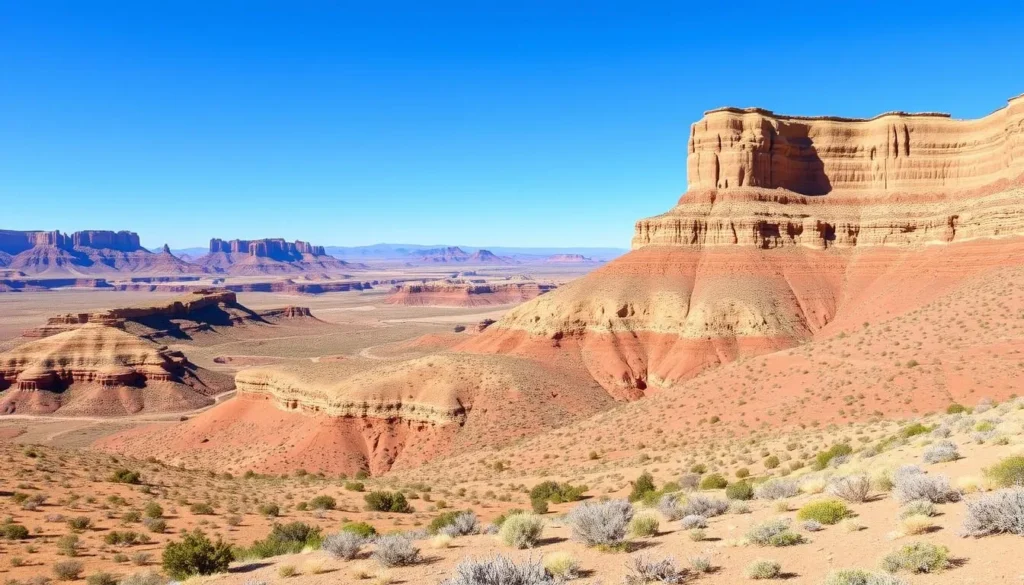
The Ojito Wilderness offers a variety of natural attractions and activities for outdoor enthusiasts. The landscape is characterized by colorful badlands, steep-sided mesas, box canyons, and fascinating rock formations that have been sculpted by wind and water over millions of years.
Top Attractions in Ojito Wilderness
Natural Features
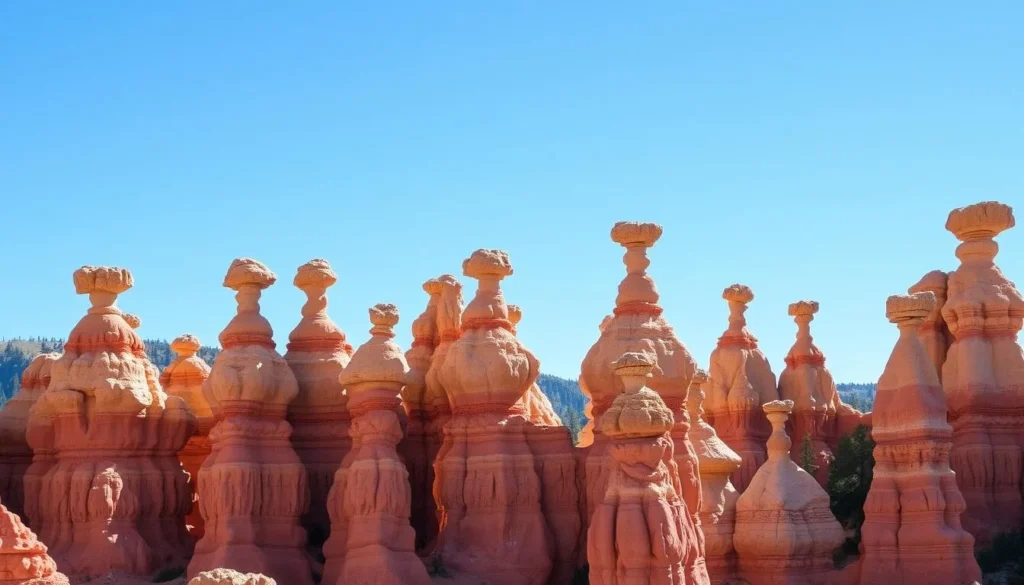
- Hoodoo rock formations – Weathered pillars topped with harder capstones
- Colored Bluffs – Vibrant multi-colored badlands
- Bernalillito Mesa – Offers panoramic views of the wilderness
- Box canyons – Narrow ravines with steep walls
- Fossil beds – Ancient marine and dinosaur remains
Popular Activities
- Hiking – Various trails of different difficulty levels
- Photography – Stunning landscapes and formations
- Birdwatching – Over 100 species in the area
- Stargazing – Minimal light pollution
- Horseback riding – Permitted throughout the wilderness
The area is also known for its paleontological significance. In 1979, a partial skeleton of Seismosaurus was discovered here, and numerous other fossils have been found in the layers of shale, sandstone, and limestone. While collecting fossils is prohibited without a permit, observing these ancient traces in their natural setting is a highlight for many visitors.
Must-Visit Trails in Ojito Wilderness
Several distinct trails offer different experiences of the Ojito Wilderness. Here are the most popular options:
| Trail Name | Distance | Difficulty | Highlights | Best Season |
| Hoodoo Trail | 5.5 km (3.4 miles) | Moderate | Unique hoodoo formations, varied terrain | March-May, Sept-Oct |
| Dragon’s Back Trail | 11.6 km (7.2 miles) | Moderate | Ridge hiking, panoramic views | Dec-April |
| Seismosaurus Trail | 3.5 km (2.2 miles) | Easy | Petroglyphs, fossils, ancient ruins | Nov-April |
| Colored Bluffs Hike | Variable | Easy to Moderate | Multi-colored badlands, unique geology | March-May, Oct-Nov |
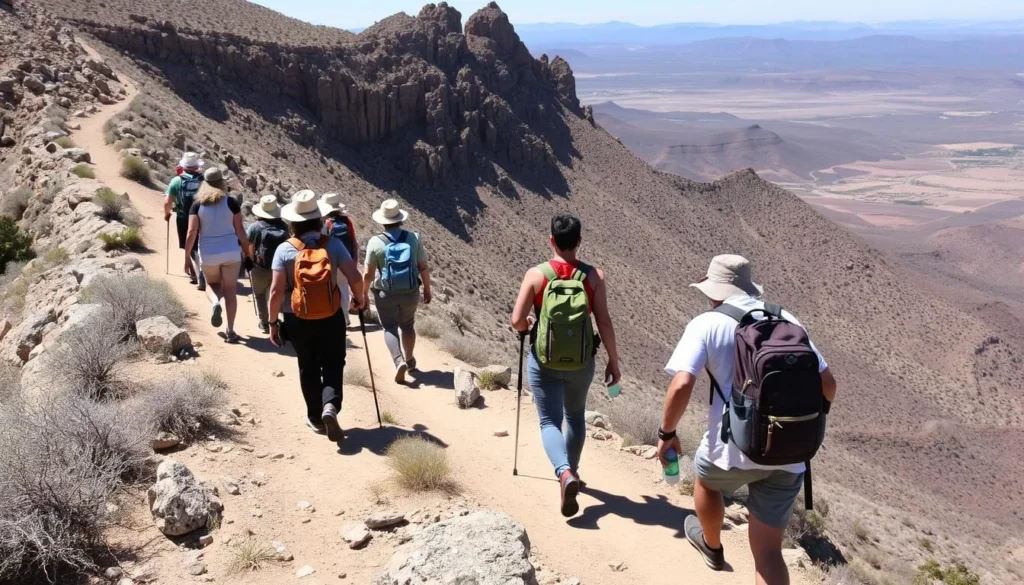
Many of these trails are minimally marked, so navigation skills are essential. Carry a detailed map and compass or GPS device, and consider taking photos of landmarks to help orient yourself on the return journey. The open terrain can be deceptively disorienting, especially when exploring off-trail areas.
Cultural Spots & Historical Significance
The Ojito Wilderness has a rich cultural history spanning thousands of years. Various indigenous peoples have inhabited this region, leaving behind evidence of their presence in the form of petroglyphs, pottery shards, and stone structures.

The area was historically used by Pueblo peoples, including ancestors of today’s Jemez, Zia, and Santa Ana Pueblos. Spanish explorers later traversed the region, followed by American settlers. Each group adapted to the challenging desert environment in different ways.
Cultural Points of Interest
- Petroglyphs – Rock carvings created by indigenous peoples
- Ancient dwelling ruins – Remnants of early habitation
- Historical cattle ranching sites – Evidence of later settlement
- Fossil beds – Paleontological sites of scientific importance
When visiting cultural sites, remember that all artifacts and structures are protected by law. Observe petroglyphs from a respectful distance, never touch them (oils from skin can damage the carvings), and never remove any artifacts or disturb archaeological sites.
The Ojito Wilderness was designated as federally protected wilderness in 2005, recognizing both its natural beauty and cultural significance. This designation ensures that the area will remain undeveloped and preserved in its natural state for future generations.
Sports, Nature & Outdoor Experiences
The Ojito Wilderness offers numerous opportunities for outdoor recreation and nature observation. The diverse landscape supports a surprising variety of plant and animal life adapted to the harsh desert conditions.
Wildlife Viewing
The wilderness is home to a variety of desert-adapted wildlife. Early morning and late afternoon are the best times for wildlife observation, as many desert animals are most active during cooler parts of the day.
Common Wildlife
- Coyotes and jackrabbits
- Various lizard species
- Rattlesnakes (maintain safe distance)
- Hawks and eagles
- Roadrunners
Desert Plant Life
- Juniper trees
- Prickly pear and cholla cacti
- Yucca plants
- Sagebrush
- Wildflowers (spring)
Outdoor Activities
Beyond hiking, visitors can enjoy several other outdoor activities in the Ojito Wilderness:
- Photography – The dramatic landscapes, unusual rock formations, and stunning light conditions make Ojito a photographer’s paradise. Early morning and late afternoon offer the best lighting for landscape photography.
- Birdwatching – Over 100 bird species can be found in the area. Bring binoculars and a field guide to identify various raptors, songbirds, and desert specialists.
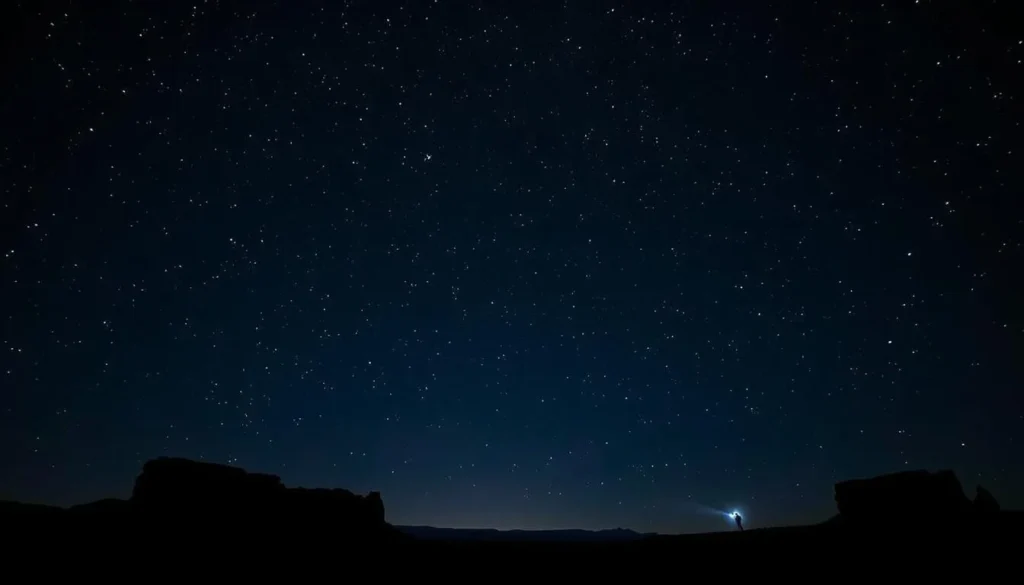
- Stargazing – With minimal light pollution, the wilderness offers exceptional night sky viewing. The area is particularly good for meteor shower observation during peak events.
- Horseback riding – Equestrians can explore the wilderness on horseback, though riders should be experienced in desert terrain navigation.
- Geology exploration – The exposed rock layers tell a fascinating story of the region’s geological history, making it an excellent location for amateur geologists.
Safety, Etiquette & Local Customs
Visiting the Ojito Wilderness requires preparation and respect for both the environment and cultural heritage. The remote location and harsh desert conditions present unique challenges that visitors should be prepared to handle.
Safety Considerations
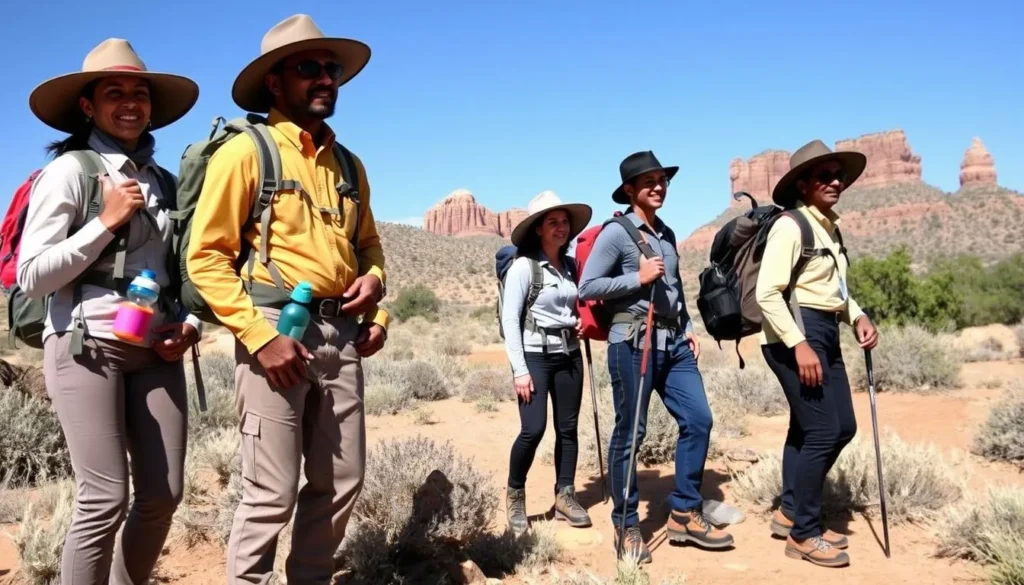
- Water – Bring at least 3-4 liters (1 gallon) per person per day. There are no reliable water sources in the wilderness.
- Sun protection – Wear a wide-brimmed hat, sunglasses, and sunscreen. Consider long-sleeved, lightweight clothing.
- Navigation – Bring detailed maps, compass, and/or GPS. Cell service is unreliable.
- First aid – Carry a comprehensive first aid kit including treatments for blisters, cuts, and snake bites.
- Weather awareness – Check forecasts before departing and be prepared for sudden weather changes.
- Flash floods – Avoid arroyos and canyons during rain or if storms are forecast.
- Wildlife – Watch for rattlesnakes and scorpions. Shake out shoes and gear before use.
Wilderness Etiquette
Follow Leave No Trace principles to preserve the wilderness for future visitors:
- Pack out all trash, including food scraps and toilet paper
- Stay on established trails when possible to minimize impact
- Camp on durable surfaces at least 60 meters (200 feet) from water sources
- Respect wildlife by observing from a distance
- Leave natural objects and cultural artifacts where you find them
- Minimize campfire impacts (consider using a camp stove instead)
- Respect other visitors’ experience by keeping noise levels down
Remember that target shooting is allowed in some areas adjacent to the wilderness but is prohibited within the wilderness boundaries. If you encounter people shooting, maintain a safe distance and be aware of your surroundings.
Visitor Comments About Ojito Wilderness
“The Ojito Wilderness exceeded all my expectations. The hoodoo formations are unlike anything I’ve seen elsewhere, and the colors in the rock layers are simply stunning. We hiked the Dragon’s Back Trail and were rewarded with panoramic views that stretched for miles. Just remember to bring plenty of water and start early to avoid the midday heat!”
“As an avid photographer, I found Ojito Wilderness to be a dream destination. The light at sunrise casting shadows across the badlands created magical opportunities for unique images. The geological diversity in such a compact area is remarkable. I spent three days exploring and could have easily stayed longer.”
“We visited Ojito during spring wildflower season, which added an unexpected dimension of beauty to the stark landscape. The contrast between delicate flowers and rugged rock formations was breathtaking. The Seismosaurus Trail was perfect for our family with its shorter length and fascinating petroglyphs. A truly special place that feels untouched by time.”
Additional Nearby Destinations
The area surrounding Ojito Wilderness offers several other noteworthy destinations that can be combined with your visit for a more comprehensive New Mexico experience.
Within 1 Hour Drive
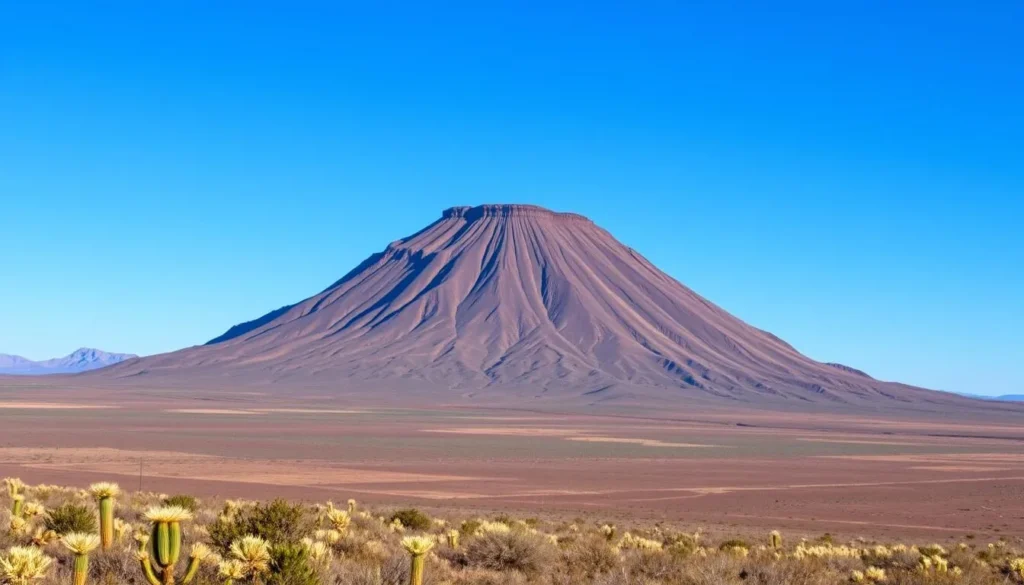
- Cabezon Peak – A dramatic volcanic neck rising 610 meters (2,000 feet) above the desert floor, offering challenging hiking and climbing.
- San Ysidro Trials – Unique gypsum formations and colorful badlands.
- Jemez Mountains – Forested mountains with hot springs, waterfalls, and volcanic features.
- Coronado Historic Site – Archaeological site with ancient pueblo ruins and a museum.
Within 2 Hours Drive
- Chaco Culture National Historical Park – Ancient Puebloan great houses and archaeological sites.
- Bandelier National Monument – Ancestral Pueblo cliff dwellings and archaeological sites.
- Kasha-Katuwe Tent Rocks National Monument – Unique cone-shaped rock formations.
- Bisti/De-Na-Zin Wilderness – Surreal badlands with fantastic hoodoo formations.
Many visitors combine a trip to Ojito Wilderness with visits to Albuquerque and Santa Fe, which offer cultural attractions, museums, and renowned dining scenes. The entire region is rich in natural beauty, cultural heritage, and outdoor recreation opportunities.
Practical Travel Tips
Make the most of your visit to Ojito Wilderness with these practical tips from experienced visitors:
Essential Gear
- High-quality hiking boots with ankle support
- Wide-brimmed hat and sunglasses
- Sunscreen (SPF 30+) and lip balm
- Insect repellent (especially in warmer months)
- Lightweight, long-sleeved clothing
- Detailed map and compass/GPS
- First aid kit with blister treatment
- Headlamp or flashlight (with spare batteries)
Planning Advice
- Visit on weekdays to avoid target shooters
- Start hikes early in the morning
- Allow extra time for navigation
- Take photos of landmarks for orientation
- Check road conditions after rain
- Download offline maps before your trip
- Inform someone of your plans and expected return
- Consider hiring a local guide for first visits
Photography enthusiasts should plan to be in the wilderness during the golden hours of early morning and late afternoon when the light brings out the vibrant colors of the rock formations. A polarizing filter can help reduce glare and enhance the natural colors.
If camping in the wilderness, be aware that there are no designated campsites. Look for previously used areas to minimize impact, and always practice Leave No Trace principles. Remember that nights can be significantly cooler than days, even in summer, so pack appropriate sleeping gear.
The Timeless Beauty of New Mexico’s Hidden Gem
The Ojito Wilderness represents New Mexico at its most authentic—a landscape shaped by millions of years of geological forces, touched by thousands of years of human history, yet still wild and largely undiscovered. Unlike more developed natural attractions, Ojito offers a genuine wilderness experience where visitors can forge their own path and connect with nature on its own terms.
What makes this place truly special is the sense of discovery it provides. Around each bend in the trail, behind each mesa, you might find a perfectly balanced hoodoo, a hidden box canyon with walls streaked in vibrant minerals, or ancient petroglyphs carved by people who found meaning in this harsh yet beautiful landscape centuries ago.
As you plan your visit to the Ojito Wilderness, embrace the spirit of adventure and respect that this remarkable place deserves. Come prepared, tread lightly, and allow yourself the time to truly experience one of New Mexico’s most extraordinary natural treasures. The memories you create here—of vast skies, sculpted stone, and profound silence—will remain with you long after you’ve returned home.
Related Posts

Zuni Mountains, New Mexico: Best Things to Do – Top Picks
Wild Rivers Recreation Area (Rio Grande del Norte), New Mexico: Best Things to Do – Top Picks

Wheeler Peak Wilderness, New Mexico: Best Things to Do – Top Picks

Valle Vidal (Carson National Forest), New Mexico: Best Things to Do – Top Picks

White Mesa Bike Trails / Badlands, New Mexico: Best Things to Do – Top Picks

Valle de Oro National Wildlife Refuge, New Mexico: Best Things to Do – Top Picks
Coming Soon: Clickable Maps