
Hotels by Trip.com
Flights by Trip.com
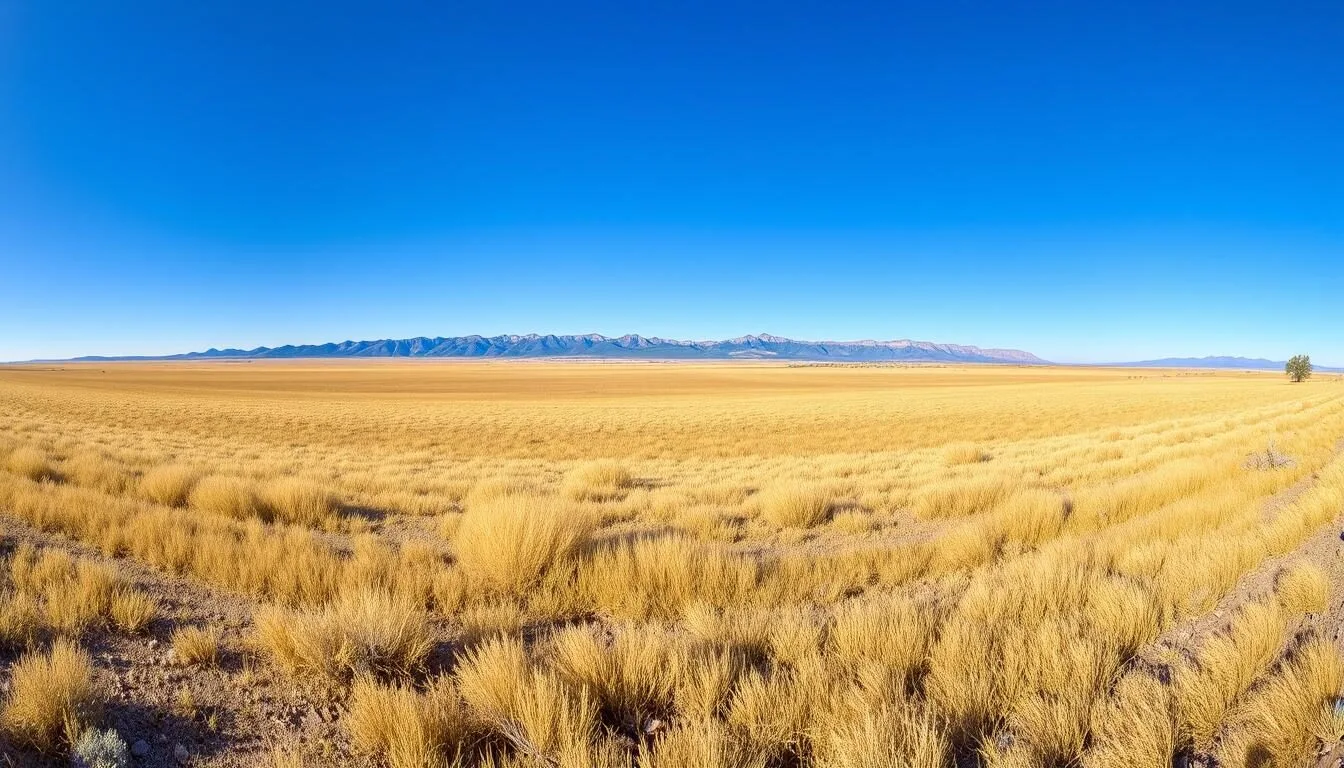
Did you know that the Plains of San Agustin in New Mexico is home to one of the world’s premier radio astronomy observatories, where 27 massive antennas work together to study the cosmos? This remote high-desert basin, spanning 55 km (34 miles) long and 24 km (15 miles) wide, also boasts some of the darkest night skies in North America, making it a paradise for both professional astronomers and stargazing enthusiasts alike.
Getting There & Planning Your Journey
The Plains of San Agustin is located in west-central New Mexico, approximately 220 km (137 miles) southwest of Albuquerque and 145 km (90 miles) west of Socorro. The vast basin is surrounded by mountain ranges, creating a naturally isolated environment perfect for scientific research and wilderness exploration.
Closest Airports
- Albuquerque International Sunport (ABQ) – 220 km (137 miles)
- El Paso International Airport (ELP) – 290 km (180 miles)
From Albuquerque, take I-25 south to Socorro, then follow US-60 west through Magdalena and continue to Datil. From there, NM-12 will take you to the western edge of the plains. Alternatively, you can access the eastern side of the plains via NM-52 south from Magdalena.
The Very Large Array (VLA), the most popular attraction in the area, is located on US-60 about 80 km (50 miles) west of Socorro. Look for the well-marked turnoff and visitor center.
Best Time to Visit & Weather Tips
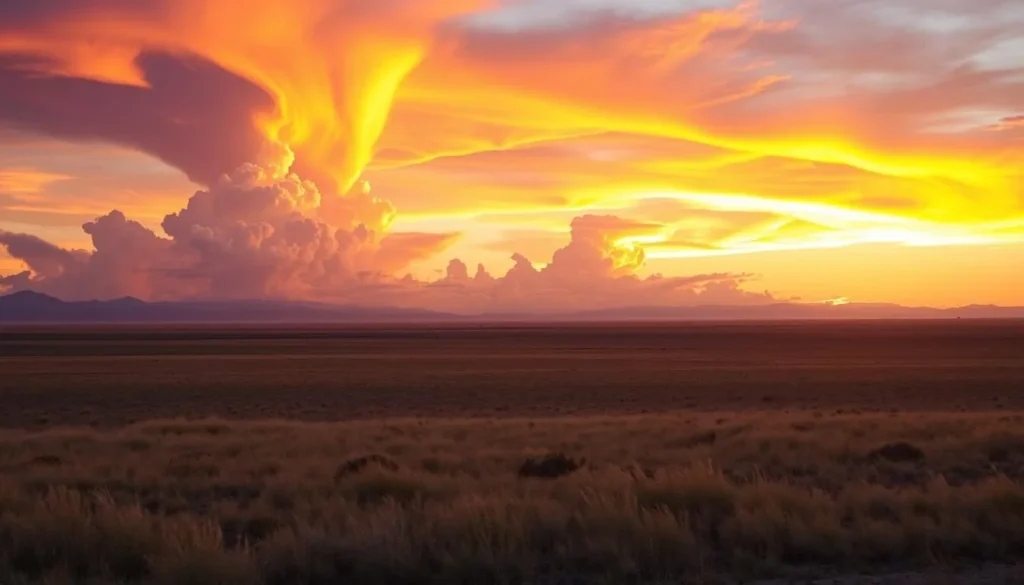
Best Time to Visit Plains of San Agustin
Recommended Seasons:
- Spring (April-May): Mild temperatures between 10-24°C (50-75°F) with wildflowers blooming across the plains. Clear skies make this an excellent time for stargazing.
- Fall (September-October): Similar temperatures to spring with spectacular clear skies and minimal precipitation. The golden light of autumn makes this an ideal time for photography.
Seasons to Avoid:
- Summer (June-August): Daytime temperatures can exceed 32°C (90°F), and afternoon thunderstorms are common during the monsoon season (July-August).
- Winter (November-March): While often clear, temperatures can drop below freezing at night, sometimes reaching -12°C (10°F). Snow is possible, especially in the surrounding mountains.
The Plains of San Agustin sits at an elevation of approximately 2,200 m (7,200 ft), which means temperature swings between day and night can be significant. Always pack layers, even in summer, as nighttime temperatures can drop considerably. The area receives very little rainfall, averaging just 30 cm (12 inches) annually, with most precipitation occurring during the summer monsoon season.
For those interested in astronomy, plan your visit around the new moon for the darkest possible skies. The VLA conducts tours on the first Saturday of each month, which is worth considering when planning your trip.
Getting Around Locally

The Plains of San Agustin is a remote area with limited public transportation options. A personal vehicle is essential for exploring the region effectively.
Road Conditions
- US-60 is a well-maintained paved highway that crosses the plains from east to west.
- NM-52 provides access from the north and is paved but has some winding sections through the mountains.
- Many secondary roads in the area are unpaved. While some are well-graded and accessible to standard vehicles, others may require high clearance or 4WD, especially after rain.
- The road to the VLA is paved and accessible to all vehicles.
Cell phone coverage is spotty throughout the plains, so download offline maps before your journey. GPS can be unreliable in some areas, so carrying physical maps is recommended. The nearest fuel stations are in Magdalena to the east and Datil to the west, so plan accordingly and keep your tank filled.
The vast open spaces and minimal traffic make the Plains of San Agustin a pleasant area to drive through, but be prepared for long stretches without services. Always carry extra water and emergency supplies when exploring the more remote sections.
Where to Stay
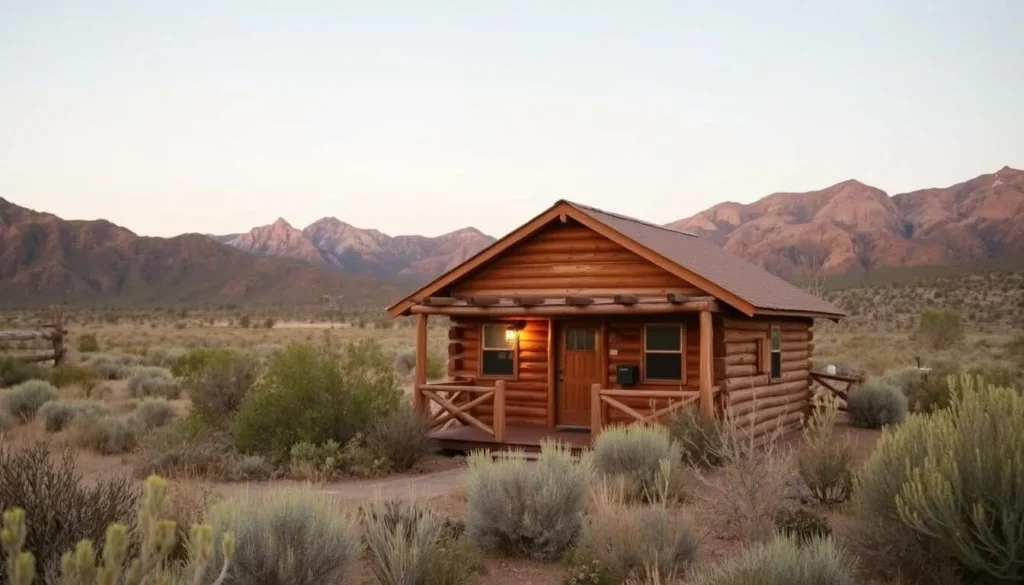
Accommodation options within the Plains of San Agustin itself are limited, but there are several choices in the surrounding communities:
Lodging in Nearby Towns
- Magdalena (40 km/25 miles from VLA): This historic mining town offers the High Country Lodge with basic but clean rooms. There are also a few vacation rentals available through online booking platforms.
- Socorro (80 km/50 miles from VLA): As the largest nearby town, Socorro has several chain hotels including Best Western, Days Inn, and Comfort Inn, as well as local options like the historic Val Verde Hotel.
- Datil (50 km/30 miles from VLA): The Datil Well Campground (managed by BLM) offers developed campsites with basic facilities, and the Eagle Guest Ranch provides simple motel rooms and an RV park.
Camping Options
- Dispersed Camping: The Cibola National Forest surrounding the plains permits dispersed camping on most public lands. No facilities are available, and Leave No Trace principles should be followed.
- Water Canyon Campground: Located in the Magdalena Mountains east of the plains, this Forest Service campground offers developed sites with vault toilets and picnic tables.
- Datil Well Campground: This BLM campground has 22 sites with picnic tables, fire rings, and vault toilets. Water is available seasonally.
For a unique experience, consider booking a stay at one of the guest ranches in the region, where you can experience the authentic Western lifestyle while having access to comfortable accommodations. Reservations are strongly recommended, especially during the peak spring and fall seasons.
Dining & Local Cuisine

Dining options within the Plains of San Agustin are limited, but the surrounding communities offer authentic New Mexican cuisine and hearty American fare:
Restaurants in Nearby Towns
- Magdalena: The Magdalena Cafe serves homestyle breakfast and lunch with New Mexican specialties. Kelly’s Place offers burgers, sandwiches, and local favorites.
- Datil: The Eagle Guest Ranch Restaurant is famous for its green chile cheeseburgers and homemade pie. It’s a popular stop for travelers crossing the plains.
- Pie Town: Despite being small, this appropriately named community 70 km (43 miles) west of Datil is worth the drive for its famous homemade pies at the Pie-O-Neer Cafe and the Gatherin’ Place.
- Socorro: Offers the widest selection of dining options, including Socorro Springs Brewing Company (craft beer and pizza) and El Sombrero (authentic New Mexican cuisine).
Local Specialties to Try
- Green Chile Cheeseburger: A New Mexico staple featuring roasted Hatch green chiles.
- Carne Adovada: Slow-cooked pork marinated in red chile sauce.
- Sopapillas: Fried pastry pillows served with honey, either as a side or dessert.
- Blue Corn Enchiladas: Traditional enchiladas made with native blue corn tortillas.
- Piñon Coffee: Coffee flavored with local piñon (pine) nuts.
When exploring the more remote areas of the plains, it’s advisable to pack a cooler with food and drinks, as services can be few and far between. Most local restaurants in the area are casual, family-owned establishments that serve generous portions at reasonable prices.
✓ Check 30,000+ Local Sightseeing Tours Worldwide
Attractions, Sightseeing & Activities
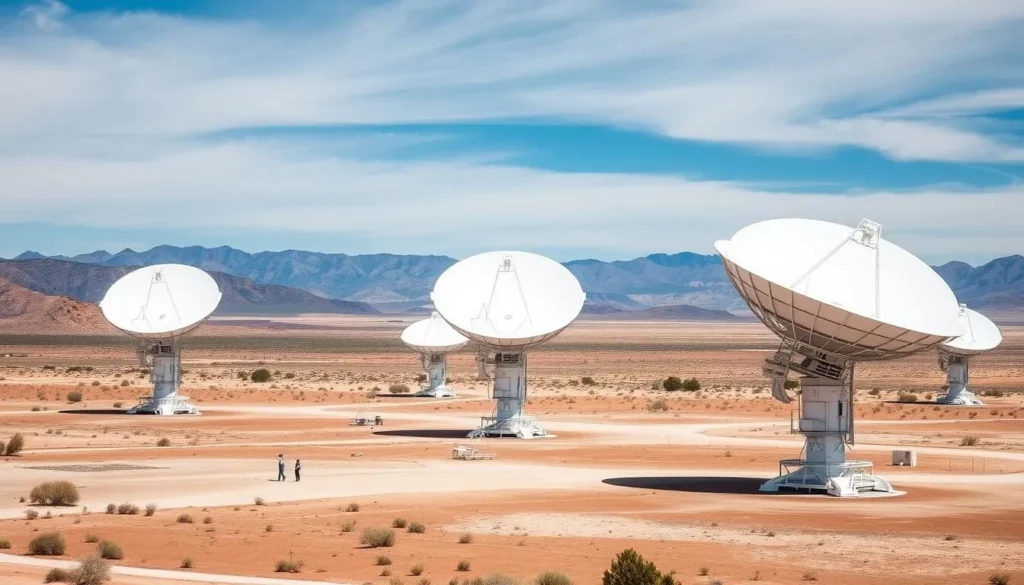
Very Large Array (VLA)
The crown jewel of the Plains of San Agustin is undoubtedly the Karl G. Jansky Very Large Array, one of the world’s premier radio astronomy observatories. This remarkable facility consists of 27 massive radio antennas, each 25 meters (82 feet) in diameter, arranged in a Y-shaped configuration that can span up to 36 km (22 miles) across.
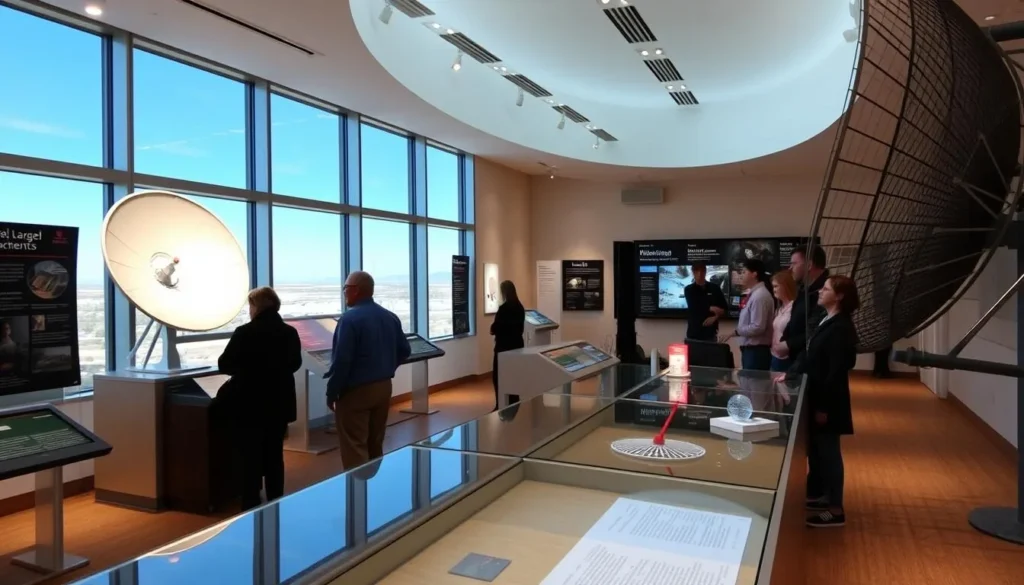
The VLA Visitor Center is open daily from 8:30 AM to sunset and features exhibits explaining radio astronomy and the facility’s discoveries. A self-guided walking tour allows visitors to get close to one of the massive antennas and learn about the science conducted here. Guided tours are offered on the first Saturday of each month at 11:00 AM, 1:00 PM, and 3:00 PM.
Geological Features
The Plains of San Agustin itself is a fascinating geological feature—a dried lakebed from the Pleistocene era when a large lake covered the basin approximately 12,000 years ago. The flat, high-altitude basin is surrounded by mountain ranges, including:
- San Mateo Mountains: Rising to the east of the plains.
- Datil Mountains: Forming the northern boundary.
- Gallinas Mountains: Located to the northwest.
- Luera Mountains: Bordering the southern edge.
Geologists and archaeology enthusiasts will find evidence of ancient shorelines and prehistoric campsites throughout the basin, including the significant Ake Folsom site where Paleo-Indian artifacts have been discovered.
Historic Sites
The Plains of San Agustin and surrounding areas have a rich history of Native American, Spanish, and American settlement:
- Fort Tularosa Site: Located near the village of Aragon, this was the site of a military fort established in 1872 to protect settlers from Apache raids.
- Ojo Caliente: A historic hot spring that was once the gathering place for Warm Springs Apache bands.
- Ghost Towns: Several abandoned mining communities dot the mountains surrounding the plains, including Kelly and Magdalena, which was once the terminus of a major cattle trail known as the “Trail of the Dead.”
Museums, Cultural Spots & Festivals
Museums & Educational Centers
- VLA Visitor Center: Features exhibits on radio astronomy, the history of the VLA, and its scientific discoveries. The center includes a small theater showing a short film narrated by Jodie Foster, who starred in the movie “Contact,” which was partially filmed at the VLA.
- Magdalena Cultural Center: Located in the historic Magdalena Bank Building, this small museum showcases the area’s ranching, mining, and railroad history.
- Socorro County Historical Society Museum: Though located in Socorro, this museum houses artifacts and information about the broader region, including the Plains of San Agustin.
Cultural Heritage
The Plains of San Agustin has a diverse cultural heritage influenced by several groups:
- Native American: The area was historically used by Apache and Navajo peoples, with archaeological evidence of earlier Paleo-Indian and Mogollon cultures.
- Hispanic: Spanish exploration dates to the 1540s, though permanent settlements weren’t established until the 1800s.
- Anglo-American: Ranchers, miners, and settlers arrived in the late 1800s, establishing communities like Datil and Magdalena.
Annual Events
- Magdalena Old Timers Reunion & Rodeo (July): Celebrates the area’s ranching heritage with rodeo events, a parade, and community gatherings.
- Socorro County Fair (September): Features agricultural exhibits, rodeo events, and local food.
- Enchanted Skies Star Party (October): Held in nearby Socorro, this annual astronomy event takes advantage of the region’s dark skies.
- VLA Open House (biannual): Twice a year, the VLA hosts special open house events with expanded tours and activities.
The cultural landscape of the Plains of San Agustin reflects its history as a crossroads of different peoples and traditions. The sparse population and remote location have helped preserve many aspects of traditional lifestyles, particularly ranching, which remains an important part of the local economy and culture.
Nature & Outdoor Experiences

Stargazing
The Plains of San Agustin offers some of the darkest night skies in the United States, making it a premier destination for stargazing. The high altitude, low humidity, and minimal light pollution create ideal conditions for observing celestial objects.
While the VLA itself is not an optical observatory, the surrounding area is perfect for amateur astronomy. Visitors are welcome to set up telescopes in public areas, though it’s best to check with local authorities if planning an organized stargazing event. The Milky Way is often visible to the naked eye, appearing as a bright band across the night sky.
Hiking & Exploration
The mountains surrounding the Plains of San Agustin offer numerous hiking opportunities:
- Water Canyon Recreation Area: Located in the Magdalena Mountains, this area offers several trails through pine forests with beautiful views of the plains below.
- Datil Well Recreation Area: Features a 3.2 km (2-mile) interpretive trail highlighting the natural and cultural history of the region.
- San Mateo Mountains: Offer more challenging backcountry hiking with the chance to spot wildlife and enjoy panoramic views.
When hiking in this region, always carry plenty of water, as natural sources are scarce. The high elevation means stronger sun exposure, so sunscreen, a hat, and protective clothing are essential even on cooler days.
Wildlife Viewing
The diverse ecosystems around the Plains of San Agustin support a variety of wildlife:
- Mammals: Mule deer, elk, pronghorn antelope, coyotes, and occasionally black bears in the higher elevations.
- Birds: Golden eagles, red-tailed hawks, various owl species, and numerous songbirds. The plains are also on migration routes for sandhill cranes and other migratory species.
- Reptiles: Several species of lizards and snakes adapted to the high desert environment.
Dawn and dusk are the best times for wildlife viewing. Bring binoculars and a field guide to enhance your experience. Remember that this is a fragile ecosystem, so practice responsible wildlife viewing by maintaining a respectful distance and not disturbing animals.
Safety, Etiquette & Local Customs
Visitor Safety
- Weather Awareness: The Plains of San Agustin experiences extreme temperature variations. Summer days can be hot while nights are cool. Winter temperatures can drop well below freezing. Always check forecasts and dress in layers.
- Altitude Considerations: At over 2,200 m (7,200 ft), visitors from lower elevations may experience altitude-related symptoms. Stay hydrated, avoid strenuous activity initially, and be aware of symptoms like headache, nausea, or shortness of breath.
- Remote Location: Cell service is limited throughout the region. Inform someone of your plans when exploring remote areas, carry paper maps, and ensure your vehicle is in good condition with a full tank of gas.
- Wildlife Safety: While dangerous encounters are rare, be aware of your surroundings and know how to respond if you encounter snakes or larger mammals.
VLA Visitor Etiquette
The Very Large Array is an active scientific facility with specific visitor guidelines:
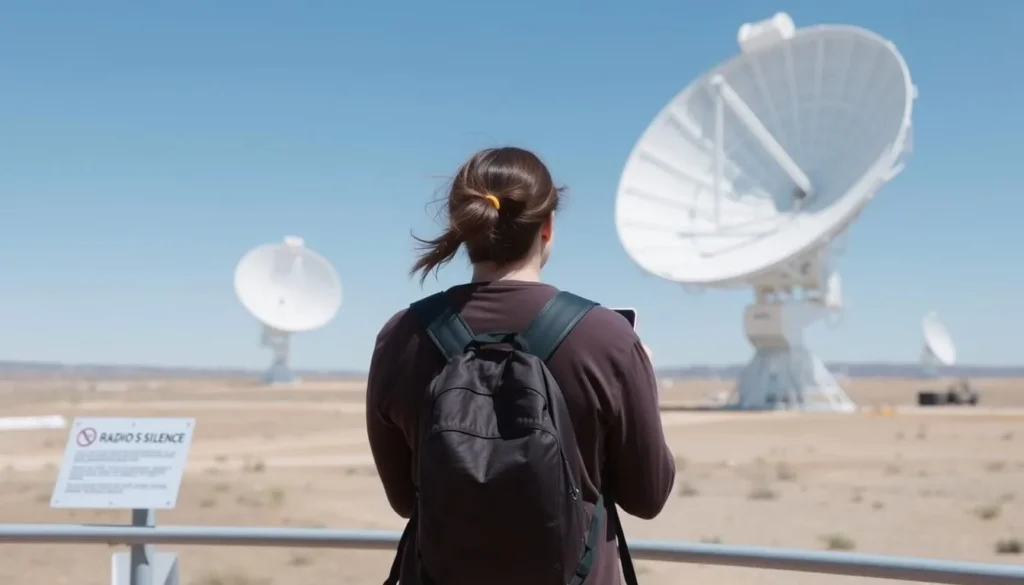
- Radio Silence: Cell phones and other electronic devices must be turned off or put in airplane mode when near the antennas to prevent interference with sensitive equipment.
- Stay on Designated Paths: For both safety and scientific reasons, visitors must stay on marked paths and roads.
- Photography: Photography for personal use is permitted, but commercial photography requires advance permission.
- Quiet Environment: Maintain a respectful noise level, especially during guided tours when scientific information is being shared.
Local Customs
The communities surrounding the Plains of San Agustin maintain traditional rural Western values:
- Ranching Heritage: Much of the land surrounding the plains is working ranch land. Respect private property and always close gates as you found them.
- Conservation Ethic: Follow Leave No Trace principles when camping or hiking. Pack out all trash and minimize your impact on the fragile desert ecosystem.
- Community Connection: Small towns like Magdalena and Datil maintain close-knit communities. Visitors are welcome but should be respectful of local customs and pace of life.
When visiting cultural or historical sites, particularly those with connections to Native American heritage, show appropriate respect and follow any posted guidelines.
Visitor Comments About Plains of San Agustin
“I’ve visited observatories around the world, but there’s something uniquely special about the VLA on the Plains of San Agustin. The combination of cutting-edge science against such a pristine, remote landscape is unforgettable. We spent the afternoon touring the facility, then camped nearby and experienced the most incredible stargazing of our lives. The Milky Way was so bright it cast shadows! Don’t miss the opportunity to visit both during the day and after dark.”
“Our family took a detour to the Plains of San Agustin during our New Mexico road trip, and it became the highlight of our journey. The VLA visitor center was fascinating even for our teenagers, who usually aren’t interested in science. We stayed in a small cabin near Datil and spent the evening watching the sunset paint the plains in golden light. The vastness and silence of this landscape is something you have to experience to understand. Just remember to bring plenty of water and snacks as services are limited.”
“As a photographer, the Plains of San Agustin offered me some of the most unique shooting opportunities I’ve ever experienced. The contrast between the massive white radio dishes and the natural landscape is stunning. I visited during October when the weather was perfect—warm days and cool nights. The staff at the VLA were incredibly knowledgeable and patient with my questions. If you’re into night photography, this is absolute heaven. Just be prepared for the remoteness—download maps in advance and keep your gas tank full!”
Additional Nearby Destinations
The Plains of San Agustin makes an excellent base for exploring other remarkable destinations in central and western New Mexico:
Within 1-2 Hours
- El Malpais National Monument (90 km/56 miles): Features ancient lava flows, cinder cones, and lava tube caves. The name means “the badlands” in Spanish.
- Gila Cliff Dwellings National Monument (130 km/80 miles): Preserved Mogollon cliff dwellings built in the 13th century.
- Bosque del Apache National Wildlife Refuge (115 km/71 miles): One of the premier bird watching sites in North America, particularly famous for winter sandhill crane and snow goose populations.
- Magdalena Mountains (40 km/25 miles): Offers hiking trails, camping, and the historic mining town of Kelly.
Within 3-4 Hours
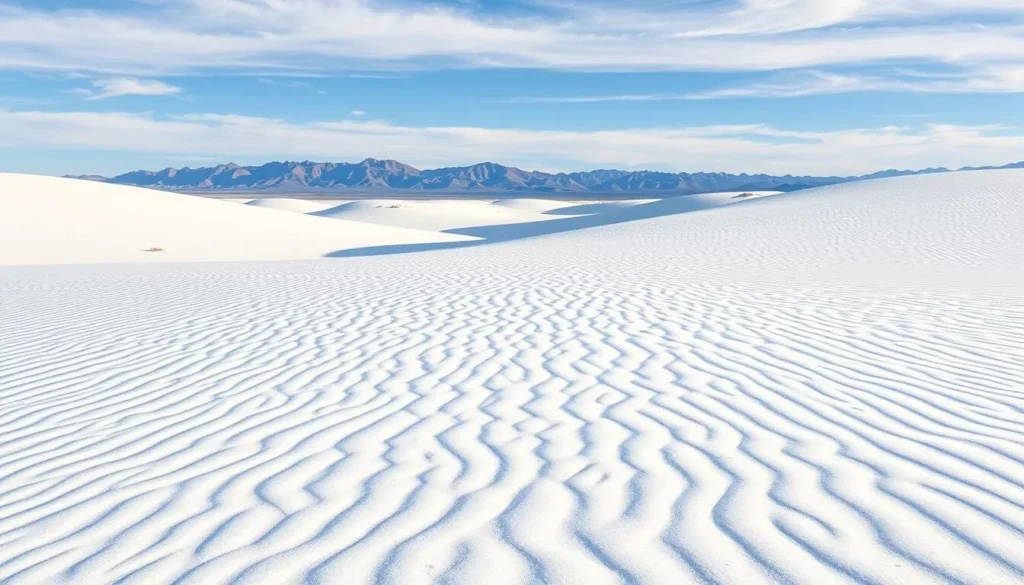
- White Sands National Park (220 km/137 miles): The world’s largest gypsum dune field, offering surreal landscapes and sand sledding.
- Albuquerque (220 km/137 miles): New Mexico’s largest city with its historic Old Town, museums, and the Sandia Peak Tramway.
- Santa Fe (275 km/171 miles): The state capital known for its distinctive adobe architecture, art galleries, and cultural attractions.
- Truth or Consequences (160 km/99 miles): A quirky town famous for its hot springs and proximity to Elephant Butte Lake, New Mexico’s largest reservoir.
Many visitors combine a trip to the Plains of San Agustin with a broader tour of New Mexico’s natural and cultural attractions. The state’s diverse landscapes—from white sand dunes to ancient lava flows, from pine forests to desert grasslands—make it ideal for road trip exploration.
Practical Travel Tips
Essential Gear
- Water: Carry at least 3-4 liters per person per day. The dry climate and high altitude increase dehydration risk.
- Sun Protection: Hat, sunglasses, and high-SPF sunscreen are essential even in cooler months due to the high elevation.
- Layers: Temperature variations between day and night can exceed 20°C (36°F). Pack accordingly, including a warm layer even in summer.
- Navigation: Paper maps, compass, and downloaded offline maps are recommended as cell service is unreliable.
- Binoculars: Useful for both wildlife viewing and stargazing.
- Camera: The unique landscapes and dark skies offer exceptional photography opportunities.
Practical Considerations
- Fuel: Fill your tank before heading into the plains. The nearest gas stations are in Magdalena, Datil, and Socorro.
- Food: Grocery options are limited in smaller towns. Stock up on supplies in larger communities like Socorro.
- Banking: ATMs are scarce in the region. Carry some cash for smaller establishments that may not accept credit cards.
- Internet & Cell Service: Connectivity is limited throughout the plains. Download maps, guides, and entertainment before your trip.
- Astronomy Apps: If interested in stargazing, download astronomy apps that work offline to help identify celestial objects.
VLA Visit Planning
- Hours: The VLA Visitor Center is open daily from 8:30 AM to sunset.
- Tours: First Saturday of each month at 11:00 AM, 1:00 PM, and 3:00 PM.
- Admission: $6 for adults, $5 for seniors, and free for children under 17.
- Duration: Allow 1-2 hours for a self-guided visit, 2-3 hours if taking a guided tour.
- Configuration: The VLA antennas are moved into different configurations throughout the year. Check the website to see the current arrangement.
The Plains of San Agustin rewards those who come prepared. The remoteness that makes it special also requires visitors to plan ahead. With proper preparation, you’ll be able to fully appreciate this unique combination of cutting-edge science and pristine natural beauty.
Discover the Cosmic Connection in New Mexico’s Hidden Wonder
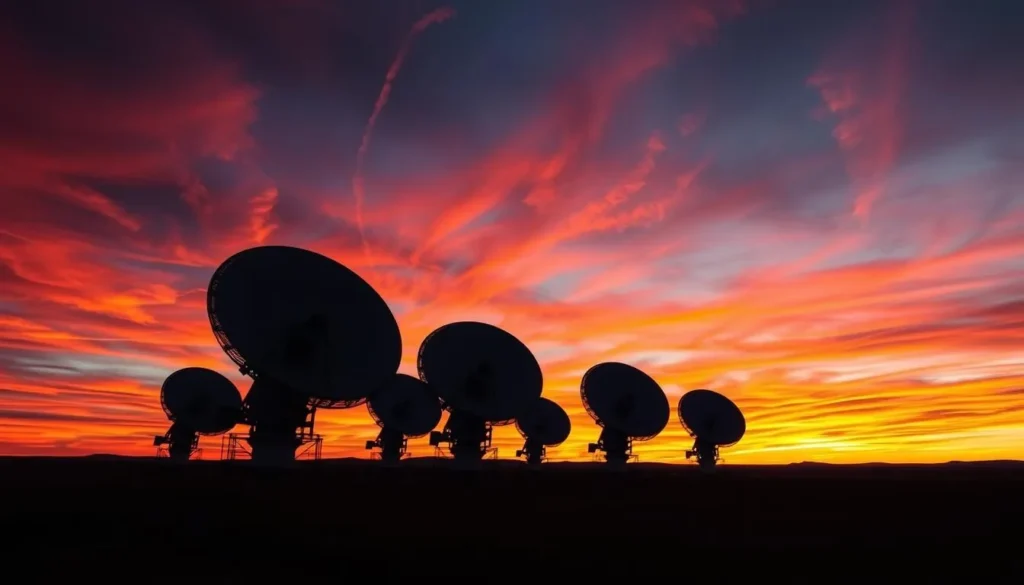
The Plains of San Agustin represents a rare convergence of scientific discovery and natural splendor. Here, in this remote basin where Paleo-Indians once hunted along ancient lakeshores, astronomers now probe the deepest reaches of the cosmos. The juxtaposition of cutting-edge technology against the timeless landscape creates an experience unlike any other in New Mexico—or perhaps the world.
Whether you come to marvel at the massive VLA antennas scanning the skies, to experience the profound darkness of a truly star-filled night, or simply to enjoy the peace of this vast open space, the Plains of San Agustin offers a perspective-shifting encounter with both the natural world and humanity’s quest to understand the universe. In our increasingly connected and crowded world, places that combine scientific significance with natural isolation become all the more precious. Plan your journey to this remarkable destination and discover why those who visit often find themselves drawn back again and again to this extraordinary landscape where earth and sky meet in perfect harmony.
Related Posts

Zuni Mountains, New Mexico: Best Things to Do – Top Picks
Wild Rivers Recreation Area (Rio Grande del Norte), New Mexico: Best Things to Do – Top Picks

Wheeler Peak Wilderness, New Mexico: Best Things to Do – Top Picks

Valle Vidal (Carson National Forest), New Mexico: Best Things to Do – Top Picks

White Mesa Bike Trails / Badlands, New Mexico: Best Things to Do – Top Picks

Valle de Oro National Wildlife Refuge, New Mexico: Best Things to Do – Top Picks
Coming Soon: Clickable Maps