

Did you know that San Lorenzo Canyon remains virtually unknown to most travelers despite being just 75 minutes from Albuquerque? This hidden geological wonderland features dramatic sandstone formations, slot canyons, and natural arches that rival those of famous national parks—yet you’ll often have the entire place to yourself. Unlike crowded destinations, this Bureau of Land Management site offers solitude and adventure for visitors willing to venture slightly off the beaten path.
Getting There & Planning Your Journey
San Lorenzo Canyon is located approximately 75 minutes south of Albuquerque and 20 minutes north of Socorro in central New Mexico. The nearest major airport is Albuquerque International Sunport (ABQ), about 130 km (80 miles) north of the canyon.
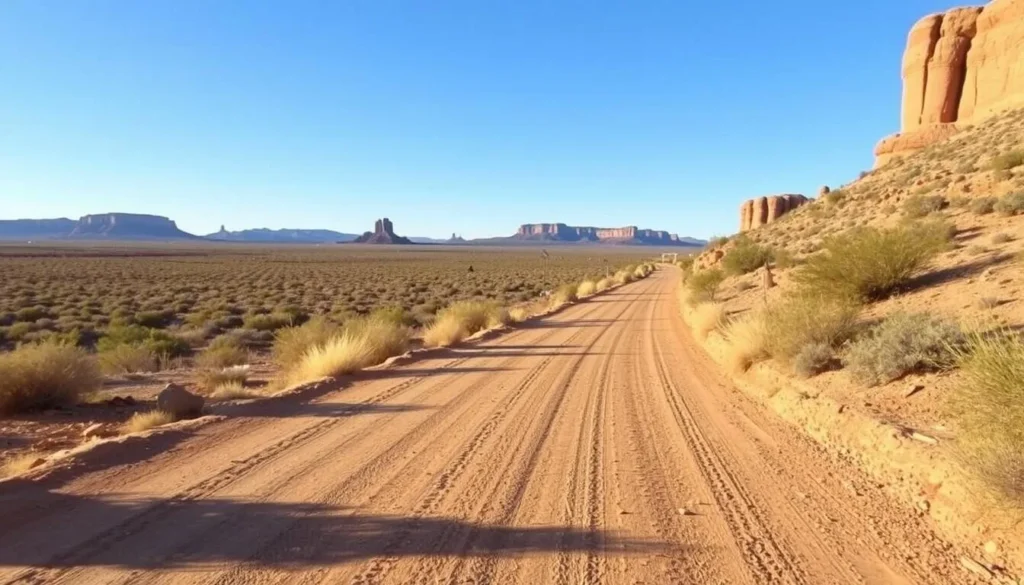
Step-by-Step Directions
Finding San Lorenzo Canyon requires careful navigation as GPS services often lead to incorrect locations:
- From Albuquerque, drive south on Interstate 25 to Exit 156 (Lemitar).
- After exiting, turn onto the frontage road heading north for approximately 8 km (5 miles).
- Where the paved frontage road curves right, turn left onto an unmarked dirt road.
- Continue on this dirt road for about 3.2 km (2 miles) until you reach a sign for San Lorenzo Canyon.
- Turn right at the sign and follow the dirt road for another 3.2 km (2 miles) to reach the canyon entrance.
A high-clearance vehicle is strongly recommended, and 4WD is preferable, especially if you plan to drive deeper into the canyon. The dirt roads can be washboarded in sections and sandy in others. Avoid visiting during or after heavy rain due to flash flood risks and difficult road conditions.
Best Time to Visit & Weather Tips
San Lorenzo Canyon experiences distinct seasonal changes that affect your visiting experience. Planning your trip during optimal conditions will enhance your enjoyment of this natural wonder.

Recommended Seasons
Spring (March-May)
The best overall season with mild temperatures ranging from 10-24°C (50-75°F). Desert wildflowers may bloom after winter precipitation, adding color to the landscape. Morning visits offer the most comfortable hiking conditions.
Fall (September-November)
Another excellent time with pleasant temperatures similar to spring. The cottonwood trees in the canyon display golden foliage in late October. Early morning or late afternoon visits provide the best lighting for photography.
Seasons to Avoid or Use Caution
Summer (June-August)
Daytime temperatures regularly exceed 32°C (90°F), making hiking uncomfortable. If visiting in summer, arrive very early in the morning and bring plenty of water, sun protection, and electrolytes.
Winter (December-February)
Generally mild during the day but can be quite cold in mornings and evenings. Occasional snow is possible at this elevation. Dress in layers and check weather forecasts before visiting.
Monsoon Season Warning: From July through September, afternoon thunderstorms are common and can cause dangerous flash flooding in the canyon. Always check weather forecasts before visiting and avoid the canyon if rain is predicted anywhere in the watershed.
Getting Around Locally
Navigating San Lorenzo Canyon requires some planning as it’s a remote area with limited infrastructure. Here’s what you need to know about getting around:
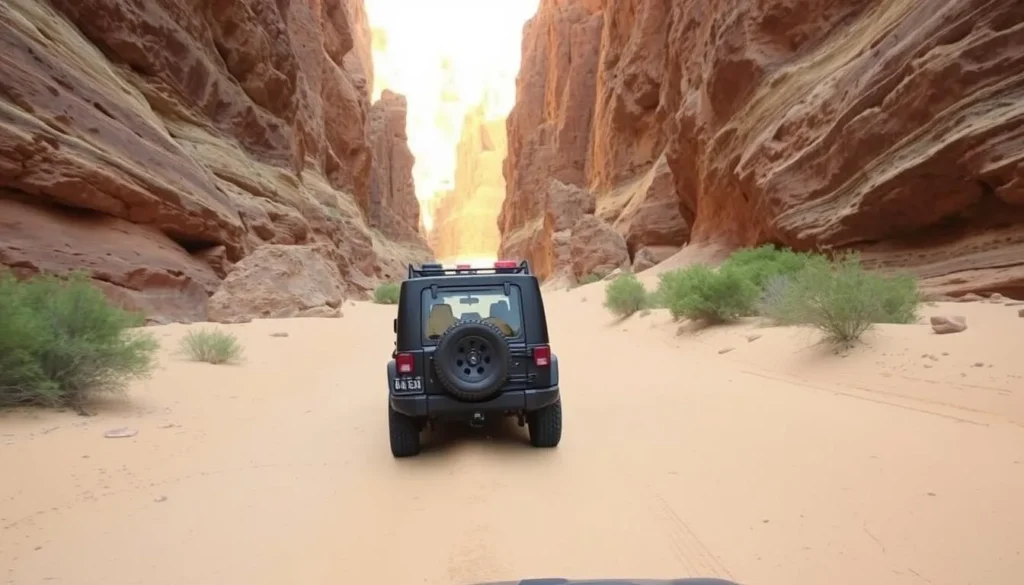
Vehicle Requirements
The main canyon road is essentially a sandy arroyo (dry creek bed) that requires careful navigation:
- High-clearance vehicles are strongly recommended for all visitors
- 4WD vehicles are ideal, especially if you plan to explore deeper into the canyon
- Standard passenger cars can reach the canyon entrance in dry conditions but may struggle beyond that point
- ATVs and dirt bikes are permitted but must stay on established routes
On Foot Exploration
Once at the canyon, you have several options for exploration:
- The main canyon floor is relatively flat and accessible to most fitness levels
- Side canyons offer more challenging hiking with some scrambling required
- A 1.8 km (1.1 mile) loop trail provides a good overview of the canyon’s features
- Unmarked paths lead to interesting geological formations, but navigation skills are essential
There is no public transportation to San Lorenzo Canyon, and ride-sharing services are not available in this remote area. You must have your own transportation or arrange a private tour from Albuquerque or Socorro.
Where to Stay
San Lorenzo Canyon is primarily a day-trip destination, but there are several options for overnight stays in the area:
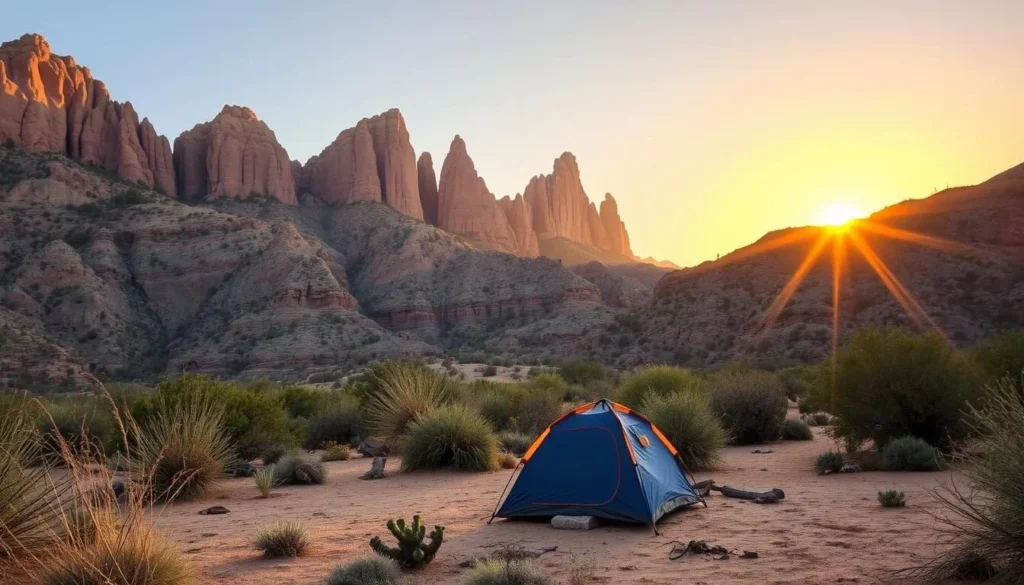
Camping Options
Primitive Camping
Free dispersed camping is permitted within San Lorenzo Canyon on Bureau of Land Management (BLM) land. Look for established fire rings in side canyons, which indicate previously used camping spots. There are no facilities whatsoever—no water, toilets, or trash service—so you must be fully self-sufficient and practice Leave No Trace principles.
Developed Campgrounds
The nearest developed campgrounds are at Escondida Lake County Park (16 km/10 miles south) and Sevilleta National Wildlife Refuge (24 km/15 miles north). Both offer basic amenities including pit toilets and designated campsites, though reservations may be required.
Nearby Accommodations
Socorro (24 km/15 miles south)
The closest town with a range of lodging options including budget motels, mid-range hotels, and a few bed and breakfasts. Staying here provides convenient access to both San Lorenzo Canyon and other attractions like the Very Large Array and Bosque del Apache Wildlife Refuge.
Albuquerque (130 km/80 miles north)
Offers the widest selection of accommodations from budget to luxury. While it’s a longer drive to the canyon, it makes sense if you’re planning a day trip or if San Lorenzo Canyon is just one stop on a broader New Mexico itinerary.
Accommodation Tip: If camping in the canyon, bring all necessary supplies including plenty of water (at least 4 liters/1 gallon per person per day), food, and emergency equipment. Cell service is extremely limited or non-existent, so inform someone of your plans before heading out.
Dining & Local Cuisine
San Lorenzo Canyon has no dining facilities, so you’ll need to plan your meals carefully. Here are your options for food when visiting the canyon:

Bring Your Own
Most visitors bring their own food and water to San Lorenzo Canyon. Consider packing:
- Plenty of water (at least 2 liters/half gallon per person for a day hike)
- Sandwiches, trail mix, fruit, and other portable foods
- A small cooler with ice if visiting during warmer months
- Remember to pack out all trash as there are no disposal facilities
Nearby Dining Options
Lemitar (16 km/10 miles south)
The gas station at the I-25 Lemitar exit has a small convenience store and a basic restaurant in the back serving New Mexican cuisine. This is the closest food option to the canyon and a good place to grab last-minute supplies.
Socorro (24 km/15 miles south)
Offers several dining options including New Mexican restaurants, fast food, and cafes. Socorro Springs Brewing Company serves craft beers and pub food, while El Camino Restaurant is known for authentic New Mexican dishes like green chile stew and sopapillas.
New Mexican Specialties to Try
If dining in nearby towns, don’t miss these regional specialties:
- Green chile cheeseburgers – a New Mexico staple
- Carne adovada – pork marinated in red chile
- Sopapillas – fried pastries served with honey
- Posole – hominy stew with pork and chile
- Piñon coffee – coffee flavored with pine nuts
Food Tip: The last reliable place to purchase food and water before heading to the canyon is in Lemitar. Stock up on supplies there if you haven’t brought them from Albuquerque or Socorro.
Attractions, Sightseeing & Activities
San Lorenzo Canyon offers a variety of natural attractions and activities for outdoor enthusiasts. Here are the top things to do during your visit:
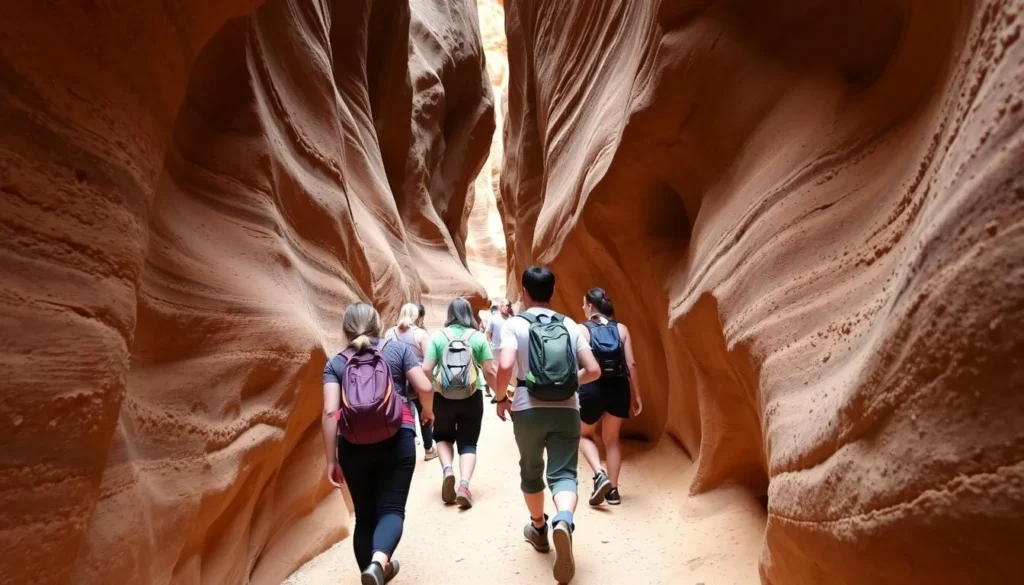
Hiking Trails
Main Canyon Loop (1.8 km/1.1 miles)
A moderately easy trail that showcases the canyon’s main features. The loop takes about 1-2 hours to complete and is suitable for most fitness levels. The trail follows the canyon floor before climbing slightly to provide panoramic views.
San Lorenzo Ridge Trail
A more challenging hike that climbs to the ridge above the canyon, offering spectacular views of the surrounding landscape. This trail includes some elevation gain and requires good footwear and moderate fitness.
Geological Highlights
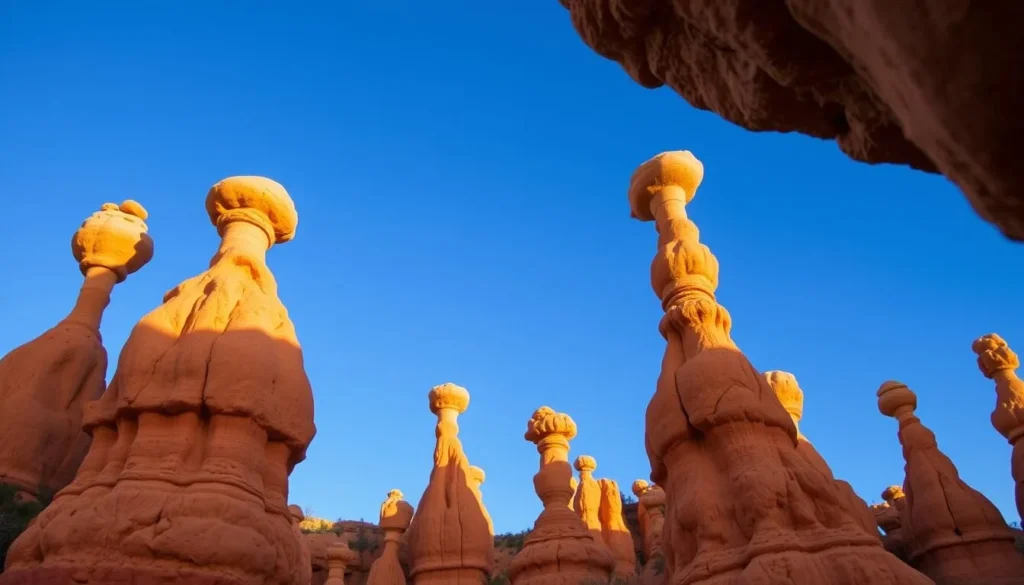
- Hoodoos and Spires – Fantastically shaped rock formations created by erosion
- Natural Arches – Several small arches can be found throughout the canyon
- Slot Canyons – Narrow passageways between towering rock walls
- Shelter Caves – Shallow caves formed by wind and water erosion
- Dry Falls – Rock formations where seasonal waterfalls would flow after rain
Adventure Activities
Photography
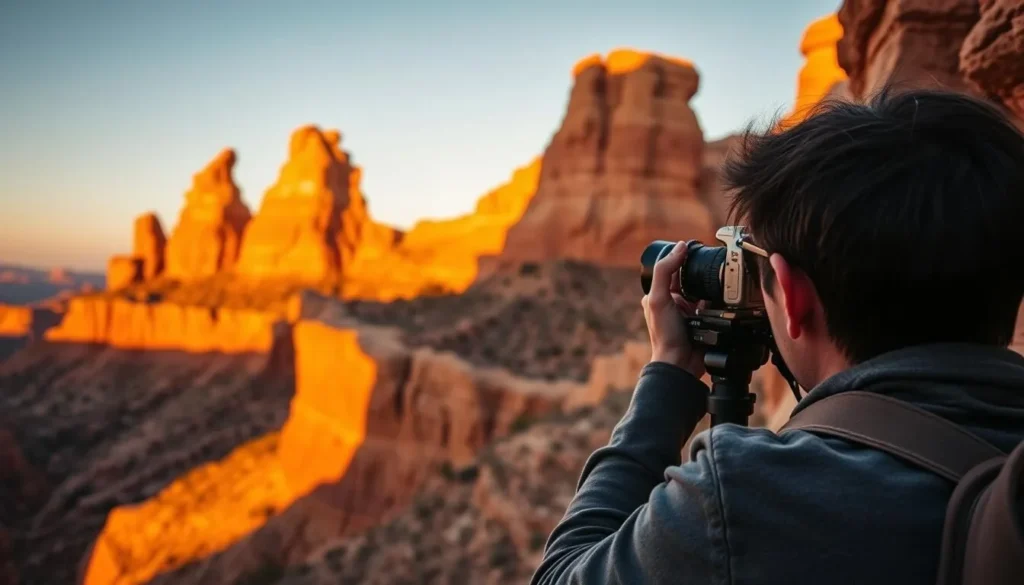
The canyon’s dramatic rock formations, especially during golden hour lighting at sunrise and sunset, make it a photographer’s paradise. Bring a wide-angle lens for landscape shots and a zoom lens for capturing details in the rock formations.
4WD Exploration
With a suitable vehicle, you can drive through parts of the main canyon wash, accessing areas that would otherwise require longer hikes. This is particularly appealing for those with limited mobility or limited time.
Rock Scrambling
While technical climbing is not recommended due to the friable nature of the sandstone, light scrambling to reach viewpoints and explore side canyons is popular. Always test handholds before putting your full weight on them.
Wildlife Viewing
Bring binoculars to spot desert wildlife including various bird species, lizards, and occasionally larger mammals like coyotes. Early morning and late afternoon offer the best wildlife viewing opportunities.
Activity Tip: The canyon’s features look dramatically different throughout the day as the sun’s angle changes. If possible, plan to spend at least half a day exploring to experience these lighting changes.
Museums, Cultural Spots & Festivals
While San Lorenzo Canyon itself is primarily a natural attraction, the surrounding area offers several cultural and historical sites worth exploring:
Nearby Cultural Attractions
Sevilleta National Wildlife Refuge Visitor Center
Located 24 km (15 miles) north of the canyon, this center offers exhibits on the region’s ecology, wildlife, and cultural history. The refuge itself spans six different biomes and has been inhabited by humans for thousands of years.
Socorro Historical District
Explore Socorro’s plaza and historic district, which dates back to the Spanish colonial period. The San Miguel Mission, built in 1821, is one of the oldest churches in the region and showcases traditional New Mexican architecture.
Very Large Array
About 80 km (50 miles) west of Socorro, this iconic radio astronomy observatory features 27 massive satellite dishes arranged in a Y-pattern. The visitor center offers exhibits on astronomy and the facility’s role in scientific discoveries.
El Camino Real Historic Trail Site
Located in Socorro, this museum chronicles the historic 2,560 km (1,600 mile) trade route that connected Mexico City to Santa Fe and passed near the canyon area. Exhibits showcase the cultural exchange that occurred along this important corridor.
Annual Events
Consider timing your visit to coincide with these regional events:
- Socorro Fest (September) – Music, food, and art festival in downtown Socorro
- Festival of the Cranes (November) – Celebration of the sandhill crane migration at nearby Bosque del Apache Wildlife Refuge
- San Miguel Fiesta (September) – Traditional celebration honoring Socorro’s patron saint with music, food, and cultural performances
- Socorro County Fair (August) – Agricultural fair showcasing local traditions and products
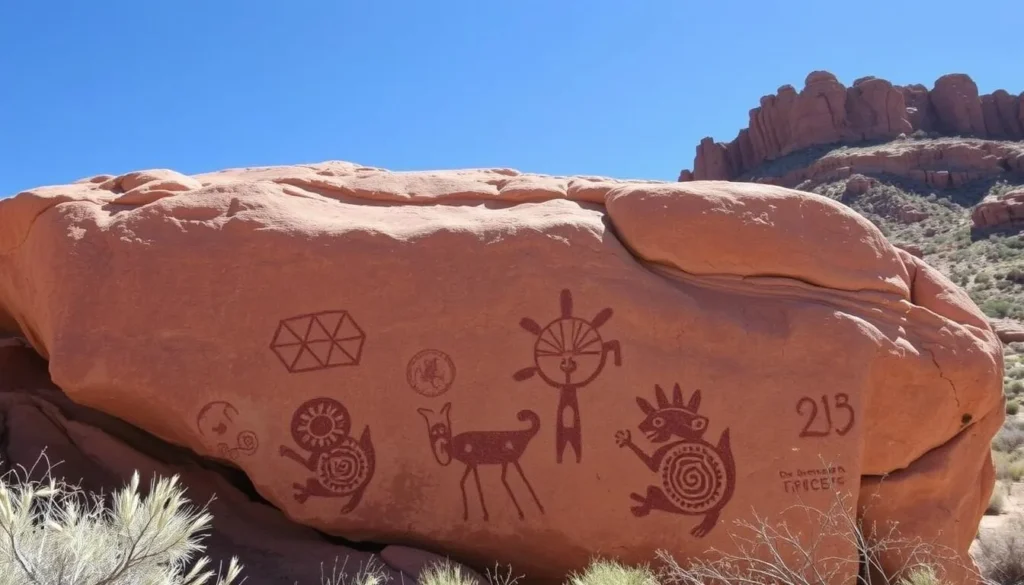
Cultural Tip: The area around San Lorenzo Canyon has been inhabited for centuries by various Native American groups, followed by Spanish settlers. Respect any archaeological sites you may encounter and never remove artifacts.
Nature & Outdoor Experiences
San Lorenzo Canyon offers diverse natural experiences beyond its dramatic geology. Here’s what nature enthusiasts can expect:
Flora and Fauna
The canyon supports a surprising diversity of life adapted to the arid environment:
- Plants: Creosote bush, various cacti, yucca, juniper, and seasonal wildflowers
- Birds: Ravens, hawks, wrens, flycatchers, and seasonal migratory species
- Mammals: Jackrabbits, cottontails, coyotes, and occasionally bighorn sheep
- Reptiles: Various lizard species, rattlesnakes, and other desert-adapted reptiles
Seasonal Natural Highlights
Spring Blooms (March-May)
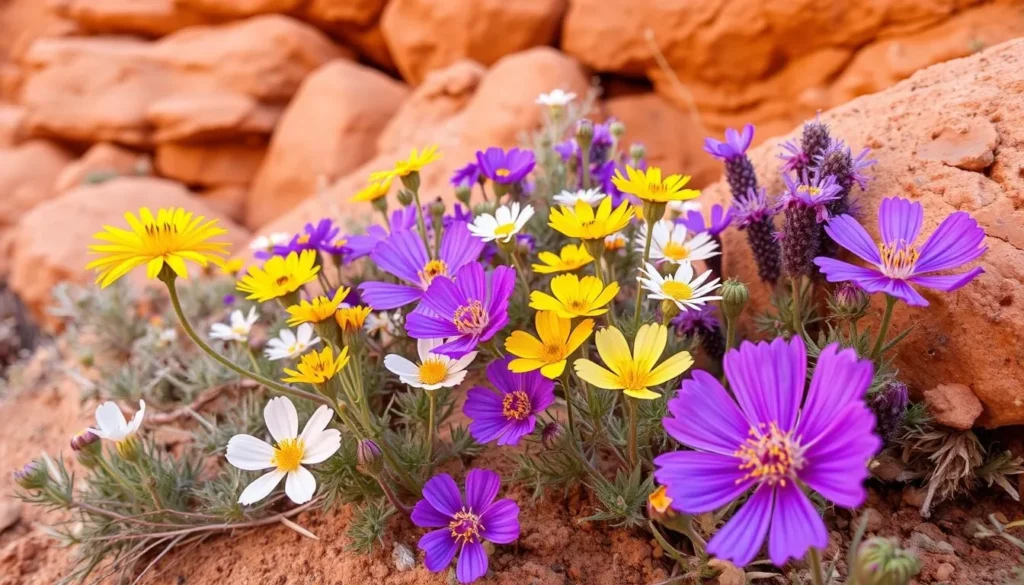
Following winter precipitation, the desert can burst into color with wildflowers including desert marigolds, globemallow, and various cacti blooms. The exact timing varies yearly depending on winter rainfall patterns.
Fall Colors (October-November)
The cottonwood grove in the canyon displays golden foliage in autumn, creating a striking contrast against the red sandstone. This typically peaks in late October to early November.

Stargazing
The remote location and minimal light pollution make San Lorenzo Canyon an excellent spot for stargazing:
- The Milky Way is clearly visible on moonless nights
- Summer and fall offer the best viewing conditions
- Bring red-light flashlights to preserve night vision
- Consider camping overnight to fully experience the night sky
Seasonal Water Features
While San Lorenzo Canyon is typically dry, seasonal water features can appear:
- After heavy rains, temporary waterfalls may form at pour-offs
- Flash floods can dramatically reshape the canyon floor
- Small pools may persist in shaded areas for days after rainfall
- These water features attract wildlife and create temporary microhabitats
Nature Warning: Rattlesnakes are present in the canyon, particularly during warm months. Stay alert, watch where you step and place your hands, and give any snakes you encounter a wide berth. They generally avoid humans but will defend themselves if threatened.
Safety, Etiquette & Local Customs
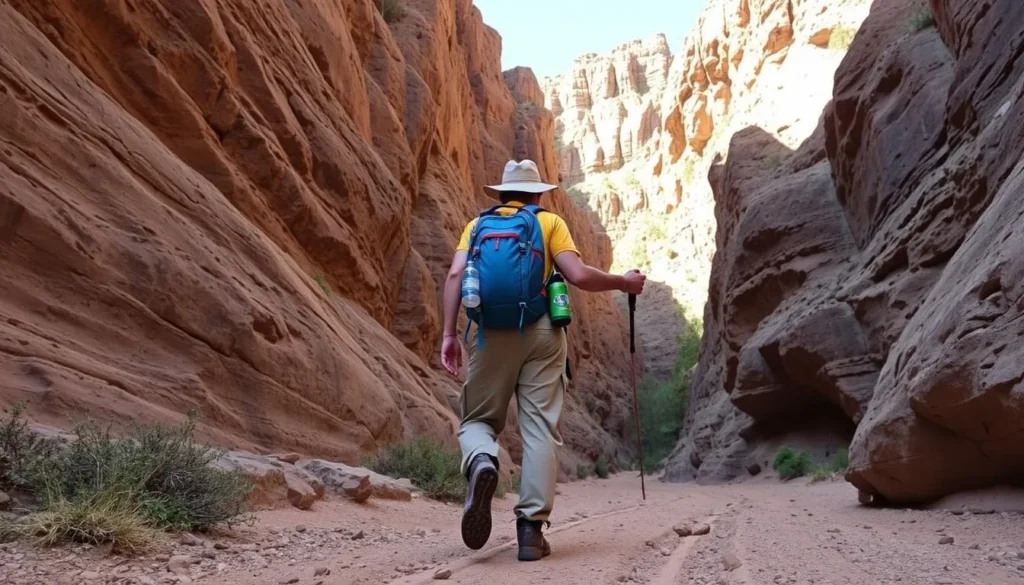
Visiting San Lorenzo Canyon safely requires preparation and awareness of potential hazards. Follow these guidelines to ensure a safe and respectful experience:
Safety Considerations
- Flash Flood Danger: Never enter the canyon if rain is forecast anywhere in the watershed. Even distant storms can cause dangerous flash flooding.
- Heat Safety: Summer temperatures can exceed 38°C (100°F). Bring plenty of water (at least 2 liters/half gallon per person for a day hike), wear sun protection, and avoid midday hiking in summer.
- Navigation: Cell service is limited or non-existent. Bring paper maps or download offline maps before your visit.
- Wildlife: Rattlesnakes and scorpions are present. Watch where you step and never place hands or feet where you can’t see.
- Vehicle Preparedness: Ensure your vehicle is in good condition with a spare tire. The remote location means help may be hours away.
Leave No Trace Principles
Help preserve this special place by following these guidelines:
- Pack out all trash, including food scraps and toilet paper
- Stay on established trails to prevent erosion and vegetation damage
- Use existing fire rings if having a campfire, and fully extinguish all fires
- Respect wildlife by observing from a distance
- Leave rocks, plants, and other natural objects as you find them
- Dispose of human waste properly (bury 6-8 inches deep, at least 200 feet from water sources)
Local Etiquette
Respect the land and local communities:
- The canyon is on public land but borders private property and Sevilleta National Wildlife Refuge—respect all boundaries
- Keep noise levels down to preserve the natural quiet
- If you encounter cattle, give them plenty of space
- Respect any archaeological or cultural sites you may find
- Be courteous to other visitors sharing the space
Emergency Preparedness: There is no cell service in most of the canyon. Consider bringing a satellite communication device for emergencies. Always tell someone your plans, including when you expect to return.
Visitor Comments About San Lorenzo Canyon
Here’s what other travelers have to say about their experiences at San Lorenzo Canyon:
“San Lorenzo Canyon was the highlight of our New Mexico road trip! We had the entire place to ourselves on a Tuesday morning. The rock formations reminded me of Utah’s national parks but without the crowds. Bring a good camera—the lighting in the slot canyons creates amazing photo opportunities.”
“We almost couldn’t find this place as our GPS led us astray, but it was worth the effort! The 4WD drive through the canyon wash was an adventure itself. We camped overnight in one of the side canyons and the stargazing was incredible. Just be prepared with everything you need—there’s absolutely nothing in terms of facilities.”
“As an international visitor exploring the American Southwest, San Lorenzo Canyon was a wonderful surprise. The geological diversity within such a compact area is impressive. We spotted several jackrabbits and a coyote during our morning hike. The directions on this site were much more accurate than our rental car’s navigation system!”
Additional Nearby Destinations
Extend your adventure with these worthwhile destinations near San Lorenzo Canyon:

Bosque del Apache National Wildlife Refuge
Distance: 56 km (35 miles) south
Famous for its winter bird migrations, particularly sandhill cranes and snow geese. The refuge features wetlands, forests, and desert uplands with excellent wildlife viewing opportunities. A 12-mile auto tour route makes it accessible to everyone.
Very Large Array (VLA)
Distance: 80 km (50 miles) west
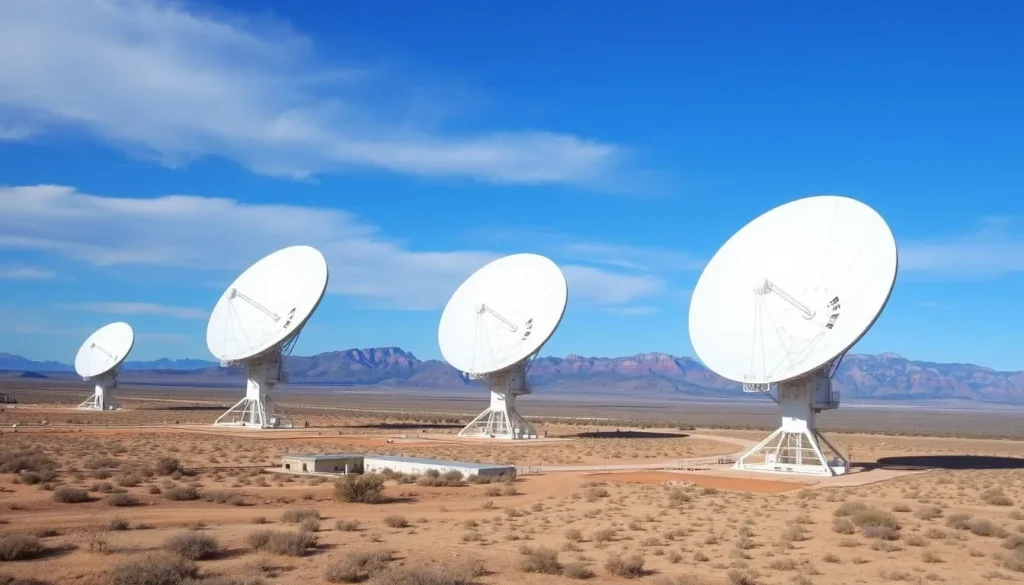
This iconic radio astronomy observatory features 27 massive satellite dishes arranged across the Plains of San Agustin. The visitor center offers exhibits on radio astronomy, and self-guided tours allow you to get surprisingly close to these impressive scientific instruments.
Sevilleta National Wildlife Refuge
Distance: 24 km (15 miles) north
This diverse refuge encompasses six different ecological zones where the Chihuahuan Desert meets the Great Plains. The visitor center offers exhibits on local ecology, and several hiking trails provide access to different habitats.
Magdalena Mountains
Distance: 48 km (30 miles) west
This mountain range offers hiking, camping, and wildlife viewing opportunities at higher elevations. The cooler temperatures make it an excellent summer alternative when the canyon is too hot. Water Canyon and Langmuir Laboratory Road provide access to different areas of the mountains.
El Camino Real Historic Trail Center
Distance: 32 km (20 miles) south
This interpretive center explores the history of the 2,560 km (1,600 mile) royal road that connected Mexico City to Santa Fe for nearly 300 years. Interactive exhibits bring to life the stories of travelers along this historic route.
Box Canyon
Distance: 64 km (40 miles) north
Similar to San Lorenzo but with its own unique character, Box Canyon offers additional opportunities for hiking and exploring interesting rock formations. It’s less visited than San Lorenzo, providing an even more secluded experience.
Practical Travel Tips
Make the most of your visit to San Lorenzo Canyon with these helpful tips:
Essential Gear
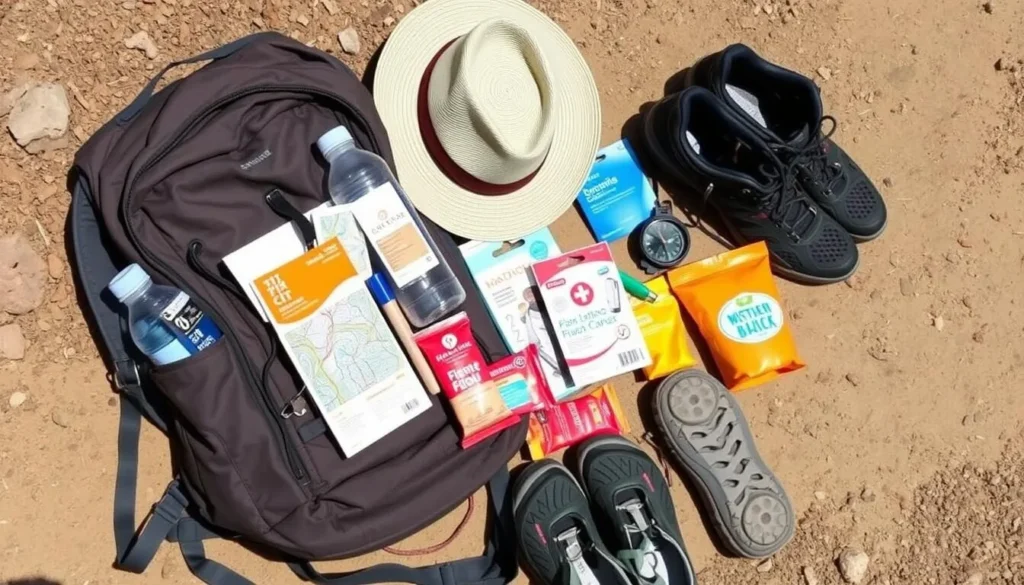
- Water: Bring at least 2 liters (half gallon) per person for day trips, more in summer
- Navigation: Paper maps or downloaded offline maps (AllTrails app works well)
- Sun Protection: Hat, sunglasses, sunscreen, and lightweight long-sleeved clothing
- Footwear: Sturdy hiking shoes or boots with good traction
- First Aid Kit: Include blister treatment, pain relievers, and any personal medications
- Emergency Communication: Satellite messenger or personal locator beacon recommended
Photography Tips
- Early morning and late afternoon offer the best lighting for canyon photography
- A polarizing filter helps reduce glare and enhance the red rock colors
- Bring a tripod for low-light conditions in slot canyons
- Wide-angle lenses (16-35mm) work well for capturing the expansive landscapes
- Protect your gear from sand and dust with appropriate covers
Time Management
- Allow at least 3-4 hours to properly explore the main canyon areas
- Add 2.5-3 hours round-trip driving time from Albuquerque
- Consider camping overnight to experience both sunset and sunrise
- Weekdays offer a more solitary experience than weekends
- Start early in summer to avoid midday heat
Local Insight: The canyon looks dramatically different throughout the day as lighting changes. If possible, plan to spend at least half a day exploring to experience these lighting changes, which transform the colors and textures of the rock formations.
Discover Your Own Canyon Adventure
San Lorenzo Canyon represents the best kind of travel discovery—a place of extraordinary natural beauty that remains uncrowded and authentic. As you wander among towering hoodoos, squeeze through narrow slot canyons, and marvel at the forces that shaped this landscape over millions of years, you’ll gain a deeper appreciation for New Mexico’s diverse geological heritage. Whether you’re capturing the perfect photograph, enjoying a peaceful hike, or simply sitting in contemplative silence amid the ancient rocks, San Lorenzo Canyon offers a genuine connection with the natural world that’s increasingly rare in our busy lives. Pack your sense of adventure, bring plenty of water, and prepare to be amazed by this hidden gem of the Southwest.
The above is subject to change.
Check back often to TRAVEL.COM for the latest travel tips and deals.


0 Comments