
Hotels by Trip.com
Flights by Trip.com
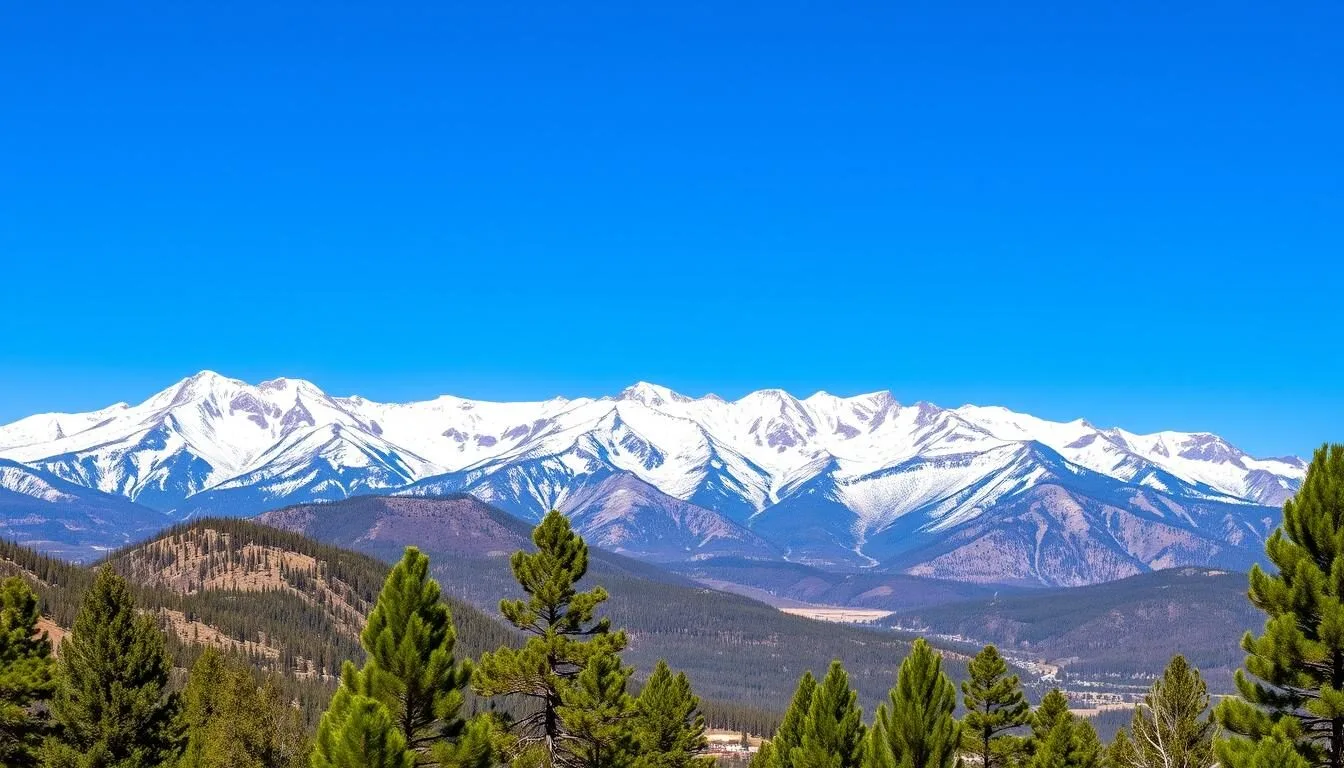
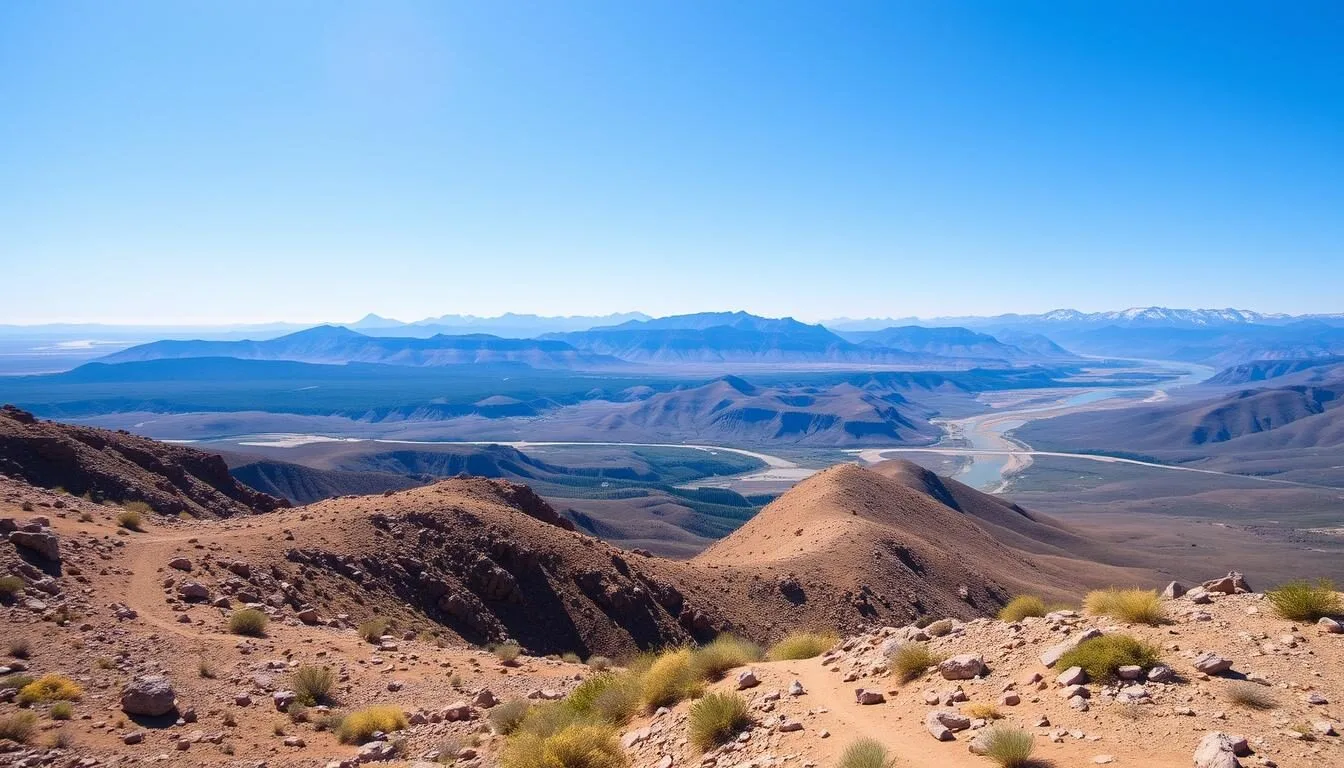
Did you know that the Sangre de Cristo Mountains contain 9 of New Mexico’s 10 highest peaks, including Wheeler Peak at 4,011 m (13,161 ft), the state’s tallest summit? This majestic southern subrange of the Rocky Mountains stretches approximately 242 km (150 miles) from southern Colorado into northern New Mexico, creating a dramatic backdrop for some of the Southwest’s most breathtaking landscapes and cultural experiences.
Getting There & Planning Your Journey
The Sangre de Cristo Mountains are accessible from several major cities in New Mexico. The closest commercial airports are in Albuquerque (ABQ) and Santa Fe (SAF). From Albuquerque International Sunport, it’s approximately a 1.5-2 hour drive to the southern portions of the range near Santa Fe. Santa Fe Municipal Airport offers fewer flight options but puts you just 30 minutes from the southern foothills.
For travelers coming from Colorado, the northern sections of the range can be accessed via US Highway 64, which crosses the mountains between Taos and the eastern plains. Interstate 25 runs parallel to the eastern edge of the range, providing access points through several mountain passes.
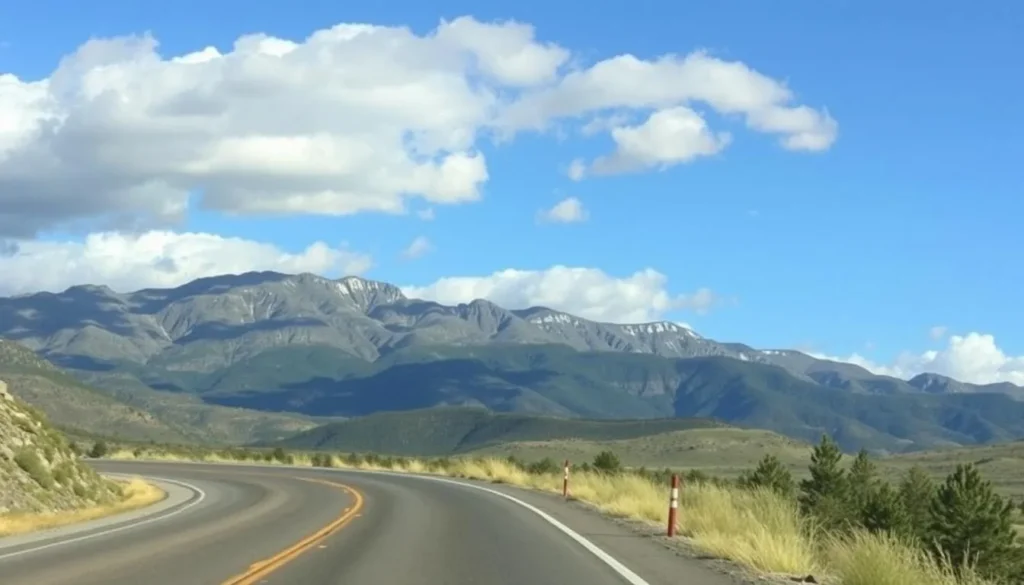
When planning your trip, consider renting a vehicle with good ground clearance if you intend to explore the more remote areas. Many forest roads are unpaved, and while major highways remain open year-round, mountain passes can close during winter storms between November and April.
Best Time to Visit & Weather Tips
The Sangre de Cristo Mountains experience distinct seasonal changes, each offering unique opportunities for visitors:
Weather in the mountains can change rapidly. The large elevation range (from 2,100 m to over 4,000 m) means conditions can vary dramatically between the foothills and high peaks. Always check weather forecasts before heading out and pack layers regardless of the season.
Getting Around Locally
Navigating the Sangre de Cristo Mountains requires some planning, as public transportation options are limited in this mountainous region:
Road conditions vary seasonally. While major highways are well-maintained, forest roads may require high-clearance vehicles, especially after rain or snow. During winter, snow tires or chains are recommended for mountain passes, and some roads close entirely until late spring.
Where to Stay
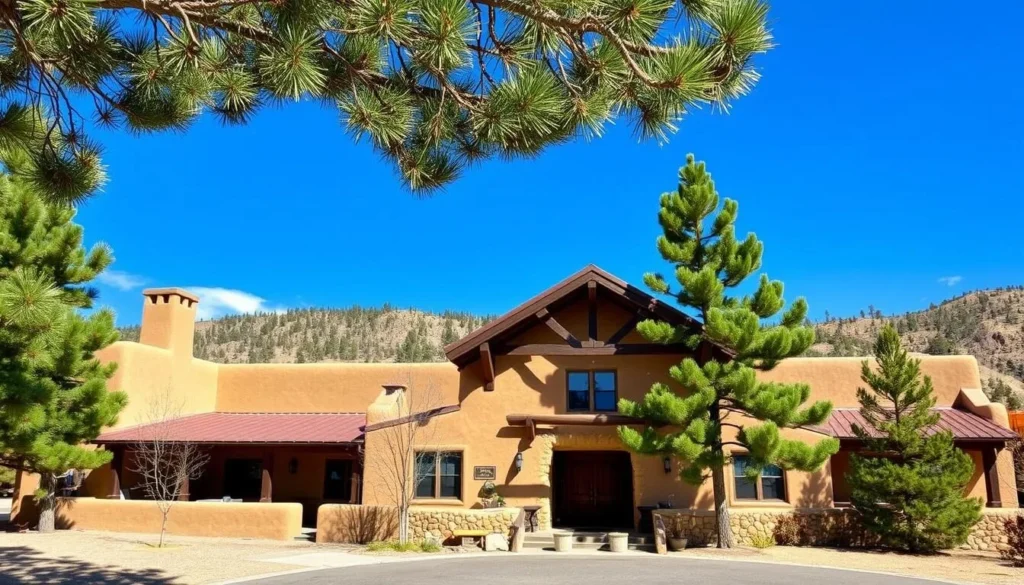
The Sangre de Cristo Mountains offer diverse lodging options from luxury resorts to rustic cabins and campgrounds:
Mountain Towns & Resorts
Gateway Cities
Camping & Wilderness Stays
Reservations are strongly recommended during summer weekends and holiday periods, especially for accommodations near popular trailheads and ski areas during their respective peak seasons.
Dining & Local Cuisine
The culinary scene around the Sangre de Cristo Mountains reflects the rich cultural heritage of northern New Mexico, with distinctive flavors you won’t find elsewhere:

For those planning backcountry excursions, stock up on supplies in the larger towns of Taos, Santa Fe, or Las Vegas. The small village stores have limited selections and higher prices. During winter months, some remote restaurants may operate on reduced hours or close entirely, so check ahead before making plans.
Attractions, Sightseeing & Activities
The Sangre de Cristo Mountains offer a wealth of attractions that showcase both natural beauty and cultural heritage:
✓ Check 30,000+ Local Sightseeing Tours Worldwide
Scenic Drives

Historic Sites
The mountains also serve as a backdrop for numerous festivals throughout the year, including the Taos Winter Wine Festival (January), Red River Songwriters Festival (January), and the Taos Fall Arts Festival (September). Check local event calendars when planning your visit to catch these cultural celebrations.
Museums, Cultural Spots & Festivals
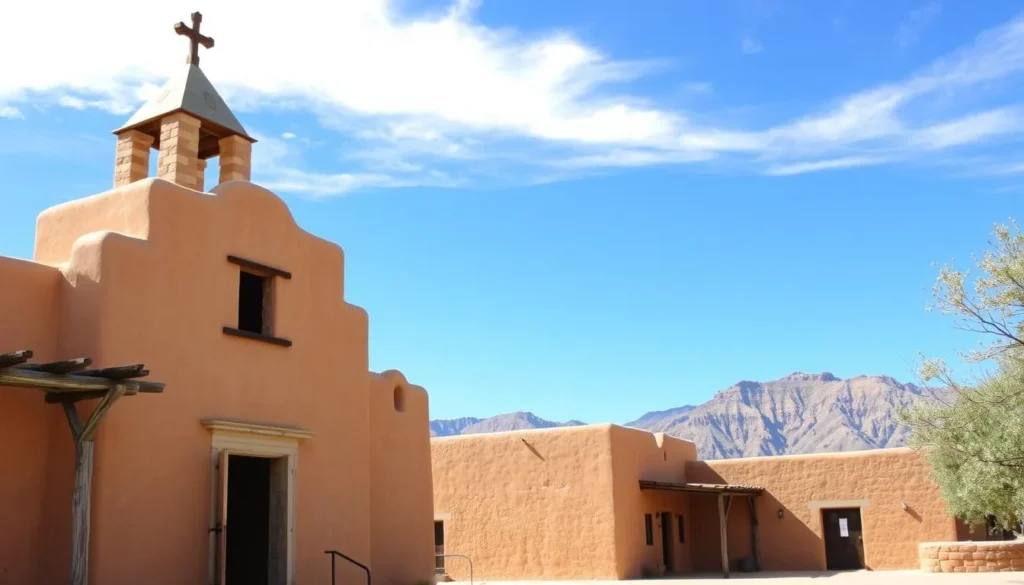
The cultural landscape of the Sangre de Cristo region is as rich and varied as its natural terrain:
Annual Cultural Events
Many small mountain villages maintain traditional cultural practices that visitors can experience through local festivals, markets, and demonstrations. The intersection of Hispanic, Native American, and Anglo influences creates a unique cultural tapestry that’s evident in everything from architecture to cuisine.
Nature & Outdoor Experiences
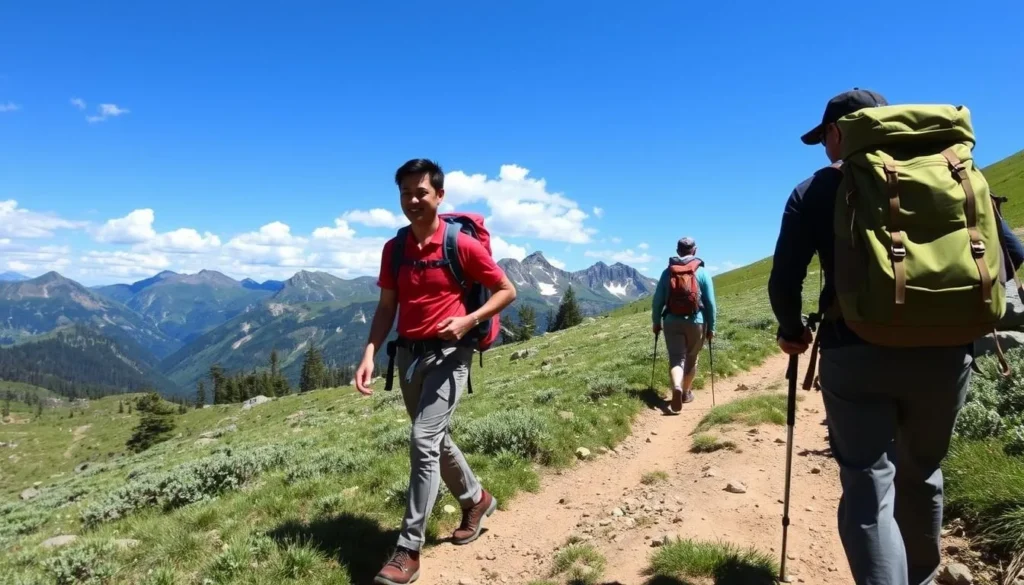
The Sangre de Cristo Mountains offer some of New Mexico’s most spectacular outdoor experiences, with activities for every skill level and interest:
Hiking & Backpacking
Winter Sports

Wildlife Viewing & Nature
For fishing enthusiasts, the mountain streams and lakes offer opportunities to catch native cutthroat trout and stocked rainbow trout. The Pecos River, Rio Grande, and high alpine lakes are popular fishing destinations, with season typically running from April through November.
Safety, Etiquette & Local Customs
Enjoying the Sangre de Cristo Mountains safely requires preparation and respect for both the environment and local communities:
Mountain Safety
Cultural Respect
When driving in winter, be prepared for mountain conditions with proper tires and emergency supplies. Cell service is spotty throughout the range, so don’t rely on mobile phones for emergency communication in remote areas. Consider carrying a satellite communication device for backcountry excursions.
Visitor Comments About Sangre de Cristo Mountains
“The Sangre de Cristo Mountains exceeded all my expectations. We hiked to Williams Lake and continued to Wheeler Peak—challenging but absolutely worth it for the panoramic views. The combination of alpine scenery and rich cultural experiences in nearby Taos made for an unforgettable vacation. Don’t miss the sunset views when the mountains truly live up to their ‘Blood of Christ’ name with that remarkable reddish glow.”
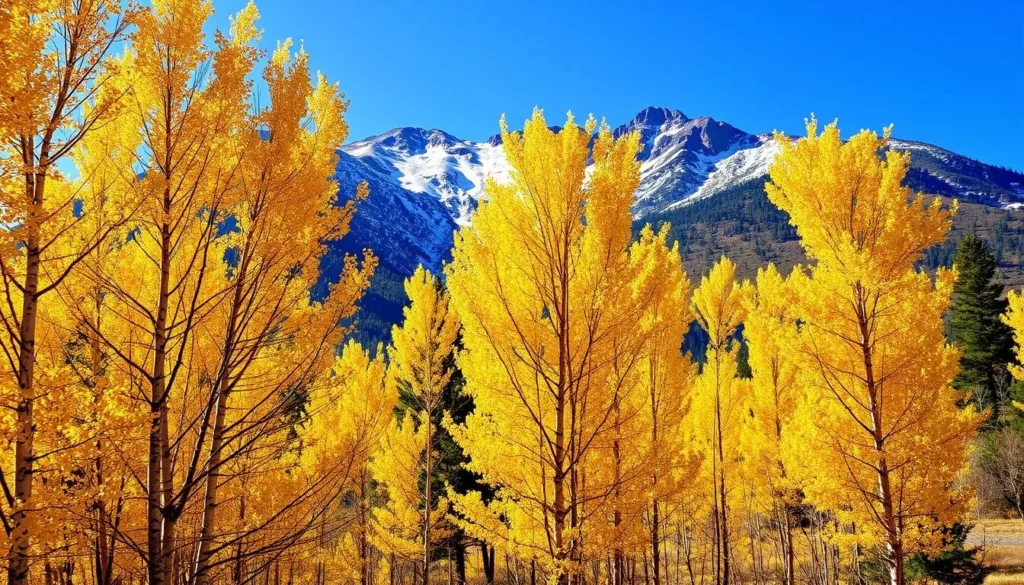
“As an avid photographer, I found the Sangre de Cristo Mountains to be a paradise of light and landscape. The aspen groves in late September were magical—a sea of gold against the blue sky. We stayed in a cabin near Angel Fire and used it as a base to explore the Enchanted Circle. The locals were incredibly friendly and shared hidden spots that weren’t in any guidebook. Bring layers though—the temperature swing from day to night surprised us!”
“We visited during winter for skiing at Taos Ski Valley and were blown away by both the quality of skiing and the unique cultural atmosphere. Unlike other ski destinations, the Sangre de Cristo Mountains offer an authentic experience that goes beyond just the slopes. The food alone is worth the trip—green chile stew after a day of skiing is perfection. We’re already planning a summer trip to experience the hiking trails.”
Additional Nearby Destinations
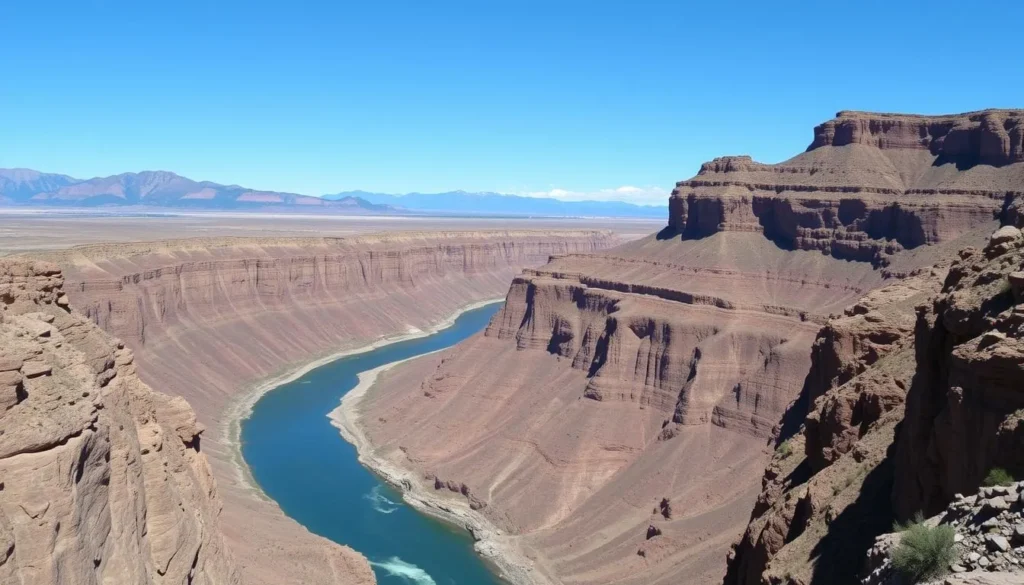
These destinations complement a visit to the Sangre de Cristo Mountains and can be easily incorporated into a longer itinerary exploring northern New Mexico. Many visitors combine mountain activities with cultural experiences in Santa Fe and Taos, creating a well-rounded New Mexico adventure.
Practical Travel Tips
Planning Essentials
What to Pack
Local Resources
Many businesses in mountain towns operate seasonally or with limited hours during shoulder seasons (April-May and October-November). Call ahead to confirm hours before making special trips to remote locations. Most visitor facilities accept credit cards, but carrying some cash is advisable for small businesses in remote villages.
Your Mountain Adventure Awaits
The Sangre de Cristo Mountains of New Mexico offer a perfect blend of natural grandeur and cultural richness that few destinations can match. From challenging hikes to the state’s highest peaks to peaceful moments watching the mountains glow red at sunset—the experience that gave these mountains their name—this remarkable range rewards visitors with memories that last a lifetime. Whether you come for outdoor adventure, cultural exploration, or simply to disconnect in a landscape of extraordinary beauty, the Sangre de Cristo Mountains provide a distinctive Southwestern experience that captures the true spirit of New Mexico.
Related Posts

Zuni Mountains, New Mexico: Best Things to Do – Top Picks
Wild Rivers Recreation Area (Rio Grande del Norte), New Mexico: Best Things to Do – Top Picks

Wheeler Peak Wilderness, New Mexico: Best Things to Do – Top Picks

Valle Vidal (Carson National Forest), New Mexico: Best Things to Do – Top Picks

White Mesa Bike Trails / Badlands, New Mexico: Best Things to Do – Top Picks

Valle de Oro National Wildlife Refuge, New Mexico: Best Things to Do – Top Picks
Coming Soon: Clickable Maps