
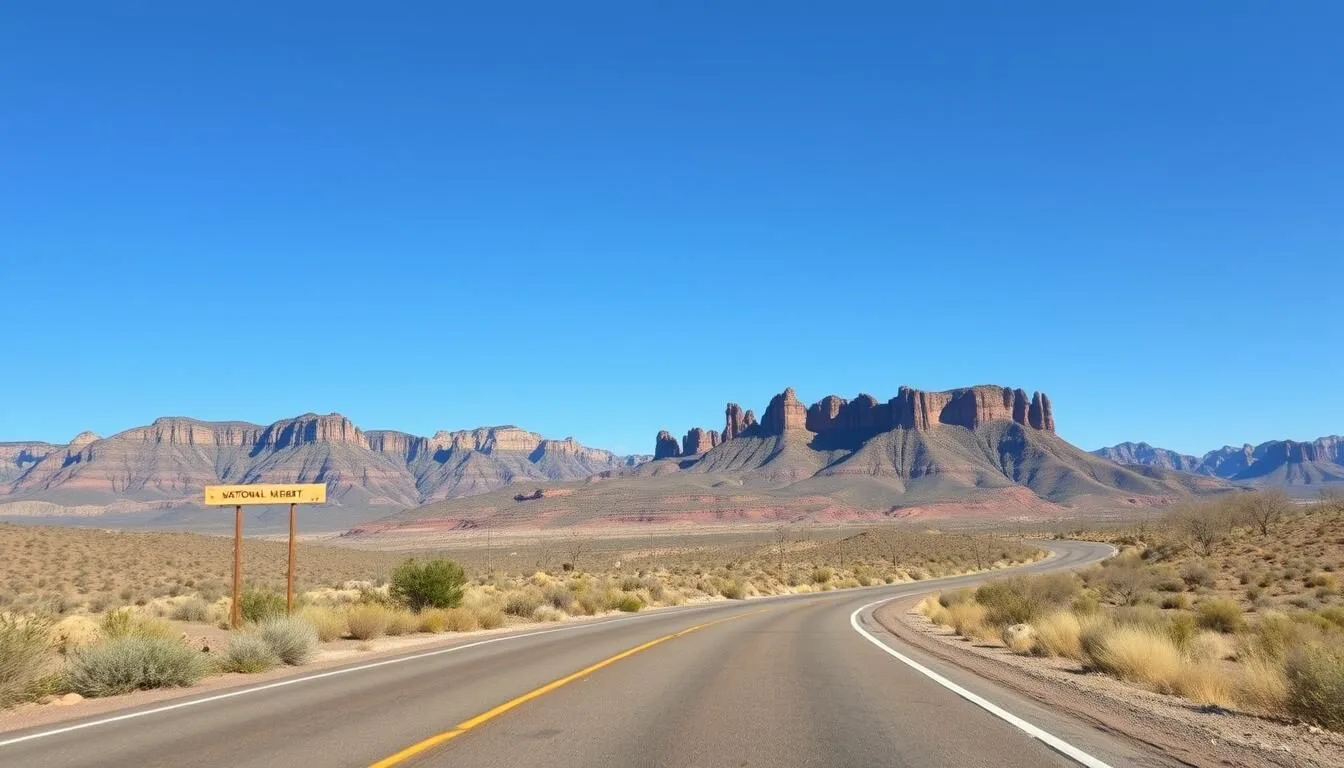
After a four-year closure that left nature enthusiasts waiting, Kasha-Katuwe Tent Rocks National Monument has reopened its otherworldly landscape to visitors. This geological wonder, formed by volcanic eruptions 6-7 million years ago, features cone-shaped tent rock formations reaching up to 90 feet tall—a testament to nature’s artistic power. The name “Kasha-Katuwe” means “white cliffs” in the Keresan language of the Cochiti Pueblo people, reflecting both the area’s striking appearance and its deep cultural significance.
Getting There & Planning Your Journey
Kasha-Katuwe Tent Rocks National Monument is conveniently located between two major New Mexico cities. From Albuquerque, it’s approximately a 55-minute drive north via I-25 to Exit 259, then west on NM 165. From Santa Fe, expect about a 40-minute drive southwest, taking US-84/285 South to NM 502 West, then following NM 16 West towards Cochiti Pueblo.
The closest major airports are Albuquerque International Sunport (ABQ), about 65 km (40 miles) south, and Santa Fe Municipal Airport (SAF), roughly 48 km (30 miles) northeast. Both offer rental car services, which is the recommended transportation option as there is no public transit to the monument.
Important: Since reopening in November 2024, visitors must secure two separate passes: a BLM reservation through Recreation.gov and a Cochiti Pueblo Tribal Access Pass. These often sell out quickly, especially during peak seasons, so booking well in advance is essential.
Best Time to Visit & Weather Tips
Recommended Seasons
Spring (March-May)
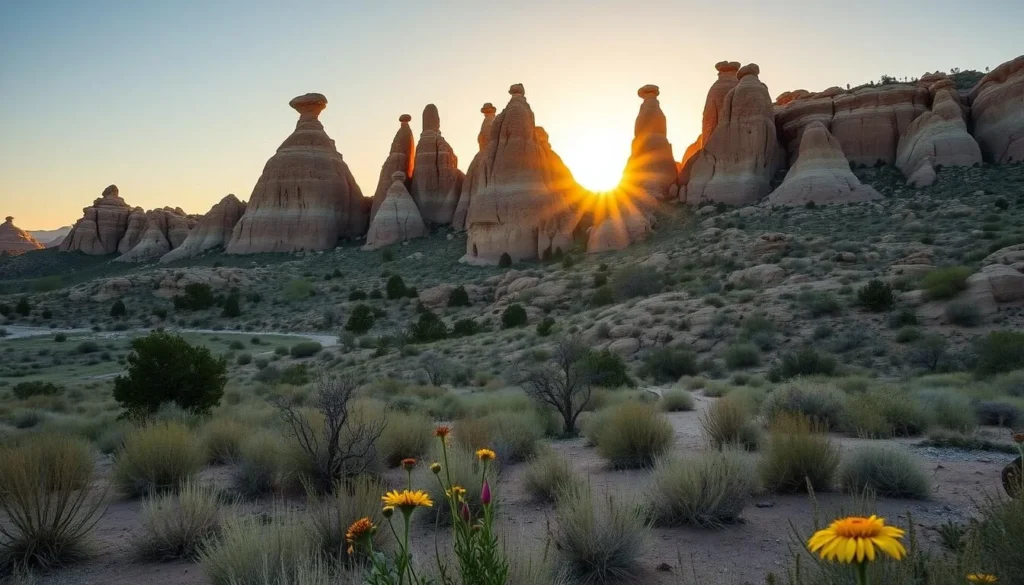
Perhaps the best time to visit with mild temperatures ranging from 10-24°C (50-75°F). Spring brings wildflowers and comfortable hiking conditions. The landscape comes alive with desert blooms, and the softer light creates stunning photo opportunities.
Fall (September-November)
Another excellent choice with similar temperature ranges of 10-24°C (50-75°F). Fall offers crisp air, beautiful light for photography, and typically fewer visitors than spring. The golden cottonwoods along nearby waterways add splashes of color to the landscape.
Seasons to Avoid or Exercise Caution
Summer (June-August)
Daytime temperatures frequently exceed 32°C (90°F), making hiking uncomfortable and potentially dangerous. If visiting in summer, arrive very early (before 8 AM) and bring plenty of water. The slot canyons offer some shade but can become dangerously hot by midday.
Winter (December-February)
While offering a unique perspective with occasional snow dusting the formations, winter brings temperatures between 0-15°C (32-60°F) and potential trail closures due to ice or snow. The monument’s higher elevation means conditions can change rapidly.
Weather tip: The high desert environment means significant temperature fluctuations between day and night in all seasons. Dress in layers and always check the forecast before your visit.
Getting Around Locally
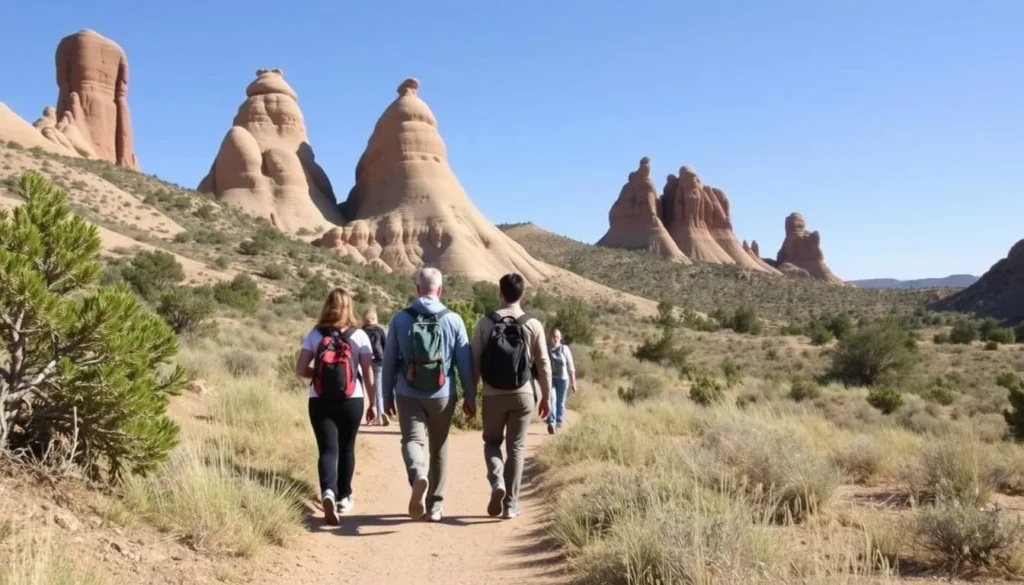
Once you’ve arrived at Kasha-Katuwe Tent Rocks National Monument, getting around is primarily by foot. The monument features two main hiking trails that allow you to experience its unique geological features up close.
During peak season, a shuttle system may be in operation from the parking area to the trailheads. This helps manage visitor numbers and reduces environmental impact. The shuttle is typically included with your entry fee.
The parking area can accommodate standard vehicles, RVs, and camper vans, though spaces for larger vehicles are limited. No overnight parking is permitted at any time. The main access road is paved and well-maintained, but the road to Veteran’s Overlook is unpaved and may be rough after rain.
For visitors with mobility concerns, be aware that while the Cave Loop Trail has some accessible sections, neither trail is fully wheelchair accessible due to uneven terrain, narrow passages, and elevation changes. The visitor center and restroom facilities at the entrance do offer accessibility features.
Where to Stay

There is no lodging within Kasha-Katuwe Tent Rocks National Monument itself, but several excellent options are available in nearby communities:
Santa Fe (40 minutes)
The most popular base for exploring Tent Rocks, Santa Fe offers accommodations ranging from luxury resorts to charming bed and breakfasts. The city’s historic plaza area provides easy access to dining, shopping, and cultural attractions when you’re not exploring the monument.
Price range: $120-$400+ per night
Cochiti Lake (15 minutes)
The closest community to Tent Rocks, Cochiti Lake offers limited but convenient lodging options. The Cochiti Lake Recreation Area provides vacation rentals and a campground with basic amenities. This location minimizes driving time to the monument.
Price range: $80-$150 per night
Albuquerque (55 minutes)
New Mexico’s largest city offers the widest range of accommodation options, from budget-friendly motels to upscale hotels. While it’s a longer drive to Tent Rocks, Albuquerque provides excellent value and access to additional attractions.
Price range: $70-$250+ per night
For a truly unique experience, consider staying at one of the many properties that showcase New Mexico’s distinctive adobe architecture and Southwestern design elements. Many accommodations in the area offer stunning mountain views and authentic cultural touches.
Dining & Local Cuisine

There are no dining facilities within Kasha-Katuwe Tent Rocks National Monument, so planning meals is essential. The Cochiti Pueblo Visitor Center, where you’ll check in, offers limited snacks and beverages, but no substantial food options.
Nearby Dining Options:
Cochiti Lake Area
Limited options include a small general store with basic provisions. For prepared meals, you’ll need to venture further to Bernalillo or Santa Fe.
Bernalillo (30 minutes)
This small town offers several authentic New Mexican restaurants serving local specialties like blue corn enchiladas, posole, and green chile stew.
Santa Fe (40 minutes)
Known for its vibrant food scene, Santa Fe offers everything from casual New Mexican eateries to fine dining establishments featuring innovative Southwestern cuisine.
Must-Try New Mexican Specialties:
- Green Chile Stew – A hearty, spicy stew made with New Mexico’s famous green chiles
- Sopapillas – Fried pastries served with honey, either as a side or dessert
- Blue Corn Enchiladas – Traditional enchiladas made with distinctive blue corn tortillas
- Carne Adovada – Slow-cooked pork marinated in red chile sauce
- Piñon Coffee – Coffee infused with the flavor of pine nuts, a local specialty
Tip: When ordering New Mexican cuisine, you’ll often be asked “Red or green?” referring to chile sauce. Answer “Christmas” to try both red and green chile on your dish!
Attractions, Sightseeing & Activities

Kasha-Katuwe Tent Rocks National Monument offers several must-see attractions and activities that showcase its unique geological features and natural beauty:
Main Attractions:
Slot Canyon Trail
This 1.5-mile (one way) trail is the monument’s crown jewel. Wind through narrow passages between towering rock walls before climbing 630 feet to a mesa top offering panoramic views of the Sangre de Cristo, Jemez, and Sandia Mountains. The trail features some moderately challenging sections requiring basic scrambling skills.
Cave Loop Trail
A more accessible 1.2-mile loop suitable for most fitness levels. This trail circles the base of the tent rock formations and includes a small cave feature. It’s perfect for families or those seeking a less strenuous experience while still enjoying the monument’s unique geology.
Veteran’s Overlook
Accessible via a separate dirt road, this viewpoint offers a different perspective of the monument and surrounding landscape. It’s an excellent option for those with limited mobility or time constraints, as it requires minimal walking while providing spectacular views.
Activities:
- Photography – The unique formations, especially during early morning or late afternoon light, offer endless creative opportunities
- Birdwatching – The diverse habitat supports various bird species, particularly in spring and fall
- Geology observation – Study the layers of volcanic deposits and erosion patterns that created this unique landscape
- Plant identification – Desert-adapted flora changes with the seasons, with spring wildflowers being particularly noteworthy
Note: Rock climbing, off-trail hiking, and drone flying are not permitted within the monument to protect both the fragile environment and cultural resources.
Museums, Cultural Spots & Festivals
While Kasha-Katuwe Tent Rocks National Monument itself doesn’t host museums or regular cultural events, the surrounding area offers rich opportunities to explore the cultural heritage of New Mexico:
Nearby Cultural Attractions:
Cochiti Pueblo
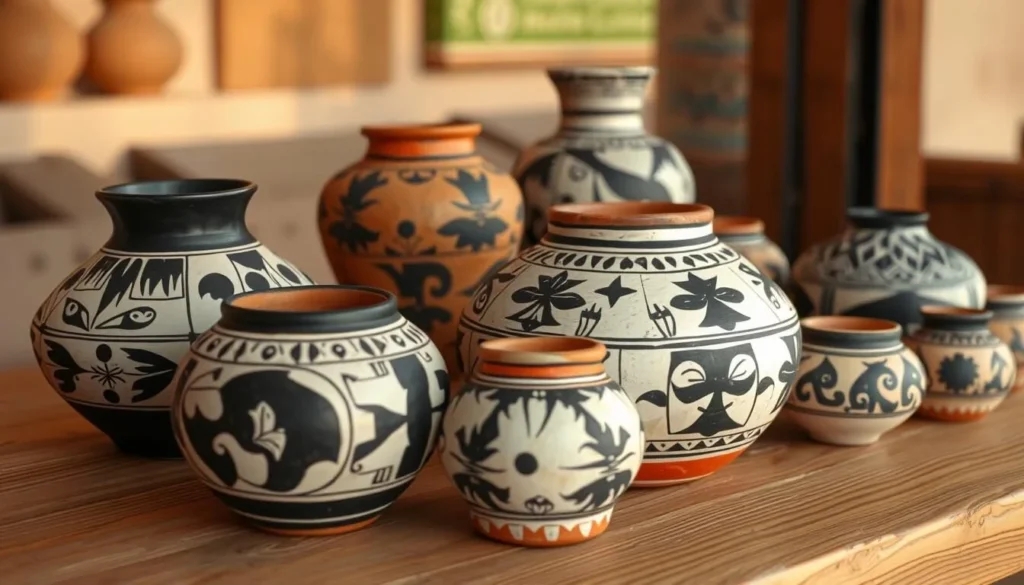
The monument is located on Cochiti Pueblo land. While much of the pueblo is closed to visitors, the Cochiti Pueblo Visitor Center offers insights into the tribe’s history and culture. The pueblo is renowned for its distinctive pottery tradition, particularly storyteller figures and drum-making.
Bandelier National Monument
Located about 45 minutes north, Bandelier preserves ancient Puebloan cliff dwellings and archaeological sites dating back over 11,000 years. The visitor center features exhibits on Ancestral Pueblo culture and history.
Museum of Indian Arts & Culture
Located in Santa Fe, this museum houses an extensive collection of Native American art and artifacts, providing context for understanding the cultural significance of landscapes like Tent Rocks.
Regional Festivals:
- Cochiti Feast Day (July 14) – The pueblo celebrates its patron saint with traditional dances. While primarily a community event, portions may be open to respectful visitors
- Santa Fe Indian Market (August) – The world’s largest Native American art market featuring hundreds of artists, including those from Cochiti Pueblo
- Albuquerque International Balloon Fiesta (October) – While not directly related to Tent Rocks, this spectacular event draws visitors from around the world and could be combined with a monument visit
Cultural note: The Kasha-Katuwe landscape holds deep spiritual significance for the Cochiti people. Visitors should approach the area with respect, stay on designated trails, and refrain from removing any natural or cultural objects.
Nature & Outdoor Experiences
The natural environment of Kasha-Katuwe Tent Rocks National Monument offers a fascinating glimpse into geological processes and high desert ecology:
Geological Features:
Tent Rock Formations
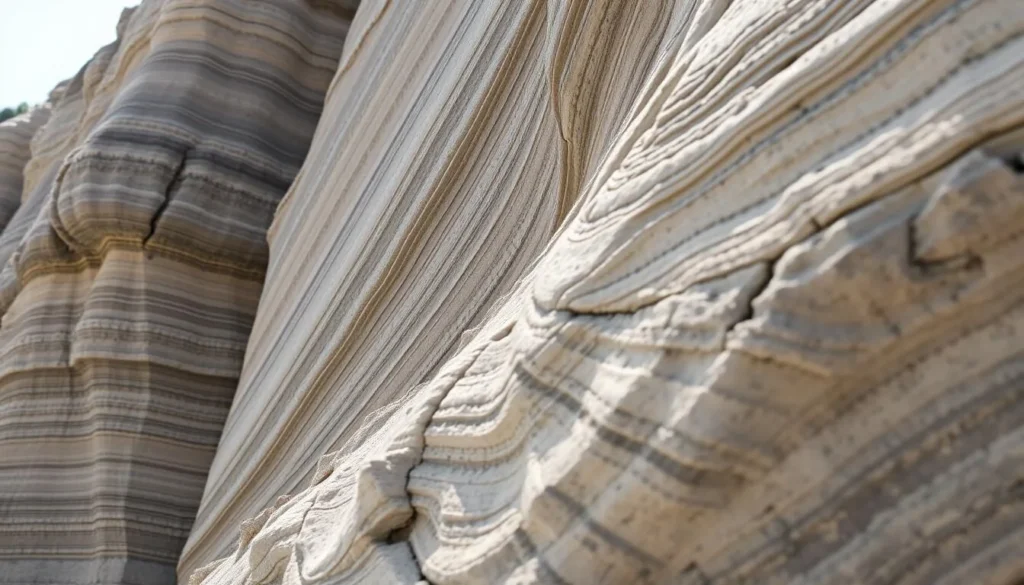
The monument’s signature features are the cone-shaped hoodoos, formed when volcanic eruptions 6-7 million years ago deposited layers of pumice, ash, and tuff over 300 m (1,000 feet) thick. Erosion sculpted these deposits into the tent-like shapes, with harder caprocks protecting the softer material beneath.
Slot Canyons
Water erosion has carved narrow passages through the volcanic deposits, creating slot canyons with walls that tower up to 27 m (90 feet) above the trail. These canyons display the various layers of volcanic material in striking detail.
Flora and Fauna:
The monument’s high desert ecosystem supports a surprising diversity of plant and animal life adapted to the challenging conditions:
- Plants: Ponderosa pines, piñon-juniper woodlands, Apache plume, mountain mahogany, and various cacti and wildflowers
- Birds: Ravens, hawks, hummingbirds, and various songbirds
- Mammals: Mule deer, rabbits, squirrels, and occasionally coyotes
- Reptiles: Several lizard species and occasional rattlesnakes (be alert but not alarmed)
The landscape changes dramatically with the seasons. Spring brings wildflowers, summer showcases the resilience of desert plants, fall turns cottonwoods golden, and winter occasionally dusts the formations with snow, creating a magical contrast.
For the best nature experience, bring binoculars for wildlife spotting and a camera to capture the ever-changing light on the formations. Early morning offers the best combination of lighting, temperatures, and wildlife activity.
Safety, Etiquette & Local Customs

Safety Considerations:
- Water: Bring at least 1 liter (1 quart) of water per person for short hikes, and 2-3 liters (2-3 quarts) for longer excursions, especially in warm weather
- Sun Protection: The high elevation (1,737-1,951 m / 5,700-6,400 feet) means intense sun exposure. Wear sunscreen, a hat, and sunglasses
- Proper Footwear: Sturdy hiking shoes with good traction are essential, especially for the Slot Canyon Trail
- Weather Awareness: Check forecasts before visiting. Avoid the slot canyon during rain due to flash flood danger
- Cell Service: Coverage is limited within the monument. Share your plans with someone before hiking
Visitor Etiquette:
- Stay on designated trails to protect both the fragile environment and cultural resources
- Pack out all trash, including food scraps, tissues, and fruit peels
- Maintain a reasonable noise level to respect other visitors and wildlife
- No pets are allowed within the monument (service animals excepted)
- No collecting of rocks, plants, or artifacts is permitted
Cultural Respect:
Kasha-Katuwe Tent Rocks is located on Cochiti Pueblo land and holds cultural significance for the Pueblo people. Visitors should:
- Respect any temporary closures for tribal ceremonies or events
- Refrain from entering any areas marked as closed or restricted
- Avoid touching or climbing on rock formations with petroglyphs or pictographs
- Be mindful that loud or disruptive behavior may be considered disrespectful
In case of emergency, contact the Bureau of Land Management (BLM) Law Enforcement or call 911. Cell service is limited, so it’s best to report to monument staff at the entrance if possible.
Location Map
Visitor Comments About Tent Rocks
“The Slot Canyon Trail was the highlight of our New Mexico trip! The narrow passages between towering rock walls create an almost mystical experience. We arrived early (8:30 AM) which I highly recommend to avoid both heat and crowds. Make sure to continue all the way to the mesa top viewpoint—the panorama is absolutely worth the climb!”
“As a photographer, I found Tent Rocks to be a paradise of textures, shapes, and light. The way sunlight filters through the slot canyon creates magical effects throughout the day. I visited in late October when the weather was perfect and the cottonwoods along the drive were golden. Just be prepared for the reservation system—I had to book weeks in advance.”
“We visited with our geology-obsessed teenagers and they were absolutely fascinated. The clearly visible layers of volcanic deposits and the erosion patterns made for an incredible outdoor classroom. The Cave Loop Trail was perfect for our family—interesting enough for the teens but manageable for everyone. Bring more water than you think you’ll need, even in cooler weather!”
Additional Nearby Destinations

While Kasha-Katuwe Tent Rocks National Monument is a destination in itself, the surrounding region offers several complementary attractions worth exploring:
Bandelier National Monument
Located about 45 minutes north, Bandelier preserves ancient Puebloan cliff dwellings and archaeological sites. Visitors can climb ladders to explore these dwellings and hike through a beautiful canyon landscape. The contrast between Bandelier’s human history and Tent Rocks’ geological focus makes them excellent companion destinations.
Distance from Tent Rocks: 64 km (40 miles)
Cochiti Lake
Just 10 minutes from Tent Rocks, this reservoir offers swimming, fishing, and boating opportunities. After a morning hike at Tent Rocks, cool off with an afternoon at the lake. The recreation area includes picnic facilities and a campground.
Distance from Tent Rocks: 8 km (5 miles)
Jemez Mountains & Valles Caldera
The scenic Jemez Mountain Trail leads to hot springs, waterfalls, and the massive Valles Caldera—the volcanic source of the materials that formed Tent Rocks. This drive offers a deeper understanding of the region’s volcanic history.
Distance from Tent Rocks: 80 km (50 miles)
Santa Fe
New Mexico’s capital offers world-class museums, galleries, and dining. The historic plaza area features adobe architecture, the Palace of the Governors, and numerous shops selling Native American artwork, including pottery from Cochiti Pueblo.
Distance from Tent Rocks: 56 km (35 miles)
Kewa Pueblo (Santo Domingo)
Known for its jewelry and pottery, this pueblo features a historic trading post and cultural center. The pueblo’s feast day (August 4) includes traditional dances that visitors may attend with proper respect.
Distance from Tent Rocks: 24 km (15 miles)
Albuquerque Old Town
The historic heart of New Mexico’s largest city features Spanish colonial architecture, museums, and restaurants. The nearby Indian Pueblo Cultural Center provides context for understanding the region’s Native American heritage.
Distance from Tent Rocks: 72 km (45 miles)
Many visitors combine Tent Rocks with one or more of these destinations for a multi-day exploration of north-central New Mexico’s diverse natural and cultural attractions.
Practical Travel Tips
Reservations & Fees
- BLM Reservation: Required, book through Recreation.gov (approximately $5 per person)
- Cochiti Pueblo Tribal Access Pass: Required, approximately $20 per person over 16, $10 for ages 2-16
- Book both passes at least 2-4 weeks in advance, especially during peak seasons
- Operating hours: Thursday through Monday, 8 AM to 4 PM (last entry at 3 PM)
What to Bring
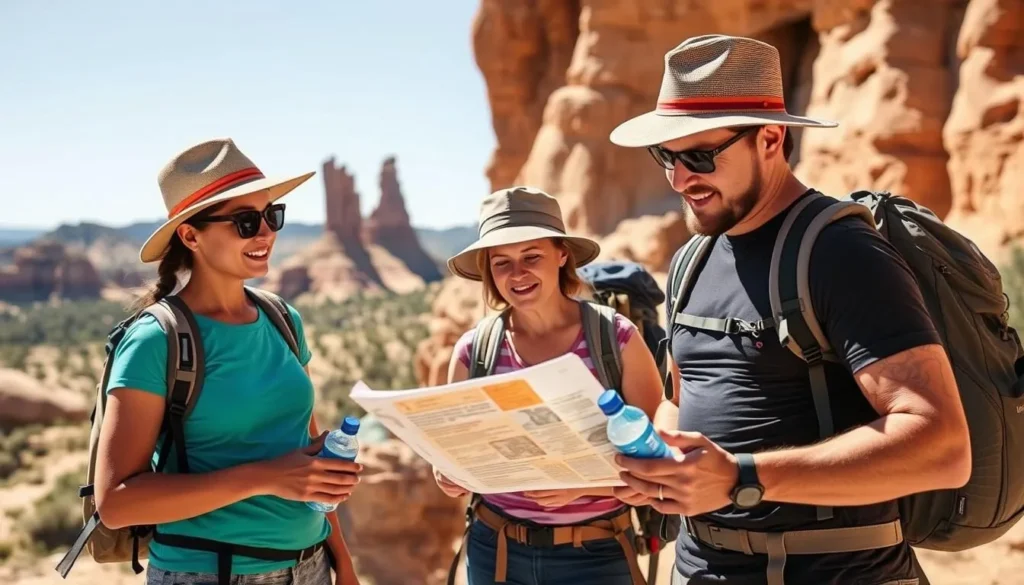
- Water: At least 1-2 liters (quarts) per person
- Sun protection: Hat, sunglasses, sunscreen
- Footwear: Sturdy hiking shoes with good traction
- Snacks: No food services available at the monument
- Camera: The unique formations are highly photogenic
- Binoculars: For wildlife spotting and distant views
Timing Your Visit
- Early morning (8-10 AM): Best for photography, cooler temperatures, and fewer crowds
- Weekdays: Significantly less crowded than weekends
- Allow 2-3 hours for the Cave Loop Trail
- Allow 3-4 hours for the Slot Canyon Trail
- Check the monument’s website for seasonal closures or special events
Accessibility Information:
While Kasha-Katuwe Tent Rocks National Monument has some accessible features, the trails themselves present challenges for those with mobility limitations:
- The visitor center and restrooms at the entrance are accessible
- The Cave Loop Trail has some relatively flat sections but also includes uneven terrain
- The Slot Canyon Trail is not recommended for those with mobility challenges due to narrow passages and elevation gain
- Veteran’s Overlook offers some accessible viewing with minimal walking required
For visitors with children, the Cave Loop Trail is generally suitable for families, while the Slot Canyon Trail may be challenging for very young children. The narrow passages of the slot canyon can be difficult to navigate with child carriers.
The Timeless Magic of Tent Rocks
Kasha-Katuwe Tent Rocks National Monument offers a rare glimpse into Earth’s geological artistry—a landscape where volcanic forces and patient erosion have sculpted a wonderland of cone-shaped formations and winding slot canyons. Walking among these ancient spires connects visitors to both the powerful natural forces that shaped our planet and the indigenous cultures that have considered this land sacred for countless generations.
Whether you’re hiking through the narrow passages of the slot canyon, marveling at the layered volcanic deposits, or simply soaking in the panoramic views from the mesa top, Tent Rocks delivers an experience that transcends the ordinary. Its reopening after years of closure presents a renewed opportunity to explore one of New Mexico’s most distinctive natural treasures. With proper planning and respect for both the environment and cultural significance of this special place, your visit to Kasha-Katuwe will surely become a highlight of your New Mexico journey.
The above is subject to change.
Check back often to TRAVEL.COM for the latest travel tips and deals.


0 Comments