
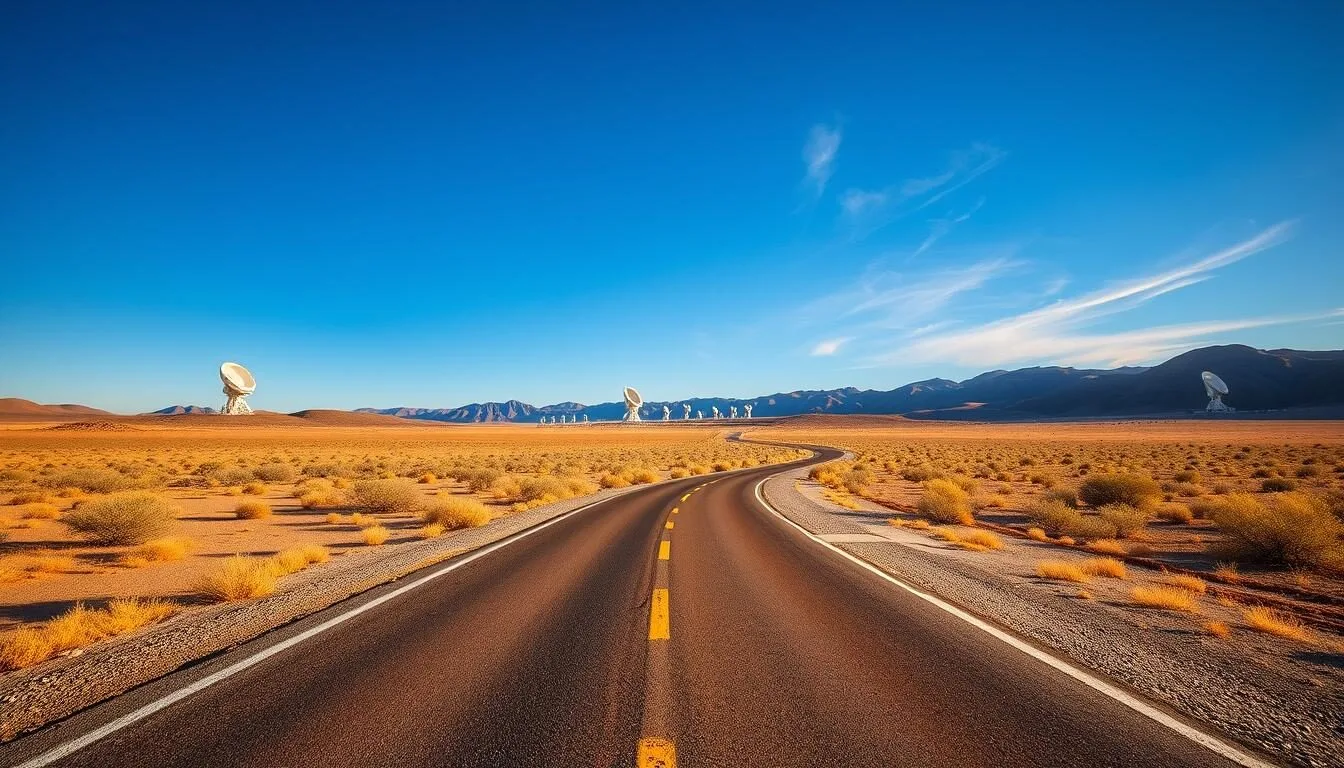
Did you know that the Very Large Array (VLA) in New Mexico can detect a golf ball from 15,000 km (9,300 miles) away? This remarkable radio astronomy observatory isn’t just a scientific marvel—it’s one of the Southwest’s most unique travel destinations. Sprawling across the Plains of San Agustin, the VLA’s 27 massive dish antennas—each 25 m (82 feet) in diameter—silently scan the cosmos, collecting radio waves from the farthest reaches of the universe. Whether you’re a science enthusiast, photography lover, or simply seeking an extraordinary experience off the beaten path, the VLA offers a fascinating glimpse into humanity’s quest to understand the cosmos.
Getting There & Planning Your Journey
The Very Large Array is located on the Plains of San Agustin in central New Mexico, approximately 80 km (50 miles) west of Socorro. The nearest major airports are in Albuquerque (220 km/137 miles) and El Paso (275 km/171 miles). From Albuquerque, take I-25 south to Socorro, then Highway 60 west to the VLA. The drive from Albuquerque takes about 2 hours, while from Santa Fe it’s roughly 3 hours.
The journey itself is part of the experience, with the high desert landscape gradually giving way to the vast plains where the telescope array stands. As you approach on Highway 60, the giant white dishes appear on the horizon, creating an otherworldly scene against the backdrop of mountains and sky.
Best Time to Visit & Weather Tips

Recommended Seasons
Spring (April-May)
Mild temperatures ranging from 10-24°C (50-75°F) make spring ideal for exploring the VLA. The desert wildflowers can be spectacular, adding color to the landscape. Spring brings occasional winds but fewer visitors than summer.
Fall (September-October)
Similar to spring, fall offers pleasant temperatures and clear skies. The light during autumn creates excellent photography conditions, with temperatures typically between 7-21°C (45-70°F). This is perhaps the optimal time to visit.
Seasons to Approach with Caution
Summer (June-August)
Daytime temperatures can soar to 32°C (90°F) or higher. If visiting in summer, plan to arrive early in the morning when temperatures are cooler. The site offers limited shade, so sun protection is essential.
Winter (November-March)
Winter brings cooler temperatures, ranging from -7 to 10°C (20-50°F). Snow is possible, though rare. The VLA remains open, but check road conditions before traveling, especially if driving from northern New Mexico.
At 2,124 m (6,970 feet) above sea level, the VLA’s high elevation means visitors should stay hydrated and protected from the sun year-round. Weather can change quickly, so layered clothing is recommended regardless of season.
Getting Around Locally
The VLA is a remote destination with no public transportation options. A personal vehicle is essential not only for reaching the site but also for exploring the surrounding area. The nearest towns with services are Magdalena (40 km/25 miles east) and Datil (32 km/20 miles west).
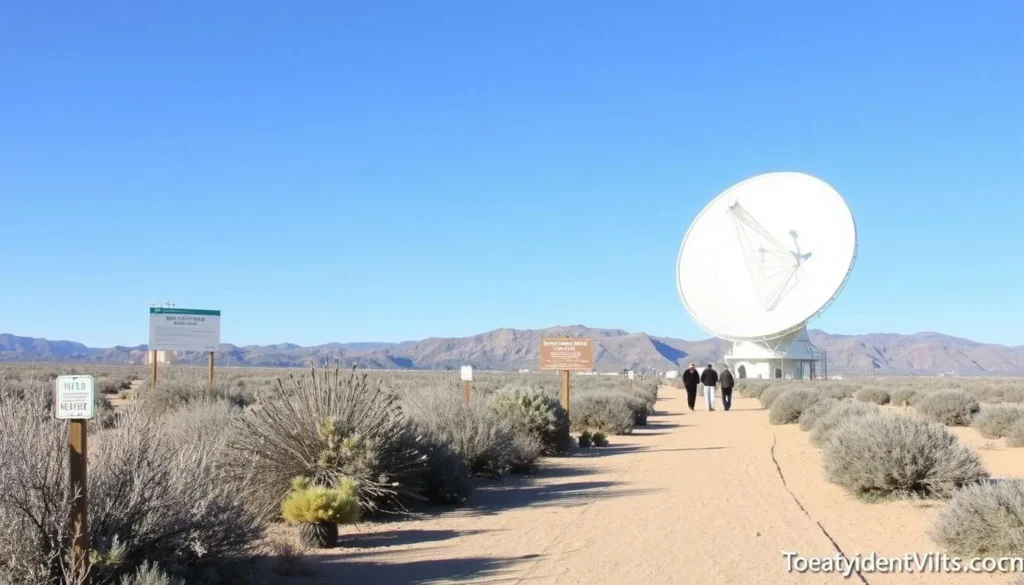
Once at the VLA, getting around is straightforward. The Visitor Center serves as your starting point, with a self-guided walking tour that takes you around the grounds and up close to one of the massive antennas. The walking path is approximately 0.8 km (0.5 miles) long and is mostly flat, making it accessible for most visitors.
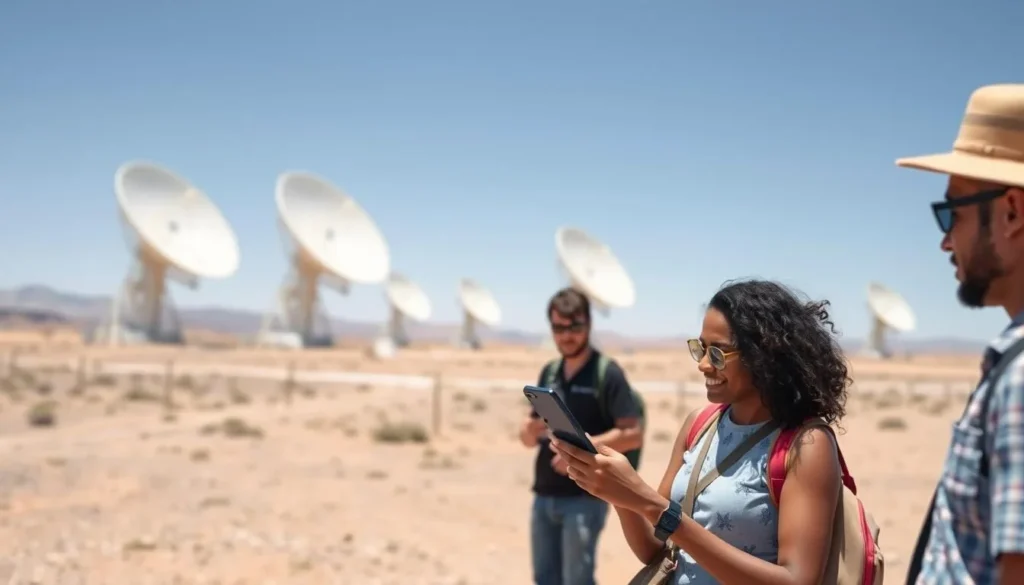
For those with mobility concerns, much of the experience can be enjoyed from the Visitor Center itself, which offers views of the array and houses informative exhibits. Photography is permitted throughout the site, though all electronic devices must be switched to airplane mode to prevent interference with the sensitive radio equipment.
Where to Stay
Due to its remote location, there are no accommodations directly at the VLA. Most visitors choose to stay in nearby towns or make it a day trip from larger cities. Here are your best options:
Socorro
The closest city with a range of accommodations, Socorro is about an hour’s drive east of the VLA. Options range from budget motels to comfortable hotels and B&Bs. Socorro also offers restaurants, grocery stores, and other amenities, making it a convenient base for exploring the VLA.
Magdalena
This small town, 40 km (25 miles) east of the VLA, offers limited but charming accommodation options, including the historic High Country Lodge. Staying in Magdalena provides a genuine small-town New Mexico experience and puts you closer to the VLA than Socorro.
Camping Options
For outdoor enthusiasts, the Datil Well Campground (BLM) is located about 32 km (20 miles) west of the VLA. This affordable campground offers basic facilities in a beautiful setting. Water Canyon Campground in the Cibola National Forest is another option, though the road can be rough for some vehicles.
If you’re planning to visit during special events like the twice-yearly Open House, book accommodations well in advance, as options are limited in this sparsely populated region.
Dining & Local Cuisine

There are no dining facilities at the VLA itself, so planning ahead for meals is essential. The Visitor Center has vending machines for snacks and drinks, but no restaurant or café. Here’s where to find food near the VLA:
Nearby Options
- Pie Town (32 km/20 miles west) is famous for its homemade pies at places like the Pie-O-Neer Café and the Gatherin’ Place.
- Datil (24 km/15 miles west) has the Eagle Guest Ranch, known for its green chile cheeseburgers.
- Magdalena offers a few casual dining options, including the Trail’s End Market & Café.
Socorro Dining
- Socorro (80 km/50 miles east) has the widest selection of restaurants, including New Mexican cuisine at Sofia’s Kitchen and El Camino Restaurant.
- The Socorro Springs Brewing Company offers craft beers and pub fare.
- Fast food and chain restaurants are also available in Socorro.
Visitor Tip: Pack a picnic lunch to enjoy at the VLA. The site has picnic tables, and dining with a view of the massive radio telescopes creates a memorable experience. Don’t forget to bring plenty of water, especially during warmer months.
Attractions, Sightseeing & Activities
Must-See Experiences at the VLA
Visitor Center Exhibits
Start your visit at the Visitor Center, which houses fascinating exhibits on radio astronomy, the history of the VLA, and its scientific discoveries. Don’t miss the 20-minute orientation film narrated by Jodie Foster, who starred in the movie “Contact” that was partially filmed at the VLA.
Self-Guided Walking Tour
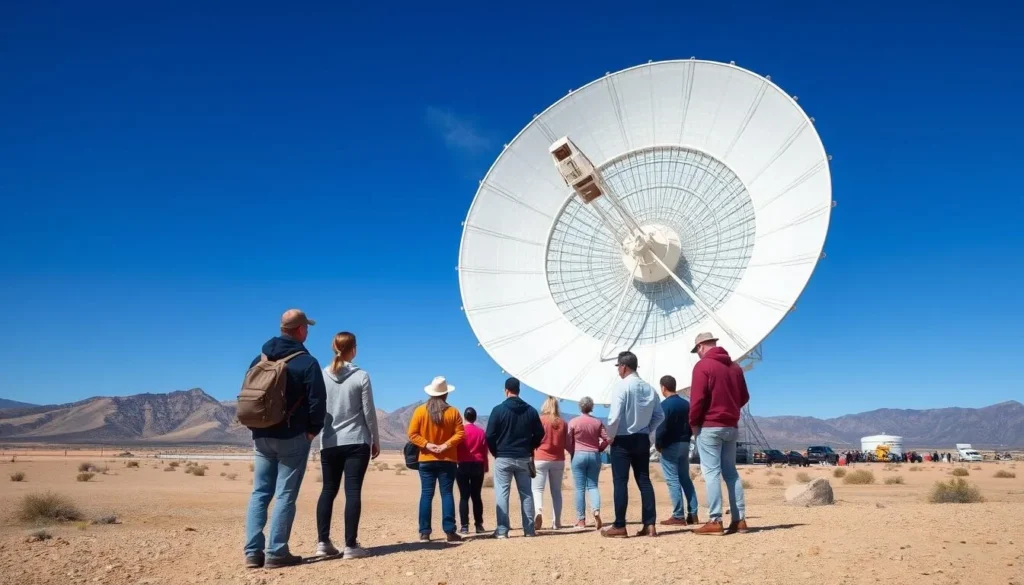
Follow the 0.8 km (0.5-mile) walking path that takes you right up to one of the massive antennas. Information panels along the way explain how the VLA works and what it studies. The sheer scale of the 25-meter (82-foot) dishes is awe-inspiring when seen up close.
Radio Sundial
Check out the unique radio sundial near the Visitor Center. Unlike traditional sundials that use shadows, this one uses radio waves from the sun to tell time—a clever demonstration of the principles behind radio astronomy.
Photography Opportunities
The VLA is a photographer’s dream. The contrast of the white dishes against the blue sky and desert landscape creates stunning images. For the best shots, visit early morning or late afternoon when the light is softer and more dramatic.
Special Events & Tours
While the self-guided tour is available daily, the VLA offers special events that provide deeper access:
- First Saturday Tours: Guided tours are offered on the first Saturday of each month at 11:00 a.m., 1:00 p.m., and 3:00 p.m. These tours are included with admission and provide more detailed information from knowledgeable guides.
- Open House Events: Twice a year (typically April and October), the VLA hosts an Open House with behind-the-scenes tours, special presentations by scientists, and activities for all ages.
- Star Parties: Occasionally, the VLA collaborates with local astronomy clubs to host evening star parties, combining optical astronomy with a visit to the radio astronomy facility.
Visitor Information: The VLA is open daily from 8:30 a.m. to sunset. The Visitor Center and Gift Shop are open from 9:00 a.m. to 4:00 p.m. Admission is $6 for adults, $5 for seniors, and free for children under 17. All electronic devices must be in airplane mode while on site.
Museums, Cultural Spots & Festivals
VLA Visitor Center
The VLA Visitor Center itself functions as a small museum dedicated to radio astronomy. Exhibits explain the science behind the VLA, its construction, and significant discoveries made using the facility. Interactive displays help visitors understand complex concepts in accessible ways.
Cultural Connections
The Plains of San Agustin have a rich cultural history. Before becoming home to cutting-edge science, this area was inhabited by indigenous peoples and later became part of the historic ranching landscape of New Mexico. The Visitor Center includes information about this cultural context.
Nearby Cultural Attractions
Socorro
- The Hammel Museum showcases the history of the Socorro region.
- San Miguel Mission, built in 1821, represents the area’s Spanish colonial heritage.
- Socorro Heritage and Visitors Center provides context for the region’s diverse cultural influences.
Regional Events
- Socorro’s Festival of the Cranes (November) celebrates the migration of sandhill cranes to nearby Bosque del Apache Wildlife Refuge.
- Magdalena’s Old Timers Festival (July) honors the area’s ranching heritage.
- Trinity Site Open House (April and October) offers rare access to the world’s first nuclear test site, located north of Socorro.
The VLA’s connection to popular culture is also noteworthy. Besides “Contact,” the facility has appeared in films like “Terminator Salvation,” “Independence Day,” and “2010: The Year We Make Contact.” The Visitor Center highlights these cinematic appearances, making it a point of interest for film enthusiasts as well as science buffs.
Nature & Outdoor Experiences
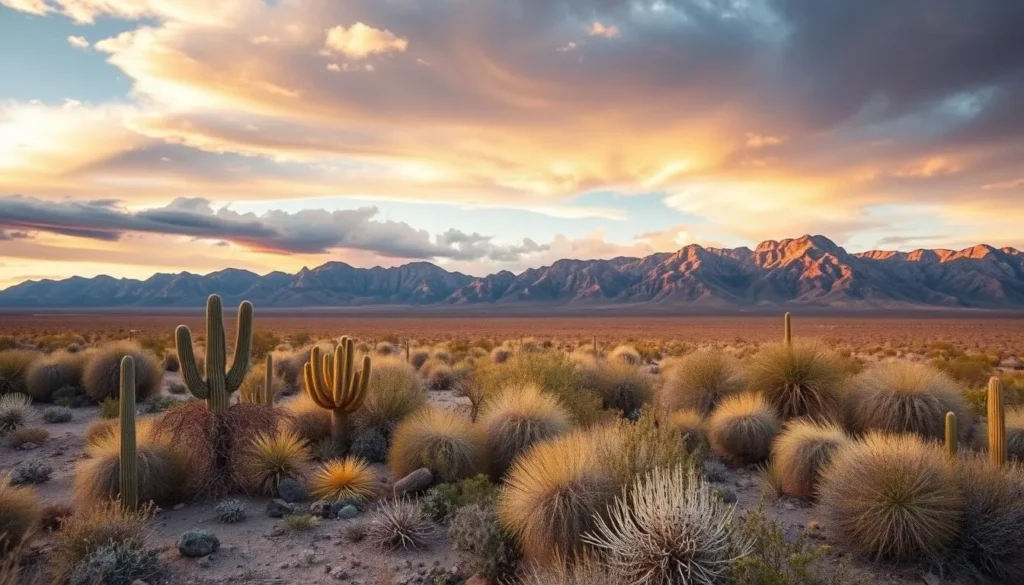
The VLA’s setting on the Plains of San Agustin offers more than just scientific wonder—it’s a gateway to experiencing the natural beauty of central New Mexico. The facility sits at an elevation of 2,124 m (6,970 feet) in a vast, bowl-shaped valley surrounded by mountains, creating a stunning backdrop for your visit.
Natural Features Near the VLA
Plains of San Agustin
This high desert grassland spans approximately 55 km (34 miles) long and 24 km (15 miles) wide. The flat, open terrain was created by an ancient lake bed, making it ideal for the VLA’s configuration. The plains support diverse desert plant life, including various grasses, yucca, and cacti.
Dark Sky Viewing
The remote location means minimal light pollution, creating exceptional stargazing opportunities. If you can stay until dusk (after the VLA closes to visitors), the surrounding area offers spectacular views of the night sky—a perfect complement to a day spent learning about radio astronomy.
Outdoor Activities in the Region
- Cibola National Forest: Located east of the VLA, this forest offers hiking trails, camping, and wildlife viewing. The Water Canyon Recreation Area provides access to the Magdalena Mountains.
- Bosque del Apache National Wildlife Refuge: About 95 km (60 miles) southeast of the VLA, this renowned wildlife refuge is famous for its winter bird migrations, particularly sandhill cranes and snow geese.
- El Malpais National Monument: Approximately 80 km (50 miles) northwest of the VLA, this “badlands” area features ancient lava flows, cinder cones, and unique geological formations.
- Gila Wilderness: Further southwest, this was America’s first designated wilderness area and offers pristine forests, mountains, and hot springs.
Safety Note: When exploring the natural areas around the VLA, remember you’re in a high desert environment. Always carry plenty of water, wear sun protection, and be prepared for rapid weather changes. Cell service is limited or non-existent in many areas, so inform someone of your plans before venturing out.
Safety, Etiquette & Local Customs
Visitor Guidelines at the VLA
- Electronic Devices: All electronic devices must be switched to airplane mode while on site. This is not just a suggestion—it’s essential to prevent interference with the sensitive radio astronomy equipment.
- Stay on Designated Paths: The self-guided tour follows a specific route. Venturing off this path is prohibited to protect both the scientific equipment and the natural environment.
- Photography: Photography is welcome and encouraged, but drones are strictly prohibited.
- Quiet Observation: While not a requirement, speaking softly enhances everyone’s experience and respects the scientific work taking place.
Desert Safety
The VLA’s high desert environment requires specific precautions:
Sun Protection
The combination of high elevation, clear air, and minimal shade makes sun exposure a serious concern. Wear a wide-brimmed hat, sunglasses, and sunscreen with SPF 30 or higher. Long-sleeved, lightweight clothing offers the best protection.
Hydration
Dehydration can occur quickly, even in cooler weather. Bring more water than you think you’ll need—at least 1 liter (1 quart) per person for a typical visit. The dry air can mask how much you’re sweating.
Local Customs & Etiquette
When visiting the VLA and surrounding communities:
- Respect the scientific purpose of the facility. The VLA is primarily a working observatory, with tourism as a secondary function.
- The surrounding communities are small and rural. Services close early, and Sunday closures are common. Plan accordingly.
- New Mexico has strong Hispanic and Native American influences. Being respectful of this cultural heritage is appreciated.
- When driving in the area, wave to passing vehicles—it’s a common courtesy in rural New Mexico.
Visitor Comments About The Very Large Array
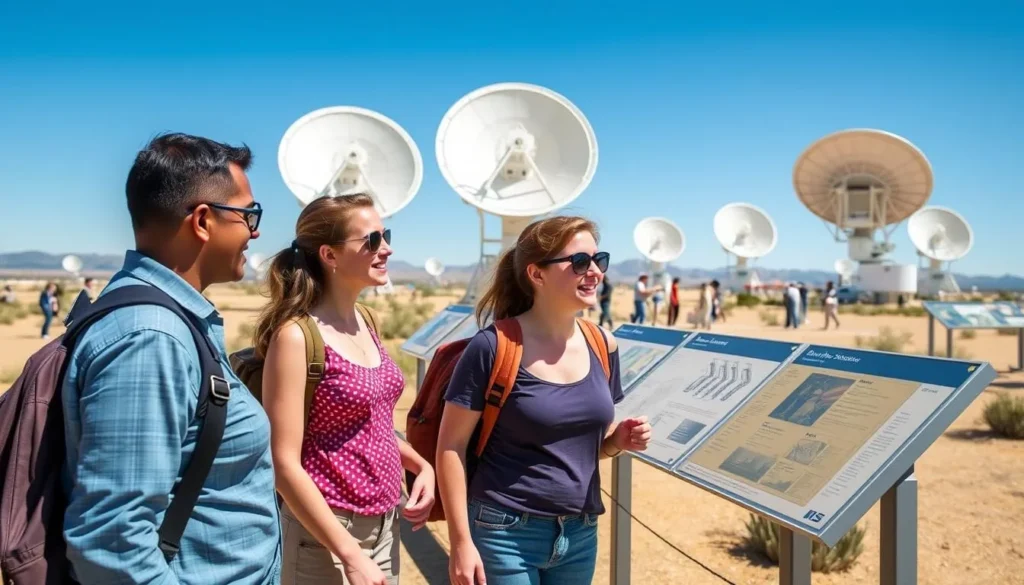
“Standing beneath those massive dishes was one of the most humbling experiences of my life. The contrast between the high-tech equipment and the ancient desert landscape creates a surreal atmosphere that photos can’t fully capture. The self-guided tour was informative without being overwhelming, and watching the antennas move in unison was mesmerizing. Definitely worth the drive from Albuquerque!”
“We visited with our science-obsessed 12-year-old and were all equally fascinated. The Visitor Center exhibits do an excellent job explaining complex concepts in accessible ways. The gift shop has unique items you won’t find elsewhere. My tip: arrive early in the day when the light is perfect for photography and before the afternoon heat builds up. And don’t miss Pie Town on your way back—the perfect sweet ending to an intellectually stimulating day.”
“As someone who grew up watching ‘Contact,’ visiting the VLA was a bucket list item. The reality didn’t disappoint! The first Saturday guided tour added tremendous value—our guide was a retired engineer who worked at the facility and shared fascinating behind-the-scenes stories. The remote location means you’ll need to plan your trip carefully, but that isolation is part of what makes the experience so special. The vast emptiness around the array creates a profound sense of our place in the universe.”
Additional Nearby Destinations
While the VLA is a destination in itself, its remote location makes it ideal to combine with other unique attractions in the region. Here are some worthwhile stops to enhance your New Mexico adventure:
Pie Town
Just 32 km (20 miles) west of the VLA, this quirky community lives up to its name with exceptional homemade pies. The Pie-O-Neer Café and the Gatherin’ Place serve slices that have achieved national recognition. The town also hosts an annual Pie Festival in September that draws visitors from across the region.
Bosque del Apache
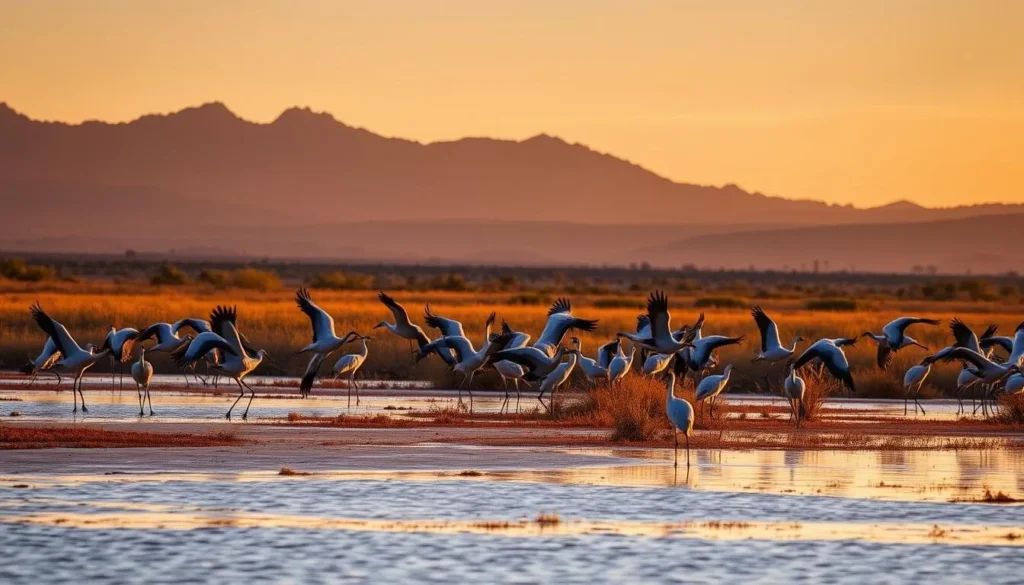
This National Wildlife Refuge, about 95 km (60 miles) southeast of the VLA, is one of North America’s premier bird-watching destinations. From November through February, thousands of sandhill cranes, snow geese, and other migratory birds create spectacular displays, especially during dawn and dusk “fly-outs.”
Trinity Site
The location of the world’s first nuclear test is open to the public just twice a year—the first Saturdays in April and October. Located on White Sands Missile Range about 145 km (90 miles) southeast of the VLA, this historic site offers a thought-provoking contrast to the peaceful scientific research at the VLA.
El Camino Real Historic Trail
This historic trade route connected Mexico City to Santa Fe for nearly 300 years. The El Camino Real International Heritage Center, located between Socorro and Truth or Consequences, provides fascinating insights into this important cultural corridor.
Magdalena
Once known as the “Trail’s End” for cattle drives, this small town 40 km (25 miles) east of the VLA retains its frontier charm. Historic buildings, art galleries, and the Magdalena Hall Hotel offer glimpses into New Mexico’s ranching past and its evolving present as an arts community.
Socorro
This university town 80 km (50 miles) east of the VLA serves as a gateway to many regional attractions. Visit the historic plaza, explore the San Miguel Mission, or enjoy bird watching at the Socorro Nature Area. The town also hosts several cultural events throughout the year.
Practical Travel Tips
Before You Go
- Check the VLA Website: Confirm current hours, admission fees, and any special events or maintenance closures before traveling.
- Fuel Up: There are no gas stations near the VLA. Fill your tank in Socorro, Magdalena, or Datil before heading to the site.
- Download Maps: Cell service is limited in the area. Download offline maps and any information you might need.
- Pack Essentials: Bring water, snacks, sun protection, and layers for changing weather conditions.
During Your Visit
- Allow Sufficient Time: A typical visit takes 1-2 hours, but enthusiasts may want to spend longer exploring the exhibits and walking tour.
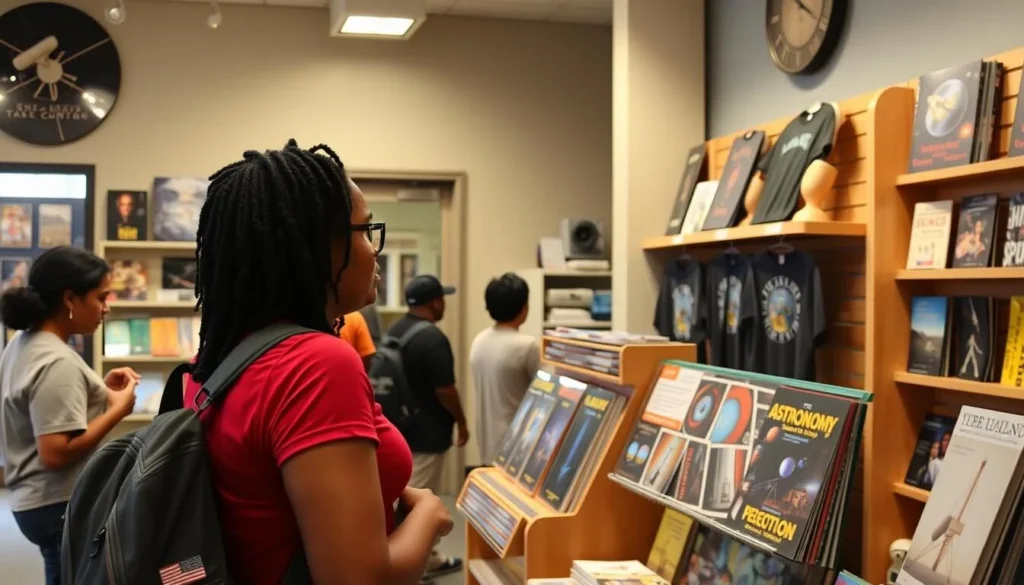
- Gift Shop: The VLA Gift Shop offers unique astronomy-themed souvenirs, books, and educational items. It’s a great place to find gifts you won’t see elsewhere.
- Accessibility: Most of the Visitor Center and portions of the walking tour are accessible to those with mobility limitations.
- Photography Tips: Early morning and late afternoon provide the best lighting for photographs. Wide-angle lenses help capture the scale of the array.
What should I do if the antennas are moving during my visit?
Consider yourself lucky! The antennas periodically reposition themselves as they track objects across the sky or change configurations. This movement is slow but visible and makes for a fascinating sight and great photos or videos. Remember to keep your devices in airplane mode even when recording.
Can I bring my pet to the VLA?
Pets are not allowed in the Visitor Center or on the walking tour, with the exception of service animals. If traveling with pets, one person may need to stay with them in the parking area while others tour the facility.
Is the VLA suitable for children?
Yes! While younger children might not grasp the scientific concepts, the massive dishes and open space are impressive to visitors of all ages. The Visitor Center includes some hands-on exhibits that appeal to children, and the walking tour provides plenty of space for stretching legs after a car ride.
Touching the Stars: Why the VLA Matters
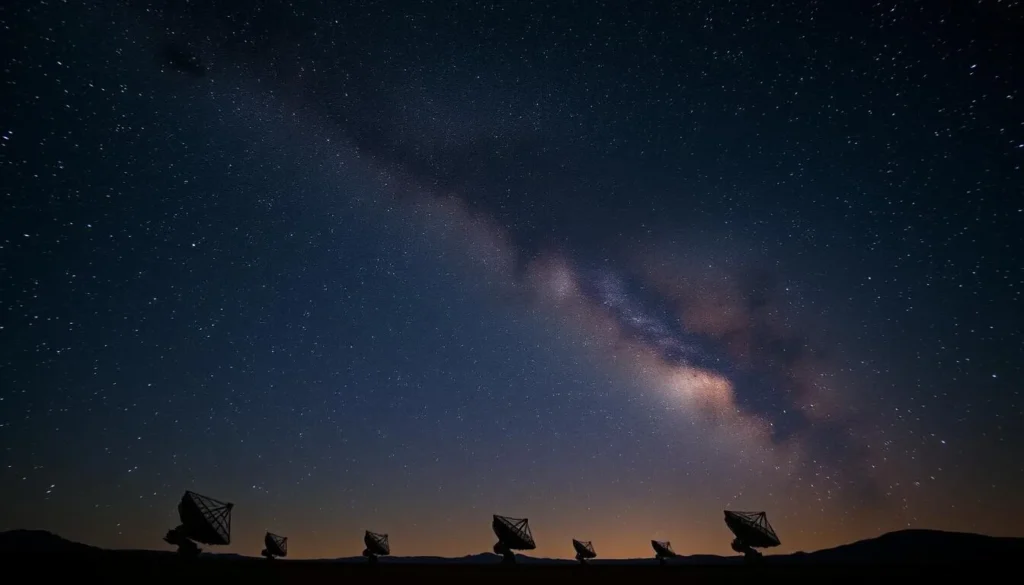
The Very Large Array stands as a monument to human curiosity and our enduring quest to understand our place in the cosmos. In this remote corner of New Mexico, where the silence is broken only by the whisper of the wind and the occasional mechanical hum of moving antennas, visitors find something rare in our busy world—perspective.
Whether you’re captivated by the engineering marvel of 27 massive dishes working in perfect harmony, inspired by the scientific discoveries being made, or simply awed by the juxtaposition of cutting-edge technology against ancient desert landscapes, the VLA offers an experience that stays with you long after you leave.
As you plan your journey through New Mexico, consider making the detour to this remarkable place where Earth meets sky, where science meets wonder, and where the boundaries of human knowledge are constantly expanding. In a world of increasingly manufactured attractions, the VLA offers something authentic—a genuine connection to our ongoing exploration of the universe and a reminder that some of the most profound experiences come from looking beyond ourselves.
Related Posts

Zuni Mountains, New Mexico: Best Things to Do – Top Picks
Wild Rivers Recreation Area (Rio Grande del Norte), New Mexico: Best Things to Do – Top Picks

Wheeler Peak Wilderness, New Mexico: Best Things to Do – Top Picks

Valle Vidal (Carson National Forest), New Mexico: Best Things to Do – Top Picks

White Mesa Bike Trails / Badlands, New Mexico: Best Things to Do – Top Picks

Valle de Oro National Wildlife Refuge, New Mexico: Best Things to Do – Top Picks
Coming Soon: Clickable Maps