

Hotels by Trip.com
Flights by Trip.com
Did you know that White Sands National Park is home to the largest gypsum dunefield in the world, covering a staggering 275 square kilometers (106 square miles) of shimmering white sand? Unlike typical sand made of quartz, the gypsum crystals at White Sands remain cool to the touch even on the hottest summer days, creating a surreal landscape that looks like snow in the middle of the desert. This otherworldly destination in southern New Mexico offers visitors a chance to experience one of America’s most unique ecosystems while enjoying activities from sledding down dunes to witnessing spectacular sunsets that paint the white landscape in pastel hues.
Getting There & Planning Your Journey
White Sands National Park is located in the Tularosa Basin in southern New Mexico. The park is relatively remote but accessible by car from several nearby cities. Planning your journey in advance is essential, especially since the park occasionally closes for missile testing at the adjacent White Sands Missile Range.
Closest Airports:
- El Paso International Airport (Texas) – 145 km (90 miles), approximately 1.5 hours drive
- Las Cruces International Airport (New Mexico) – 85 km (52 miles), approximately 1 hour drive
- Albuquerque International Sunport – 370 km (230 miles), approximately 3.5 hours drive
The park has only one entrance, located off US Highway 70, about 24 km (15 miles) southwest of Alamogordo. Unlike many national parks, White Sands has set hours of operation and is gated. The park typically opens at 7:00 AM and closes 30 minutes after sunset, though these hours can vary seasonally.
Before your visit, check the official National Park Service website for any scheduled closures due to missile testing, which can last up to 3 hours. These closures are usually announced two weeks in advance, but sometimes with only 24 hours’ notice.

Best Time to Visit & Weather Tips
Timing your visit to White Sands National Park can significantly impact your experience. The park experiences extreme temperature variations throughout the year, and understanding the seasonal patterns will help you plan accordingly.
| Season | Temperature | Pros | Cons |
| Spring (March-May) | 21-30°C (70-86°F) | Mild temperatures, wildflowers blooming (especially April-May), less crowded | Windy conditions possible, occasional missile testing closures |
| Summer (June-August) | 32-38°C (90-100°F) | Extended daylight hours, ranger programs available | Extreme heat, crowded during holidays, afternoon thunderstorms possible |
| Fall (September-November) | 15-29°C (60-85°F) | Pleasant temperatures, fewer crowds, beautiful sunsets | Shorter daylight hours, occasional wind |
| Winter (December-February) | 7-16°C (45-60°F) | Cooler hiking conditions, frozen sand makes walking easier, stunning photography | Cold mornings and evenings, water fountains may be winterized |
The best months to visit White Sands National Park are March, April, October, and November when temperatures are mild and the park is less crowded. These shoulder seasons offer the perfect balance of comfortable weather and accessibility.
Avoid visiting during summer afternoons (June-August) when temperatures can exceed 38°C (100°F) and the white sand reflects intense sunlight. If you must visit in summer, plan your activities for early morning or late afternoon. Winter visits can be rewarding with the unique experience of walking on frozen sand, which is much easier than trudging through soft sand.
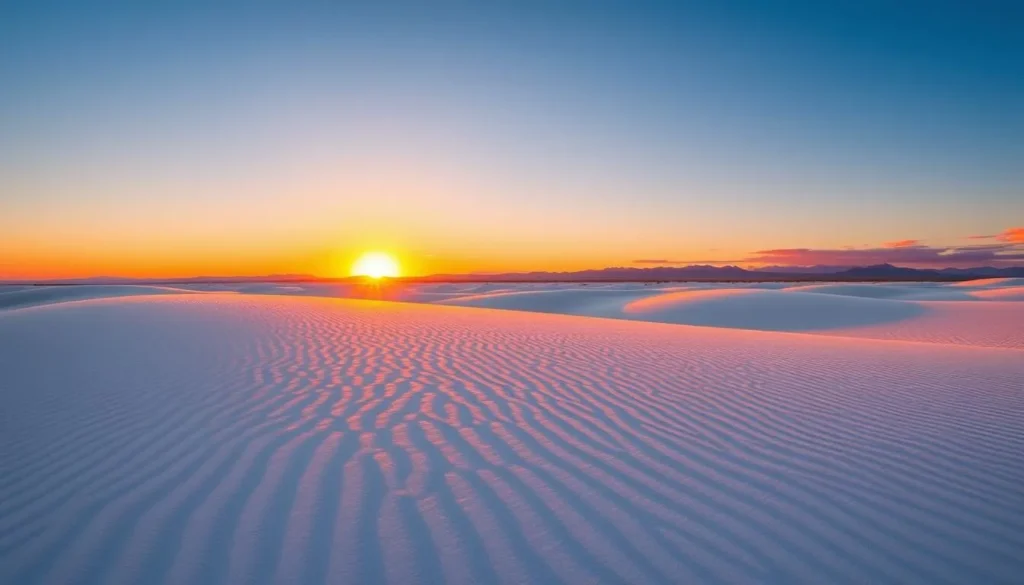
For photographers, the golden hours around sunrise and sunset offer the most dramatic lighting conditions, with the white dunes taking on pink, orange, and purple hues. Note that sunrise viewing requires early entry permits during certain times of the year.
Getting Around Locally
Exploring White Sands National Park requires some planning, as there is no public transportation to or within the park. The primary way to experience the park is via Dunes Drive, an 8-mile (13 km) road that takes you into the heart of the dunefield.
There are no shuttles or tour buses operating within the park, so self-transportation is essential. If you’re planning to venture onto the dunes, remember that walking in sand can be strenuous. During winter months, the sand may freeze, making hiking considerably easier.
Dunes Drive Tips: Drive slowly and watch for pedestrians, especially in areas where sledding is popular. Pull-outs are available throughout the drive for photo opportunities and dune access. The most pristine dunes are found at the end of the road, so it’s worth driving the entire length if time permits.
✓ Check 30,000+ Local Sightseeing Tours Worldwide
Where to Stay
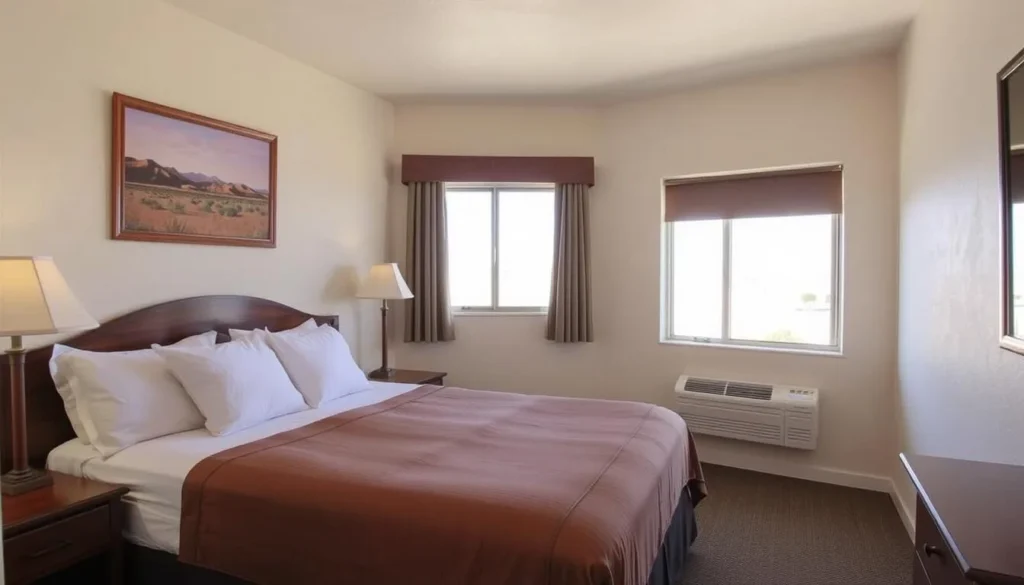
White Sands National Park doesn’t have lodging within the park boundaries, with the exception of backcountry camping (when available). Most visitors stay in nearby towns, with Alamogordo being the closest and most convenient option.
Alamogordo (24 km/15 miles)
The closest city to White Sands offers a range of accommodations:
- Fairfield Inn & Suites by Marriott – Modern rooms with free breakfast, indoor pool
- Holiday Inn Express – Comfortable rooms with amenities including outdoor pool
- White Sands Motel – Budget-friendly option close to the park
- Hampton Inn Alamogordo – Reliable chain hotel with good amenities
Las Cruces (85 km/52 miles)
A larger city with more dining and accommodation options:
- Hotel Encanto de Las Cruces – Upscale hotel with southwestern charm
- Drury Inn & Suites – Comfortable rooms with free breakfast and evening reception
- La Quinta Inn & Suites – Reliable mid-range option
- Various vacation rentals and B&Bs in the historic district
Backcountry Camping
For a truly unique experience, backcountry camping allows you to spend the night among the dunes. As of this writing, backcountry camping is temporarily unavailable as the sites undergo rehabilitation. When available, there are 10 primitive campsites along the Backcountry Camping Trail.
Backcountry Camping Notes: Permits are required and available on a first-come, first-served basis. No fires are allowed, and you must pack out all waste. Camping is not permitted during missile testing. Check the official park website for current status and regulations.
Dining & Local Cuisine
There are no restaurants within White Sands National Park, so planning your meals is essential. The visitor center has a small gift shop that sells snacks and drinks, but for proper meals, you’ll need to look to nearby towns.
Dining Options Near the Park
Picnicking in the Park
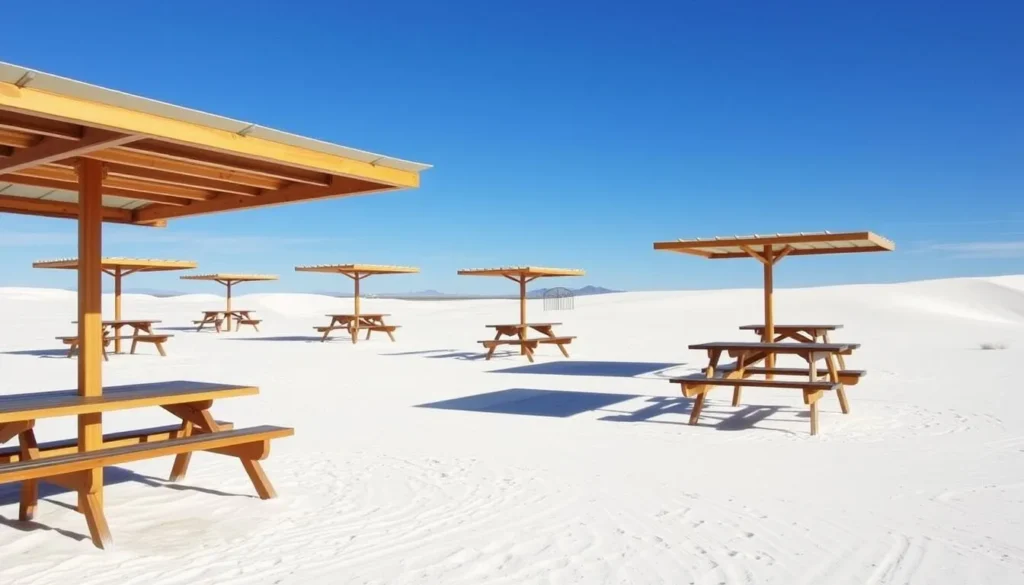
Picnicking is one of the best ways to enjoy a meal with an incredible view. White Sands has several designated picnic areas with tables and shade structures scattered throughout Dunes Drive. These areas have trash receptacles but no running water.
For the best picnic experience, pack your food in a cooler to keep it fresh in the desert heat. The picnic areas provide rare shade in the park, but the direction of the shade changes throughout the day with the sun’s position.
What to Pack for Meals
Remember that the visitor center is the only place in the park with drinking water, so fill up your bottles before heading deeper into the dunes.
Attractions, Sightseeing & Activities
White Sands National Park offers a variety of activities that allow visitors to experience the unique gypsum dunefield. From easy walks to challenging hikes, there’s something for everyone to enjoy in this otherworldly landscape.
1. Sledding on the Dunes
Perhaps the most popular activity at White Sands is sledding down the dunes. Unlike snow sledding, sand sledding requires waxed sleds for the best experience. You can purchase sleds at the visitor center gift shop (approximately $25) or bring your own. Wax is also available and highly recommended for a faster ride. Look for dunes with gentle slopes and level run-offs for the safest sledding experience.
2. Scenic Drive
Dunes Drive is an 8-mile (13 km) road that takes you deep into the heart of the dunefield. The first 5 miles are paved, while the last 3 miles are hard-packed gypsum. There are numerous pull-outs along the way where you can stop to take photos or explore the dunes. The entire drive takes about 30-45 minutes without stops, but plan for longer if you want to truly appreciate the changing landscape.
3. Photography
White Sands is a photographer’s paradise, offering endless opportunities to capture the interplay of light, shadow, and texture. The best times for photography are during the golden hours around sunrise and sunset when the white sand takes on warm hues and the low angle of light creates dramatic shadows. For pristine dunes without footprints, venture further into the park on the Alkali Flat Trail or Backcountry Camping Trail.
4. Stargazing
Designated as an International Dark Sky Park, White Sands offers exceptional stargazing opportunities. The park occasionally hosts night sky programs, but you can enjoy the stars on your own during evening hours before the park closes. During full moon nights, the white sand reflects the moonlight, creating an ethereal landscape that appears almost as bright as day.

Hiking Trails & Outdoor Experiences
Exploring the unique ecosystem of White Sands on foot offers some of the most memorable experiences in the park. There are five designated trails, each offering different perspectives and levels of difficulty.
| Trail Name | Distance | Difficulty | Time Required | Highlights |
| Interdune Boardwalk | 0.4 km (0.25 miles) round trip | Easy – Accessible | 15-30 minutes | Wheelchair accessible elevated boardwalk with interpretive signs about the ecosystem |
| Playa Trail | 0.8 km (0.5 miles) round trip | Easy | 15-30 minutes | Leads to a small playa (dry lake bed) with informational signs about geology |
| Dune Life Nature Trail | 1.6 km (1 mile) loop | Moderate | 30-60 minutes | Educational trail with signs about plants and animals, includes climbing two steep dunes |
| Backcountry Camping Trail | 3.2 km (2 miles) loop | Moderate | 1-1.5 hours | Access to backcountry campsites, fewer footprints, more pristine dunes |
| Alkali Flat Trail | 7.2 km (4.5 miles) loop | Strenuous | 2-3 hours | Most challenging trail, leads to Alkali Flat (remains of ancient Lake Otero), pristine dunes |
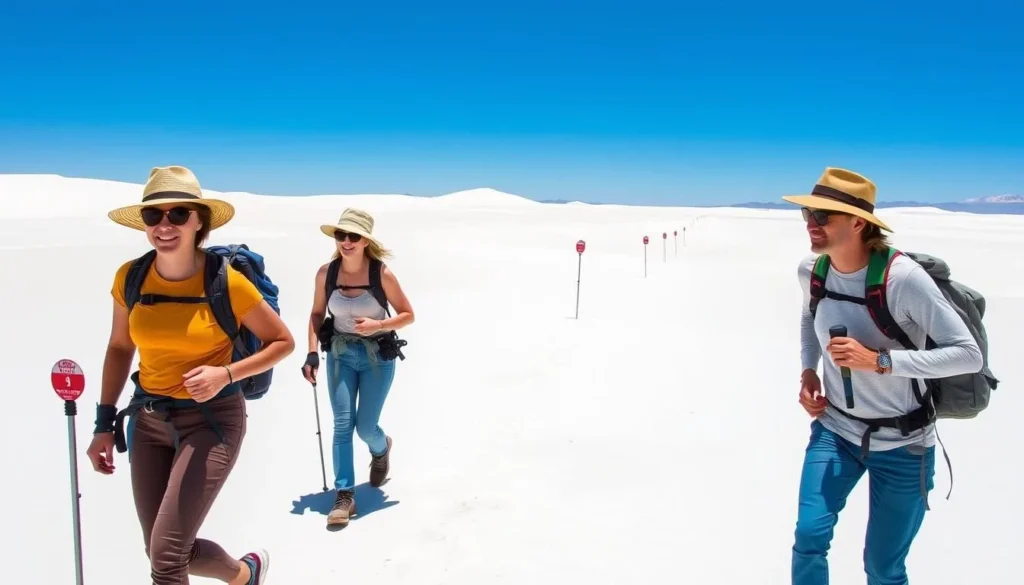
Hiking Safety: Hiking in sand is more strenuous than hiking on solid ground. Bring plenty of water (at least 1 gallon/4 liters per person per day), wear sun protection, and avoid hiking during the hottest part of the day in summer. Trail markers can sometimes be buried by shifting sand, so pay close attention to your surroundings.
Ranger-Led Programs
Museums, Cultural Spots & Festivals
While White Sands National Park itself is primarily a natural attraction, there are several cultural and historical sites in the surrounding area that complement a visit to the dunes.
White Sands Visitor Center
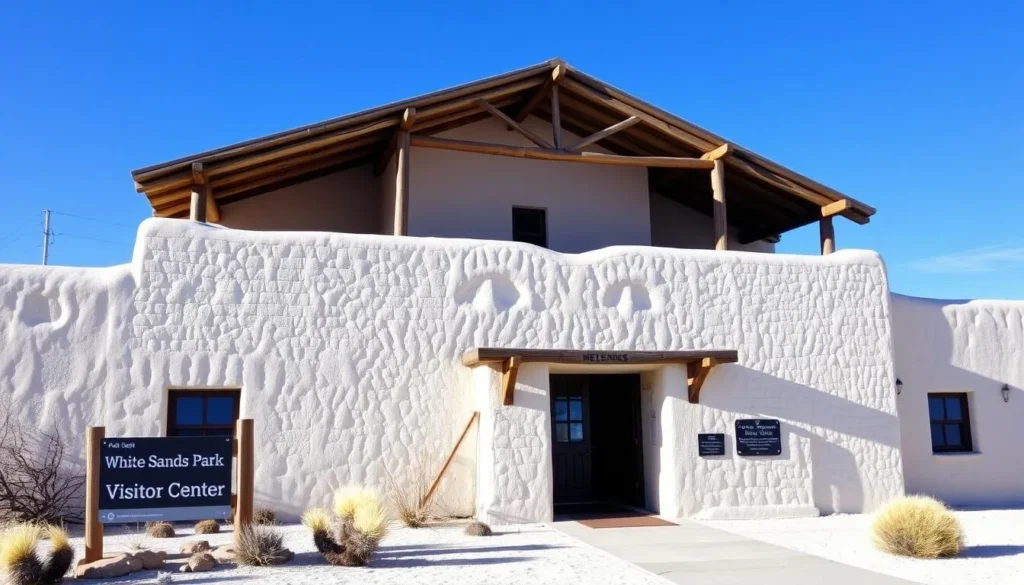
The historic visitor center, built in the 1930s in Pueblo-Revival style, is worth exploring before heading into the dunes. It houses a small museum with exhibits on the natural and cultural history of the area, including information about the formation of the dunes and the native plants and animals. The 17-minute orientation film provides an excellent introduction to the park.
White Sands Missile Range Museum
Located about 45 minutes from the national park, this museum documents the history of America’s first missile range. Exhibits cover the testing of rockets and missiles, the Trinity Site (where the first atomic bomb was detonated), and the role of the missile range during the Cold War. The outdoor missile park displays more than 60 missiles and rockets that were tested at White Sands.
New Mexico Museum of Space History
Located in Alamogordo, this museum chronicles the history of space exploration with a particular focus on New Mexico’s contributions. Exhibits include actual rockets, replicas of satellites, and artifacts from the International Space Hall of Fame. The museum also features a planetarium and an IMAX dome theater.
Annual Events
Nature & Wildlife Experiences
Despite its harsh appearance, White Sands National Park is teeming with life that has adapted to the unique gypsum ecosystem. The park is home to over 800 animal species, many of which have evolved white or light-colored adaptations to blend with the sand.
Wildlife Viewing
Many desert animals are nocturnal, making them difficult to spot during daytime visits. However, you can often see their tracks in the sand, especially in the early morning before other visitors arrive. Common animals include:
Mammals
- Kit Fox
- Coyote
- Bobcat
- Desert Cottontail
- Pocket Mouse
- Bleached Earless Lizard (white variety unique to White Sands)
Birds
- Roadrunner
- Loggerhead Shrike
- Cactus Wren
- Black-throated Sparrow
- Golden Eagle (occasional)
- Various migratory birds (seasonal)
Plant Life
The plants at White Sands have developed specialized adaptations to survive in the harsh, shifting sand environment. Look for:
Geological Features
The dunefield itself is the park’s main geological attraction, but understanding how it formed enhances appreciation of this natural wonder:
The best way to appreciate the park’s natural features is by hiking the Dune Life Nature Trail, which has interpretive signs explaining the ecosystem and pointing out adaptations of various plants and animals.

Safety, Etiquette & Local Customs
Visiting White Sands National Park requires some preparation and awareness of safety concerns. The desert environment can be harsh and unforgiving, but with proper planning, your visit will be safe and enjoyable.
Safety Considerations
Park Etiquette
Cultural Awareness
The White Sands region has a rich cultural history. The land was traditionally used by several Native American tribes, including the Mescalero Apache. The establishment of White Sands Missile Range after World War II significantly impacted the area’s development. Being respectful of both the natural environment and its cultural significance enhances your visit and helps preserve the park for future generations.
Visitor Comments About White Sands
“White Sands exceeded all my expectations! We visited in October and had perfect weather—warm days and cool evenings. Sledding down the dunes was an absolute highlight for our family. My advice: arrive early to catch the dunes before they’re covered in footprints, and don’t miss the sunset when the white sand turns pink and orange. Truly a magical experience unlike anywhere else I’ve been.”
“As a photographer, White Sands was a dream destination. I hiked the Alkali Flat Trail at sunrise and was rewarded with pristine dunes and incredible light. The contrast between the pure white sand and blue sky creates stunning compositions. Be prepared though—hiking in sand is much more strenuous than regular hiking! I’d recommend sturdy shoes and plenty of water. This park deserves more than just a quick drive-through.”
“We visited with our children during spring break and it was the highlight of our Southwest road trip. The kids loved sledding and rolling down the dunes. We purchased sleds at the visitor center which was convenient. One tip: check for missile testing closures before planning your visit. We almost missed our chance to visit due to a scheduled closure, but fortunately were able to adjust our itinerary. Also, the Dune Life Nature Trail was perfect for learning about the ecosystem with kids.”
Additional Nearby Destinations
White Sands National Park makes an excellent anchor for a broader exploration of southern New Mexico and west Texas. Consider adding these nearby destinations to your itinerary:
Alamogordo (24 km/15 miles)
- New Mexico Museum of Space History
- Alameda Park Zoo (oldest zoo in the Southwest)
- Heart of the Desert Pistachios & Wine
- Oliver Lee Memorial State Park
Las Cruces (85 km/52 miles)
- Dripping Springs Natural Area
- Mesilla Historic District
- New Mexico Farm & Ranch Heritage Museum
- Organ Mountains-Desert Peaks National Monument
Further Afield
- Carlsbad Caverns National Park (230 km/143 miles)
- Guadalupe Mountains National Park (280 km/174 miles)
- El Paso, Texas (145 km/90 miles)
- Truth or Consequences hot springs (120 km/75 miles)
Combining White Sands with Carlsbad Caverns and Guadalupe Mountains National Parks makes for an excellent week-long road trip through southern New Mexico and west Texas, showcasing the region’s diverse landscapes from underground caverns to mountain peaks to glistening white dunes.
Practical Travel Tips
Make the most of your visit to White Sands National Park with these practical tips gathered from experienced visitors and park rangers:
Essential Items to Pack
Photography Tips
Money-Saving Tips
Park Entrance Information
Entrance Fees: $25 per vehicle (valid for 7 days), $15 per person (walking or bicycling), $20 per motorcycle
Annual White Sands Pass: $45
America the Beautiful Pass: $80 (valid for all national parks for one year)
Contact Information: White Sands National Park, P.O. Box 1086, Holloman AFB, NM 88330; Phone: (575) 479-6124

Embrace the Magic of White Sands
White Sands National Park offers an experience unlike any other in the American national park system. The ethereal landscape of glistening white dunes creates a playground for adventure and a canvas for nature’s artistry. Whether you’re sledding down the slopes, hiking through the heart of the dunefield, or simply marveling at the play of light and shadow across the rippled sand, White Sands leaves an indelible impression on all who visit. The park’s unique ecosystem, with its specially adapted plants and animals, reminds us of nature’s remarkable resilience and creativity. As you plan your journey to this extraordinary destination, remember that the magic of White Sands lies not just in its stunning visual appeal, but in the quiet moments of wonder it inspires. Pack plenty of water, bring your sense of adventure, and prepare to be transformed by this remarkable corner of New Mexico’s desert.
Related Posts

Zuni Mountains, New Mexico: Best Things to Do – Top Picks
Wild Rivers Recreation Area (Rio Grande del Norte), New Mexico: Best Things to Do – Top Picks

Wheeler Peak Wilderness, New Mexico: Best Things to Do – Top Picks

Valle Vidal (Carson National Forest), New Mexico: Best Things to Do – Top Picks

White Mesa Bike Trails / Badlands, New Mexico: Best Things to Do – Top Picks

Valle de Oro National Wildlife Refuge, New Mexico: Best Things to Do – Top Picks
Coming Soon: Clickable Maps