
Hotels by Trip.com
Flights by Trip.com
Did you know that Delaware Canal State Park is home to one of the most complete remaining towpath canal systems in the United States, with 90% of its original 19th-century structures still intact? This 59-mile linear park stretches from Easton to Bristol, Pennsylvania, offering visitors a rare glimpse into America’s industrial past while providing endless recreational opportunities in a scenic natural setting.
Getting There & Planning Your Journey
Delaware Canal State Park is easily accessible from several major cities in the northeastern United States. The park stretches along the Delaware River, running parallel to Route 32 (River Road) through Bucks County, Pennsylvania.
Closest Airports
- Philadelphia International Airport (PHL) – approximately 56 km (35 miles) from the southern end of the park
- Lehigh Valley International Airport (ABE) – approximately 24 km (15 miles) from the northern end of the park
- Newark Liberty International Airport (EWR) – approximately 97 km (60 miles) from the central area of the park
If you’re flying in from out of town, you’ll want to check for the best flight options to these airports.
Once you arrive, renting a car is recommended as public transportation to the park is limited. Having your own vehicle will allow you to explore different sections of this linear park at your own pace.
Best Time to Visit & Weather Tips
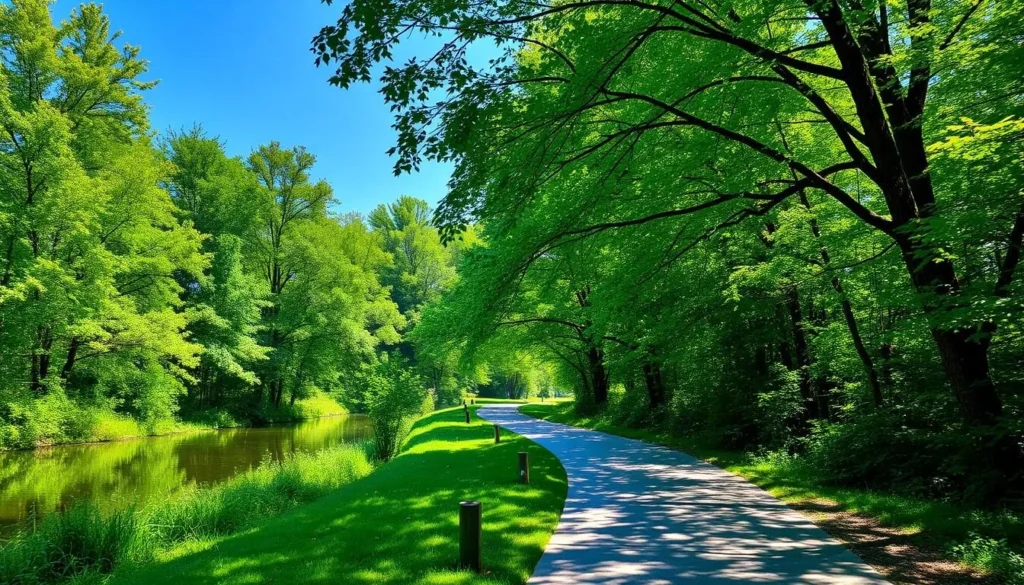
Delaware Canal State Park offers unique experiences throughout the year, but certain seasons showcase its beauty more dramatically than others.
Recommended Seasons
Spring (April-May)
Spring brings wildflowers along the towpath and comfortable temperatures ranging from 10-21°C (50-70°F). This is an excellent time for birdwatching as migratory species return.
Fall (September-November)
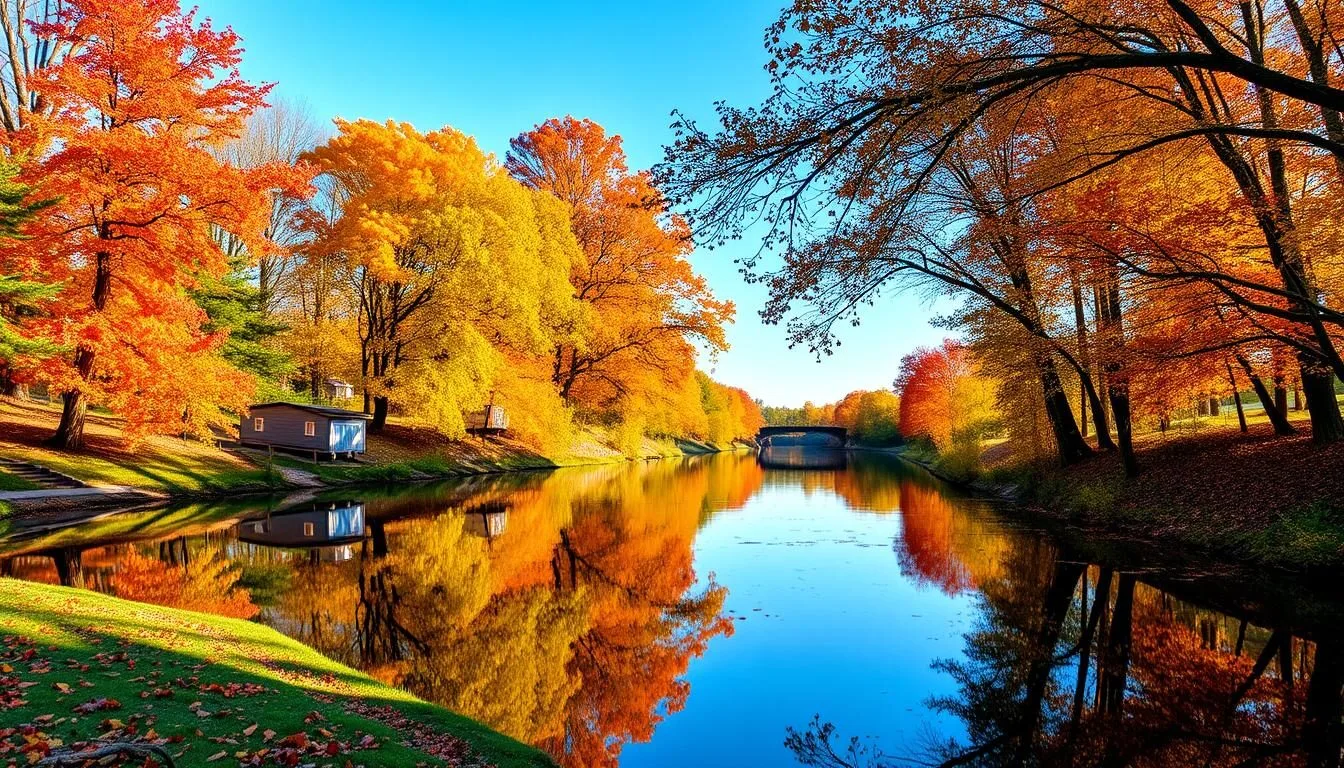
Autumn is arguably the most spectacular season at the park. The towering trees along the canal burst into brilliant reds, oranges, and golds. Temperatures range from 7-18°C (45-65°F), perfect for hiking and biking.
Seasons to Consider Carefully
Summer (June-August)
Summers can be hot and humid with temperatures often reaching 27-32°C (80-90°F). The shade from trees along the towpath provides some relief, but bring plenty of water if visiting during this season.
Winter (December-March)
Winter transforms the park into a serene landscape, but temperatures can drop to -7°C (20°F) or lower. Sections of the towpath may be snow-covered or icy. Some facilities have reduced hours during winter months.
✓ Check 30,000+ Local Sightseeing Tours Worldwide
Pro Tip: Fall weekends, especially in October, can be crowded as visitors come to enjoy the foliage. Visit on weekdays if possible during this peak season.
Getting Around Locally
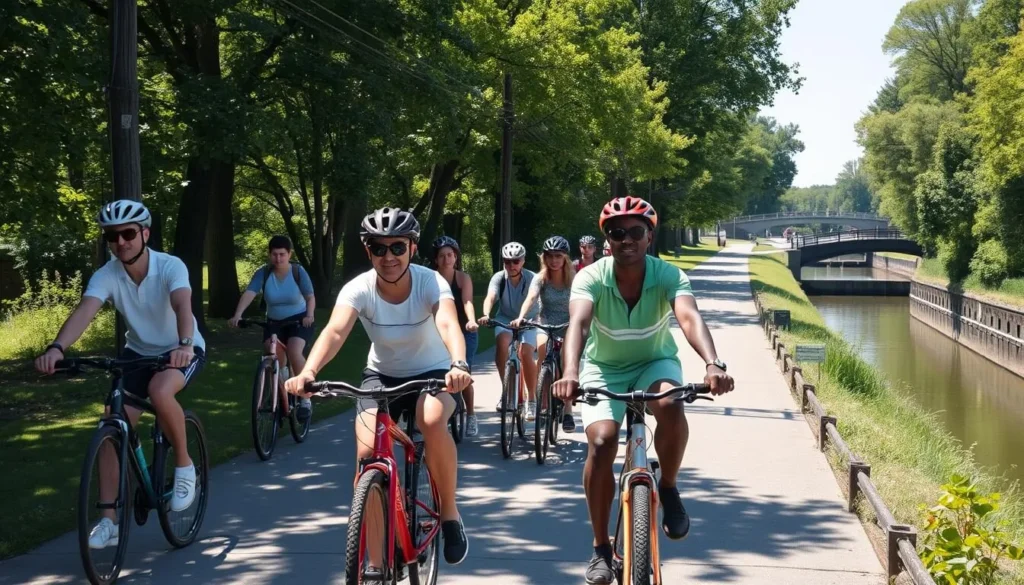
The Delaware Canal State Park is a linear park that stretches for 59 miles, offering various ways to explore its natural beauty and historic sites.
Towpath Trail
The main feature of the park is the towpath trail that runs alongside the canal. This flat, gravel path is ideal for walking, jogging, and cycling. The trail connects multiple access points and historic towns along the route.
Biking
Biking is one of the most popular ways to explore the park. The towpath’s flat terrain makes it accessible for cyclists of all skill levels. Hybrid or mountain bikes are recommended as the surface is unpaved. Bike rentals are available in towns like New Hope and Frenchtown.
Note: When passing others on the towpath, ring your bell and call out “Passing on your left!” as a courtesy. This is actually required by New Jersey law when using these trails.
Driving
While you can’t drive along the towpath itself, River Road (Route 32) runs parallel to much of the canal. This scenic drive allows you to access various points of interest and trailheads along the park. Numerous parking areas are available at access points throughout the park.
Where to Stay
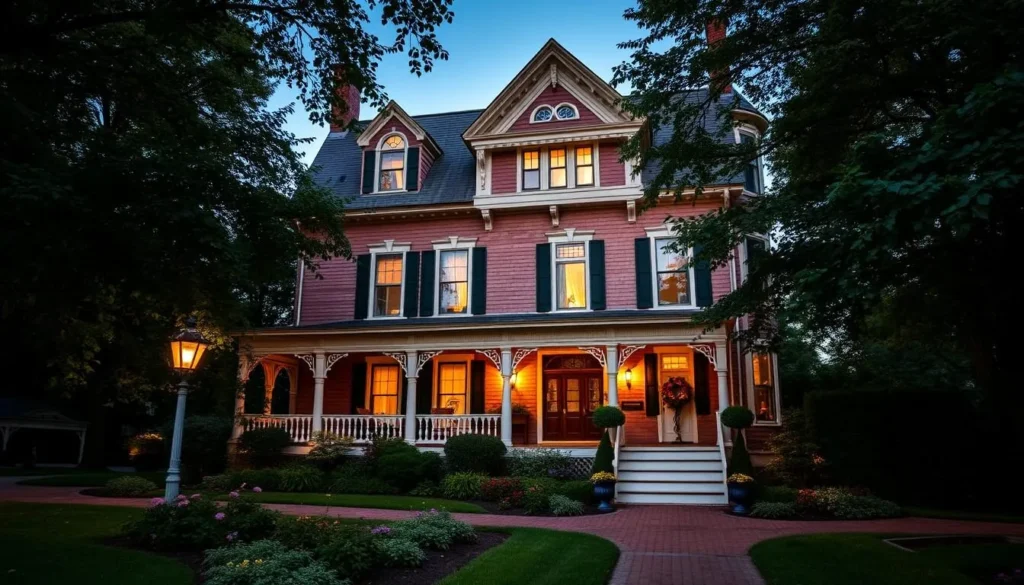
While Delaware Canal State Park itself doesn’t offer overnight accommodations, the surrounding towns provide a variety of lodging options to suit different preferences and budgets.
Historic Towns Along the Canal
New Hope
This charming riverside town offers numerous bed and breakfasts in historic buildings, luxury inns, and boutique hotels. Its central location makes it an ideal base for exploring the park.
Lambertville
Just across the river from New Hope, Lambertville offers additional historic accommodations with antique-filled rooms and modern amenities, often at slightly lower rates than its Pennsylvania neighbor.
Frenchtown
Located at the northern section of the park, this quaint town offers several intimate B&Bs and inns with river views and easy access to the northern sections of the towpath.
Camping Options
While there’s no camping within Delaware Canal State Park itself, nearby options include:
- Bull’s Island Recreation Area – Located along the Delaware River with tent and RV sites
- Colonial Woods Family Camping Resort – About 15 minutes from New Hope
- Ringing Rocks Family Campground – Near the northern section of the park
Dining & Local Cuisine
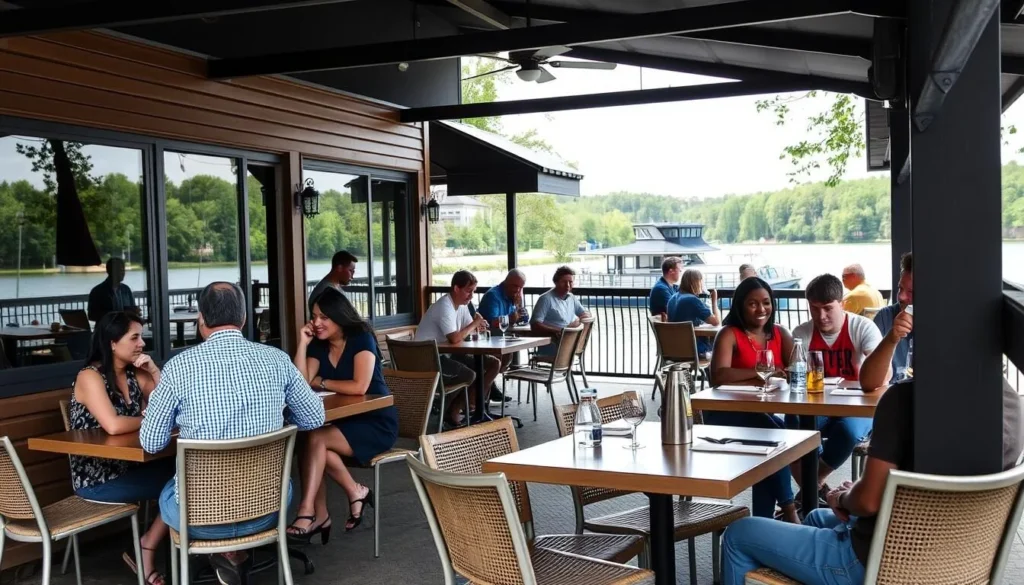
The towns along Delaware Canal State Park offer exceptional dining experiences, from casual cafes to fine dining establishments. Many restaurants showcase locally-sourced ingredients and regional specialties.
New Hope Dining Scene
New Hope boasts one of the most vibrant dining scenes in the region with riverside restaurants offering spectacular views along with their cuisine. From farm-to-table establishments to international fare, the options are diverse and plentiful.
Lambertville Eateries
Just across the bridge from New Hope, Lambertville offers equally impressive dining options, often with slightly more relaxed atmospheres and price points. The town is known for its excellent coffee shops and bakeries, perfect for grabbing breakfast before a day on the towpath.
Canal-Side Picnics
For a more budget-friendly option, pick up supplies at local markets and enjoy a picnic along the canal. Several areas along the towpath have benches and scenic spots perfect for an outdoor meal.
Local Specialty: While in the area, be sure to try shad during the spring season. This fish has historical significance to the Delaware River region and is celebrated in local festivals.
Stockton Market
The Stockton Market is a year-round indoor market featuring local food vendors, artisanal products, and fresh produce. It’s an excellent place to sample various local specialties under one roof or gather supplies for a picnic along the canal.
Attractions, Sightseeing & Activities
Delaware Canal State Park offers a wealth of attractions and activities that showcase both natural beauty and historical significance. Here are some of the top things to do during your visit:
Historic Canal Structures
Locks and Aqueducts
The park preserves many original 19th-century canal structures. Notable examples include the restored lock in New Hope and the Groundhog Lock in Raubsville. These engineering marvels offer a glimpse into the canal’s working past.
Lock Tender Houses
Several original lock tender houses remain along the canal, including well-preserved examples in Griggstown, Port Mercer, and Blackwell’s Mills. These historic homes show how canal workers lived during the canal’s heyday.
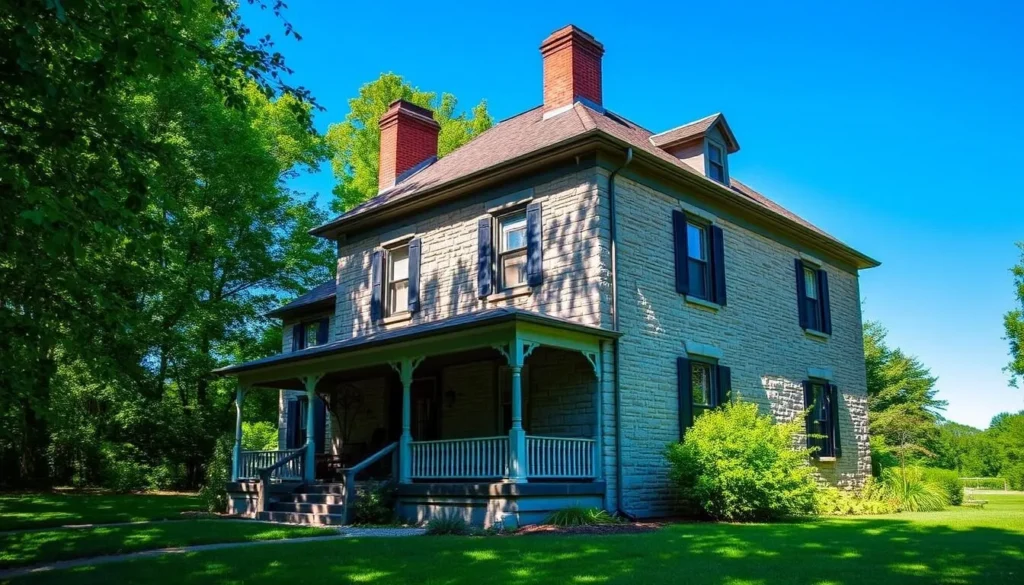
Thompson-Neely House and Gristmill
This beautifully preserved 18th-century fieldstone house served as an encampment and hospital for Continental Army soldiers during the American Revolution. The adjacent gristmill demonstrates the industrial heritage of the area. Guided tours provide fascinating insights into colonial life and the property’s role in American history.
Bowman’s Hill Tower
Standing 38 meters (125 feet) tall, this stone observation tower offers panoramic views extending up to 22 kilometers (14 miles) on clear days. Built to commemorate a Revolutionary War lookout point, the tower provides spectacular views of the Delaware River Valley and surrounding countryside.
Bowman’s Hill Wildflower Preserve
Adjacent to the park, this 134-acre botanical sanctuary features over 700 native plant species. With more than 4.5 kilometers (2.8 miles) of trails winding through diverse habitats, it’s a paradise for nature lovers and photographers, especially during spring wildflower season.
Museums, Cultural Spots & Festivals
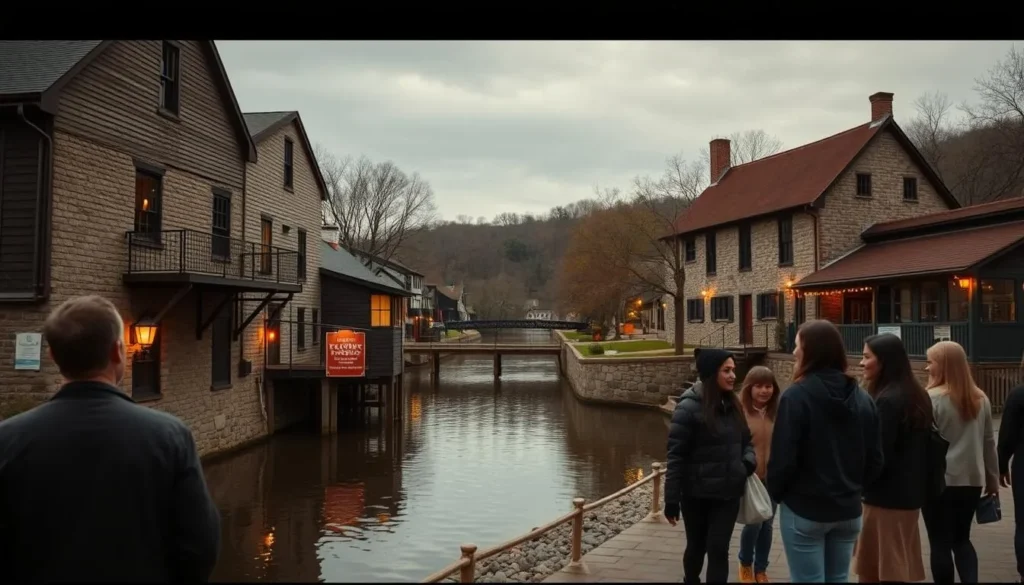
The Delaware Canal region is rich in cultural attractions that complement the natural beauty of the state park. From historic theaters to art galleries and seasonal festivals, there’s always something happening in the towns along the canal.
Bucks County Playhouse
Located in a converted gristmill on the banks of the Delaware River in New Hope, this historic theater has been a cultural cornerstone since 1939. Known as “America’s Most Famous Summer Theater,” it has launched many Broadway and Hollywood careers. The playhouse offers year-round productions ranging from classic plays to new works and musicals.
Art Galleries
The towns along the Delaware Canal, particularly New Hope and Lambertville, are renowned for their thriving art scenes. Dozens of galleries showcase works from local and national artists, with styles ranging from Pennsylvania Impressionist paintings to contemporary sculptures and crafts.
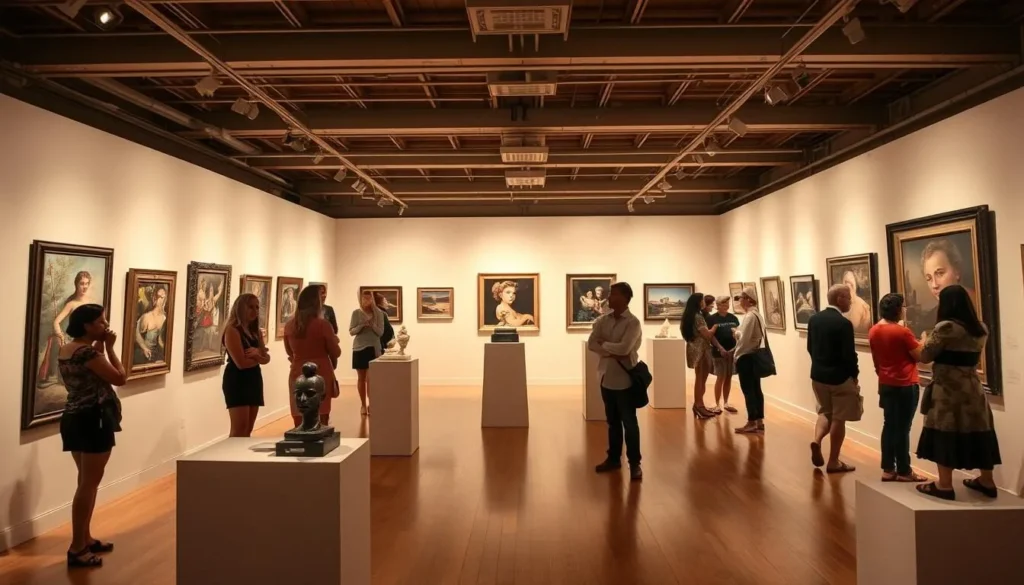
Notable Galleries:
- Jim’s of Lambertville – Specializing in Pennsylvania Impressionist and Modernist paintings
- New Hope Arts Center – Contemporary exhibitions and community art programs
- The People’s Store – Four floors of antiques and art with working artist studios on the upper levels
Seasonal Festivals
Throughout the year, towns along the canal host festivals celebrating everything from art and music to food and history:
Shad Festival
Held in Lambertville each April, this festival celebrates the annual shad fish migration up the Delaware River with food, crafts, and educational demonstrations.
New Hope Arts & Crafts Festival
This September event showcases work from over 160 national artists and craftspeople in an outdoor setting.
Delaware Canal Festival
Various towns along the canal host events throughout the summer celebrating the waterway’s history with boat rides, music, and historical demonstrations.
Sports, Nature & Outdoor Experiences
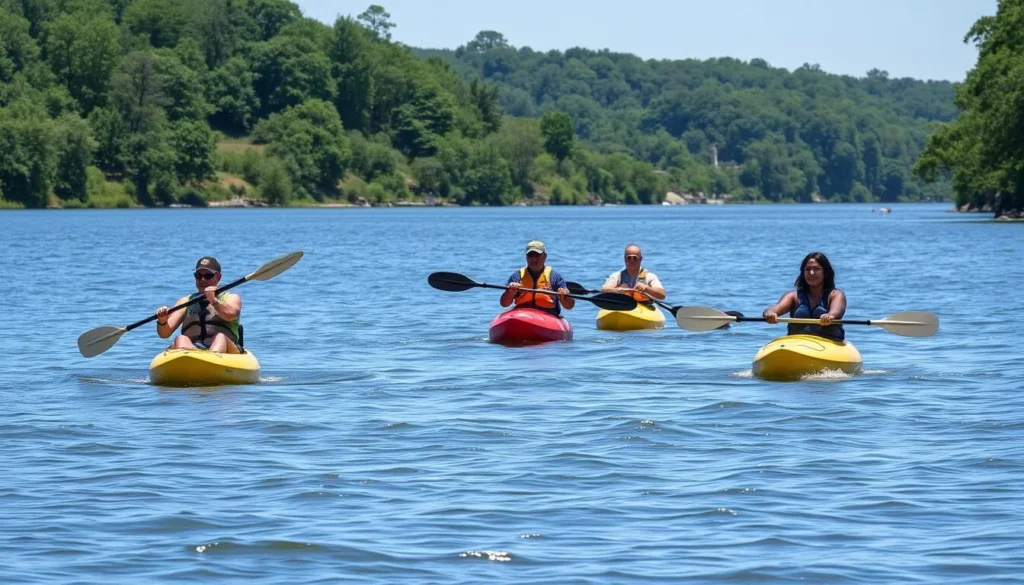
Delaware Canal State Park offers abundant opportunities for outdoor recreation throughout its 59-mile length. From water activities to wildlife watching, there’s something for every nature enthusiast.
Biking the Towpath
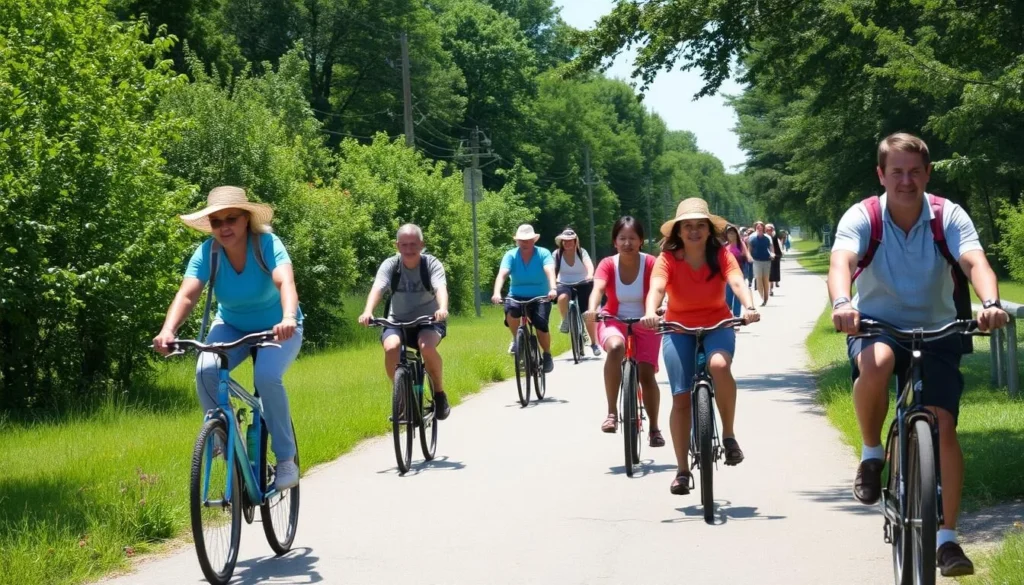
The canal’s towpath provides one of the most scenic biking routes in the eastern United States. This flat, crushed-stone trail is suitable for casual cyclists and families, offering 59 uninterrupted miles of scenic riding. The path connects numerous historic towns, making it easy to plan rides with interesting stops along the way.
Cycling Tip: The towpath surface is unpaved, so hybrid or mountain bikes are recommended rather than road bikes with narrow tires. Bike rentals are available in New Hope and several other towns along the canal.
Water Activities
While swimming isn’t permitted in the canal itself, the adjacent Delaware River offers numerous water recreation opportunities:
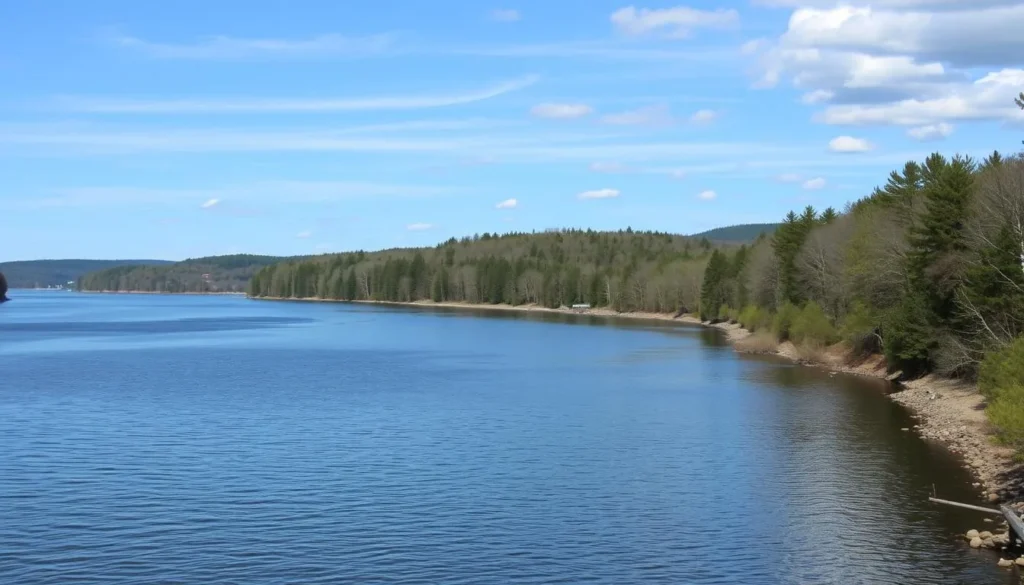
- Kayaking and canoeing on the Delaware River (several launch points provide access)
- Fishing for bass, shad, and other species in both the river and canal (valid Pennsylvania fishing license required)
- Birdwatching along the waterways, where over 100 species have been documented
Wildlife Viewing
The canal corridor serves as an important wildlife habitat and migration route. Visitors frequently spot:
Birds
Great blue herons, bald eagles, osprey, and numerous songbird species make the park a birdwatcher’s paradise. Spring and fall migrations bring additional species through the area.
Other Wildlife
Turtles basking on logs, beavers building dams, white-tailed deer, and various amphibians can be observed along the quiet stretches of the canal. Early morning and dusk offer the best wildlife viewing opportunities.
Seasonal Activities
Each season brings unique outdoor experiences to Delaware Canal State Park:
- Spring – Wildflower walks and bird migration watching
- Summer – Biking, fishing, and kayaking
- Fall – Foliage viewing and photography
- Winter – Cross-country skiing and winter bird watching (when conditions permit)
Safety, Etiquette & Local Customs
Enjoying Delaware Canal State Park safely and respectfully ensures a positive experience for everyone. Here are important guidelines to follow during your visit:
Trail Etiquette
- Cyclists should yield to pedestrians and announce when passing (“Passing on your left!”)
- Keep pets on leashes no longer than 2 meters (6 feet) and clean up after them
- Stay on designated trails to protect sensitive habitats
- Respect wildlife by observing from a distance and not feeding animals
Water Safety
If enjoying activities on the Delaware River:
- Always wear a personal flotation device (PFD) when boating or kayaking
- Check water conditions before launching, as river levels can change rapidly
- Be aware that swimming is not permitted in the canal itself
Preservation Etiquette
The park preserves important historical structures and natural habitats:
- Do not climb on or damage historic canal structures
- Practice “Leave No Trace” principles – pack out all trash
- Do not remove plants, animals, or artifacts from the park
Important: Cell phone coverage can be spotty in some sections of the park. Download maps in advance and let someone know your planned route and expected return time when exploring more remote areas.
Visitor Comments About Delaware Canal State Park
“The towpath trail offered our family the perfect day trip. We rented bikes in New Hope and rode north for about 10 kilometers, stopping at a lock demonstration along the way. The flat terrain made it easy for our children to manage, and the historical information signs were fascinating. Don’t miss Bowman’s Tower for incredible views of the entire area!”
“As a photographer, I’ve visited the Delaware Canal during all four seasons, and autumn is absolutely magical. The reflections of red and gold leaves in the still canal waters create perfect mirror images. I recommend starting early in the morning when mist often rises from the water, creating an ethereal atmosphere that’s perfect for photography.”
“We spent three days exploring different sections of the canal, staying at B&Bs along the way. The Thompson-Neely House tour was a highlight – our guide brought Revolutionary War history to life with fascinating stories about the soldiers who recuperated there. The towpath itself is well-maintained and provides a peaceful retreat from busy life.”
Practical Travel Tips

Planning Your Visit
- The park is open from sunrise to sunset daily, year-round
- Entrance to the park is free, though some historic sites within the park may charge admission fees
- Weekdays are significantly less crowded than weekends, especially during peak fall foliage season
- Download the official Delaware Canal State Park map from the before your visit
What to Bring
- Comfortable walking shoes or appropriate biking gear
- Refillable water bottles (water fountains are available at some access points)
- Sun protection (parts of the towpath have limited shade)
- Binoculars for wildlife viewing
- Camera to capture the scenic views
Accessibility Information
While the towpath is relatively flat, its crushed stone surface may present challenges for some wheelchair users. Several access points offer ADA-compliant facilities, including:
- Virginia Forrest Recreation Area – accessible fishing pier and restrooms
- New Hope – accessible visitor facilities and paved sections near the town center
- Washington Crossing Historic Park – accessible visitor center and some paved paths
Local Insight: The Friends of the Delaware Canal organization offers regular guided walks and special events throughout the year. Check their website for upcoming programs that might coincide with your visit.
Your Perfect Outdoor Escape Awaits
Delaware Canal State Park offers a rare combination of natural beauty, rich history, and accessible outdoor recreation. Whether you’re cycling the historic towpath, exploring 19th-century engineering marvels, or simply enjoying the peaceful scenery, this 59-mile linear park provides a perfect escape from everyday life. With charming towns, cultural attractions, and endless recreational opportunities along its length, the park invites visitors to experience a slower pace and connect with both nature and America’s industrial heritage. Pack your walking shoes, bring your camera, and prepare to discover one of Pennsylvania’s most unique and rewarding outdoor destinations.
Related Posts

York Township, Pennsylvania: Best Things to Do – Top Picks
Yellow Creek State Park, Pennsylvania: Best Things to Do – Top Picks
Worlds End State Park, Pennsylvania: Best Things to Do – Top Picks
Wills Mountain, Pennsylvania: Best Things to Do – Top Picks
Wilkes-Barre, Pennsylvania: Best Things to Do – Top Picks
Washington Crossing Historic Park, Pennsylvania: Best Things to Do – Top Picks
Coming Soon: Clickable Maps