Hotels by Trip.com
Flights by Trip.com
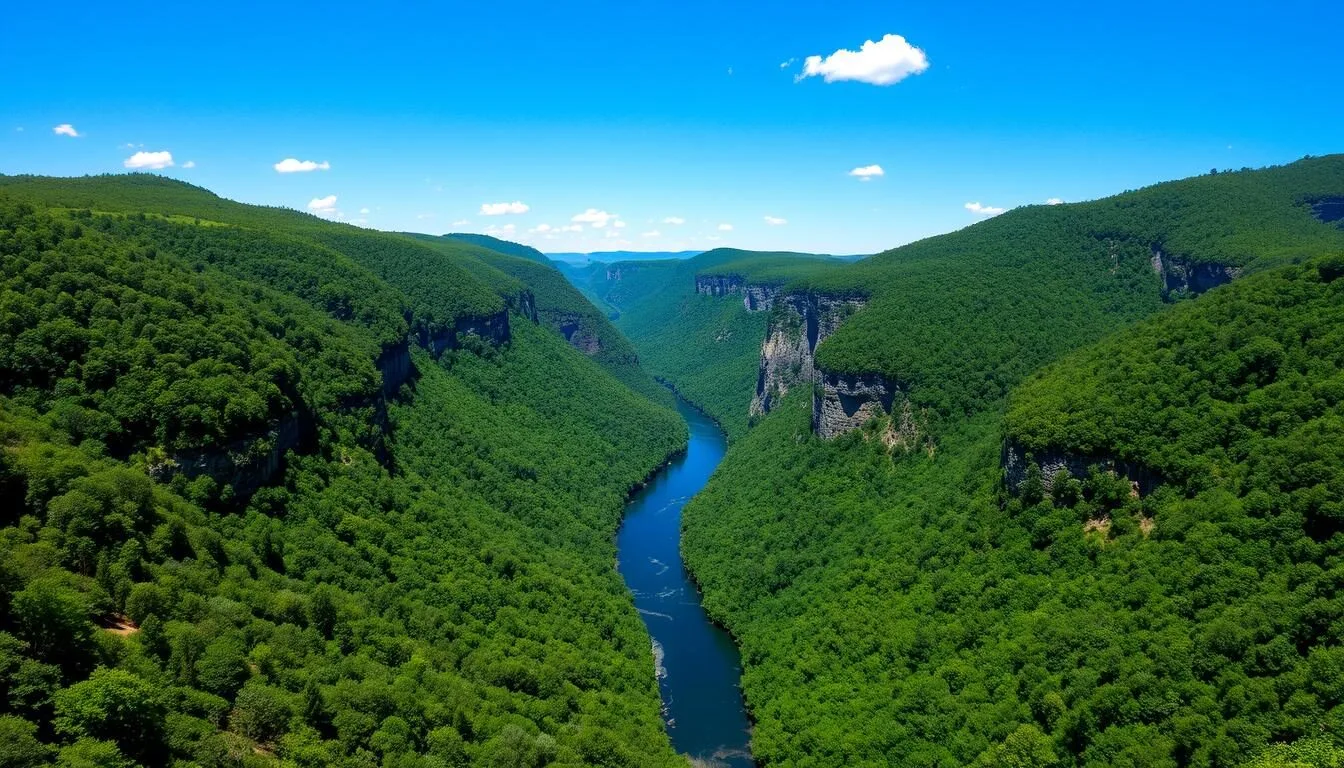
With over 4.2 million annual visitors, Delaware Water Gap National Recreation Area ranks among the most visited sites in the National Park Service system, yet remains one of America’s best-kept natural secrets. This 70,000-acre paradise, straddling Pennsylvania and New Jersey, offers dramatic mountain scenery where the Delaware River cuts through the Appalachian Mountains, creating a spectacular 1,000-foot-deep gap that has drawn travelers for centuries.
Getting There & Planning Your Journey
The Delaware Water Gap National Recreation Area is accessible from several major cities in the Northeast. The closest airports are Lehigh Valley International Airport in Allentown, PA (65 miles southwest), Wilkes-Barre/Scranton International Airport (65 miles west), and Newark International Airport (70 miles east).
By car, the recreation area is approximately 90 minutes from New York City, 2 hours from Philadelphia, and 1 hour from Scranton. Interstate 80 runs directly through the southern portion of the park at the Delaware Water Gap, making it easily accessible for road trips.
Bus service is available via Martz Trailways and Greyhound, with stops in the town of Delaware Water Gap, PA. This terminal is conveniently located just 1 mile from the Appalachian Trail access point and 2.5 miles from the Kittatinny Point Visitor Center.
Best Time to Visit Delaware Water Gap National Recreation Area

| Season | Months | Conditions | Recommendation |
| Spring | April-May | Cool mornings, mild afternoons, 10-21°C (50-70°F), occasional rain | Good – Waterfalls at peak flow, fewer crowds |
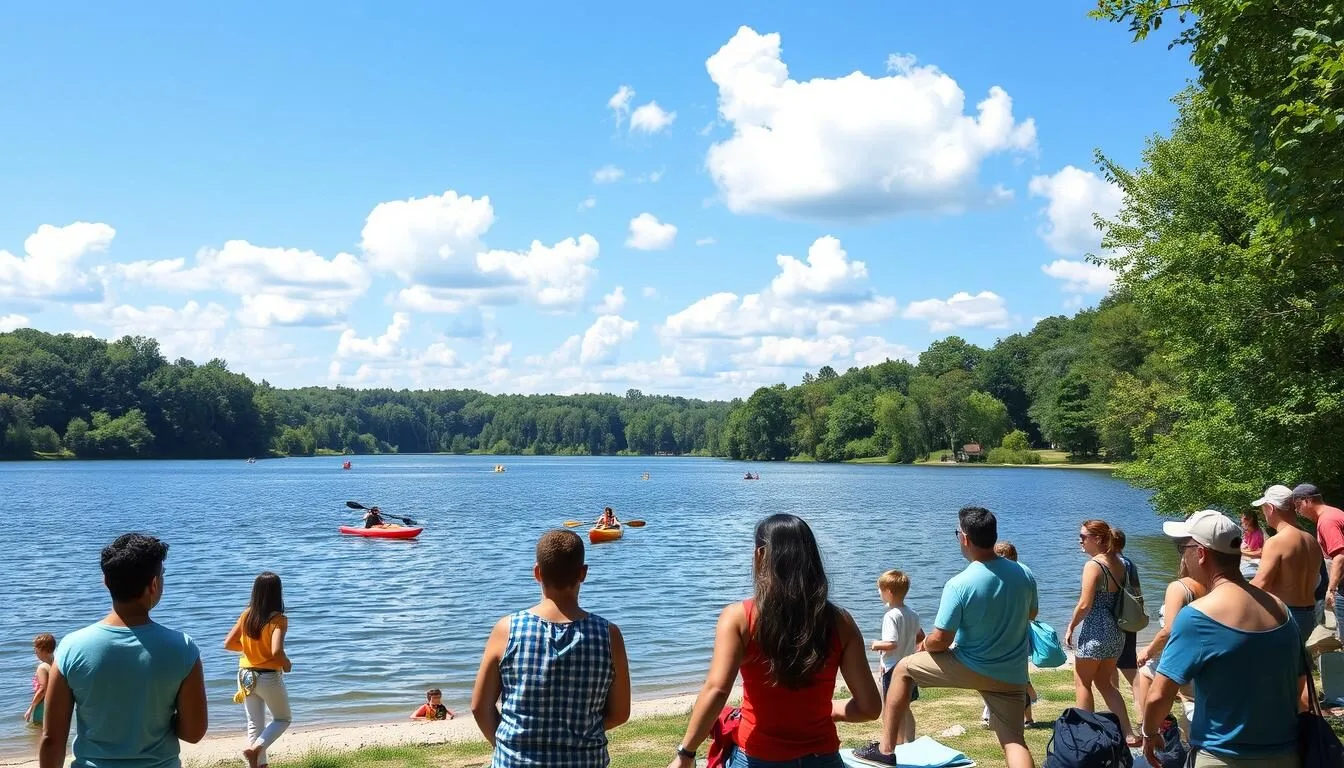
| Summer | June-August | Warm to hot, 21-32°C (70-90°F), occasional thunderstorms | Best for water activities, but most crowded |
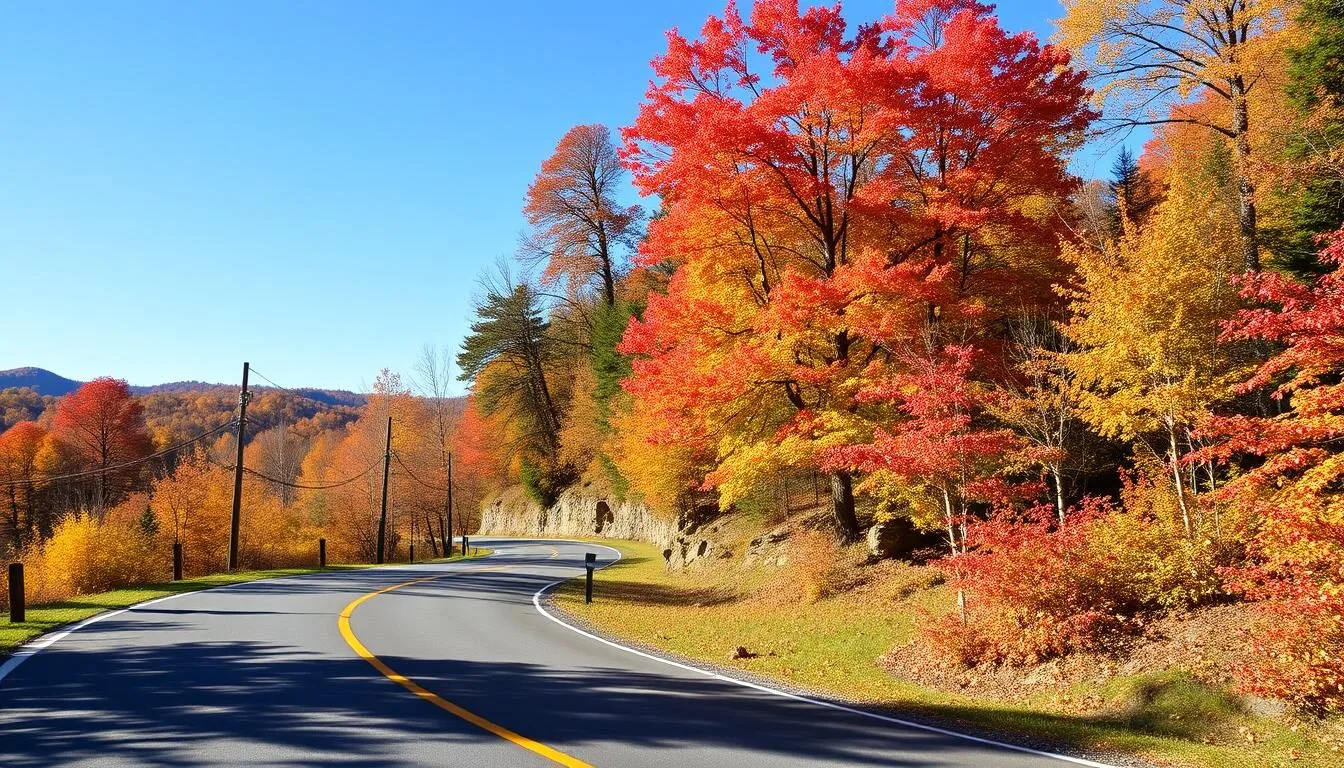
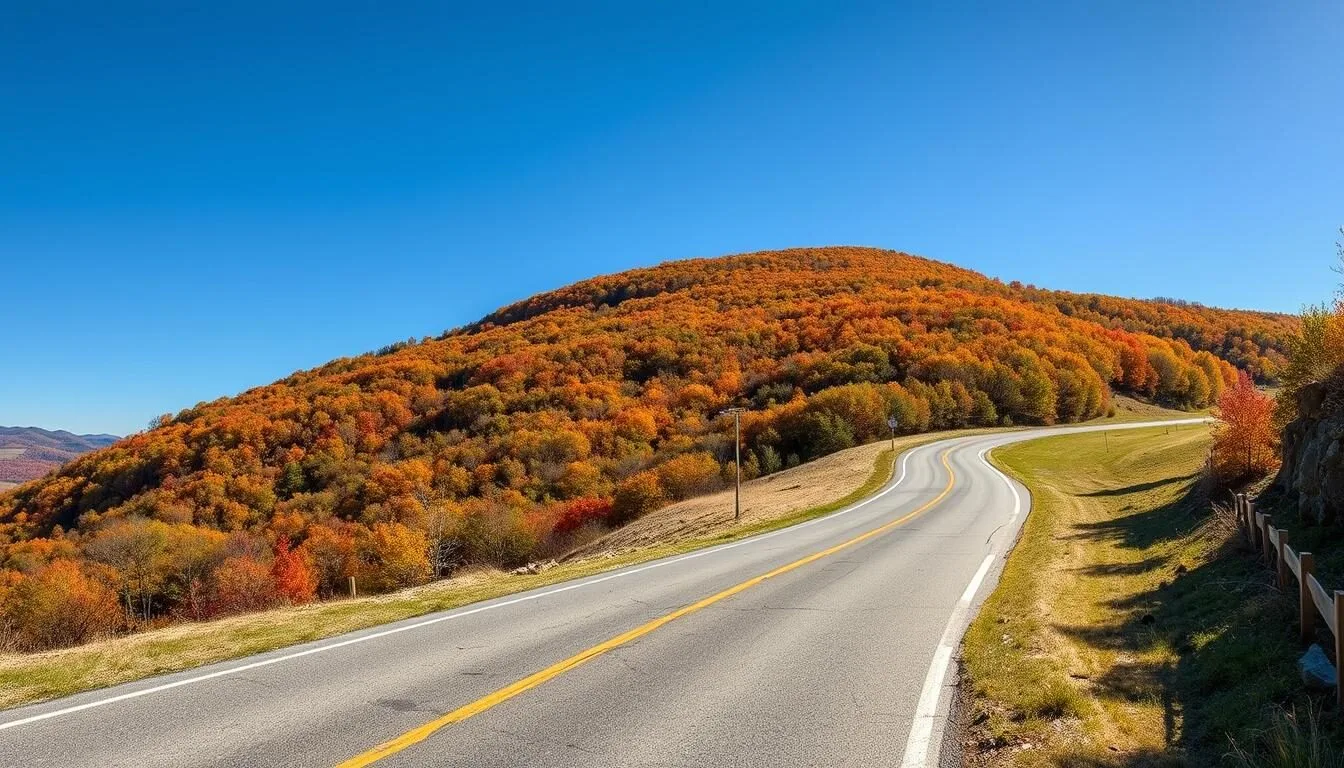
| Fall | September-October | Cool, 7-21°C (45-70°F), generally dry | Highly Recommended – Spectacular foliage, ideal hiking weather |
| Winter | November-March | Cold, -7 to 4°C (20-40°F), snow possible | Limited activities, but beautiful for photography and solitude |
The best time to visit Delaware Water Gap National Recreation Area is during fall (September-October) when the foliage creates a spectacular display of colors and temperatures are ideal for hiking. Summer (June-August) is perfect for water activities like swimming, canoeing, and kayaking, though it’s also the busiest season. Spring offers impressive waterfall views as snowmelt increases water flow, while winter provides a serene experience for those who don’t mind the cold.
Pro Tip: If you’re looking to avoid crowds, consider visiting on weekdays or during the shoulder seasons of late spring and early fall. The park is particularly crowded on summer weekends and holidays.
Getting Around Locally
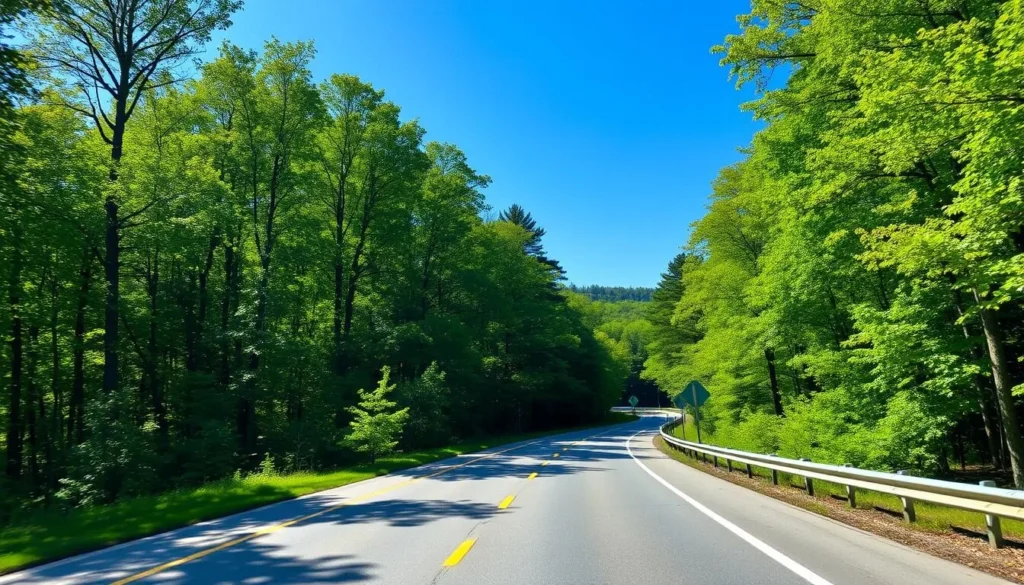
The Delaware Water Gap National Recreation Area spans 40 miles along the Delaware River, so having your own transportation is highly recommended. The park’s attractions are spread out, and there is no public transportation within the recreation area itself.
By Car
The most convenient way to explore the park is by car. Pennsylvania Route 209 runs north-south through the Pennsylvania side, while Old Mine Road traverses much of the New Jersey side. Interstate 80 provides easy access to the southern portion of the park.
Several scenic drives offer spectacular views, including River Road on the Pennsylvania side and Old Mine Road on the New Jersey side, which is one of America’s oldest commercial roads.
✓ Check 30,000+ Local Sightseeing Tours Worldwide
By Bicycle
Cycling is permitted on all public roads within the park and on the McDade Recreational Trail, a 31-mile gravel path that runs along the Pennsylvania side of the Delaware River. The trail offers beautiful river views and connects many of the park’s attractions.
Bike rentals are available in nearby towns like Stroudsburg, PA, and Milford, PA, during the summer months.
Where to Stay
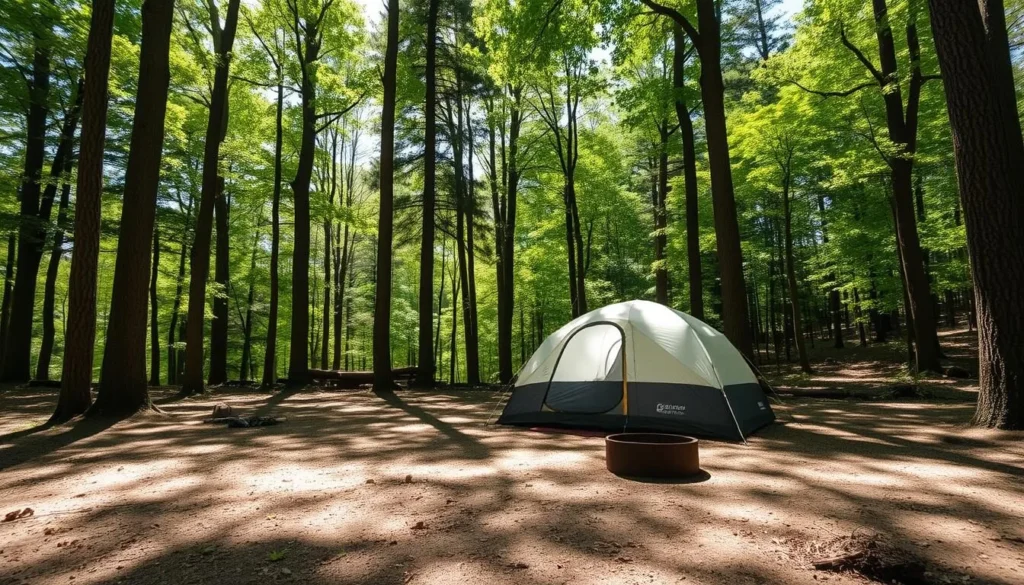
While there are no lodges or hotels within the Delaware Water Gap National Recreation Area itself, you’ll find a variety of accommodation options both within and near the park boundaries.
Camping
The park offers several primitive camping options:
- River campsites (accessible by boat only)
- Alosa Campsites (Pennsylvania shore)
- Valley View Group Campsite (groups of 10-20)
Nearby Worthington State Forest in New Jersey offers additional developed campgrounds with amenities.
Nearby Hotels & Motels
The towns surrounding the recreation area offer numerous lodging options:
- Stroudsburg/East Stroudsburg, PA
- Delaware Water Gap, PA
- Milford, PA
- Port Jervis, NY
These range from budget motels to charming bed and breakfasts.
Vacation Rentals
For a more private experience, consider renting:
- Cabins
- Cottages
- Vacation homes
Many properties are available in the Pocono Mountains region, offering easy access to the recreation area.
Dining & Local Cuisine
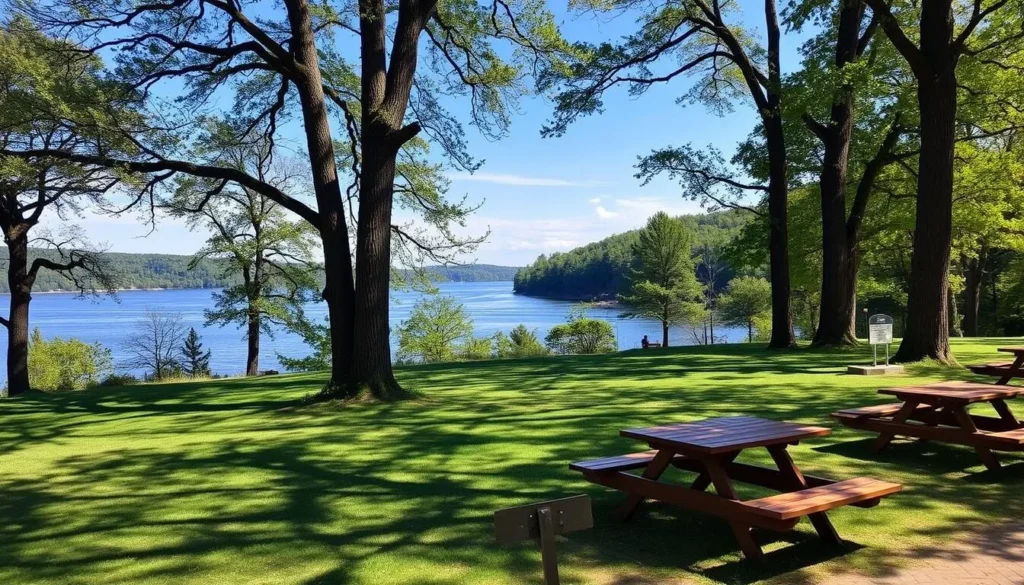
There are no restaurants within the Delaware Water Gap National Recreation Area, but you’ll find plenty of dining options in the surrounding towns. Many visitors opt to bring picnic supplies and enjoy meals at one of the park’s many scenic picnic areas.
Picnic Areas
The park maintains several picnic areas with tables, grills, and restrooms:
- Bushkill Access
- Milford Beach
- Smithfield Beach
- Hialeah Picnic Area
- Kittatinny Point
These areas are perfect for enjoying a meal with scenic views of the Delaware River or surrounding mountains.
Local Restaurants
The towns surrounding the park offer a variety of dining options:
- Stroudsburg/East Stroudsburg – Wide range of options from casual to fine dining
- Milford – Known for charming cafes and historic restaurants
- Delaware Water Gap (town) – Several eateries with views of the gap
- Bushkill – Family restaurants and quick service options
Local Specialties: While in the region, try Pennsylvania Dutch specialties like scrapple and shoofly pie, or sample fresh trout caught from local streams. The Pocono region is also known for its apple orchards, with fresh cider available in the fall.
Attractions, Sightseeing & Activities
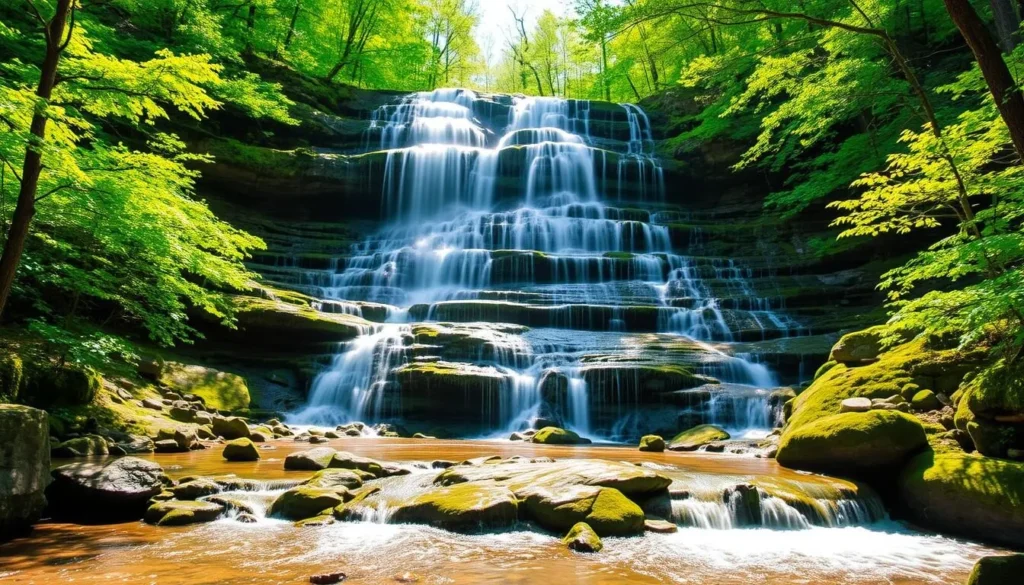
Waterfalls
The park is home to numerous spectacular waterfalls:
- Raymondskill Falls – Pennsylvania’s tallest at 150 feet
- Dingmans Falls – Accessible via boardwalk trail
- Silverthread Falls – Delicate 80-foot cascade
- Buttermilk Falls – New Jersey’s tallest waterfall
- Childs Park – Features multiple cascades
Scenic Viewpoints
Don’t miss these breathtaking vistas:
- Mount Tammany Summit – Panoramic views of the gap
- Mount Minsi – Pennsylvania side overlook
- Kittatinny Point – Easily accessible river views
- Raymondskill Cliff – Dramatic cliff overlook
- Cliff Park – Historic viewpoints
Historic Sites
Explore the area’s rich history:
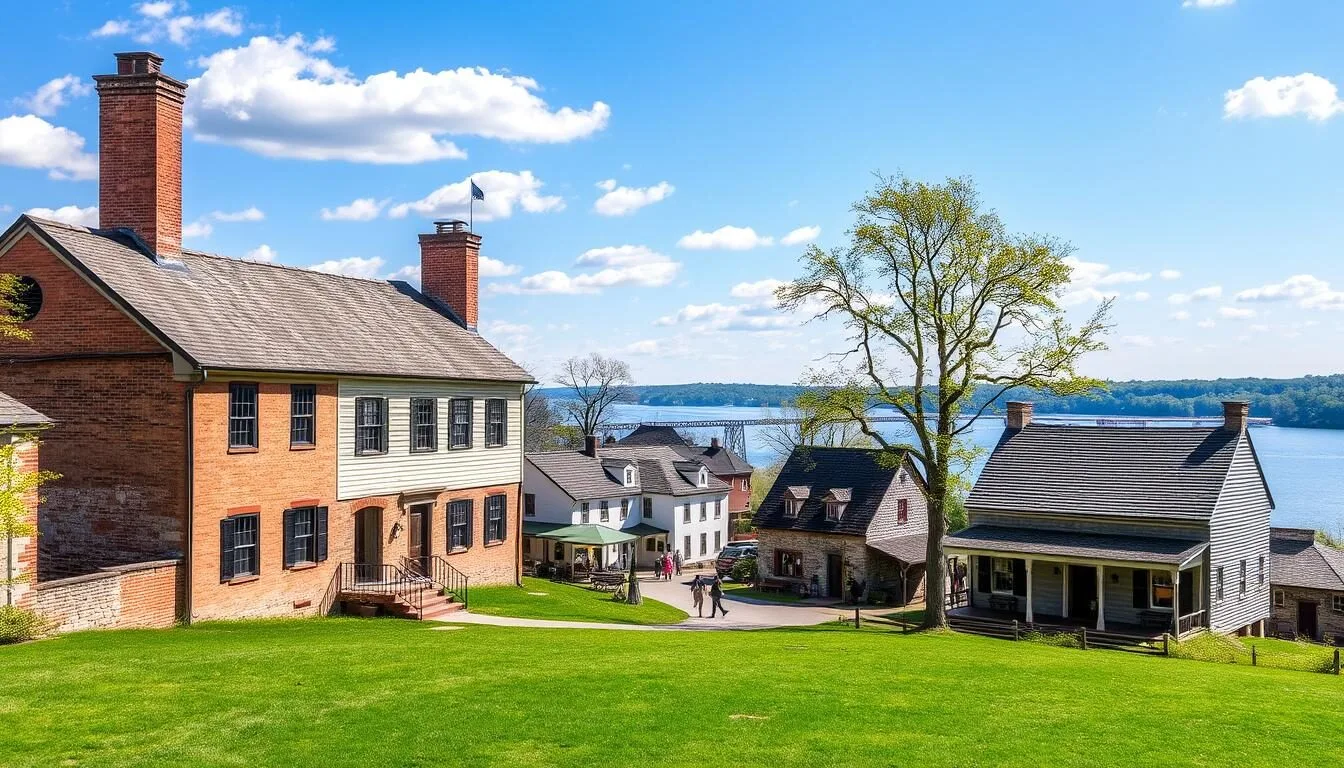
- Millbrook Village – Recreated 19th-century village
- Pahaquarry Copper Mine – Ancient mining site
- Peters Valley Craft Center – Historic arts community
- Marie Zimmermann Farm – Preserved historic farm
- Van Campen’s Inn – 18th-century stone inn

Sports, Nature & Outdoor Experiences
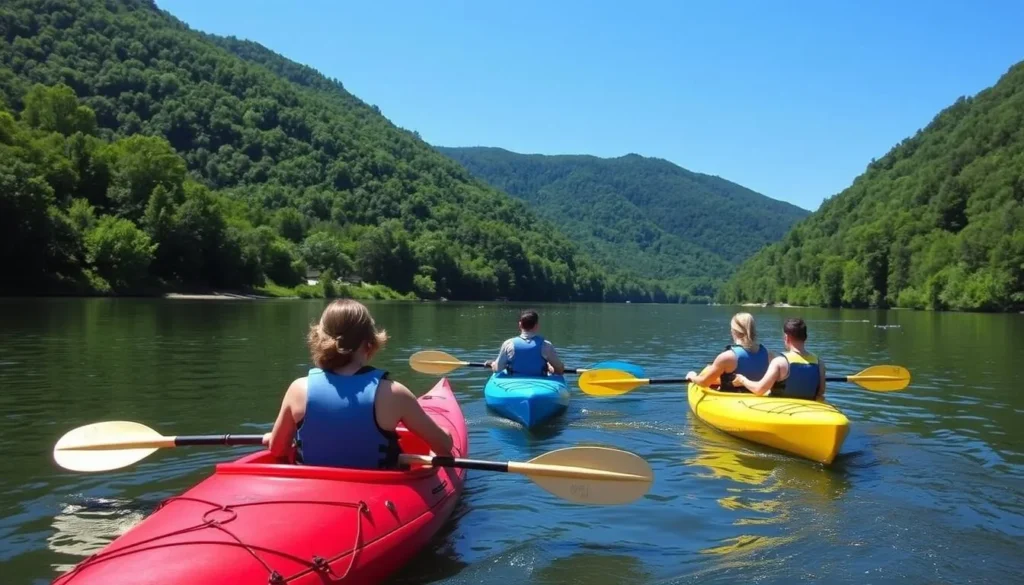
Water Activities
The Delaware River is the park’s main attraction:
- Canoeing & Kayaking – Multiple access points
- Rafting – Popular in spring when water levels are higher
- Swimming – Designated beaches at Milford Beach, Smithfield Beach, and Turtle Beach
- Fishing – Trout, smallmouth bass, walleye, and shad
Hiking
Over 100 miles of trails for all skill levels:
- Appalachian Trail – 28 miles through the park
- Mount Tammany Red Dot Trail – Challenging but rewarding
- McDade Recreational Trail – 31-mile multi-use trail
- Dunnfield Creek Trail – Follows a scenic creek
- Cliff Park Trails – Historic carriage roads
Seasonal Activities
Year-round recreation options:
- Cross-country skiing – Winter trails on McDade Trail
- Snowshoeing – Winter exploration
- Hunting – Permitted in designated areas (state license required)
- Bird watching – Over 260 species documented
- Rock climbing – On Mount Tammany (permits required)

Wildlife Watching: Keep your eyes open for white-tailed deer, black bears, bald eagles, and peregrine falcons. The best times for wildlife viewing are early morning and dusk. Remember to maintain a safe distance from all wild animals, especially bears.
Safety, Etiquette & Local Customs

Water Safety
The Delaware River can be deceptively dangerous:
- Always wear a life jacket when on the river
- Check water conditions before swimming or boating
- Be aware of sudden depth changes and underwater hazards
- Swim only in designated areas
- Never swim alone or after consuming alcohol
Hiking Safety
Stay safe on the trails:
- Wear appropriate footwear and clothing
- Carry plenty of water (at least 1 liter per person per hour)
- Stay on marked trails
- Check weather forecasts before heading out
- Inform someone of your hiking plans
- Carry a map, compass, or GPS device
Wildlife Encounters
The park is home to black bears and venomous snakes:
- Store food properly when camping to avoid attracting bears
- Make noise while hiking to avoid surprising wildlife
- If you encounter a bear, do not run – back away slowly while facing the animal
- Watch where you step and place your hands, especially in rocky areas where snakes may be present
- Keep pets leashed to protect them and wildlife
Park Regulations: Drones are prohibited within the park. Hunting and fishing require appropriate state licenses. Collecting plants, animals, or artifacts is strictly prohibited. Fires are only permitted in designated fire rings at established campsites.
Visitor Comments About Delaware Water Gap National Recreation Area
“The Mount Tammany trail was challenging but absolutely worth it for the panoramic views of the gap. We could see for miles in every direction, and the Delaware River looked like a blue ribbon cutting through the mountains. Don’t miss this hike if you’re physically able!”
“We rented canoes and spent a day paddling the Delaware River. The water was calm, perfect for beginners, and we spotted several bald eagles along the way. The livery service was excellent, making the logistics easy so we could focus on enjoying the beautiful scenery.”
“Dingmans Falls was the highlight of our trip. The boardwalk trail made it accessible for our whole family, and the waterfall itself was spectacular – much more impressive than we expected. We also loved exploring the historic Millbrook Village with its preserved buildings and demonstrations.”
Practical Travel Tips
Before You Go
- Download offline maps as cell service is limited in the park
- Visit the park website for current conditions and closures
- Make camping reservations well in advance for summer weekends
- Pack insect repellent (ticks and mosquitoes are common)
- Bring cash for some parking areas and amenities
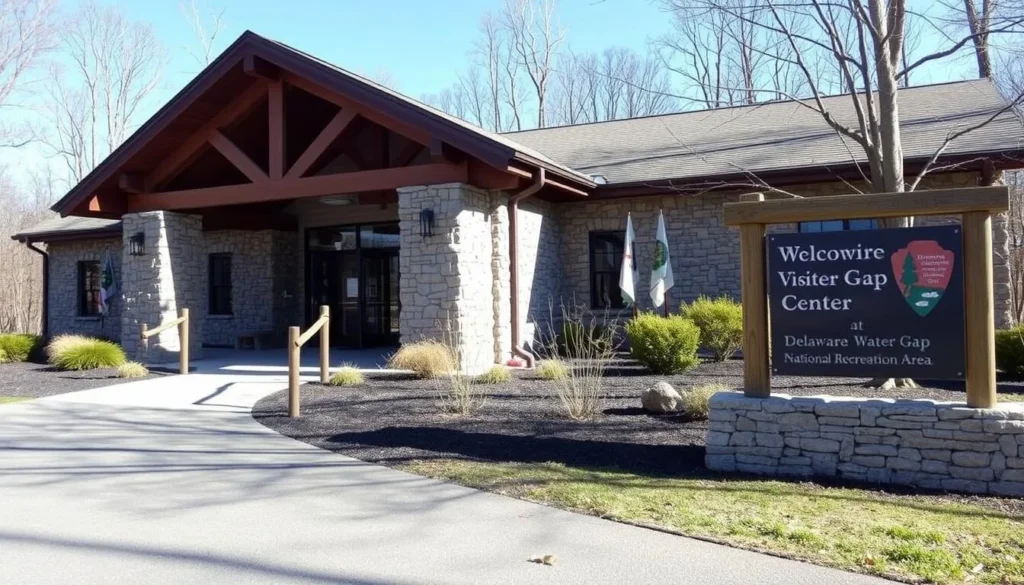
Visitor Centers
- Kittatinny Point Visitor Center (NJ side) – Open seasonally
- Bushkill Meeting Center (PA side) – Open year-round
- Dingmans Falls Visitor Center (PA side) – Open seasonally
- Park Headquarters (Bushkill, PA) – Administrative offices
Stop by for maps, ranger programs, and current information.
Money-Saving Tips
- There is no entrance fee for the park itself
- Some beaches and boat launches have day-use fees
- Bring your own equipment for activities when possible
- Pack picnic lunches instead of dining out
- Visit during weekdays or off-season for lower accommodation rates
Nature’s Masterpiece Awaits Your Discovery
The Delaware Water Gap National Recreation Area stands as a testament to the power of nature to carve breathtaking landscapes and provide a sanctuary for both wildlife and humans seeking respite from urban life. Whether you’re conquering the challenging trails of Mount Tammany, paddling the serene waters of the Delaware River, or simply marveling at the thundering waterfalls hidden within lush forests, this natural treasure offers experiences that will remain etched in your memory long after you’ve returned home. With proper planning and respect for this remarkable ecosystem, your visit to the Delaware Water Gap will reveal why generations of travelers have been drawn to this spectacular meeting of river and mountain.