
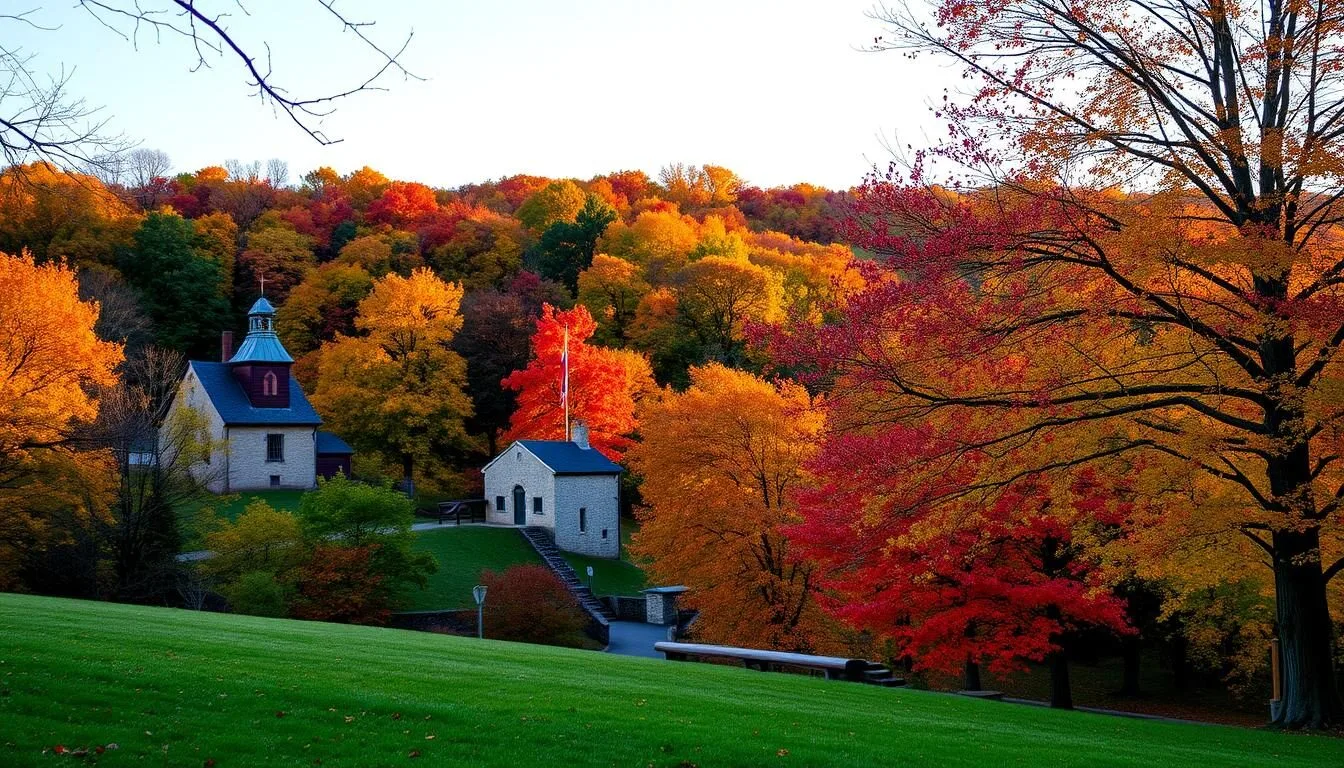
Did you know that Valley Forge National Historical Park was once the fourth largest city in America? During the winter of 1777-1778, over 12,000 soldiers and 400 civilians transformed this Pennsylvania countryside into a sprawling military encampment with more than 1,200 log huts, miles of trenches, and extensive stone roads. Today, this pivotal site of American perseverance offers visitors a fascinating blend of Revolutionary War history and natural beauty across its 3,500 acres of meadows and woodlands.
Getting There & Planning Your Journey
Valley Forge National Historical Park is conveniently located just 45 minutes northwest of Philadelphia in Montgomery County, Pennsylvania. The park is easily accessible by car via several major highways.
The closest major airports are Philadelphia International Airport (PHL), approximately 40 km (25 miles) away, and Lehigh Valley International Airport (ABE), about 80 km (50 miles) from the park. From Philadelphia, take I-76 West (Schuylkill Expressway) to exit 328B for Valley Forge.
The park’s main entrance and Visitor Center are located at 1400 North Outer Line Drive, King of Prussia, PA 19406. While public transportation options are limited, SEPTA bus routes do service the area from Philadelphia and surrounding communities.
Best Time to Visit & Weather Tips
Recommended Seasons to Visit
Best Months:
- April-May: Spring brings mild temperatures (15-24°C/59-75°F) and beautiful blooming landscapes
- September-October: Fall offers comfortable weather (14-23°C/57-73°F) and stunning foliage
- June: Early summer before the heat and humidity peak
Months to Avoid:
- July-August: Hot and humid with temperatures often exceeding 30°C (86°F)
- December-February: Cold with occasional snow, limited access to some areas
Spring and fall offer the most pleasant weather for exploring the park’s extensive trail system. Summer weekends can be crowded, especially during special events and reenactments. Winter visits have their own charm, particularly for those wanting to experience the park in conditions similar to what Washington’s troops endured, though some facilities may have reduced hours.
The park is open daily year-round from 7:00 AM until dusk, while the Visitor Center operates from 9:00 AM to 5:00 PM, with seasonal adjustments possible.
Getting Around Locally
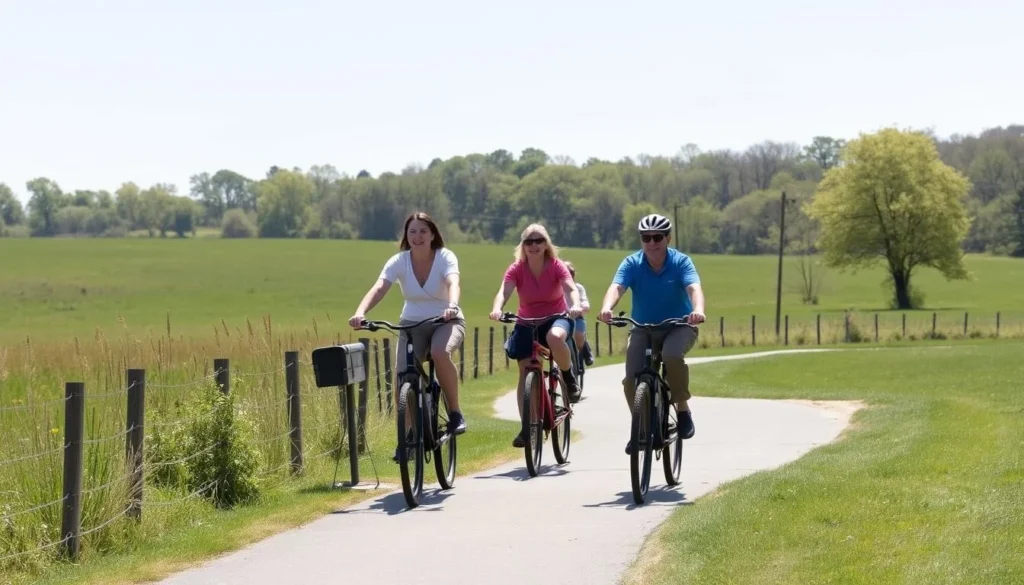
Valley Forge National Historical Park offers several ways to explore its historic grounds and natural beauty:
- Driving Tour: The 10-mile Encampment Tour route connects the park’s major historic sites with nine designated stops. This self-guided driving tour is perfect for visitors with limited time or mobility.
- Cycling: With nearly 20 miles of designated biking trails, cycling is one of the best ways to experience the park. Bike rentals are available at the Visitor Center during warmer months.
- Walking/Hiking: The park features 35 miles of designated hiking trails ranging from easy walks to challenging hikes. The 5-mile Joseph Plumb Martin Trail (locally known as “the Loop”) connects key historic sites.
- Guided Tours: Ranger-led walking tours depart from the Visitor Center daily from June through August at 10:20 AM, offering insightful 40-minute explorations of the park’s history.
For the most comprehensive experience, start at the Visitor Center to pick up a map and plan your route. The National Park Service app also provides an excellent guide with up-to-date information on attractions, events, and directions for self-guided tours.
Where to Stay
While camping is not permitted within Valley Forge National Historical Park, the surrounding area offers numerous accommodation options to suit every budget and preference:
Luxury Options
- Valley Forge Casino Resort – Located adjacent to the park
- The Desmond Hotel – Colonial-style luxury in Malvern
- Normandy Farm Hotel – Historic farm hotel in Blue Bell
Mid-Range Hotels
- Hyatt Place King of Prussia – Modern comfort near the park
- Hampton Inn Valley Forge – Family-friendly option
- Homewood Suites – Extended stay accommodations
Budget-Friendly
- Motel 6 King of Prussia – Affordable basic lodging
- Extended Stay America – Budget-friendly extended stay
- Quality Inn – Value accommodations nearby
Most accommodations are concentrated in the King of Prussia area, which offers the added benefit of proximity to King of Prussia Mall, one of the largest shopping centers in the United States. For a more unique experience, consider staying at a bed and breakfast in nearby Phoenixville or Wayne, charming towns with historic character.
Dining & Local Cuisine
While dining options within Valley Forge National Historical Park are limited, there are several places to eat during your visit:
Within the Park:
- Chapel Cabin Shop: Located near the Washington Memorial Chapel, this rustic log cabin offers hot dogs, sandwiches, homemade baked goods, and candies. It’s the only place within the park to purchase food and drinks.
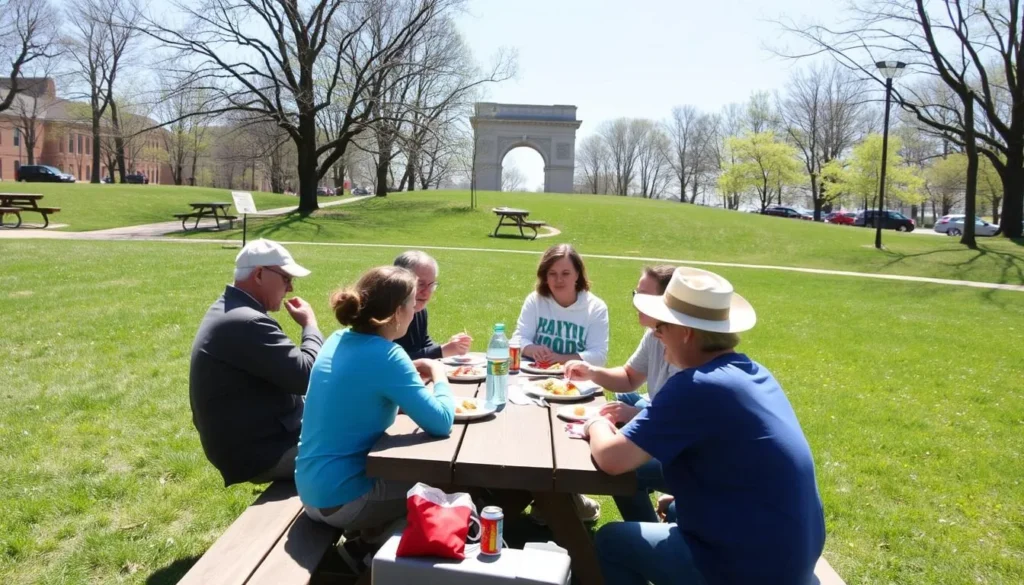
- Picnic Areas: The park features three designated picnic areas: Varnum’s (open March-October), Wayne’s Woods (open year-round), and Betzwood (open year-round with grills available).
Nearby Dining Options:
- King of Prussia: Just minutes from the park, offering everything from casual chain restaurants to upscale dining experiences at the King of Prussia Mall and Town Center.
- Phoenixville: This charming town about 10 minutes from the park features a vibrant downtown with numerous restaurants, including Bistro on Bridge, a popular spot for American cuisine.
- Local Specialties: While in the Philadelphia region, consider trying local specialties like cheesesteaks, soft pretzels, and water ice (a frozen dessert similar to Italian ice).
For visitors planning a full day at the park, bringing a picnic lunch is a popular option. The scenic grounds offer beautiful settings for outdoor dining, particularly at Wayne’s Woods with its view of the National Memorial Arch.
Attractions, Sightseeing & Activities
Top Historic Sites at Valley Forge
Must-See Monuments
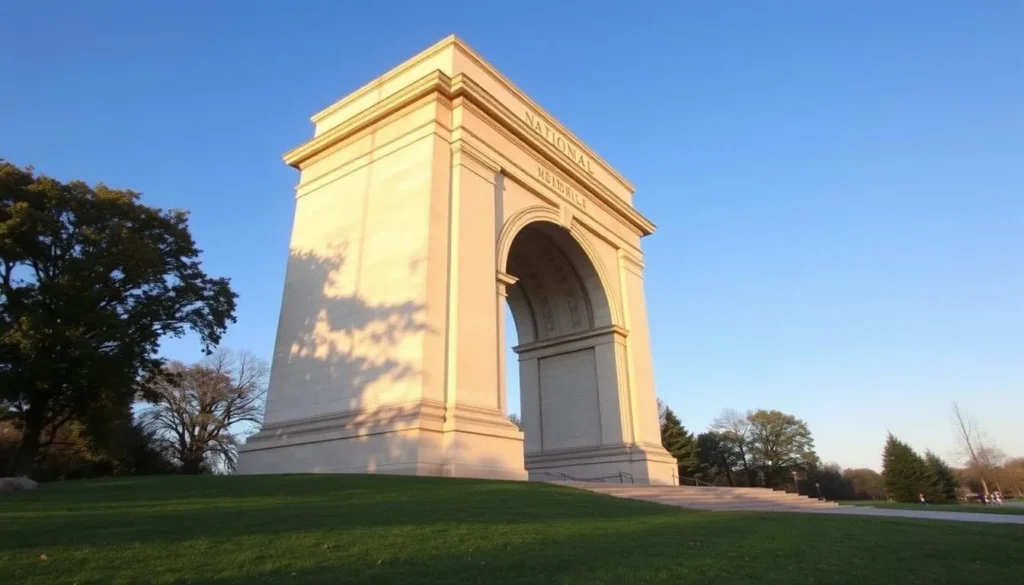
- National Memorial Arch: This impressive monument, inspired by the Arch of Titus in Rome, commemorates the arrival of Washington’s army at Valley Forge.
- Washington’s Headquarters: Also known as the Isaac Potts House, this is where General Washington and his staff lived during the encampment. Open for tours seasonally.
- Muhlenberg Brigade: Nine reconstructed log huts showing how soldiers lived during the winter encampment, with exhibits inside several huts.
Historic Structures
- Washington Memorial Chapel: A Gothic Revival chapel built between 1903 and 1917 as a tribute to Washington and his army.
- Valley Forge Train Station: Built in 1911 to welcome visitors to the park, now housing exhibits.
- Knox Covered Bridge: A historic wooden covered bridge built in 1865 spanning Valley Creek.
Monuments and Statues
- Anthony Wayne Statue: A bronze statue depicting Brigadier General Anthony Wayne on horseback.
- Baron von Steuben Statue: Honors the Prussian military officer who trained the Continental Army.
- Patriots of African Descent Monument: Commemorates the estimated 9,000 soldiers of African descent who served during the Revolution.
The park contains a total of 52 monuments, markers, and statues throughout its grounds, each telling a part of the Valley Forge story.
Museums, Cultural Spots & Festivals
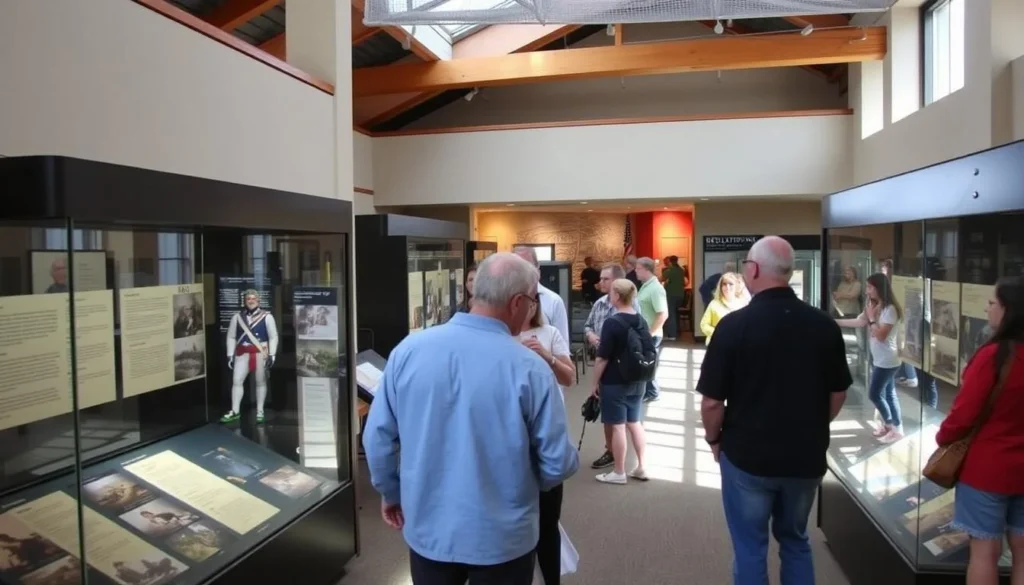
Museums and Educational Exhibits
- Valley Forge Visitor Center: Recently renovated with a $12 million investment, the center features comprehensive exhibits on the encampment, including dioramas, artifacts, and interactive displays that bring the Revolutionary War period to life.
- Iron Making Exhibit: Housed in a stable next to Washington’s Headquarters, this exhibit traces the history of the iron forges that gave Valley Forge its name, including charred remnants discovered during excavations in the 1930s.
- Muhlenberg Brigade Exhibits: The reconstructed soldier huts contain exhibits depicting daily life during the encampment.
Special Programs and Events
- Living History Programs: Rangers and volunteers in 18th-century attire demonstrate aspects of daily life at the Muhlenberg Brigade Encampment.
- Fall Campfire Programs: Held on select Saturdays in autumn, these evening programs feature park rangers sharing stories of Valley Forge and the American Revolution around a campfire.
- March In: An annual December event commemorating the arrival of Washington’s army at Valley Forge.
- July 4th Celebrations: Special events celebrating Independence Day at this significant Revolutionary War site.
For current program schedules and special events, check the park’s official website or inquire at the Visitor Center upon arrival. Many programs are seasonal, with the most offerings available during spring, summer, and early fall.
Nature & Outdoor Experiences
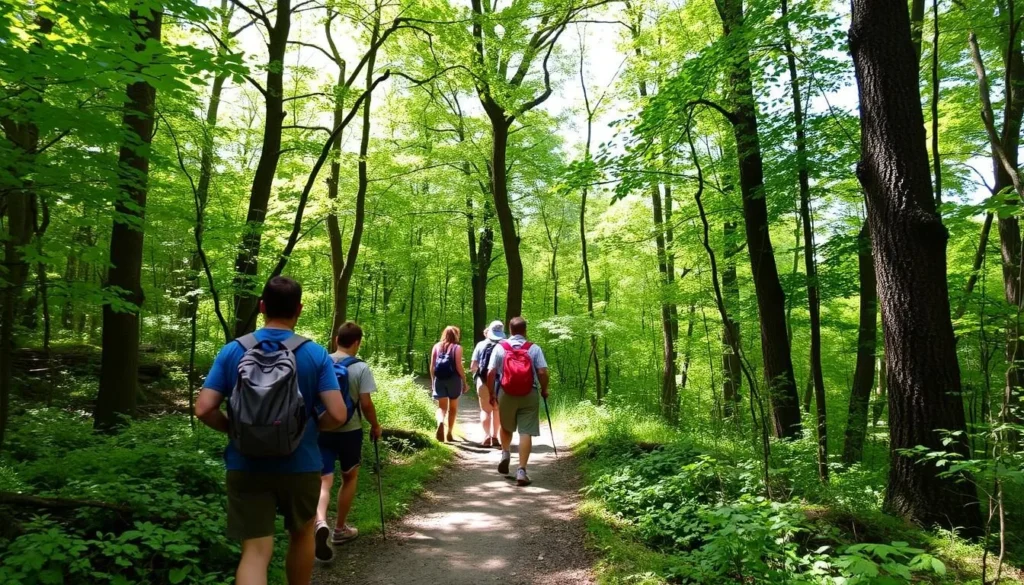
Trails and Outdoor Activities
Valley Forge National Historical Park offers excellent opportunities for outdoor recreation across its 3,500 acres:
- Hiking: 35 miles of designated trails ranging from easy walks to challenging hikes on Mount Joy and Mount Misery.
- Biking: Nearly 20 miles of authorized biking trails, including the paved Schuylkill River Trail that connects to Philadelphia.
- Horseback Riding: The 140-mile Horseshoe Trail begins near Washington’s Headquarters and is popular with equestrians.
- Bird Watching: Over 227 species of birds have been observed within the park. Bring binoculars to spot diverse species in the forests, wetlands, and meadows.
- Wildlife Viewing: The park is home to white-tailed deer, foxes, and numerous small mammals and reptiles.
Natural Features
- Schuylkill River: This scenic river runs through the park for approximately 5 km (3 miles) and was designated as Pennsylvania’s first Scenic River.
- Valley Creek: A picturesque stream running through the western portion of the park, crossed by the historic Knox Covered Bridge.
- Mount Joy and Mount Misery: These wooded hills offer more challenging hiking trails and beautiful views.
The park’s diverse landscape of meadows, woodlands, and waterways provides a beautiful natural setting that complements its historical significance. Many visitors are surprised by the natural beauty that awaits beyond the well-known historical monuments.
Safety, Etiquette & Local Customs
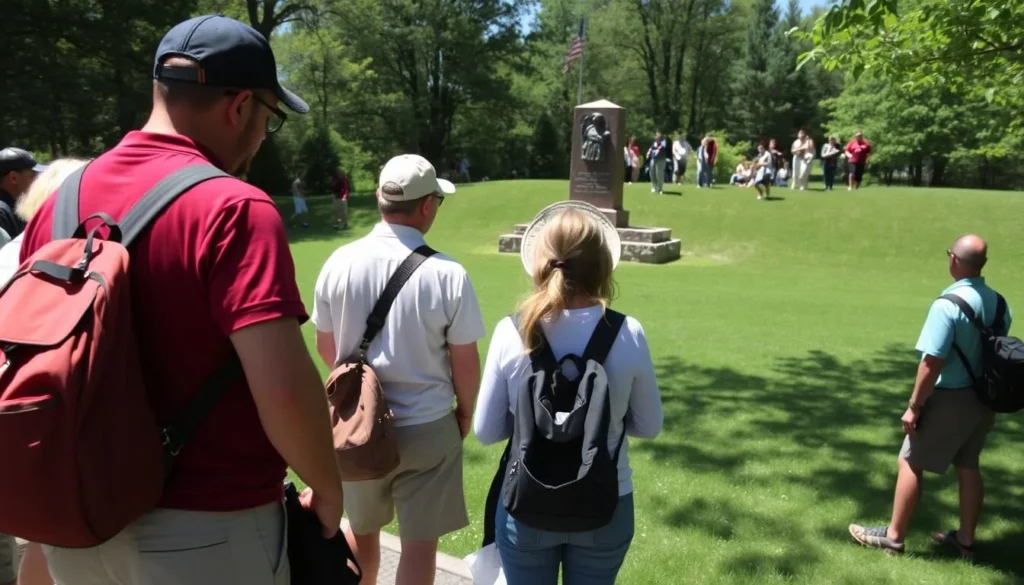
Park Safety
- Stay on designated trails when hiking or biking to protect both yourself and the natural environment.
- Be aware of wildlife, particularly during dawn and dusk when animals are most active.
- Carry water, especially during summer months when temperatures can exceed 30°C (86°F).
- Check weather forecasts before visiting, as trails can become muddy after rain.
- During winter, be cautious of icy conditions on paths and roadways.
Visitor Etiquette
- Respect the historical significance of the site by not climbing on monuments or structures.
- Keep noise levels reasonable, particularly near commemorative areas.
- If bringing pets, keep them leashed at all times and clean up after them.
- Practice “Leave No Trace” principles by taking out what you bring in.
- Photography is welcome throughout the park, but drones are prohibited without special permission.
Valley Forge National Historical Park is a place of historical reverence for many Americans. The winter encampment represents a pivotal moment in American history and is considered hallowed ground by some visitors. Respectful behavior honors both the historical significance and the experience of fellow visitors.
Visitor Comments About Valley Forge National Historical Park
Location Map
Additional Nearby Destinations
Extend your Valley Forge visit by exploring these nearby attractions:
Historical Sites
- Brandywine Battlefield Park: Site of the largest land battle of the Revolutionary War, 30 minutes from Valley Forge.
- Independence Hall: Birthplace of the Declaration of Independence and Constitution in Philadelphia, 45 minutes away.
- Gettysburg: Famous Civil War battlefield site, approximately 2 hours west.
Cultural Attractions
- John James Audubon Center: Former home of the famous naturalist with bird exhibits and nature trails.
- Museum of the American Revolution: Modern museum in Philadelphia with interactive exhibits.
- Phoenixville: Charming town with the historic Colonial Theater and vibrant dining scene.
Natural Attractions
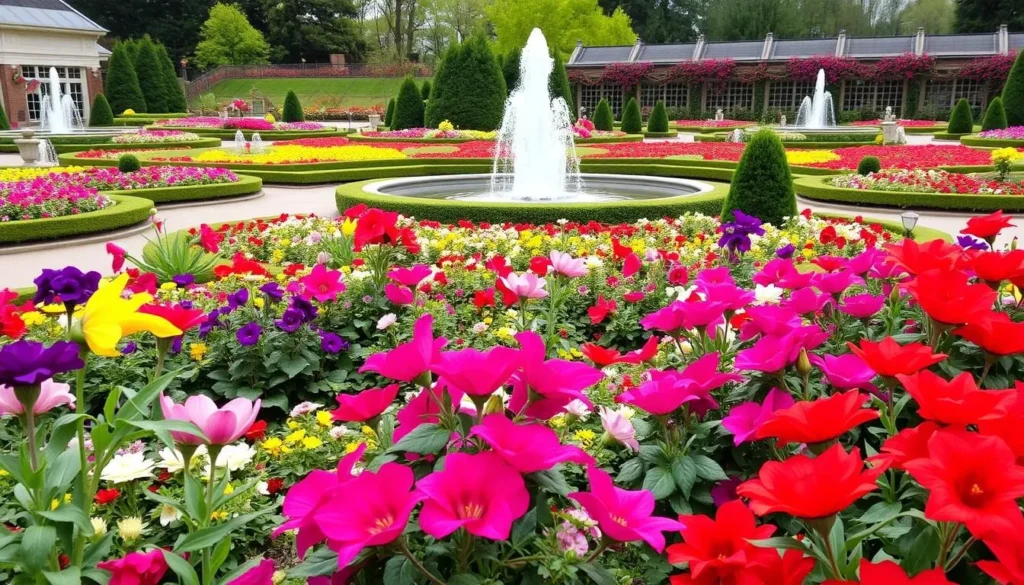
- Longwood Gardens: Spectacular botanical gardens 45 minutes from Valley Forge.
- Schuylkill River Trail: 60-mile network of trails connecting Philadelphia to the suburbs.
- French Creek State Park: Outdoor recreation area with hiking, fishing, and camping.
Many visitors combine Valley Forge with a trip to Philadelphia’s historic district for a comprehensive exploration of Revolutionary War history. With its central location in southeastern Pennsylvania, Valley Forge makes an excellent base for day trips to numerous attractions within a 1-2 hour drive.
Practical Travel Tips
- Park Hours: The park grounds are open daily from 7:00 AM until dusk. The Visitor Center operates from 9:00 AM to 5:00 PM.
- Admission: Entry to Valley Forge National Historical Park is free.
- Visitor Center: Start your visit here to get oriented with maps, exhibits, and ranger information.
- Mobile App: Download the National Park Service app for self-guided tours and up-to-date information.
- Accessibility: The Visitor Center, Washington’s Headquarters, and many trails are wheelchair accessible.
- Photography: The park offers numerous photogenic locations, particularly the National Memorial Arch and Mount Joy overlooks.
- Seasonal Considerations: Spring offers wildflowers, summer has the most programming, fall provides beautiful foliage, and winter offers a unique perspective on the soldiers’ experience.
- Time Needed: Allow at least 3-4 hours to experience the main attractions, or a full day to explore thoroughly.
For additional information or to check current conditions, contact the park directly at (610) 783-1000 or visit the official National Park Service website for Valley Forge.
The Enduring Spirit of Valley Forge
Valley Forge National Historical Park stands as a powerful testament to American perseverance and determination. Walking these grounds, you’re not just visiting a beautiful park with historic monuments—you’re experiencing a pivotal moment that shaped a nation. From the reconstructed soldier huts to Washington’s Headquarters, from miles of scenic trails to solemn monuments, Valley Forge offers a uniquely immersive journey into America’s revolutionary past while providing recreational opportunities for today’s visitors. Whether you’re a history enthusiast, nature lover, or simply seeking a meaningful day trip from Philadelphia, Valley Forge rewards visitors with its blend of historical significance and natural beauty. The story of that difficult winter encampment continues to inspire, reminding us of the resilience of the human spirit and the foundations upon which a nation was built.
Related Posts

York Township, Pennsylvania: Best Things to Do – Top Picks
Yellow Creek State Park, Pennsylvania: Best Things to Do – Top Picks
Worlds End State Park, Pennsylvania: Best Things to Do – Top Picks
Wills Mountain, Pennsylvania: Best Things to Do – Top Picks
Wilkes-Barre, Pennsylvania: Best Things to Do – Top Picks
Washington Crossing Historic Park, Pennsylvania: Best Things to Do – Top Picks
Coming Soon: Clickable Maps