Hotels by Trip.com
Flights by Trip.com
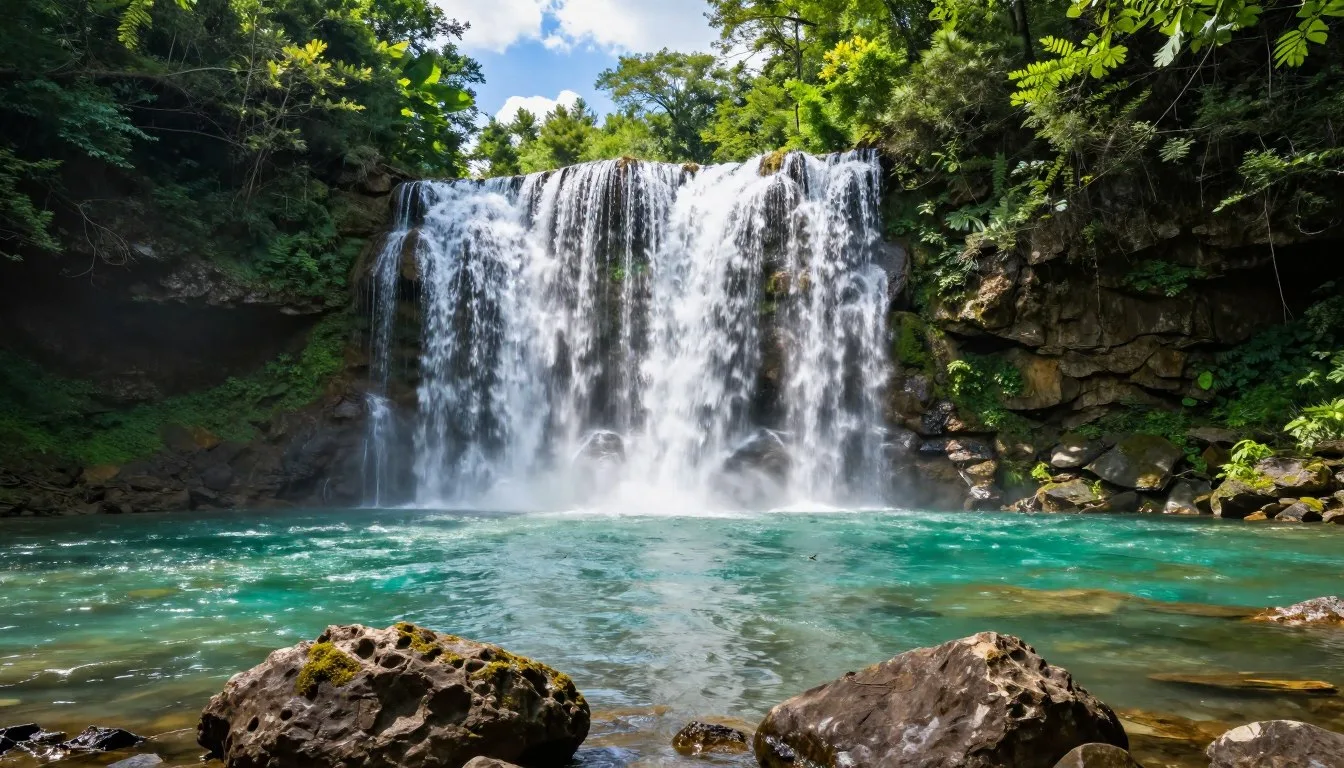
Every year, more than 12 million people visit Great Smoky Mountains National Park, making it America’s most visited national park. Yet tucked away in the Cades Cove area lies a hidden gem that many visitors overlook. Abrams Falls drops just 20 feet, but what it lacks in height, it makes up for in sheer volume and stunning beauty.
The waterfall gets its name from Abraham, a Cherokee chief who lived in the area during the early 19th century. The cascading water creates a deep pool perfect for admiring from the rocky shore.
This comprehensive guide covers everything you need to know about visiting Abrams Falls. From the best hiking trails to where you should stay, you’ll find practical tips to make your trip memorable.
Getting There and Planning Your Journey

Planning your route to Abrams Falls starts with choosing the right airport. The closest major airport is McGhee Tyson Airport in Knoxville, located about 64 km (40 miles) from the park entrance. The airport offers connections to most major U.S. cities.
From Knoxville, take Highway 129 South toward Maryville, then follow signs to Townsend and the Great Smoky Mountains National Park. The drive takes approximately 90 minutes under normal traffic conditions.
Another option is Asheville Regional Airport in North Carolina, situated 97 km (60 miles) from the park’s eastern entrance. This route provides scenic mountain views along the way. Both airports offer rental car services from major providers.
Once you reach Great Smoky Mountains National Park, head to Cades Cove Loop Road. The Abrams Falls trailhead sits about halfway around the 11-mile one-way loop. During peak season, traffic on Cades Cove Loop Road can be slow, so plan extra time.
The parking area for Abrams Falls Trail fills quickly on weekends and holidays. Arriving before 9:00 AM gives you the best chance of finding a spot. Alternative parking exists at the Cades Cove Visitor Center, though this adds distance to your hike.
Best Time to Visit and Weather Tips
Best Time to Visit Abrams Falls
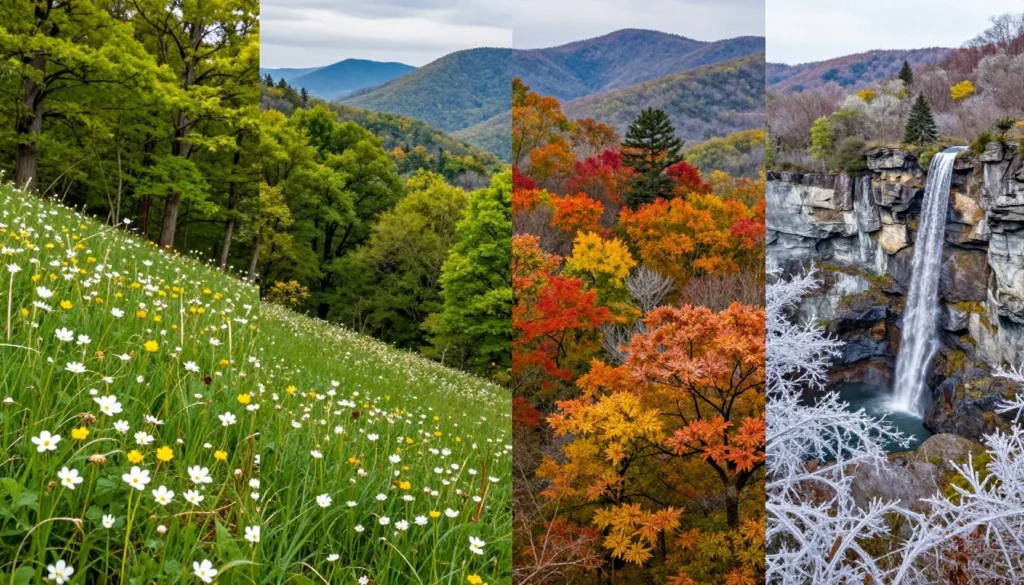
Spring months from April through May offer ideal conditions for hiking to Abrams Falls. Water flow peaks during this season thanks to winter snowmelt and spring rains. Temperatures range from 16°C to 24°C (60°F to 75°F), making the hike comfortable.
Fall, particularly October and early November, brings spectacular foliage to the Smoky Mountains. The trail becomes a corridor of red, orange, and gold leaves. Temperatures cool to 10°C to 21°C (50°F to 70°F), perfect for moderate hiking.
Summer draws the largest crowds to Great Smoky Mountains National Park. While temperatures reach 27°C to 32°C (80°F to 90°F), the waterfall pool provides welcome relief. Arrive early to secure parking and enjoy cooler morning temperatures.
Winter hiking from December through February requires extra preparation. Ice forms along the trail, and temperatures drop to -1°C to 10°C (30°F to 50°F). The waterfall often freezes partially, creating dramatic ice formations. However, rocky terrain becomes treacherous.
Months to Avoid
Late July and August bring peak heat and humidity to the area. The trail offers limited shade in some sections, making midday hikes challenging. These months also coincide with school vacations, resulting in crowded trails and full parking areas.
January and February present the most challenging hiking conditions. Ice on rocks creates dangerous footing, especially near Abrams Creek crossings. Short daylight hours limit hiking time, and the parking area may be inaccessible after heavy snowfall.
Notable Annual Festivals
The Townsend Spring Festival happens each April in nearby Townsend, Tennessee. The event features local crafts, mountain music, and food vendors. Contact organizers at 865-448-6134 for current dates and details.
Cades Cove hosts annual auto-free days on Wednesday and Saturday mornings from early May through late September. Cyclists and hikers enjoy the loop road without vehicle traffic. The park service can provide specific dates at 865-436-1200.
Smoky Mountain Harvest Festival takes place in Gatlinburg during September. The celebration includes craft demonstrations, traditional music, and regional food. Reach festival organizers at 865-436-4178 for scheduling information.
Getting Around Locally
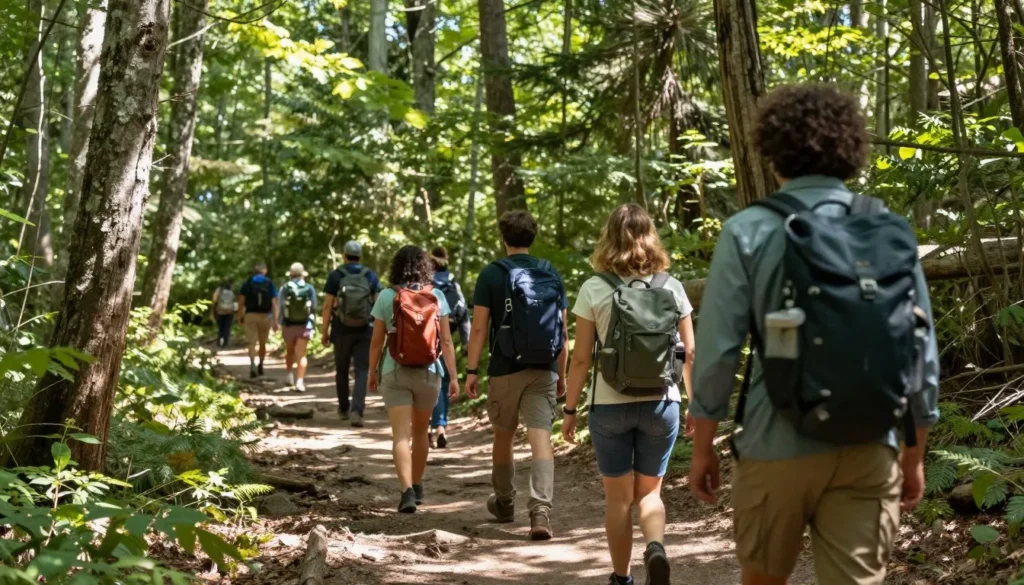
Great Smoky Mountains National Park requires personal transportation, as no public transit serves the area. Rental cars from Knoxville or Asheville airports provide the most flexibility for exploring the park and surrounding attractions.
Cades Cove Loop Road operates one-way only, requiring you to complete the entire 18 km (11-mile) circuit even if you just want to reach the Abrams Falls trailhead. Allow 2 to 3 hours for the full loop during busy periods.
Several companies offer guided tours from Gatlinburg and Pigeon Forge to Cades Cove. These tours handle transportation and provide expert commentary about the area’s history and wildlife. Tour duration typically runs 4 to 6 hours including the drive.
Bicycle rentals are available at the Cades Cove Campground Store during peak season. Cycling the loop road before 10:00 AM provides a peaceful way to reach the trailhead while avoiding vehicle congestion.
Gas stations exist in Townsend, about 13 km (8 miles) from the park entrance. No fuel is available inside Great Smoky Mountains National Park, so fill your tank before entering. The nearest services to Cades Cove are 30 minutes away.
Where to Stay
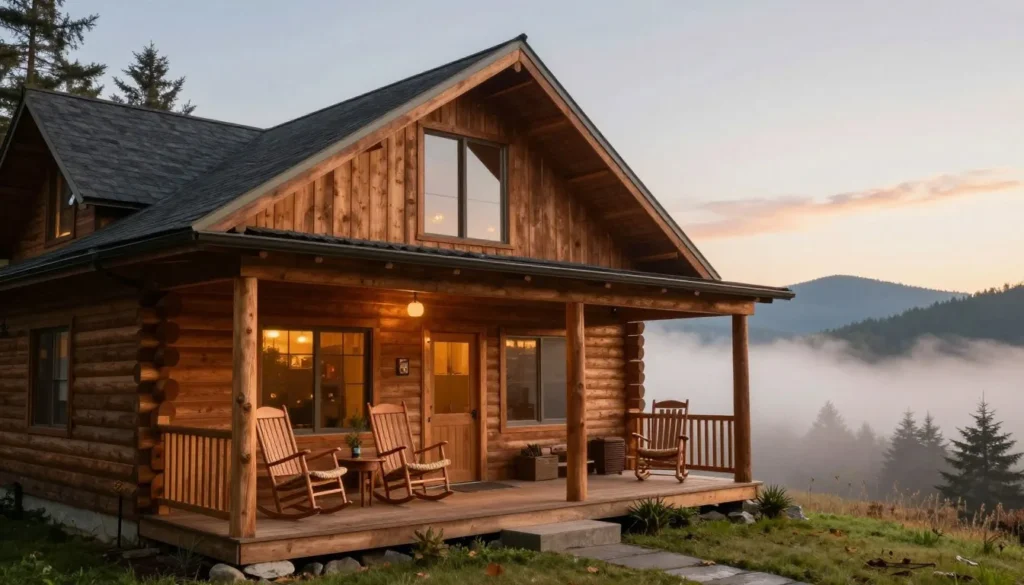
Accommodation options near Abrams Falls range from rustic camping to luxury cabin rentals. Your choice depends on your budget and comfort preferences. Most visitors find lodging in Townsend, Gatlinburg, or Pigeon Forge.
Camping Options
Cades Cove Campground sits closest to the Abrams Falls trailhead, just minutes from the parking area. The campground offers 159 sites with picnic tables and fire rings. Reservations are recommended from April through October. Contact the campground at 877-444-6777.
Anthony Creek Horse Camp provides a quieter alternative for tent campers. Located near Cades Cove, the facility has running water and restrooms. Sites cost less than hotel rooms, making this option budget-friendly.
Backcountry camping requires permits from the park service. Several backcountry sites exist near Abrams Creek, perfect for overnight hiking trips. Contact the Backcountry Information Office at 865-436-1297 for permits and trail information.
Hotels and Motels
Townsend offers the closest hotel accommodations to Cades Cove, located about 13 km (8 miles) from the park entrance. The town features several chain hotels and local inns with rates starting around $90 per night.
Gatlinburg, 40 km (25 miles) from Cades Cove, provides the widest selection of hotels. Properties range from budget motels to upscale resorts. Many hotels offer mountain views and easy access to downtown attractions.
Pigeon Forge sits between Gatlinburg and the park, offering good value for families. The area features numerous chain hotels, many with pools and complimentary breakfast. Prices typically run lower than Gatlinburg properties.
Cabin Rentals
Private cabin rentals surround the Great Smoky Mountains area. These properties range from one-bedroom romantic getaways to large lodges accommodating groups. Most cabins include full kitchens, hot tubs, and mountain views.
Wears Valley provides a peaceful alternative to busier tourist areas. Located between Townsend and Pigeon Forge, the valley offers easy access to Cades Cove while maintaining a rural atmosphere. Cabin rentals here average $150 to $300 per night.
Many property management companies serve the area. Booking several months in advance secures the best properties during peak fall foliage and summer vacation seasons. Most require 2 to 3 night minimum stays.
Dining and Local Cuisine

The area around Abrams Falls Tennessee offers authentic Southern Appalachian cuisine. Local restaurants serve hearty portions of comfort food perfect after a long day hiking in the Smoky Mountains National Park.
Local Specialties
Country ham features prominently on local menus. Salt-cured and aged for months, this Tennessee tradition pairs perfectly with biscuits and red-eye gravy. Many restaurants serve it for breakfast alongside eggs and grits.
Trout caught from local streams appears on dinner menus throughout the region. Restaurants typically prepare it fried or grilled with simple seasonings that highlight the fresh fish flavor. Several establishments smoke their own trout on-site.
Stack cakes represent authentic mountain desserts. These layered cakes use dried apples or other preserved fruits between thin cake rounds. The recipe dates back generations in Smoky Mountain families.
Dining in Townsend
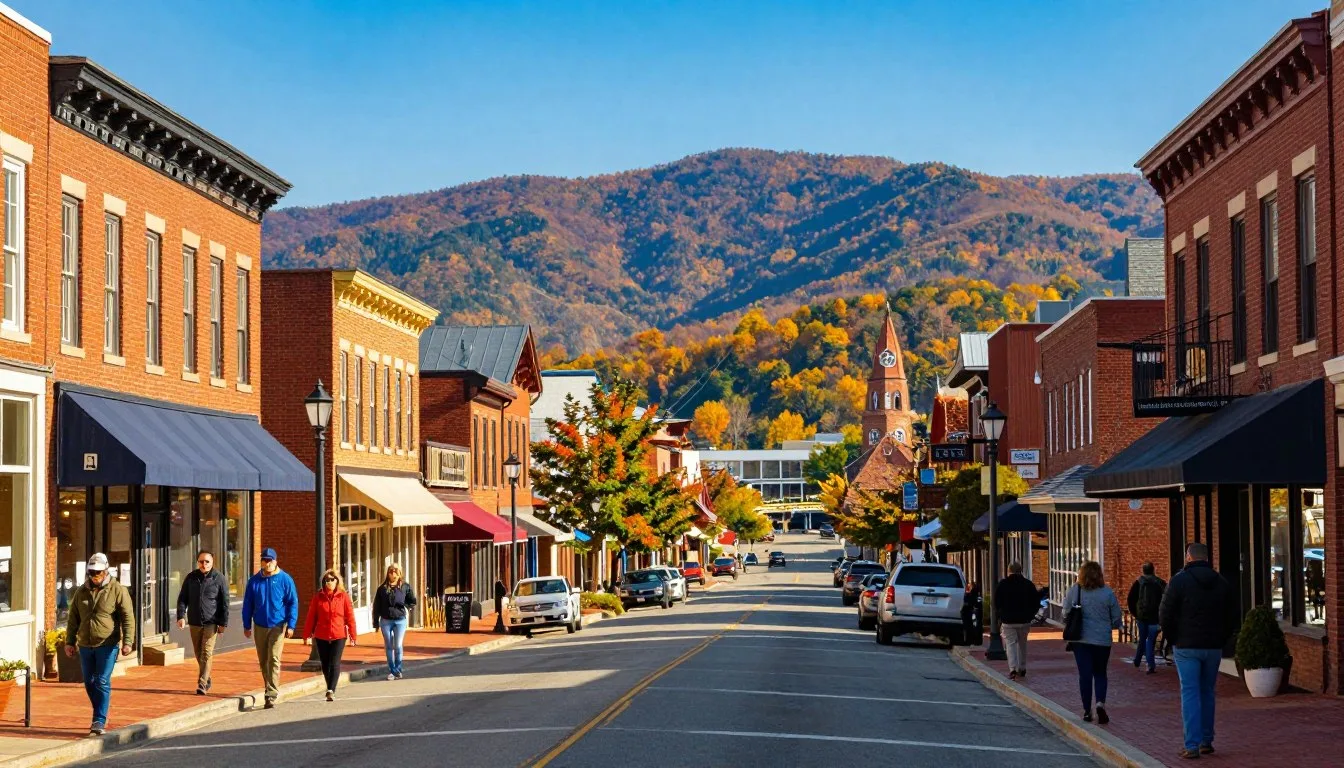
The small town of Townsend serves visitors heading to Cades Cove and Abrams Falls. Several restaurants line Highway 321, offering everything from pizza to traditional Southern cooking.
Local establishments open early for hikers heading into Great Smoky Mountains National Park. Breakfast starts around 7:00 AM at most restaurants. Carrying trail snacks makes sense, as no food service exists inside the park.
The Townsend area includes a grocery store for those staying in cabins or camping. Stock up on supplies here before heading into more remote areas of the park.
Gatlinburg and Pigeon Forge Options
Gatlinburg features dozens of restaurants ranging from fast food to fine dining. Pancake houses dominate the breakfast scene, serving massive portions with various toppings. Many establishments offer all-you-can-eat options.
Barbecue restaurants smoke ribs, pulled pork, and brisket over hickory wood. Portions are generous, and most places include sides like coleslaw, baked beans, and cornbread. Prices range from budget-friendly to upscale.
Pigeon Forge caters to families with numerous chain restaurants and buffets. The area offers something for every taste and budget. Several dinner shows combine meals with entertainment.
Attractions, Sightseeing and Activities
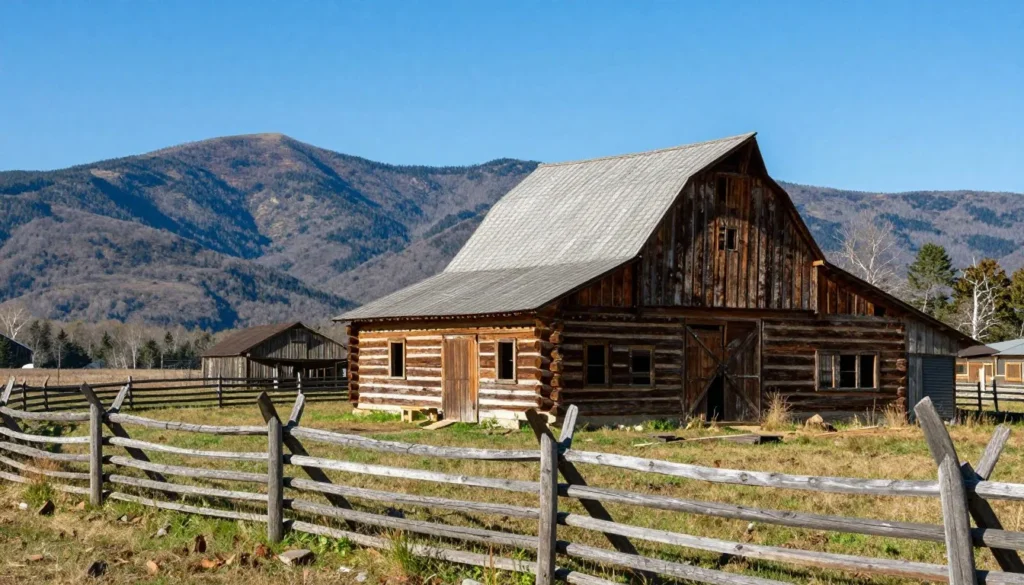
Beyond the famous waterfall, the Abrams Falls area offers numerous attractions. Cades Cove itself serves as an outdoor museum of Appalachian history. The valley preserves buildings from the 19th-century settlement.
Cades Cove Historic Buildings
The Cades Cove Loop Road passes several preserved log cabins, churches, and mills. The John Oliver Cabin, built in the 1820s, represents one of the oldest structures in the park. Visitors can walk through most buildings during daylight hours.
Three historic churches still stand in Cades Cove. The Methodist, Missionary Baptist, and Primitive Baptist churches date from the late 1800s. Services occasionally take place in these buildings during summer months.
The Cable Mill area features a working gristmill that demonstrates how pioneers ground corn into meal. The mill operates seasonally, and rangers provide interpretive programs about early Appalachian life. The site includes a barn, blacksmith shop, and other outbuildings.
Wildlife Viewing
Cades Cove ranks as one of the best places in Great Smoky Mountains National Park for spotting wildlife. White-tailed deer graze in the open fields, especially during early morning and evening hours. Bring binoculars for better views.
Black bears frequent the area, particularly in spring and fall. Observe all bears from inside your vehicle, maintaining at least 50 yards distance. Never feed or approach wildlife for any reason.
Wild turkeys, groundhogs, and coyotes also inhabit the cove. Birdwatchers spot numerous species including hawks, owls, and woodpeckers. The varied habitat attracts both forest and field birds throughout the year.
Photography Opportunities
The combination of historic structures, mountain vistas, and wildlife makes Cades Cove a photographer’s paradise. Morning mist often fills the valley, creating ethereal scenes. Late afternoon light illuminates the mountains beautifully.
Abrams Falls provides excellent photography subjects year-round. The waterfall appears different in each season, from spring’s high water to winter’s ice formations. Rocky terrain around the falls creates interesting foreground elements.
Wildflower enthusiasts find abundant subjects along the Abrams Falls Trail. Spring brings trillium, violets, and bloodroot. Summer features black-eyed susans and bee balm. Fall asters add purple splashes to the forest floor.
Museums, Cultural Spots and Festivals

The region surrounding Abrams Falls preserves rich Appalachian cultural heritage. Several facilities near Great Smoky Mountains National Park showcase mountain traditions and history.
Sugarlands Visitor Center
Located near Gatlinburg, Sugarlands Visitor Center serves as the main information hub for Great Smoky Mountains National Park. The facility includes exhibits about park ecology, history, and wildlife. Rangers offer daily programs during peak season.
A 20-minute orientation film provides an excellent introduction to the Smoky Mountains. The center’s bookstore carries detailed trail guides, field guides, and historical accounts. Park maps and current trail condition reports are available free.
Contact the visitor center at 865-436-1200 for information about ranger programs, trail closures, and weather conditions. The facility opens daily except December 25th.
Great Smoky Mountains Heritage Center
This Townsend facility preserves local history through artifacts and demonstrations. The outdoor area features relocated historic buildings including a cabin, barn, and cantilever barn. Costumed interpreters demonstrate traditional crafts on weekends.
Indoor exhibits trace the region’s history from Native American inhabitants through the creation of Great Smoky Mountains National Park. Photographs and personal items tell stories of families who once lived in these mountains.
The Heritage Center hosts special events throughout the year, including traditional music performances and craft workshops. Admission fees help support preservation efforts. Call 865-448-0044 for current hours and programs.
Arts and Crafts Community
Gatlinburg’s Arts and Crafts Community stretches along an 13 km (8-mile) loop road. Over 100 artisans maintain studios where visitors watch craftspeople work. Traditional mountain crafts include pottery, woodcarving, and quilting.
Many artists trace their skills back through generations of mountain families. Demonstrations often include basket weaving, broom making, and candle crafting. Most studios welcome visitors and answer questions about techniques.
Purchasing directly from artisans ensures authentic handmade quality. Prices vary widely based on complexity and materials. Most studios open daily except major holidays.
Nature and Outdoor Experiences
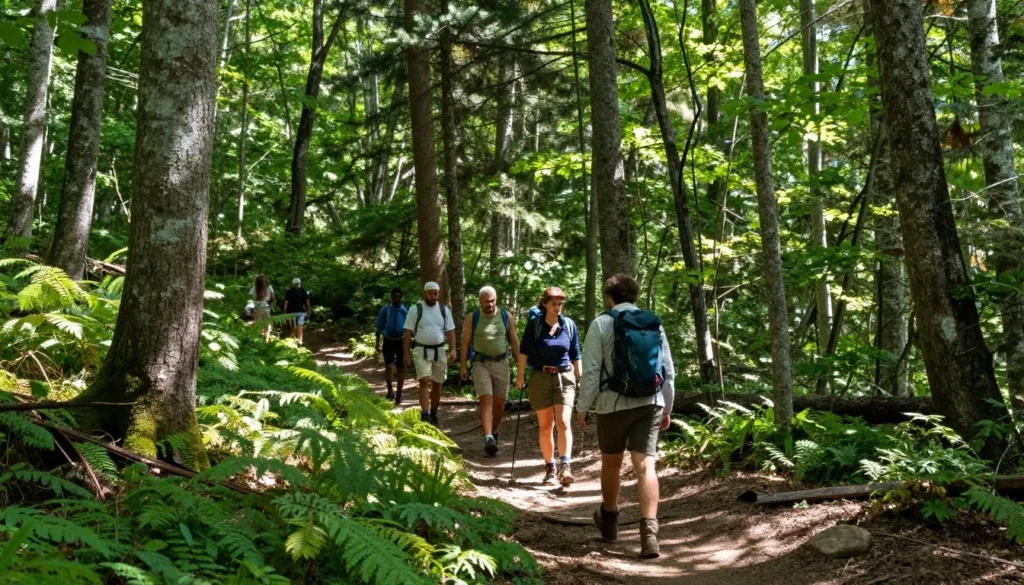
The Abrams Falls Trail represents just one of many outdoor adventures available in the Great Smoky Mountains. The area offers activities for every fitness level and interest.
Abrams Falls Trail Details
The hike to Abrams Falls covers 8.5 km (5.3 miles) round trip on a moderately difficult trail. Elevation change totals approximately 106 m (350 feet), with several steep sections and rocky terrain. Most hikers complete the journey in 3 to 4 hours.
The trail follows Abrams Creek through beautiful forest. Rhododendron and mountain laurel line much of the way. Several log bridges cross side streams, though these can be slippery when wet.
Water volume at the falls varies significantly by season. Spring runoff creates a thundering cascade, while late summer may reduce flow to a trickle. The pool at the base measures about 30 m (100 feet) across and 6 m (20 feet) deep.
Rocky areas near the waterfall require caution. Smooth rocks become extremely slippery when wet. Several accidents occur each year from people climbing on rocks too close to the water. Swimming in the pool is not recommended due to dangerous currents.
Other Hiking Opportunities
The Cades Cove area includes numerous trails beyond Abrams Falls. The Cades Cove Loop Trail creates a 9.5 km (5.9-mile) circuit around the valley. This relatively flat trail works well for families with children.
Gregory Bald Trail climbs 8.2 km (5.1 miles) to a mountain summit covered in flame azaleas. The June bloom period attracts hikers willing to tackle the steep elevation gain of 914 m (3,000 feet). Views from the summit span multiple mountain ranges.
Rich Mountain Loop provides a challenging 13.3 km (8.3-mile) hike through varied terrain. The trail passes historic homesites and offers solitude compared to more popular routes. Allow 6 to 8 hours for completion.
Horseback Riding
Cades Cove Riding Stables offers guided trail rides through the mountains. Rides range from one-hour introductions to four-hour adventures. No previous riding experience is required for basic trips.
Horses plod along at an easy pace suitable for beginning riders. Guides share information about the area’s history and ecology during rides. Reservations are strongly recommended, especially during peak seasons.
Weight restrictions apply for rider safety. The stables operate seasonally from early spring through fall. Contact them at 865-448-9009 for current schedules and rates.
Fishing and Water Activities
Abrams Creek contains native brook trout and stocked rainbow trout. Fishing requires a Tennessee or North Carolina license, depending on location within the park. The park service enforces catch-and-release rules in some areas.
Wading in the creek provides cooling relief on hot days. However, water levels change rapidly after rain, creating dangerous conditions. Always check weather forecasts before creek activities.
No swimming is recommended at Abrams Falls due to unpredictable currents and deep water. People have drowned after being pulled under by water swirling behind the falls. Safer swimming holes exist elsewhere in the park.
Travel With Children
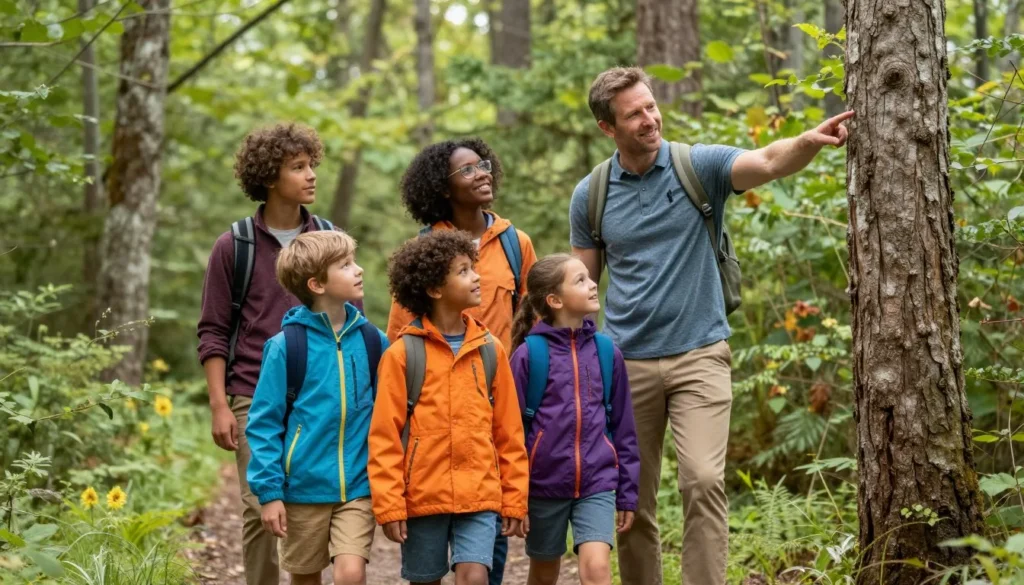
Visiting Abrams Falls with children requires extra planning but creates lasting family memories. The trail’s moderate difficulty challenges kids without overwhelming them.
Trail Considerations for Families
Children aged 8 and older typically handle the Abrams Falls hike well. Younger kids may struggle with the distance and rocky sections. Consider their hiking experience and fitness level before attempting this trail.
Break the hike into manageable segments with rest stops. The trail includes several creek areas perfect for short breaks. Bring plenty of snacks and water to keep energy levels up.
Stream crossings can frighten young children. Stay close and offer assistance on log bridges. Consider bringing hiking poles for extra stability on tricky sections.
Child-Friendly Alternatives
The Cades Cove Nature Trail provides an easy 0.8 km (0.5-mile) loop suitable for toddlers and preschoolers. Interpretive signs teach children about forest ecology. The level path accommodates strollers in most sections.
Laurel Falls Trail, located elsewhere in Great Smoky Mountains National Park, offers a paved 4.2 km (2.6-mile) round trip to a waterfall. The maintained surface works better for younger children learning to hike.
Cades Cove’s open fields provide space for kids to run and explore safely. Pack a picnic lunch and let children burn energy before or after driving the loop road.
Educational Opportunities
Great Smoky Mountains National Park offers a Junior Ranger program for kids. Pick up activity booklets at any visitor center. Children complete age-appropriate activities and earn an official badge.
Ranger-led programs teach children about park ecology and history. These free programs run throughout summer. Check visitor center schedules for current offerings.
Encourage kids to keep nature journals during the visit. Drawing plants, animals, and landscapes creates engagement with the natural world. Local bookstores carry field guides designed for young naturalists.
Safety Tips for Families
Keep children close on trails, especially near water. The combination of slippery rocks and deep pools presents real danger. Establish clear boundaries about where kids can explore independently.
Dress children in bright colors for easy visibility on crowded trails. Take current photos of kids each morning in case they become separated. Program your phone number into older children’s phones.
Pack first aid supplies including bandages, antibiotic ointment, and pain relievers. Blisters, scrapes, and insect bites commonly affect young hikers. Address minor injuries quickly to prevent them from ruining the day.
Money Saving Tips
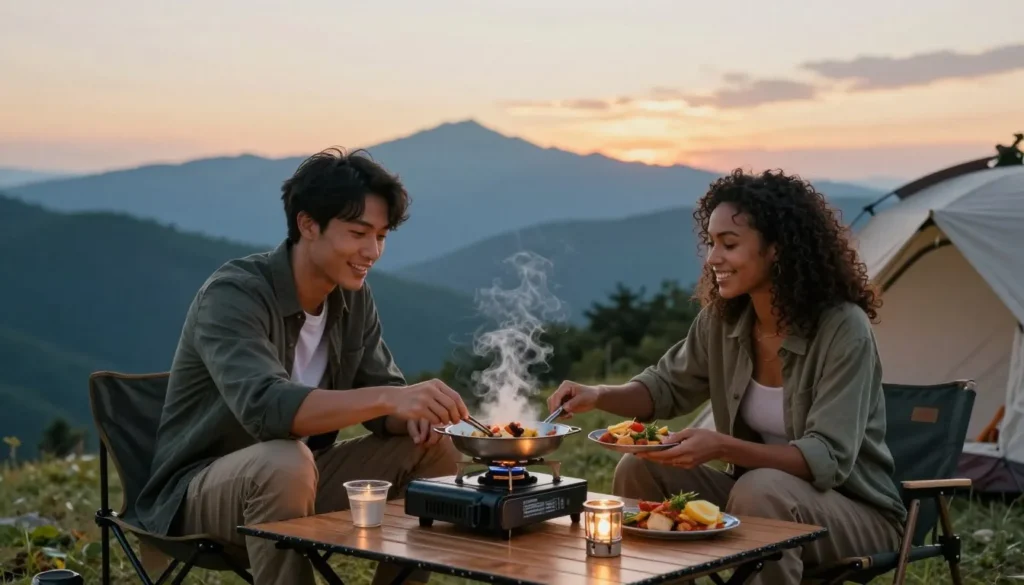
Visiting Abrams Falls and the Great Smoky Mountains doesn’t require a large budget. Several strategies help families and individuals save money while enjoying their trip.
Free Park Access
Great Smoky Mountains National Park charges no entrance fee, unlike most national parks. This free access saves families $35 or more compared to parks requiring passes. All trails, including Abrams Falls Trail, are free to hike.
Parking at trailheads costs nothing. Ranger-led programs offered throughout the park provide free educational entertainment. Visitor centers distribute maps and information at no charge.
Camping Savings
Camping reduces accommodation costs significantly. Cades Cove Campground charges approximately $25 per night compared to $100 or more for hotel rooms. A family of four can save $300 to $400 over a four-night stay.
Cooking meals at your campsite eliminates restaurant expenses. Pack a cooler with breakfast items, sandwich supplies, and simple dinner ingredients. A small camp stove enables hot meals for a fraction of restaurant prices.
Backcountry camping costs even less at just $4 per night for permits. This option requires more gear and hiking experience but offers maximum savings and solitude.
Shoulder Season Travel
Visiting during April, May, or November brings lower lodging rates. Hotels and cabin rentals often discount rates by 30% to 50% compared to peak summer and October prices. The weather remains pleasant, and trails are less crowded.
Many attractions in Gatlinburg and Pigeon Forge offer discounts during slower periods. Research special offers before booking accommodations. Some properties include tickets to local attractions as booking incentives.
Meal Planning
Eating breakfast at your lodging instead of restaurants saves $10 to $15 per person daily. Stock up on bagels, cereal, and fruit at grocery stores. Most hotels offer complimentary breakfast, maximizing this benefit.
Pack trail lunches rather than stopping at restaurants mid-day. A cooler with sandwich materials, fruit, and snacks costs a fraction of restaurant meals. Bring reusable water bottles to refill rather than buying drinks.
Choose one nice dinner out and cook other meals. Grocery stores in Townsend, Gatlinburg, and Pigeon Forge carry everything needed for simple meals. The money saved on food allows splurging on one memorable dining experience.
Smart Activity Choices
Focus on free or low-cost activities like hiking, wildlife viewing, and historic site exploration. These experiences provide the most memorable aspects of visiting the Smoky Mountains without draining your budget.
Skip expensive tourist attractions in Gatlinburg and Pigeon Forge unless they genuinely interest you. The natural beauty of Great Smoky Mountains National Park offers more value than many commercial attractions.
Bring your own gear rather than renting. Purchasing quality hiking boots costs less than renting for a week-long trip. Used outdoor equipment from sporting goods stores provides savings while maintaining quality.
Safety, Etiquette and Local Customs
Visiting Abrams Falls safely and respectfully ensures everyone enjoys the Great Smoky Mountains. Following established guidelines protects both visitors and the park’s natural resources.
Trail Safety
Wear sturdy hiking boots with good tread for the rocky terrain along Abrams Falls Trail. Tennis shoes or sandals provide insufficient support and traction. Ankle injuries from inappropriate footwear are common on this trail.
Bring adequate water for the entire hike. At least one liter per person for the 8.5 km round trip is recommended. No water sources exist along the way, and filtering creek water requires proper equipment.
Stay on marked trails at all times. Shortcuts damage vegetation and cause erosion. The trail is well-maintained and clearly marked with paint blazes on trees in areas where the path might be unclear.
Watch weather conditions carefully. Thunderstorms develop quickly in the Smoky Mountains during summer afternoons. Lightning poses serious danger on exposed ridges. If storms threaten, postpone your hike or turn back.
Wildlife Safety
Black bears inhabit the area around Abrams Falls and throughout Cades Cove. If you encounter a bear, stop and back away slowly. Never run, as this may trigger a chase response. Make yourself appear larger and make noise.
Store all food in bear-proof containers or locked vehicles. Even small snacks can attract bears to an area, creating dangerous situations. Never leave food unattended at picnic areas or campsites.
Keep at least 50 yards distance from bears and other large animals. Use binoculars or telephoto lenses for close-up views. Approaching wildlife puts both you and the animals at risk.
Venomous snakes including copperheads and timber rattlesnakes live in the park. Watch where you step and place your hands. Most snake bites occur when people attempt to handle or kill snakes.
Leave No Trace Principles
Pack out everything you bring into the park. No trash receptacles exist along the Abrams Falls Trail. Carry a small bag for waste and dispose of it properly when you return to your vehicle.
Stay at least 61 m (200 feet) from water sources when resting. This protects water quality and preserves habitat for animals that depend on streams. Never wash dishes or dispose of waste water in natural water sources.
Avoid disturbing rocks, plants, or other natural features. Removing anything from the park, including rocks, wildflowers, or artifacts, is illegal. Leave everything as you found it for future visitors.
Keep noise levels down to preserve the peaceful atmosphere. Loud music, shouting, and excessive noise disturb both wildlife and other visitors. Remember that sound carries far in mountain environments.
Local Customs and Etiquette
Residents of the Smoky Mountain region value politeness and friendliness. Greeting people you pass with a simple “hello” or “good morning” is customary on trails. This mountain tradition creates a welcoming atmosphere for all.
Yield to uphill hikers on narrow trails. They’re working harder and momentum matters more when climbing. Step aside to let them pass, then continue your descent.
Many locals maintain strong connections to families who lived in these mountains before the park was created. Show respect for historic structures and cemeteries. These sites hold deep meaning for descendents.
Churches in Cades Cove remain active, with services held periodically. If attending, dress respectfully and observe quietly. Photography inside churches during services is generally not appropriate.
Emergency Preparedness
Cell phone service is unreliable throughout most of Great Smoky Mountains National Park. Don’t depend on your phone for navigation or emergency communication. Download offline maps before entering the park.
Carry a basic first aid kit on all hikes. Include items for treating blisters, minor cuts, and insect stings. Knowing basic first aid before you need it prevents panic during emergencies.
File a trip plan with someone not joining your hike. Include your intended route, expected return time, and vehicle description. This information proves critical if search and rescue teams need to find you.
For emergencies within the park, call 865-436-1230. This connects you to park dispatch, which coordinates rescue operations. For immediate life-threatening situations, call 911 first, then notify park rangers.
Visitor Comments About Abrams Falls
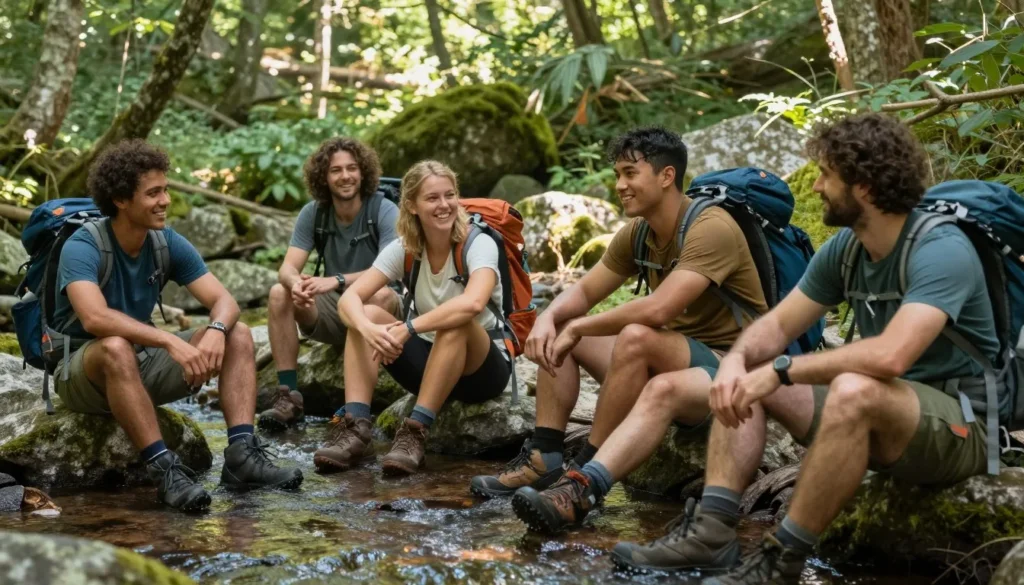
“The hike to Abrams Falls exceeded our expectations in every way. The trail offered just enough challenge to feel accomplished without being overwhelming. When we reached the waterfall, the sight took our breath away. The pool’s turquoise water contrasted beautifully with the surrounding forest. We spent 30 minutes just sitting on the rocks, listening to the water and enjoying the peaceful atmosphere. This became the highlight of our entire Smoky Mountains trip.”
“Visiting Abrams Falls during October provided spectacular scenery. The fall colors along the trail created a painter’s palette of reds, oranges, and golds. We arrived at the trailhead around 8:30 in the morning and found parking easily, though the lot filled quickly afterward. The trail condition was excellent, though some rocky sections required careful footing. The waterfall itself impressed us with its power and beauty. I highly recommend allowing extra time to explore the area around the falls.”
“As someone who has hiked extensively throughout the Alps, I found Abrams Falls Trail charming and well-maintained. The distance proved perfect for a half-day adventure, leaving time to explore other areas of Cades Cove. Wildlife sightings included several deer and numerous bird species. The waterfall may not be the tallest, but the volume of water creates an impressive display. My only suggestion would be arriving early, as the trail becomes quite crowded by midday during peak season.”
Additional Nearby Destinations

The area surrounding Abrams Falls Tennessee offers numerous attractions within a short drive. Extending your visit allows exploration of diverse landscapes and experiences.
Clingmans Dome
The highest point in Great Smoky Mountains National Park sits at 2,025 m (6,643 feet) elevation. A paved but steep 0.8 km (0.5-mile) path leads to an observation tower. On clear days, views extend over 160 km (100 miles) in all directions.
The access road to Clingmans Dome closes December through March due to snow. Summer temperatures at the summit run 10°C to 15°C (15°F to 20°F) cooler than valley areas. Bring a jacket even on warm days.
The drive from Cades Cove to Clingmans Dome takes about 90 minutes. Plan this as a separate day trip rather than combining with Abrams Falls due to distance and driving time.
Gatlinburg
This mountain town provides a stark contrast to the natural setting of Abrams Falls. The downtown area features numerous attractions, shops, and restaurants. The main strip gets extremely crowded during peak seasons.
The Gatlinburg Space Needle offers 360-degree views from its observation deck. Ripley’s Aquarium houses thousands of marine animals. Numerous other attractions cater to families and tourists.
Gatlinburg sits 40 km (25 miles) from Cades Cove, about 60 minutes driving time. Traffic congestion increases travel time during summer and fall weekends.
Pigeon Forge
Located between Gatlinburg and Great Smoky Mountains National Park, Pigeon Forge emphasizes family entertainment. Dollywood theme park attracts visitors with rides, shows, and craft demonstrations. The park operates seasonally with varying hours.
The town’s main parkway stretches 11 km (7 miles) lined with attractions, restaurants, and outlet malls. Traffic moves slowly during busy periods, but attractions provide something for every interest and age group.
Pigeon Forge serves as a convenient base for exploring both the natural and commercial attractions of the Smoky Mountains region. The area offers the widest variety of lodging and dining options.
Townsend
This quiet town calls itself “the peaceful side of the Smokies.” Unlike Gatlinburg and Pigeon Forge, Townsend maintains a laid-back atmosphere focused on nature and outdoor activities. The town serves as a gateway to Cades Cove.
The Little River flows through Townsend, providing excellent trout fishing and tubing opportunities. Several outfitters rent tubes and offer shuttle services during summer months. The river features mostly gentle water suitable for families.
Townsend hosts several annual events including a spring festival and fall heritage festival. These celebrations feature mountain music, crafts, and local food. The small-town atmosphere provides authentic Appalachian character.
Cherokee, North Carolina
The town of Cherokee sits at the southern entrance to Great Smoky Mountains National Park on the North Carolina side. The Eastern Band of Cherokee Indians maintains the Qualla Boundary reservation there.
The Museum of the Cherokee Indian tells the story of the Cherokee people through artifacts and interactive exhibits. The outdoor drama “Unto These Hills” recreates Cherokee history during summer evenings. Both provide important cultural context for understanding the region.
Cherokee is 97 km (60 miles) from Cades Cove, about 90 minutes driving. The Blue Ridge Parkway begins nearby, offering another scenic driving option through the mountains.
Practical Travel Tips
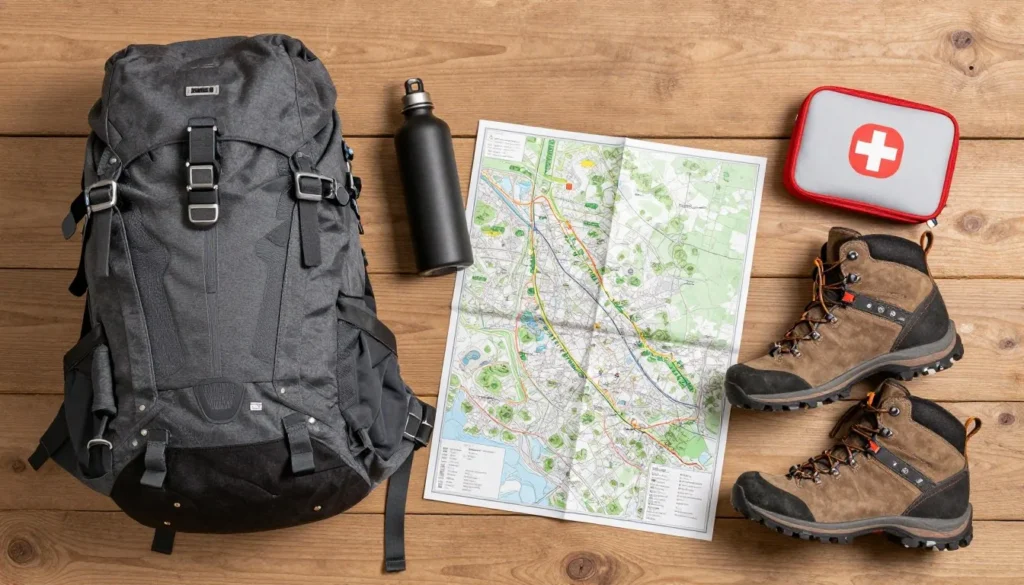
These final practical tips help ensure a smooth and enjoyable visit to Abrams Falls and the surrounding Great Smoky Mountains area.
What to Pack
Layers work best for unpredictable mountain weather. Bring a waterproof jacket even on sunny days. Temperatures can drop quickly, and afternoon thunderstorms develop regularly during summer months.
Hiking essentials include sturdy boots, plenty of water, snacks, sunscreen, and insect repellent. A small first aid kit, flashlight, and whistle add safety margins. Don’t forget your camera to capture the beautiful scenery.
Trekking poles help on rocky sections of the Abrams Falls Trail. They reduce stress on knees during descents and provide stability when crossing streams. Collapsible models pack easily when not needed.
Physical Preparation
The Abrams Falls Trail requires moderate fitness levels. The 8.5 km distance combined with rocky terrain challenges occasional hikers. Train with regular walks carrying a loaded backpack before your trip.
Break in new hiking boots before attempting longer trails. Blisters ruin hikes quickly. Wear the same socks you’ll use on the trail during practice walks.
Start early in the day when you’re fresh and temperatures are cooler. Morning hikes also increase wildlife viewing opportunities and parking availability. Most problems occur when tired hikers push themselves late in the day.
Park Regulations
Pets are allowed on the Abrams Falls Trail but must remain on leashes at all times. Owners must clean up after their pets. Consider your dog’s fitness level before attempting this hike.
Bicycles are not permitted on the Abrams Falls Trail. However, Cades Cove Loop Road allows cycling. The road closes to motor vehicles on Wednesday and Saturday mornings from early May through late September.
Collecting anything from the park, including rocks, plants, and artifacts, is prohibited. These regulations protect the park’s natural and cultural resources for future generations. Violations result in fines.
Accessibility Information
The Abrams Falls Trail is not wheelchair accessible due to rocky terrain and stream crossings. Visitors with mobility limitations should explore alternative trails like the Cades Cove Nature Trail, which features an accessible loop.
The Sugarlands and Cades Cove visitor centers include accessible facilities. Most historic buildings in Cades Cove can be viewed from the exterior, though interior access may be limited.
Service animals are welcome throughout Great Smoky Mountains National Park. Emotional support animals must follow pet regulations including leash requirements.
Internet and Communications
Cell phone service is spotty throughout most of Great Smoky Mountains National Park. Don’t rely on your phone for navigation or communication. Download offline maps and save important phone numbers before entering the park.
Wi-Fi is available at some lodging properties in Gatlinburg, Pigeon Forge, and Townsend. Visitor centers may offer limited public Wi-Fi. Plan to disconnect and enjoy nature during your park visit.
For emergencies requiring immediate assistance, park dispatch can be reached at 865-436-1230. This number connects you to rangers who can coordinate rescue operations if needed.
Photography Tips
Morning light provides the best conditions for waterfall photography. The sun illuminates Abrams Falls from the side during morning hours, creating depth and texture. Harsh midday sun washes out details.
Bring a polarizing filter to reduce glare from wet rocks and enhance water detail. A tripod allows longer exposures that create silky water effects. However, pack light—you’ll carry gear 4.25 km to reach the falls.
Respect other visitors when setting up photography equipment. Don’t block trails or viewpoints for extended periods. Popular spots get crowded, so work quickly and share access with others.
Extending Your Visit
Great Smoky Mountains National Park contains over 1,287 km (800 miles) of trails. Consider staying several days to explore different areas. Each section of the park offers unique features and landscapes.
The park’s website provides detailed information about trails, camping, and current conditions. Check for updates on trail closures or weather warnings before finalizing daily plans.
Consider visiting during different seasons to experience the park’s changing character. Spring wildflowers, summer greenery, fall colors, and winter solitude each offer distinct experiences worth discovering.
Embracing the Spirit of the Smokies

Abrams Falls Tennessee offers more than just a waterfall at the end of a trail. The journey through ancient forests, along rushing streams, and across rocky terrain connects you with nature in profound ways. The Great Smoky Mountains have drawn people for thousands of years with their beauty and mystery.
When you stand before the cascading waters of Abrams Falls, you join countless others who have made this pilgrimage. The waterfall that impressed Cherokee families centuries ago continues to inspire visitors today. The protected wilderness of the Smoky Mountains National Park ensures these experiences remain available for future generations.
Your adventure awaits in these ancient mountains. Pack your hiking boots, fill your water bottles, and head to Abrams Falls. The trail, the waterfall, and the mountains call you to experience their timeless beauty. The memories you create here will last long after you return home, inspiring future journeys into wild places.