Did you know that Andrew Johnson National Historic Site preserves the only home of a United States president who never spent a single day in school? This remarkable Tennessee destination welcomes over 30,000 visitors each year who come to explore the life of America’s 17th president. The site is named after Andrew Johnson, who rose from humble beginnings as a tailor to become president following Abraham Lincoln’s assassination in 1865.
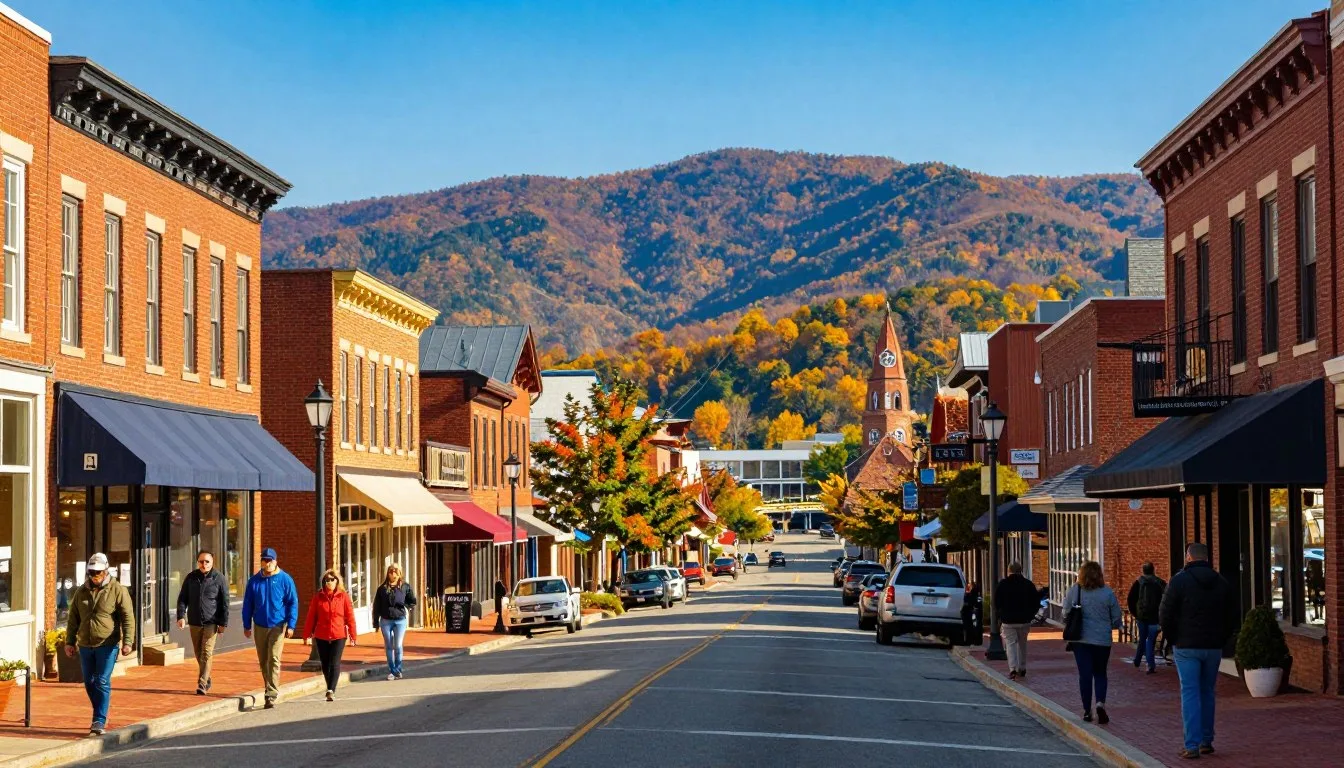
Located in the charming town of Greeneville, this national park service site offers an intimate look at one of the most tumultuous periods in American history. Visitors can walk through Johnson’s tailor shop, explore his two homes, and pay respects at the Andrew Johnson National Cemetery where the president rests today.
This comprehensive guide covers everything you need to plan an unforgettable visit to this important piece of American heritage. From practical travel tips to hidden gems, we’ll help you make the most of your time exploring the legacy of a president who shaped the nation during Reconstruction.
Getting There and Planning Your Journey
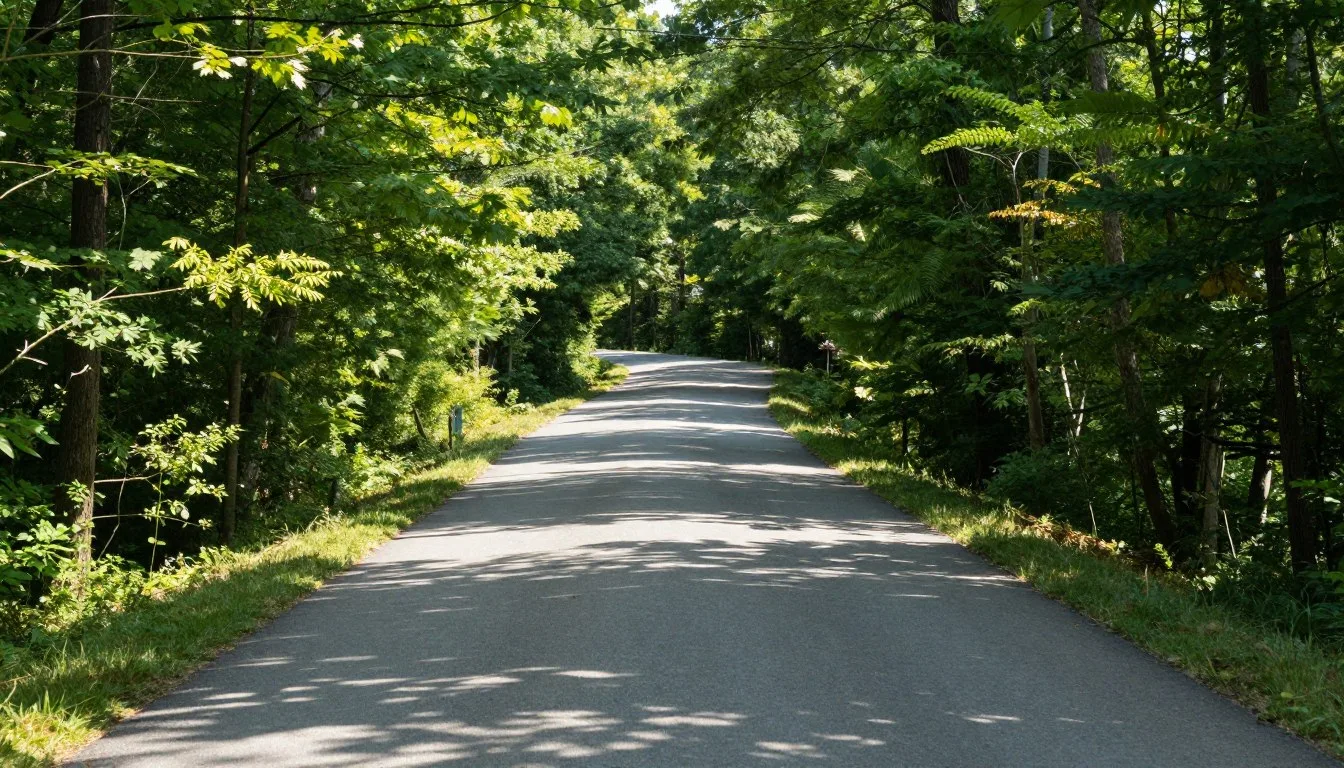
Andrew Johnson National Historic Site sits in the heart of Greeneville, Tennessee, in the northeastern part of the state. The site is easily accessible by car and offers a peaceful retreat from major urban centers.
Closest Airports
The nearest major airport is Tri-Cities Airport (TRI) in Blountville, Tennessee, located approximately 64 km (40 miles) from Greeneville. This regional airport offers daily flights to major hubs. For international travelers or those seeking more flight options, McGhee Tyson Airport (TYS) in Knoxville sits about 113 km (70 miles) southwest of the site.
Charlotte Douglas International Airport (CLT) in North Carolina, roughly 217 km (135 miles) away, provides another option with extensive domestic and international connections. Most visitors rent cars at these airports for the scenic drive through the Appalachian foothills to Greeneville.
Driving Directions
From Tri-Cities Airport, take Highway 11E south directly into Greeneville. From Knoxville, follow Highway 81 north to Highway 11E. The visitor center is located at 121 Monument Avenue in downtown Greeneville, with clear signage throughout the city directing visitors to the historic site.
Best Time to Visit and Weather Tips
Best Time to Visit Andrew Johnson National Historic Site Tennessee
The ideal months to visit Andrew Johnson National Historic Site are April through June and September through October. During these periods, temperatures range from 15°C to 24°C (59°F to 75°F), perfect for walking tours of the outdoor sites. Spring brings blooming dogwoods and azaleas throughout Greeneville, while autumn offers spectacular foliage in the surrounding mountains.
Summer months from July through August can be quite warm, with temperatures often reaching 29°C to 32°C (85°F to 90°F) and high humidity. However, the visitor center and homes are climate-controlled, making indoor portions of the tour comfortable year-round.
Winter months from December through February are the least crowded, with temperatures averaging 4°C to 10°C (40°F to 50°F). While the site remains open, occasional snow or ice may affect travel plans. Avoid visiting during major holiday weeks when the site may have reduced hours.
Notable Annual Festivals
The Andrew Johnson Days celebration takes place each December, commemorating the president’s birthday with special programs and demonstrations at the tailor shop. For information about specific events, contact the visitor center at (423) 638-3551.
Greeneville hosts the Greene County Fair each August, featuring regional crafts, agriculture displays, and family entertainment. The Iris Festival in May showcases the region’s beautiful iris gardens with tours and horticultural programs. Contact the Greene County Partnership at (423) 638-4111 for current festival schedules and details.
Getting Around Locally

The Andrew Johnson National Historic Site comprises two main units located within walking distance in downtown Greeneville. The visitor center, Early Home, and tailor shop cluster together on Depot Street, while the Homestead and Andrew Johnson National Cemetery sit about 1.6 km (1 mile) away on Monument Avenue.
Most visitors walk between locations on pleasant days, enjoying the historic downtown area. Free parking is available at both sites. For those preferring not to walk, driving between units takes just five minutes.
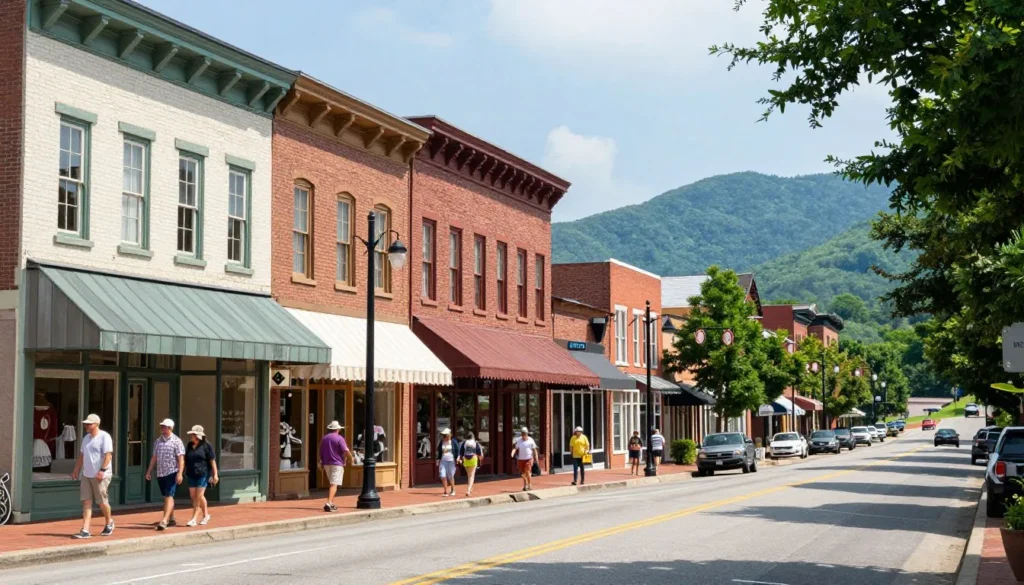
Greeneville itself is a compact, walkable city. Most restaurants, shops, and lodging options are within a few blocks of the historic site. No public transportation system operates in Greeneville, so having a car is recommended for exploring the wider region and reaching the site from your accommodation.
Where to Stay
Greeneville offers a range of accommodation options to suit different budgets and preferences. The downtown area provides the most convenient access to Andrew Johnson National Historic Site.
Historic Inns and Bed & Breakfasts
The General Morgan Inn stands as Greeneville’s premier historic hotel, located in a beautifully restored 1884 building on Main Street. Rooms feature period furnishings with modern amenities. The inn sits just three blocks from the visitor center, making it ideal for history enthusiasts.
Several charming bed and breakfasts operate in restored Victorian homes throughout the historic district. These typically offer personalized service, home-cooked breakfasts, and detailed knowledge about local history from innkeepers who often serve as informal tour guides.
Chain Hotels and Motels
Highway 11E features several national chain hotels including Hampton Inn, Holiday Inn Express, and Comfort Inn. These properties typically range from moderate to mid-range pricing and offer free breakfast, pools, and fitness facilities. Most are located 3 to 5 km (2 to 3 miles) from the historic site.
Vacation Rentals
Historic homes and modern condominiums are available for short-term rental throughout Greeneville. These work well for families or groups planning extended stays to explore the Andrew Johnson National Historic Site and surrounding region.
Dining and Local Cuisine

Greeneville’s dining scene reflects traditional Appalachian and Southern foodways, with hearty portions and warm hospitality. Downtown restaurants cluster within easy walking distance of the Andrew Johnson National Historic Site.
Local Specialties
Southern comfort food dominates local menus, with fried chicken, country ham, biscuits and gravy, and slow-cooked vegetables appearing at most establishments. The region is known for its barbecue, particularly pulled pork prepared with regional sauce styles. Don’t miss trying locally made cornbread and chess pie, traditional desserts that have been served in the area since Andrew Johnson’s time.
Several restaurants near the historic site serve lunch specials featuring “meat and three” plates, where diners choose one protein and three side dishes from daily offerings. This traditional format provides an authentic taste of Tennessee home cooking.
Coffee Shops and Casual Dining
Main Street Cafe and Bakery offers breakfast and lunch in a casual atmosphere, perfect for grabbing a quick bite before or after touring the Andrew Johnson sites. Several coffee shops provide morning refreshments and light snacks for visitors planning early starts.
For families, local diners serve generous portions at reasonable prices, with children’s menus and quick service. Most downtown restaurants accommodate dietary restrictions with advance notice, though vegetarian and vegan options may be limited compared to larger cities.
Attractions, Sightseeing, and Activities
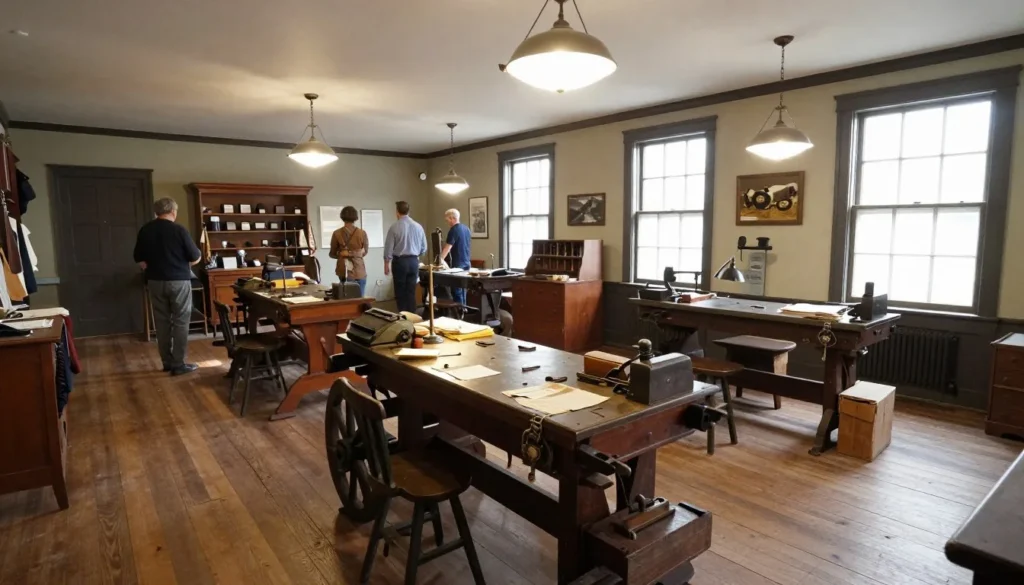
The Andrew Johnson National Historic Site tells the story of America’s 17th president through remarkably preserved buildings and artifacts that span his entire life and career. Each location offers unique insights into Johnson’s journey from tailor to the presidency.
The Tailor Shop
Johnson’s tailor shop represents where his adult life began when he arrived in Greeneville as a teenager. This modest brick building has been restored to its 1830s appearance, complete with period tools and work surfaces. Park rangers demonstrate traditional tailoring techniques during special programs.
The shop illustrates how Johnson worked his way up from poverty through skilled craftsmanship. Visitors can see the actual space where he read aloud while working, educating himself despite never attending school. This humble beginning makes his rise to the presidency all the more remarkable.
The Early Home
Johnson purchased this simple frame house in 1831 shortly after marrying Eliza McCardle. The home reflects the modest circumstances of a young tradesman’s family in the antebellum South. Original furnishings and personal items help visitors understand the domestic life of the Johnson family during Andrew’s early political career.
Rangers lead tours through the home’s few rooms, explaining how Johnson’s wife Eliza helped educate him in reading and writing skills. The intimate scale of the house contrasts sharply with the grand Homestead Johnson later built, showing his economic advancement over time.
The Homestead
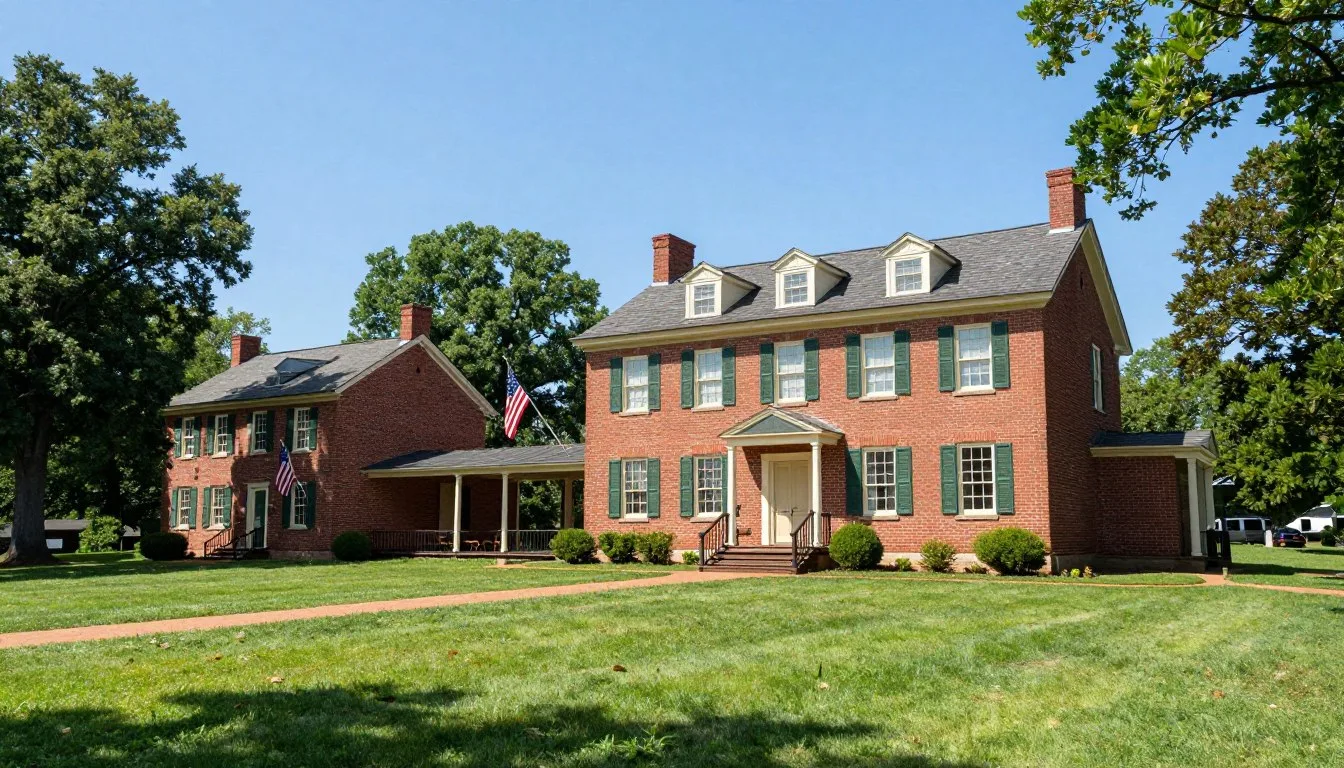
Andrew Johnson purchased this substantial brick home in 1851 after achieving political success. The two-story residence served as his primary residence during his terms in the United States Senate and after his presidency. The Homestead remained in the Johnson family until 1906.
Period furnishings include original Johnson family pieces and items typical of a prosperous mid-19th century household. The home reflects Johnson’s status as a successful politician while maintaining the practical sensibility of his working-class origins. Visitors can explore the parlors, bedrooms, and kitchen during guided tours.
Andrew Johnson National Cemetery
President Johnson is buried in the Andrew Johnson National Cemetery, located on a hilltop with views of the surrounding mountains. The cemetery monument features a marble statue and an American flag that flies continuously by congressional decree. This small national cemetery contains graves of Johnson family members and Civil War veterans.
The peaceful grounds invite quiet reflection on Johnson’s controversial presidency during Reconstruction. The site provides context for understanding his legacy in preserving the Constitution during one of America’s most challenging periods following the Civil War.
Museums, Cultural Spots, and Festivals
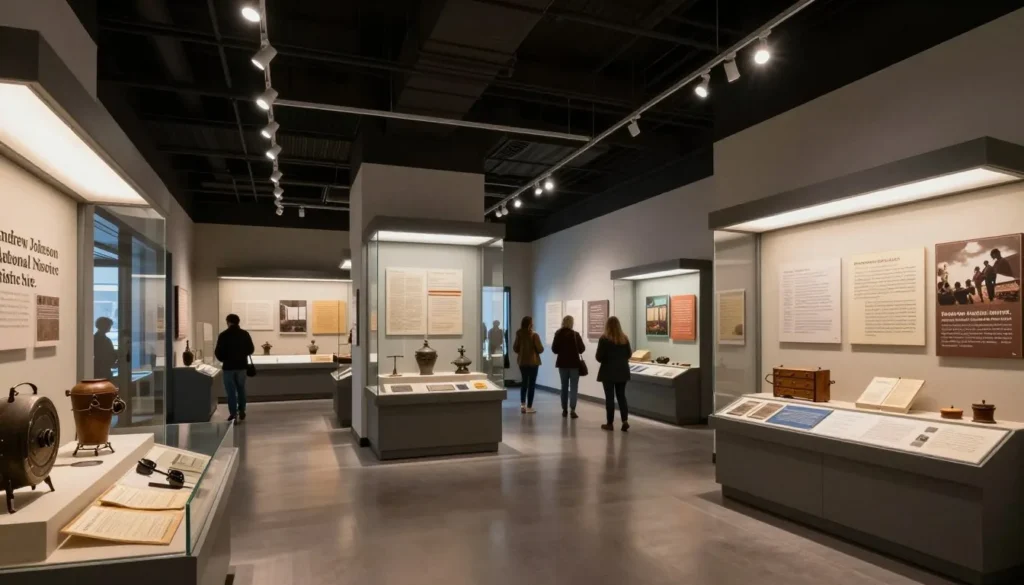
Visitor Center and Museum
The visitor center serves as the starting point for most tours of Andrew Johnson National Historic Site. Inside, museum exhibits explore Johnson’s life from his birth in poverty through his impeachment trial and subsequent return to the Senate. Original documents, photographs, and artifacts bring the Reconstruction era to life.
A short orientation film provides historical context about the Civil War, Lincoln’s assassination, and the constitutional crisis that followed. National Park Service rangers are available to answer questions and provide current information about tour schedules and special programs.
Special Programs and Demonstrations
Throughout the year, the national park service offers special programs exploring 19th-century life and work. Tailoring demonstrations at Johnson’s shop show visitors the skilled craft that supported his family. Living history presentations occasionally feature interpreters in period dress discussing daily life during the 1800s.
Educational programs designed for school groups run throughout the school year, with hands-on activities that help children understand history through primary sources and artifacts. Check with the visitor center at (423) 638-3551 for current program schedules.
Research and Archives
Serious historians and researchers can access the park’s research collection by appointment. The archives contain documents related to Johnson’s political career, family papers, and materials about 19th-century Greeneville. The national park service website provides information about research policies and collection holdings.
Nature and Outdoor Experiences
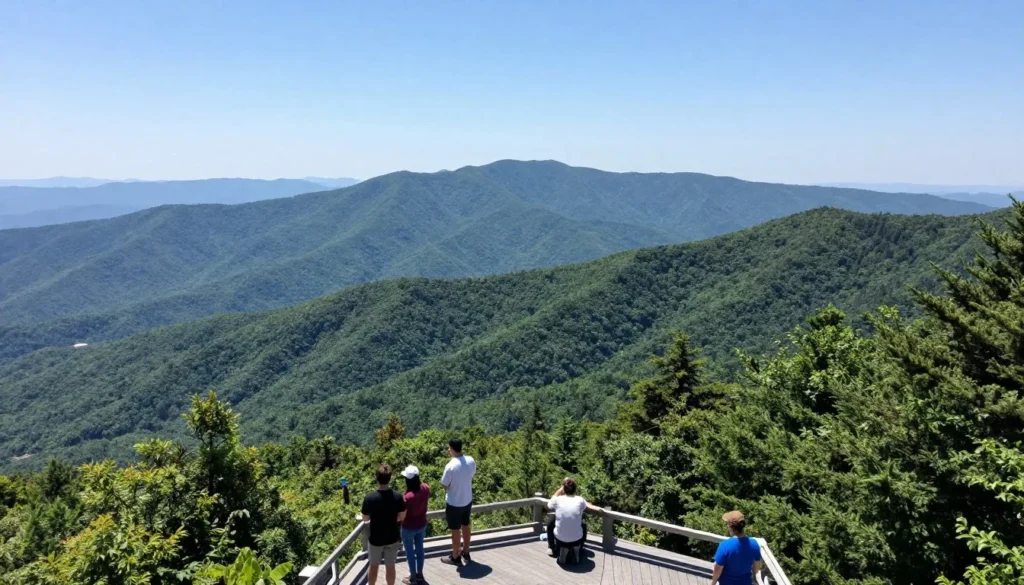
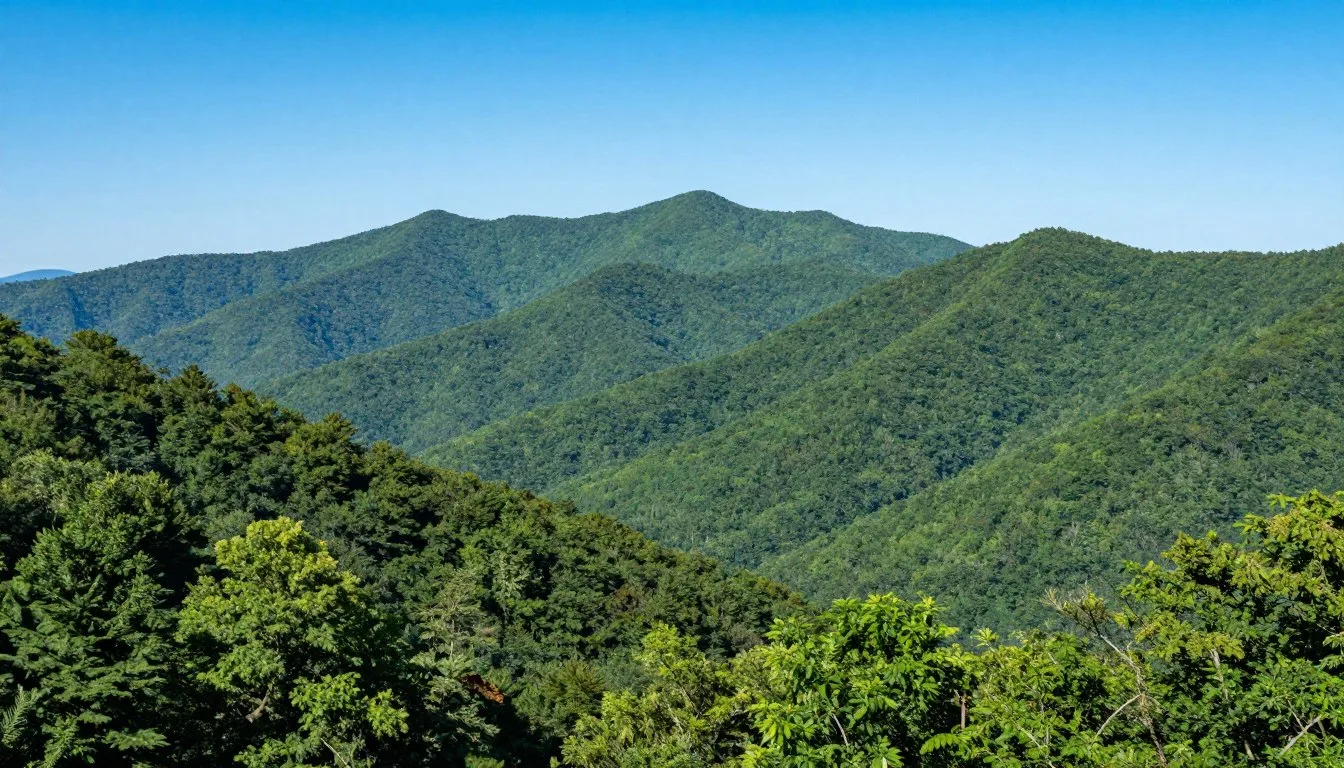
While the Andrew Johnson National Historic Site itself focuses on historic structures, the surrounding region offers exceptional natural beauty and outdoor recreation opportunities in the Appalachian Mountains.
Nearby Parks and Natural Areas
Great Smoky Mountains National Park lies approximately 97 km (60 miles) south of Greeneville, offering world-class hiking, wildlife viewing, and scenic drives. The park protects ancient mountains, cascading streams, and diverse forests that have inspired visitors for generations.
Cherokee National Forest surrounds Greeneville on multiple sides, providing closer access to mountain recreation. Numerous trails range from easy nature walks to challenging mountain climbs. The forest offers camping, fishing, and opportunities to experience the natural beauty that Johnson himself would have known.
Local Green Spaces
Greeneville maintains several city parks within walking distance of the Andrew Johnson National Historic Site. These provide pleasant spots for picnics or rest breaks between touring the historic buildings. Mature shade trees and benches offer comfortable places to relax and reflect on the history you’ve experienced.
The Nolichucky River flows near Greeneville, offering opportunities for fishing and kayaking. Local outfitters provide equipment rentals and guided trips for those wanting to experience the region’s natural waterways. The river corridor supports diverse wildlife and scenic beauty throughout the year.
Travel With Children

Andrew Johnson National Historic Site welcomes families and offers several programs designed to engage young visitors with American history. The compact size and short tour durations work well for children’s attention spans.
Junior Ranger Program
Children can participate in the national park service Junior Ranger program, completing activities that teach about Andrew Johnson’s life and presidency. Kids explore the site while working through an activity booklet, then earn an official Junior Ranger badge by sharing what they learned with a park ranger.
The program typically takes one to two hours to complete and is designed for children ages five through twelve. Activity booklets are available free at the visitor center. This hands-on approach helps children connect with history in meaningful ways.
Family-Friendly Features
Tours of the historic buildings are relatively short, usually lasting twenty to thirty minutes each. This prevents young children from becoming restless during lengthy presentations. The grounds between buildings provide safe spaces for kids to move around between tours.
Restroom facilities are available at the visitor center. The site is stroller-accessible, though some historic buildings have stairs that may require carrying small children. Rangers are experienced in engaging families and adjusting their presentations to include interesting facts for different age groups.
Money Saving Tips
Visiting Andrew Johnson National Historic Site can be remarkably affordable with proper planning. These strategies help families and budget travelers make the most of their visit without overspending.
Free Admission
Admission to all buildings and programs at Andrew Johnson National Historic Site is completely free. There are no entrance fees, tour charges, or program costs. This makes the site an excellent value for families and budget-conscious travelers interested in American history.
The national park service provides free guided tours, educational programs, and Junior Ranger activities without any charges. This represents exceptional value compared to many commercial attractions that charge per person or per program.
Affordable Dining
Local diners and cafes in downtown Greeneville offer generous portions at reasonable prices. Lunch specials at meat-and-three restaurants typically cost less than dining at chain restaurants. Visiting during lunch hours rather than dinner can reduce meal costs significantly.
Several downtown coffee shops and bakeries sell fresh sandwiches and snacks perfect for picnic lunches. The Andrew Johnson National Historic Site grounds allow visitors to enjoy outdoor dining in pleasant weather, saving money while experiencing the peaceful historic setting.
Lodging Savings
Mid-week visits typically offer lower hotel rates than weekends. Booking accommodations along Highway 11E rather than in the historic downtown area can reduce costs while adding only a few minutes’ drive time. Many hotels include free breakfast, eliminating one meal expense per day.
Combining a visit to Andrew Johnson National Historic Site with other free attractions in the region, such as Cherokee National Forest recreation areas, creates a multi-day vacation without expensive admission fees.
Safety, Etiquette, and Local Customs
Greeneville is a safe, welcoming community with traditional Southern hospitality. Following basic courtesies and understanding local customs enhances your visit to the Andrew Johnson National Historic Site.
Historic Site Etiquette
The buildings at Andrew Johnson National Historic Site contain irreplaceable artifacts and original architectural elements. Visitors should not touch furnishings, walls, or displayed objects unless specifically invited to do so by park rangers. Photography is permitted in most areas, but flash photography may be restricted to protect sensitive materials.
Speaking quietly inside historic buildings shows respect for other visitors and the solemn nature of these spaces. Children should be supervised to ensure they don’t run inside buildings or climb on historic features. The Andrew Johnson National Cemetery deserves particular reverence as a burial ground.
Weather Preparedness
Summer heat and humidity can be intense in Tennessee. Visitors should bring water bottles, wear sunscreen, and take breaks in air-conditioned spaces during hot weather. Afternoon thunderstorms are common in summer months, so checking weather forecasts before walking between site units is advisable.
Winter weather can include occasional snow or ice. Roads in the region are treated quickly, but visitors should check weather conditions before traveling to Greeneville during winter months. The historic site remains open year-round except for major holidays.
Local Customs
Southern hospitality is genuine in Greeneville. Locals appreciate courteous greetings and are typically happy to provide directions or recommendations. Small talk is common and considered friendly rather than intrusive. Taking time to engage with shopkeepers and restaurant staff often leads to insider tips about the area.
Sunday mornings see many locals attending church services. Some restaurants and shops may have reduced hours on Sunday mornings. The historic site maintains regular hours throughout the week.
Visitor Comments About Andrew Johnson National Historic Site Tennessee
“Walking through Andrew Johnson’s tailor shop gave me chills thinking about how a self-educated man worked his way from this small room to the presidency. The rangers brought the Civil War period to life in ways no textbook ever could. The cemetery visit was particularly moving with its mountain views.”
“We brought our children to learn about Reconstruction, and the Junior Ranger program kept them engaged throughout our visit. The size is perfect for kids who might get restless at larger sites. Greeneville itself is charming with excellent restaurants within walking distance of the historic homes.”
“As someone who studied the impeachment crisis in university, seeing the actual places where Andrew Johnson lived and worked added incredible depth to my understanding. The museum exhibits provide essential context about his presidency during one of America’s most difficult periods. Well worth the drive from Knoxville.”
Additional Nearby Destinations
Greeneville’s location in northeastern Tennessee provides access to numerous attractions that complement a visit to Andrew Johnson National Historic Site. History enthusiasts and nature lovers will find exceptional options within easy driving distance.
Jonesborough
Tennessee’s oldest town sits just 32 km (20 miles) from Greeneville. Jonesborough’s historic district preserves buildings from the late 1700s and early 1800s. The town hosts the National Storytelling Festival each October, drawing visitors from across the United States. Antique shops and historic sites line the charming main street.
Great Smoky Mountains National Park
America’s most visited national park lies approximately 97 km (60 miles) south of Greeneville. The park protects over 187,000 hectares (462,000 acres) of ancient mountains, including Clingmans Dome, the highest peak in Tennessee at 2,025 m (6,643 feet). Hundreds of hiking trails, scenic drives, and wildlife viewing opportunities await visitors.
Historic Rugby
This unique Victorian village, founded in 1880 as a utopian community, sits about 113 km (70 miles) west of Greeneville. Seventeen original buildings survive, including the impressive Thomas Hughes Public Library. Guided tours reveal the fascinating story of this English settlement in the Tennessee mountains.
Cumberland Gap National Historical Park
Located approximately 105 km (65 miles) north of Greeneville, this park preserves the mountain pass used by pioneers traveling westward. Daniel Boone and thousands of settlers passed through this gap. Today, visitors can hike trails offering spectacular views across three states and explore the rich history of westward expansion.
Practical Travel Tips
Visitor Center Hours and Contact
The Andrew Johnson National Historic Site Visitor Center is open daily from 9:00 AM to 5:00 PM, closing only on Thanksgiving, Christmas Day, and New Year’s Day. Tours of the historic homes operate throughout open hours, with the last tours beginning at 4:30 PM.
For current information about programs, weather closures, or special events, contact the visitor center at (423) 638-3551. The physical address is 121 Monument Avenue, Greeneville, Tennessee 37743.
Accessibility
The visitor center is fully wheelchair accessible with accessible restrooms and parking. Some historic buildings contain stairs and period features that may limit mobility access. Park rangers can provide alternative experiences for visitors unable to climb stairs, including detailed descriptions and photographs of upper floors.
Service animals are welcome throughout the site. Assistive listening devices are available for ranger programs upon request at the visitor center.
What to Bring
Comfortable walking shoes are essential, as visiting all site units involves walking on sidewalks and historic floors. Bring a water bottle, especially during warm months, though water fountains are available at the visitor center. Sunscreen and hats provide protection during summer visits.
Camera equipment is welcome for capturing memories, though tripods may be restricted in some historic buildings. Note-taking materials help visitors remember interesting facts shared during ranger programs. The visitor center bookstore offers publications about Andrew Johnson and the Reconstruction era for those wanting deeper knowledge.
Cell Phone and Internet Access
Cell phone coverage is reliable throughout Greeneville and at all Andrew Johnson National Historic Site units. Free Wi-Fi is available at the visitor center for checking emails or researching additional information during your visit.
Nearby Services
Downtown Greeneville offers all essential services within walking distance of the historic site. Banks, pharmacies, grocery stores, and gas stations operate throughout the city. The Greeneville Community Hospital provides emergency medical services at 1420 Tusculum Boulevard, approximately 3 km (2 miles) from the visitor center.
Your Journey Through Presidential History Awaits

Andrew Johnson National Historic Site offers an intimate encounter with American history that larger presidential sites cannot match. Walking through the tailor shop where a self-educated man began his journey, standing in the homes where he raised his family, and reflecting at his grave in the national cemetery creates powerful connections to the Reconstruction era.
The site’s free admission, welcoming rangers, and compact layout make it accessible to everyone interested in understanding the complex period following the Civil War. Whether you’re a serious history scholar or a family seeking educational experiences, these preserved buildings and landscapes tell stories that shaped the United States during its most challenging period.
Greeneville’s Southern hospitality, combined with stunning mountain scenery and authentic regional cuisine, creates a complete travel experience that extends far beyond history lessons. The town offers a genuine glimpse into Tennessee culture, where the legacy of Andrew Johnson remains woven into daily life more than 150 years after his presidency.
Pack your curiosity along with your camera and comfortable shoes. The story of America’s 17th president awaits your discovery in the foothills of the Appalachian Mountains.