Hotels by Trip.com
Flights by Trip.com
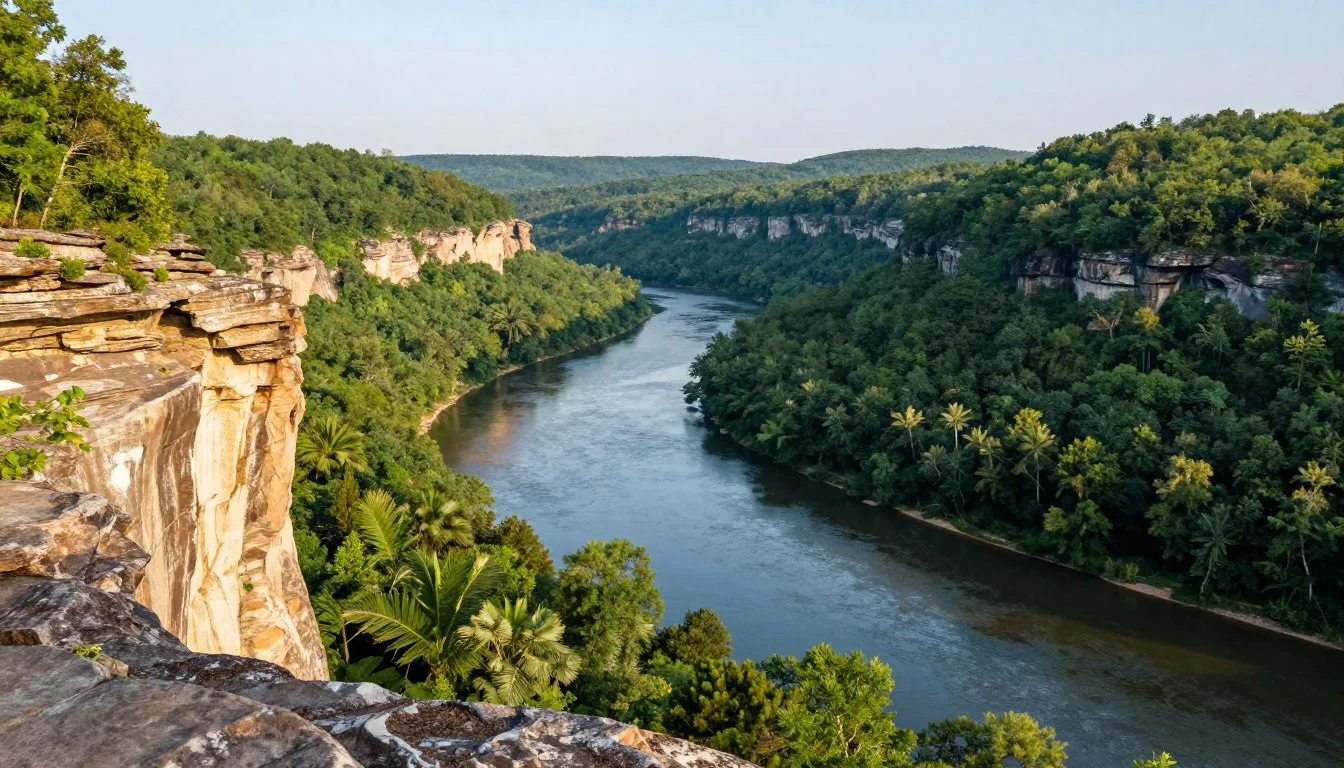
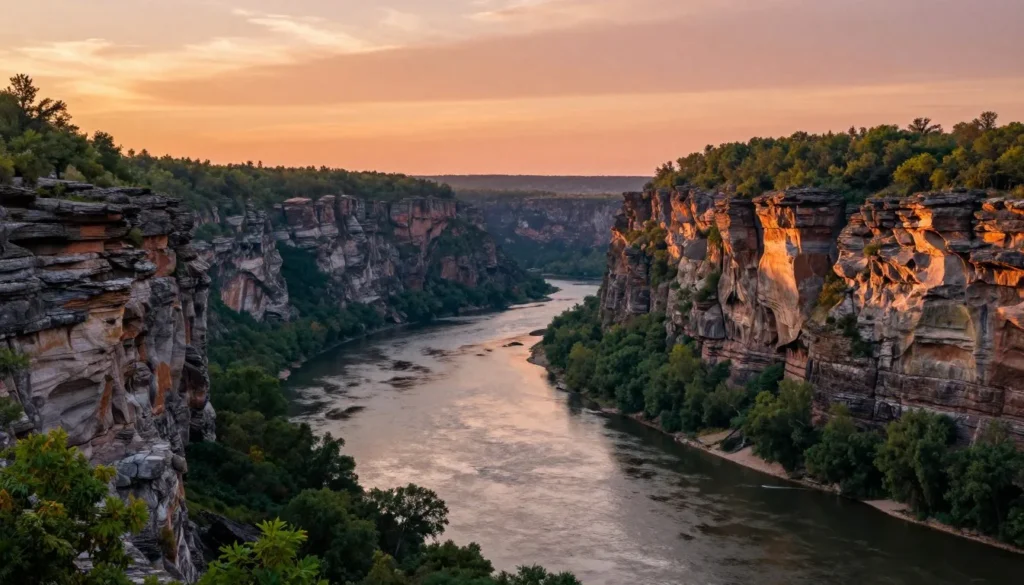
Stretching across 125,000 acres of rugged Cumberland Plateau wilderness, Big South Fork protects one of the last free-flowing river systems in the southeastern United States. This remarkable fact becomes even more impressive when you consider that the area safeguards over 90 miles of waterways including the Big South Fork Cumberland River and its tributaries. The name “Big South Fork” refers to the major southern tributary of the Cumberland River that carved these spectacular gorges over millions of years.
This natural wonderland straddles the Tennessee-Kentucky border. It offers visitors a chance to step back in time through preserved mining communities and forward into adventure with world-class recreation.
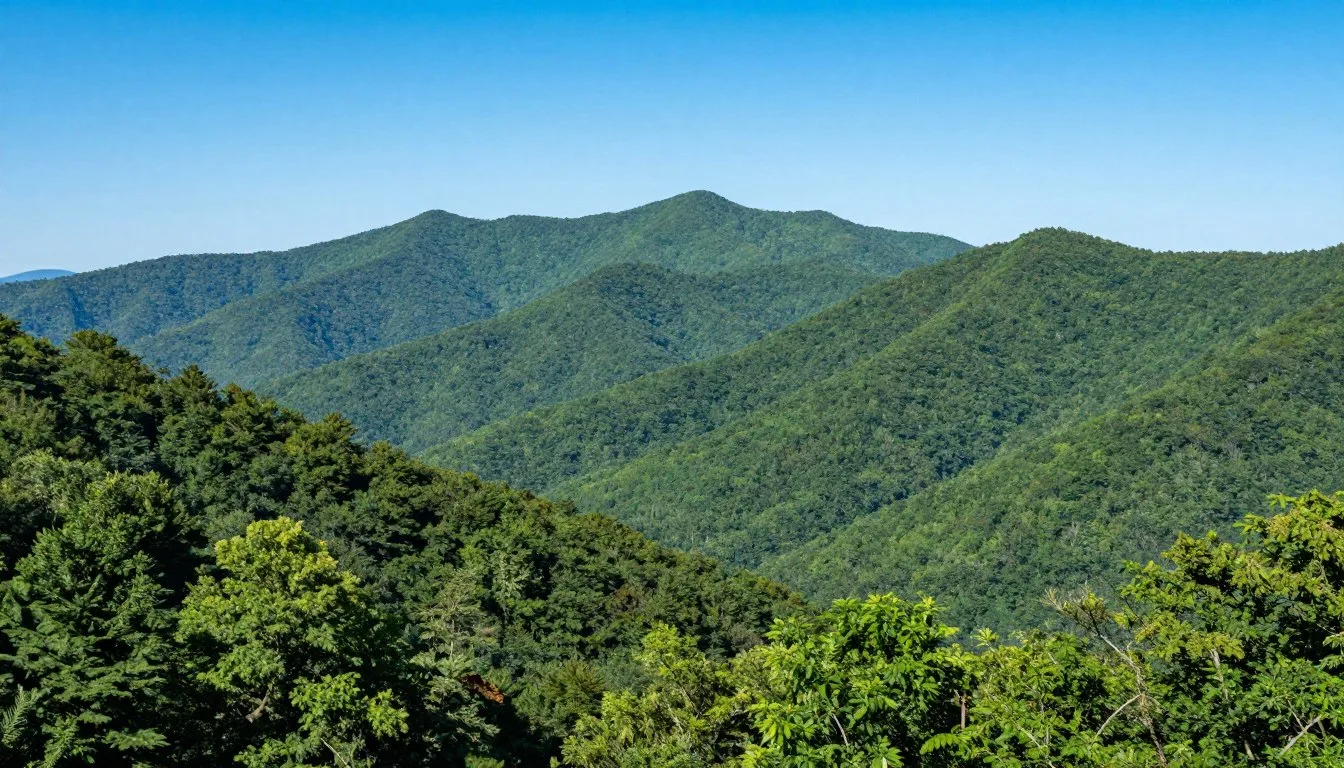
Whether you seek the thrill of whitewater rapids, the serenity of hidden waterfalls, or the wonder of natural sandstone arches, this park delivers experiences that stay with you long after you leave. The diverse landscape ranges from gentle plateau forests to dramatic 500-foot gorges that reveal ancient rock formations.
Getting There & Planning Your Journey
Reaching Big South Fork requires some planning since the recreation area sits in a relatively remote location. The closest major airports include McGhee Tyson Airport in Knoxville, Tennessee, located approximately 105 km (65 miles) south. Blue Grass Airport in Lexington, Kentucky sits about 177 km (110 miles) north.
Nashville International Airport, though farther at 241 km (150 miles) southwest, offers more flight options and competitive rates. Most visitors rent a vehicle at their arrival airport since public transportation does not serve the park.
Primary Access Points:
- Bandy Creek Visitor Center (Tennessee side) – main entrance via TN-297
- Blue Heron Mining Community via KY-742 (Kentucky side)
- Leatherwood Ford via TN-297 (scenic river access)
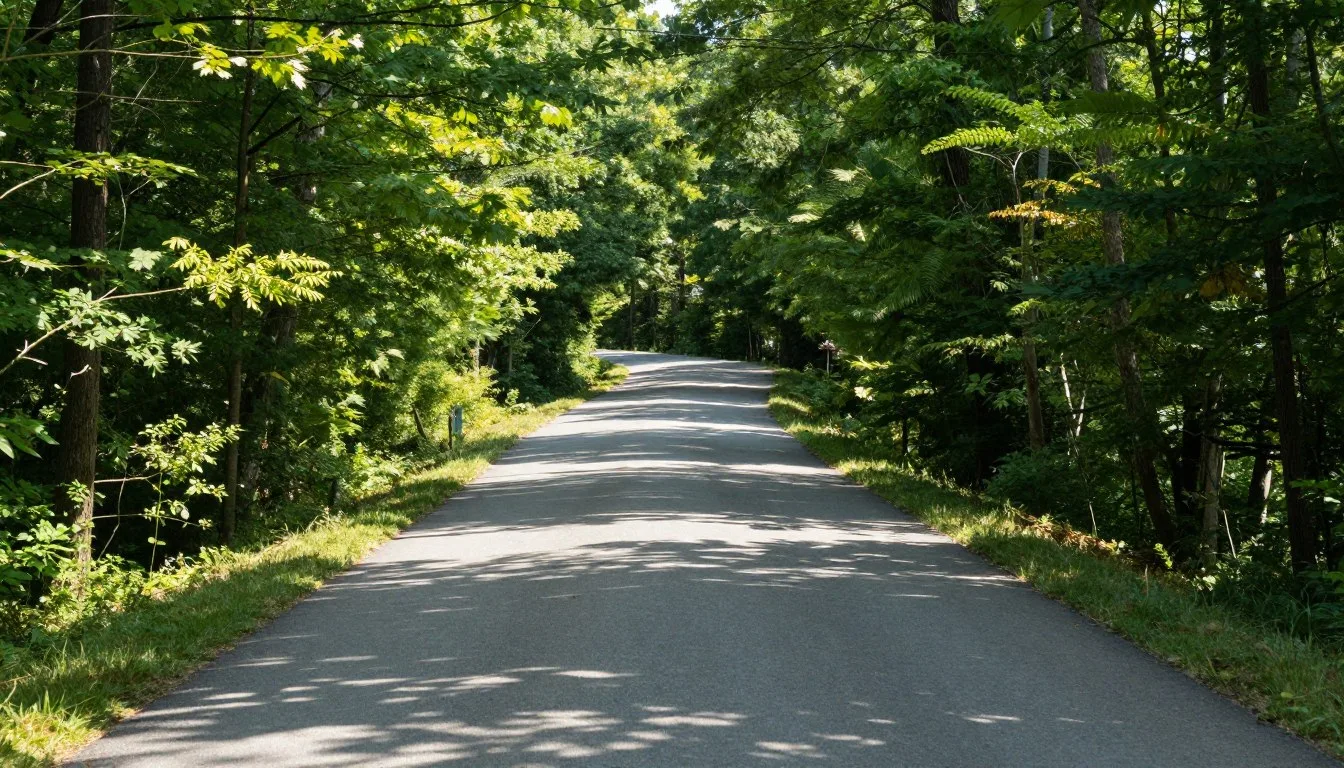
The drive from Knoxville takes roughly 90 minutes through scenic countryside. From Lexington, expect about two hours of travel time. Roads leading to the park wind through small mountain communities. Cell phone service becomes spotty as you approach, so download maps beforehand.
Plan to arrive with a full tank of gas. Limited services exist near park boundaries. The towns of Oneida, Tennessee and Whitley City, Kentucky provide the nearest fuel, groceries, and supplies.
Best Time to Visit & Weather Tips
Big South Fork transforms dramatically with each season. Spring, from April through May, brings mild temperatures between 15-24°C (59-75°F) and spectacular wildflower displays. Dogwoods and redbuds paint the forest in white and pink. Water levels run high from spring rains, creating impressive waterfall displays but potentially dangerous river conditions.
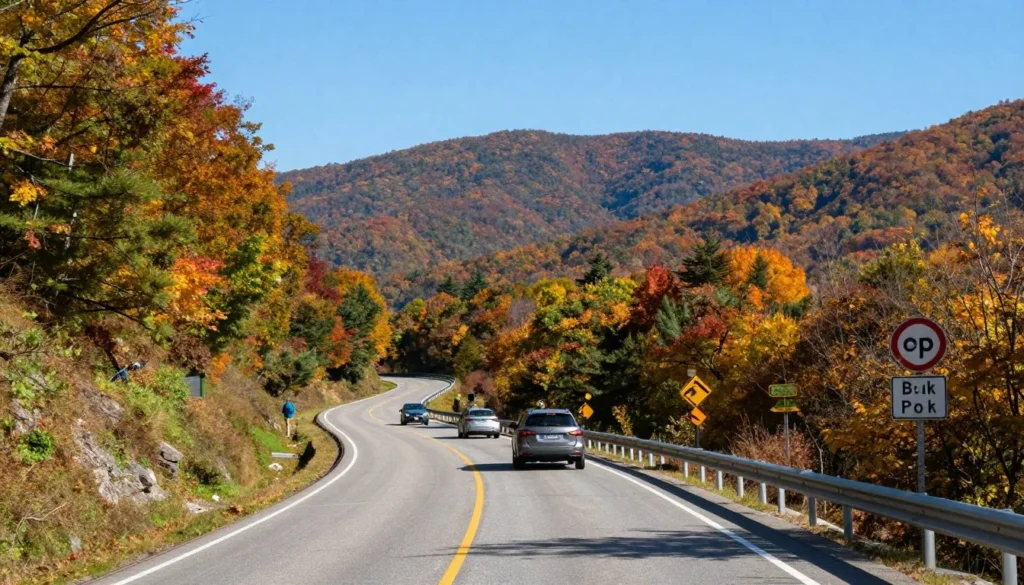
Fall, particularly October and early November, ranks as the most popular season. Temperatures hover comfortably between 10-21°C (50-70°F). The Cumberland Plateau explodes in autumn colors. Crisp air and lower humidity make this ideal for hiking and horseback riding.
Recommended Months to Visit: April, May, September, October, and early November offer the best combination of weather, scenery, and comfortable temperatures.
Months to Avoid: July and August bring oppressive heat and humidity with temperatures often exceeding 32°C (90°F). December through February can be cold and unpredictable with occasional ice and snow.
Summer sees fewer crowds despite the heat. Early morning adventures work best during these months. Thunderstorms develop frequently in afternoons, so plan strenuous activities before noon.
Winter offers solitude and unique beauty. Snow occasionally dusts the plateau, creating ethereal landscapes. However, services reduce significantly. Some facilities close entirely. Roads may become treacherous during winter weather events.
Notable Annual Festivals
The Big South Fork area celebrates its cultural heritage and natural beauty through several annual events. These gatherings provide opportunities to experience local traditions and connect with the community.
The Big South Fork Spring Wildflower Pilgrimage typically occurs in late April. Guided hikes showcase the incredible biodiversity of spring blooms. Expert naturalists lead walks ranging from easy strolls to challenging treks. Contact the Bandy Creek Visitor Center at (423) 286-7275 for current year dates and registration.
The Blue Heron Heritage Festival celebrates Appalachian culture each October. This event features traditional crafts, music, and storytelling at the historic Blue Heron Mining Community. Demonstrations of blacksmithing, weaving, and other historic skills bring the past to life. For information, call (606) 376-5073.
Each June, the Big South Fork hosts astronomy programs during new moon phases. Rangers lead night sky observation sessions. The remote location and minimal light pollution create exceptional stargazing conditions. Check with park headquarters at (423) 286-7275 for scheduled programs.
Getting Around Locally
A personal vehicle remains essential for exploring Big South Fork. The recreation area spans vast distances with multiple access points separated by dozens of kilometers. No shuttle services or public transportation operate within park boundaries.
The main scenic roads include the Big South Fork Scenic Railway route and various paved park roads connecting major destinations. Most roads are well-maintained but winding. Drive cautiously, especially during wet conditions or at dawn and dusk when wildlife crosses frequently.
Parking areas serve major trailheads and attractions. These fill quickly on spring and fall weekends. Arrive early or visit on weekdays for easier access. Some trailhead lots accommodate horse trailers, while others serve hikers only.
Download offline maps before your visit. Cell service is unreliable throughout most of the park. The National Park Service provides free maps at visitor centers. GPS coordinates work better than street addresses for navigation.
Mountain biking offers an excellent way to cover more ground on designated trails. The park maintains over 48 km (30 miles) of mountain bike trails. Bike rentals are not available within the park, so bring your own equipment.
Horseback riding represents a traditional way to explore Big South Fork. The park offers over 241 km (150 miles) of horse trails. Several outfitters provide guided rides and horse rentals near park entrances.
Where to Stay
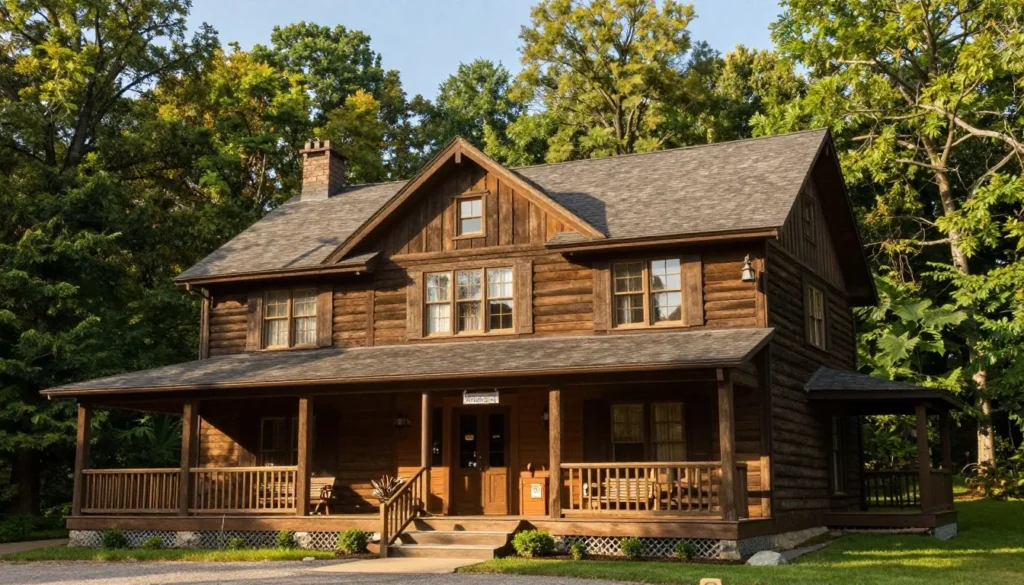
Big South Fork offers diverse lodging options ranging from backcountry camping to historic lodge accommodations. Your choice depends on desired comfort level and adventure style.
Charit Creek Lodge provides the most unique stay within the park. This historic backcountry lodge requires a 4 km (2.5-mile) hike or horseback ride to reach. The facility offers no electricity or running water, creating an authentic wilderness experience. Meals are prepared on a wood-burning stove and served family-style. Guests stay in rustic cabins heated by fireplaces. Reservations are essential and should be made months in advance. Contact the lodge at (865) 429-5704.
The Bandy Creek Campground features 180 campsites with modern amenities. Sites include electric and water hookups, making this ideal for RV camping. The campground offers hot showers, flush toilets, and a camp store during peak season. Sites accommodate tents as well. Reserve through the National Park Service reservation system.
Blue Heron Campground on the Kentucky side provides a more primitive camping experience. This smaller facility offers 45 sites with basic amenities. The location near the historic Blue Heron Mining Community appeals to history enthusiasts. Sites operate on a first-come, first-served basis during off-peak times.
Backcountry camping permits allow experienced outdoors enthusiasts to camp throughout designated areas. Free permits are available at visitor centers. Practice Leave No Trace principles when backcountry camping.
Gateway communities offer additional lodging. Oneida, Tennessee and Jamestown, Tennessee provide motels, bed and breakfasts, and cabin rentals. These towns sit within 32 km (20 miles) of major park entrances.
Dining & Local Cuisine
Dining options within Big South Fork remain limited to what you bring yourself. No restaurants or food services operate inside park boundaries except at Charit Creek Lodge, where meals come included with overnight stays.
Pack coolers with food and plenty of water for day trips. The Bandy Creek Campground operates a small camp store during summer months. This facility stocks basic supplies, snacks, and ice. However, selection is minimal and prices reflect the remote location.
The surrounding communities offer authentic southern and Appalachian cuisine. Small-town restaurants serve hearty portions of comfort food. Expect fried chicken, country ham, biscuits and gravy, and homemade pies.
Oneida features several local diners popular with park visitors. The town sits about 24 km (15 miles) from Bandy Creek. Stock up on groceries here before entering the park. A large supermarket provides everything needed for camping meals.
Jamestown, Tennessee offers additional dining variety. This small town includes family restaurants, a pizza shop, and fast-food options. The drive from the Tennessee park entrance takes approximately 30 minutes.
Many visitors prepare meals at their campsites. Campfire cooking and outdoor grilling suit the wilderness setting perfectly. Remember to properly store all food to avoid attracting bears and other wildlife.
Attractions, Sightseeing & Activities
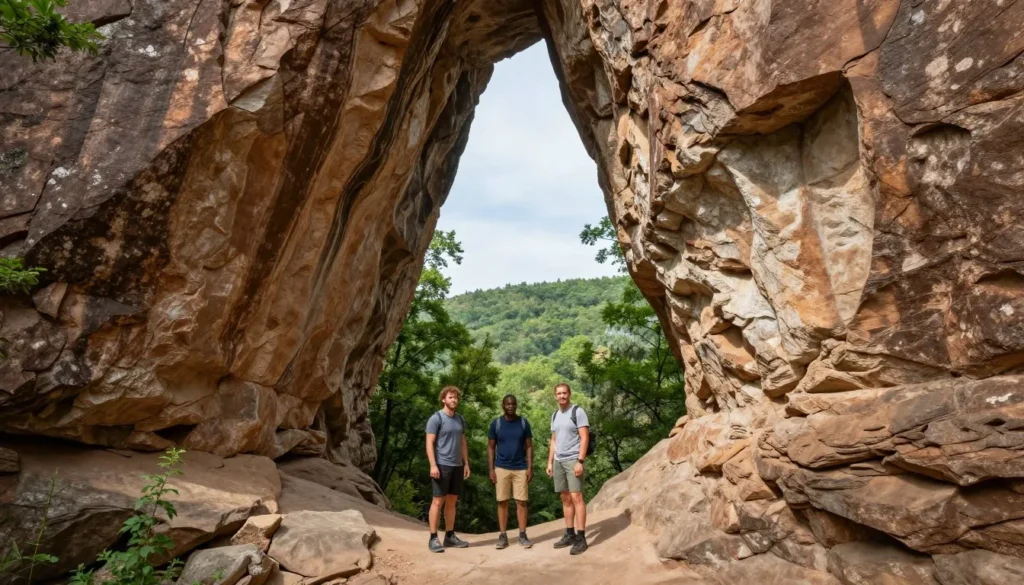
Big South Fork delivers an impressive array of attractions spanning natural wonders and cultural heritage sites. The park contains over 30 natural arches carved by water and time from sandstone cliffs. Twin Arches ranks among the most spectacular. This formation features two massive arches side by side, each spanning more than 21 m (70 feet).
The Yahoo Arch Trail presents a moderately challenging 5.8 km (3.6-mile) loop. This hike rewards effort with views of a stunning arch and the surrounding gorge. The trail descends through diverse forest before reaching the arch overlook.
Big South Fork boasts numerous waterfalls throughout the recreation area. Yahoo Falls, technically located just outside park boundaries in the adjacent Daniel Boone National Forest, plunges 34 m (113 feet) over a sandstone cliff. This waterfall ranks as Kentucky’s highest and requires only a short walk from the parking area.
The East Rim Overlook provides breathtaking views of the Big South Fork gorge without strenuous hiking. A short paved trail leads to observation decks perched high above the river. Interpretive signs explain the geological forces that shaped this landscape.
Blue Heron Mining Community preserves the history of coal mining in the Cumberland Plateau. This outdoor museum features restored buildings and “ghost structures” outlined in metal frameworks. Audio recordings at each site share stories of families who lived and worked here. The community operated from 1937 to 1962 before coal deposits were exhausted.
Rock climbing opportunities abound on Big South Fork’s sandstone cliffs. The area offers routes for all skill levels from beginner-friendly climbs to challenging multi-pitch ascents. Climbers must register at visitor centers and follow established guidelines to protect both safety and natural resources.
Museums, Cultural Spots & Festivals
The Bandy Creek Visitor Center serves as the primary museum and information hub. Interactive exhibits explain the area’s natural and cultural history. Displays cover everything from ancient Native American inhabitants to early European settlers and the logging and mining industries that followed.
A short film provides an excellent introduction to the park. Rangers offer regularly scheduled programs covering topics like wildlife, geology, and local history. Check the visitor center schedule for current offerings. The center opens daily except Christmas, with hours varying by season.
Blue Heron Mining Community functions as an open-air museum dedicated to coal mining heritage. The self-guided tour includes the mine superintendent’s house, company store, and worker housing. Each building features recorded narratives from former residents sharing memories of daily life in this remote mining camp.
The community illustrates both the hardships and the tight-knit social bonds formed in company towns. Children attended the one-room school while parents worked dangerous shifts in the mines. The company store provided all necessities but also kept families in perpetual debt.
Historic structures scatter throughout the recreation area. Old homesteads and barns offer glimpses into frontier life. The O&W Railroad bed, now a hiking and biking trail, connected these remote communities to the outside world during the early 20th century.
Rangers lead guided heritage hikes during peak seasons. These walks explore abandoned settlements and explain how families survived in this challenging environment. Book these popular programs early through the visitor center.
Nature & Outdoor Experiences
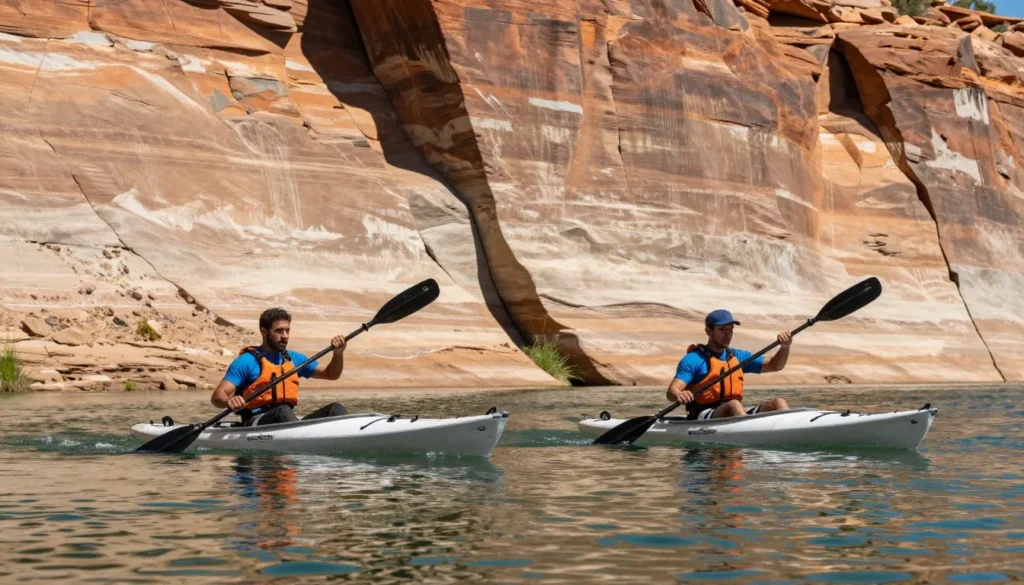
The Big South Fork river system offers exceptional paddling experiences. The river features Class II to Class IV rapids depending on section and water level. Spring brings high water and exciting whitewater. Summer and fall provide calmer conditions suitable for intermediate paddlers.
Popular paddling sections include the Leatherwood Ford to Blue Heron run. This 22 km (14-mile) stretch takes most paddlers 5 to 7 hours. Expect moderate rapids interspersed with calm pools perfect for wildlife watching. Several outfitters in nearby communities provide shuttle services and equipment rentals.
Hiking trails exceed 241 km (150 miles) throughout the park. Routes range from easy nature walks to strenuous multi-day backpacking trips. The John Muir Trail stretches 80 km (50 miles) across the entire recreation area. Thru-hikers typically complete this trek in 4 to 6 days.
The Grand Gap Loop presents a challenging 34 km (21-mile) day hike or overnight backpacking trip. This trail showcases the park’s diversity, passing natural arches, waterfalls, and remote river valleys. The route requires good physical conditioning and navigation skills.
Horseback riding remains deeply rooted in Big South Fork tradition. The extensive trail system accommodates everything from short rides to multi-day pack trips. Station Camp Horse Camp provides corrals and primitive facilities specifically for equestrian visitors. The campground fills quickly during peak fall color season.
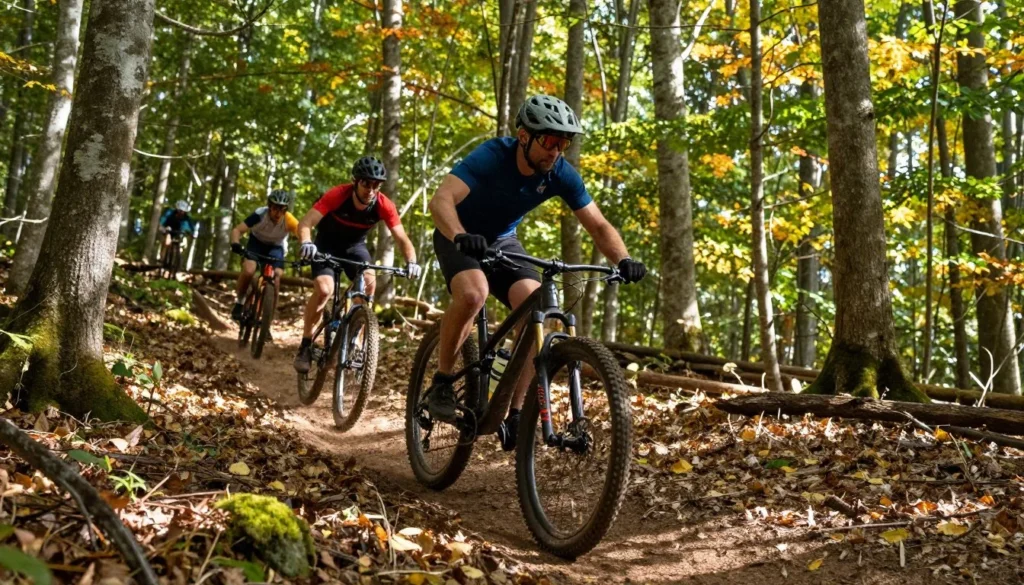
Mountain biking trails wind through forests and along ridgetops. The Duncan Hollow Trail System offers over 16 km (10 miles) of flowing singletrack suitable for intermediate riders. More technical terrain challenges advanced bikers at Collier Ridge.
Wildlife viewing opportunities abound year-round. White-tailed deer appear frequently along roadsides at dawn and dusk. Wild turkeys strut through campgrounds and picnic areas. Black bears inhabit the park, though sightings remain relatively uncommon. Always maintain safe distances from all wildlife.
Birdwatchers identify over 180 species within park boundaries. Neotropical migrants arrive each spring, filling the forest with song. Watch for scarlet tanagers, indigo buntings, and various warbler species. Pileated woodpeckers drum on dead trees throughout the year.
Fishing in Big South Fork follows Tennessee and Kentucky regulations depending on location. Smallmouth bass, rock bass, and several sunfish species inhabit the river and tributaries. The cold-water streams support populations of rainbow and brown trout. A valid fishing license from the appropriate state is required.
Travel With Children

Big South Fork welcomes families with children of all ages. The key to success lies in choosing appropriate activities and setting realistic expectations. Young children tire quickly on long hikes. Plan shorter adventures with interesting destinations to maintain enthusiasm.
The Blue Heron Mining Community captivates children with its ghost town atmosphere. Kids enjoy listening to recorded stories at each building. The flat, paved walkway accommodates strollers, though the uneven ground inside structures does not. Allow at least 90 minutes to fully explore the site.
Bandy Creek offers a swimming pool open during summer months. This provides welcome relief from heat and gives kids a chance to burn energy in a safe environment. The pool is free for campground guests. Day-use visitors pay a small fee.
Family-Friendly Activities:
- Junior Ranger program – kids complete activity booklets to earn badges
- Easy trails like Oscar Blevins Loop and Bandy Creek Nature Trail
- Fishing in stocked ponds near campgrounds
- Ranger-led programs designed for families
- Playground equipment at Bandy Creek Campground
Pack plenty of snacks and water. Children need frequent refueling during outdoor activities. Bring layers as temperatures can change quickly, especially in shaded gorges. Include basic first aid supplies for minor scrapes and bug bites.
Teach children about Leave No Trace principles before visiting. Explain why they should stay on trails, pack out all trash, and never feed wildlife. These lessons help protect the park while building environmental stewardship.
Consider visiting during shoulder seasons when crowds thin. Kids have more freedom to explore without congestion at popular sites. Spring and fall also offer more comfortable temperatures for young hikers.
Money Saving Tips
Big South Fork provides exceptional value compared to many vacation destinations. The park charges no entrance fees, making it accessible to all visitors. This single fact saves families significant money compared to other national parks and recreation areas.
Camping represents the most economical lodging option. Sites at developed campgrounds cost less than any hotel in surrounding communities. Primitive camping with a free backcountry permit reduces accommodation costs to zero. Many families camp for an entire week for less than one night at a budget motel.
Top Money-Saving Strategies:
- Camp instead of staying in hotels – save $75-150 per night
- Bring all food and cook at campsite – avoid restaurant prices
- Visit during free ranger programs instead of paid guided tours
- Download free trail maps rather than purchasing guidebooks
- Carpool with other families to split gas costs
Prepare meals at your campsite rather than eating out. A camp stove and basic cooking equipment cost less than one dinner at a restaurant for a family of four. Local grocery stores in Oneida or Jamestown offer much better prices than convenience stores near the park.
Free ranger programs provide educational entertainment without admission fees. Evening campfire programs, guided nature walks, and Junior Ranger activities keep families engaged at zero cost. Check visitor center schedules to plan your visit around these offerings.
Visit during weekdays when possible. Campgrounds often have better availability, meaning you can choose sites with optimal locations. Some private campgrounds in gateway communities offer mid-week discounts.
Borrow or rent equipment locally rather than buying new gear. Several outfitters near the park rent kayaks, bikes, and camping equipment at reasonable daily rates. This makes sense for visitors who will not use the equipment regularly after their trip.
Safety, Etiquette & Local Customs
Wilderness safety requires preparation and awareness. Big South Fork’s rugged terrain presents genuine hazards including steep cliffs, swift water, and remote locations far from medical help. Cell phone service remains unreliable throughout most of the park.
Always tell someone your plans before heading out. Leave detailed information about your intended route and expected return time. Carry a map and compass as backup navigation tools. GPS devices help but batteries die and satellite signals can be blocked in deep gorges.
Essential Safety Reminders:
- Stay on designated trails – cliff edges crumble without warning
- Check weather forecasts – flash floods occur during heavy rain
- Carry adequate water – at least 2 liters per person for day hikes
- Wear proper footwear – rocky trails cause ankle injuries
- Never swim alone – river currents are deceptively strong
Black bears inhabit Big South Fork. Store all food, toiletries, and scented items in vehicles or bear-proof containers. Never approach bears or any wildlife. Observe from safe distances using binoculars or telephoto lenses. Make noise while hiking in dense vegetation to avoid surprising animals.
Ticks are abundant from spring through fall. Wear long pants tucked into socks when hiking through brush. Check yourself thoroughly after outdoor activities. Ticks can transmit serious diseases including Lyme disease.
Poison ivy grows throughout the park. Learn to identify this plant’s distinctive three-leaf pattern. The old saying “leaves of three, let it be” serves as good guidance. Wear long sleeves and pants when hiking through overgrown areas.
Local customs reflect traditional Appalachian values of self-reliance and respect. Residents appreciate polite greetings and genuine friendliness. Take time for conversations if locals offer directions or recommendations. This builds positive relationships between visitors and communities.
Respect private property boundaries. Some land within the authorized park boundaries remains privately owned. Stay on marked trails and never cut across fields or yards. Most conflicts between visitors and residents stem from trespassing.
Practice Leave No Trace principles throughout your visit. Pack out all trash including organic waste like orange peels. Use established campsites when backcountry camping. Never build new fire rings or cut live vegetation. Future visitors deserve to enjoy the same pristine conditions.
Visitor Comments About Big South Fork
“Our family spent five days exploring Big South Fork and barely scratched the surface. The kids loved Blue Heron Mining Community and spent hours listening to all the recordings. We hiked to Twin Arches and felt like we had discovered a secret world. The campground at Bandy Creek was clean and well-maintained. Rangers were incredibly helpful and enthusiastic about sharing their knowledge. We are already planning our return trip.”
— T.T., Dearborn
“I have been visiting Big South Fork for over twenty years and never tire of its beauty. Each season brings something different. Spring wildflowers carpet the forest floor. Fall colors rival anywhere in the country. Even winter has its charm with ice formations on the cliffs. The backcountry offers true solitude if you are willing to hike away from popular areas. This park remains an underappreciated gem.”
— M.J., Akron
“Our horseback riding adventure through Big South Fork exceeded all expectations. The trails were well-marked and varied from easy to challenging. We stayed at Station Camp Horse Camp and appreciated the facilities. Our guide from a local outfitter knew the area intimately and shared fascinating stories about its history. The scenery was breathtaking around every turn. This trip created memories our family will treasure forever.”
— K.Y., Derby
Additional Nearby Destinations
Several worthwhile destinations lie within easy driving distance of Big South Fork. These locations complement your visit and provide additional exploration opportunities.
Cumberland Falls State Resort Park sits about 64 km (40 miles) northeast in Kentucky. This park protects “the Niagara of the South,” a beautiful waterfall spanning 38 m (125 feet) wide. On clear nights during full moons, Cumberland Falls produces a rare moonbow visible in the mist. The park offers lodging, dining, and numerous hiking trails.
The town of Rugby, Tennessee lies 40 km (25 miles) southeast of Big South Fork. This historic community began as a utopian experiment in 1880. British author Thomas Hughes founded the colony for younger sons of English gentry. Seventeen original Victorian buildings survive, including the Thomas Hughes Library with 7,000 volumes. Guided tours share the fascinating history of this unique settlement.
Pickett State Park borders Big South Fork on the Tennessee side. This smaller park features stunning natural bridges and arches. The 14,000-acre park offers additional camping, hiking, and fishing opportunities. Many visitors combine trips to both parks for an extended wilderness experience.
Daniel Boone National Forest surrounds Big South Fork on the Kentucky side. This vast forest provides additional recreation opportunities including Red River Gorge, famous for rock climbing and natural arches. The forest road network connects to numerous trails and scenic overlooks.
The city of Knoxville offers urban amenities after days in the wilderness. Visit the Sunsphere from the 1982 World’s Fair, explore Market Square, or tour historic homes. The city provides good restaurants, shopping, and cultural attractions. Knoxville sits about 90 minutes south of the park.
Practical Travel Tips
Success at Big South Fork depends on proper planning and preparation. These practical tips help ensure a smooth and enjoyable visit.
Download offline maps before losing cell service. The National Park Service app includes detailed trail maps and facility information. Paper maps remain available free at visitor centers. Carry both digital and paper backup navigation tools.
Bring cash for small purchases. Some campground hosts and local businesses in tiny communities may not accept credit cards. ATMs exist in Oneida and Jamestown but not within park boundaries.
Essential Items Checklist:
- Layered clothing for changing temperatures
- Sturdy hiking boots with good ankle support
- Rain gear – weather changes quickly
- First aid kit with insect repellent and sunscreen
- Flashlight or headlamp with extra batteries
- Water filtration system for backcountry trips
Book Charit Creek Lodge reservations at least 3 to 4 months ahead for peak seasons. This unique accommodation books solid for fall color weekends. Spring and summer offer better availability. Call (865) 429-5704 for reservations.
Purchase groceries and supplies in Oneida or Jamestown before entering the park. Limited options exist once inside park boundaries. The small camp store at Bandy Creek carries only basic items at premium prices.
Check water levels before paddling trips. The Big South Fork river runs low during summer and fall droughts. Spring provides the most reliable water levels but also the most challenging rapids. Several websites provide current river gauge readings.
Arrive early at popular trailheads on weekends. Parking lots fill quickly at Twin Arches, Yahoo Falls, and Blue Heron during peak seasons. Weekday visits provide easier access and more solitude. Early morning also offers the best wildlife viewing opportunities.
Dress in layers for hiking. Morning temperatures can start cool even during summer. Afternoon sun heats up exposed ridge trails significantly. Layers allow adjustment as conditions change throughout the day.
Respect quiet hours in campgrounds. Sound carries far in the wilderness. Keep noise levels down especially between 10 PM and 6 AM. This consideration helps everyone enjoy the peaceful natural setting.
Your Adventure Awaits in the Cumberland Plateau
Big South Fork stands ready to write its story into your memory. Whether you seek heart-pounding whitewater, quiet contemplation beneath ancient arches, or family adventures through historic communities, this remarkable place delivers. The rivers that carved these gorges over millennia continue their patient work, creating new wonders for future generations.
Pack your sense of adventure alongside your hiking boots. Bring curiosity about both natural wonders and human history. Leave room in your schedule for unexpected discoveries and spontaneous explorations. The Big South Fork National River and Recreation Area rewards those who venture beyond the obvious, who take time to truly see, and who approach its wild beauty with respect and wonder.
Your perfect visit awaits, whether measured in thrilling rapids navigated, miles of trail conquered, or simply peaceful moments watching sunlight filter through the forest canopy. Come discover why those who know this place return again and again, finding something new with each visit.