Hotels by Trip.com
Flights by Trip.com
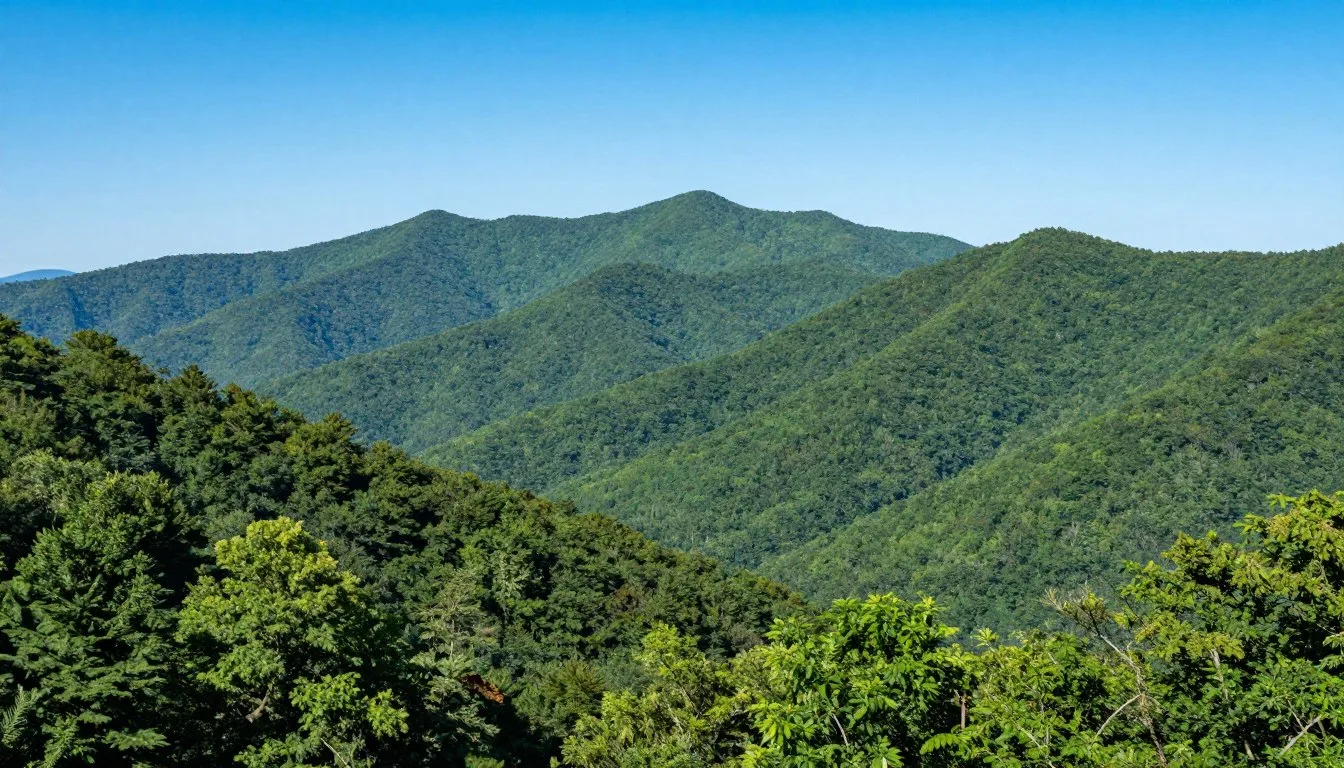
Hidden within Tennessee’s rugged Cumberland Plateau lies a staggering 10,000 acres of virgin forest where black bears still roam freely and waterfalls cascade through untouched gorges. The Bridgestone/Firestone Centennial Wilderness State Natural Area Tennessee travel guide reveals one of the state’s best-kept secrets for wilderness adventure.
This remarkable wilderness area was named to commemorate the 100th anniversary of the Bridgestone/Firestone tire company’s founding. The company’s generous donation helped preserve this pristine landscape for future generations.
Whether you seek challenging hiking trails, spectacular waterfalls, or genuine backcountry camping, this wilderness delivers unforgettable outdoor experiences. The area forms part of Tennessee’s largest state park system and connects to Fall Creek Falls State Park.
Getting There and Planning Your Journey
Reaching Bridgestone/Firestone Centennial Wilderness requires some planning. The wilderness area sits in the eastern Highland Rim region of Tennessee, approximately 145 km (90 miles) southeast of Nashville.
The closest major airport is Nashville International Airport (BNA), located about 161 km (100 miles) northwest. McGhee Tyson Airport (TYS) in Knoxville offers another option at approximately 193 km (120 miles) east.
From Nashville, take Interstate 40 east to Cookeville, then follow State Route 111 south toward Sparta. The journey takes roughly two hours under normal conditions. Rental cars provide the most flexibility for exploring this region.
Multiple access points serve the Firestone Centennial Wilderness. The main trailheads connect through Fall Creek Falls State Park. Rock Island State Park offers additional access to the western portions of the wilderness area.
Important Access Note: Some trailheads require navigating unpaved forest roads. High-clearance vehicles work best during wet conditions. Always check current road conditions before departing.
For visitor information and current trail conditions, contact the Tennessee State Parks office:
Best Time to Visit and Weather Tips
Best Time to Visit Bridgestone/Firestone Centennial Wilderness
Spring and fall offer the most rewarding experiences in the Firestone Centennial Wilderness. April through May brings wildflower blooms and rushing waterfalls fed by spring rains. September through November delivers spectacular fall colors and comfortable hiking temperatures.
Summer months from June through August see the highest visitor numbers. Temperatures reach 29°C to 32°C (85°F to 90°F) with significant humidity. Afternoon thunderstorms occur frequently during summer months.
Winter visits from December through February require extra preparation. Temperatures drop to -1°C to 7°C (30°F to 45°F). Snow and ice can make trails treacherous, though winter offers solitude and dramatic frozen waterfall formations.
✓ Check 30,000+ Local Sightseeing Tours Worldwide
Recommended Months
- April – May: Wildflowers, waterfalls at peak flow
- September – October: Fall colors, ideal temperatures
- Early November: Fewer crowds, still pleasant weather
Months to Avoid
- July – August: Extreme heat, humidity, crowds
- January – February: Ice hazards, limited access
- Late March: Unpredictable weather, muddy trails
Notable Annual Festivals
The surrounding region hosts several festivals celebrating Appalachian culture and outdoor recreation throughout the year.
The Fall Creek Falls Volksmarch takes place each October, offering guided hikes through spectacular autumn scenery. This non-competitive walking event welcomes all fitness levels.
Sparta’s Strawberry Festival in May celebrates the local harvest with music, crafts, and regional cuisine. The event draws thousands to the small town near the wilderness area.
For festival schedules and registration information:
Getting Around Locally
Transportation within the Firestone Centennial area requires your own vehicle. No public transportation or shuttle services operate in this remote wilderness region.
The wilderness sits within a larger network of protected lands. Fall Creek Falls State Park provides the primary hub for accessing trails. Rock Island State Park offers western access points.
Parking areas exist at major trailheads, though spaces fill quickly during peak weekends. Arrive before 9:00 AM for best parking availability during high season.
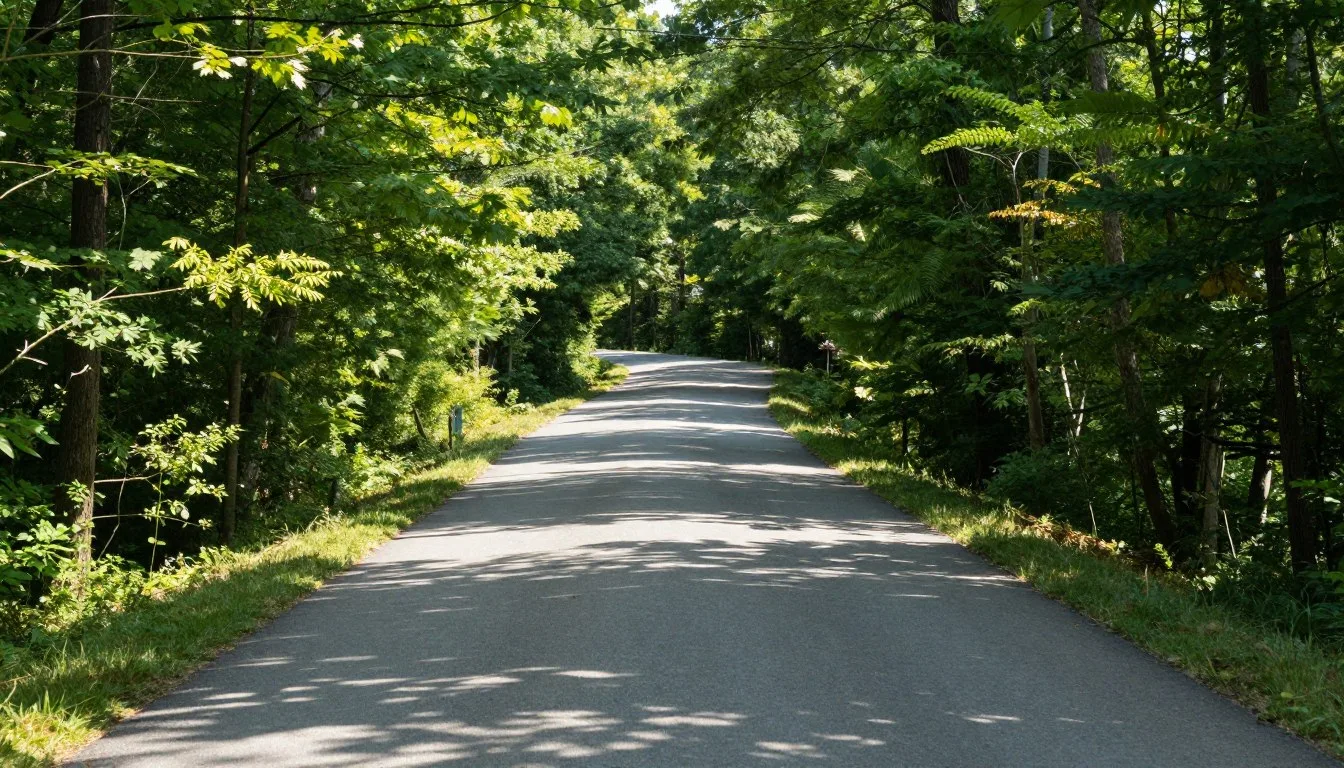
Dirt roads connect some remote areas. A standard sedan suffices during dry weather, but sport utility vehicles or trucks handle conditions better after rainfall.
Cell phone coverage remains spotty throughout the wilderness area. Download offline maps before departing. Paper maps provide essential backup navigation.
Where to Stay
Accommodation options range from primitive backcountry camping to comfortable lodges near the wilderness boundaries.
Camping in the Wilderness
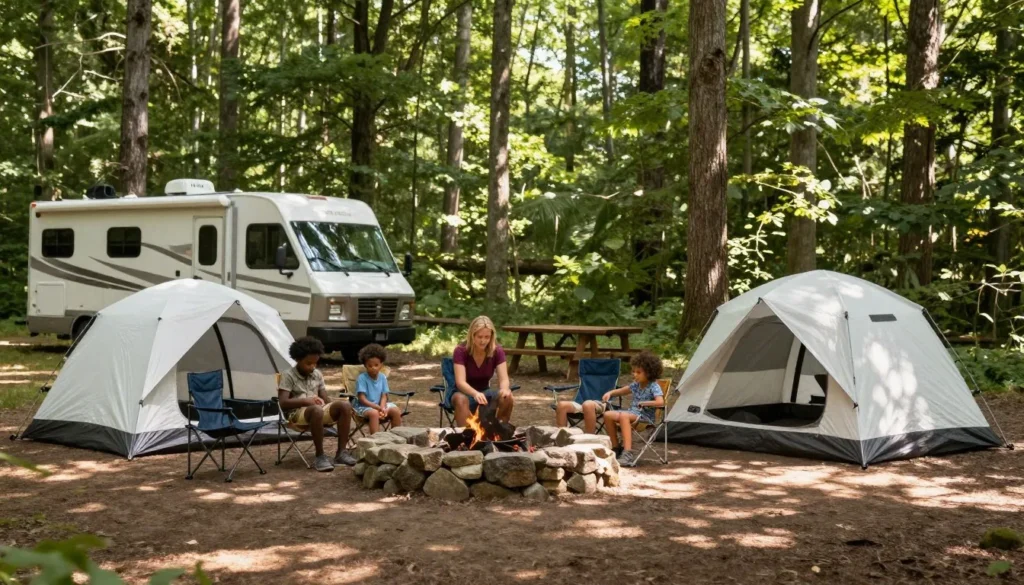
Backcountry camping within Bridgestone/Firestone Centennial Wilderness requires permits. Designated campsites exist along major hiking trails. Practice Leave No Trace principles throughout your stay.
Fall Creek Falls State Park offers developed campgrounds with amenities. Sites include electrical hookups, bathhouses, and easy trail access. Reservations fill months ahead for summer and fall weekends.
For camping reservations at Fall Creek Falls:
Lodges and Cabins
Fall Creek Falls Inn provides comfortable rooms with modern amenities. The lodge sits within the state park, offering convenient access to trails and the wilderness area.
Rental cabins scattered throughout Fall Creek Falls State Park sleep four to eight guests. Cabins feature full kitchens, fireplaces, and screened porches overlooking forested valleys.
Nearby Towns
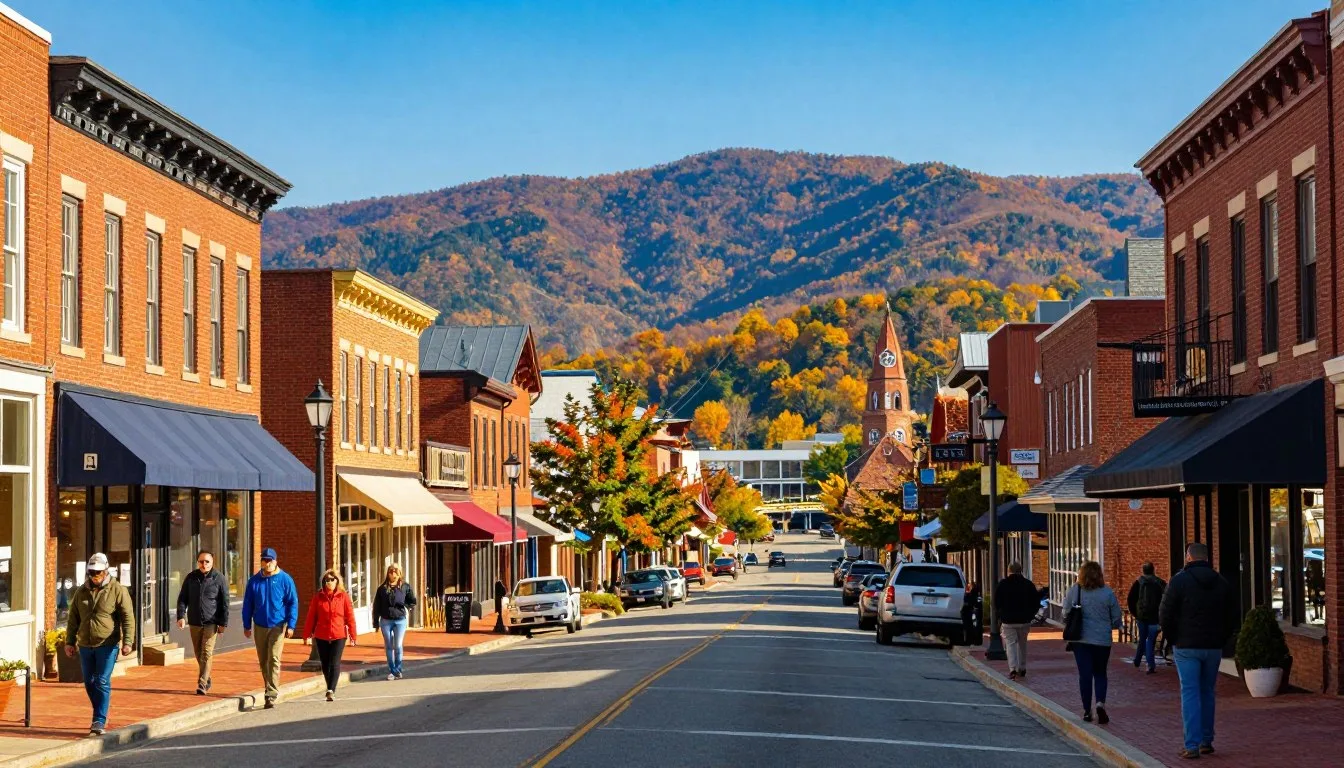
Pikeville, located 16 km (10 miles) from the wilderness, offers budget-friendly motels and bed-and-breakfast inns. Sparta provides additional lodging options approximately 32 km (20 miles) away.
McMinnville, situated 48 km (30 miles) northwest, features chain hotels and local inns with more amenities and dining options than smaller communities.
Dining and Local Cuisine
Dining options near the wilderness area showcase traditional Tennessee cuisine and Appalachian specialties. Plan accordingly, as restaurants operate with limited hours in small communities.
The Fall Creek Falls State Park restaurant serves hearty American fare including country-fried steak, catfish, and homemade pies. The dining room overlooks scenic valley views.
Sparta offers several local diners featuring Southern cooking. Expect generous portions of fried chicken, barbecue, cornbread, and fresh vegetables. Sweet tea flows freely at every establishment.
McMinnville provides more diverse options including Mexican, Italian, and Asian restaurants. The town’s downtown area features locally-owned cafes and bakeries.
Stock up on trail snacks and camping supplies in Sparta or McMinnville before entering the wilderness. No stores or restaurants operate within the natural area itself.
Local Specialty: Don’t miss trying Tennessee stack cake, a traditional Appalachian dessert made with thin layers of cake separated by apple butter. Several bakeries in the region still make this heritage recipe.
Attractions, Sightseeing and Activities
The Bridgestone/Firestone Centennial Wilderness State Natural Area Tennessee travel guide highlights extraordinary natural attractions and adventure activities throughout this protected landscape.
Hiking Trails
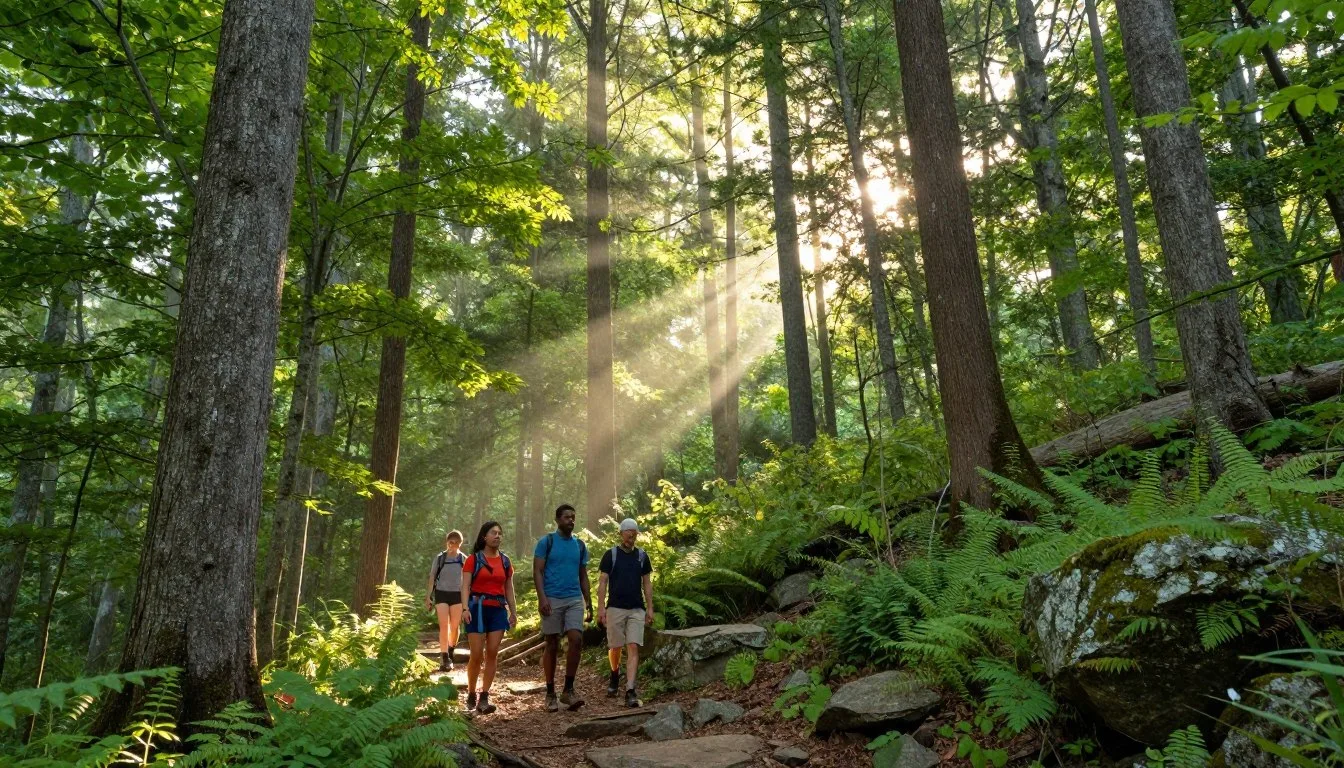
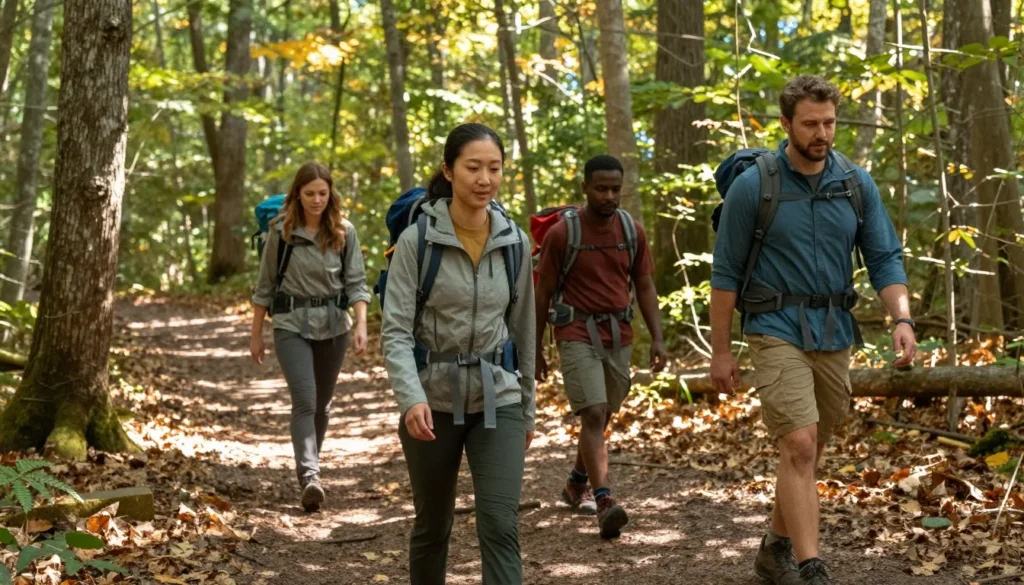
Over 40 km (25 miles) of hiking trails wind through the Firestone Centennial Wilderness. Trail difficulty ranges from easy nature walks to strenuous backcountry routes requiring advanced skills.
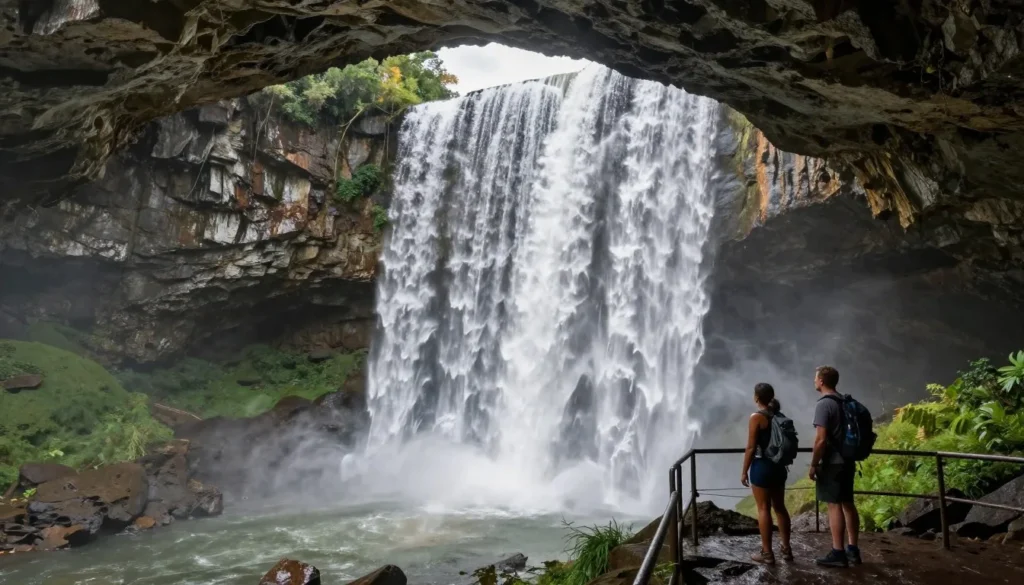
The Virgin Falls Trail ranks among Tennessee’s most spectacular hikes. This 13 km (8 mile) round-trip journey leads to a unique waterfall emerging from a cave, cascading 30 m (100 feet), then disappearing into another cave below.
Big Laurel Falls offers another rewarding destination. The trail covers roughly 10 km (6.2 miles) round-trip through old-growth forest to reach this impressive cascade.
Connector trails link the Firestone Centennial area with Fall Creek Falls State Park. Extended backpacking trips can cover multiple days exploring interconnected trail systems.
Waterfall Exploration
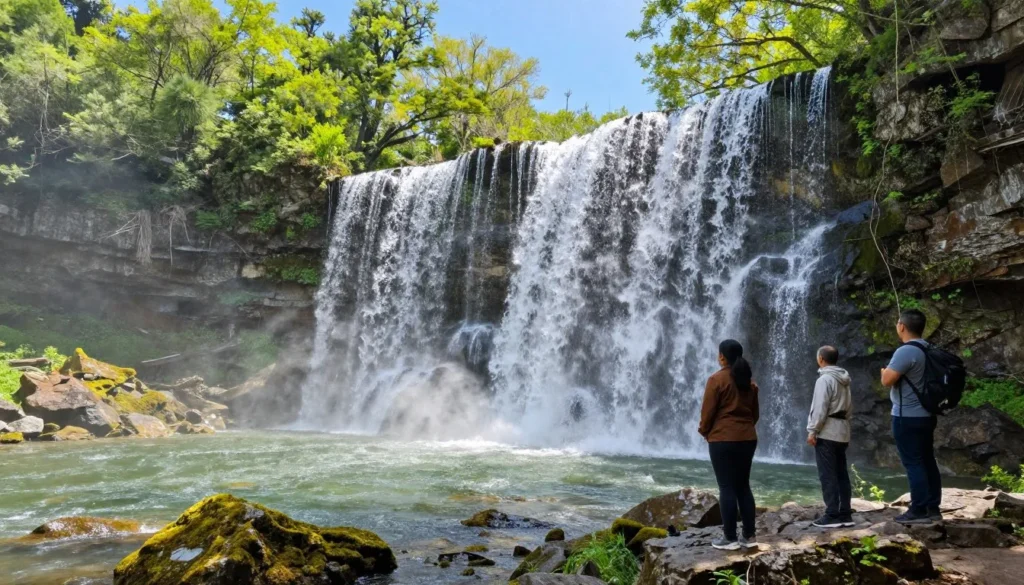
The region surrounding Firestone Centennial Wilderness contains dozens of waterfalls. Fall Creek Falls itself plunges 78 m (256 feet), making it one of the tallest waterfalls east of the Rocky Mountains.
Sheep Cave Falls presents another geological wonder where water flows from a cave opening high on a cliff face. The falls can be viewed from overlooks or reached via challenging trails.
Big Branch Falls rewards hikers with a series of cascades totaling over 30 m (100 feet). The trail requires moderate effort but delivers impressive views.
Wildlife Viewing
The wilderness area supports diverse wildlife populations. White-tailed deer appear frequently along trails during dawn and dusk hours. Wild turkeys forage in forested areas throughout the region.
Black bears inhabit the wilderness, though sightings remain relatively rare. Store food properly and maintain appropriate distance if encountering bears.
Birdwatchers can spot numerous species including pileated woodpeckers, barred owls, and various warbler species during spring migration. Bring binoculars for best viewing opportunities.
Museums, Cultural Spots and Festivals
While the wilderness area itself focuses on natural experiences, surrounding communities offer cultural attractions celebrating regional heritage.
The Appalachian Center for Craft in Smithville showcases traditional and contemporary crafts. Located about 48 km (30 miles) from the wilderness, the center features galleries, workshops, and artist studios.
White County Heritage Museum in Sparta preserves local history through exhibits covering pioneer life, Civil War history, and regional agriculture. Admission remains free, though donations support preservation efforts.
Rock Island State Park contains remnants of 19th-century industrial history. The Great Falls Dam and powerhouse ruins tell stories of early hydroelectric development along the Caney Fork River.
Several working grist mills operate in the region, grinding corn using water-powered millstones. Some mills offer demonstrations and sell stone-ground cornmeal and flour.
Nature and Outdoor Experiences
The Firestone Centennial Wilderness delivers authentic backcountry adventure for those seeking solitude and challenge in Tennessee’s rugged landscape.
Backpacking Adventures
Multi-day backpacking trips allow deep wilderness immersion. The Virgin Falls Trail system connects to longer routes covering over 32 km (20 miles). Primitive campsites provide overnight stopping points.
Plan for self-sufficiency when backpacking this area. Water sources exist but require purification. Weather changes rapidly on the Cumberland Plateau, so pack appropriate gear for all conditions.
Rock Climbing
The sandstone bluffs throughout the region attract rock climbers seeking traditional and sport climbing routes. Foster Falls, accessible from the wilderness area, offers numerous established climbs ranging from beginner to expert difficulty.
Climbing in this area requires experience with route-finding and anchor placement. Local climbing guides can provide instruction and access to the best routes.
Kayaking and Water Activities
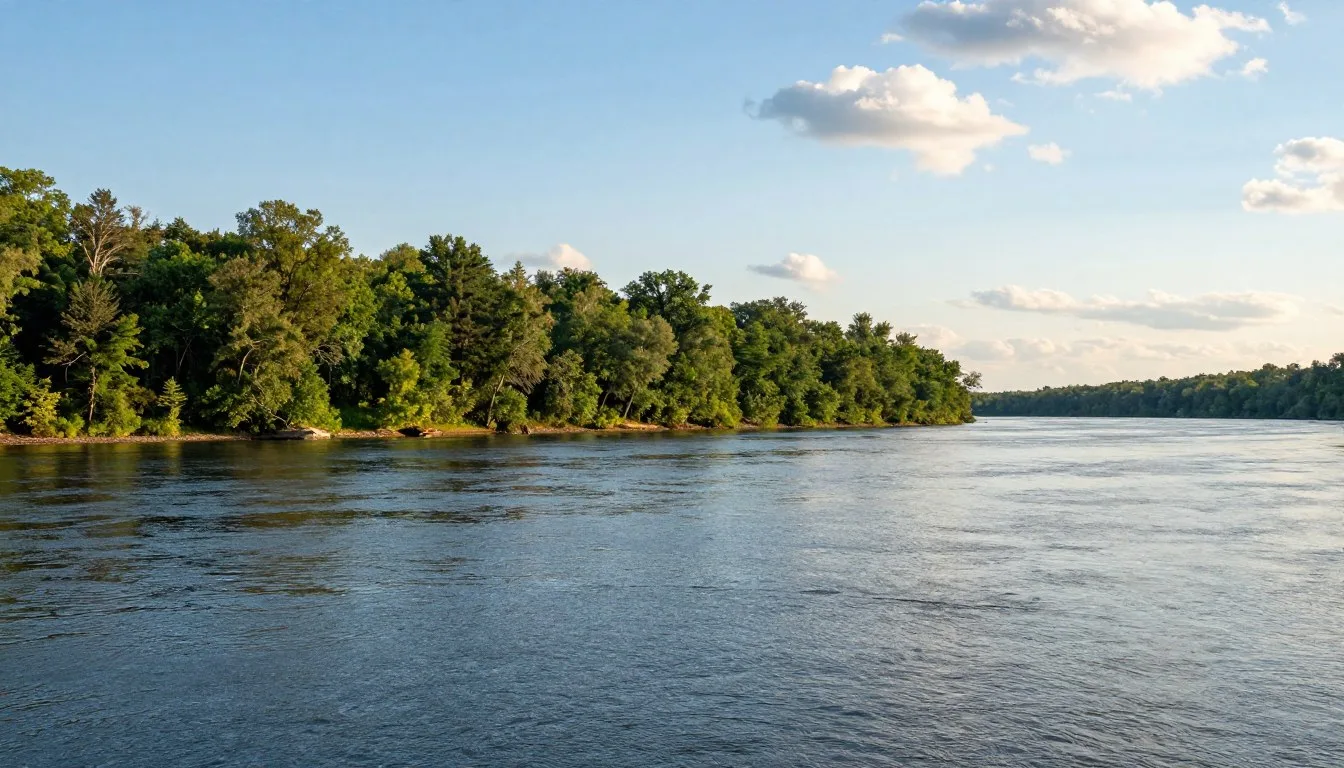
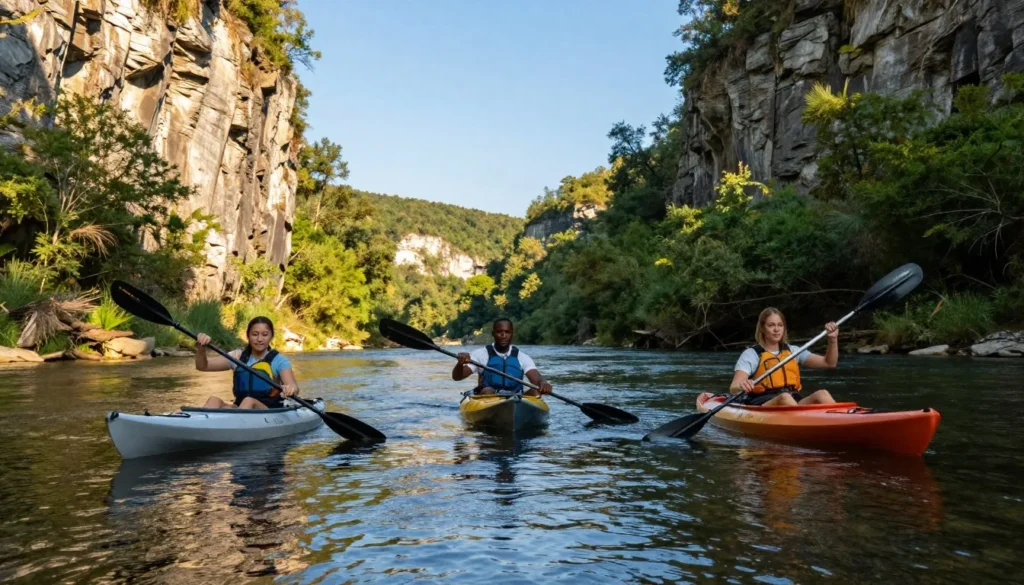
The Caney Fork River flows along the western boundary of the wilderness area. This scenic waterway provides excellent kayaking and canoeing opportunities through remote gorges.
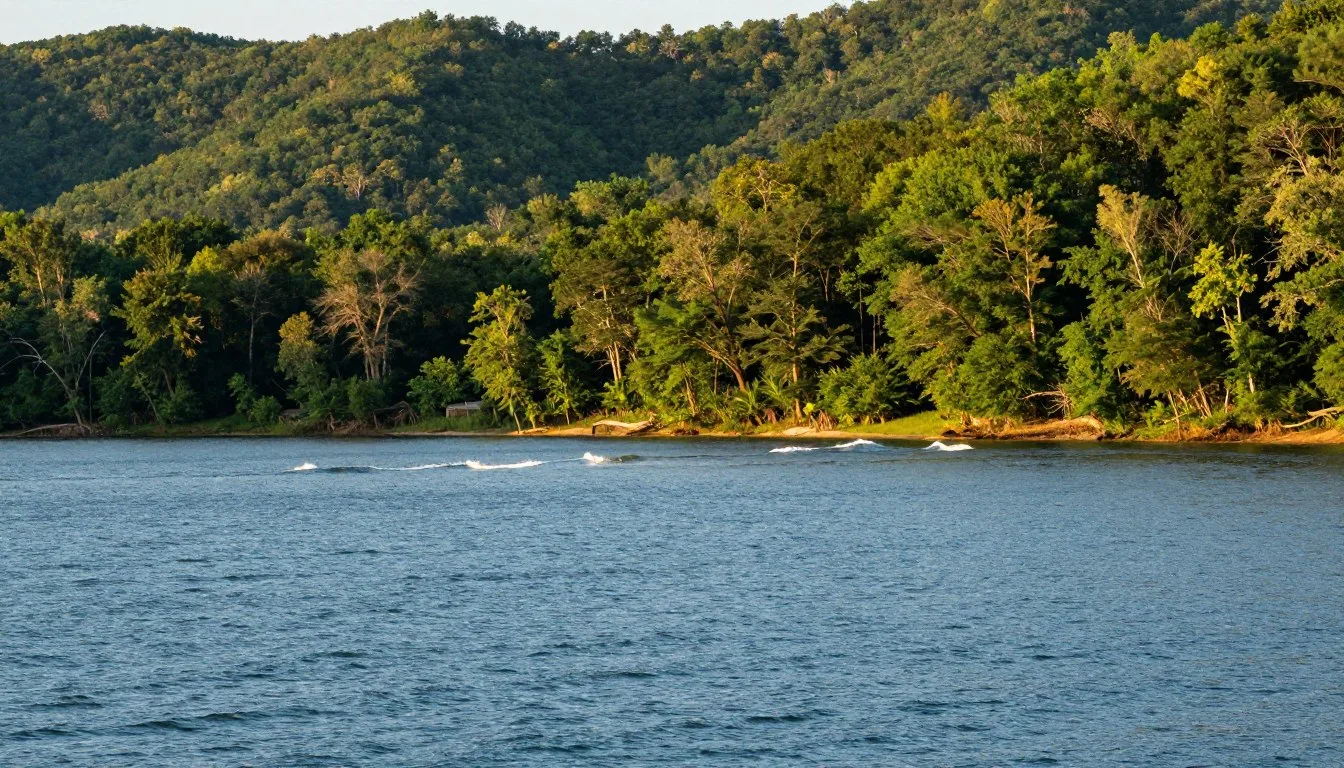
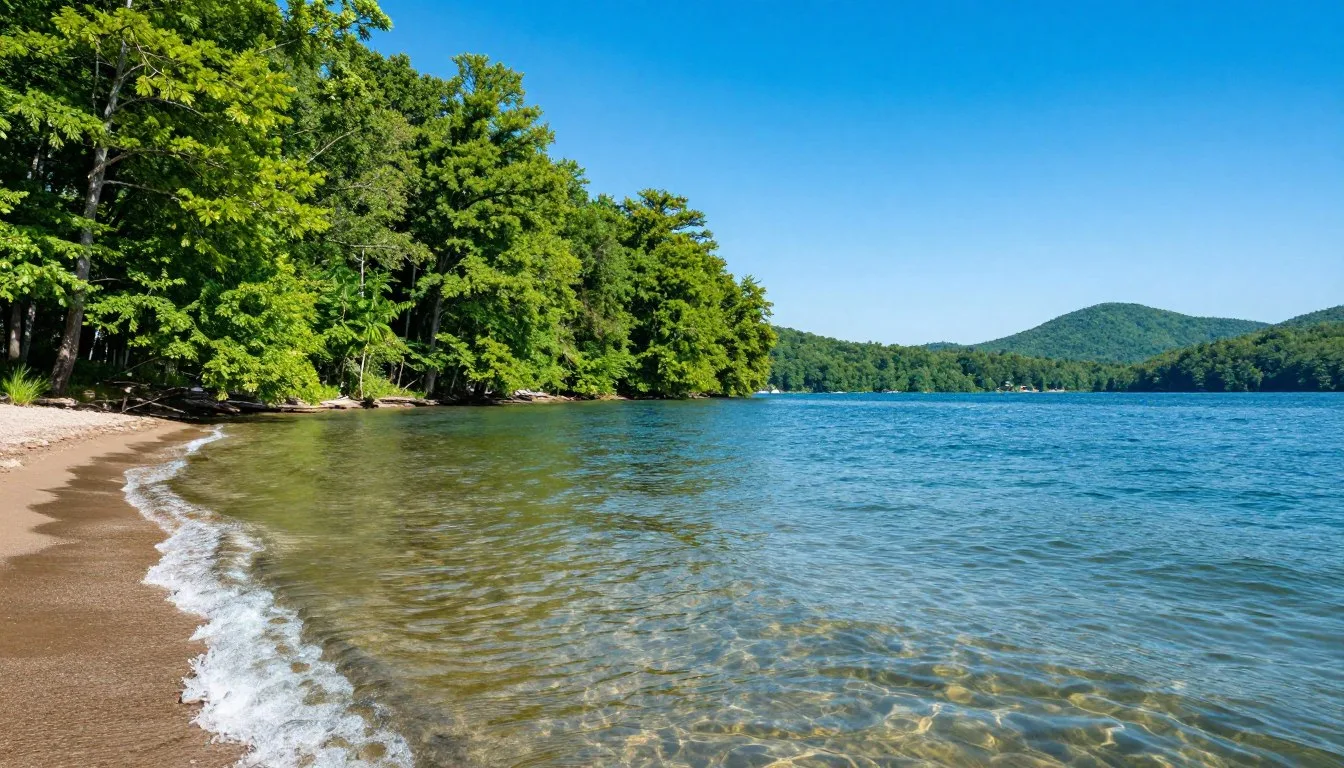
Center Hill Lake, created by damming the Caney Fork River, offers flatwater paddling and fishing. The reservoir covers approximately 7,487 hectares (18,500 acres) with over 435 km (270 miles) of shoreline.
Several outfitters in the region rent kayaks and provide shuttle services for river trips. Spring runoff creates the most exciting whitewater conditions, while summer offers gentler flows ideal for beginners.
Fishing Opportunities
Streams throughout the wilderness area support populations of rainbow and brown trout. Tennessee fishing licenses are required for all anglers over 13 years old.
Center Hill Lake offers bass, crappie, and walleye fishing. Bank fishing access exists at multiple locations around the reservoir.
Travel With Children
Family adventures in and around Firestone Centennial Wilderness require careful planning, but numerous activities suit younger explorers.
Fall Creek Falls State Park provides family-friendly hiking trails with shorter distances and easier terrain than wilderness routes. The Woodland Trail offers an easy 1.6 km (1 mile) loop perfect for small children.
The nature center at Fall Creek Falls features educational exhibits about regional ecology and wildlife. Rangers conduct programs during summer months covering topics from salamander identification to forest ecology.
Swimming areas at Fall Creek Falls State Park provide safe water recreation for families. Lifeguards staff the swimming beach during summer season.
Junior Ranger programs allow children to earn badges while learning about natural and cultural resources. Activity books guide young visitors through age-appropriate exploration.
Safety Reminder: Keep children close on trails near cliff edges and waterfalls. The combination of wet rocks and steep drop-offs creates serious hazards. Always maintain direct supervision near water features.
Money Saving Tips
Experiencing the Bridgestone/Firestone Centennial Wilderness doesn’t require a large budget. These strategies help minimize expenses while maximizing adventure.
Camping costs significantly less than hotel accommodations. Primitive backcountry camping in the wilderness area itself requires only a free permit. Developed campgrounds at Fall Creek Falls charge modest fees compared to lodging.
Pack meals and snacks from grocery stores in larger towns. Prices increase at small convenience stores near the parks. Coolers and camp stoves enable budget-friendly meal preparation.
Visit during shoulder seasons for lower accommodation rates and smaller crowds. April, May, September, and October offer excellent weather without peak summer pricing.
Tennessee State Parks pass programs provide value for frequent visitors. An annual pass covers parking fees at all state parks, paying for itself after several visits.
- Fill vehicles with fuel in larger towns where prices run lower
- Download free trail maps and guides rather than purchasing printed versions
- Bring reusable water bottles and purification systems instead of buying bottled water
- Share rental cabin costs by traveling with another family
- Take advantage of free ranger programs and guided hikes
Safety, Etiquette and Local Customs
Wilderness travel demands preparation and respect for both nature and other visitors. Following established guidelines ensures safe, enjoyable experiences for everyone.
Wilderness Safety
Always inform someone of your hiking plans including intended route and expected return time. Cell service remains unreliable throughout the wilderness area.
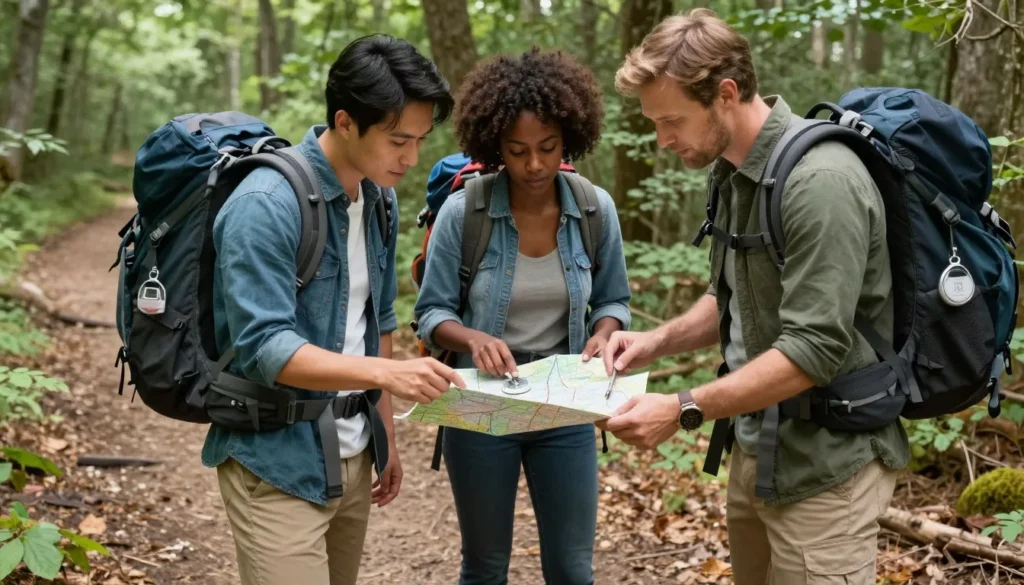
Carry the Ten Essentials for every hike: navigation tools, sun protection, insulation, illumination, first aid supplies, fire starter, repair kit, nutrition, hydration, and emergency shelter.
Weather changes rapidly in this region. Afternoon thunderstorms develop quickly during summer. Seek shelter immediately if lightning threatens. Avoid ridge tops and isolated trees during electrical storms.
Venomous snakes including copperheads and timber rattlesnakes inhabit the area. Watch where you place hands and feet. Give snakes space and they will retreat.
Leave No Trace Principles
Practice Leave No Trace ethics throughout your visit. Pack out all trash including food scraps and toilet paper. Use established campsites to minimize impact on vegetation.
Stay on marked trails to prevent erosion and protect fragile plant communities. Cutting switchbacks damages trails and accelerates erosion.
✓ Check 30,000+ Local Sightseeing Tours Worldwide
Keep noise levels moderate. Many visitors seek solitude and natural quiet in wilderness settings. Bluetooth speakers disrupt the experience for others.
Local Customs
Southern hospitality characterizes interactions throughout rural Tennessee. Friendly greetings on trails and in small towns reflect regional culture. A simple “hello” or “good morning” acknowledges fellow visitors.
Sunday mornings see many local restaurants closed or operating limited hours as residents attend church services. Plan meals accordingly.
Tipping standards follow national norms. Restaurant servers expect 15-20% for good service. Leave tips for housekeeping staff at hotels and cabins.
Visitor Comments About Bridgestone/Firestone Centennial Wilderness
“The Virgin Falls hike exceeded every expectation. Watching water emerge from one cave and disappear into another creates an almost surreal experience. The old-growth forest along the trail feels truly primeval. This ranks among the best wilderness hikes in the entire Southeast.”
“We spent three days backpacking through the Firestone Centennial area and barely saw another soul. The solitude and natural beauty reminded us why we love wilderness camping. Big Laurel Falls provided a spectacular lunch spot on our second day. Highly recommend for experienced backpackers seeking genuine adventure.”
“Our family stayed at Fall Creek Falls State Park and made several day hikes into the wilderness area. Even our teenagers put down their phones and engaged with nature. The park staff provided excellent guidance about which trails suited our abilities. We’re already planning our return visit.”
Additional Nearby Destinations
The region surrounding Bridgestone/Firestone Centennial Wilderness contains numerous worthy destinations for extended exploration.
Fall Creek Falls State Park
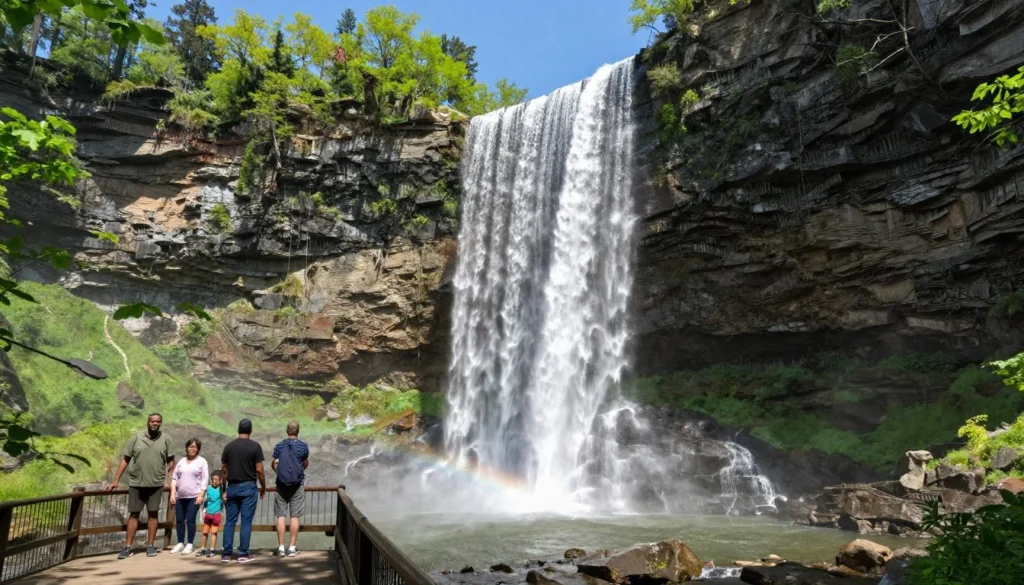
This adjacent state park serves as the gateway to Firestone Centennial Wilderness. Beyond trail access, the park offers its own spectacular waterfalls, scenic overlooks, and recreational amenities. The 256-foot Fall Creek Falls justifies a visit on its own merit.
Rock Island State Park
Located 40 km (25 miles) west of the wilderness area, Rock Island State Park features the beautiful Great Falls of the Caney Fork River. The park provides swimming areas, kayaking opportunities, and historic industrial sites worth exploring.
Savage Gulf State Natural Area
This wilderness tract lies 64 km (40 miles) southeast and offers equally rugged backcountry experiences. Stone Door, a massive crack in the plateau rim, provides dramatic views into the gulf below.
Burgess Falls State Park
A 48 km (30 mile) drive north leads to Burgess Falls State Park. An easy 2.4 km (1.5 mile) trail follows the Falling Water River past four waterfalls, culminating at the spectacular 130-foot Burgess Falls.
Cumberland Caverns
Located near McMinnville, these extensive caves offer guided tours through massive underground chambers. The Bluegrass Underground concert series hosts musical performances in a cave amphitheater.
Practical Travel Tips
These final considerations help ensure smooth travels throughout your Firestone Centennial Wilderness adventure.
What to Pack
- Sturdy hiking boots with ankle support and good tread
- Layers for variable weather including rain jacket
- Water purification tablets or filter system
- Headlamp with extra batteries
- Paper maps as backup to electronic navigation
- First aid kit with blister treatment supplies
- Insect repellent for tick and mosquito protection
- Bear bag or bear canister for food storage
Connectivity and Communication
Cell phone service remains unreliable throughout the wilderness area and surrounding parks. AT&T provides the most consistent coverage, though service still cuts out in valleys and remote areas.
Download offline maps before entering the region. Both Google Maps and specialized hiking apps offer offline capability. Paper maps remain the most reliable navigation tool.
Consider a personal locator beacon for emergency communication during extended backpacking trips. These satellite devices work regardless of cell coverage.
Permits and Regulations
Backcountry camping permits can be obtained at park offices or ranger stations. No fees apply for wilderness camping permits, though developed campground sites require payment.
Tennessee fishing licenses can be purchased online or at sporting goods stores. One-day, multi-day, and annual licenses accommodate various trip lengths.
Dogs are permitted on most trails if kept on leashes. Clean up after pets and pack out waste. Some sensitive areas prohibit pets entirely.
Medical Services
The nearest hospital, Ascension Saint Thomas Highlands Hospital, operates in Sparta approximately 32 km (20 miles) from the wilderness area. Emergency services can be reached by dialing 911 where cell service exists.
For non-emergency medical needs, urgent care facilities operate in Sparta and McMinnville. Stock personal first aid supplies adequate for treating minor injuries in the backcountry.
Currency and Payments
Most businesses in small towns accept cash and major credit cards. ATMs can be found in Sparta, McMinnville, and Pikeville, though fees may apply.
Bring adequate cash for entrance fees, camping fees, and purchases in areas with limited card processing. Small rural stores sometimes prefer cash transactions.
Your Wilderness Adventure Awaits
The Bridgestone/Firestone Centennial Wilderness State Natural Area stands as one of Tennessee’s premier destinations for authentic backcountry adventure. From thundering waterfalls to virgin forests, this landscape rewards those willing to venture beyond the crowds.
Whether you seek challenging multi-day treks or family-friendly day hikes, the wilderness delivers unforgettable experiences. The region surrounding Fall Creek Falls State Park and Rock Island State Park extends exploration opportunities for weeks of discovery.
Plan carefully, respect the wilderness, and embrace the adventure. This remarkable corner of Tennessee promises memories that endure long after you return home. The trails are calling.