Hotels by Trip.com
Flights by Trip.com
Hidden within the rugged Cumberland Plateau lies a natural treasure that fewer than 5,000 visitors discover each year. The Harry Lee Carter State Natural Area, named after Mr. and Mrs. Harry Lee Carter who donated this pristine land to Tennessee, protects one of the state’s most spectacular cave systems and old-growth forest ecosystems.
This natural area encompasses breathtaking rock formations, underground caverns, and diverse wildlife habitats. Whether you seek adventure on challenging trails or peaceful moments surrounded by nature, this guide reveals everything you need to plan an unforgettable journey to this remarkable destination.
Getting There & Planning Your Journey
Carter State Natural Area sits within Franklin County in south-central Tennessee, part of the larger South Cumberland State Park system. The natural area provides access through multiple entrance points along the Cumberland Plateau.
Closest Airports
Several major airports serve as gateways to the natural area. Nashville International Airport lies approximately 145 km (90 miles) northwest and offers the most flight options. Chattanooga Metropolitan Airport sits about 89 km (55 miles) southeast, providing a closer alternative with good rental car availability.
Huntsville International Airport in Alabama is located roughly 113 km (70 miles) south. Each airport connects to the natural area via Interstate highways and scenic state routes.
Driving Directions
From Nashville, take Interstate 24 southeast toward Chattanooga. Exit onto State Route 56 south near Tracy City. Follow local roads to the designated entrance points. The drive typically takes about two hours.
From Chattanooga, head northwest on Interstate 24, then take State Route 56 north. Clear signage marks the South Cumberland State Park system access points. Plan for approximately 90 minutes of driving time.
Best Time to Visit & Weather Tips
The Cumberland Plateau experiences four distinct seasons, each offering unique experiences at Carter State Natural Area. Understanding seasonal patterns helps you plan the perfect visit.
Best Time to Visit Carter State Natural Area
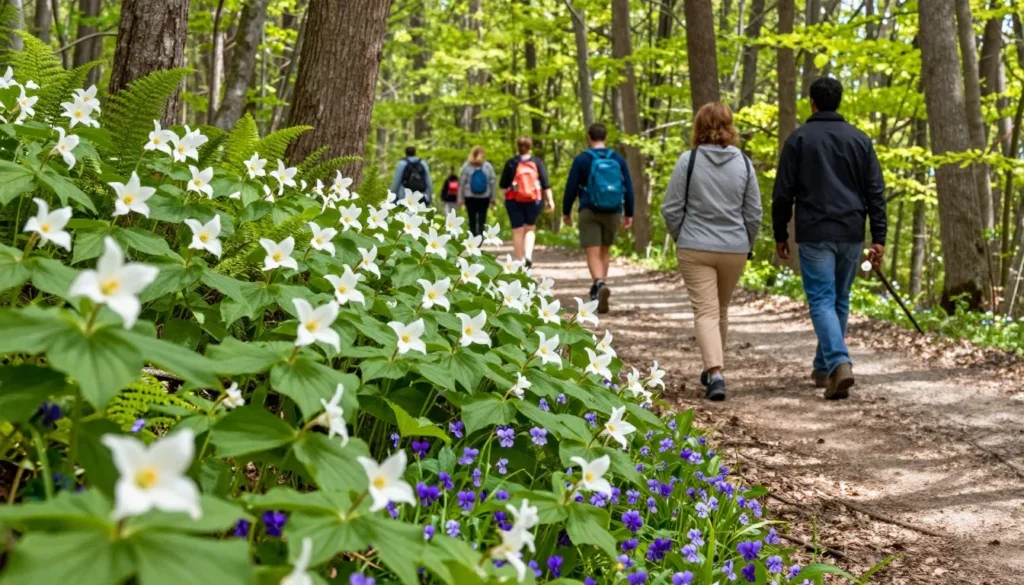
Spring months from April through May bring comfortable temperatures between 15°C and 24°C (59°F and 75°F). Wildflowers carpet the forest floor, and waterfalls flow at their most impressive volumes. This represents the ideal time for hiking and cave exploration.
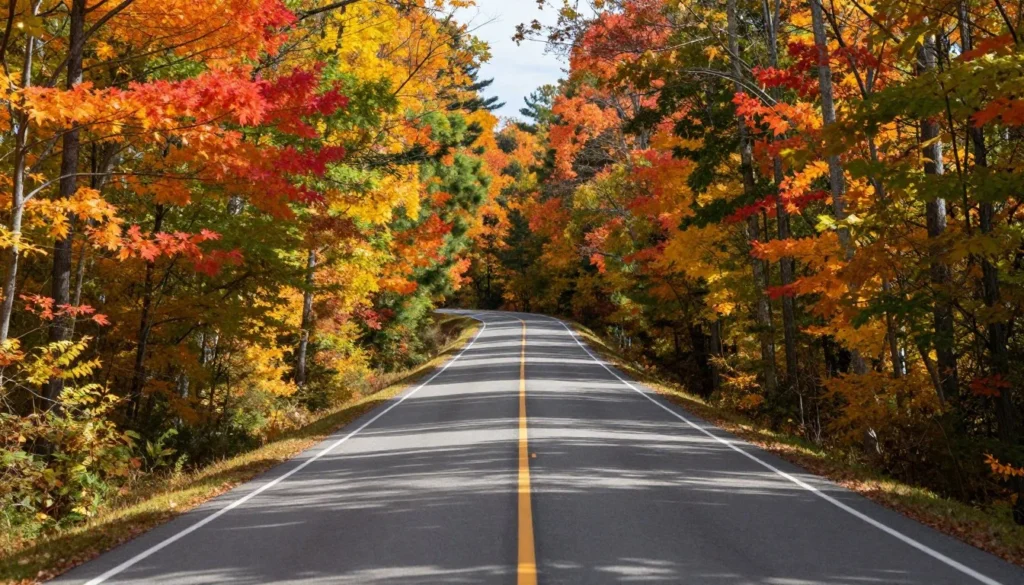
Fall from September through November offers spectacular foliage displays. Temperatures range from 13°C to 22°C (55°F to 72°F). The crisp air and vibrant colors create perfect conditions for outdoor activities and photography.
Seasons to Approach with Caution
Summer months from June through August bring high humidity and temperatures reaching 29°C to 32°C (85°F to 90°F). Afternoon thunderstorms occur frequently. Winter from December through February sees temperatures drop to -4°C to 7°C (25°F to 45°F), with occasional ice making trails treacherous.
Notable Annual Festivals
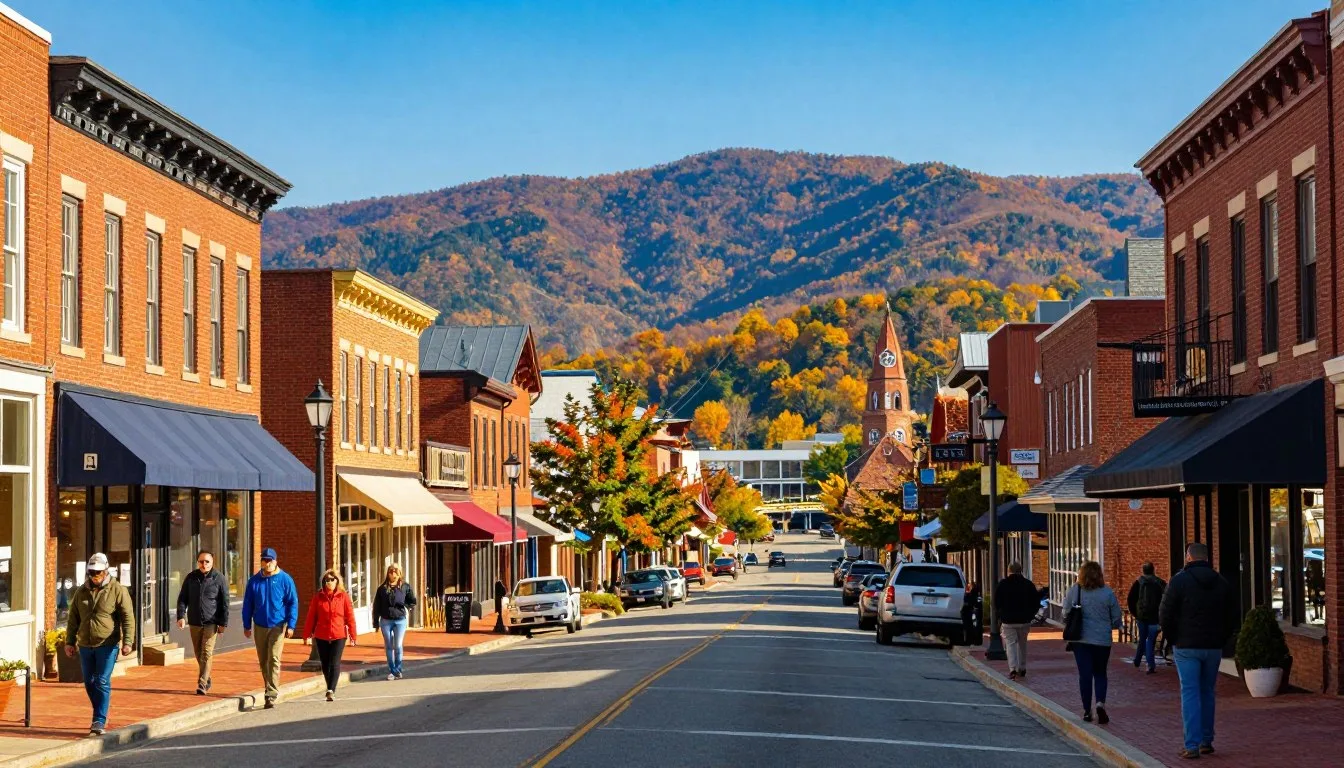
The South Cumberland Plateau hosts several regional celebrations throughout the year. The Tracy City Fall Festival occurs each October, celebrating Appalachian heritage with local crafts, music, and traditional foods.
Grundy County Heritage Days take place in September, featuring historic demonstrations and mountain culture. The Sewanee Mountain Mushroom Festival in May attracts nature enthusiasts for guided foraging walks and educational programs about the region’s fungi.
Check 30,000+ Local Sightseeing Tours Worldwide
✓ Numerous languages and currencies are available
Getting Around Locally
Personal vehicles provide the most practical transportation for exploring Carter State Natural Area and the surrounding South Cumberland region. Public transportation options remain extremely limited in this rural area.
The natural area itself requires hiking to access most features. Well-maintained trail systems connect various points of interest. A personal vehicle allows flexibility to visit multiple trailheads and nearby attractions within the state park system.
Rental cars are available at all nearby airports. Four-wheel drive vehicles offer advantages during wet conditions, though standard vehicles suffice during dry weather. Some remote access points may require high-clearance vehicles.
Plan for limited cell phone coverage in remote areas. Download offline maps before your visit. GPS devices work reliably throughout the region. Distances between services can span many miles, so maintain adequate fuel levels.
Where to Stay
Accommodation options near Carter State Natural Area range from rustic camping to comfortable inns. The closest lodging sits within a 32 km (20 mile) radius of the natural area entrance points.
Camping Options
Savage Gulf State Natural Area, part of the South Cumberland State Park system, offers developed campgrounds approximately 16 km (10 miles) from Carter State Natural Area. Sites include picnic tables, fire rings, and access to restroom facilities. Primitive backcountry camping requires permits available through park headquarters.
Nearby Towns
Tracy City, located 19 km (12 miles) away, provides several bed and breakfast establishments in historic homes. Monteagle offers chain hotels along Interstate 24, about 24 km (15 miles) from the natural area. These options include amenities like restaurants, gas stations, and grocery stores.
Sewanee, home to the University of the South, sits 29 km (18 miles) from the natural area. This charming town features inn accommodations, vacation rentals, and easy access to dining and supplies.
Cabin Rentals
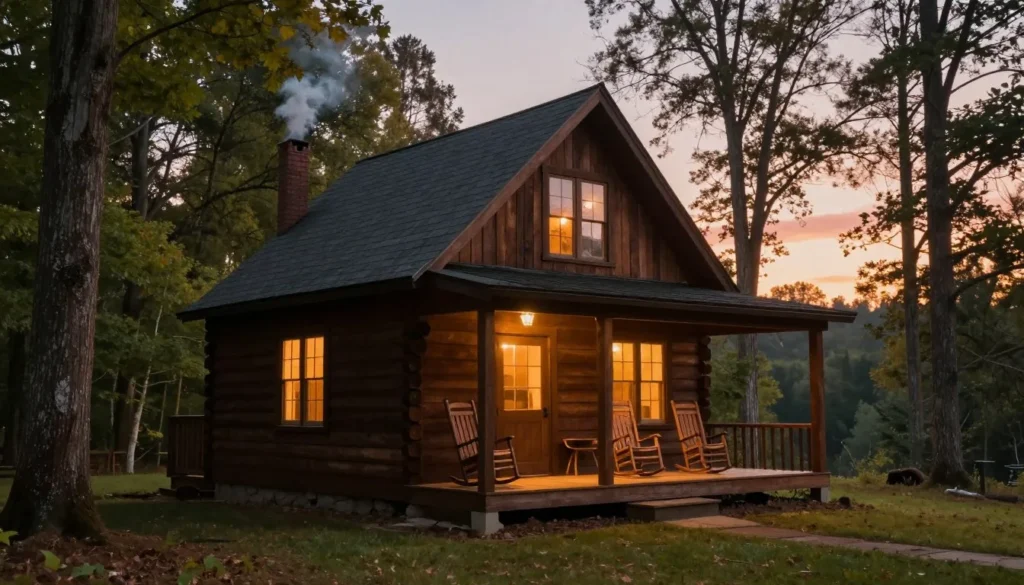
Private cabin rentals scattered throughout Franklin County provide secluded experiences. These properties often feature full kitchens, fireplaces, and proximity to trailheads. Advance reservations are strongly recommended, especially during peak fall foliage season.
Dining & Local Cuisine
The Cumberland Plateau region offers hearty Southern cuisine with Appalachian influences. Dining options reflect the area’s rural character, with most restaurants located in nearby towns rather than within the natural area itself.

Tracy City features several local favorites serving home-style cooking. Traditional dishes include fried chicken, country ham, biscuits with gravy, and seasonal vegetables. The Dutch Maid Bakery, a regional institution, offers fresh-baked goods and hearty breakfast options.
Monteagle provides a broader selection of restaurants along the interstate corridor. Options range from fast food to sit-down establishments serving steak, seafood, and regional specialties. Several cafes offer pack-and-go lunches ideal for day hikes.
Local Specialties
Appalachian cuisine emphasizes locally sourced ingredients and traditional preparation methods. Look for dishes featuring ramps (wild leeks), blackberry cobbler, and cornbread variations. Fall brings fresh apple cider and apple butter from nearby orchards.
Many visitors pack their own meals for convenience. Grocery stores in Monteagle and Tracy City stock picnic supplies, snacks, and beverages. No food services operate within Carter State Natural Area itself, so plan accordingly.
Attractions, Sightseeing & Activities
Carter State Natural Area protects approximately 155 hectares (384 acres) of pristine wilderness within the South Cumberland State Park system. The natural area showcases dramatic geological features formed over millions of years.
Cave Systems
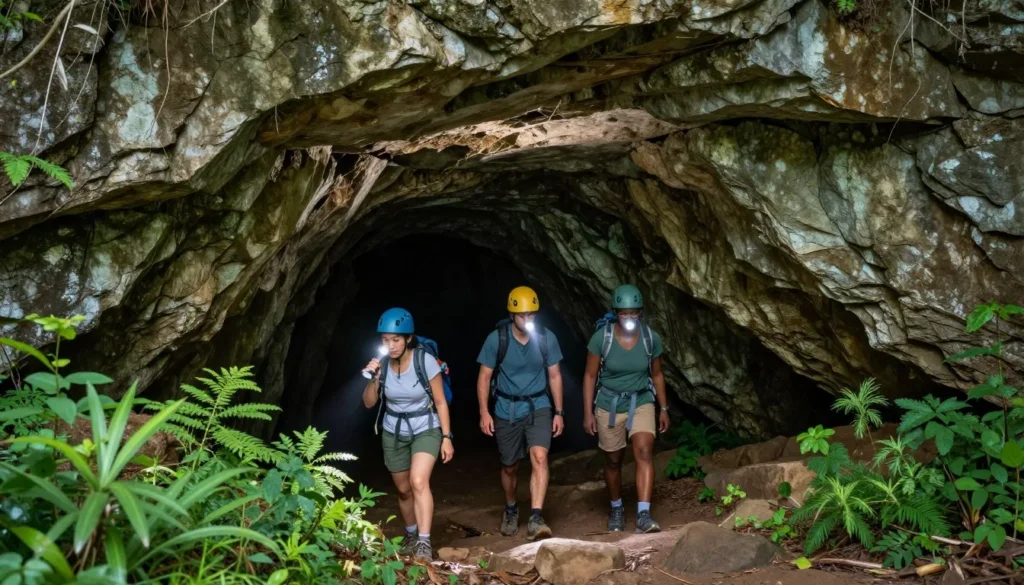
The area’s most remarkable feature includes extensive cave formations. Carter Cave extends deep into the limestone bedrock, creating chambers decorated with stalactites, stalagmites, and unique rock formations. Cave exploration requires proper equipment, experience, and caution.
Safety considerations include appropriate lighting, sturdy footwear, and awareness of slippery conditions. Some cave sections require crawling through tight passages. Never enter caves alone, and always inform someone of your plans.
Trail System
Multiple trail options accommodate various skill levels. The Lost Cove Cave Trail, approximately 3.2 km (2 miles) round trip, leads to impressive cave openings and rock shelters. This moderate trail descends into a gorge system with elevation changes of about 152 m (500 feet).
The Connector Trail links Carter State Natural Area to other sections of the South Cumberland State Park. This challenging route spans several miles through rugged terrain. Experienced hikers appreciate the solitude and pristine wilderness character.
Rock Formations
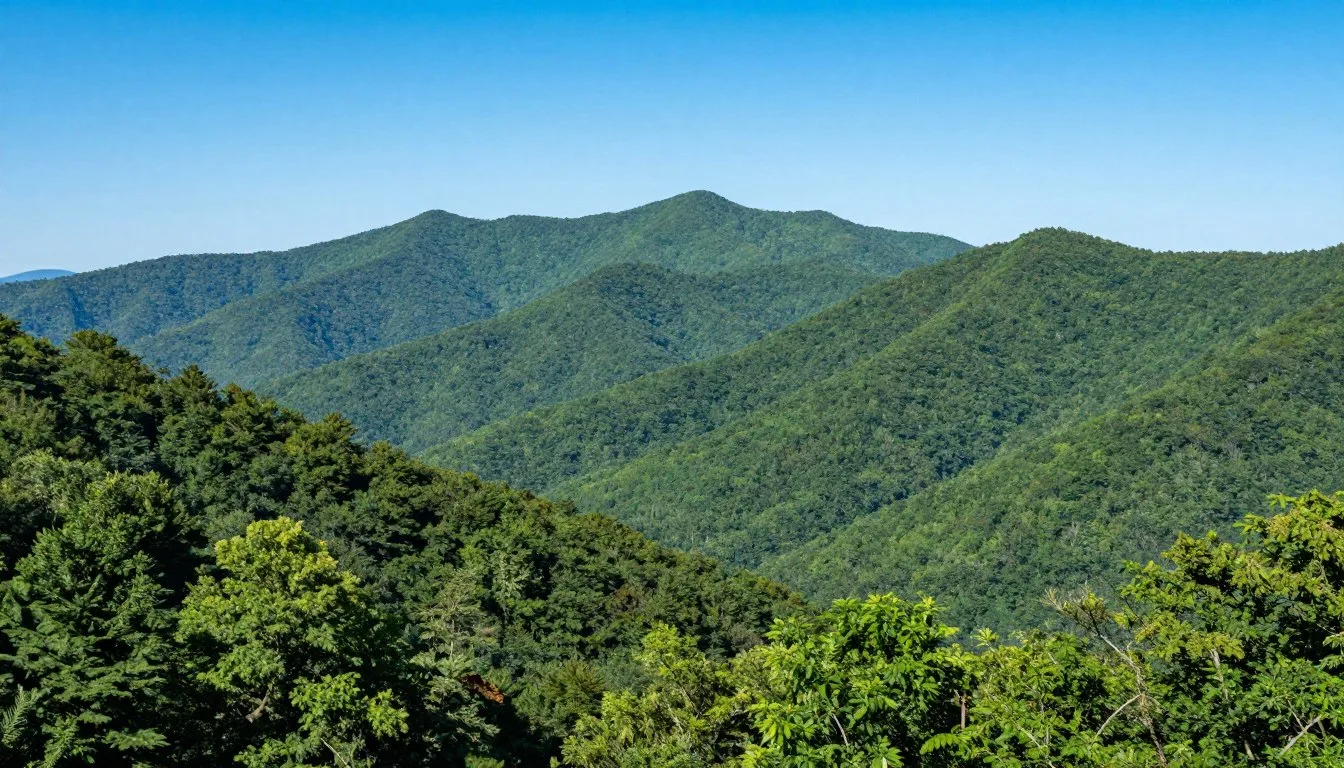
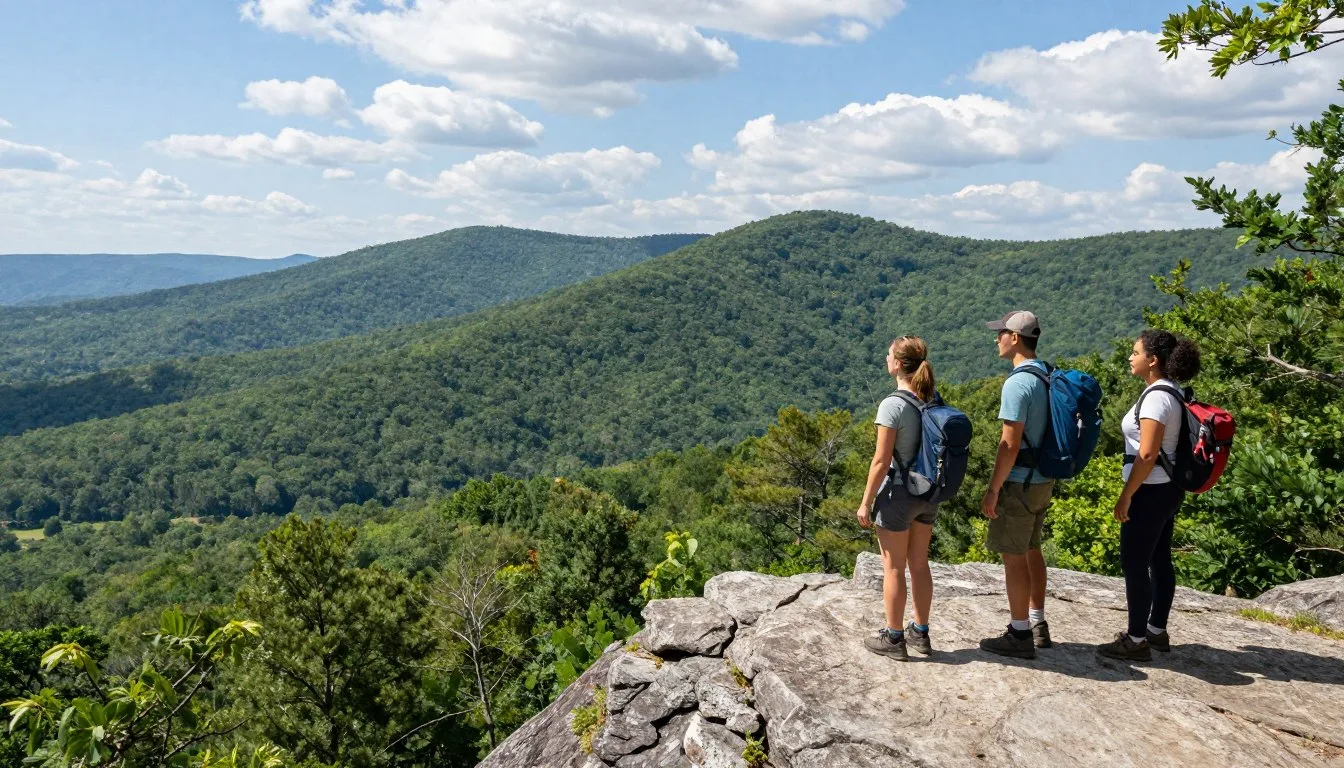
Massive sandstone bluffs tower above the trail system. These formations display layers of geological history spanning hundreds of millions of years. Observation points offer spectacular views across forested valleys and distant ridgelines.
Museums, Cultural Spots & Festivals
While Carter State Natural Area focuses on natural preservation, the surrounding region offers cultural attractions that complement outdoor experiences. These sites provide context about the area’s human and natural history.
The South Cumberland State Park Visitor Center in Monteagle features interpretive exhibits about plateau ecology, geology, and cultural heritage. Park rangers offer educational programs about the unique ecosystems protected within the state park system.
Nearby Sewanee houses the University of the South, where the cultural calendar includes concerts, lectures, and art exhibitions open to the public. The university’s historic architecture and beautiful campus grounds welcome visitors year-round.
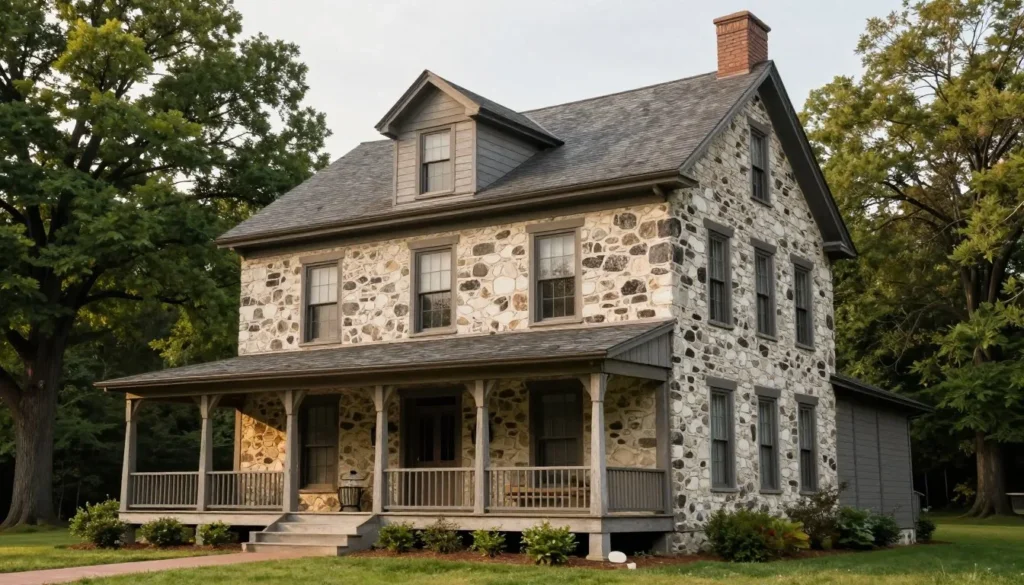
Tracy City’s historic downtown preserves buildings from the coal mining era. Self-guided walking tours reveal the town’s industrial heritage. Local artisans maintain studios selling handcrafted pottery, woodwork, and traditional mountain crafts.
The Grundy County Historical Society maintains archives and exhibits documenting pioneer settlement and mountain culture. Seasonal events celebrate traditional music, storytelling, and craft demonstrations preserving Appalachian heritage.
Nature & Outdoor Experiences
The natural area provides exceptional opportunities for wilderness experiences. The Cumberland Plateau ecosystem supports diverse plant and animal communities rarely found elsewhere in Tennessee.
Wildlife Watching
White-tailed deer, wild turkey, and numerous songbird species inhabit the forest. Patient observers may spot barred owls, pileated woodpeckers, and red-tailed hawks. Spring and fall migrations bring additional bird species through the area.
The cave systems provide critical habitat for several bat species, including endangered populations. Visitors should avoid disturbing roosting bats and respect seasonal cave closures designed to protect these vulnerable animals.
Photography Opportunities
Dramatic landscape features create stunning photographic subjects throughout all seasons. Rock formations, cave entrances, and forest vistas offer endless compositional possibilities. Early morning and late afternoon lighting enhances the natural beauty.
Seasonal Natural Events
Spring brings spectacular wildflower displays, including trilliums, violets, and bloodroot carpeting the forest floor. Fall foliage typically peaks in mid-October, when mixed hardwood forests display brilliant reds, oranges, and yellows.
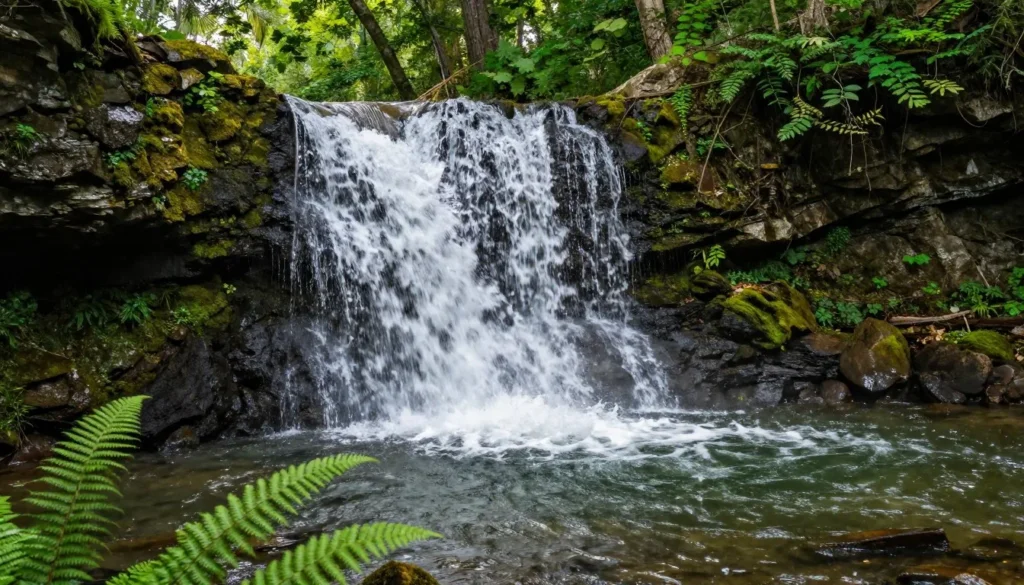
Winter reveals geological features obscured by summer vegetation. Ice formations along rock faces and frozen waterfalls create otherworldly landscapes. Snow occasionally blankets the plateau, transforming familiar trails into winter wonderlands.
Travel With Children
Carter State Natural Area offers family-friendly exploration opportunities with proper planning and realistic expectations. The rugged terrain requires consideration of children’s ages, abilities, and interests.
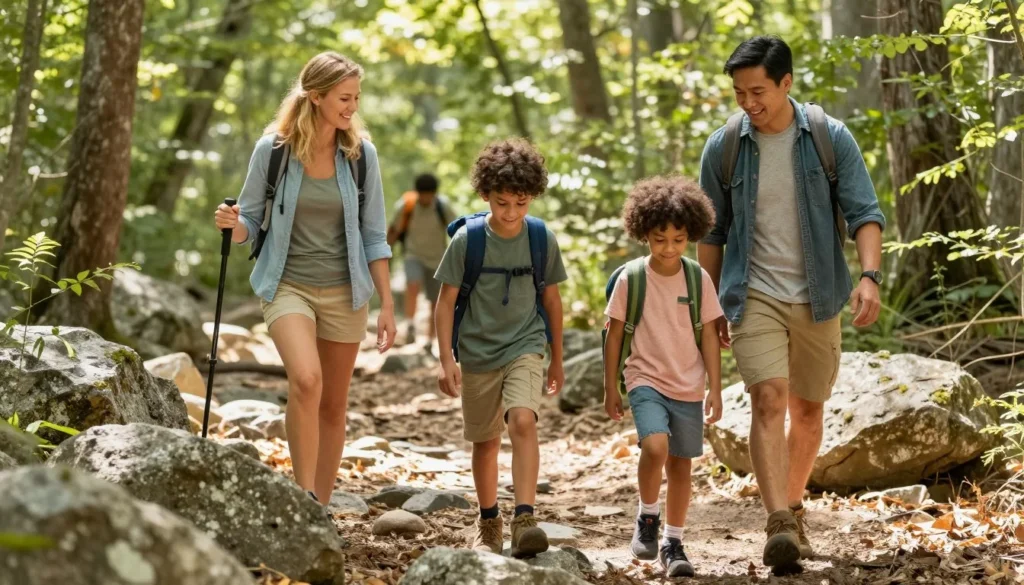
Shorter trail sections near parking areas provide easier access for young children. The initial portions of main trails offer forest exploration without committing to strenuous full-length hikes. Turn around whenever children show fatigue or lose interest.
Cave exploration fascinates many children, but safety remains paramount. Adult supervision is absolutely essential. Equip everyone with proper lighting, and choose only easily accessible cave entrances. Never allow children to wander independently in cave environments.
Essential Preparations
Pack extra water, snacks, and layers of clothing for temperature changes. Bring basic first aid supplies, including bandages and insect repellent. Cell phone coverage is unreliable, so plan for self-sufficiency.
Explain trail etiquette and wilderness safety before starting your adventure. Teach children to stay on marked paths, respect wildlife from a distance, and carry out all trash. Make the experience educational by identifying plants, rocks, and animal signs together.
Money Saving Tips
Visiting Carter State Natural Area offers exceptional value compared to many tourist destinations. Strategic planning maximizes experiences while minimizing expenses.
No entrance fees apply to Tennessee state natural areas, providing free access to hiking trails, cave systems, and natural features. This represents significant savings compared to national parks and commercial attractions.
Accommodation Savings
Camping at nearby South Cumberland State Park facilities costs significantly less than hotel rooms. Sites typically range from $15 to $25 per night. Primitive camping options reduce expenses even further for equipped backpackers.
Booking accommodations during weekdays rather than weekends often yields lower rates. Shoulder seasons in early spring and late fall offer reduced lodging prices with fewer crowds.
Food and Supplies
Packing picnic lunches eliminates restaurant expenses during day trips. Local grocery stores offer better prices than convenience stores along interstate routes. Bringing water bottles for refilling avoids purchasing bottled beverages.
Many nearby towns feature farmer’s markets during growing season, providing fresh local produce at reasonable prices. These markets also offer homemade baked goods and preserves less expensive than commercial alternatives.
Fuel Considerations
Fill your gas tank in larger towns before heading into rural areas. Gas stations near interstate exits typically charge less than isolated rural stations. Planning efficient routes between multiple sites within the South Cumberland State Park system minimizes driving distances.
Safety & Local Customs
The Cumberland Plateau region maintains traditional Southern hospitality and rural customs. Visitors generally find friendly, helpful locals willing to provide directions or recommendations.
Respect private property boundaries clearly marked with signs or fencing. Much land adjacent to state natural areas remains privately owned. Stay on designated trails and public access points to avoid trespassing.
Wilderness Safety
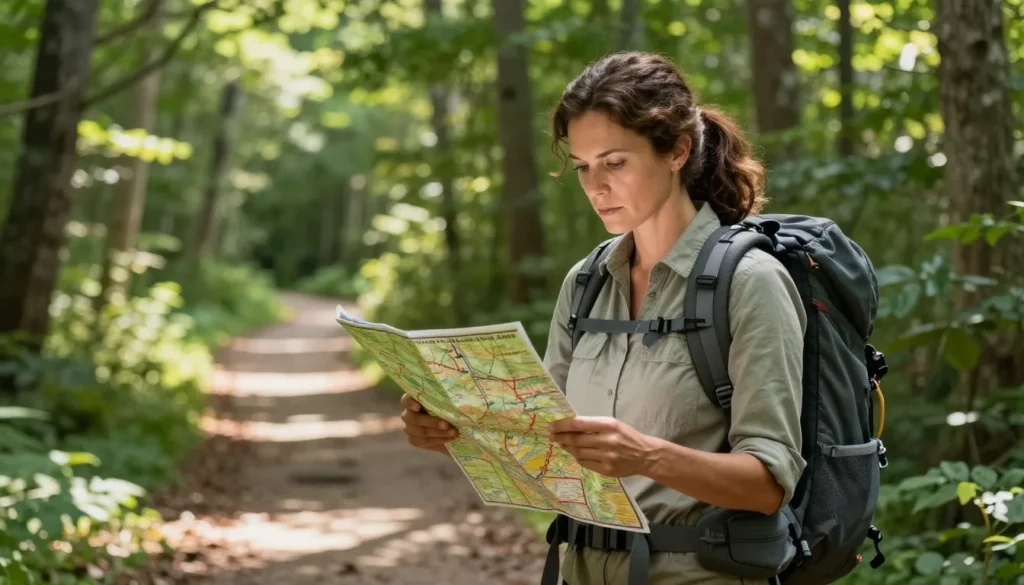
Inform someone of your hiking plans, including expected return time. Carry adequate water, typically 2 liters per person for day hikes. Weather can change rapidly on the plateau, bringing sudden thunderstorms or temperature drops.
Wear sturdy hiking boots with good ankle support and traction. Trails include rocky, uneven terrain with significant elevation changes. Walking sticks help navigate steep sections and improve balance on challenging ground.
Venomous snakes including copperheads and timber rattlesnakes inhabit the area. Watch where you place hands and feet, especially near rock outcroppings. Give snakes wide berth if encountered and never attempt to handle them.
Leave No Trace Principles
Pack out everything you pack in, including food wrappers and toilet paper. Stay on established trails to prevent erosion and protect fragile plant communities. Avoid creating shortcuts that damage vegetation and soil.
Cave ecosystems are extremely fragile. Never touch cave formations, as oils from human skin halt their growth. Avoid disturbing bats or other cave-dwelling creatures. Some caves may have seasonal closures to protect wildlife.
Visitor Comments About Carter State Natural Area
“The cave systems here are absolutely incredible. We spent hours exploring the rock formations and were amazed by the pristine wilderness. The trails are challenging but so rewarding. This place truly feels undiscovered compared to more crowded parks.”
— S.G., Halifax
“Our family had an unforgettable experience hiking through the old-growth forest. The kids loved exploring the cave entrances, and we saw so much wildlife. It’s refreshing to find a natural area that hasn’t been overdeveloped. We’re already planning our return trip.”
— C.P., Perth
“I’ve hiked throughout Tennessee, and Carter State Natural Area ranks among the best. The combination of caves, rock formations, and stunning views is unmatched. The solitude here is a welcome change from busier trails. Highly recommend for serious hikers.”
— D.R., Rockville
Additional Nearby Destinations
Carter State Natural Area forms part of the extensive South Cumberland State Park system, which protects over 12,140 hectares (30,000 acres) across the Cumberland Plateau. Exploring adjacent sections enriches your visit to the region.
Savage Gulf State Natural Area, the largest unit within the system, lies approximately 16 km (10 miles) away. This destination features over 88 km (55 miles) of trails winding through gorges, past waterfalls, and along scenic overlooks. Popular routes include the Stone Door Trail and Greeter Falls.
Foster Falls, about 32 km (20 miles) from Carter State Natural Area, showcases a stunning 18 m (60 foot) waterfall. The site offers rappelling opportunities for experienced climbers and swimming areas during warmer months. Shorter trails make this accessible for various ability levels.
Fiery Gizzard Trail, considered one of Tennessee’s most beautiful hikes, begins near Tracy City. This challenging 21 km (13 mile) trail traverses the Fiery Gizzard Creek gorge with numerous waterfalls, bluff views, and diverse ecosystems.
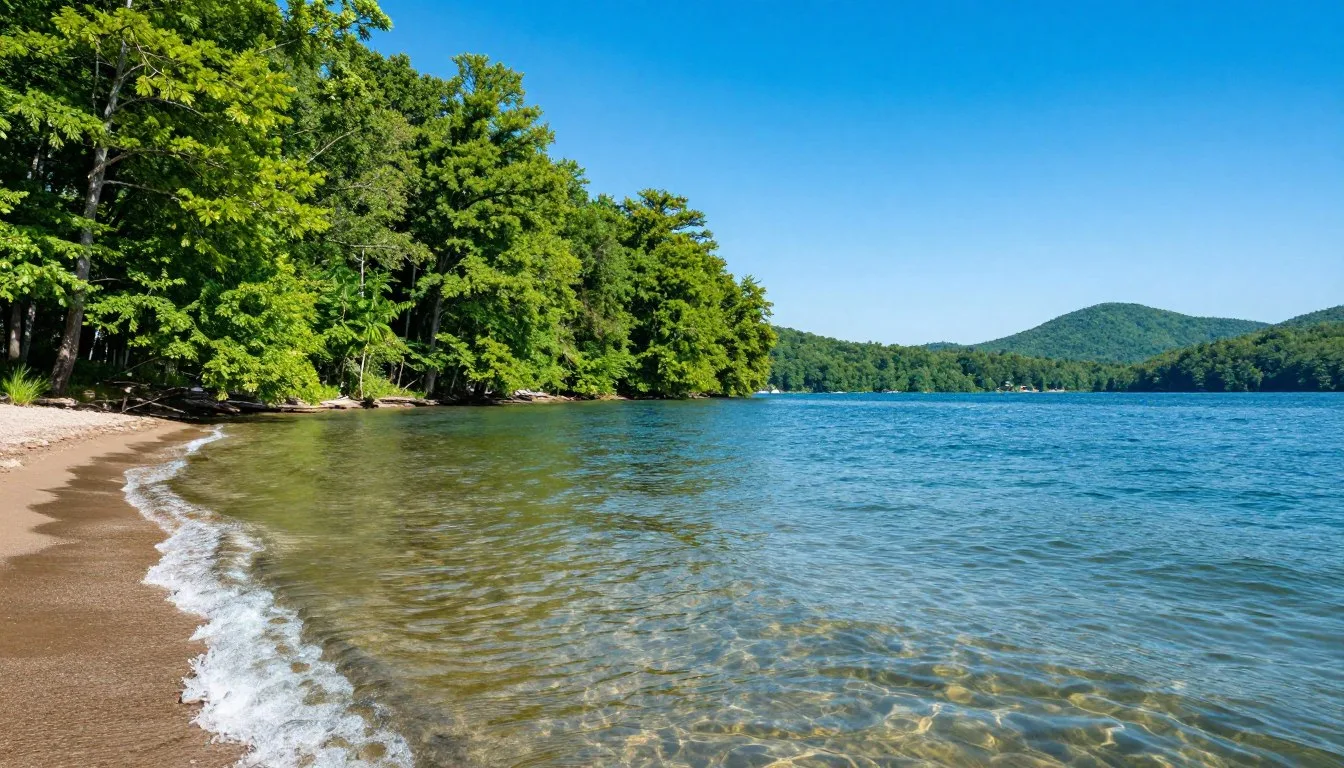
Grundy Lakes State Park preserves historical mining sites and offers swimming beaches, fishing, and easy hiking trails. This family-friendly destination provides a pleasant contrast to more rugged natural areas.
Practical Travel Tips
Successful visits to Carter State Natural Area require advance preparation and realistic planning. Remote wilderness settings demand self-sufficiency and careful attention to details.
What to Bring
- Topographic maps and compass or GPS device with downloaded offline maps
- Headlamp or flashlight with extra batteries for cave exploration
- Layered clothing suitable for changing weather conditions
- First aid kit including blister treatment and pain relievers
- Emergency whistle and fire-starting materials
- Insect repellent during warm months when ticks and mosquitoes are active
Trail Etiquette
Yield to uphill hikers when meeting on narrow trails. Keep noise levels moderate to preserve wilderness character for others. Dogs must remain on leash where permitted and owners must pack out all waste.
Best Photography Times
Golden hour lighting occurs approximately one hour after sunrise and one hour before sunset. These times provide warm, directional light ideal for landscape photography. Overcast days work well for forest and waterfall photography by reducing harsh shadows.
Cell Phone and Communication
Expect no cell phone service throughout most of the natural area. Download maps, directions, and important information before leaving areas with reliable coverage. Consider carrying a personal locator beacon for emergency situations during solo trips.
Physical Preparation
Trails involve significant elevation changes and rocky terrain. Build fitness through regular walking or hiking in the weeks before your visit. Break in new hiking boots before attempting longer trails to prevent blisters.
Your Cumberland Plateau Adventure Awaits
Carter State Natural Area stands as one of Tennessee’s most remarkable yet underappreciated natural treasures. The combination of extensive cave systems, pristine wilderness, and dramatic rock formations creates experiences found nowhere else in the state park system.
Whether you spend a single afternoon exploring accessible trail sections or dedicate multiple days to backcountry adventure, this protected land offers profound connections with nature. The caves whisper geological secrets millions of years old, while the forests shelter diverse ecosystems thriving in protected solitude.
Start planning your journey to this exceptional destination today. The trails, caves, and overlooks await your discovery, promising memories that will draw you back to the Cumberland Plateau again and again.